Virginia Homeowners Often Underestimate How Toxic This Tree Can Be
That big, beautiful tree casting shade over your backyard might be one of the most deceptive plants in Virginia. It looks like a gift, tall, sturdy, cooling down your yard on a brutal August afternoon.
But the black walnut has a secret it keeps underground. Its roots quietly release a natural toxin called juglone into the surrounding soil.
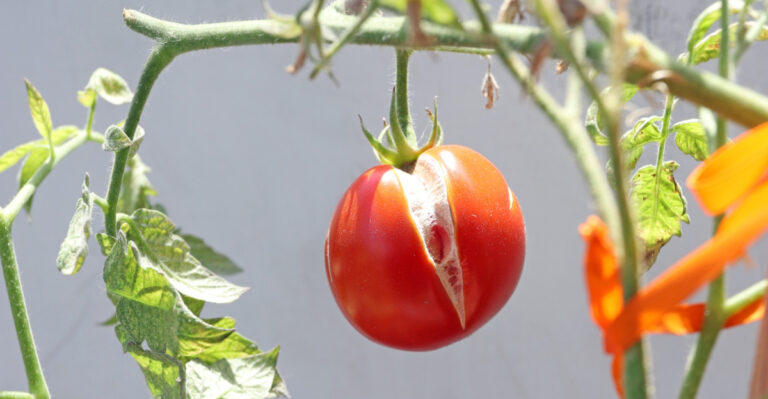
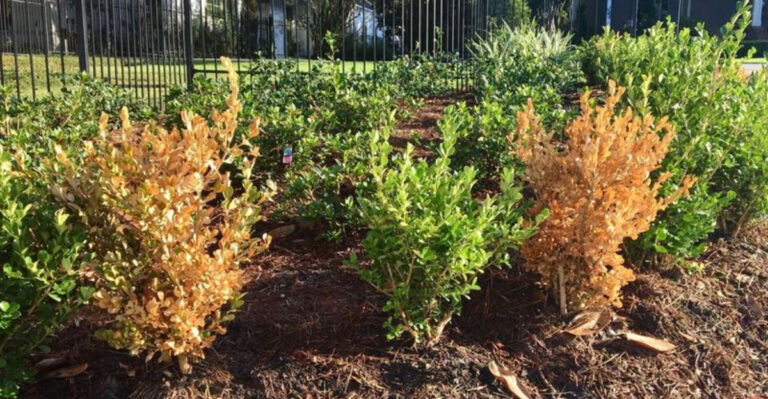
Tomatoes stop thriving. Nearby shrubs yellow and collapse for no obvious reason.
Most homeowners spend seasons troubleshooting their gardens, never once suspecting the tree overhead. Juglone doesn’t announce itself. It just works.
If your garden keeps failing for no obvious reason, the answer might be growing right above your head.
The Backyard Tree That’s Quietly Poisoning Your Garden
Picture this: your tomatoes are drooping, your roses look sick, and nothing you plant under that big shady tree seems to survive. You’ve watered, fertilized, and fussed over your garden all season long. Nothing works.
The problem might not be your gardening skills at all. That towering tree casting shade over your yard could be a black walnut, and it’s among the more chemically aggressive trees you’ll find in Virginia landscapes.
Black walnut trees produce a toxic compound called juglone. This chemical seeps into the surrounding soil from the tree’s roots, leaves, and even its fruit husks.
Juglone is completely natural, but that doesn’t make it harmless. Some common garden plants are highly sensitive to even small amounts of it in the soil.
Black walnut trees are also surprisingly common in Virginia yards. Many were planted decades ago for shade or timber value, long before their chemical effects on gardens were widely understood.
Homeowners often assume their plants failed because of bad weather or poor soil. The real answer is hiding underground, spreading silently from the tree’s root system in every direction.
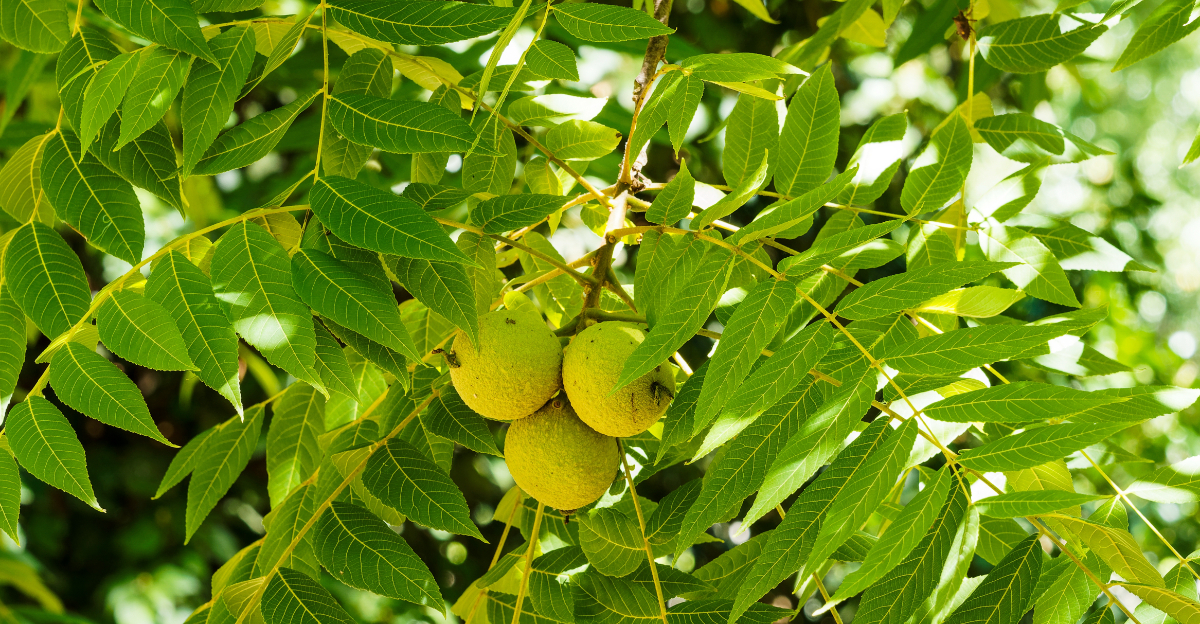
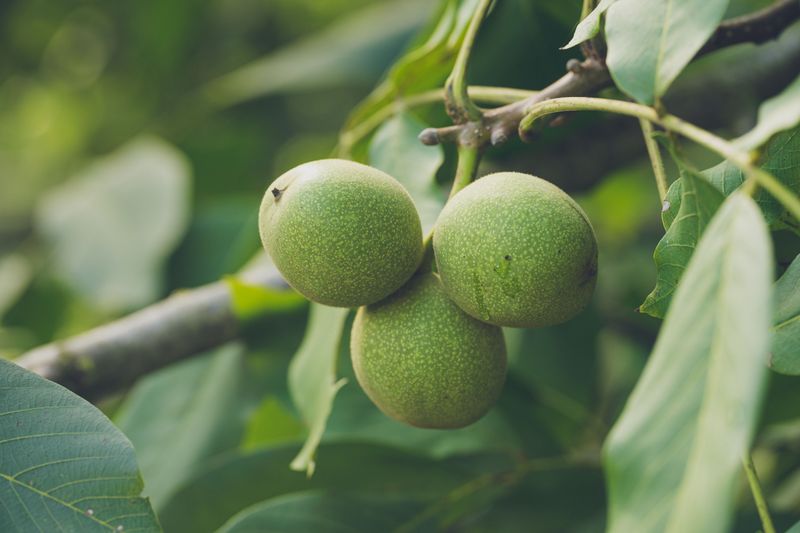
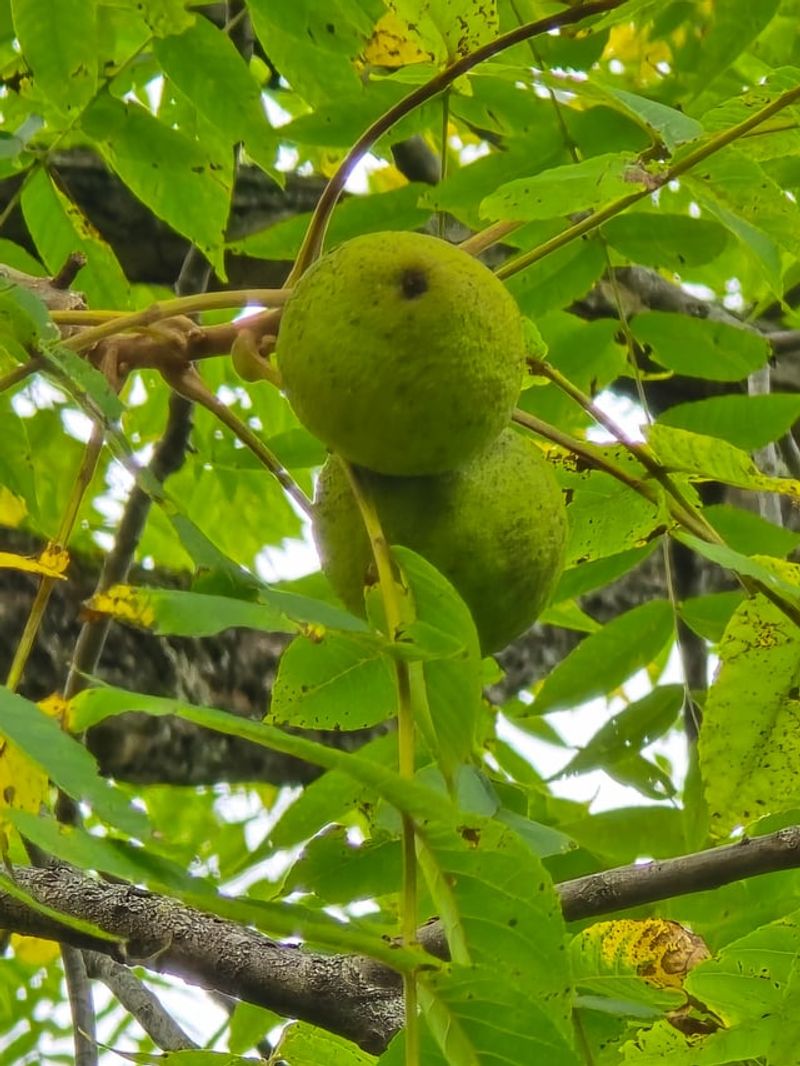
Recognizing a black walnut tree is a solid first step. Look for compound leaves with many small leaflets, and round green fruits that turn black and fall in autumn.
The husks of those fruits leave dark stains on driveways, patios, and skin. That staining power is a clue to just how potent the tree’s chemistry actually is.
What Makes Black Walnut So Dangerous To Other Plants
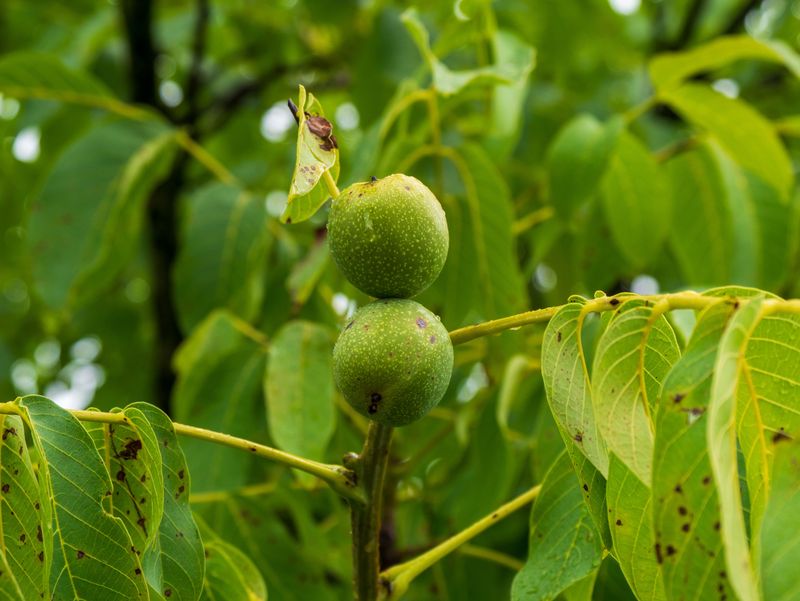
Most trees compete for sunlight and water, but black walnut takes a more aggressive approach. It produces juglone, a chemical compound that suppresses or outright stops the growth of competing plants nearby.
Juglone works by interfering with a plant’s ability to breathe and process energy. Sensitive plants struggle to maintain normal cellular function when exposed to enough of it.
The chemical is produced in every part of the black walnut tree. Roots, leaves, nut husks, and even the bark all contain juglone in varying concentrations.
When leaves fall and decompose on the ground, juglone leaches into the soil. Rain carries it deeper and spreads it further than most homeowners would ever guess.
The roots are the biggest delivery system. They push juglone directly into the surrounding soil as they grow, creating a toxic zone that expands every year the tree gets bigger.
Your Virginia Garden Changes Every Week. Your Plan Should Too.
Gardening in Virginia changes quickly throughout the season. Every Friday you’ll receive a simple weekly plan showing exactly what to plant, prune, fertilize, harvest, and protect so you never miss the right timing.
That’s part of what makes black walnut so difficult to garden around. The tree doesn’t need to touch your plants directly. It works through the soil, invisibly and continuously, whether you notice it or not.
What makes this especially tricky is that juglone breaks down slowly in clay-heavy soils, which are found across large parts of Virginia’s Piedmont and central regions.
Cleaning up fallen leaves and husks helps, but it doesn’t reset the soil. The damage underneath builds up quietly, season after season.
Signs Your Plants Are Suffering From Juglone Toxicity
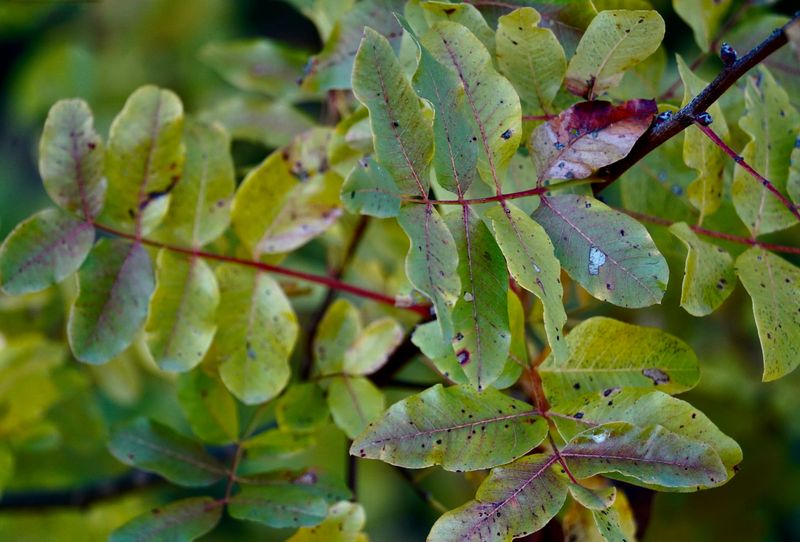
Yellowing leaves that curl inward, sudden wilting on a perfectly watered day, and stunted growth that makes no sense are all red flags worth paying attention to. These symptoms often get blamed on drought or disease, but juglone toxicity looks very similar to both.
Tomatoes are especially dramatic about it. A tomato plant exposed to juglone can go from healthy to completely collapsed in just a few days.
The wilting usually starts at the tips of the youngest leaves. It then spreads downward toward the stem, and extra watering is unlikely to reverse the damage once it takes hold.
Blueberry bushes show a slower decline. Their leaves turn yellow between the veins, a pattern called chlorosis, before the whole shrub gradually weakens over one or two seasons.
Rhododendrons and azaleas, which are beloved in Virginia gardens, often show browning at the leaf edges. The damage looks almost identical to drought stress or root rot.
One helpful clue is location. If the struggling plants are all within roughly 60 feet of a black walnut tree, juglone becomes a very likely suspect worth investigating further.
Healthy plants growing outside that zone while the nearby ones fail is a telling pattern. That contrast is often the clearest signal that the tree, not the weather, is the real problem.
Which Plants Cannot Survive Near Black Walnut
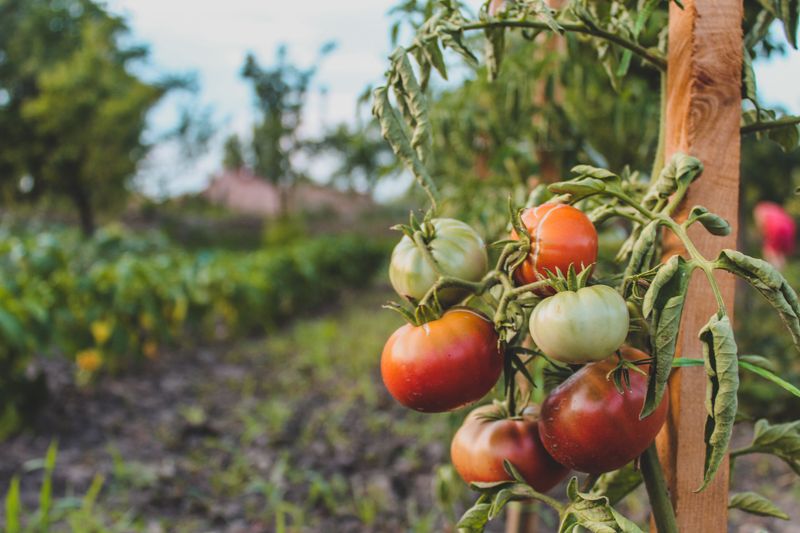
Some plants struggle so badly near a black walnut tree that no amount of care is likely to save them. Knowing which ones to keep away can save you a season of frustration and wasted money at the garden center.
Tomatoes top the sensitivity list by a wide margin. In some cases, tomato plants exposed to juglone-contaminated soil can decline rapidly within days, with little chance of recovery.
Peppers and eggplants share that same vulnerability. They’re in the same plant family as tomatoes, and they react to juglone with nearly identical speed and severity.
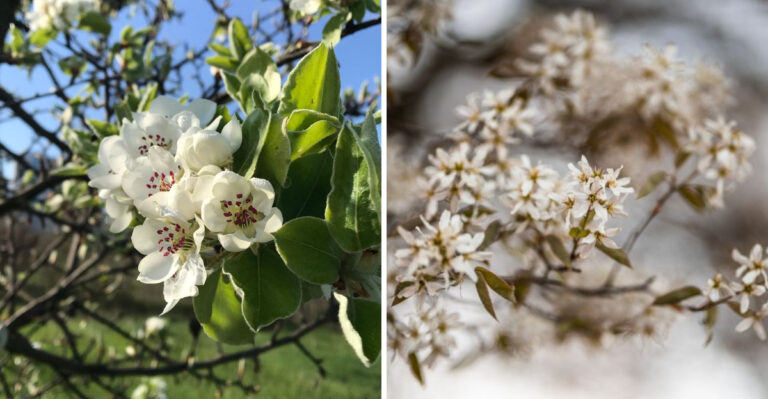
Blueberries, apples, and pears are also highly sensitive. Planting these fruiting shrubs or trees near a black walnut is essentially setting them up to slowly fail over several growing seasons.
Rhododendrons, azaleas, and mountain laurel are beloved ornamentals across Virginia, but they struggle badly in juglone-affected soil. Gardeners often spend years troubleshooting before realizing the tree is responsible.
White pines and Norway spruces are surprisingly sensitive for large trees. They may hold on for a few years before showing needle browning and thinning canopy growth.
Lilacs, peonies, and certain hydrangeas also show poor performance near black walnuts. Choosing resistant alternatives like hostas, ferns, astilbe, or black-eyed Susans gives your garden a much better chance of actually thriving.
How Far Does The Toxic Zone Actually Reach
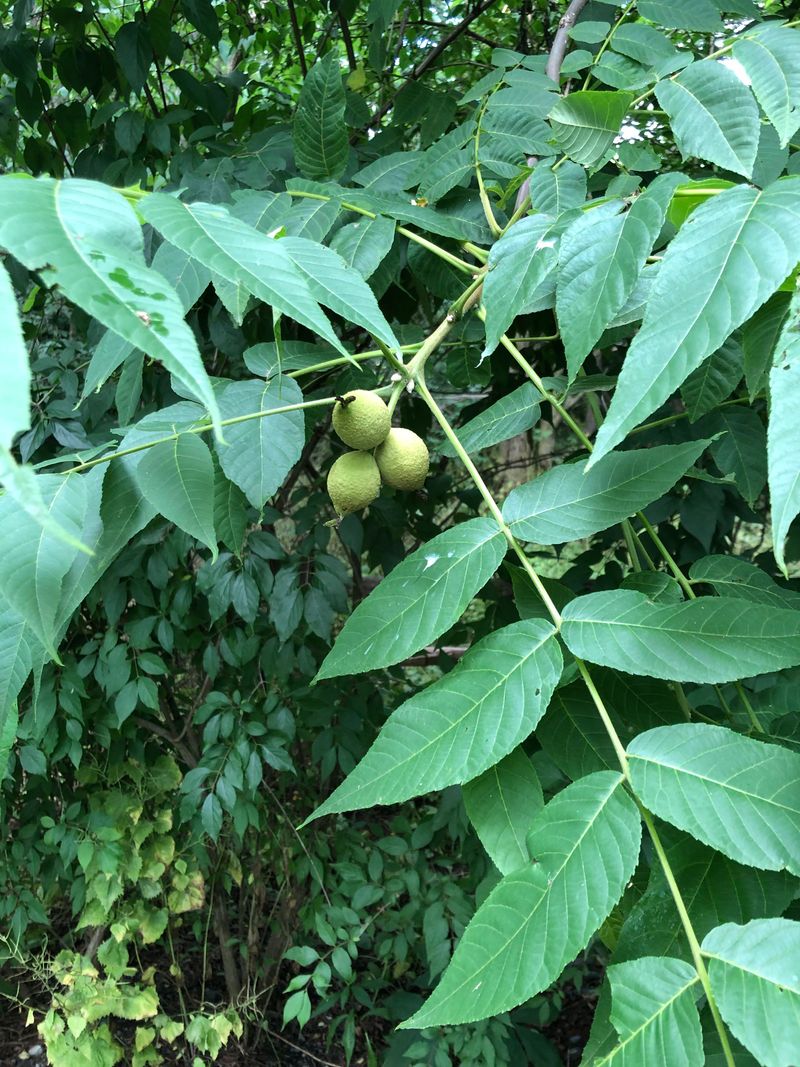
A lot of homeowners assume the danger zone stops at the tree’s drip line, that outer edge where the branches end overhead. That assumption leads to a lot of confused gardeners and ruined gardens every single year.
The actual toxic zone extends much further than the canopy. Researchers have found juglone activity in soil as far as 80 feet from the trunk of a mature black walnut tree.
Root systems are the key factor here. Black walnut roots spread widely and can extend far beyond what the tree’s size above ground might suggest.
Younger trees have smaller root systems and a more limited toxic zone. But as the tree matures, that danger zone tends to expand outward with no visible signal to warn you.
Slopes and drainage patterns matter too. Juglone moves with water, so gardens downhill from a black walnut face higher exposure than those planted uphill or upwind from the trunk.
Soil type plays a role as well. Sandy soils drain juglone faster, which gives sensitive plants a slightly better chance. Clay-heavy soils hold the chemical longer, keeping it active in the root zone well into the following growing season.
Heavy rain can potentially carry juglone into garden beds that were previously unaffected.
Mapping out that 80-foot radius around your tree before planting anything new is a smart habit. A simple measuring tape and a little planning can prevent a whole lot of heartbreak later in the season.
What Virginia Homeowners Can Do to Protect Their Yards
Living with a black walnut tree doesn’t mean giving up on a beautiful yard. It just means being strategic about where and what you plant around it each season.
Start by mapping the tree’s toxic zone using that 80-foot guideline. Keep sensitive vegetables, fruit bushes, and ornamental shrubs well outside that boundary from the start.
Raised garden beds can offer real protection for vegetable gardens. Fill them with fresh soil and line the bottoms with landscape fabric to slow any juglone migration up from the ground below.
Choosing juglone-tolerant plants for the areas inside that zone is a practical and rewarding approach. Hostas, ferns, wild ginger, astilbe, and black-eyed Susans all perform well near black walnut trees.
Removing fallen leaves and husks promptly every autumn reduces the amount of juglone leaching into the soil. Don’t compost black walnut material, since juglone survives the composting process and will contaminate finished compost.
If you’re considering tree removal, know that juglone can persist in the soil for years after the tree is gone. Testing your soil and amending it before planting sensitive species is a wise move.
Virginia homeowners who learn to work around the black walnut tree’s chemistry, rather than fight it, end up with healthier and more resilient yards. Understanding this toxic tree is the first step toward a garden that actually grows.