Native Georgia Perennials That Help Discourage Ticks While Attracting Pollinators
Some plants do more than fill a garden with color. The way they grow, spread, and fill space can influence what shows up around them, including pests that prefer quiet, overgrown edges and undisturbed areas.
Ticks tend to thrive where vegetation stays dense and unmanaged near ground level.
At the same time, certain native perennials bring steady movement from bees, butterflies, and other beneficial insects that prefer open, active planting areas.
Long warm seasons encourage both plant growth and increased outdoor activity, which makes plant choice more noticeable than many people expect in Georgia.
A shift toward native perennials is happening in many yards, where the focus is no longer just appearance but also how the landscape supports pollinators while being less inviting to pests like ticks.
Several standout plants are now getting more attention for exactly that balance.
1. Purple Coneflower Thrives In Sunny Open Garden Beds
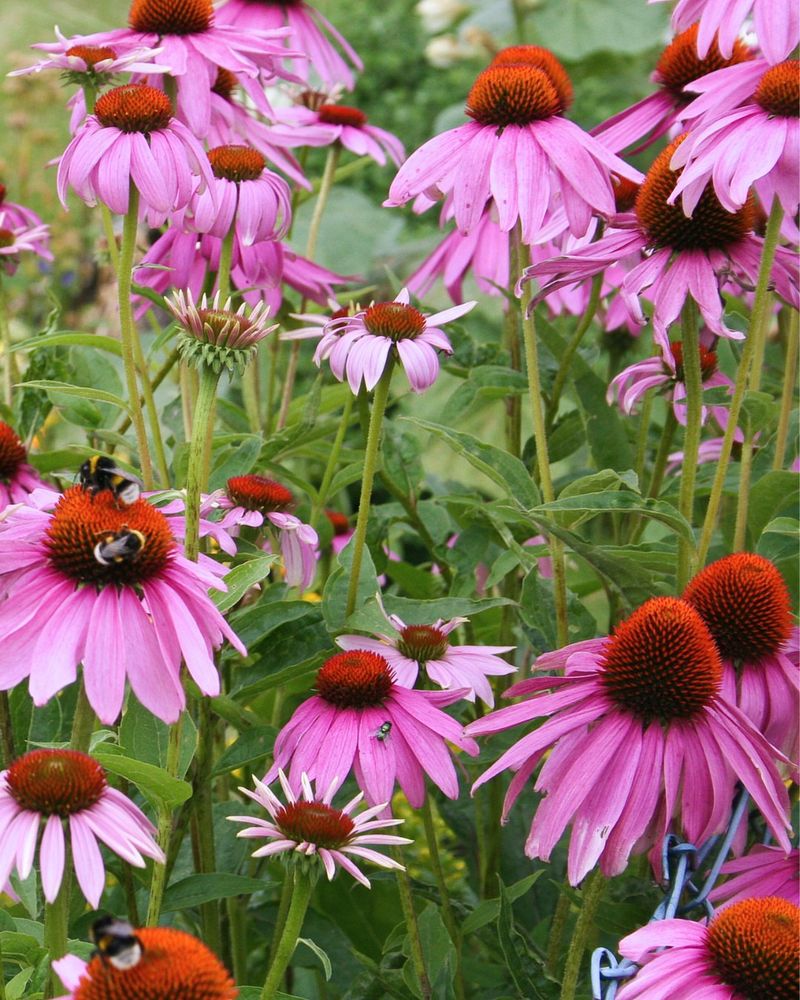
Few plants earn their keep as quickly as purple coneflower. It blooms through summer heat without much fuss, and its open structure keeps the surrounding area well-ventilated.
Ticks prefer dense, shaded spots, so planting coneflower in open, sunny beds naturally makes those areas less appealing to them.
Bees, butterflies, and even goldfinches are drawn to these flowers throughout the season. Purple coneflower works well along borders or in raised beds where sunlight is consistent.
It handles Georgia summers with ease once it gets established in well-drained soil.
Space plants about 18 inches apart to keep air moving freely between them. Good airflow reduces moisture buildup, which is something ticks depend on to survive.
Avoid overwatering, since soggy soil encourages the kind of humid microclimate that ticks find comfortable.
After blooming, leave the seed heads in place. Birds feed on them through fall and winter, which adds another layer of wildlife value.
Deadheading some spent flowers encourages additional blooms while leaving others for seed feeders gives you the best of both.
Purple coneflower spreads slowly over time. Dividing clumps every few years keeps plants healthy and gives you more to work with across the garden.
It is one of the most reliable native perennials you can grow in open, sun-drenched areas across the Southeast.
2. Butterfly Weed Attracts Pollinators Without Forming Thick Growth
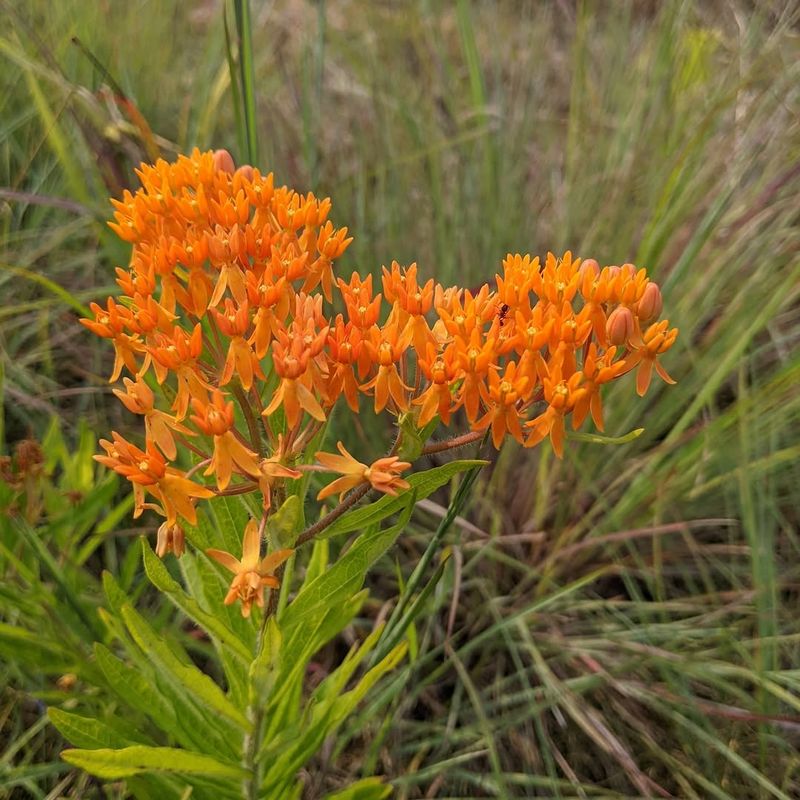
Butterfly weed is bold, bright, and surprisingly tough. Its vivid orange clusters stop people mid-step, and monarchs treat it like a destination.
Unlike many flowering plants, it grows in a compact, upright form that never creates the dense, low canopy that ticks love to hide in.
Its open structure means light and air reach the base of the plant easily. Ticks struggle in exposed, dry conditions, and butterfly weed naturally keeps things that way.
Plant it in full sun with well-drained or even sandy soil for the best results.
Established plants handle drought without complaint. In fact, overwatering is one of the few things that will set this plant back.
Once it is settled in, you can largely leave it alone and still get a reliable show of color each summer.
Your Georgia Garden Changes Every Week. Your Plan Should Too.
Gardening in Georgia changes quickly throughout the season. Every Friday you’ll receive a simple weekly plan showing exactly what to plant, prune, fertilize, harvest, and protect so you never miss the right timing.
Pollinators go straight for the nectar-rich flowers. Bees, skippers, and various butterfly species all visit regularly.
Monarch butterflies use it as a host plant, which means your yard becomes part of a larger migration story playing out across North America.
Butterfly weed takes a season or two to fully establish its deep taproot. Patience pays off because mature plants are extremely durable.
Avoid moving them once planted since the taproot does not transplant well. Mark its location clearly in spring because new growth emerges late compared to most perennials.
3. Blazing Star Fits Bright Areas With Plenty Of Airflow
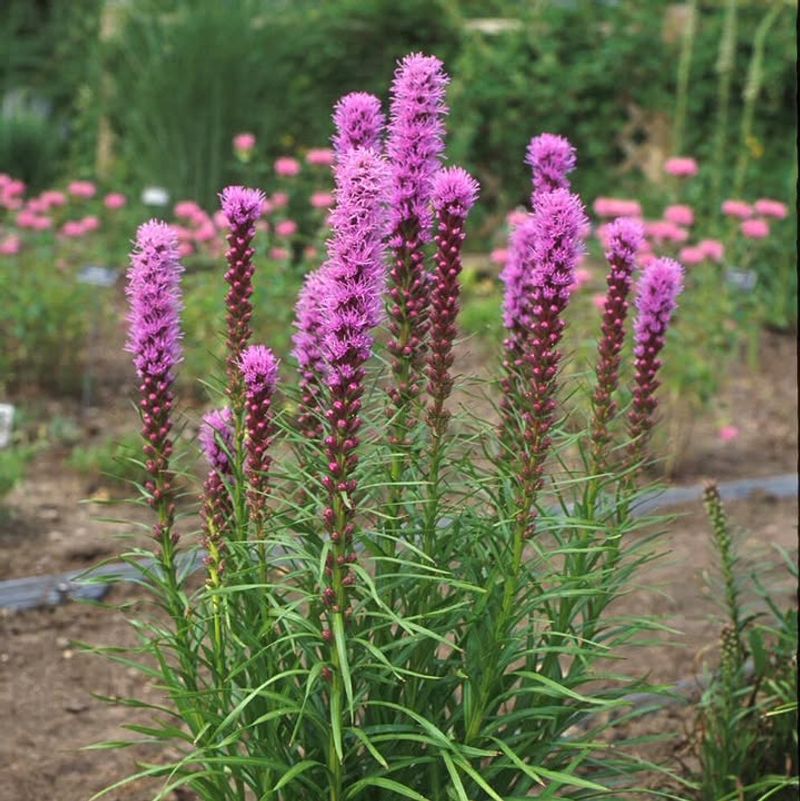
Blazing star shoots up fast and blooms from the top down, which is unusual and eye-catching. Its tall, narrow spikes fit naturally into open spots where sunlight hits hard and air moves freely.
Those conditions are exactly what ticks avoid, making this plant a smart choice for exposed areas.
Butterflies and long-tongued bees are especially active around blazing star flowers. The blooms appear in mid to late summer, which fills a gap when some other native plants have already finished.
Planting it alongside earlier bloomers keeps pollinators fed across a longer stretch of the season.
It grows well in lean, well-drained soil. Rich, heavily amended soil can actually cause problems by encouraging floppy stems.
Skip the fertilizer and let this plant do what it does naturally in tougher conditions.
Good airflow around blazing star keeps foliage dry and the plant healthy. Avoid crowding it between dense shrubs or shade-casting plants.
A spot along a sunny fence line or at the back of a dry border works well.
Blazing star grows from a corm, which makes it surprisingly resilient through dry spells once established. Water during the first season to help roots settle in, then back off.
In Georgia, summers can be punishing, but a well-placed blazing star handles that pressure without needing extra attention from you.
4. Coreopsis Performs Well In Dry Open Plantings
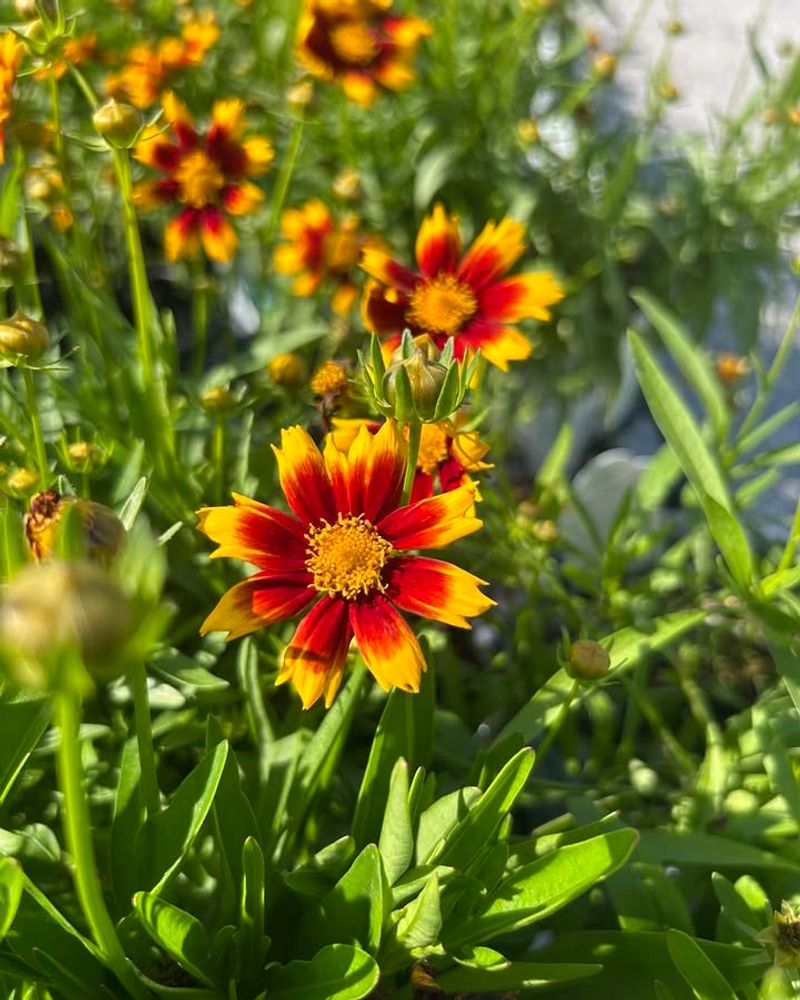
Coreopsis practically glows in a summer garden. Its cheerful yellow flowers bloom for weeks without much encouragement, and it stays low and open enough that nothing dark or damp forms at its base.
Ticks need moisture and cover, and coreopsis offers neither of those things.
It is one of the most drought-tolerant natives you can plant in the Southeast. Once established, it rarely needs supplemental water even during dry stretches.
Sandy or rocky soil suits it just fine, and it actually blooms more freely when not overfed.
Bees and butterflies visit the flowers consistently from late spring through summer. Some varieties rebloom if you trim back spent flowers by about a third.
That extra effort keeps pollinators coming back and extends the color well into fall.
Plant coreopsis in full sun for the strongest performance. Partial shade tends to produce leggy growth and fewer flowers.
Spacing plants about 12 to 18 inches apart allows air to move around each one freely.
Native coreopsis species, including lance-leaved and threadleaf varieties, are especially well-suited to conditions found across the Southeast. They self-sow lightly over time, filling gaps in a planting without becoming invasive.
Pulling a few seedlings each spring keeps the spread manageable while still letting the colony expand naturally. It is a genuinely low-maintenance choice that earns its place year after year.
5. Goldenrod Keeps Nectar Available Into Fall
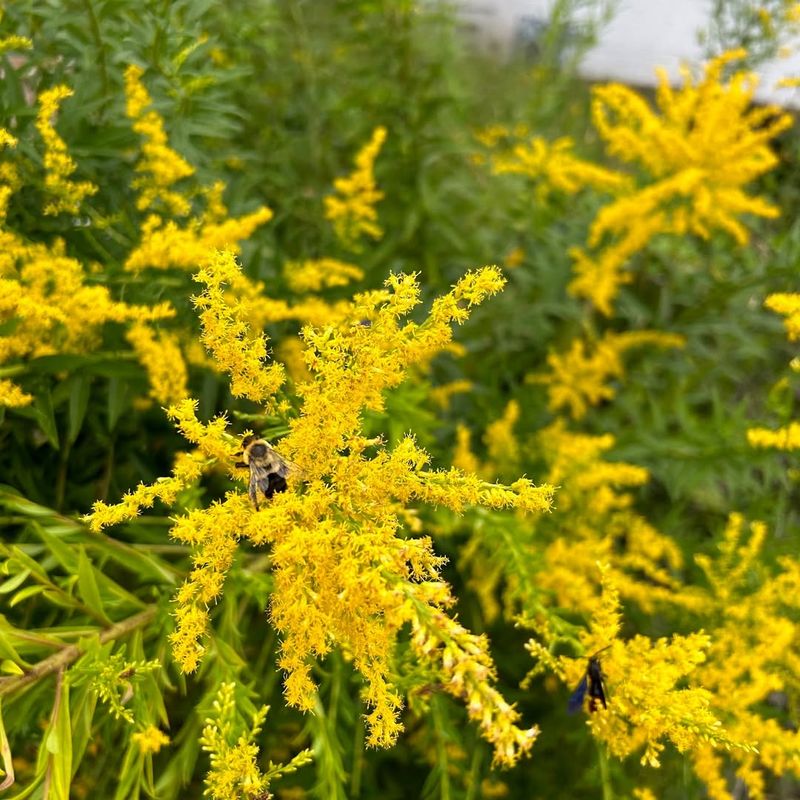
Goldenrod gets blamed for a lot of allergy complaints it did not cause. Ragweed is the real culprit, and it blooms at the same time.
Goldenrod is actually insect-pollinated, meaning its heavy pollen stays on the plant rather than floating through the air. It is worth clearing up that reputation because this plant is genuinely valuable.
Late summer and fall can be lean times for pollinators. Goldenrod fills that gap better than almost anything else.
Its dense clusters of tiny yellow flowers draw in bees, wasps, and butterflies right when other food sources start to dry up.
Plant it in full sun with average to dry soil. Goldenrod spreads by rhizome, so give it a defined spot or use a root barrier if space is tight.
Dividing clumps every two to three years keeps growth contained and plants vigorous.
Its upright, airy structure does not create the kind of ground-level cover that ticks favor. Keeping it in open, sunny borders rather than shaded corners reduces tick-friendly conditions nearby.
Mowing or cutting back surrounding grass also helps.
Several goldenrod species are native to the Southeast and vary in height from about two feet to over five feet tall. Choosing a shorter variety like wrinkleleaf goldenrod works well in smaller spaces.
Stiff goldenrod handles dry, poor soils exceptionally well and stays more compact than some of the taller types.
6. Aromatic Aster Supports Pollinators Late In The Season
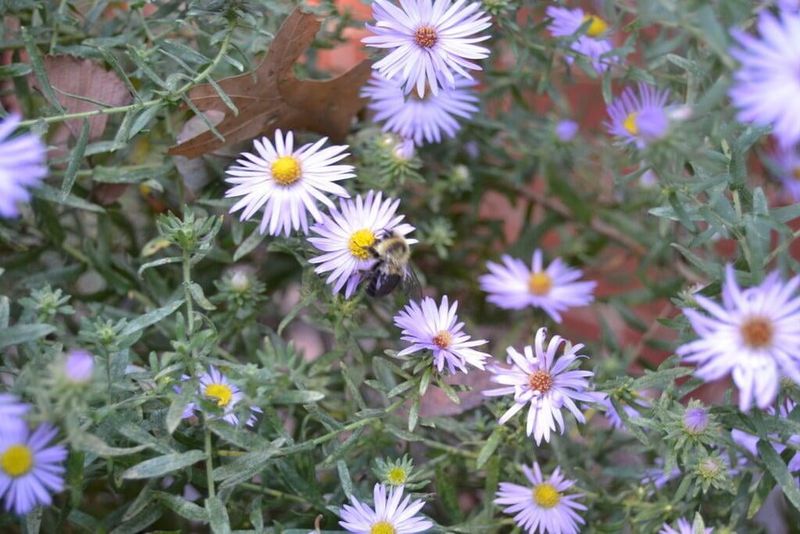
When most of the garden has gone quiet, aromatic aster is just getting started. It blooms in fall when pollinator food is genuinely scarce, making it one of the most ecologically useful plants you can add to a late-season planting.
Bees and butterflies show up in large numbers when little else is flowering.
Its fine-textured foliage is strongly aromatic, especially in warm weather. That scent comes from natural oils in the leaves, and those same oils are part of what makes aromatic aster a poor environment for ticks.
Plant it in sunny, open spots where air can move around it easily.
Aromatic aster stays compact compared to some other aster species. It typically reaches two to three feet tall and wide, making it easy to fit into borders without crowding.
It does not flop or sprawl, which keeps the base of the plant exposed rather than shaded.
Soil drainage matters more than soil richness for this plant. Average to dry, well-drained soil suits it well.
Overly fertile or wet soil encourages rank growth and reduces the aromatic intensity that makes this plant useful.
Cut plants back by half in early summer to encourage bushier growth and more flowers come fall. Without that trim, plants can get a bit leggy by the time they bloom.
In Georgia, fall gardens benefit enormously from plants like aromatic aster that extend the pollinator season well into October and sometimes beyond.
7. Bee Balm Benefits From Good Air Circulation
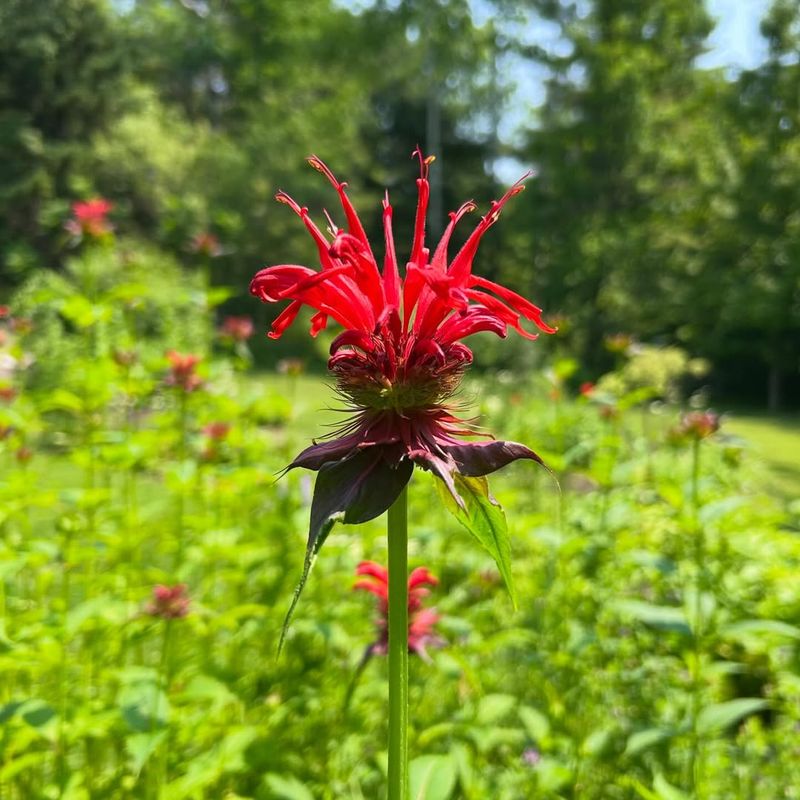
Bee balm is one of those plants that rewards careful placement. Put it in a tight, humid corner and it struggles with powdery mildew.
Give it space, sun, and moving air, and it thrives and blooms generously through summer. That open placement also keeps conditions around it less hospitable to ticks.
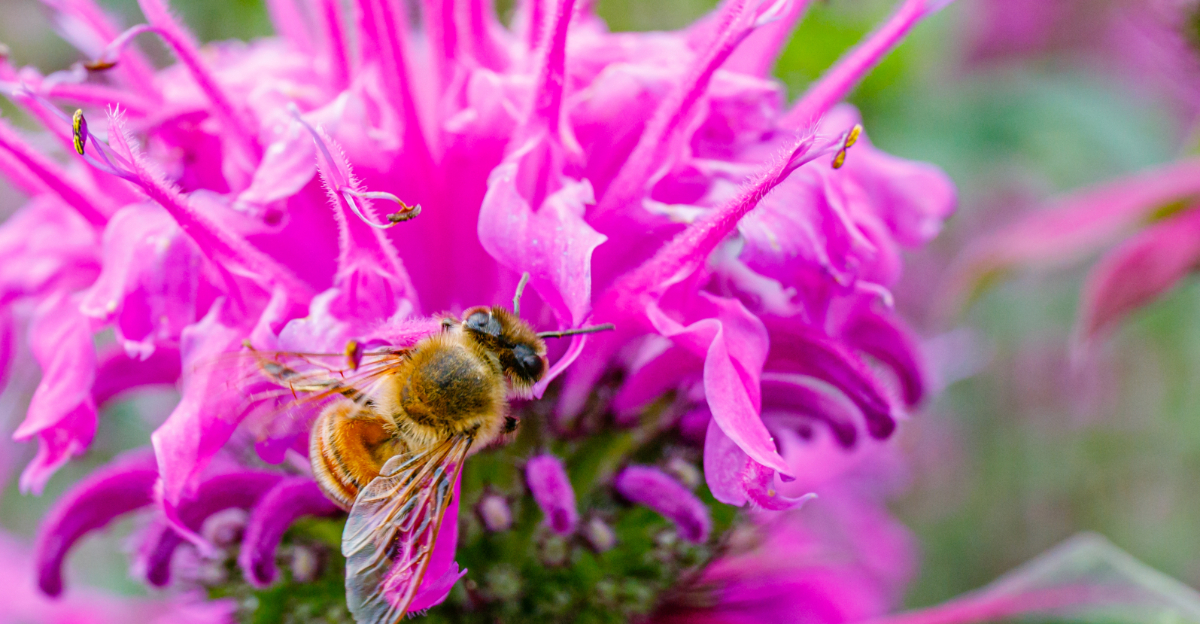
Hummingbirds are especially drawn to the tubular red and pink flowers. Native bees and bumblebees work the blooms steadily throughout the day.
Few plants bring in as wide a variety of pollinators as bee balm does during its peak season.
The leaves carry a strong, pleasant scent when brushed or crushed. That aromatic quality is part of what makes bee balm worth growing near seating areas or garden paths.
Ticks are sensitive to strong plant scents, and bee balm adds a layer of natural deterrence through its oils.
Water at the base rather than overhead to keep foliage dry. Wet leaves speed up mildew problems, especially during humid stretches.
Thinning the center of each clump annually improves airflow and keeps plants looking tidy.
Native species like Monarda fistulosa and Monarda punctata are better adapted to Southeast conditions than many cultivated varieties. They handle heat and humidity with more resilience.
Monarda punctata, sometimes called spotted bee balm, is particularly well-suited to dry, sandy soils and produces interesting spotted flowers that pollinators visit eagerly all season long.
8. Narrowleaf Mountain Mint Grows Best In Sunny Locations
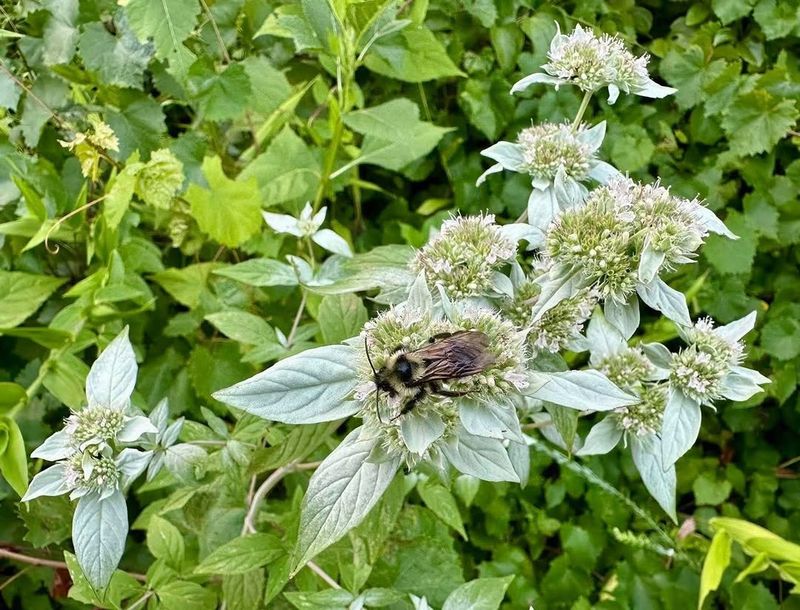
Nothing in a pollinator garden attracts as much insect activity per square foot as mountain mint. On a warm afternoon, the flower clusters can be covered with dozens of bees, wasps, and butterflies at the same time.
It is genuinely one of the most visited native plants in any Southeast garden.
Its scent is the standout feature. Brush against the foliage and a sharp, clean mint fragrance releases immediately.
Ticks are repelled by strong aromatic compounds, and mountain mint produces them in abundance throughout the growing season.
Narrowleaf mountain mint stays more manageable than some of its relatives. It spreads by rhizome but does so at a reasonable pace.
Planting it in a defined bed or using a buried barrier keeps the spread under control without much effort.
Full sun is essential for the best performance. Plants grown in partial shade produce fewer flowers and less aromatic intensity.
A spot with at least six hours of direct sun daily gives narrowleaf mountain mint the conditions it needs to reach its full potential.
Soil does not need to be rich. Average, well-drained soil is plenty.
Once established, this plant handles dry spells without much trouble and rarely needs fertilizing. Cutting it back by about a third after the first bloom flush can encourage a second round of flowering.
Across the Southeast, it performs reliably from late spring through late summer with minimal intervention from the gardener.