What Makes Opossums Helpful For Georgia Gardens And Wildlife
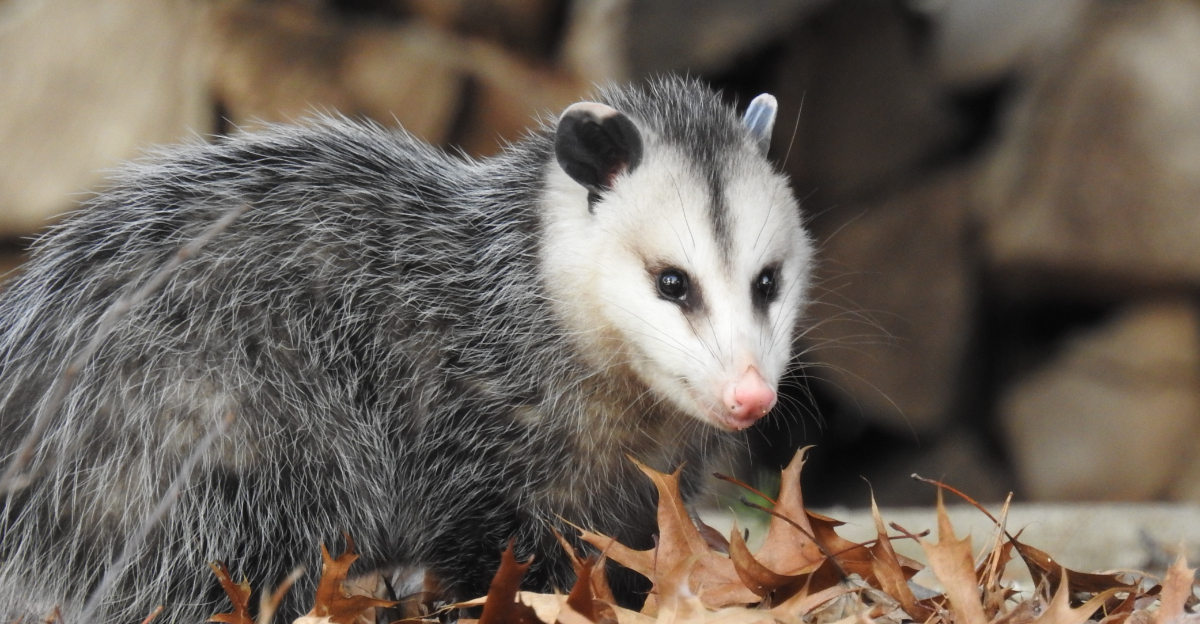
Opossums usually get noticed for the wrong reasons in Georgia yards, which is why many people never realize how useful they can actually be around gardens and natural spaces.
Quiet nighttime activity, unusual appearance, and the habit of showing up unexpectedly often make them seem like animals homeowners should avoid right away.
Georgia wildlife works differently than many people assume, especially when certain animals help gardens more than expected. Some creatures naturally support more balanced outdoor spaces through their everyday behavior.
Opossums have slowly started changing the way many Georgia gardeners look at backyard wildlife once people learn more about what these animals actually do around outdoor spaces.
1. Opossums Eat Many Common Garden Insects At Night
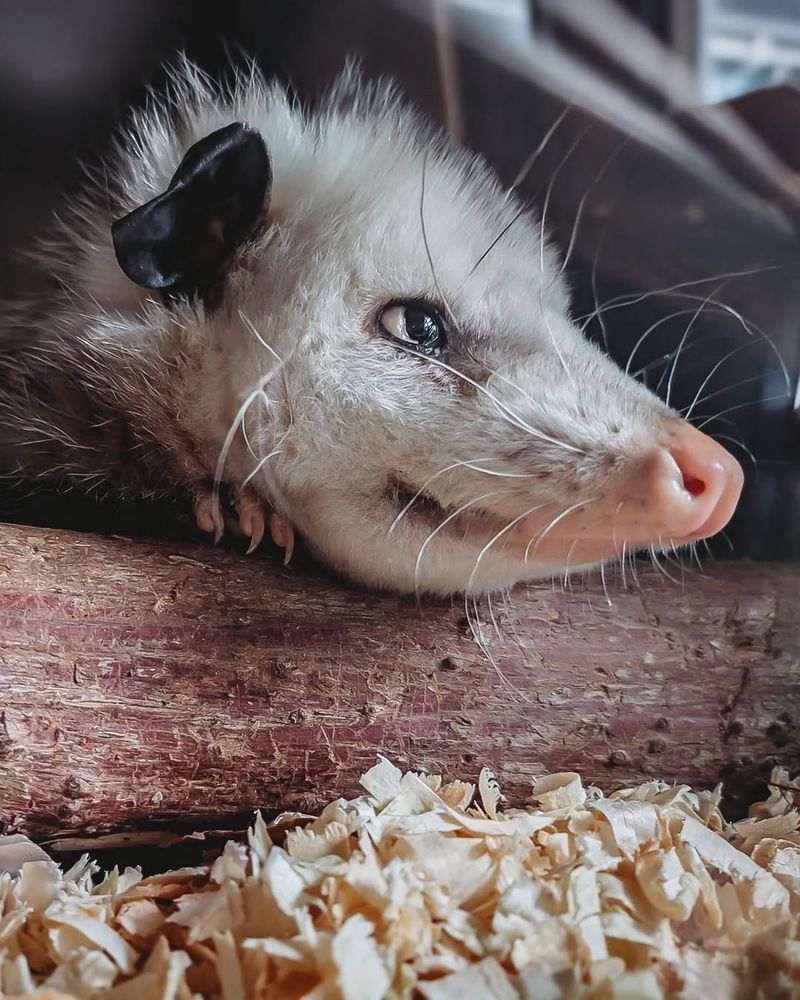
Nighttime in a Georgia garden is surprisingly busy, and opossums are some of the hardest workers out there after sunset. Beetles, cockroaches, grasshoppers, and various larvae make up a solid chunk of what opossums hunt and eat during their nightly rounds.
Because Georgia summers are long and humid, insect populations can build up fast, so having a natural predator patrolling the beds is genuinely useful.
Opossums are opportunistic eaters, which means they go after whatever is easiest to catch. Garden insects, especially slow-moving beetles and ground-dwelling bugs, fit that profile perfectly.
Gardeners who grow vegetables like tomatoes, peppers, and squash often deal with recurring pest pressure throughout the growing season, and an opossum roaming the perimeter can reduce how many insects make it to the plants overnight.
Worth noting is that opossums don’t target just one type of bug. Their varied diet means they hit multiple pest species in a single night’s foraging.
Roaches are a big one, since Georgia yards can have serious cockroach activity, especially near compost piles or leaf litter. Opossums move slowly but cover a lot of ground over several hours, sniffing out insects hiding under mulch, rocks, and garden debris.
Unlike many other nighttime animals, opossums rarely dig up garden beds while searching for food, which makes their presence much less disruptive around established plants.
2. Snails And Slugs Often Become Easy Food Sources
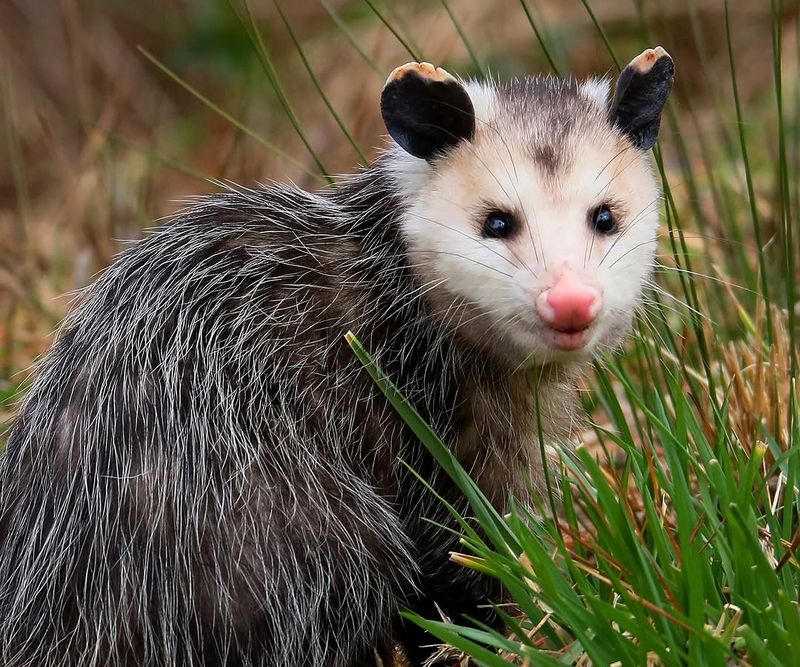
Ask any Georgia gardener what ruins their hostas, lettuce, or strawberries overnight, and snails and slugs will come up almost every time.
These soft-bodied pests are slow, predictable, and easy for an opossum to catch, which makes them a go-to snack during nightly foraging runs.
Opossums have sharp little teeth designed for crushing shells, so snails in particular are no challenge at all.
Slug and snail damage tends to peak during Georgia’s rainy spring months and again in early fall when moisture returns. Both pests leave behind that telltale silvery slime trail and ragged holes in leaves.
Gardeners spend real money on iron phosphate bait, copper tape, and other deterrents trying to manage the problem. An opossum wandering through the garden can clear out a surprising number of these pests in one night without any of that effort or cost.
One practical thing to understand is that opossums don’t eliminate every slug or snail in your yard permanently. Pest populations bounce back, especially after heavy rain.
Your Georgia Garden Changes Every Week. Your Plan Should Too.
Gardening in Georgia changes quickly throughout the season. Every Friday you’ll receive a simple weekly plan showing exactly what to plant, prune, fertilize, harvest, and protect so you never miss the right timing.
But regular opossum activity does put consistent pressure on those populations over time, which can noticeably reduce the damage you see on your plants.
3. Opossums Rarely Damage Established Garden Plants
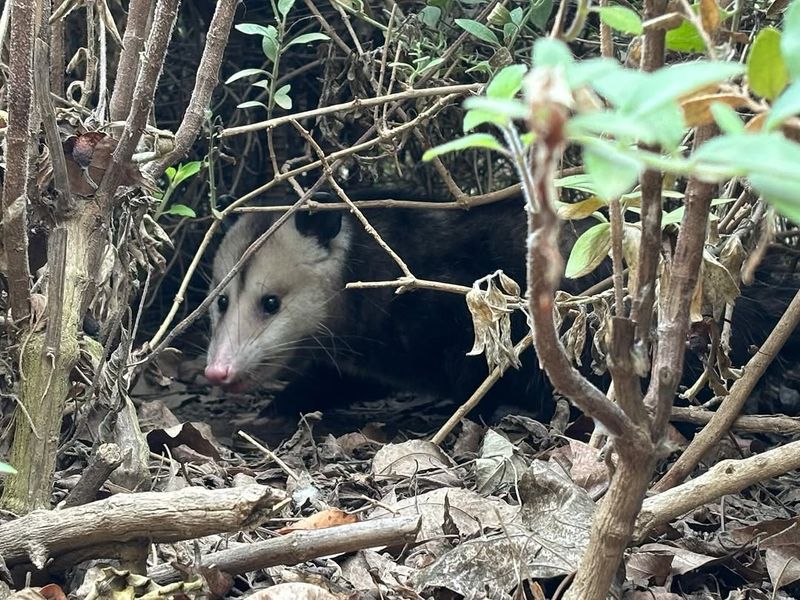
One of the most common worries gardeners have about wildlife is whether an animal will tear up their plants, and it’s a fair concern. Deer, rabbits, and groundhogs can wreck a garden fast.
Opossums, though, are a different story entirely. Established plants, especially woody stems, mature vegetables, and rooted perennials, are simply not on their menu.
Opossums are not grazers. They don’t strip leaves or chew through plant stems the way many other garden visitors do.
Their teeth and jaw structure are built for crushing insects, cracking shells, and tearing into soft fruit, not gnawing on plant material.
Georgia gardeners who have monitored opossum activity with trail cameras often report that the animals walk right through garden beds without touching the plants at all.
They’re focused entirely on what’s on or in the soil.
Young seedlings could theoretically get knocked around if an opossum stumbles through a tight row, but that’s more clumsiness than intentional feeding. Mature garden plants are almost never at risk.
Raised beds with solid edges can prevent even accidental disturbance. Compared to the real plant-eaters that Georgia gardeners battle regularly, like deer or voles, opossums rank extremely low on the threat scale.
4. Natural Scavenging Helps Clean Up Fallen Fruit Outdoors
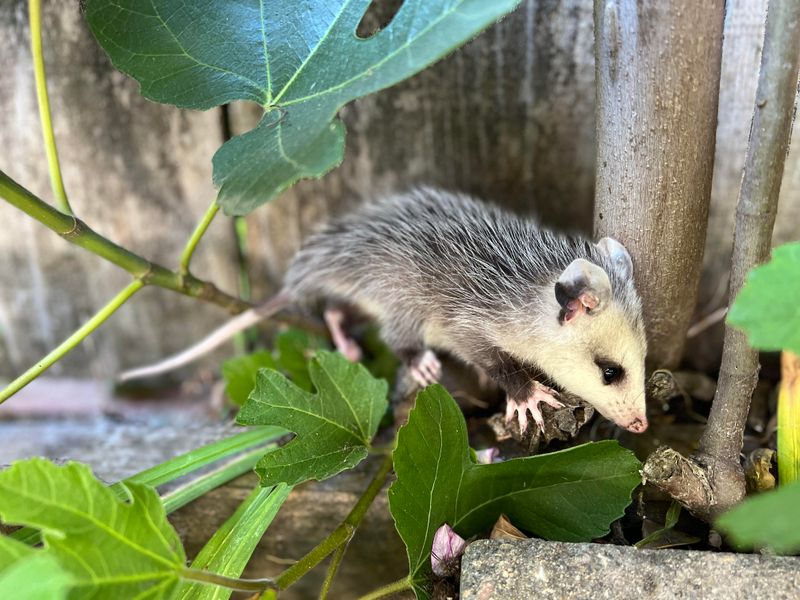
Fallen fruit is one of those garden problems that sneaks up on you fast. Peach trees, apple trees, fig trees, and muscadine vines are all common in Georgia yards, and every one of them drops fruit that rots on the ground if nobody picks it up.
Rotting fruit draws yellow jackets, fruit flies, and other unwanted insects, and it can also spread fungal issues to your soil over time.
Opossums are natural scavengers, and fallen fruit is exactly the kind of easy, high-calorie food they look for during nightly foraging. A single opossum can clear a surprising amount of dropped fruit from beneath a tree in one night.
Peaches, figs, and berries are especially attractive to them because of the sugar content and soft texture.
By cleaning up what falls, opossums reduce the rotting material that would otherwise sit on the ground and create pest and disease problems.
Georgia’s long growing season means fruit trees and vines produce heavily, and keeping the ground beneath them clean is a genuine challenge for homeowners. Raking up fallen fruit daily is time-consuming, and many people just don’t get to it.
5. Opossums Usually Avoid Conflict With People And Pets
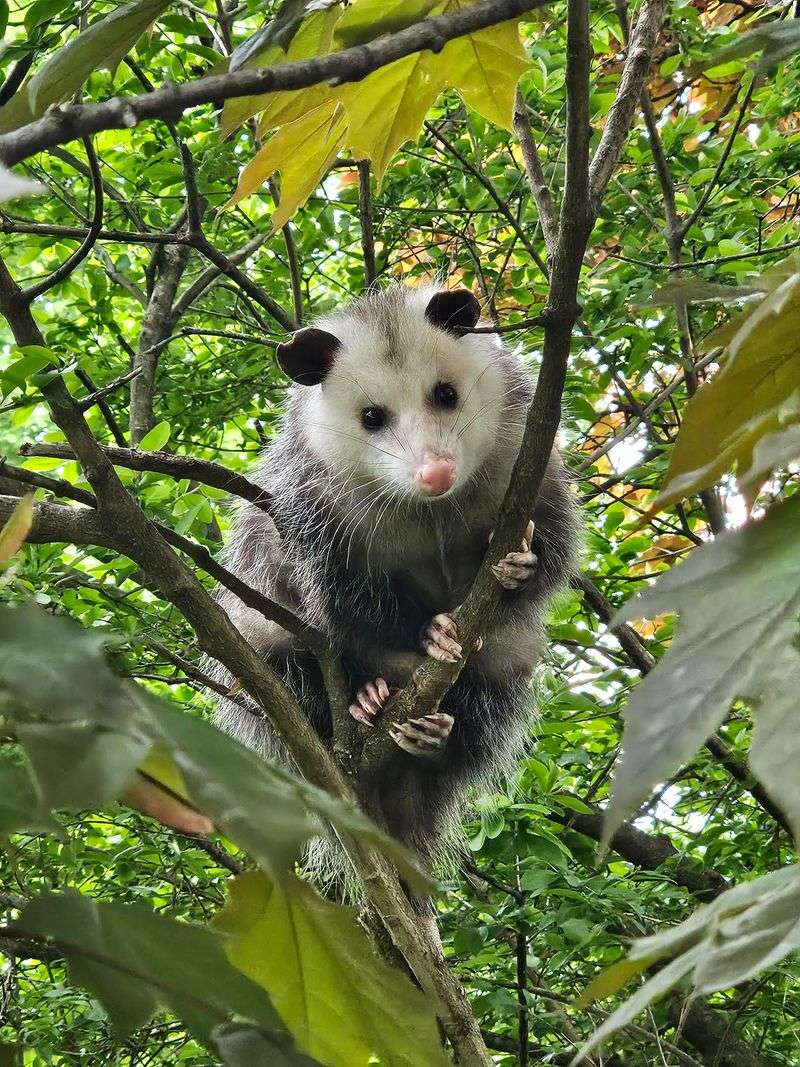
Opossums have a reputation that doesn’t match reality very well. People assume they’re aggressive or dangerous, probably because of the hissing and teeth-baring that happens when one feels cornered.
But that display is almost entirely bluff. Opossums are genuinely non-confrontational animals that prefer to avoid trouble whenever possible.
Their most famous defense, playing possum, is actually an involuntary response to extreme stress rather than a calculated act. When threatened beyond their limit, they fall over, go limp, and emit an unpleasant odor.
It’s not a strategy they choose, it just happens. Most of the time, though, an opossum will simply freeze, hiss once or twice, and then slowly back away when given the chance.
Actual attacks on people are extremely rare and usually only happen when the animal is physically handled or cornered with no escape route.
Pets are a different consideration, but even there, opossums typically retreat rather than fight. A dog may chase one and get hissed at, but opossums don’t seek out confrontations with cats or dogs.
In Georgia neighborhoods where wildlife and suburban life overlap constantly, opossums have learned to navigate around human activity with surprising ease.
6. Ticks Make Up Only A Small Part Of Their Diet
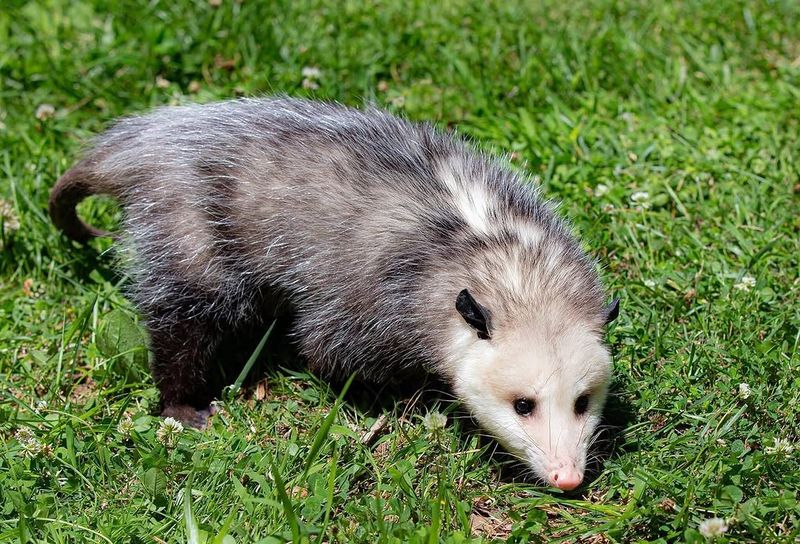
You’ve probably heard that opossums eat thousands of ticks and that they’re basically nature’s tick vacuum. That claim spread widely online and made opossums very popular with people worried about tick-borne illness.
In actual field conditions, opossums encounter far fewer ticks than the famous figures suggest. Their contribution to tick control is real, but it’s moderate rather than dramatic, and it varies by habitat, season, and local tick population pressure in Georgia’s specific ecosystems.
Georgia has heavy tick activity, particularly in wooded suburban edges and near tall grass, so every bit of natural tick pressure helps. Opossums do consume ticks they find during grooming, and they do pick them up while moving through leaf litter and brush.
Treating opossum presence as a complete tick solution would be overstating things, but dismissing their role entirely would also be wrong.
Paired with other tick prevention strategies like keeping grass short, using repellents, and doing regular checks after outdoor time, opossums add one more small layer of natural resistance to tick pressure in your Georgia yard without any effort on your part.
7. Opossums Often Use Quiet Covered Areas For Shelter
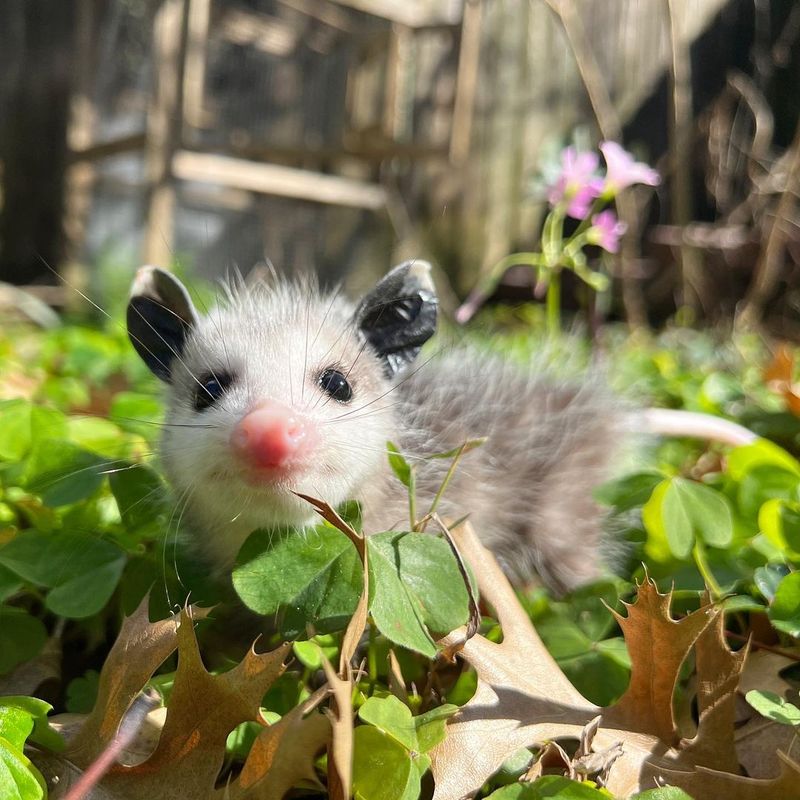
Opossums don’t build elaborate dens or dig extensive burrows the way groundhogs do. Instead, they look for existing covered spaces that offer darkness, protection from wind, and a sense of security.
Brush piles, hollow logs, spaces under decks, and thick shrub borders in Georgia yards are all common resting spots for these animals during the day.
Understanding their shelter habits helps explain why they show up in certain parts of a yard more consistently than others. Opossums are nomadic by nature and rarely stay in one spot for more than a few days at a time.
That means the opossum sleeping under your back deck today will likely move on within the week. They cycle through territories rather than settling permanently, which reduces the impact they have on any single location in your yard or garden.
For Georgia homeowners who don’t want opossums sheltering directly against the house, blocking off under-deck access with hardware cloth is an easy and effective solution.
Leaving a brush pile or a stack of wood at the back of the yard gives them an alternative spot that keeps them in the garden ecosystem where they’re useful without putting them right under your living space.