The Shade Tree More Georgia Homeowners Wish They Had Planted Earlier
Nobody thinks much about shade until the backyard becomes the place everyone avoids during the hottest part of the day.
Sitting outside feels less inviting, plants struggle through long afternoons, and every sunny corner seems to hold the heat a little longer.
Some yard improvements show results almost immediately, while others become more valuable with every passing year. That is exactly what makes the right shade tree such a smart investment.
Georgia summers have a way of reminding you which landscaping decisions truly matter. Choosing the right tree now means giving it time to grow into something your family will appreciate for decades.
Looking back a few years from now, this could easily become the best planting decision you ever made.
1. Plant A River Birch For Lasting Summer Shade
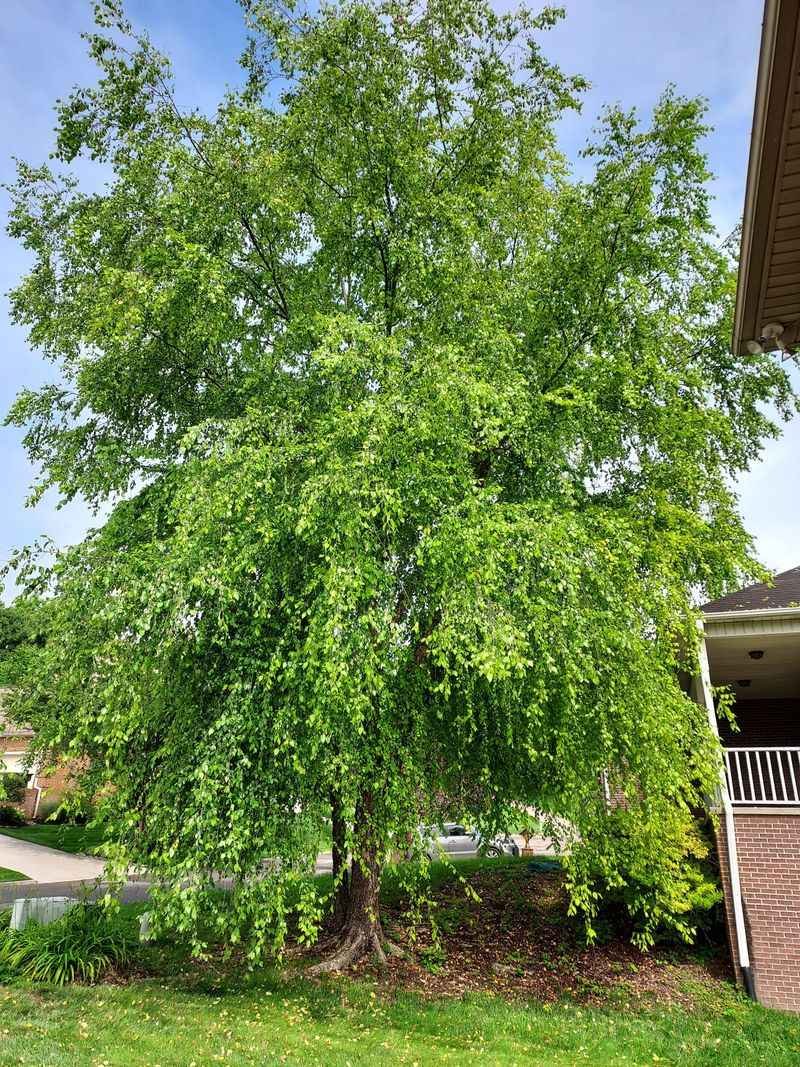
Shade does not appear overnight, but river birch gets you there faster than most trees you could choose. Under the right conditions, it can grow two to three feet per year, which means real, usable shade within a few seasons.
River birch handles heat and humidity without much complaint. That resilience makes it a solid fit for the Southeast, where summer temperatures can push well past 90 degrees for weeks at a stretch.
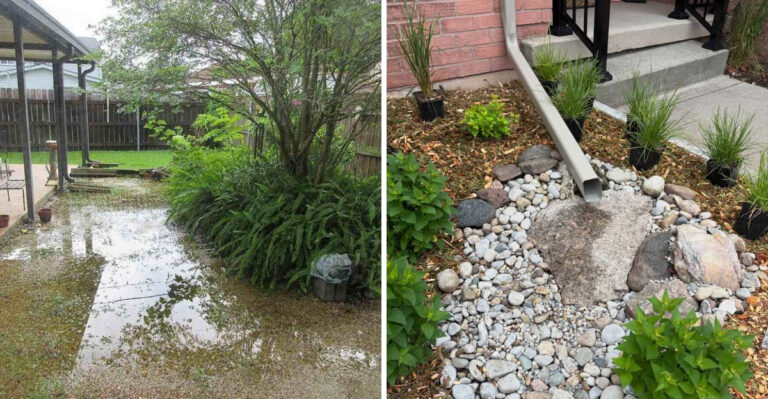
Pick a spot that gets full sun or partial shade. River birch actually prefers slightly moist, well-draining soil, so low areas of a yard where water collects briefly after rain can work well.
Avoid planting too close to your house or driveway.
A mature river birch can spread 25 to 35 feet wide, so give it room to grow without crowding structures or utility lines overhead.
Spring planting gives roots time to settle before summer heat arrives. Fall planting also works in many areas, giving the tree a cool window to establish before its first warm season.
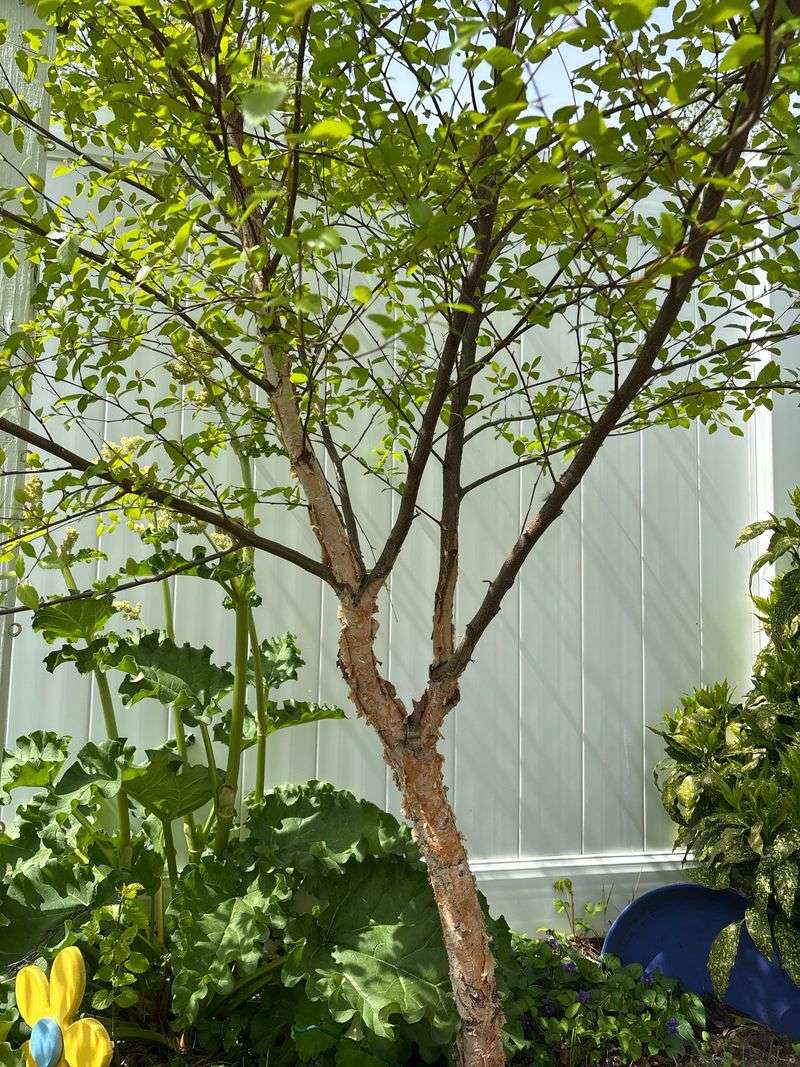
Choosing a multi-stem river birch adds visual interest and a wider spread of shade.
Single-trunk varieties exist too, and either form can thrive with consistent early care and enough space to develop naturally.
2. Give Roots Room To Grow Naturally
Roots need space, and cramped planting spots create problems that show up years later. A hole that is too small or soil that is too compacted puts stress on a young tree before it even has a chance to establish.
Dig a hole two to three times wider than the root ball but no deeper than its height. Wide holes let lateral roots spread out easily into loosened soil, which helps anchor the tree and pull in water more efficiently.
Rocky or heavily clay-based soil slows root development. Mixing in a small amount of compost can improve drainage and texture, though river birch adapts to a range of soil types better than many other shade trees.
Avoid planting where heavy foot traffic compacts the soil regularly.
Compacted ground cuts off oxygen to roots and limits their ability to expand, which can weaken the tree over time.
Roots also need to stay cool. Bare soil heats up fast under direct sun, especially during Georgia summers, which is one reason mulching matters so much in the early years after planting.
Your Georgia Garden Changes Every Week. Your Plan Should Too.
Gardening in Georgia changes quickly throughout the season. Every Friday you’ll receive a simple weekly plan showing exactly what to plant, prune, fertilize, harvest, and protect so you never miss the right timing.
Check the root flare before backfilling.
That flared area where the trunk widens at the base should sit at or just above ground level.
3. Water New Trees During Their First Summers
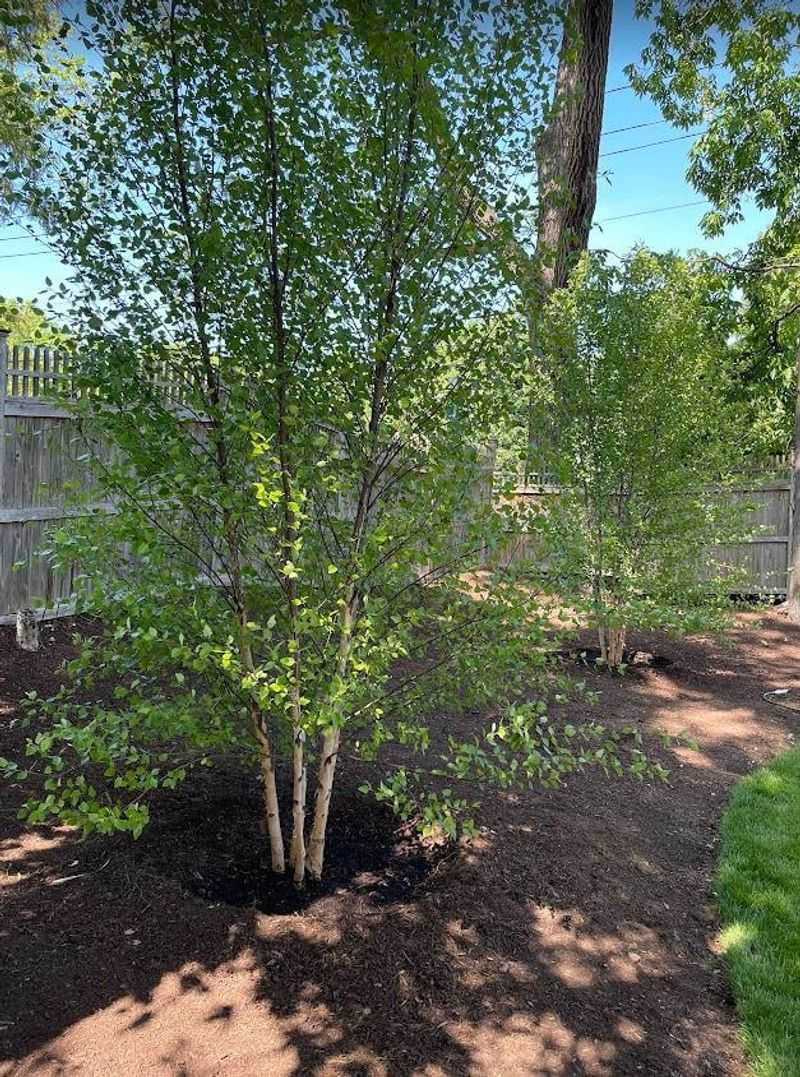
A new tree looks healthy right after planting, but looks can be misleading. Roots have not yet spread into surrounding soil, so the tree depends almost entirely on what moisture sits directly in and around that original root ball.
Watering deeply once or twice a week works better than light daily watering. Deep watering pushes moisture down into the soil, encouraging roots to follow it downward rather than staying shallow near the surface.
During the first summer, watch for wilting leaves in the afternoon. Some afternoon droop in extreme heat is normal, but if leaves are wilting in the morning before temperatures rise, the tree likely needs more water.
A slow trickle from a garden hose left running for 20 to 30 minutes near the base works well. Soaker hoses and drip irrigation are also effective options for keeping moisture consistent without overwatering.
Overwatering is a real risk too. Soggy soil with no drainage can suffocate roots just as much as drought stress.
River birch tolerates moist soil but does not thrive in standing water for extended periods.
Rainfall in the Southeast can be unpredictable, with dry stretches lasting several weeks even during summer.
4. Protect Bark From Common Yard Damage
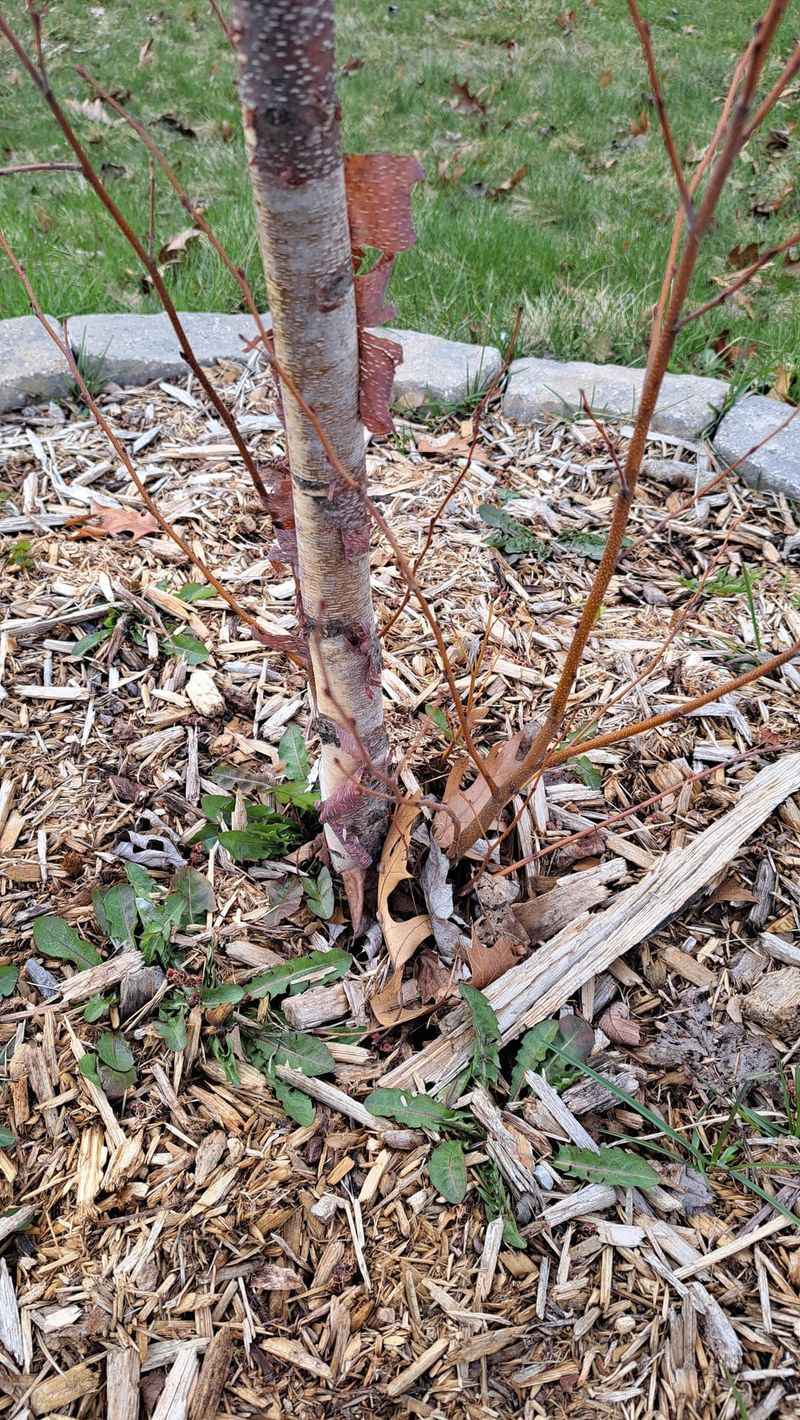
Bark damage is more serious than it looks. A single pass from a lawn mower or string trimmer can strip away a ring of bark around the trunk, which cuts off the tree’s ability to move water and nutrients up from the roots.
String trimmers are responsible for a surprising amount of young tree loss. Keeping trimmer blades at least a foot away from any tree trunk reduces that risk significantly, especially during the first few years when bark is still thin and vulnerable.
Installing a physical barrier helps.
A simple ring of plastic tree guards or a small wire fence around the base keeps mowers and trimmers at a safe distance without requiring constant attention every time the yard gets cut.
Deer can also cause bark damage, particularly in suburban areas near wooded edges.
Bucks rub antlers against young trees in fall and early winter, which can strip bark and leave the trunk exposed to moisture and pests.
Sunscald is another form of bark stress that affects young trees with thin bark. In winter, temperature swings between warm afternoons and cold nights can cause bark to crack on the south-facing side of the trunk.
Wrapping the trunk with a light-colored tree wrap during the first couple of winters can reduce that risk.
5. Mulch Around The Base Without Covering The Trunk
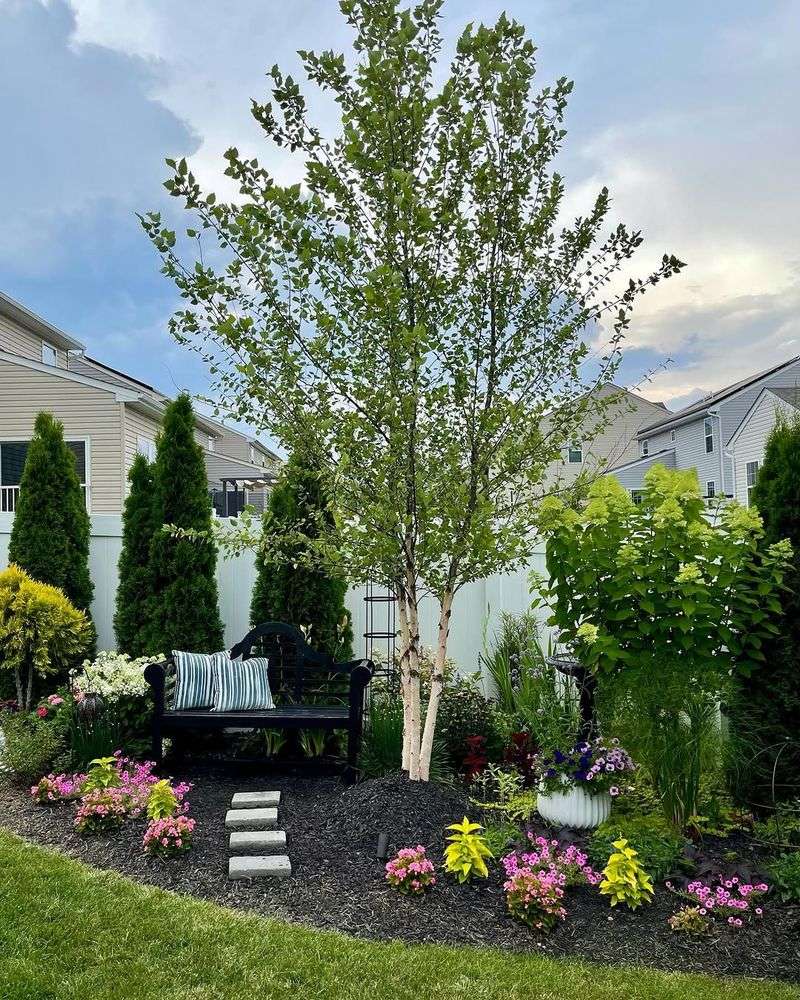
Mulch is one of the simplest things you can do for a young tree, and it makes a noticeable difference in how well that tree handles heat and dry spells.
A two to four inch layer around the base holds soil moisture and keeps roots cooler during hot months.
Spread mulch out in a wide circle rather than piling it thick near the trunk. A ring that extends two to three feet out from the base gives roots a protected zone and reduces competition from grass and weeds.
Volcano mulching is a common mistake.
Piling mulch up against the trunk traps moisture against the bark, which can lead to rot and create conditions that attract insects and fungal problems over time.
Wood chips, shredded bark, and pine straw all work well around river birch.
Pine straw is especially popular in the Southeast because it is widely available, breaks down slowly, and stays in place even during heavy rain events.
Refresh mulch once or twice a year as it breaks down and thins out. A fresh layer in spring and again in fall keeps the protective benefits consistent through both the hot season and the cooler months that follow.
Pull mulch back slightly from the trunk flare each time you refresh it.
6. Prune Young Branches For Better Structure
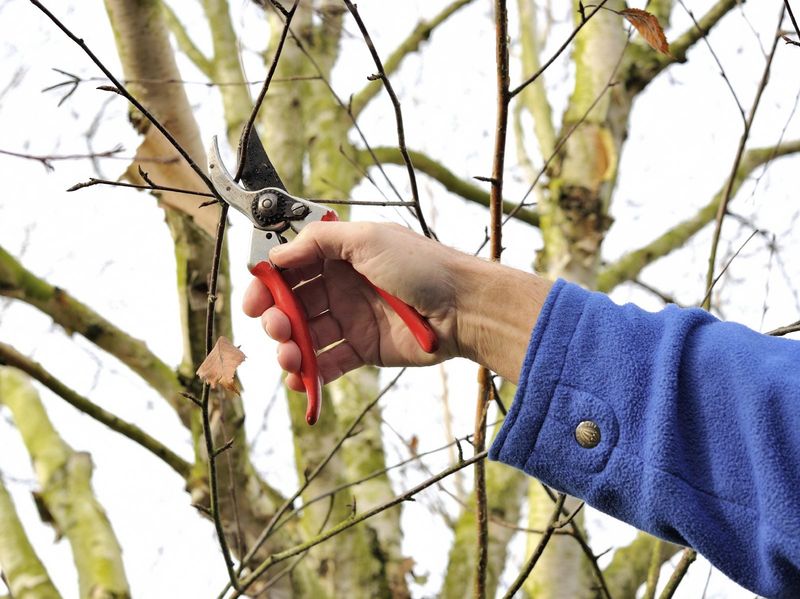
Young trees grow fast and sometimes in directions you did not plan for. Early pruning shapes the canopy while branches are still small, which is far easier than correcting structural problems once the tree matures and branches thicken.
Start by removing any branches that cross and rub against each other.
Rubbing creates wounds in the bark that can become entry points for insects and fungal infections, so catching these early saves trouble down the road.
Look for branches that grow straight up and compete with the main leader.
River birch naturally develops multiple stems, but if you want a cleaner, more upright form, removing competing leaders in the first couple of years helps establish a stronger central structure.
Prune during late winter or early spring before new growth begins.
At that point, the branch structure is easy to see, and the tree can recover quickly once warm weather arrives and growth picks back up.
Use sharp, clean pruning shears for small branches and a pruning saw for anything thicker than an inch. Clean cuts heal faster than ragged ones, and sharp tools reduce the effort it takes to make each cut cleanly.
7. Support Wildlife With A Mature Tree Canopy
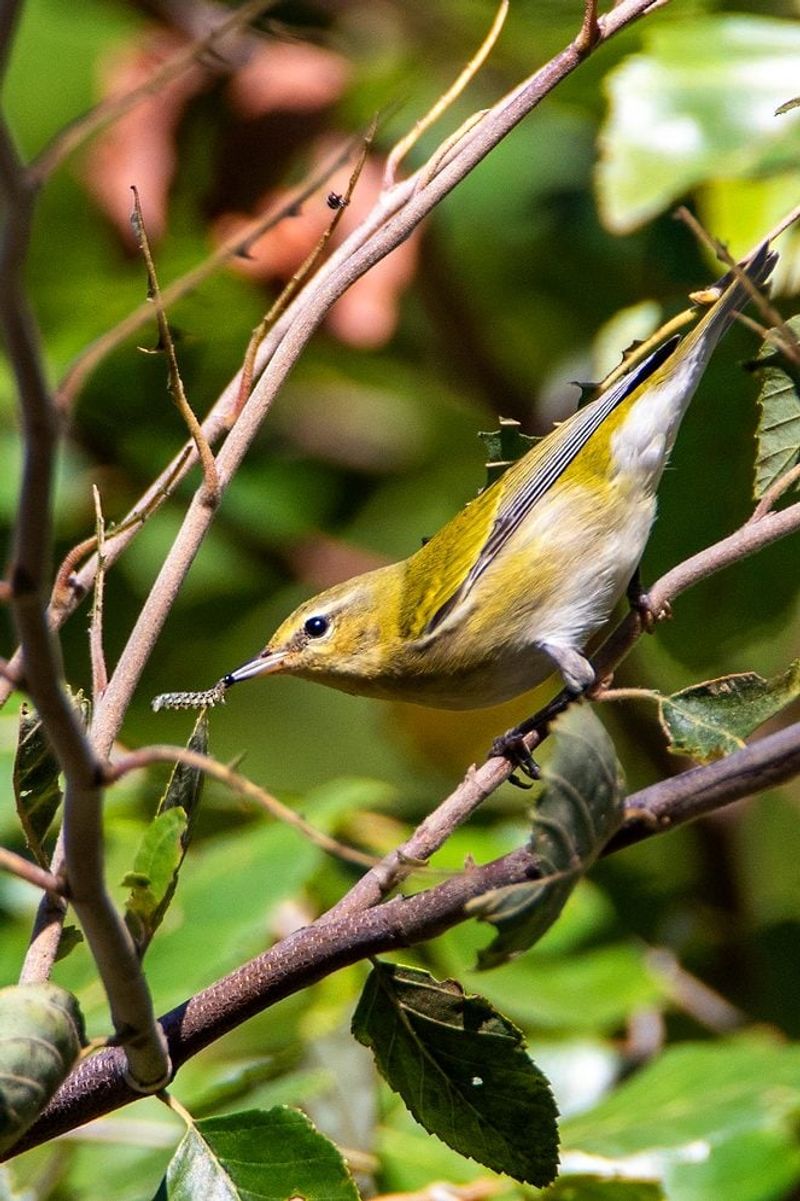
A full-grown river birch does not just shade your yard. It becomes a small ecosystem on its own, attracting birds, insects, and other wildlife that would not otherwise visit a lawn with no tree cover.
River birch produces small catkins and seeds that songbirds actively seek out.
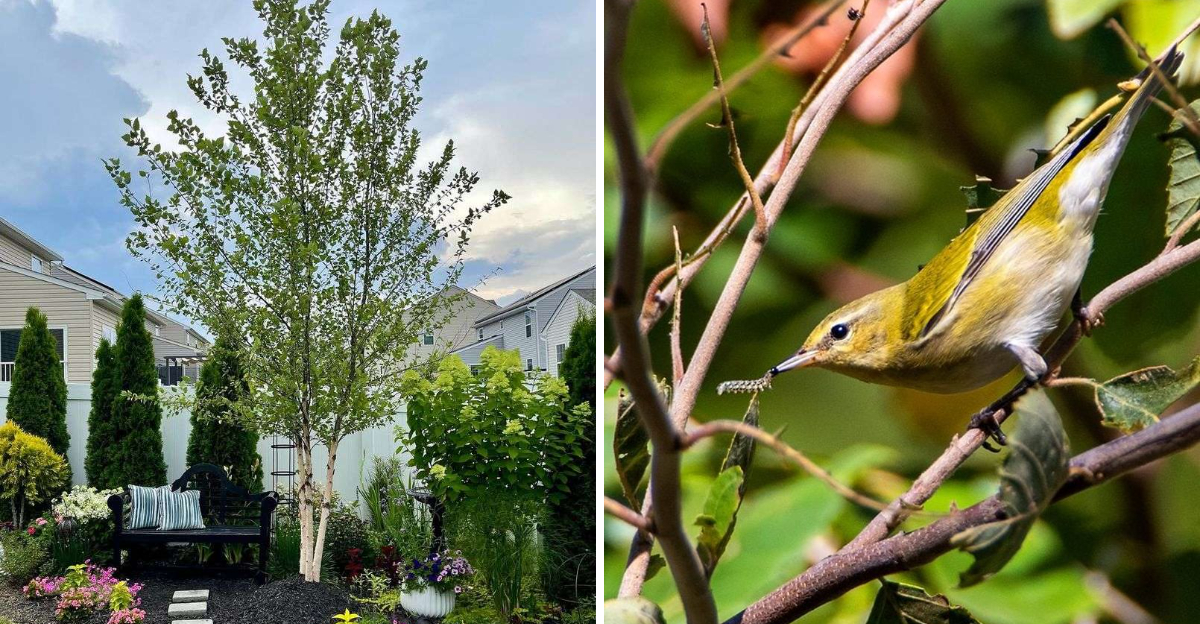
Finches, chickadees, and nuthatches are among the species regularly drawn to birch trees during fall and winter when other food sources get harder to find.
Insects also play a role in this picture. River birch supports dozens of native caterpillar species, which are a critical food source for nesting birds raising young during spring and early summer in the Southeast.
Bark peeling naturally as the tree ages creates small gaps and textures that cavity-nesting birds and insects use for shelter. That rough, layered surface adds habitat value that a smooth-barked ornamental tree simply cannot provide.
A wide canopy also moderates ground temperature beneath it.
Shade from a mature tree can lower surface temperatures by 10 to 15 degrees compared to open sun, which benefits shade-tolerant plants, ground-level insects, and small animals that rest under the tree.
Planting native understory plants beneath a mature river birch extends those habitat benefits even further.