The 8 Arizona Shrubs That Handle Summer Heat Without Extra Water
Arizona yards can start looking rough once extreme summer heat settles in for weeks at a time. Many shrubs lose color, thin out, or struggle once temperatures stay high day after day.
Keeping landscapes alive can quickly turn into a constant battle with watering schedules and rising water use.
Some shrubs handle those conditions far better than others though. Strong desert adapted plants often stay full, healthy, and attractive even during the harshest part of summer.
Reliable shrubs like these help landscapes keep their structure and color without needing nonstop attention.
Low water landscapes have also become much more important across Arizona neighborhoods in recent years.
Shrubs that thrive with little extra water make outdoor spaces easier to maintain while still keeping yards colorful and visually appealing through intense desert heat.
1. Texas Ranger Stays Full Through Long Periods Of Dry Heat
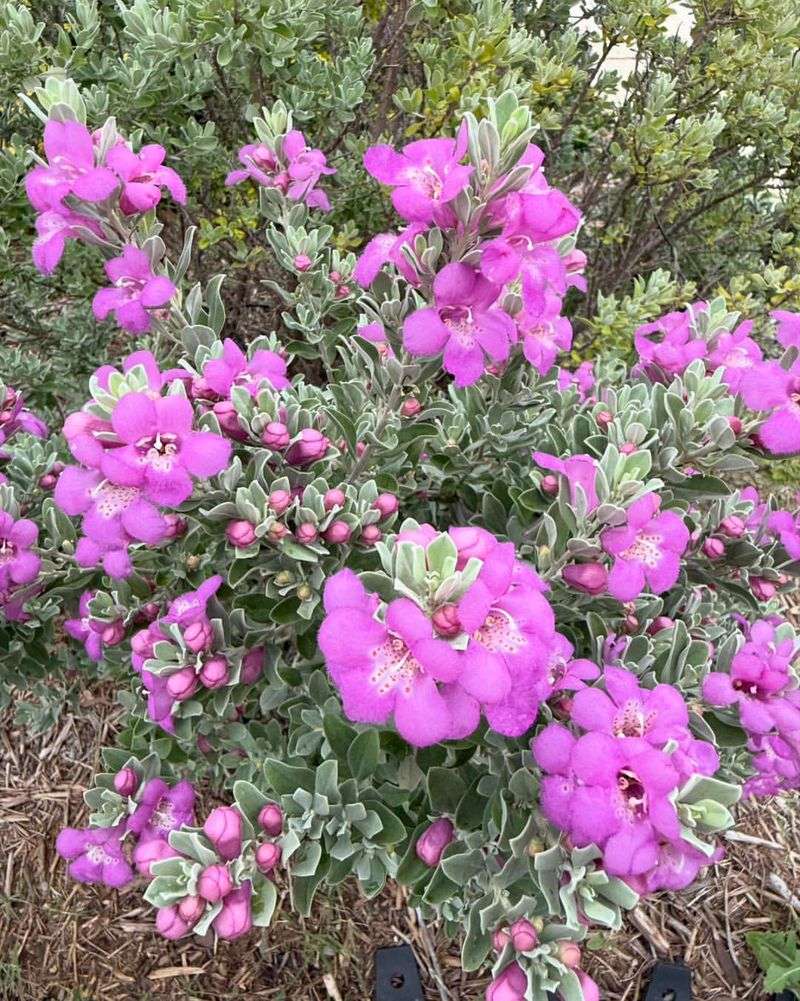
Few shrubs put on a show quite like the Texas Ranger does after a monsoon rolls through Arizona. Also called Purple Sage or Leucophyllum frutescens, this tough shrub erupts into a cloud of lavender-pink blooms almost immediately after rainfall, even when temps are still blazing.
Locals in Tucson and Phoenix call it a “barometer bush” because its flowering is so closely tied to humidity changes.
Once established, Texas Ranger needs almost no supplemental water. Its silvery, felt-like leaves reflect intense sunlight and reduce moisture loss, which is exactly why it handles Arizona’s dry heat so well.
Planting it in full sun and fast-draining soil gives it the best shot at thriving without extra irrigation.
Expect it to reach six to eight feet tall and wide over time, making it a solid privacy screen or accent plant. Pruning is optional but helps maintain a tidy shape.
Skip the fertilizer since too many nutrients actually push leafy growth at the expense of blooms. In established desert landscapes across Arizona, this shrub regularly goes months without a drop of supplemental water and still looks full and healthy.
Texas Ranger also handles reflected heat from gravel, block walls, and driveways better than many flowering shrubs commonly planted in Arizona landscapes.
During especially humid monsoon periods, some plants may bloom heavily several times within the same month.
2. Chuparosa Handles Extreme Sun With Very Little Water
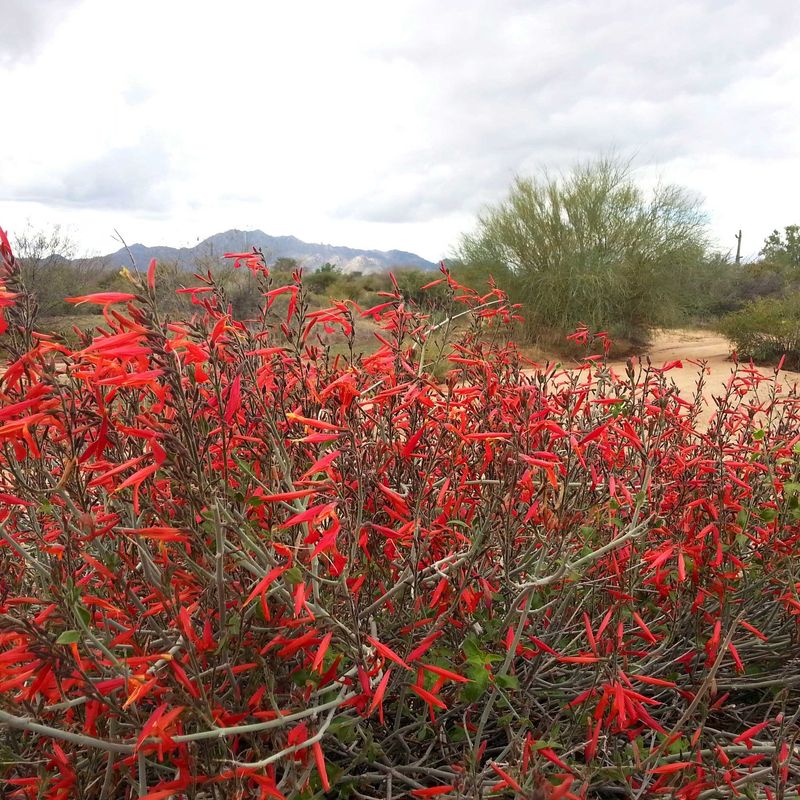
Hummingbirds find Chuparosa before most gardeners even notice it is blooming.
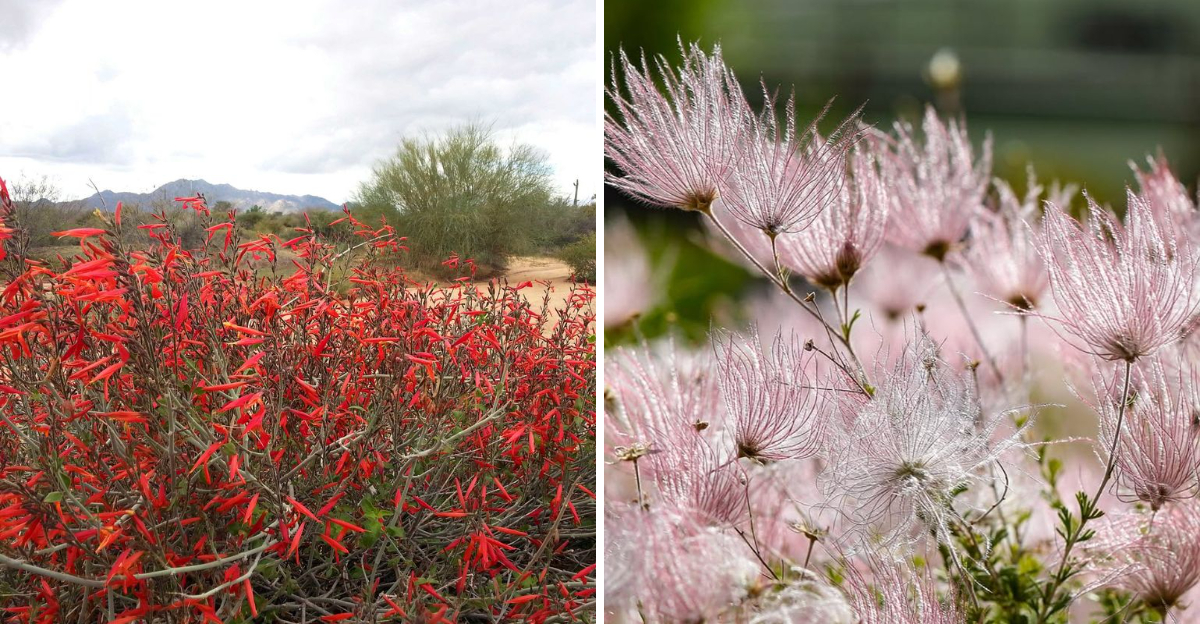
Known scientifically as Justicia californica, this sprawling desert shrub produces vivid red tubular flowers that attract pollinators all season long, often starting as early as February and continuing well into Arizona’s brutal summer months.
What makes Chuparosa genuinely impressive is how it handles heat. When temperatures spike and rainfall stops, the shrub drops most of its small leaves to conserve moisture.
It looks bare for a while, but the stems stay green and the plant bounces back quickly once conditions improve. In low-elevation areas around Yuma and the western Sonoran Desert, it survives on whatever rainfall naturally occurs.
Established plants rarely need irrigation beyond their first summer. Plant Chuparosa in full sun with well-draining soil, and give it some extra water during the first growing season to help roots settle in.
Your Arizona Garden Changes Every Week. Your Plan Should Too.
Gardening in Arizona changes quickly throughout the season. Every Friday you’ll receive a simple weekly plan showing exactly what to plant, prune, fertilize, harvest, and protect so you never miss the right timing.
After that, occasional deep watering during extended dry spells is usually enough. It grows roughly three to five feet tall and wide, fitting naturally into rock gardens, dry washes, and native plant landscapes throughout Arizona.
Avoid overwatering at all costs since soggy roots cause more problems than drought ever will for this plant.
Its loose, open branching habit also gives hummingbirds quick escape routes from predators while they feed among the flowers.
3. Brittlebush Produces Bright Blooms In Harsh Dry Conditions
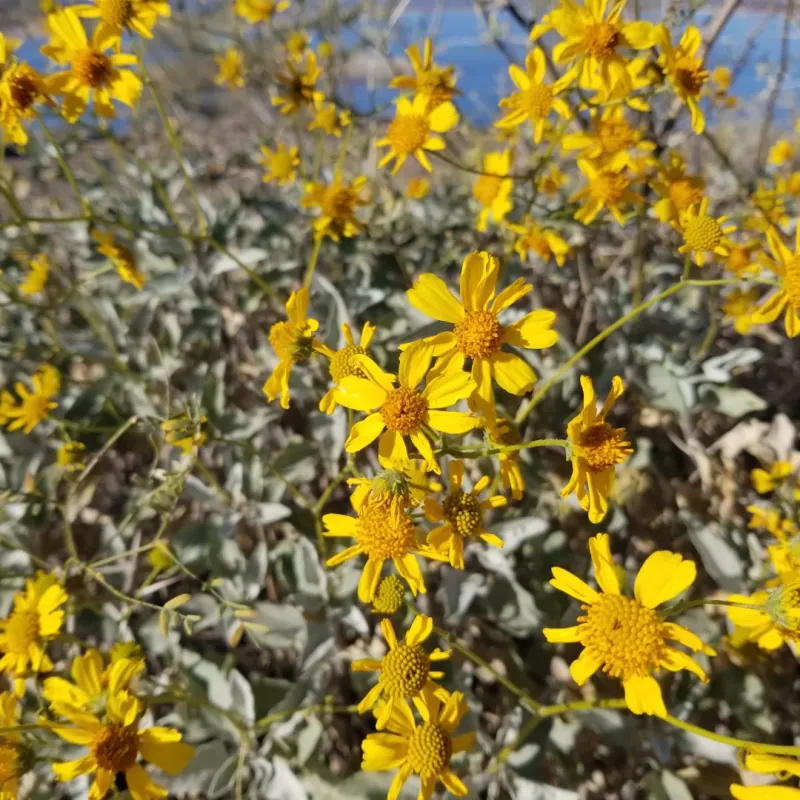
Walk through almost any Arizona hillside in late winter or early spring and you will spot waves of bright yellow flowers covering rounded silver mounds.
Brittlebush, or Encelia farinosa, is one of the most recognizable native shrubs in the Sonoran Desert, and its ability to produce cheerful blooms during dry, warm conditions is nothing short of remarkable.
During the hottest and driest parts of summer, Brittlebush naturally drops its leaves and goes dormant. Some gardeners panic when this happens, but it is completely normal.
Dormancy is actually how this plant protects itself through Arizona’s punishing July and August heat. Once monsoon moisture arrives, new growth appears quickly and the plant rebounds without any help.
Brittlebush stays small, usually topping out around three to four feet, which makes it easy to work into borders, slopes, and roadside plantings.
In the Phoenix metro area and across the low desert, it is widely used in commercial and residential landscapes precisely because it needs almost nothing once roots are established.
The silvery leaves contain a resin that Native peoples historically used as incense and for pain relief, adding an interesting cultural dimension to an already practical plant. Full sun and rocky or sandy soil suit it best.
Bright yellow blooms also provide an important nectar source for native bees and butterflies during Arizona’s early spring flowering season.
4. Fairy Duster Handles Heat While Attracting Pollinators
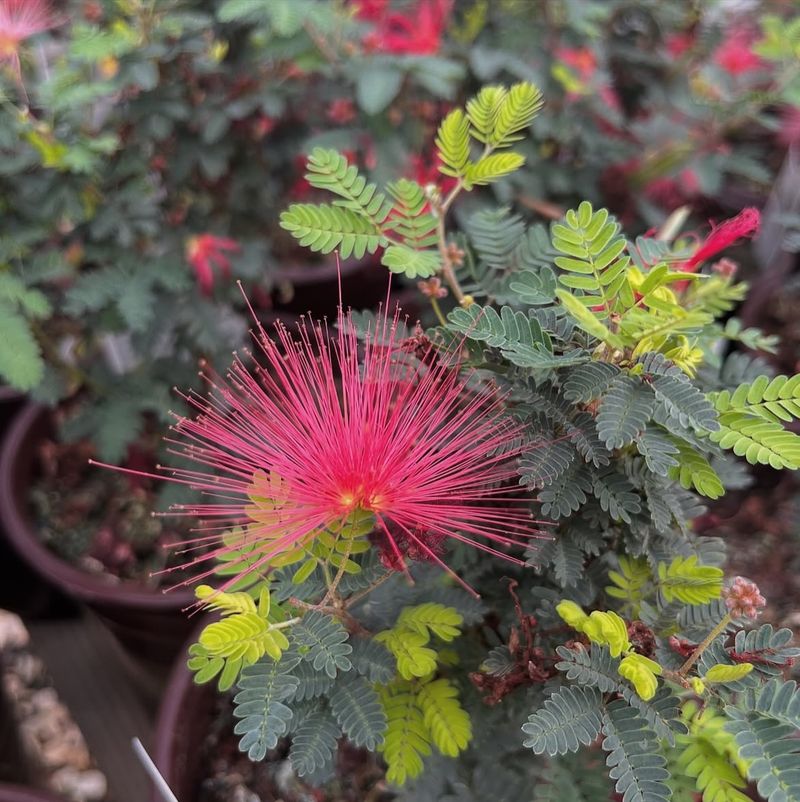
Soft, fluffy, and surprisingly tough, Fairy Duster looks almost too delicate to survive an Arizona summer, but appearances are completely deceiving here.
Calliandra eriophylla produces wispy pink blooms that resemble tiny powder puffs, and bees, butterflies, and hummingbirds absolutely cannot resist them.
It is one of those rare plants that manages to be both beautiful and genuinely low maintenance in the desert Southwest.
Fairy Duster blooms most heavily in late winter through spring, but repeat flowering happens throughout the year in warmer Arizona locations, especially after rainfall events.
Even during dry summer stretches when other plants struggle, established Fairy Duster holds its fine-textured, ferny foliage without needing supplemental irrigation.
Deep roots help it access soil moisture that shallower plants simply cannot reach.
Growing only two to four feet tall, this shrub works well along pathways, in rock gardens, or as a low border plant. Plant it in full sun or very light shade, and use well-draining soil to prevent root problems.
Avoid overwatering since waterlogged soil is far more damaging than dry conditions for this species. Across southern Arizona and into the Tucson basin, Fairy Duster is a reliable choice for gardeners who want year-round interest without the irrigation bills.
Occasional pruning after bloom cycles encourages fresh growth and better flowering.
Fairy Duster also blends naturally with boulders, gravel, and other native desert plants without looking overly formal or heavily maintained.
5. Jojoba Grows Well In Dry Landscapes With Minimal Irrigation
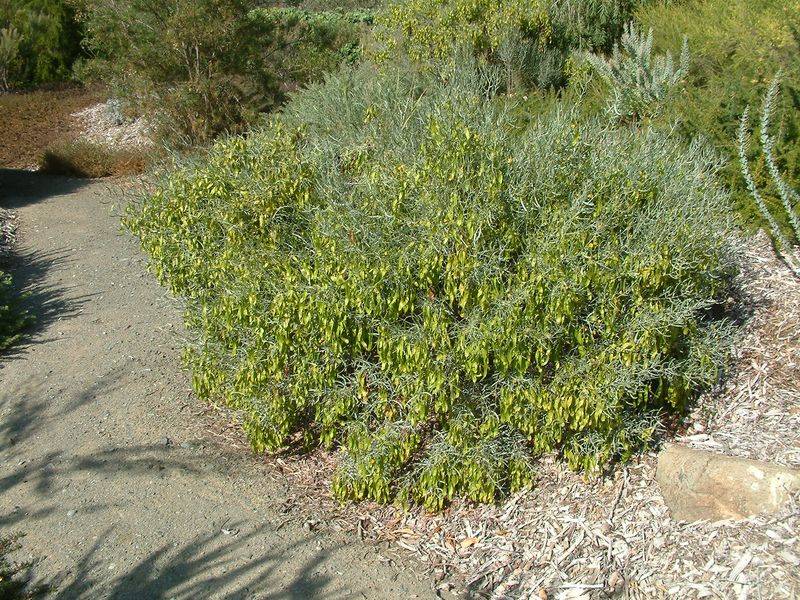
Jojoba is one of those plants that quietly does everything right. Known scientifically as Simmondsia chinensis, despite its species name it is entirely native to the Sonoran Desert, including large portions of southern and western Arizona.
Ranchers, landscapers, and wildlife enthusiasts all appreciate it for different reasons, but the one thing everyone agrees on is that Jojoba is extremely tough.
Its waxy, leathery leaves are angled to minimize direct sun exposure during peak heat hours, a clever adaptation that reduces water loss without sacrificing photosynthesis. Male and female plants are separate, and both need to be present for seed production.
Seeds contain a liquid wax famously used in cosmetics and lubricants, giving Jojoba an interesting commercial backstory on top of its landscape value.
Once roots are established, usually after the second growing season, Jojoba can go months without any supplemental water in typical Arizona conditions. It handles poor rocky soils, intense reflected heat from walls and pavement, and strong desert winds without much complaint.
Growth is slow and steady, eventually reaching six to ten feet tall in ideal conditions. Spacing plants about five to six feet apart allows good air circulation.
Across Arizona’s low and mid-elevation desert zones, Jojoba functions as a windbreak, wildlife habitat, and handsome evergreen accent all in one package.
Small deer and desert birds also use mature Jojoba shrubs for shelter during extreme Arizona heat and dry conditions.
6. Turpentine Bush Thrives In Rocky Soil And Intense Sun
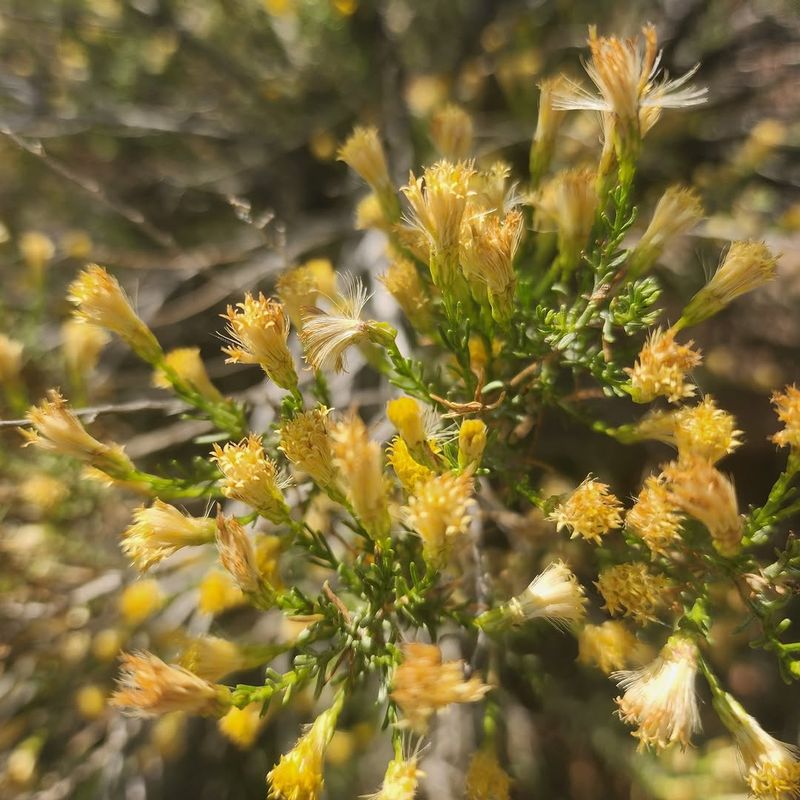
Rocky slopes and gravelly washes that would defeat most plants are exactly where Turpentine Bush feels at home. Ericameria laricifolia is a compact, resinous shrub native to Arizona’s higher desert elevations, typically found between 3,000 and 6,500 feet across the state.
Crush a leaf and you immediately understand the common name, since the sharp, turpentine-like scent is unmistakable.
Late summer through fall is when this shrub really shines. While most desert plants have finished blooming by August, Turpentine Bush produces clusters of small bright yellow flowers right when Arizona’s monsoon season is winding down.
That late-season color is genuinely valuable in any landscape design that needs something interesting beyond spring.
Plants typically stay compact, reaching about two to three feet tall and equally wide, which makes them easy to fit into small spaces or use as a low border along pathways.
Full sun and sharp drainage are non-negotiable since this shrub evolved in conditions where water moves through soil quickly and roots never sit wet.
Supplemental irrigation during Arizona’s hottest months can help younger plants establish, but mature specimens handle extended dry periods without assistance. Deer tend to leave it alone, likely because of the strong scent, which is a real bonus in areas where browsing pressure is a problem.
Fine-textured foliage also gives Turpentine Bush a softer appearance that contrasts nicely with boulders, agaves, and other bold desert plants.
7. Creosote Bush Survives Extreme Heat With Almost No Water
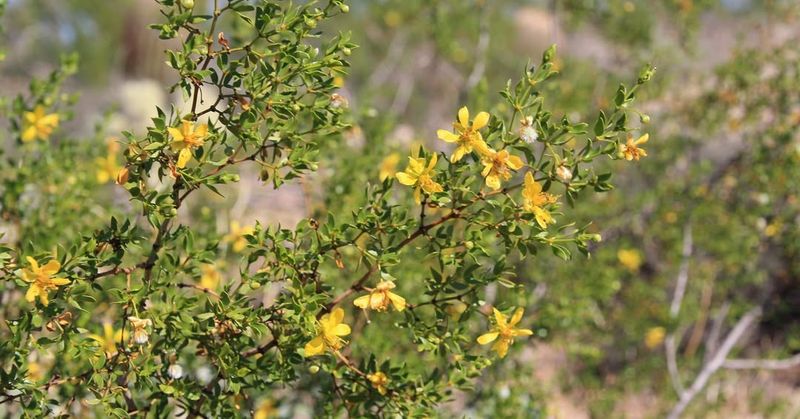
Nothing says Sonoran Desert quite like Creosote Bush. Larrea tridentata is arguably the most iconic plant in the entire American Southwest, covering millions of acres across Arizona and neighboring states.
After rain hits its resinous leaves, the air fills with that unmistakable earthy smell that desert lovers recognize instantly.
Creosote handles heat in ways that genuinely seem unfair to other plants. Its tiny leaves have a waxy resin coating that locks in moisture, and the plant can slow its metabolism dramatically during prolonged drought.
In the low deserts around Phoenix and Yuma, it survives summers with almost zero supplemental water once established, which usually takes about two full growing seasons.
Spacing is important to get right from the start. Creosote releases chemicals into the surrounding soil that limit competition, so plants naturally space themselves out in the wild.
In a home landscape, give each plant about six feet of clearance. It grows slowly to about four to eight feet tall depending on water availability and soil depth.
Plant it in full sun, avoid clay soils, and water deeply but infrequently during the first summer. After establishment, Arizona’s natural rainfall cycle is often enough to keep Creosote thriving year after year.
Mature plants can live for decades in Arizona landscapes without losing their natural shape or toughness.
8. Apache Plume Handles Dry Conditions While Producing Soft Blooms
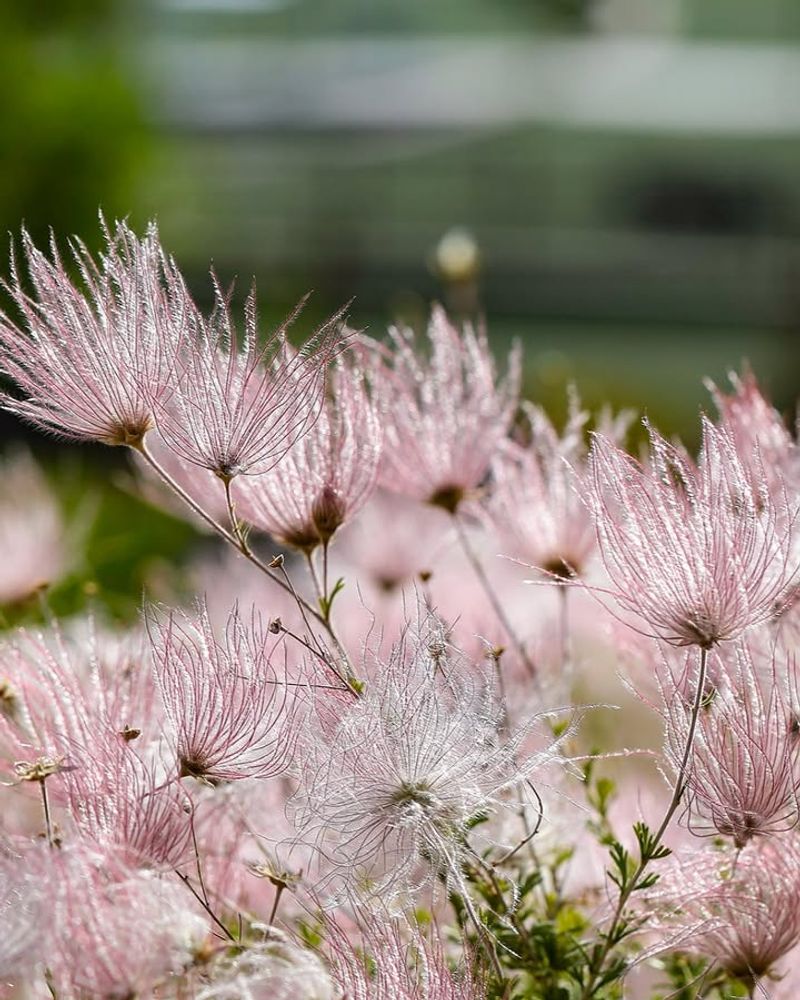
Apache Plume earns its name twice over. White flowers resembling tiny wild roses appear in spring, and then feathery pink-to-lavender seed plumes follow, creating a soft, almost cloud-like effect that lasts well into summer.
Fallugia paradoxa is native to Arizona’s higher desert elevations, commonly found in the central and northern parts of the state where summers are hot but slightly less extreme than the low desert.
What sets Apache Plume apart from showier plants is how reliably it performs without pampering. Rocky, well-draining soil suits it perfectly, and established plants handle long dry stretches without wilting or dropping foliage.
Roots go deep, following moisture through rocky terrain in a way that shallow-rooted plants simply cannot manage. Birds and small wildlife use the dense branching for cover, adding habitat value to its visual appeal.
Expect plants to grow three to six feet tall, sometimes spreading wider than they are tall in open conditions. Full sun is ideal, though light afternoon shade at lower elevations helps during peak heat.
Supplemental irrigation during the first growing season gets roots established faster, but after that, occasional deep watering during extended dry periods is generally sufficient across most Arizona planting zones.
Avoid heavy clay soils and overwatering since both lead to root problems.
Pruning back old wood in late winter encourages fresh flowering stems and keeps the plant looking its best.