What California Gardeners Should Stop Doing The Moment Summer Heat Arrives
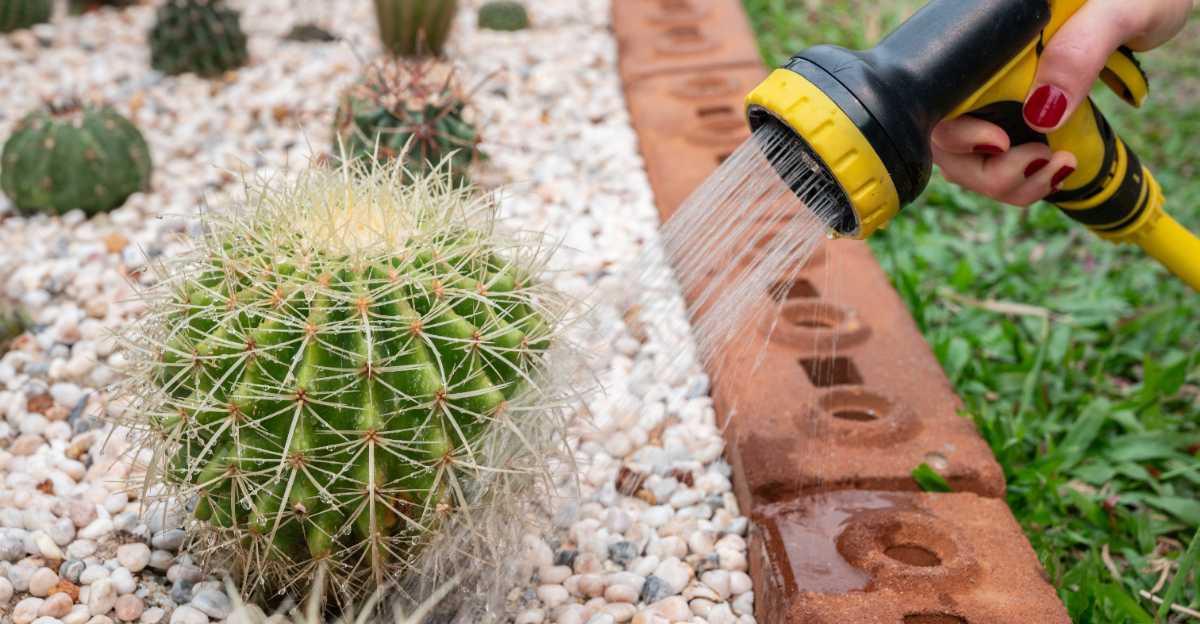
Summer heat can turn good garden habits into bad ones almost overnight. The same feeding, pruning, and watering routine that worked in spring may suddenly leave plants stressed, thirsty, or full of weak new growth.
California gardens often shift fast once hot days stack up, so timing matters more than effort. This is when gardeners need to pause before doing more.
A plant that looks tired may not want fertilizer. A dry bed may not need a quick sprinkle.
A messy shrub may not need a hard trim. Heat changes the rules, and the wrong move can make the season harder than it has to be.
Knowing what to stop doing is just as helpful as knowing what to start. Make the right adjustments now, and your garden can handle summer with less struggle.
1. Daily Shallow Watering In Hot Weather
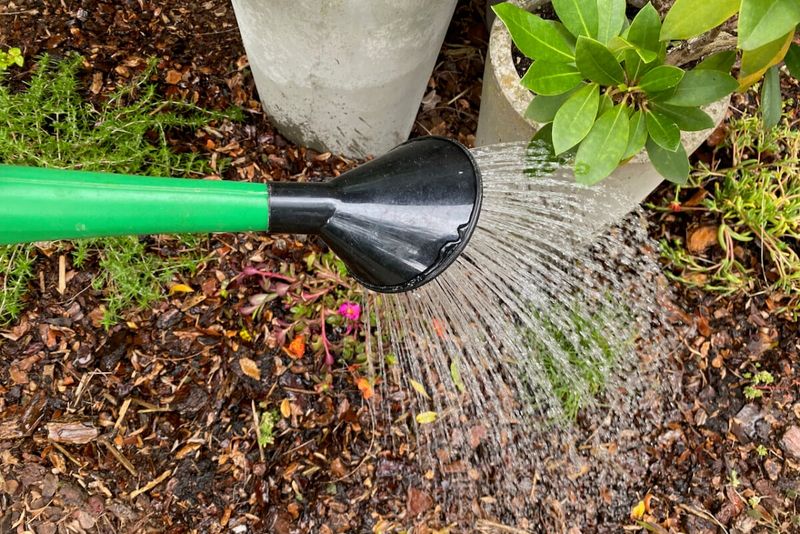
Watering your garden a little bit every single day might feel like you are doing the right thing. But when summer heat hits hard, shallow watering is one of the worst habits you can have.
It keeps moisture right at the surface, which evaporates quickly and never reaches plant roots.
Roots follow water. When water only sits near the top of the soil, roots stay shallow and weak.
Shallow roots make plants much more vulnerable to heat stress. They dry out faster and struggle more on triple-digit days.
A better approach is to water deeply but less often. Let the water soak several inches into the soil so roots grow downward to find it.
Deep roots are stronger, cooler, and far better at handling intense summer conditions.
Most established garden plants do well with deep watering two or three times per week during summer. Lawns and vegetable gardens may need more, depending on your soil type.
Sandy soil drains fast, while clay holds moisture longer.
Check your soil before watering by pushing a finger or a screwdriver a few inches in. If it still feels moist below the surface, wait another day.
Overwatering is just as harmful as underwatering, especially in hot weather when roots are already under pressure. Build a smarter routine now and your garden will reward you all season long.
2. Heavy Pruning Before A Heat Wave
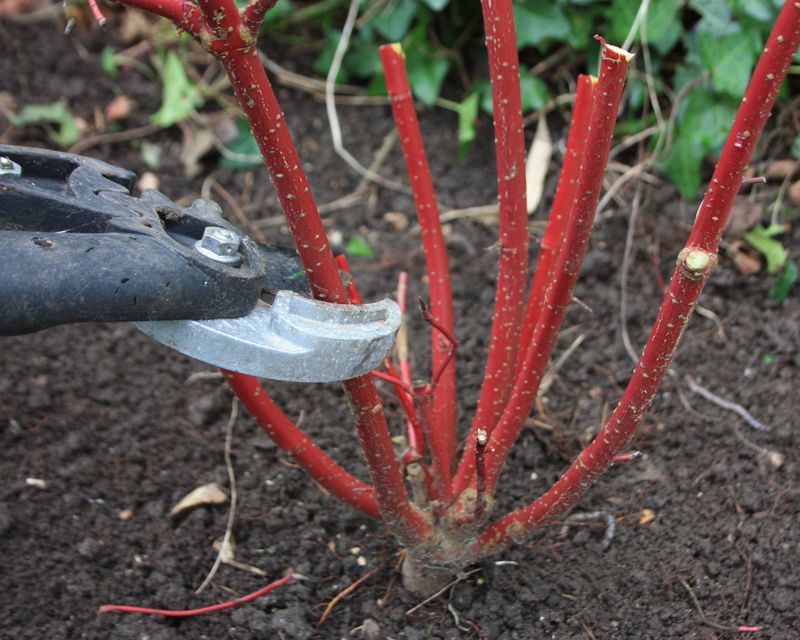
Grabbing your pruning shears the moment warm weather arrives might seem productive. But heavy pruning right before a heat wave can seriously set your plants back.
Most people do not realize how much stress that timing actually causes.
When you cut large amounts of growth off a plant, it uses a lot of energy to recover. That recovery process requires water and nutrients.
During a heat wave, a plant is already working overtime just to stay cool and hydrated.
Leaves also act as a natural sunscreen for branches and trunks. When you remove too much foliage at once, you expose bark that was never meant to face direct sun.
That exposed bark can get scorched, which weakens the plant further.
Light trimming to remove clearly damaged or brown material is fine. But save any major shaping or structural pruning for fall, when temperatures drop and plants are no longer under heat stress.
Your California Garden Changes Every Week. Your Plan Should Too.
Gardening in California changes quickly throughout the season. Every Friday you’ll receive a simple weekly plan showing exactly what to plant, prune, fertilize, harvest, and protect so you never miss the right timing.
Timing your pruning correctly makes a real difference. If you already pruned heavily before reading this, do not panic. Add a layer of mulch around the base of the plant to hold moisture.
Water more deeply and give the plant time to adjust. Shade cloth can also protect freshly pruned shrubs during the hottest part of the day. A little extra care goes a long way after a big prune in summer heat.
3. Fertilizing Heat-Stressed Plants
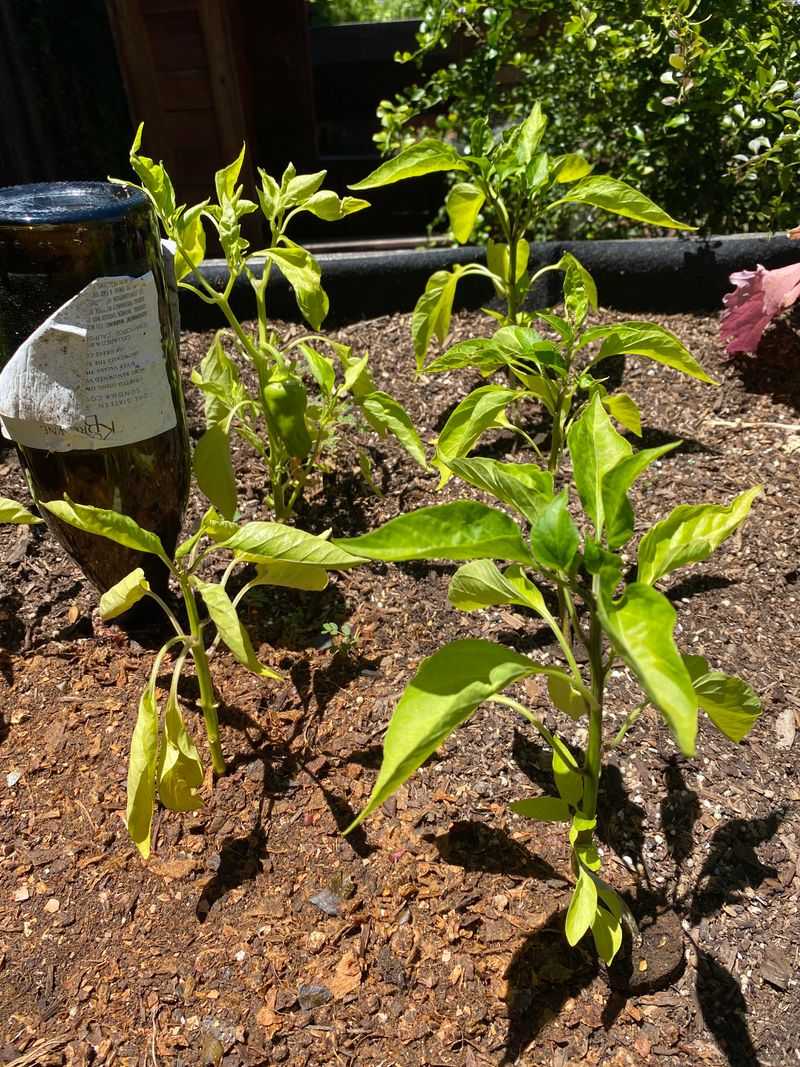
Feeding your plants sounds like a caring thing to do, especially when they look tired and droopy in the heat.
But reaching for fertilizer during a heat wave is actually one of the most common mistakes home gardeners make. It can cause more harm than good.
Fertilizer pushes plants to grow. New growth is soft, tender, and extremely sensitive to heat and sun.
When you encourage a plant to produce fresh leaves during triple-digit temperatures, those new leaves often get scorched before they even have a chance to harden off.
There is also the issue of root burn. Many fertilizers, especially synthetic ones, contain salts.
When soil is dry and hot, those salts concentrate quickly and can damage roots. A stressed root system absorbs fertilizer poorly anyway, so you are wasting product and risking injury at the same time.
The best time to fertilize most garden plants is in early spring or early fall. Those cooler seasons give plants the energy boost they need without the added stress of extreme heat.
Compost is a gentler option that releases nutrients slowly and improves soil structure too.
If your plants look stressed in summer, hold off on fertilizer. Focus on deep watering and mulching instead.
Once temperatures cool down in September or October, you can resume a regular feeding schedule. Patience during the hottest months pays off in a healthier, more resilient garden.
4. Afternoon Watering During Triple-Digit Heat
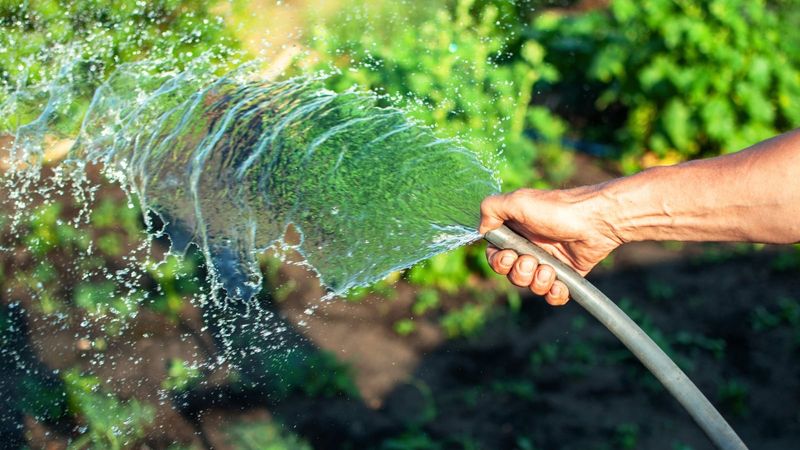
Afternoon watering during a heat wave feels almost instinctive. Your plants look wilted, the soil looks dry, and the hose is right there.
But watering in the middle of the day during extreme heat is one habit worth breaking immediately.
Water that hits hot soil in full afternoon sun evaporates before it even has a chance to soak in. You end up using more water while your plants get less of it.
That is a losing situation for both your garden and your water bill.
Water droplets sitting on leaves can also act like tiny magnifying glasses under intense sun. This can lead to leaf scorch, which shows up as brown or white spots on otherwise healthy foliage.
It looks bad and weakens the plant over time.
Early morning is by far the best time to water during summer. The soil is cooler, the sun is low, and water has time to soak deep before the heat of the day kicks in.
Roots absorb moisture more efficiently in cool morning conditions.
If morning watering is not possible for your schedule, early evening works too. Just make sure water does not sit on leaves overnight, as that can encourage fungal issues in some plants.
Drip irrigation is an excellent solution because it delivers water directly to the root zone, skipping the leaves entirely. A small schedule change can save both your plants and your water.
5. Scalping Lawns Too Short For Summer
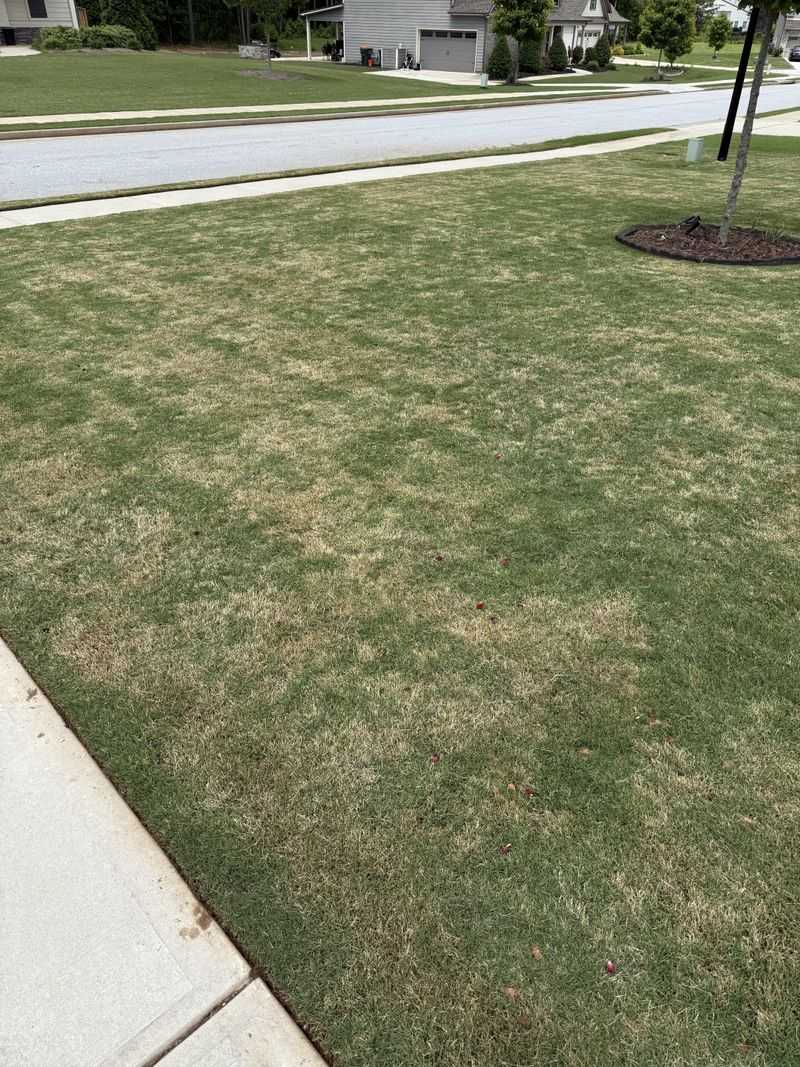
Nothing looks tidier than a freshly mowed lawn cut down as short as possible. But scalping your grass during summer heat is a fast way to turn a green lawn brown.
Many homeowners do not realize that grass height plays a huge role in how well a lawn survives hot weather.
Taller grass blades shade the soil beneath them. That shade keeps the root zone cooler and slows down evaporation.
When you cut grass too short, you remove that natural protection and expose the soil to direct sun all day long.
Scalped lawns also have shallower root systems. Short grass does not need to reach as deep for water.
That means when the heat gets intense and surface moisture disappears, short-rooted grass has nowhere to turn. It browns out fast and struggles to recover.
During summer, raise your mower blade to leave grass at least three inches tall.
Warm-season grasses like Bermuda and Zoysia can handle a little shorter, but cool-season grasses like fescue need that extra height to survive the heat without burning out.
Also, never cut more than one-third of the grass blade at a time. If your lawn got a little long between mowings, lower the blade gradually over several sessions instead of all at once.
Mowing in the evening or early morning also reduces stress on the grass. These small adjustments keep your lawn looking great all summer long without the brown patches.
6. Letting Mulch Pile Against Tree Trunks
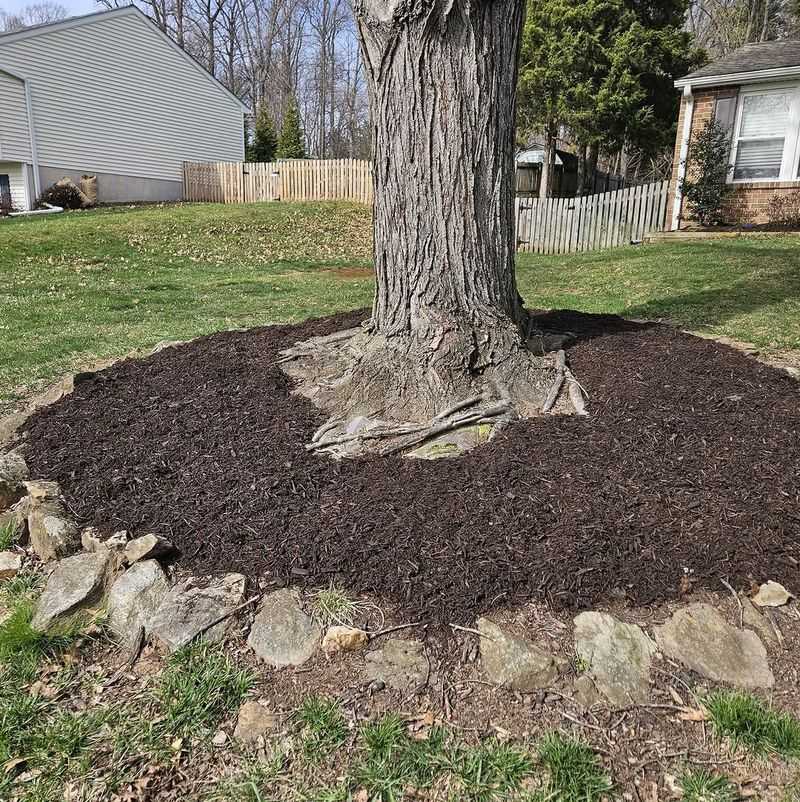
Mulch is one of the best tools a summer gardener has. It holds moisture, keeps roots cool, and suppresses weeds all at once.
But there is one very common mulching mistake that actually hurts trees instead of helping them: piling mulch too high against the trunk.
This is sometimes called volcano mulching because of how it looks, a big mound of mulch rising up against the tree like a little volcano. It might look tidy, but it traps moisture right against the bark.
Bark is not meant to stay wet for long periods.
Constant moisture against bark creates the perfect conditions for fungal issues, rot, and pest problems. Insects that bore into wood love to hide in thick mulch piles pressed against trunks.
Over time, this can seriously weaken a tree’s structure from the base up.
The right way to mulch is to keep a clear gap of a few inches between the mulch and the trunk. Spread mulch outward in a wide, flat ring instead of piling it up in a cone.
Two to four inches of depth is plenty for most trees and shrubs.
Pull back any existing volcano mulch now before the hottest weeks arrive. Let the base of the trunk breathe and dry out a bit before reapplying mulch the correct way.
Proper mulching technique is simple once you know it, and it makes a noticeable difference in tree health over the long run.
7. Spraying Oils During Extreme Temperatures
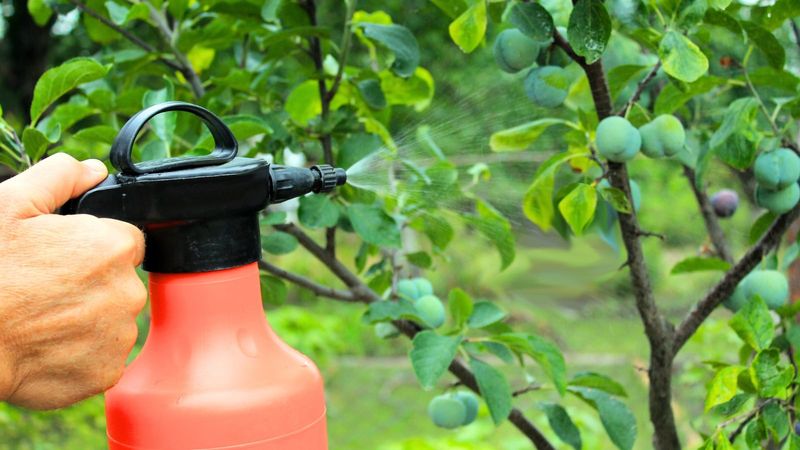
Horticultural oils are a popular and effective tool for dealing with pests like aphids, scale, and spider mites. They work by coating insects and cutting off their air supply.
But timing matters a lot, and spraying oils during extreme heat is a mistake that can backfire badly.
When temperatures climb above 90 degrees Fahrenheit, oil sprays can cause something called phytotoxicity. That is a fancy word for plant injury caused by a chemical.
The oil heats up on the leaf surface and essentially cooks the tissue underneath. You end up with brown, damaged leaves instead of a pest-free plant.
Even oils labeled as safe and organic can cause this problem in high heat. Neem oil, for example, is widely used and generally safe, but it should never be applied when temps are extreme or when plants are already under water stress.
Always read the label carefully. The best time to spray horticultural oils is in the early morning or early evening when temperatures are below 85 degrees Fahrenheit.
Make sure your plants are well watered before spraying, as stressed plants are far more sensitive to any kind of treatment.
If a pest problem cannot wait, try a strong stream of water from a hose to knock insects off leaves as a temporary measure. That buys time until temperatures cool enough for a safe oil application.
Protecting your plants from pests without causing more harm is all about smart timing and patience during the hottest stretch of summer.
8. Ignoring Wilted Patio Containers
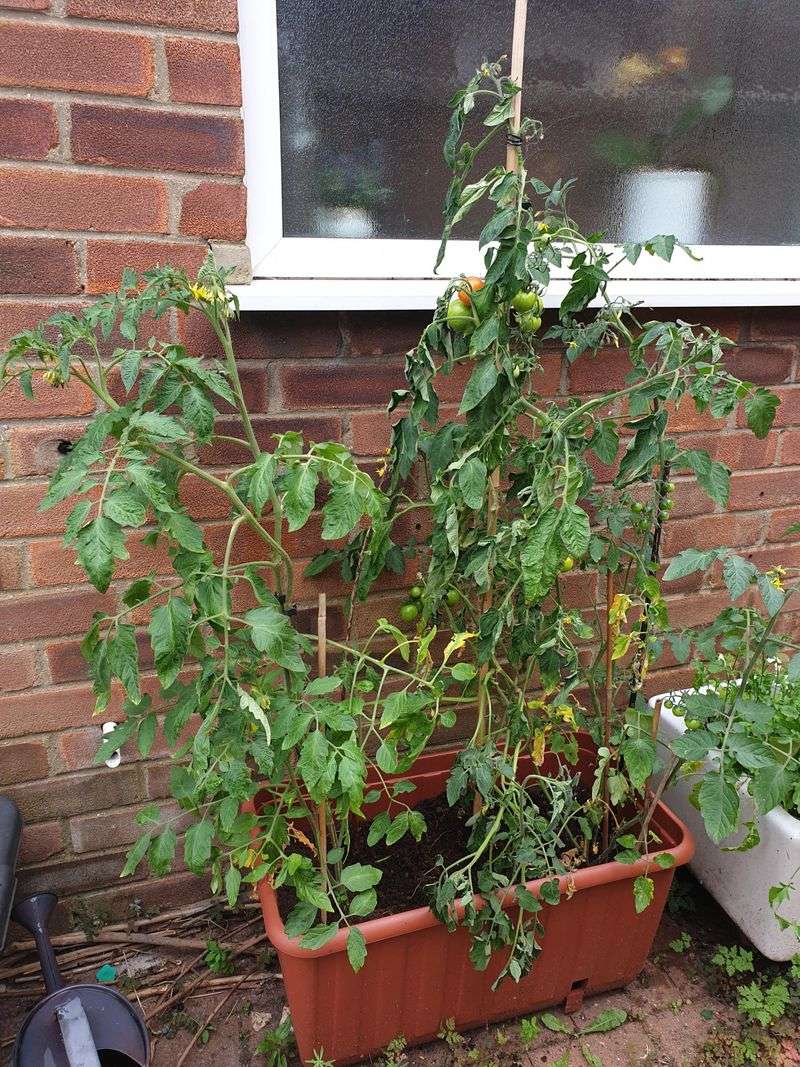
Container plants on a sunny patio are some of the most vulnerable plants in any garden during summer.
They have limited soil volume, which means they hold less water and heat up much faster than plants in the ground.
Ignoring wilted containers, even for a single hot afternoon, can push them past the point of easy recovery.
Pots sitting in direct sun absorb heat from all sides, including the bottom and the container walls. Dark-colored pots get especially hot.
The roots inside have nowhere to go to escape the heat, unlike ground-planted roots that can reach deeper into cooler soil layers.
Wilting is a clear distress signal. Some wilting in the heat of the afternoon is normal, but if plants do not perk back up by evening, they need attention right away.
Check the soil moisture first. If the soil is bone dry, water slowly and thoroughly until water drains from the bottom of the pot.
Move containers to a shaded spot during the hottest hours of the day if possible. Even two or three hours of afternoon shade can make a significant difference in how well your container plants hold up.
Grouping pots together also helps them stay a little cooler by reducing air circulation around individual containers.
Consider switching to lighter-colored or double-walled containers that do not heat up as fast. Self-watering pots are another great option for summer.
They hold a reservoir of water at the bottom that roots can access as needed, which reduces the chance of your patio containers drying out between waterings.