These Are The Pennsylvania Shrubs Moving From Legal To Illegal
Pennsylvania’s approach to invasive plants has been shifting steadily, and the list of shrubs that are no longer legal to buy, sell, or plant in the state has been growing in ways that most homeowners are not keeping up with. The plants being added are not obscure species from specialty nurseries.
They are familiar landscape shrubs that have been showing up in Pennsylvania yards for decades, recommended by landscapers, sold at garden centers, and planted with good intentions by people who had no idea what these shrubs were quietly doing beyond the property line.
The ecological damage they cause in natural areas has been well documented, and Pennsylvania regulators have been responding with bans that are now moving through grace periods and into full enforcement.
A few of the shrubs on this list will genuinely surprise people who have been growing them for years without any awareness that the legal picture around them was changing.
1. Callery Pear
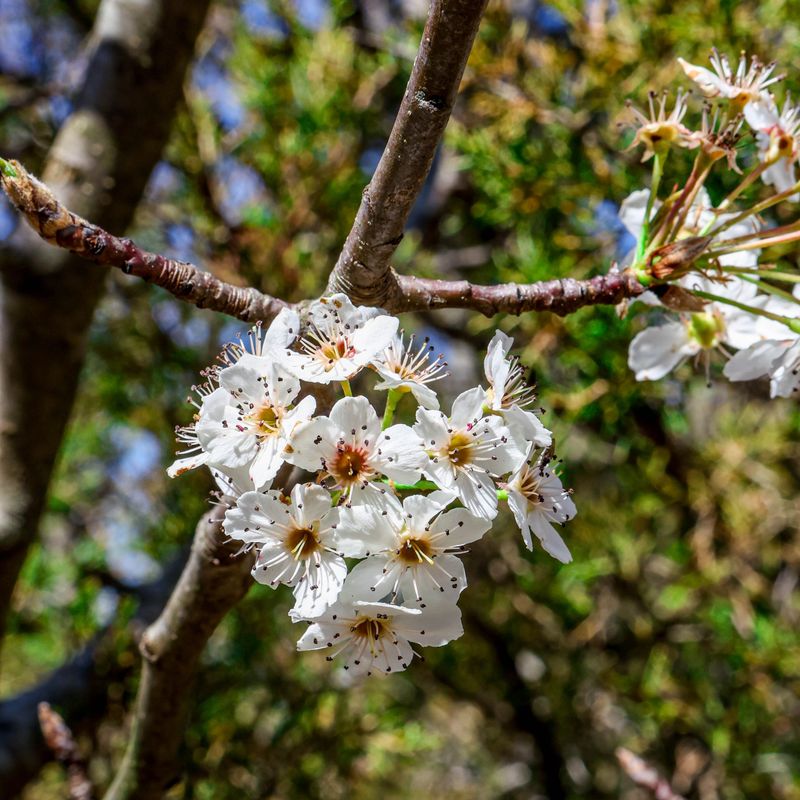
You have probably seen it every spring, that gorgeous tree covered in clouds of white flowers lining neighborhood streets and parking lots across Pennsylvania.
The Callery Pear, often sold under the name Bradford Pear, has been one of the most popular ornamental trees in the eastern United States for decades. But behind that beautiful bloom hides a serious ecological problem.
Pennsylvania has officially added the Callery Pear to its noxious weed list, and the sale and distribution of this tree are now banned. The reason is simple: it spreads aggressively.
Birds eat the small fruits and drop seeds far and wide, allowing the tree to take root in fields, forest edges, roadsides, and natural areas where it does not belong.
Once established, it forms dense thickets that push out native plants and reduce habitat for local wildlife.
What makes this especially tricky is that Callery Pear trees were originally bred to be sterile. Early varieties like Bradford Pear could not pollinate themselves.
However, as nurseries introduced more varieties over the years, cross-pollination became possible, and suddenly these trees were producing fertile seeds by the millions. Nature found a way, and the results have been damaging to Pennsylvania landscapes.
If you already have one in your yard, you are not required to remove it right away. The ban targets new sales and planting.
But experts strongly encourage homeowners to replace Callery Pear with native alternatives like serviceberry, redbud, or flowering dogwood. These native trees offer similar beauty in spring without the ecological baggage.
Making the switch is a small step that makes a real difference for Pennsylvania’s natural spaces.
2. Japanese Barberry
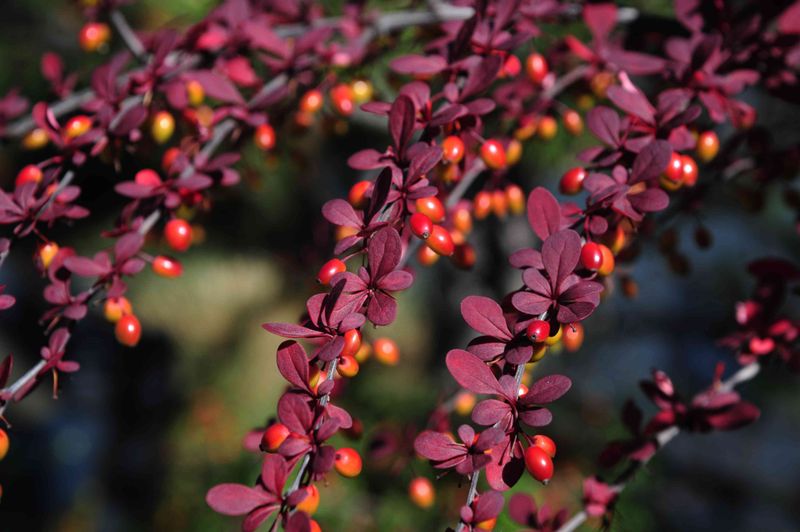
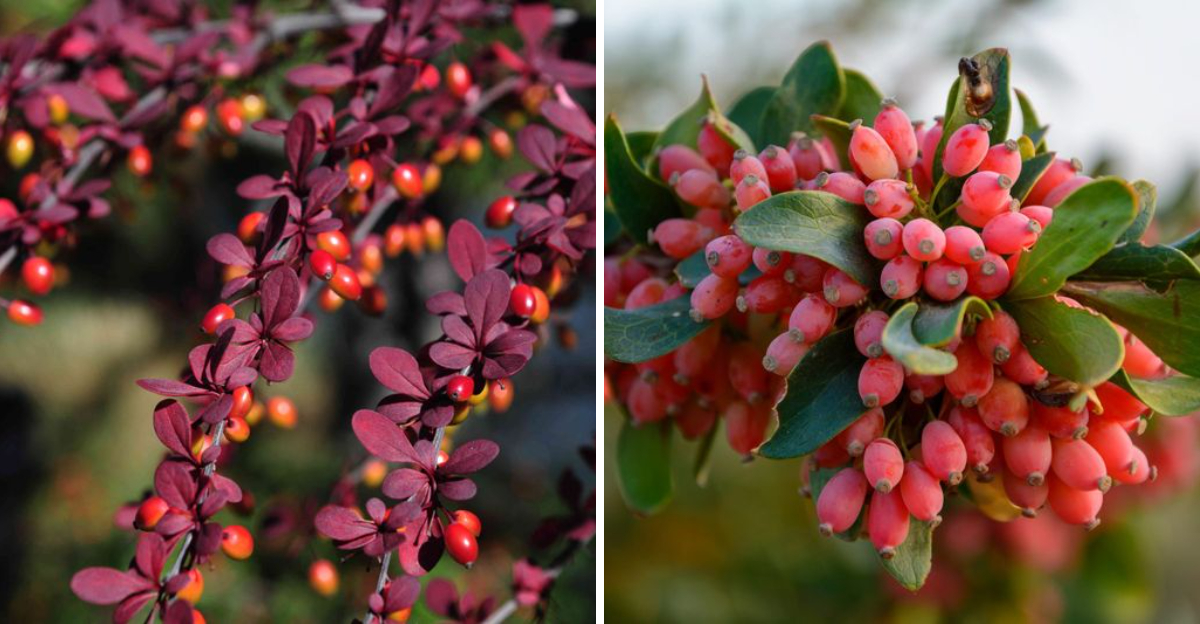
Walk through almost any older Pennsylvania neighborhood and you will spot Japanese Barberry tucked into foundation plantings, used as a low border hedge, or brightening up a corner with its fiery fall color.
For years, it was a go-to choice for landscapers because it was tough, low-maintenance, and deer-resistant. Sounds perfect, right? Unfortunately, that toughness is exactly what makes it a problem.
Japanese Barberry has been listed on Pennsylvania’s noxious weed roster, and its propagation and sale are being phased out as part of the state’s broader effort to control invasive plants.
Your Pennsylvania Garden Changes Every Week. Your Plan Should Too.
Gardening in Pennsylvania changes quickly throughout the season. Every Friday you’ll receive a simple weekly plan showing exactly what to plant, prune, fertilize, harvest, and protect so you never miss the right timing.
The shrub spreads easily through bird-dropped seeds and can take over forest understories in a surprisingly short time.
When it does, it creates dense, thorny tangles that native wildflowers and tree seedlings simply cannot compete with.
There is another unsettling fact about this shrub that most people do not know. Studies have linked Japanese Barberry thickets to higher populations of black-legged ticks, the kind that carry Lyme disease.
The dense, humid environment created by the shrub provides the perfect shelter for ticks and the mice they feed on. So removing this plant from your yard is not just good for native plants, it may actually be good for your health too.
Replacing Japanese Barberry does not mean giving up on color or texture in your garden. Native alternatives like native spicebush, inkberry holly, or chokeberry can fill the same role beautifully.
These plants support local pollinators and birds while staying in balance with Pennsylvania’s natural systems. The phase-out is gradual, but now is the perfect time to start planning a healthier, native-friendly landscape for your outdoor space.
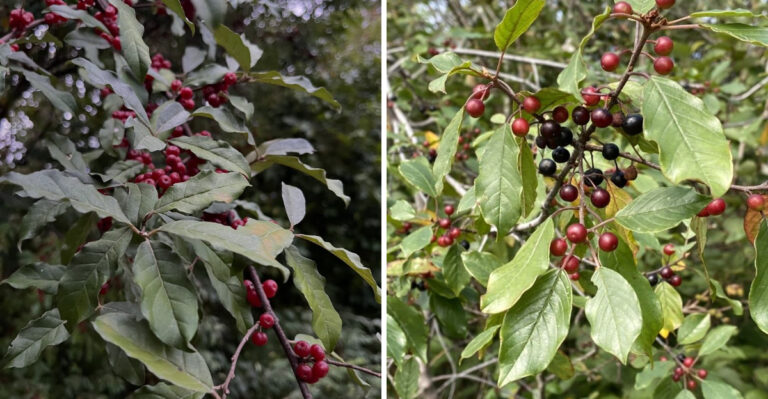
3. Glossy Buckthorn
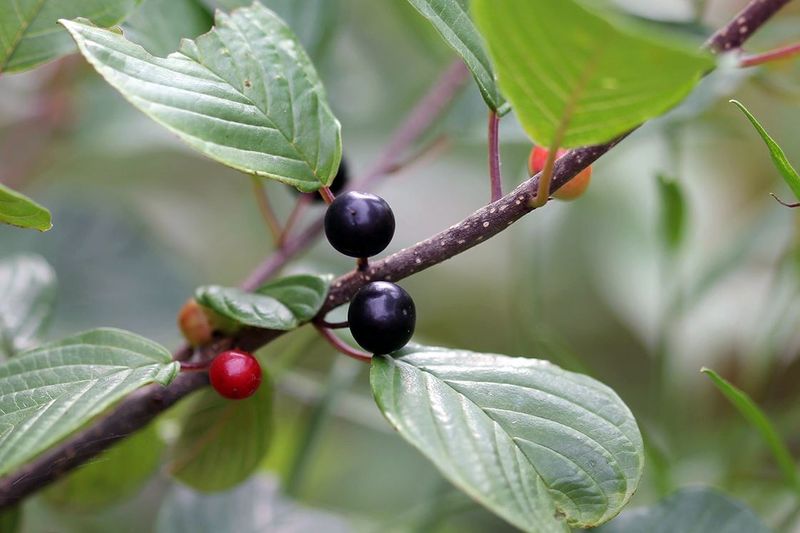
Not every invasive plant announces itself with flashy flowers or bold fall color. Glossy Buckthorn tends to fly under the radar, blending into woodland edges and wetland margins without drawing much attention.
But do not let its quiet appearance fool you. This shrub is one of the most aggressive invaders in Pennsylvania’s natural areas, and the state has had enough.
Glossy Buckthorn is now included on Pennsylvania’s Controlled Plant and Noxious Weed list, making its sale and planting increasingly restricted heading into 2026. The shrub leafs out earlier in spring and holds its leaves later in fall than most native plants.
That extended growing season gives it a major competitive advantage, allowing it to capture sunlight and resources before native understory plants even get started for the year.
The problem does not stop there. Glossy Buckthorn produces large quantities of berries that birds love to eat, which means its seeds get scattered across wide areas very efficiently.
Once it establishes in a forest understory, it shades out native wildflowers, ferns, and tree seedlings, fundamentally changing the character of the woodland.
Wetlands are especially vulnerable, as the shrub can alter soil chemistry and crowd out native sedges and shrubs that many animals depend on for food and cover.
Homeowners and landscapers who have used Glossy Buckthorn in the past should consider transitioning to native shrubs like buttonbush, native elderberry, or Virginia sweetspire.
These alternatives thrive in similar wet or shaded conditions and provide genuine value to local ecosystems.
Getting ahead of the restrictions now means you will be ready for the new rules and doing right by Pennsylvania’s forests and wetlands at the same time.
4. Japanese Privet
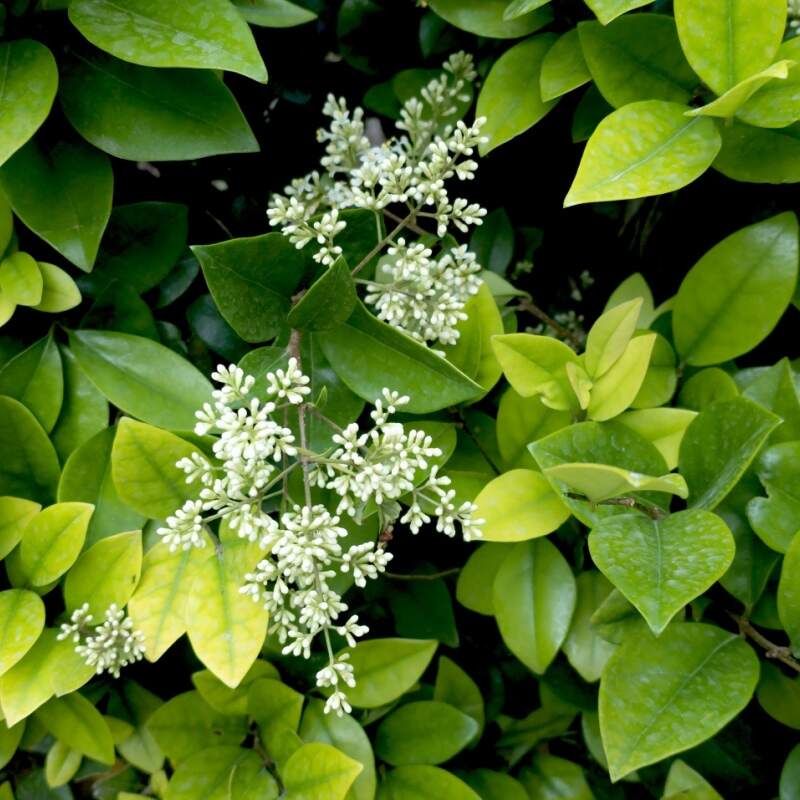
For decades, privet hedges were the classic solution for homeowners who wanted a neat, fast-growing privacy screen. Japanese Privet and its close relatives were sold at nurseries across Pennsylvania without a second thought.
They were easy to grow, quick to fill in, and stayed green for a long stretch of the year. But that fast-growing habit is now at the center of a serious ecological concern.
Pennsylvania has placed Japanese Privet on its noxious weed list, meaning propagation and sale are banned or being phased out as the state moves to protect native plant communities.
Like many invasive shrubs, privet spreads through bird-dispersed seeds and can establish itself in natural areas far from where it was originally planted.
It tolerates shade, drought, and a wide range of soil conditions, which makes it nearly impossible to stop once it gets a foothold in the wild.
In forests and riparian areas, privet forms dense stands that replace native shrubs and young trees. This disrupts the layered structure of healthy woodlands, reducing the habitat quality for birds, insects, and other wildlife that depend on native plant communities.
Some studies suggest that areas dominated by privet support far fewer native bee species than areas with native shrubs, which has downstream effects on pollination and plant reproduction throughout the ecosystem.
Swapping out privet for native hedging plants is easier than you might think. Native alternatives like arrowwood viburnum, American beautyberry, or native holly species can create the same lush, dense screening effect while actively supporting local wildlife.
Many of these plants also offer seasonal interest through flowers, berries, or fall foliage that privet simply cannot match. Making the change now puts you ahead of the regulations and helps Pennsylvania’s wild spaces recover.
5. Burning Bush
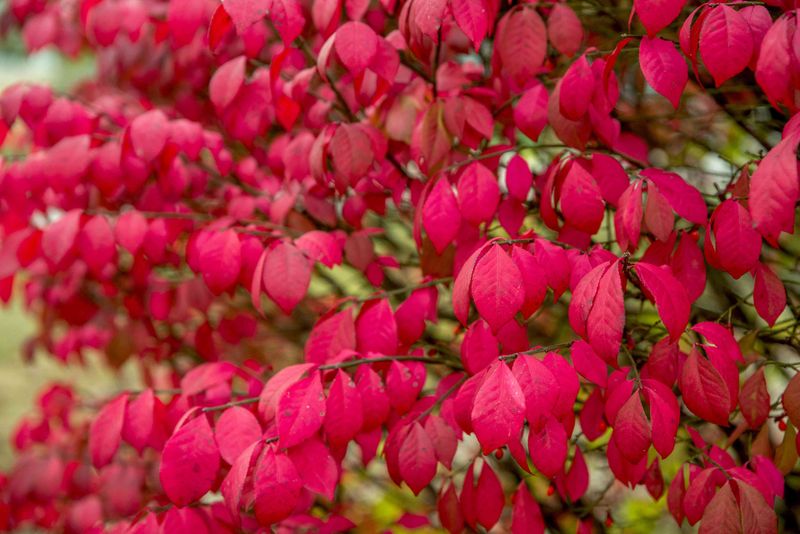
Every October, burning bush earns its name in the most spectacular way possible. The shrub explodes into a shade of red so intense it practically glows, turning heads in neighborhoods and garden centers alike.
It has been one of the best-selling ornamental shrubs in America for years, and it is easy to understand why. But Pennsylvania has a complicated history with this plant, and that history is now driving serious regulatory action.
Burning Bush has long been recognized as invasive in Pennsylvania, and it sits on the state’s list of controlled and noxious plants, with restrictions on nursery sales tightening significantly heading into 2026.
The shrub produces abundant berries that birds scatter widely, and it has proven capable of establishing itself in forests, meadows, and disturbed areas across the state.
Once inside a natural area, it competes aggressively with native shrubs and can form monocultures that crowd out everything else.
What surprises many homeowners is that burning bush has been on conservation watchlists for years. Environmental groups and native plant advocates have been raising the alarm for more than two decades.
The restrictions coming in 2026 are the result of years of scientific research and policy discussion, not a sudden decision. Pennsylvania is simply catching up to what ecologists have known for a long time.
The good news is that native shrubs can give you equally stunning fall color without the ecological cost.
Native alternatives like highbush blueberry, native viburnum species, and Virginia sweetspire all deliver brilliant autumn foliage while feeding birds and pollinators throughout the seasons.
Swapping out burning bush for one of these plants is a win for your garden and for Pennsylvania’s wild landscapes that desperately need support right now.
6. European Barberry
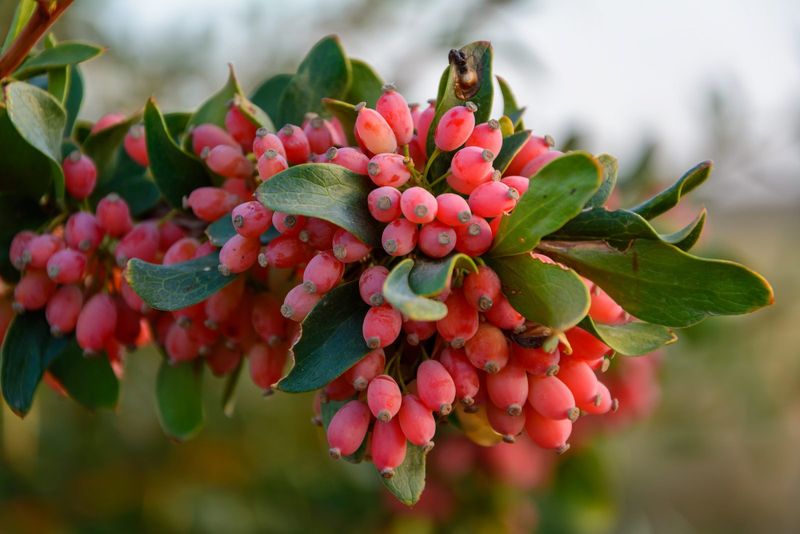
Closely related to Japanese Barberry and just as problematic, European Barberry and its relatives have a long history in Pennsylvania landscapes. These thorny shrubs were once prized for their ornamental value and their ability to serve as impenetrable hedges.
Some varieties have been cultivated for centuries, which is part of what makes their invasive status feel surprising to longtime gardeners who grew up seeing them everywhere.
Regulatory action in Pennsylvania has now moved these Berberis species toward illegal sale and propagation as part of the state’s comprehensive invasive plant control strategy.
Like their Japanese cousin, European Barberry varieties spread through bird-dispersed seeds and can colonize disturbed habitats, roadsides, and forest edges with impressive speed.
Their ability to tolerate a wide range of growing conditions makes them particularly difficult to manage once they escape cultivation.
There is also a historical agricultural concern tied to European Barberry that many people are not aware of.
Certain species in this genus serve as an alternate host for wheat stem rust, a fungal pathogen that devastated American grain crops in the early twentieth century.
The U.S. government actually led a major barberry eradication campaign throughout the 1900s because of this threat. While modern wheat varieties have more resistance, the ecological risks of barberry in Pennsylvania go beyond just crowding out native plants.
Gardeners looking for a spiky, deer-resistant hedge replacement have excellent native options to explore.
Shrubs like native hawthorn species, native holly, or even American plum can provide structure, seasonal interest, and wildlife value without the risks that come with barberry.
Pennsylvania’s 2026 restrictions are a firm signal that the era of planting invasive barberry in home landscapes is officially coming to a close, and native alternatives are ready to take their place.