9 Native Michigan Trees That Feed Songbirds All Winter
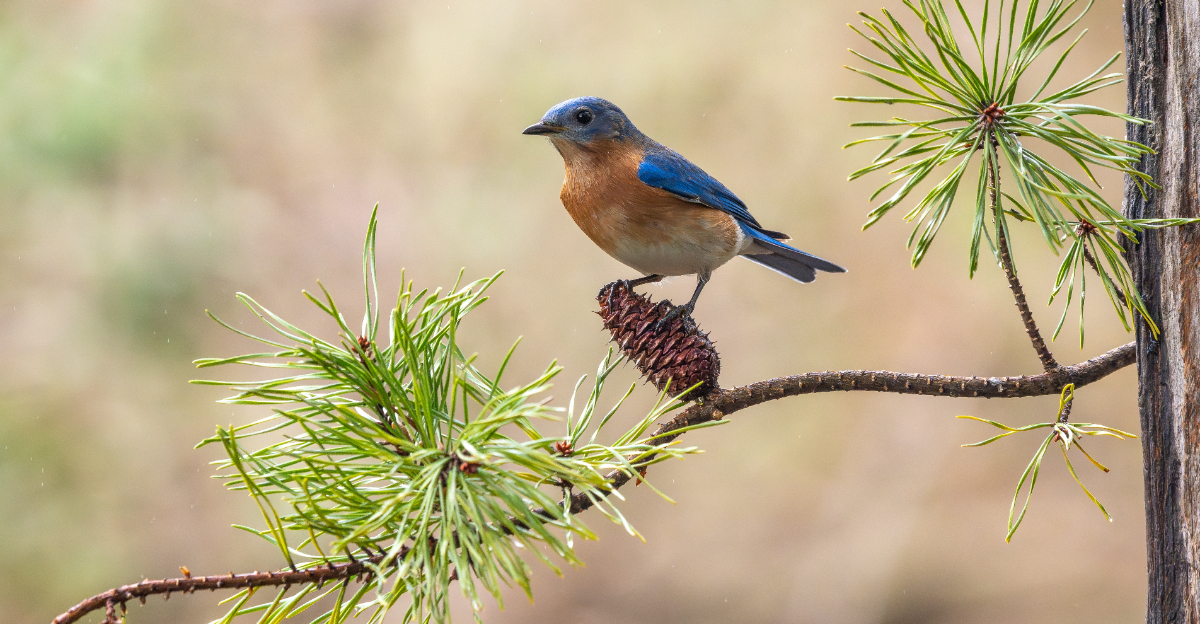
Most bird feeders sit empty or ignored for stretches of winter, leaving homeowners wondering why songbird activity in their yard seems to disappear once the weather turns cold.
But several native Michigan trees actually solve this problem far more effectively than any feeder ever could, offering a natural food source birds rely on throughout the coldest months.
Understanding which trees genuinely support songbirds through winter could completely change how you think about your yard’s long term wildlife value.
Many homeowners are surprised to learn how much more consistent bird activity becomes once these specific trees are already established nearby.
This list could turn a quiet winter yard into one filled with visible, active birdlife all season long. Once you know which trees to choose, you might find yourself needing far fewer feeders than you currently rely on.
Sometimes the most reliable food source is one you plant instead of one you refill.
1. Eastern Red Cedar
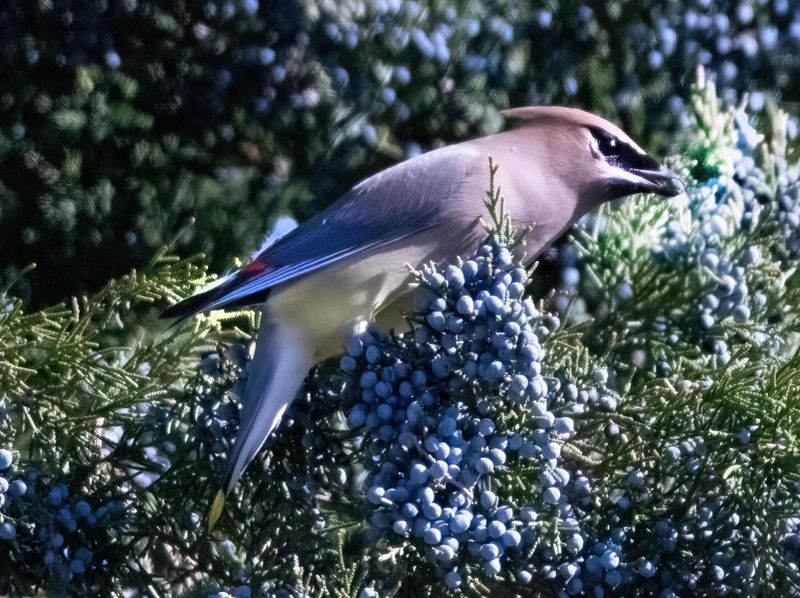
Cedar waxwings love this tree so much that flocks will strip a single one clean in a single afternoon. The eastern red cedar is not really a cedar at all, but a type of juniper that grows all across Michigan.
Female trees produce small blue cones that look like berries. These waxy little globes hang on through the coldest months, giving robins, waxwings, bluebirds, and many other birds a reliable snack when snow covers the ground.
The dense, prickly foliage does double duty. While the fruit feeds hungry birds, the thick branches block harsh wind and hide small songbirds from hawks and other predators.
Plant this tree in a sunny, open spot with well-drained soil, and it will thrive with almost no fussing. It handles dry ground, poor soil, and cold snaps without complaint, making it one of the easiest natives to grow.
If you want fruit, remember that you need female trees. Male and female cedars grow separately, so planting a small group boosts your odds of getting those beautiful blue cones.
A fun bit of history: pioneers once used red cedar wood for fence posts because it resists rot for decades. Today, gardeners value it just as much for the wildlife it supports.
Give it room to spread, keep it away from apple trees since it can share a plant rust, and enjoy watching waxwing flocks arrive each winter. Few trees pack this much shelter and food into one easygoing package.
2. Common Hackberry
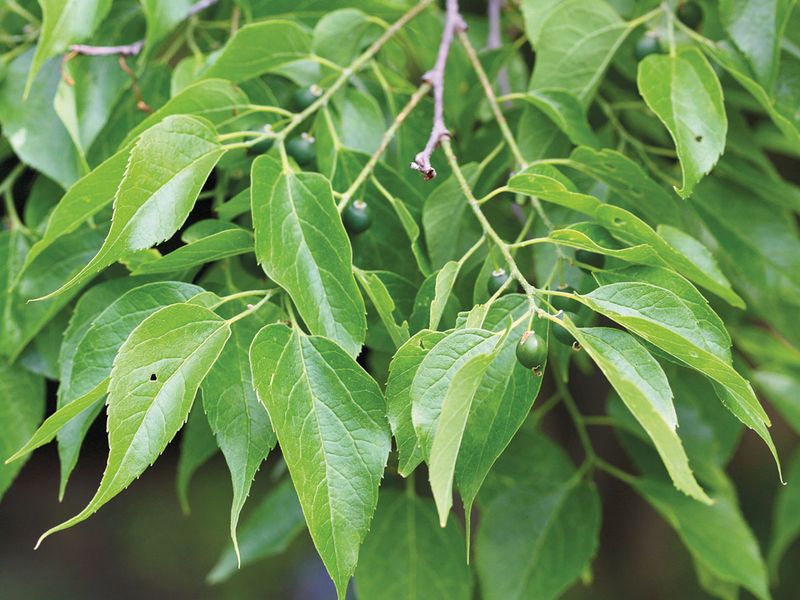
Tough as nails and often overlooked, the common hackberry might be the hardest working tree in your winter yard. It shrugs off drought, wind, and city pollution while quietly feeding birds all season long.
The small round fruits ripen to a deep purple in fall, then cling stubbornly to the branches well into winter. Because they hang on so long, they become a lifesaver for bluebirds, robins, waxwings, and woodpeckers once easier food is gone.
Birds are not the only fans. The fruit has a sweet, date-like taste, and people have snacked on hackberries for thousands of years.
Your Michigan Garden Changes Every Week. Your Plan Should Too.
Gardening in Michigan changes quickly throughout the season. Every Friday you’ll receive a simple weekly plan showing exactly what to plant, prune, fertilize, harvest, and protect so you never miss the right timing.
You can spot a hackberry by its bumpy, cork-like bark, which looks like it has warts. That rough texture makes the tree easy to identify even in the middle of winter.
Hackberries grow fast and adapt to almost any soil, from sandy to clay. They handle both wet spots and dry ones, so they fit into yards where pickier trees would struggle.
Give this tree full sun and a bit of space, since mature ones can reach fifty feet tall with a wide, arching crown. That broad shape also creates great nesting and perching spots come spring.
For a low-effort tree that supports dozens of bird species, hackberry is hard to beat. Plant one along a property edge, and you will have a steady stream of feathered visitors dropping by for fruit all winter long.
3. American Mountain Ash
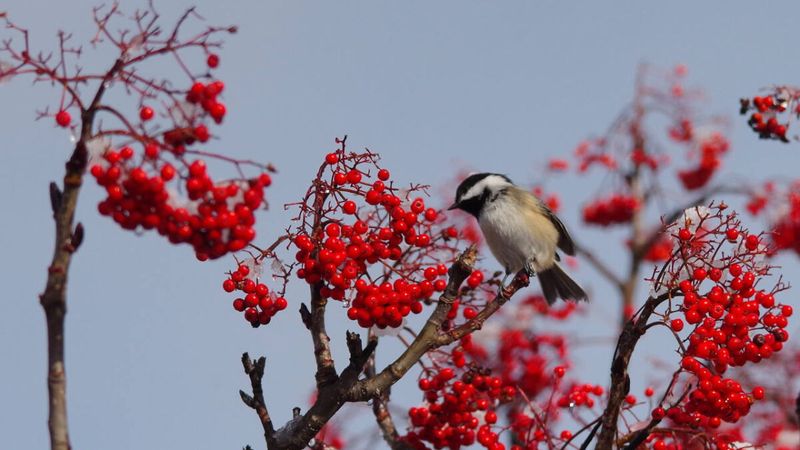
Bright orange-red berries against white snow make the American mountain ash one of the prettiest sights of the season. This native shines in the cooler northern parts of Michigan, especially up near the lakes and in the Upper Peninsula.
Big clusters of glossy fruit form in late summer and stay put through the cold months. Waxwings, grosbeaks, and thrushes flock to these berries, sometimes arriving in noisy groups to feast together.
The tree stays fairly small, usually reaching around twenty to thirty feet, so it fits nicely into medium-sized yards. Its feathery leaves turn warm shades of yellow and orange in fall before dropping.
This tree likes cool, moist soil and does best where summers stay mild. In hot, dry southern spots it can struggle, so it truly belongs in Michigan’s chillier regions.
Pine and evening grosbeaks are among the most exciting visitors it draws. When these northern birds swing south for winter, a berry-loaded mountain ash can be their first stop.
Give it a sunny or lightly shaded spot with room to breathe. Good air flow and well-drained soil help keep the tree healthy for many years.
Interestingly, the fruit stays firmer through frost, which some birds actually prefer. A few freeze and thaw cycles seem to soften the berries just enough.
If you live in a cooler zone and want fiery color plus happy winter birds, this native ash delivers both in one graceful, cold-loving package.
4. Dotted Hawthorn
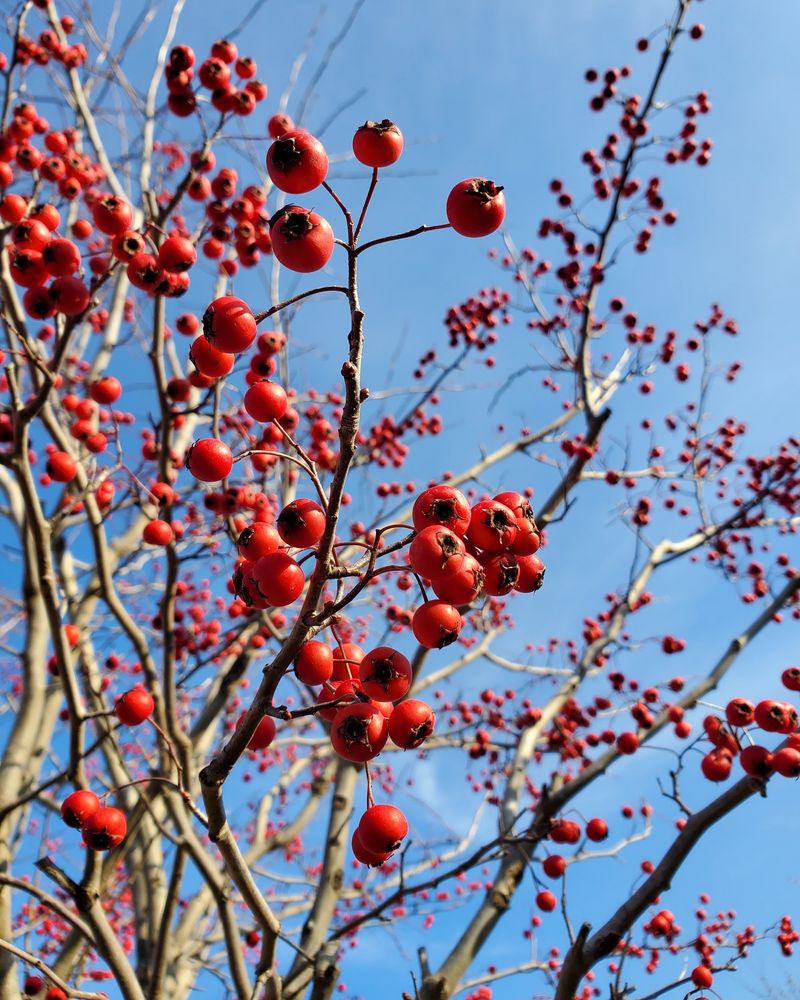
Armed with sharp thorns and loaded with fruit, the dotted hawthorn is like a fortress and a food court rolled into one. Small songbirds adore the protection its tangled, spiky branches provide.
The tree produces small red fruits, sometimes called haws, speckled with tiny pale dots that give it its name. These fruits ripen in fall and often stay on the branches into winter, feeding robins, waxwings, and other fruit lovers.
Those famous thorns are more than just decoration. They create a safe hideout where little birds can duck away from hawks, cats, and biting winter wind.
Hawthorns grow slowly and stay compact, usually around twenty feet tall. That modest size makes them a smart pick for smaller yards or as part of a wildlife hedge.
In spring the tree bursts into clouds of white flowers, which draw bees and butterflies. So while winter brings the fruit, the warmer months bring pollinators, giving you year-round wildlife action.
Plant hawthorn in full sun for the best flowering and fruiting. It tolerates many soil types and handles Michigan cold with ease.
Because of the thorns, place it away from paths and play areas where people might brush against it. Along a back fence or field edge, though, it becomes a wildlife magnet.
For gardeners who want beauty, bird food, and natural shelter all in one native tree, the dotted hawthorn quietly checks every box throughout the winter months.
5. Paper Birch
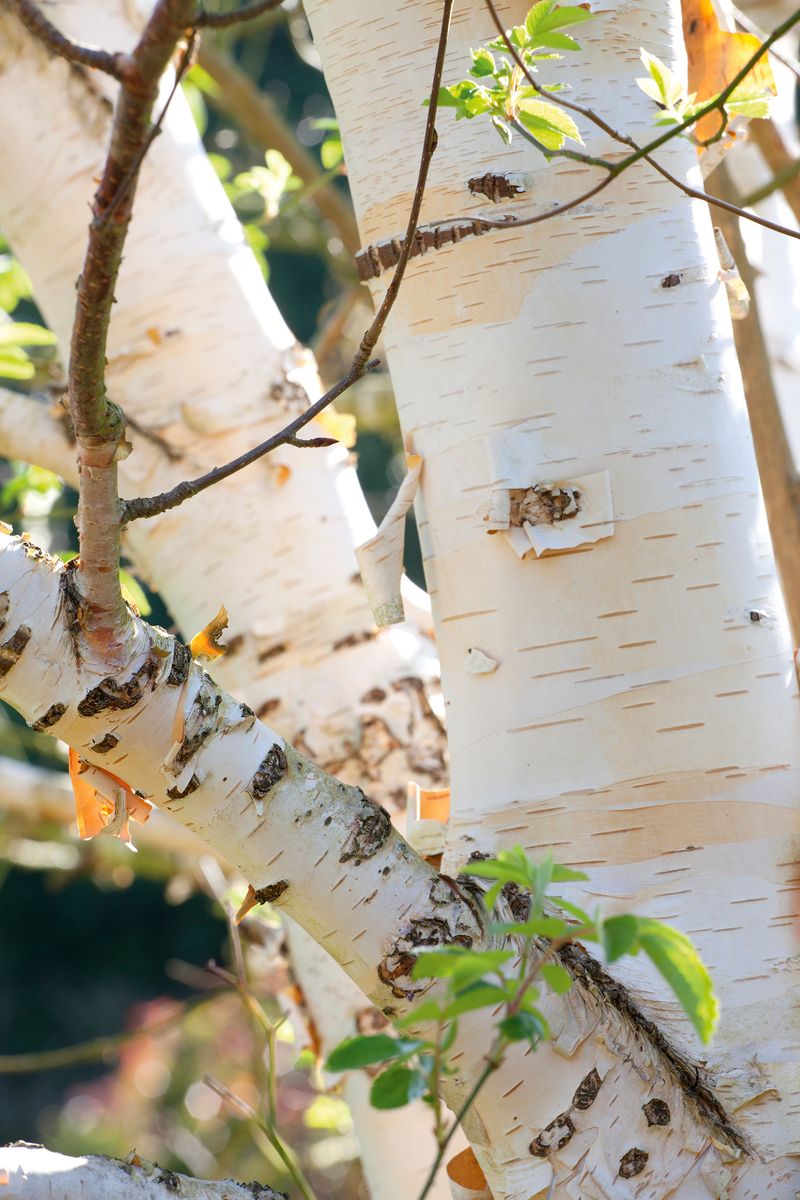
That famous peeling white bark makes the paper birch instantly recognizable, but birds care more about what dangles from its twigs. Tiny seeds tucked inside slender catkins keep flocks busy all winter.
As fall turns to winter, the birch slowly releases its little seeds. Redpolls, pine siskins, and chickadees cling to the swaying branches and pluck them out one by one.
Common redpolls in particular put on quite a show. These small northern finches often arrive in bouncy flocks, filling a birch with chatter and motion on cold, quiet days.
Paper birch prefers cool, moist soil and does best in the northern half of the state. It struggles in hot, dry conditions, so give it a spot with some shade and steady moisture.
Plant it where you can enjoy the view, since the bright bark glows against a snowy background. Many gardeners set birches in small groups for an even bigger visual punch.
The bark peels in thin, papery layers, and Native peoples once used it for canoes, containers, and even writing. Please leave living bark alone, though, since peeling it can hurt the tree.
Watch for bronze birch borer, a pest that troubles stressed trees. Keeping the roots cool and moist is the best way to keep your birch strong.
For a tree that feeds finches, brightens the winter landscape, and carries deep history, paper birch is a northern favorite worth planting.
6. Yellow Birch
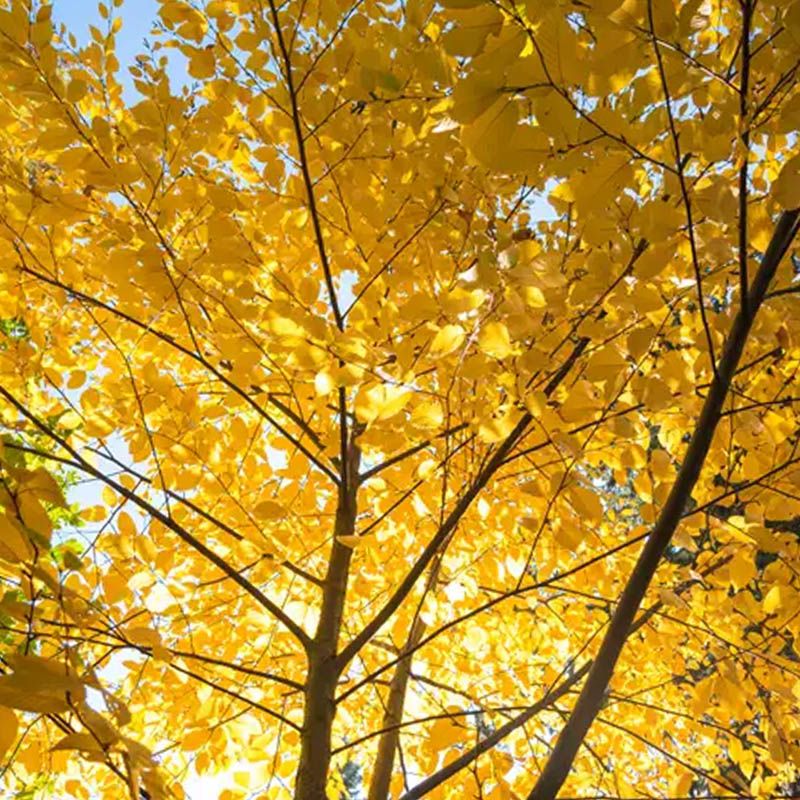
Rub a twig of yellow birch and you might catch a faint whiff of wintergreen, a fun surprise this tree hides in its bark. Beyond that scent, it offers steady winter food for hungry finches.
Like its paper birch cousin, yellow birch scatters tiny seeds during cold weather. Redpolls, siskins, and other small songbirds work the branches, grabbing seeds as they slowly drift free.
The bark stands out with a shimmering golden-bronze color that curls in thin ribbons. On a gray winter day, that warm glow adds a touch of magic to the woods.
This tree thrives in cool, damp forests and rich soil. It grows well across northern Michigan and prefers spots that stay moist rather than dry and sunny.
Yellow birch grows larger and lives longer than paper birch, sometimes reaching seventy feet or more. Give it space, and it can become a towering centerpiece of a woodland yard.
Because it loves moisture, it fits nicely near streams, low areas, or the edges of wet woods. Pair it with hemlock or spruce for a natural northern look that birds love.
Squirrels and grouse also enjoy the seeds and buds, so this tree supports far more than just songbirds. It quietly feeds an entire neighborhood of woodland wildlife.
If you have a shady, moist corner and want a long-lived native that feeds finches while smelling faintly of wintergreen, yellow birch is a charming and rewarding choice.
7. White Spruce
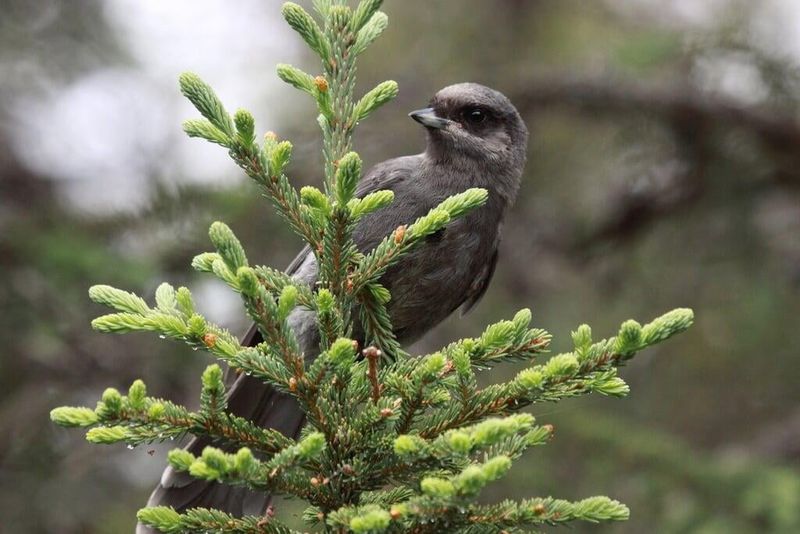
Evergreen and dependable, the white spruce stands tall while other trees drop their leaves and go bare. Inside its slim, hanging cones sit seeds that carry birds through the leanest weeks of winter.
Red-breasted nuthatches, chickadees, and evening grosbeaks all work the cones for these little seeds. You will often see nuthatches scooting headfirst down the trunk as they hunt for hidden snacks.
The dense, needled branches offer more than food. They form a thick, sheltered space where small birds tuck in to escape wind, snow, and cold overnight.
White spruce handles Michigan winters with total ease. It grows across much of the northern state and shrugs off cold that would trouble softer trees.
Give it full sun and room to grow, since a mature spruce can reach sixty feet with a neat, cone-shaped form. That classic pyramid shape also makes it a handsome yard specimen.
The tree adapts to many soils but prefers ground that stays a little moist. Once settled, it needs very little care and just keeps growing.
Because it holds its needles year-round, it also makes a great windbreak. A row of white spruce can shield your home and your feeders from bitter gusts.
Crossbills sometimes show up too, using their unusual beaks to pry seeds from the cones. Plant a white spruce, and you may attract some of the most interesting winter birds around, all while adding evergreen beauty to your landscape.
8. Eastern Hemlock
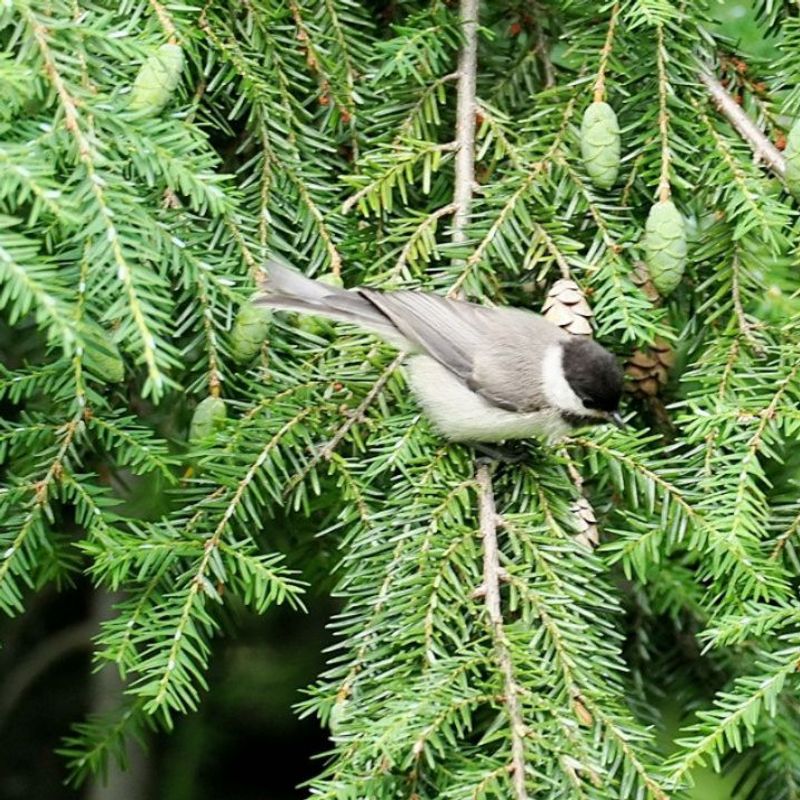
Soft, feathery, and graceful, the eastern hemlock looks gentle even under a heavy load of snow. Behind that delicate appearance lies one of the best shelter trees a winter bird could ask for.
Tiny cones hold small seeds that chickadees, siskins, and other little birds happily eat. The seeds are small, but the steady supply helps birds keep their energy up through freezing days.
The real gift of the hemlock is its dense evergreen cover. Layered branches create warm, hidden pockets where songbirds roost safely away from wind and predators.
Unlike most trees on this list, hemlock actually enjoys shade. It grows well under taller trees and thrives in cool, moist, sheltered spots.
This makes it perfect for shady yards where sun-loving trees would sulk. Tuck one into a north-facing corner or a wooded edge and watch it flourish.
Hemlocks grow slowly but can live for centuries, becoming towering giants in old forests. In a home landscape, they also work beautifully as trimmed hedges.
Keep an eye out for the hemlock woolly adelgid, a tiny pest that threatens these trees in some areas. Healthy, well-watered trees stand a better chance, so check with a local expert if you spot white fuzz on the needles.
For gardeners with a cool, shady spot who want lasting shelter and food for winter birds, the eastern hemlock brings quiet beauty and true wildlife value to the yard.
9. Eastern White Pine
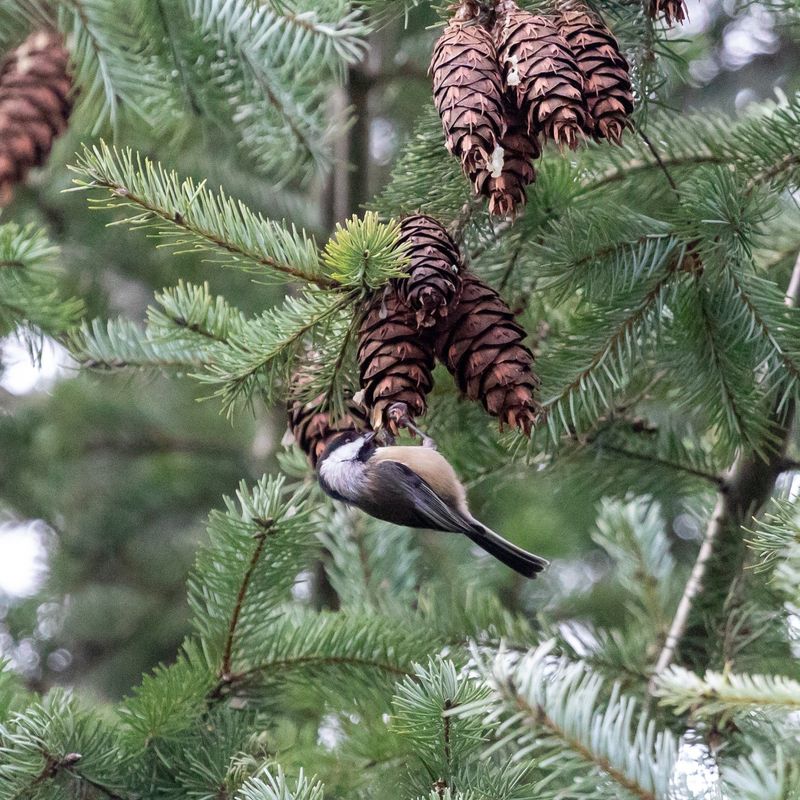
Reaching for the sky with soft, silvery-green needles, the eastern white pine is Michigan’s official state tree and a true winter hero for birds. Its long cones hold seeds that many species depend on.
Chickadees, nuthatches, and pine grosbeaks all dig into these seeds when snow blankets the ground. The rich, oily seeds give birds the fuel they need to stay warm and active.
The wide evergreen canopy provides shelter just as valuable as the food. Birds tuck into the thick branches to ride out storms and cold nights in relative comfort.
White pine is easy to recognize because its needles grow in bundles of five, one for each letter in the word white. That simple trick helps you tell it apart from other pines.
This tree grows fast and tall, sometimes topping eighty feet, so it needs plenty of open space. Give it full sun and well-drained soil, and it will reward you for generations.
Michigan’s logging history is tied closely to this pine, which once covered huge stretches of the state. Planting one today helps bring back a piece of that natural heritage.
Beyond birds, the pine supports squirrels and other wildlife that stash and eat the seeds. It truly becomes a hub of activity in any yard.
For a fast-growing native that offers both shelter and seeds while honoring Michigan’s roots, the eastern white pine stands proud as a winter favorite for people and songbirds alike.