North Carolina Gardeners Are Swapping Mondo Grass For This Tough Native Sedge
Something is shifting quietly along the Piedmont and up into the foothills. North Carolina homeowners are digging up patches of mondo grass and replacing them with a plant most neighbors have never heard of.
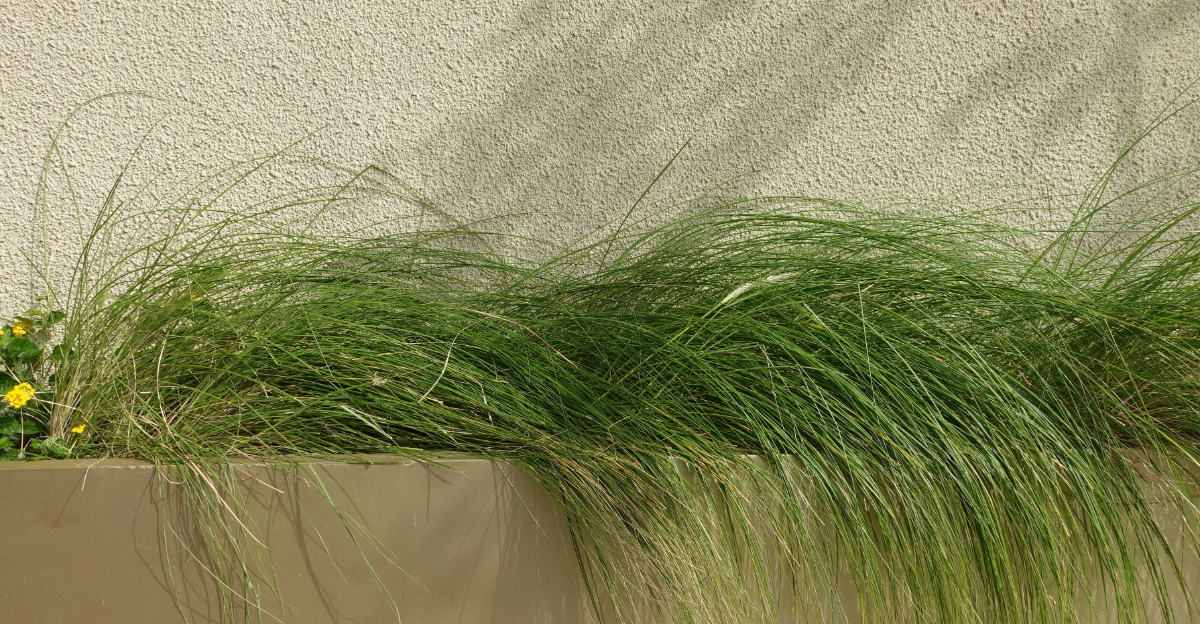
Pennsylvania sedge, a low, native ground cover, keeps showing up in yards that used to struggle constantly against shade and packed clay. It spreads in soft, arching clumps that look almost like a green wave frozen mid-motion.
It simply thickens on its own timeline, knitting bare patches together while the rest of the yard demands constant attention.
For anyone in North Carolina staring at a thin lawn under oak or maple canopy, this sedge succeeds exactly where another bag of grass seed would fail, turning a stubborn patch into the calmest corner of the yard.
One Native Ground Cover Is Replacing Mondo Grass In Yards
Yards are changing, and the shift is easy to spot. Pennsylvania sedge is quietly replacing mondo grass in neighborhoods across the state.
North Carolina gardeners are noticing how this native ground cover handles tough spots without complaint. It grows low, stays green, and asks for almost nothing in return.
Mondo grass has been a go-to for decades in Southern landscaping. It looks tidy, tolerates shade, and spreads slowly over time.
Yet it isn’t native to this region, and it doesn’t support local insects or birds the way a native plant can. Pennsylvania sedge, known botanically as Carex pensylvanica, is a true native across the eastern United States.
It evolved here, which means it already knows how to survive the heat, the clay, and the dry summers. That built-in toughness is a big reason North Carolina gardeners are making the swap.
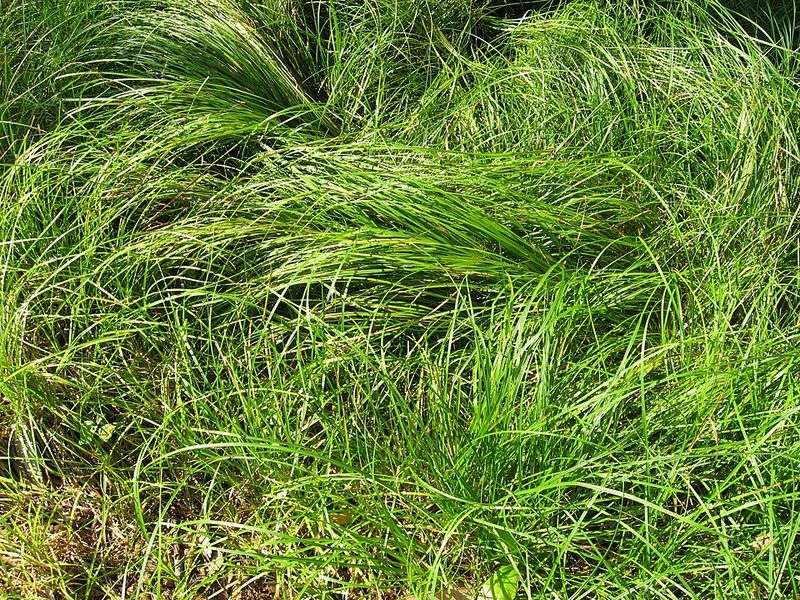
The plant forms a soft, arching carpet that looks almost like unmowed grass. Its fine texture gives yards a natural, relaxed feel that feels right at home under oaks and maples.
Many homeowners describe it as low-maintenance once it gets established. Swapping mondo grass for this tough native sedge is not just a trend.
It is a practical decision that saves time, water, and effort. Once you see how well Pennsylvania sedge performs in real yards, it becomes hard to go back to anything else.
Pennsylvania Sedge Forms A Carpet That Rivals Mondo Grass
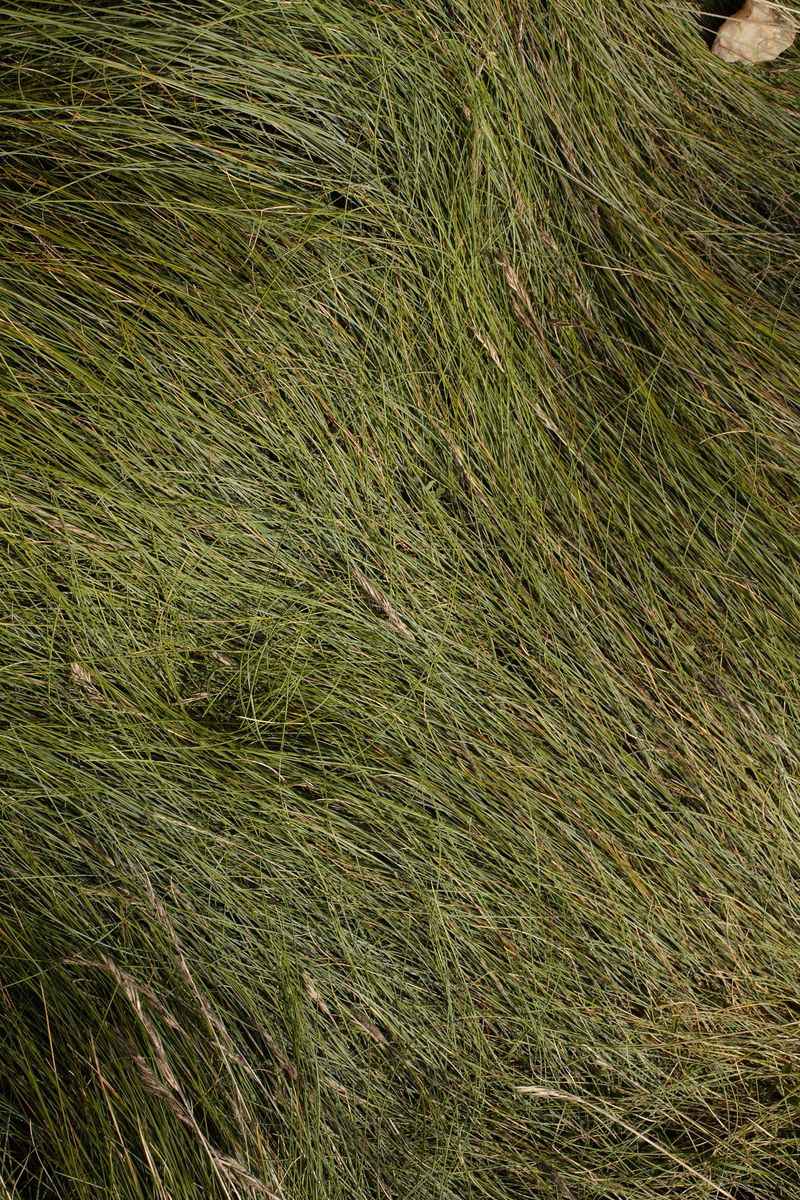
Picture a lawn that mows itself. That is basically what Pennsylvania sedge offers once it fills in.
This native sedge grows roughly six to eight inches tall without any trimming needed. It forms a thick, even mat that crowds out weeds naturally.
The blades are slender and arch gently, giving the ground a soft, meadow-like appearance. Mondo grass creates a similar visual effect, but it grows in clumping tufts that rarely knit together.
Gaps appear between clumps, and weeds sneak right in. Pennsylvania sedge spreads by underground runners, called rhizomes, that fill those gaps over time.
The color of Pennsylvania sedge is a rich, medium green that stays consistent through most of the year. In winter, it may fade slightly to a golden tan, but it bounces back fresh and green each spring.
Your North Carolina Garden Changes Every Week. Your Plan Should Too.
Gardening in North Carolina changes quickly throughout the season. Every Friday you’ll receive a simple weekly plan showing exactly what to plant, prune, fertilize, harvest, and protect so you never miss the right timing.
That seasonal rhythm feels natural and honest in a way that evergreen exotics sometimes do not. Gardeners with shaded, problem side yards often report similar struggles, trying mondo grass, ferns, or mulch with little success.
Once Pennsylvania sedge goes into that same kind of spot, it typically becomes the calmest part of the yard within two growing seasons. After that, it needs very little attention to keep going.
When this tough native sedge forms a full carpet, it genuinely rivals the look of mondo grass. The difference is that it belongs here, and that belonging shows in every growing season.
This Sedge Handles Shade And Clay Soil In The Right Spot
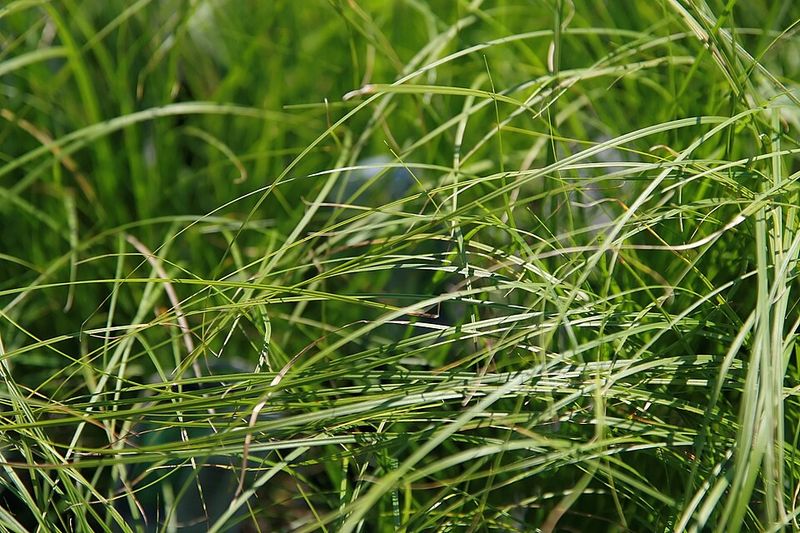
Clay soil stops most plants cold. Pennsylvania sedge barely notices it.
The Piedmont region is famous for its heavy red clay, which drains poorly and bakes hard in summer. Most ornamental ground covers struggle in those conditions.
This native sedge evolved in exactly those kinds of soils, which gives it a clear advantage over imported alternatives. Those root-filled, dry, shady zones beneath oaks and maples are notoriously difficult to plant, yet this sedge settles right in.
Shade is another challenge that Pennsylvania sedge handles with ease. It performs best in partial to full shade, making it perfect for planting under large trees.
The key is getting the plant established during its first season. Water it regularly for the first few months while the roots reach deep into the soil.
After that, supplemental watering becomes mostly unnecessary except during extreme drought periods. Pennsylvania sedge does not love soggy, waterlogged ground, so avoid spots where water pools after rain.
It prefers well-drained soil, even if that soil is heavy and dense. A slight slope or raised bed can help in low-lying areas where drainage is a concern.
Full sun is the one condition this sedge does not tolerate well. In open, sunny spots, the blades may brown at the tips and the plant will struggle to spread.
Stick to shaded and partly shaded areas for the best results. Planting this tough native sedge in the right spot makes all the difference for long-term success.
Mondo Grass Fills In Slowly While This Native Spreads Faster
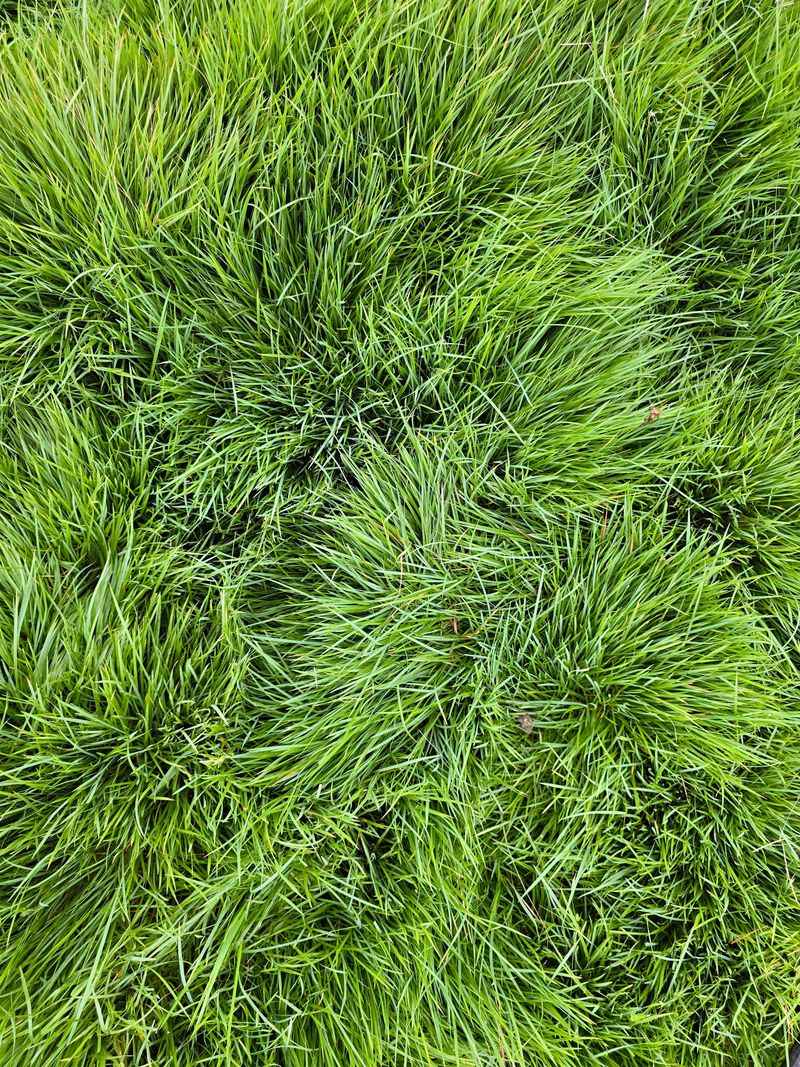
Patience is a virtue, but nobody wants to wait five years for ground cover to fill in. Mondo grass is notoriously slow to spread.
Gardeners who plant it often find themselves staring at the same bare patches season after season. The clumping habit means each plant stays in its own tidy circle without reaching outward very quickly.
Pennsylvania sedge works differently. It spreads through underground rhizomes that push outward steadily each growing season.
Plant enough starts at the right spacing, and you will see visible progress within a single year. That spreading habit is one of the biggest reasons North Carolina gardeners are making the switch.
Spacing matters when planting Pennsylvania sedge for faster coverage. Setting plants about eight to twelve inches apart gives the rhizomes room to spread without leaving too much bare ground between starts.
Closer spacing means faster coverage, though it also means buying more plants upfront. A helpful trick is to divide established clumps in early spring before new growth begins.
Each division can be replanted immediately, which multiplies your coverage without spending extra money at the nursery. Dividing every two to three years keeps the planting vigorous and dense.
Mondo grass rarely rewards division the same way. Its slow growth means dividing it just creates more slow-growing clumps.
Pennsylvania sedge, by contrast, responds to division with renewed energy and faster spreading. Choosing this tough native sedge over mondo grass means your ground cover project actually finishes in a reasonable amount of time.
Supporting Local Wildlife With A Native Sedge Instead
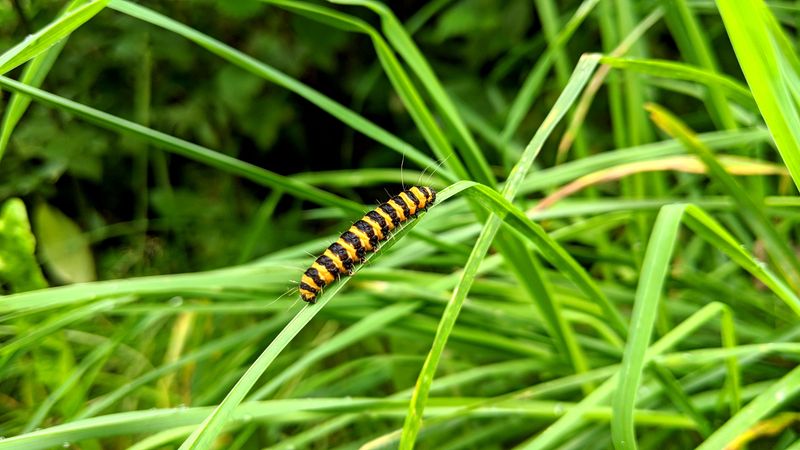
A yard full of exotic plants is a quiet place. Native plants change that in a meaningful way.
Pennsylvania sedge supports a surprising number of local wildlife species. Several native butterfly caterpillars use sedges as host plants, including skippers that are common across the eastern United States.
Without native host plants, those butterflies simply cannot complete their life cycles. Birds benefit from Pennsylvania sedge as well.
The seeds that Pennsylvania sedge produces in late spring are small but nutritious. Ground-feeding sparrows and juncos pick through sedge plantings looking for those tiny seeds.
A dense planting becomes a reliable food source that keeps birds coming back season after season. Mondo grass, by contrast, offers almost no wildlife value.
Its berries offer little nutritional value to wildlife, and the plant does not support the base of the food chain the way a native does.
Insects are the foundation of most backyard ecosystems, and they depend on plants they co-evolved with. Doug Tallamy, a well-known ecologist, has documented how native plants support those insect populations.
His research highlights how even small patches of native ground cover can make a measurable difference in backyard biodiversity.
Planting And Dividing This Sedge For Faster Coverage
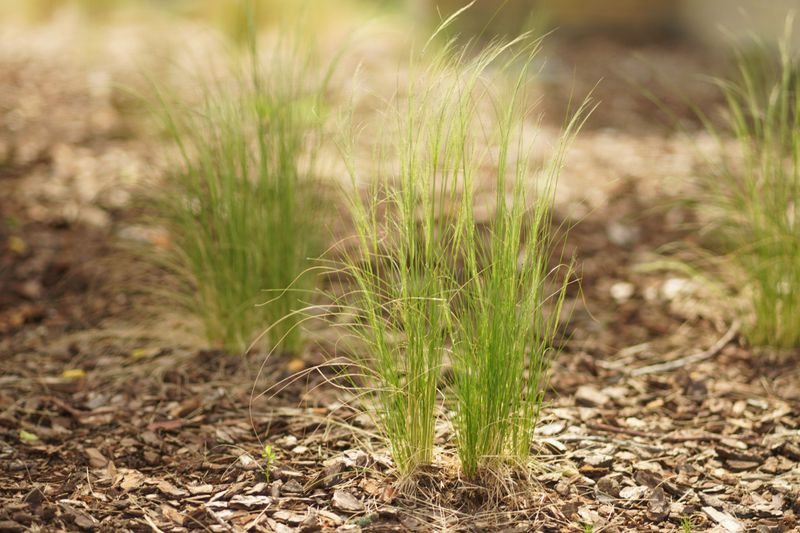
Getting started is the hardest part, but Pennsylvania sedge makes it surprisingly straightforward. The best time to plant is early spring or early fall, when temperatures are mild and rainfall is more reliable.
Avoid planting in midsummer heat, which stresses young transplants before their roots have a chance to establish. A cloudy day is better than a bright sunny one for transplanting.
Prepare the planting area by loosening the soil about four inches deep. Remove any existing weeds or grass by hand or with a hoe.
Adding a thin layer of compost can help in very poor or compacted clay, though it is not strictly necessary for this adaptable native. Water newly planted sedge every two to three days for the first four to six weeks.
After that, cut back to weekly watering through the first summer. By the second growing season, established plants rarely need supplemental irrigation unless a serious drought hits.
Dividing Pennsylvania sedge is simple and rewarding. Use a sharp spade or garden fork to lift an established clump in early spring.
Pull the clump apart into smaller sections, each with visible roots and green shoots. Replant the divisions at the same depth as the original and water them in well.
Mulching lightly between new plants helps retain moisture and suppress weeds while the sedge fills in. Once coverage is complete, mulch becomes unnecessary.
Choosing this tough native sedge and dividing it regularly means your ground cover project keeps expanding without ever buying another plant.