Who Pays When A Neighbor’s Declining Tree Falls Into Your California Yard?
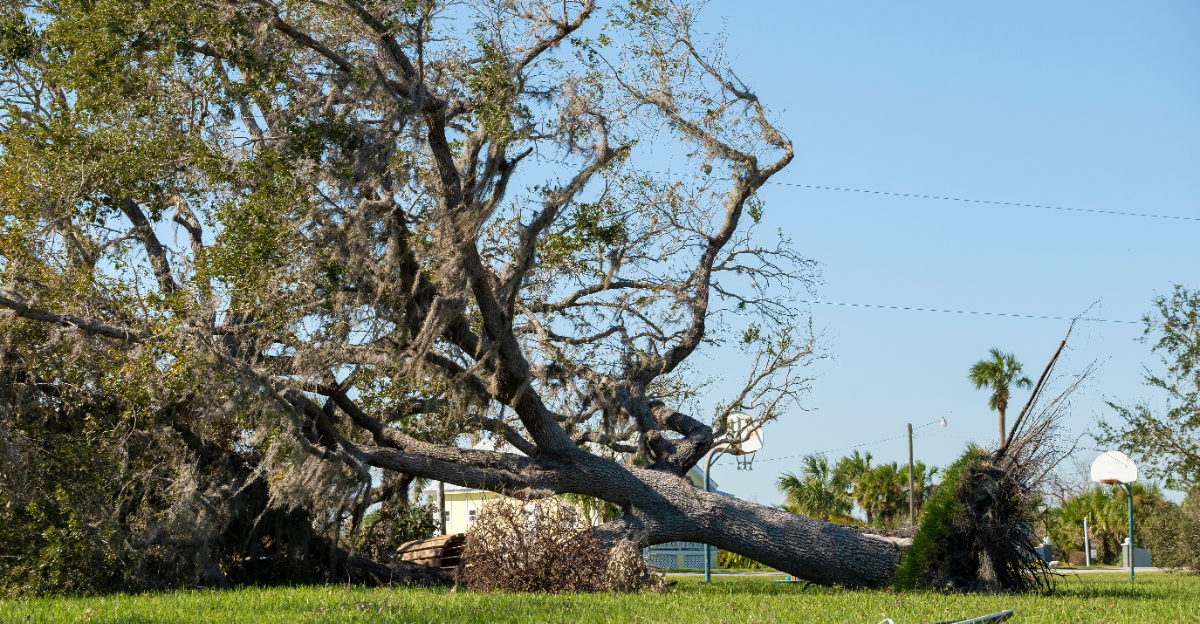
When a neighbor’s tree crashes into your yard, figuring out who pays is not as simple as checking whose property the trunk came from.
The answer often turns on what condition the tree was in before it fell and what the owner knew about it.
A healthy tree brought down by an unexpected storm can lead to a very different outcome than one that had been visibly declining for months. California courts treat negligence as an important factor when property damage is involved.
That makes earlier warning signs surprisingly important, especially if concerns were documented before the fall.
Insurance may also enter the picture, but coverage does not automatically settle responsibility between neighbors.
Before anyone agrees to pay for cleanup or repairs, it helps to understand the difference between an unavoidable accident and a preventable hazard that was left standing too long.
A Healthy Tree Falling Is Usually A Different Story
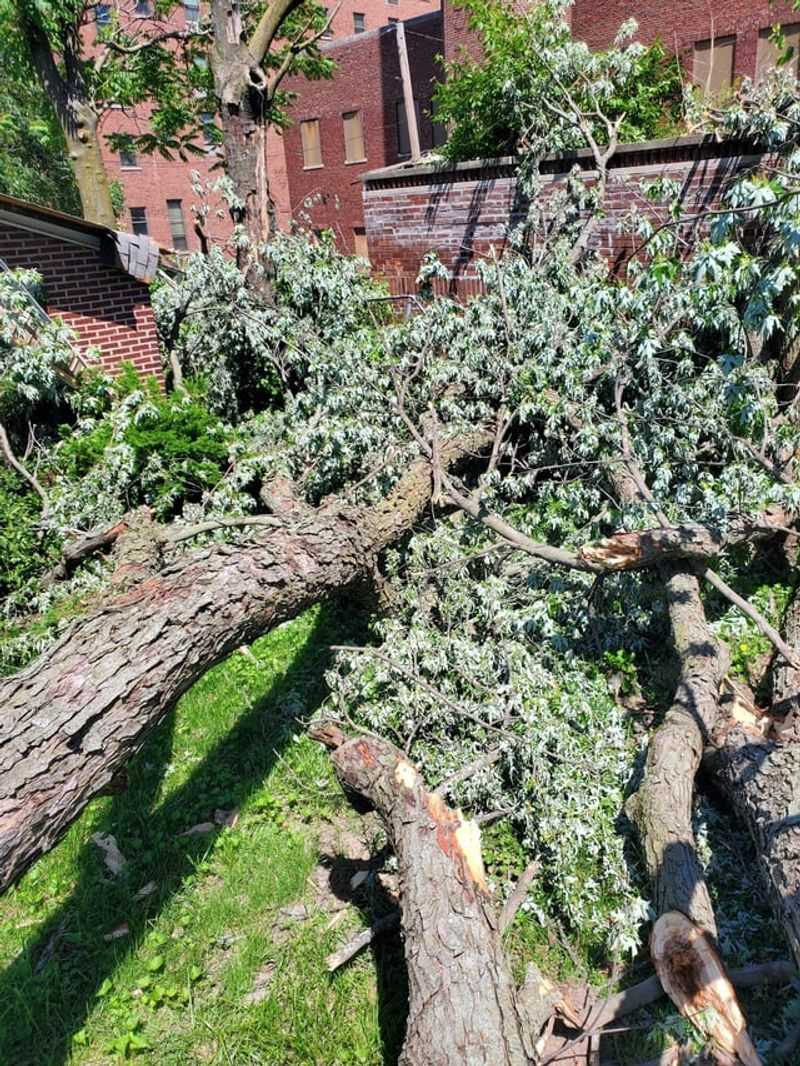
Sometimes nature just does what it wants. When a perfectly healthy tree falls during a major storm or unexpected weather event, the law often treats it as what is called an “act of God.” That means no one is automatically at fault.
In many of these cases, your neighbor may not owe you anything. Even if the tree came from their yard, if there were no warning signs and the tree appeared strong and healthy, it is hard to argue that they were careless.
Each property owner is generally responsible for damage to their own property. So if a healthy tree falls on your fence, your homeowner’s insurance would likely be the one to step in and help cover the repairs.
This can feel unfair, especially when you are staring at a pile of broken wood that used to be your fence. But the legal system looks at what a reasonable person could have known or done ahead of time.
If the tree showed no signs of trouble, your neighbor had little reason to act.
Knowing this rule early can help you set realistic expectations. It also reminds you why having solid homeowner’s insurance matters so much when you live near large trees.
A Withering Tree Can Shift The Blame
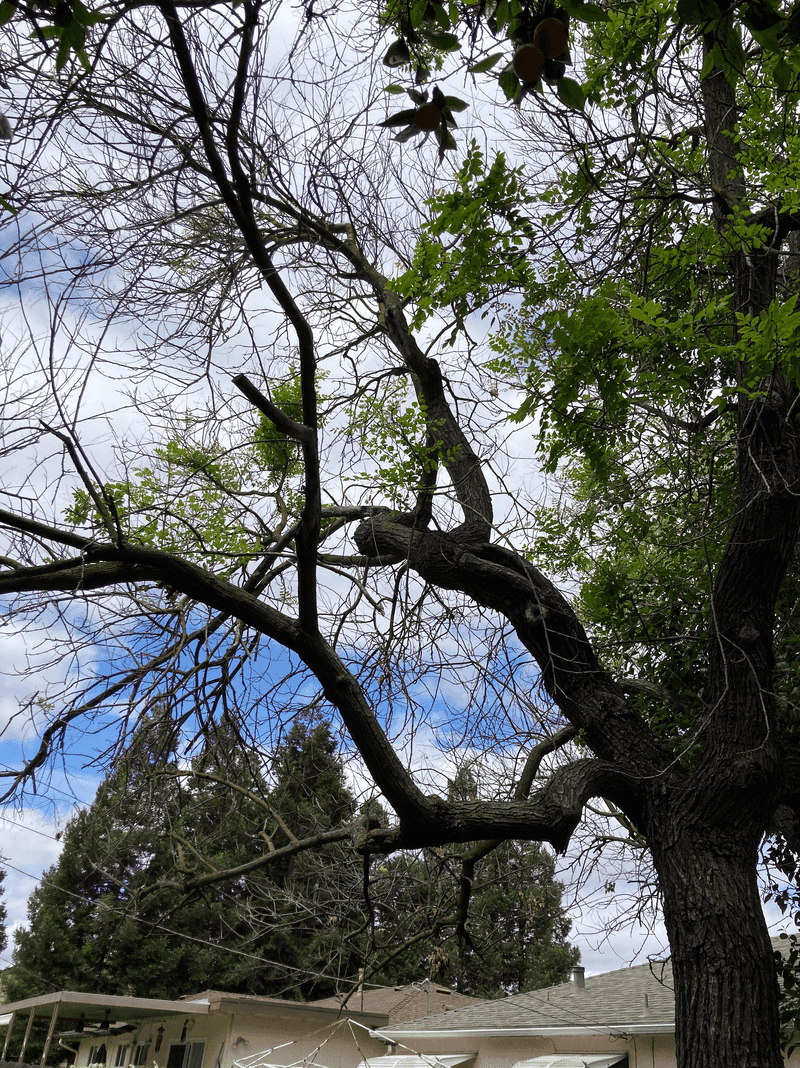
Not all falling trees are surprises. When a tree is clearly declining, showing signs like bare branches, soft or rotting wood, or visible fungus, the situation changes in a big way. A tree in bad shape is a known hazard.
Under California law, a property owner has a duty to take reasonable care of their trees. If a tree on their land is visibly struggling or rotting, they are expected to deal with it before it becomes a danger to others.
When that kind of tree falls and causes damage to your property, your neighbor may be held liable.
The key word here is “negligence.” If they knew or should have known that the tree was a risk and did nothing, that carelessness can make them legally responsible.
Proving negligence is not always easy, but it is very possible. You need to show that the tree was in poor condition and that a reasonable person would have noticed and acted on it.
Your California Garden Changes Every Week. Your Plan Should Too.
Gardening in California changes quickly throughout the season. Every Friday you’ll receive a simple weekly plan showing exactly what to plant, prune, fertilize, harvest, and protect so you never miss the right timing.
Visible decay is one of the strongest arguments you can make. The worse the tree looked before it fell, the harder it is for your neighbor to claim they had no idea it was a problem.
Documenting what the tree looked like before the incident is extremely helpful in these situations.
What Your Neighbor Knew Matters A Lot
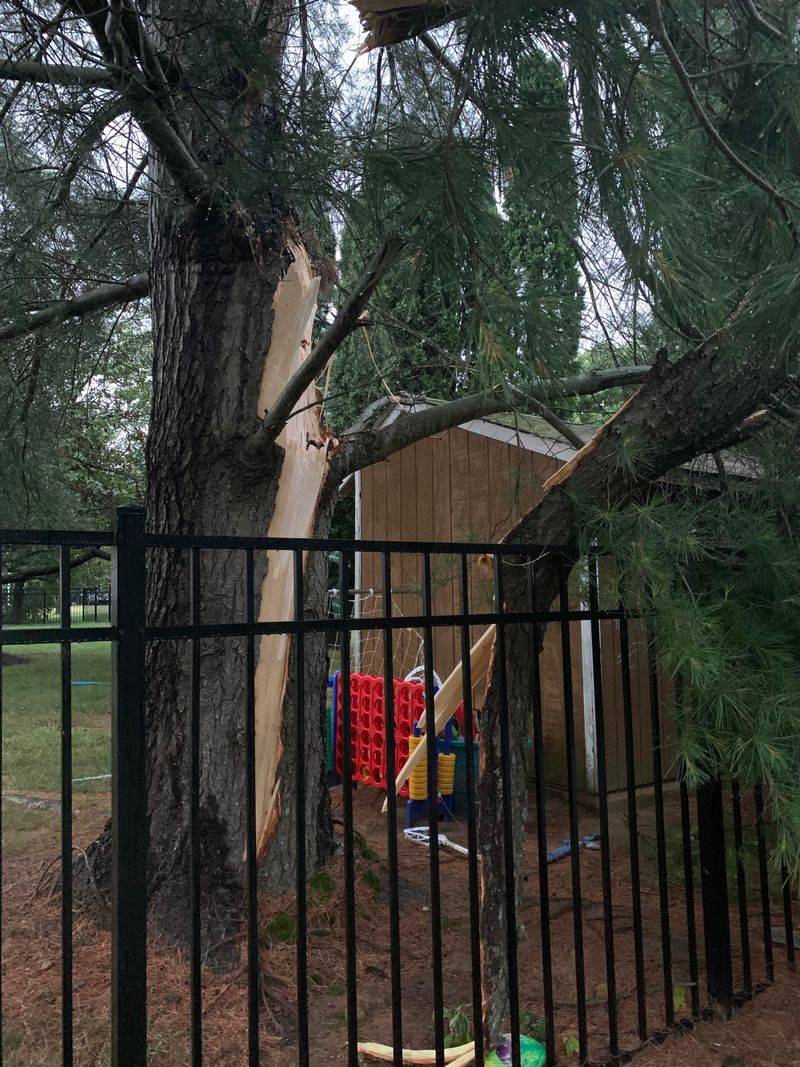
Knowledge is a powerful thing in a tree damage case. Whether your neighbor was actually aware of the tree’s condition can make or break who ends up paying for the repairs.
If you or someone else told your neighbor that their tree looked sick or dangerous, that conversation becomes very important. It shows they had prior knowledge of a potential hazard.
Once someone is aware of a risk, they have a responsibility to address it.
Courts look at what a person knew and when they knew it. If your neighbor got a warning and still did nothing, that inaction can be seen as negligence.
That makes it much more likely that they will be held responsible for any damage the tree caused.
On the flip side, if no one ever pointed out the problem and the tree did not show obvious signs of trouble, it is harder to prove they were negligent.
The law does not expect people to be tree experts, but it does expect them to respond when a problem is clear.
Keeping records of any conversations you had with your neighbor about the tree is smart. Even a quick text message saying “Hey, your tree looks like it might be leaning” can carry real legal weight if things go wrong later on.
Old Warnings Can Become Important Evidence
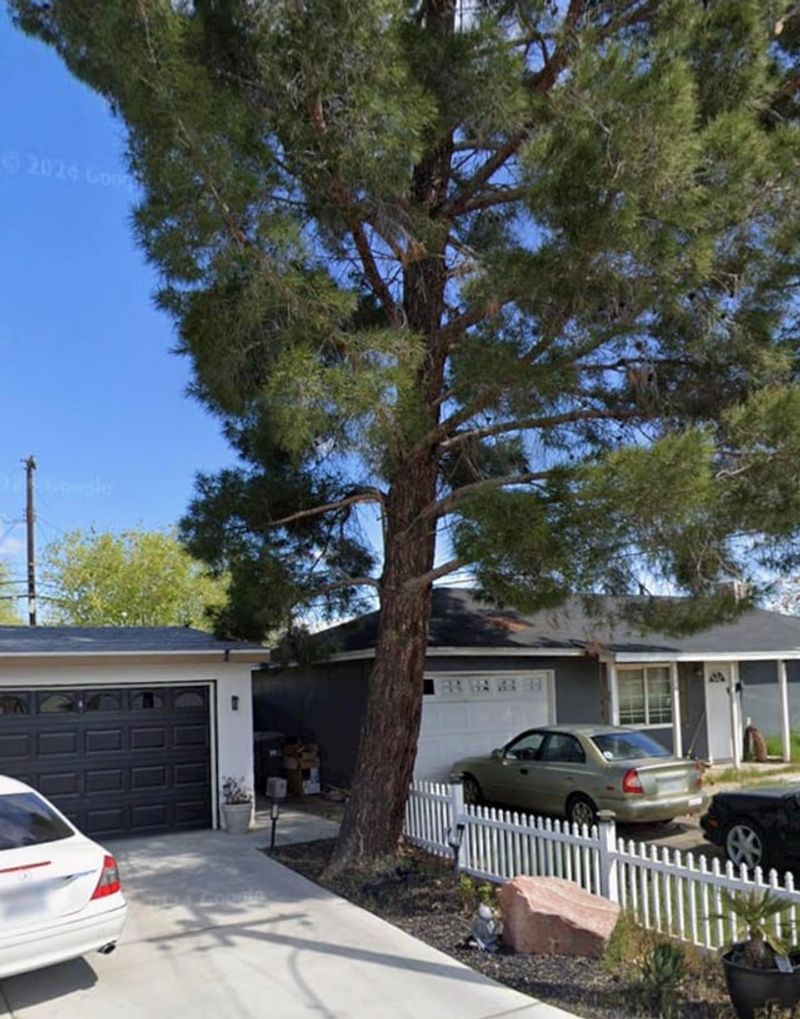
Words spoken in passing can turn into powerful legal tools. If you ever warned your neighbor about their tree in writing, that message could end up being one of the most important pieces of evidence in your case.
A certified letter, an email, or even a text message saying that you were concerned about the health of their tree creates a paper trail.
It shows a specific date and time when your neighbor was put on notice. From that point forward, they are expected to take action.
Some homeowners make the mistake of only complaining verbally. While that matters too, it is much harder to prove in court.
Written communication is clear, dated, and hard to deny. If you have concerns about a neighbor’s tree, always follow up in writing.
California code enforcement records can also serve as evidence. If someone else already filed a complaint about the tree with your city or county, that report may be available to you.
It strengthens the argument that the hazard was known and documented.
Even old photos that show the tree’s condition months or years before it fell can help establish a timeline.
Evidence that paints a clear picture of what was known and when is exactly what attorneys and insurance adjusters look for when deciding who pays.
Photos Of Decay May Help Tell The Story
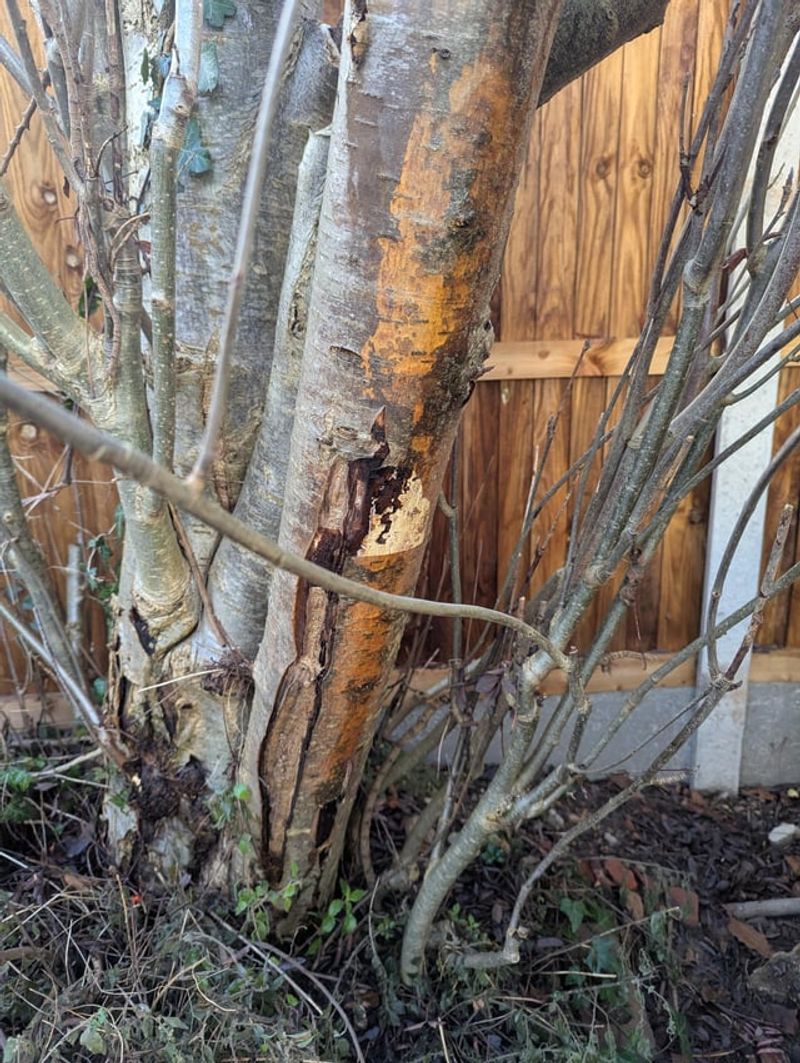
A picture really can be worth a thousand words, especially when it comes to tree damage claims. If you noticed your neighbor’s tree looking unhealthy before it fell, photos of that decay could be some of the strongest evidence you have.
Fungal growth at the base of a tree, large cracks in the trunk, hollow spots, and withered limbs hanging overhead are all red flags.
Capturing those signs on camera, with timestamps, creates a record that is very hard to argue against.
Even if you did not think to take photos before the tree fell, take them immediately after. Document the damage to your property, the condition of the fallen tree, and any visible signs of rot or disease in the wood. The more detail you capture, the better.
Social media can also be an unexpected source of evidence. Old posts or tagged photos that show the tree in your neighbor’s yard from previous months or years might reveal its condition over time.
It sounds unusual, but these kinds of digital records have been used in legal cases before.
Start building your photo record as soon as you notice something wrong with any tree near your property. You do not need a lawyer to take a picture.
But that picture might be exactly what a lawyer needs later to make your case.
Your Own Insurance May Be The First Call
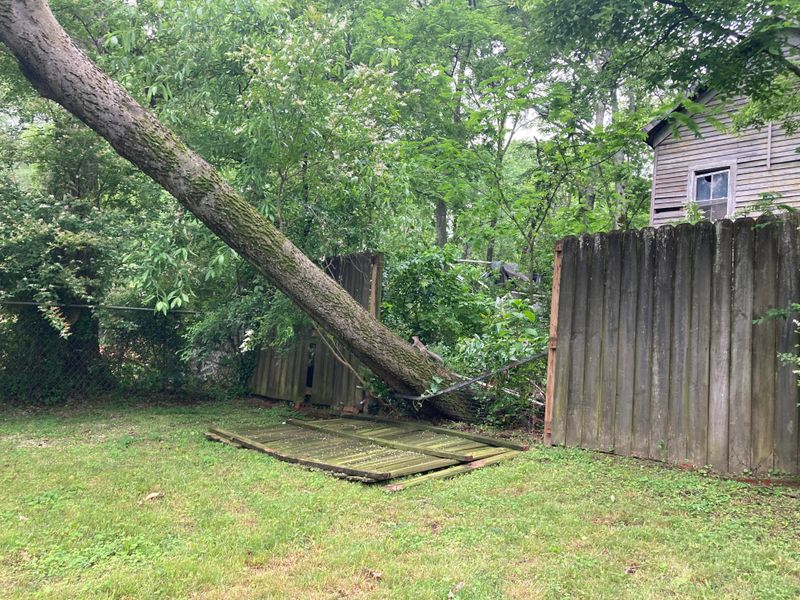
Even when your neighbor is clearly at fault, getting money from them directly can be a slow and complicated process.
That is why many experts suggest calling your own homeowner’s insurance company first, before anything else.
Your policy may cover tree damage regardless of where the tree came from. This can get repairs started much faster while the question of who is ultimately responsible gets sorted out.
Speed matters when you have a damaged roof or a broken fence exposed to the weather.
If your insurer pays out the claim, they may then go after your neighbor’s insurance company to recover those costs. This process is called subrogation.
You get your repairs covered quickly, and the insurance companies work out the liability question between themselves.
Of course, filing a claim can affect your premium, so it is worth having a conversation with your agent first. Ask them what the process looks like and whether filing makes sense in your specific situation.
Understanding your own policy before disaster strikes is one of the smartest things a homeowner can do. Look at what your policy covers when it comes to fallen trees and outdoor structures.
Knowing the details ahead of time means you are not scrambling to read the fine print while standing in the middle of a mess.
Cleanup Costs And Property Damage Are Not Always The Same
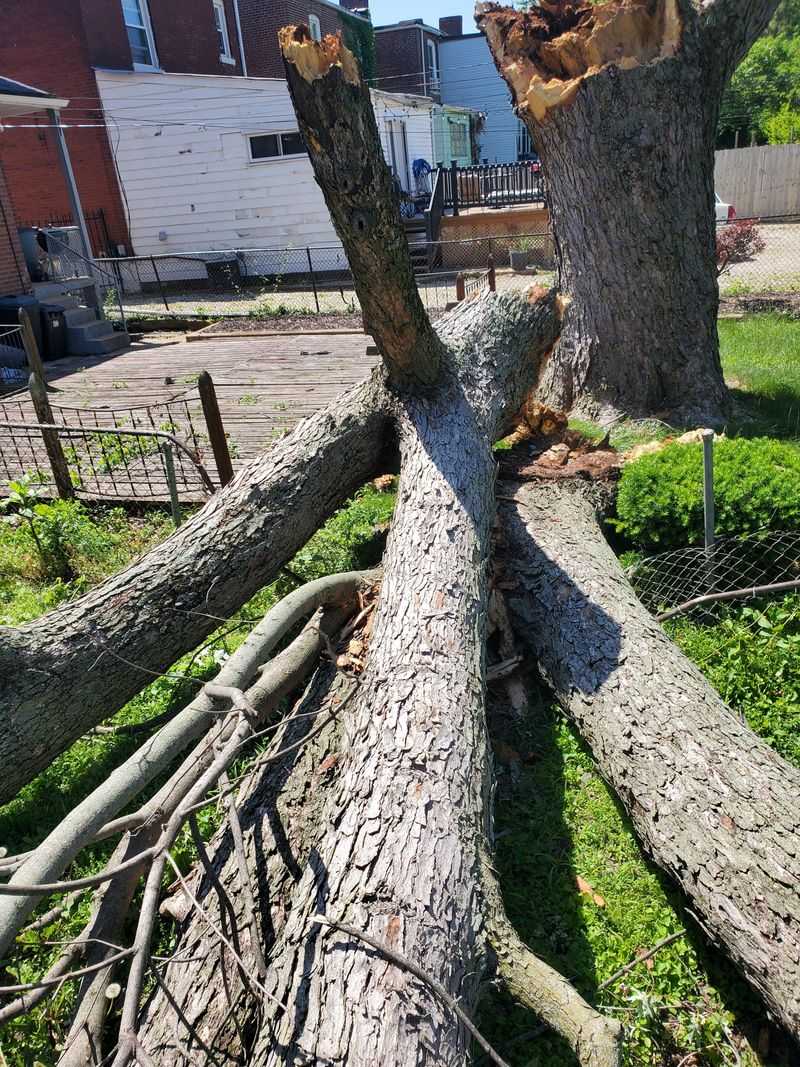
Many people assume that if a neighbor’s tree falls in their yard, the neighbor pays for everything. But the reality is a little more layered than that.
Cleanup and repair costs are often treated as two separate issues.
Removing a fallen tree from your yard is usually your responsibility, even if the tree came from next door.
California courts have generally held that each property owner must handle debris that lands on their land.
This surprises a lot of people, and it can get expensive fast.
Tree removal services are not cheap. A large tree can cost anywhere from a few hundred to several thousand dollars to remove, depending on its size and location.
That bill often falls to the homeowner where the tree landed.
Property damage is a different matter. If the tree crushed your fence, your car, your shed, or your roof, that damage may be recoverable from your neighbor if negligence can be proven.
The two categories, cleanup and damage repair, are handled separately in most claims.
Keeping detailed receipts for every expense related to the incident is very important. Document the cost of tree removal, temporary repairs, and any professional assessments you paid for.
Having organized records makes it easier to request reimbursement or file an insurance claim without missing anything important.
An Arborist Report Can Change Everything
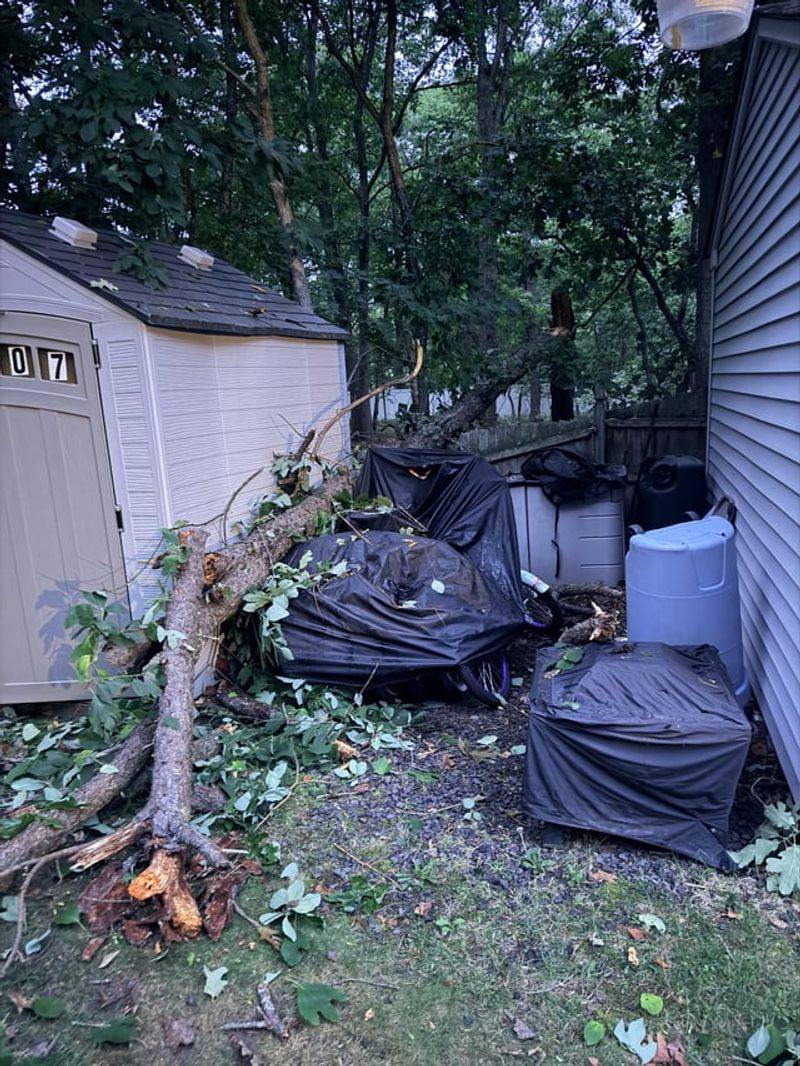
Few things carry as much weight in a tree damage dispute as a certified arborist report. An arborist is a trained tree expert who can look at a fallen tree and tell you a lot about what was happening inside it before it came down.
After a tree falls, an arborist can examine the wood, the root system, and the overall condition of what remains.
They can often determine how long the tree had been declining and whether those signs would have been visible to someone paying attention.
That kind of expert opinion can shift the entire conversation around liability. If an arborist concludes that the tree showed clear signs of internal rot or disease for a year or more before it fell, that is powerful evidence that your neighbor should have acted sooner.
Hiring an arborist costs money, but it can save you far more in the long run. Their written report becomes an official document that can be shared with insurance companies, attorneys, or even a judge if the situation goes that far.
If you are dealing with significant property damage and your neighbor is pushing back on responsibility, getting an arborist involved early is a smart move.
Their professional assessment gives your claim credibility and helps paint a clear picture of what really happened to that tree before it landed in your yard.