What Arizona Gardeners Need To Know About Growing Peppers Through Summer Heat
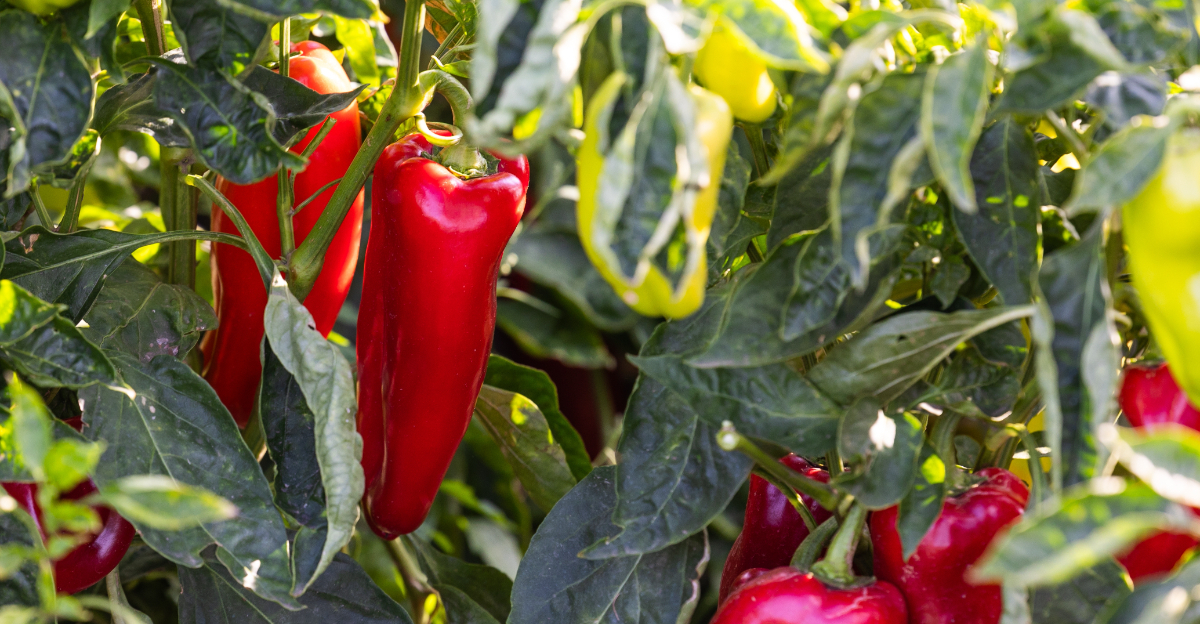
Few things are more satisfying than picking fresh peppers from your own garden. Healthy plants can produce for weeks, making them one of the most rewarding crops to grow.
It’s easy to expect that steady harvest to continue once summer arrives.
Hot weather can change how pepper plants grow. They may slow down, drop blossoms, or produce less fruit than they did earlier in the season.
Those changes often catch gardeners off guard because the plants may still look healthy.
Peppers can handle warm conditions, but extreme heat creates new challenges. Arizona summers push those plants much harder than many people realize.
Understanding how they respond to high temperatures can help you avoid common problems and keep your harvest going for as long as possible.
1. Water Deeply To Keep Roots Cool During Hot Weather
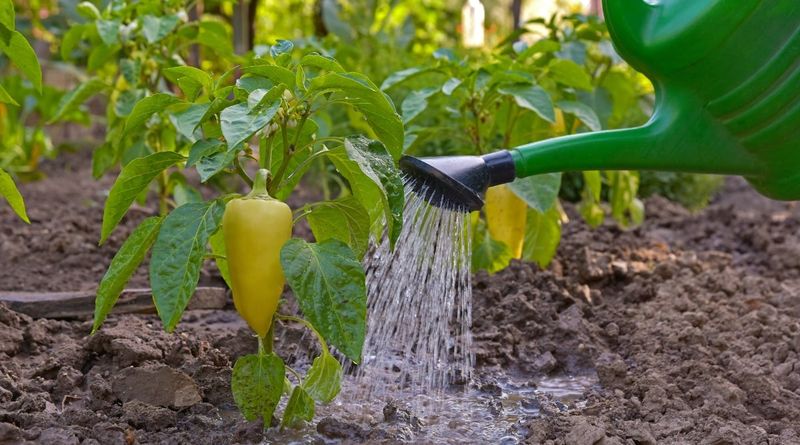
Shallow watering is one of the fastest ways to stress pepper plants in extreme heat. Roots need to chase moisture down into cooler soil layers, and that only happens when water soaks in deep.
Aim for watering at least 12 to 18 inches deep each session. A simple soil probe or wooden dowel can tell you how far moisture has reached before you move on to the next plant.
In peak summer, most pepper plants in hot desert regions need water every one to two days. Sandy soils drain faster and may need daily attention.
Clay-heavy soils hold moisture longer but can get waterlogged if you are not careful.
Early morning is the best time to water. Moisture soaks in before the sun cranks up, and foliage dries quickly to avoid fungal problems.
Drip irrigation works really well for desert pepper gardens. It delivers water directly to the root zone without wasting it on surrounding soil or leaves.
Overhead sprinklers lose a lot of moisture to evaporation before it ever reaches the roots.
Skip watering during the hottest part of the afternoon. Water sitting on leaves under intense sun can cause spotting.
2. Give Plants Afternoon Shade During Extreme Heat
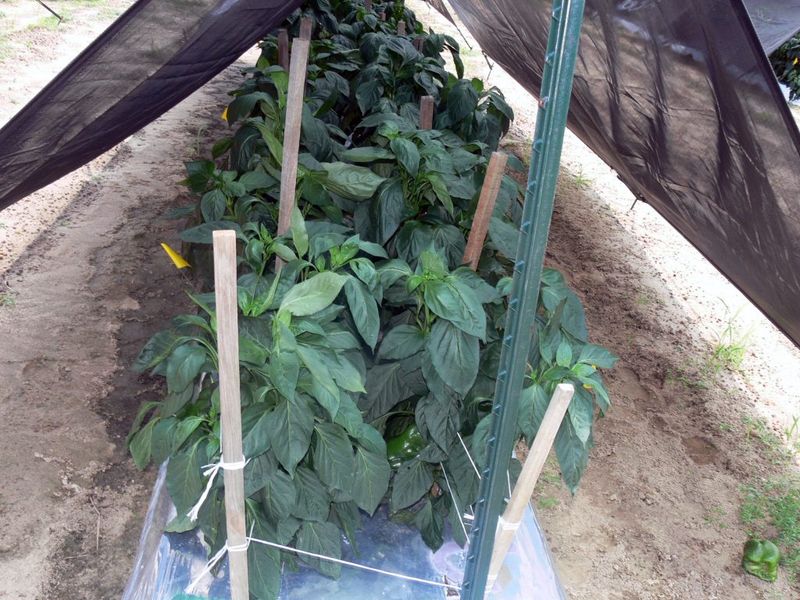
Full sun is usually a good thing for peppers, but that rule changes fast when temperatures push past 108 degrees. Afternoon shade can be the difference between a plant that thrives and one that simply stops producing.
Shade cloth rated at 30 to 40 percent works well for most pepper varieties. Anything heavier can block too much light and slow plant growth.
Lightweight row cover fabric is another option for temporary protection during extreme heat waves.
Set up your shade structure on the west side of the garden, or build a simple frame that covers plants from about noon onward. Morning sun is gentler and still gives plants the light they need for strong growth and fruit development.
Natural shade from taller plants or structures can also help. Planting peppers near a wall that blocks western sun, or growing them beside taller crops like corn or sunflowers, offers some relief without extra materials.
Watch your plants closely once temperatures stay above 105 degrees for several days in a row. Wilting in the afternoon is common and often recovers overnight, but repeated stress weakens plants over time.
Your Arizona Garden Changes Every Week. Your Plan Should Too.
Gardening in Arizona changes quickly throughout the season. Every Friday you’ll receive a simple weekly plan showing exactly what to plant, prune, fertilize, harvest, and protect so you never miss the right timing.
Afternoon shade does not just protect leaves. It keeps soil temperatures lower too, which helps roots stay active and absorb water more efficiently.
3. Harvest Ripe Peppers Often To Keep New Fruit Coming
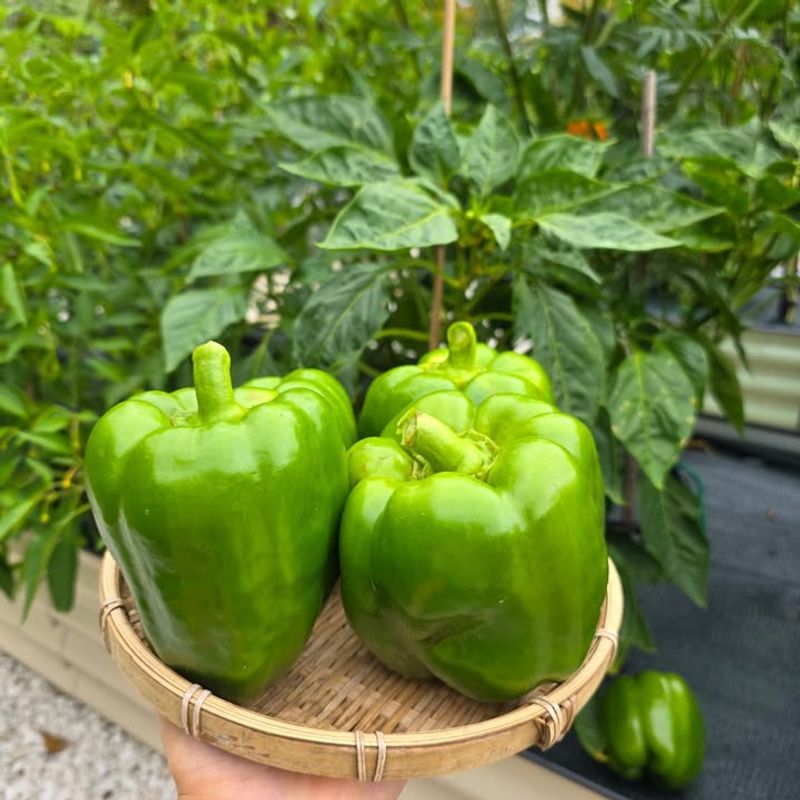
Leaving ripe peppers on the plant too long sends the wrong signal. Plants shift their energy toward maturing existing fruit instead of setting new flowers and developing fresh peppers.
Check your plants every two to three days during peak summer. Peppers ripen faster in hot weather, and a fruit that looked almost ready yesterday can be fully ripe today.
Missing that window means overripe peppers that soften and lose quality quickly.
Pick peppers when they reach full size and color for their variety. Bell peppers turn from green to red, orange, or yellow.
Hot peppers like jalapeños can be picked green or left to ripen to red for more heat and sweetness. Either stage is fine depending on your preference.
Use clean scissors or garden snips to remove peppers. Pulling them off by hand can snap branches or disturb roots, especially on smaller plants.
Regular harvesting keeps plants lighter and less stressed. Fewer heavy fruits hanging on branches means less physical strain on the plant during intense heat periods.
A productive pepper plant can keep producing all the way through late summer and into fall if harvested consistently.
Skipping a few days of checking during a heat wave can lead to a backlog of overripe fruit that slows everything down.
4. Add Mulch To Help The Soil Hold Moisture
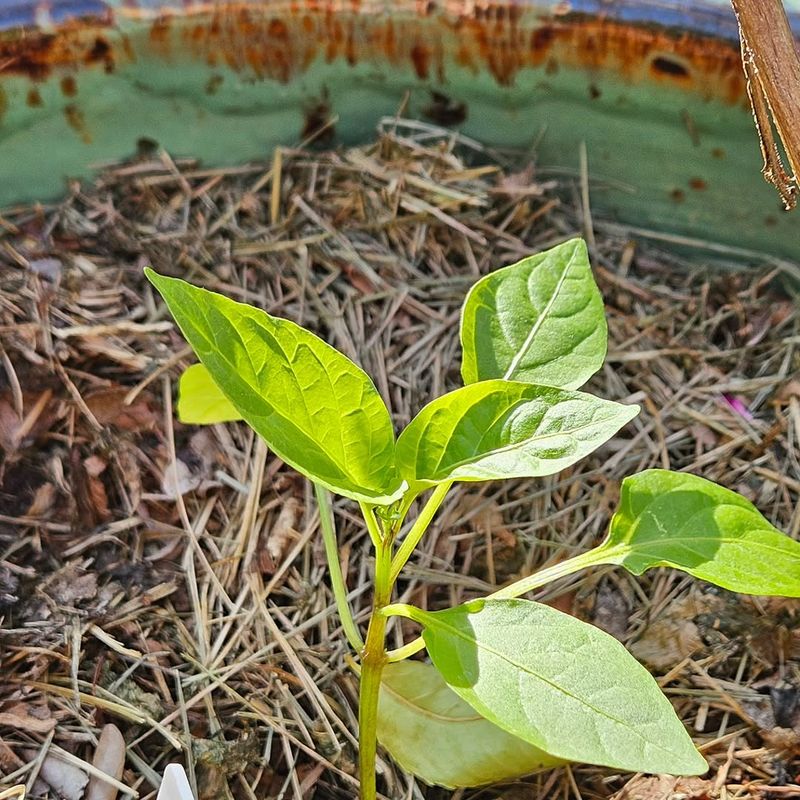
Bare soil in a desert summer bakes hard and fast. Soil surface temperatures can reach 150 degrees Fahrenheit on a hot afternoon, which stresses roots and drives moisture out of the ground quickly.
A three to four inch layer of mulch changes that completely. Organic mulches like straw, wood chips, or shredded bark insulate the soil and keep surface temperatures dramatically lower.
That cooler layer protects roots and slows evaporation between waterings.
Straw is light, affordable, and easy to spread. Wood chips last longer and break down slowly, adding organic matter to the soil over time.
Avoid using rocks or gravel around pepper plants. Stone mulch absorbs and radiates heat, making soil conditions worse rather than better.
Keep mulch pulled back a couple of inches from the main stem. Mulch piled against the stem can trap moisture and encourage rot at the base of the plant.
Refresh mulch layers as they break down through the season. A thinning mulch layer loses its insulating power quickly, especially in high heat.
Mulching also helps with weed control. Fewer weeds mean less competition for water and nutrients, which matters a lot when plants are already working hard to survive summer conditions.
5. Watch For Sunscald On Peppers During Heat Waves
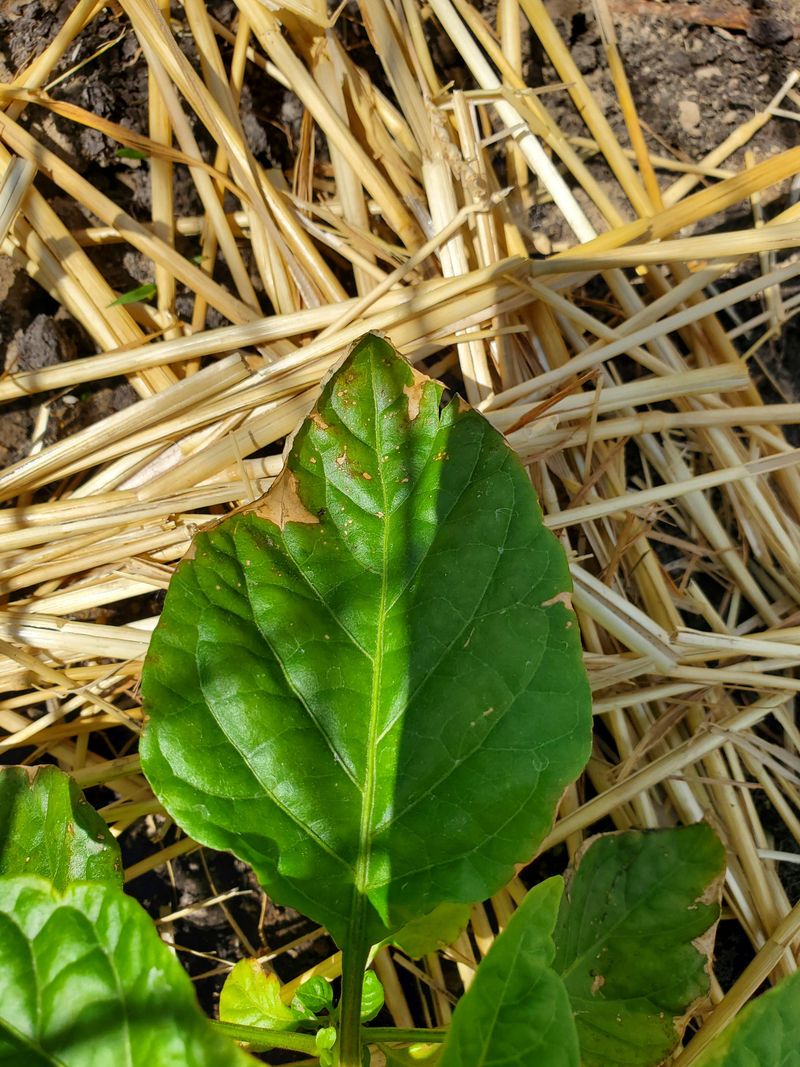
Sunscald catches a lot of gardeners off guard. Fruits look fine one day, then show up with pale, papery, bleached patches the next.
That damage is caused by direct sun exposure on the pepper’s skin during extreme heat.
Peppers with thin foliage cover are most vulnerable. When leaves drop from heat stress or pest damage, fruits get exposed to direct sunlight they were previously shaded from.
The skin essentially gets scorched, and that damaged area often leads to rot later.
Sunscalded peppers are still edible if you catch them early and cut away the affected area. But the damaged skin breaks down fast, so use those peppers right away rather than storing them.
Prevention works better than dealing with the aftermath. Keeping plants well-watered reduces leaf drop from stress.
Shade cloth helps protect both leaves and fruit during the worst heat waves.
Avoid aggressive pruning during summer months in hot desert climates. Removing too many leaves exposes fruit to direct sun and raises sunscald risk significantly.
If a plant has already lost a lot of foliage, you can loosely drape lightweight row cover fabric over the plant during the hottest part of the day. Remove it in the morning so plants get full light during cooler hours.
6. Avoid Heavy Fertilizing During The Hottest Weeks
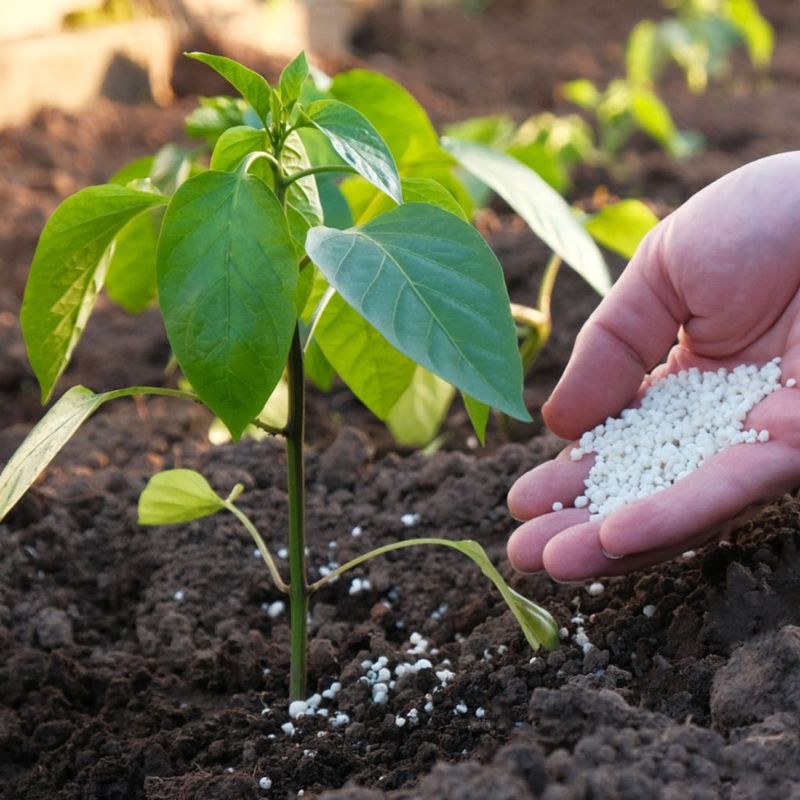
Fertilizing during a heat wave sounds like a helpful move, but it can backfire quickly. Pushing plants with heavy nitrogen during extreme temperatures stresses roots and can cause more harm than good.
Roots under heat stress are already working hard just to keep up with water demand. Adding a strong fertilizer load on top of that forces plants to process nutrients they are not ready to handle.
Leaf burn, root damage, and reduced fruit set can all result from poor timing.
Hold off on heavy feeding when temperatures are consistently above 105 degrees. Wait for a slightly cooler stretch, like after a monsoon rain, before applying any granular or concentrated liquid fertilizer.
Light applications of a balanced, slow-release fertilizer early in the season set plants up well before the worst heat arrives. A light foliar spray of diluted liquid fertilizer can be used carefully during summer, but keep concentrations low and apply only in the early morning.
Compost worked into the soil before planting gives plants a steady, gentle nutrient base that does not spike or stress roots the way synthetic fertilizers can.
Watch for yellowing leaves as a sign of nutrient deficiency, but confirm the cause before reaching for fertilizer. Heat stress and overwatering can look similar to nutrient problems.
7. Pick Heat-Tolerant Pepper Varieties For Better Summer Harvests
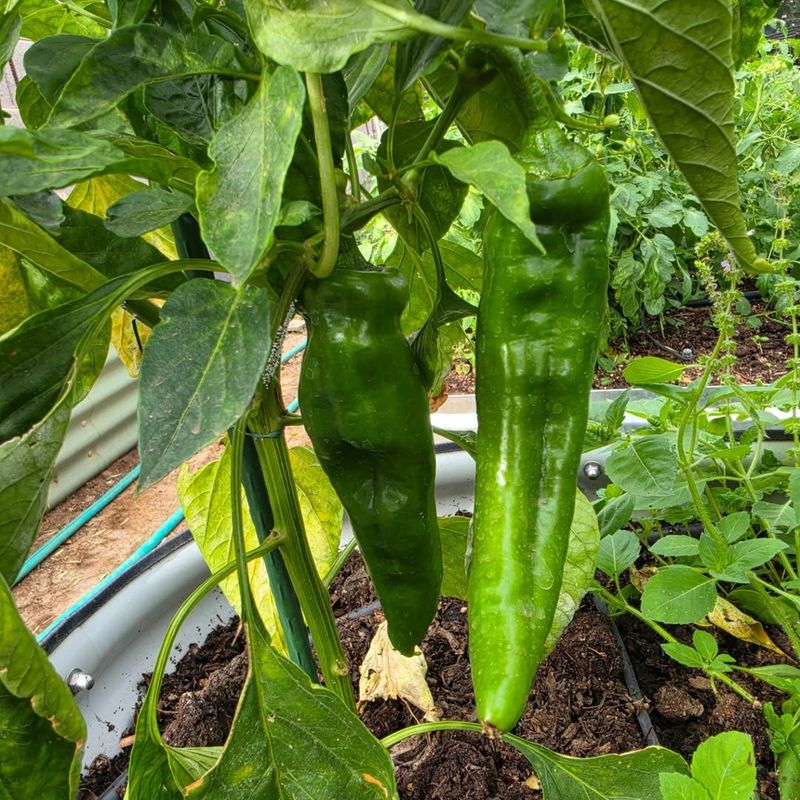
Not all peppers handle extreme heat the same way. Some varieties slow down, drop flowers, and stall out when temperatures spike.
Others keep right on growing and producing even when conditions get brutal.
In hot desert regions, varieties with a track record in high-heat climates perform best. Jalapeños, serranos, cayennes, and Anaheim peppers consistently handle summer heat well.
They tend to hold their flowers and set fruit even when temperatures stay high for weeks.
Poblanos are a solid mid-season choice. They are slightly more sensitive to extreme heat than smaller hot peppers but still outperform most bell pepper varieties in hot conditions.
Standard bell peppers struggle most. They often drop flowers when daytime temperatures stay above 95 degrees and nighttime temps stay above 75.
Look for heat-tolerant bell varieties like Olympus or Gypsy if you want to grow bells through summer.
Buying transplants locally from a garden center that stocks varieties suited to your specific climate gives you a head start. Staff at local nurseries often know which varieties have performed best in recent seasons.
Starting seeds early, around late January or February in Arizona, gives plants time to establish before peak summer heat. Strong, established root systems handle extreme temperatures far better than young transplants put in the ground late.