How To Prep Florida Gardenias After They Bloom For A Stronger Flower Show Next Year
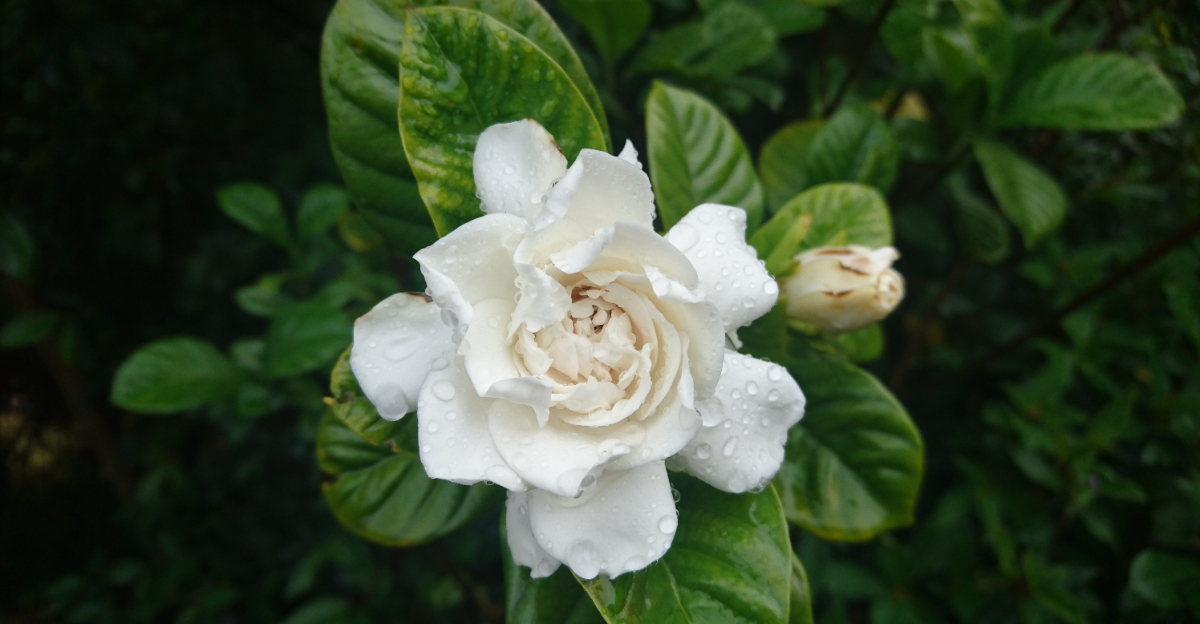
That first flush of gardenia blooms in a Florida yard is something else entirely. The fragrance alone stops people in their tracks, and for a few weeks the whole garden feels like it’s operating at a different level.
Then the blooms fade, the petals brown, and most gardeners do one of two things. They either ignore the shrub completely until next season or start cutting and feeding without a real plan.
Both approaches leave a lot on the table. What happens in the weeks right after a gardenia blooms matters more than most Florida gardeners realize.
The decisions made during that quiet post-bloom window, about pruning timing, fertilizer choices, soil pH, and moisture, set the tone for how the shrub performs twelve months down the road.
A little focused attention now pays back in a bigger, healthier bloom cycle next year.
Florida’s climate gives gardenias a long active season to recover and build strength. The goal is making sure they actually use it well.
1. Prune Right After The Last Flowers Fade
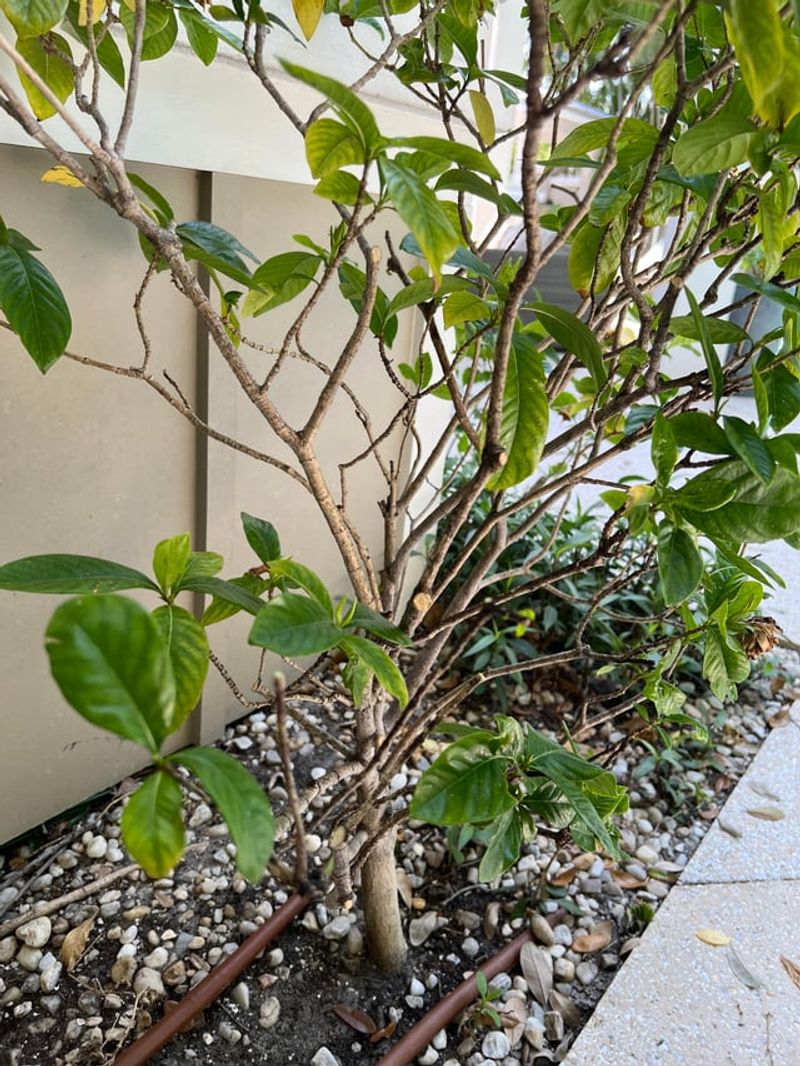
Timing is everything with gardenias, and the window right after the last blooms fade is your best opportunity to prune without hurting next year’s flower show.
Florida gardenias typically bloom in late spring to early summer, though timing shifts depending on your region and the cultivar you are growing.
In South Florida, some varieties may rebloom in fall, so knowing your specific plant matters before you reach for the shears.
Once the flowers have faded and dropped, move quickly. Gardenias begin setting buds for next season not long after blooming ends, and pruning too late in the year can accidentally remove those developing buds.
According to UF/IFAS, pruning should happen shortly after flowering to avoid cutting off future blooms. Waiting until midsummer or fall is risky, especially in Central and North Florida where bud development happens earlier in the season.
Keep your cuts light and purposeful. Remove spent flower heads, snip back any shoots that have grown awkwardly long, and clean up the overall outline of the shrub.
Avoid heavy cuts that remove large portions of healthy wood. Sharp, clean bypass pruners reduce the risk of tearing stems or introducing disease.
Wipe your blades with rubbing alcohol between plants if you are moving through the garden. Thoughtful pruning at the right moment protects your investment and keeps the shrub on track for a strong return next spring.
2. Shape The Shrub Before Next Year’s Buds Begin
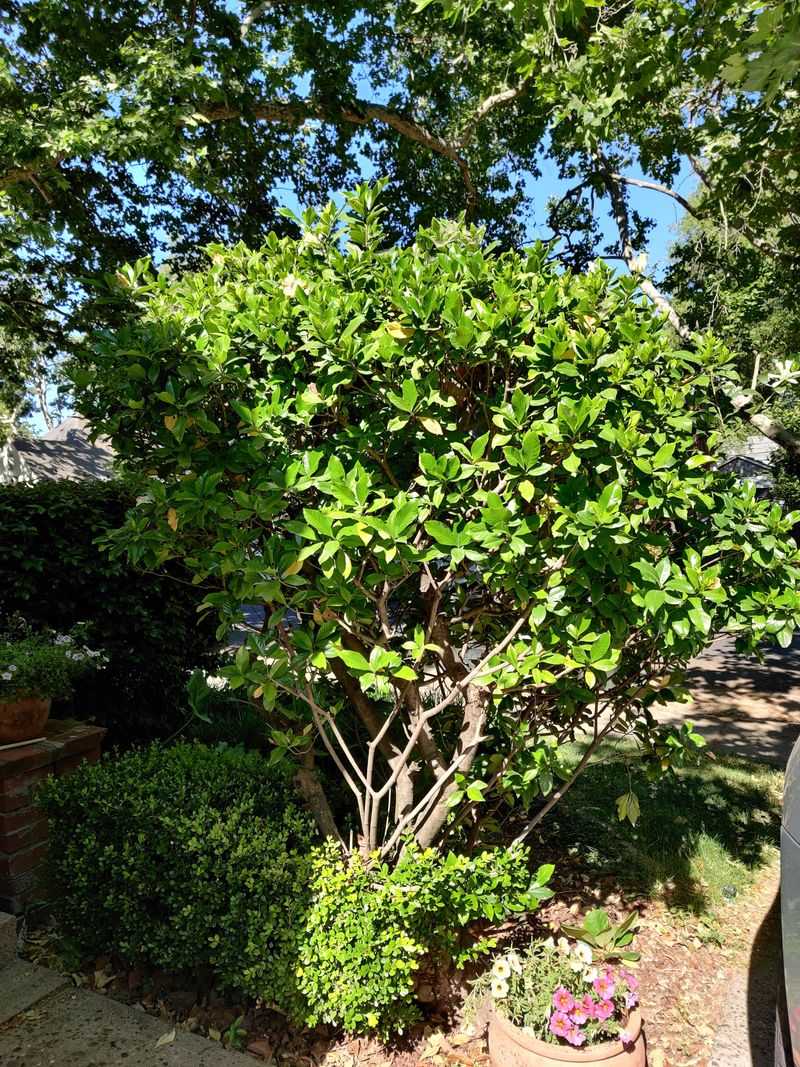
A gardenia left to grow without any guidance can turn into a lopsided, sprawling mess faster than you might expect, especially in South Florida where the warm climate keeps plants growing nearly year-round.
Light shaping right after bloom is the smarter approach compared to hacking things back later when buds are already forming.
Gradual shaping gives the shrub a natural, rounded form that looks intentional without looking stiff.
Start by stepping back and looking at the whole plant. Identify any shoots that are sticking out at odd angles, crossing other branches, or pulling the shrub’s silhouette in an unbalanced direction.
Your Florida Garden Changes Every Week. Your Plan Should Too.
Gardening in Florida changes quickly throughout the season. Every Friday you’ll receive a simple weekly plan showing exactly what to plant, prune, fertilize, harvest, and protect so you never miss the right timing.
Trim those back to a side branch or a natural junction point rather than cutting straight across the top like a hedge. Gardenias have a naturally rounded, mounded shape, and working with that form rather than against it produces better results and a healthier plant.
In South Florida and coastal areas where growing seasons are longer, gardenias may put on new growth faster after shaping. That can work in your favor if you keep shaping light and do it soon after the main bloom period rather than waiting until late season.
In North and Central Florida, the window is a bit tighter, so move with purpose.
A well-shaped gardenia not only looks better in your landscape but also allows sunlight and air to reach inner branches more easily, which supports overall plant health through the humid Florida summer.
3. Clear Out Crowded Growth For Better Airflow
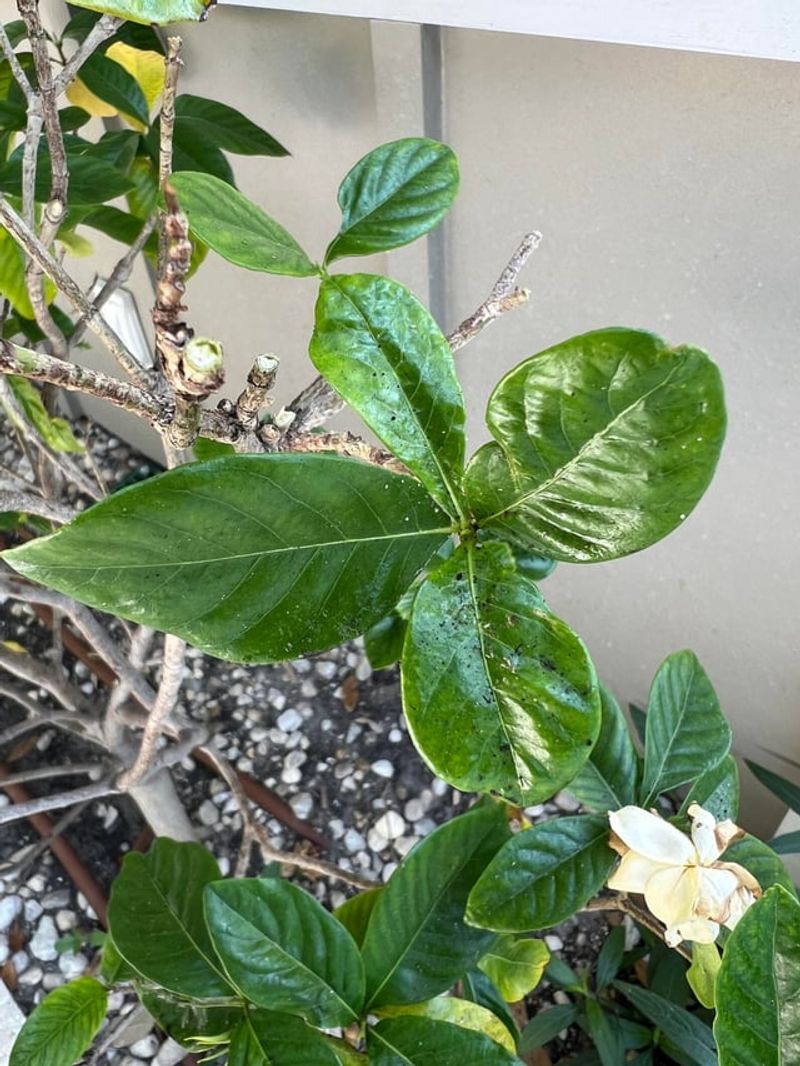
Florida’s humidity is legendary, and gardenias planted close to walls, fences, or other shrubs can develop serious airflow problems if the interior of the plant becomes too crowded. Poor air circulation creates the warm, moist conditions that fungal issues love.
Thinning out congested growth after bloom is one of the most practical things you can do to keep your gardenia looking its best through the long Florida summer.
Look inside the shrub for crossing stems, weak twiggy growth, and branches that are rubbing against each other. These are the first spots to address.
Remove them cleanly at their base or back to a healthy side branch. The goal is to open up the interior just enough to let air move through without stripping the plant of its fullness.
A gardenia should still look lush and dense from the outside after thinning.
Pay extra attention to gardenias planted against south-facing walls or in spots with limited breeze, which are common in Florida yards that use fencing or privacy hedges. Those microclimates trap heat and moisture right around the foliage.
According to Florida-Friendly Landscaping principles, placing the right plant in the right spot from the start helps avoid these issues, but if your gardenia is already established in a tight spot, regular thinning after bloom helps compensate. Do not overdo it.
Removing about ten to fifteen percent of interior growth at one time is usually enough to make a real difference.
4. Refresh The Mulch Without Burying The Base
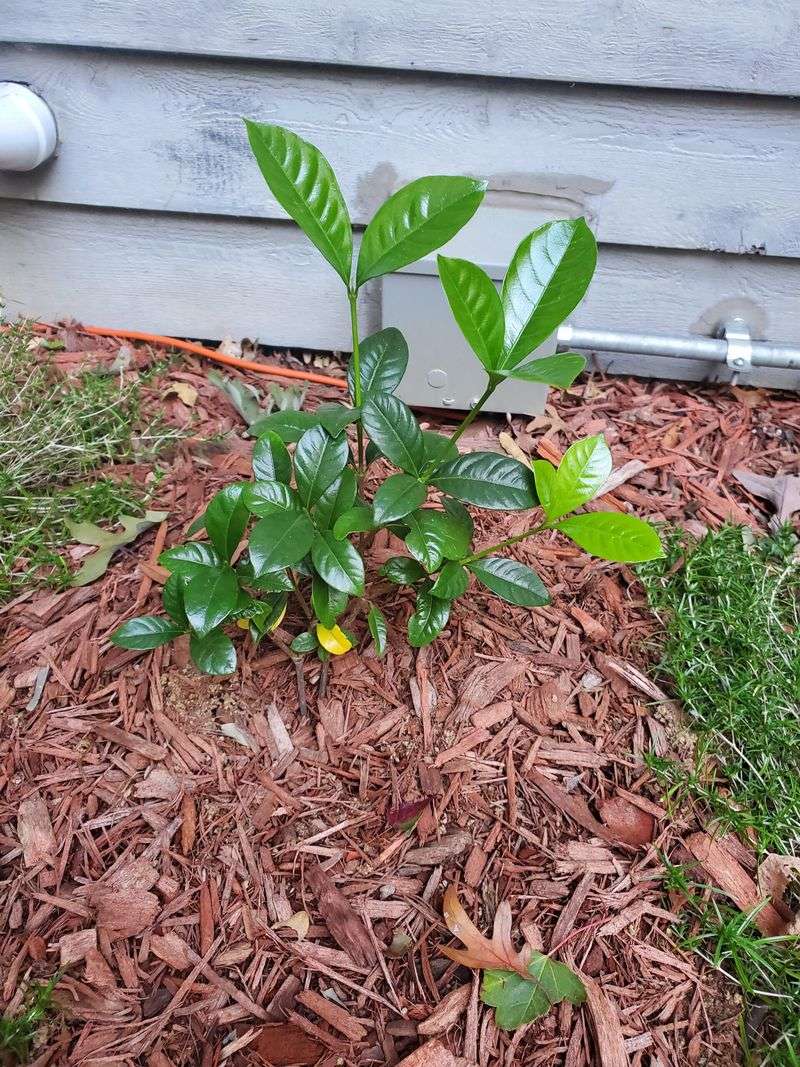
Mulch is one of the most useful tools in a Florida gardener’s kit, and refreshing it after your gardenias finish blooming sets the plant up for a more comfortable summer. Florida’s sandy soils drain quickly and can dry out fast between rain events, especially in inland areas.
A fresh layer of mulch helps hold moisture in the root zone, moderate soil temperature, and reduce weed pressure around the base of the shrub.
Pine bark, pine straw, and other organic mulches are popular choices for gardenias in Florida because they break down slowly and can contribute to slight soil acidification over time, which gardenias appreciate.
Spread mulch two to three inches deep around the shrub, extending it out to at least the drip line if possible.
The drip line is roughly where the outermost branches end, and that is where the feeder roots are most active.
Here is the part many gardeners get wrong: keep the mulch pulled back a few inches from the main stem or trunk. Piling mulch right up against the base traps moisture against the bark and can lead to rot and root stress.
Gardenias have relatively shallow roots that can be sensitive to smothering. UF/IFAS Extension recommends maintaining a mulch-free zone directly around the base of shrubs for this reason.
Check your mulch layer each season and top it off as it breaks down, because a thin, patchy mulch layer offers much less benefit than a consistent, even one.
5. Feed Acid-Loving Soil The Florida Friendly Way
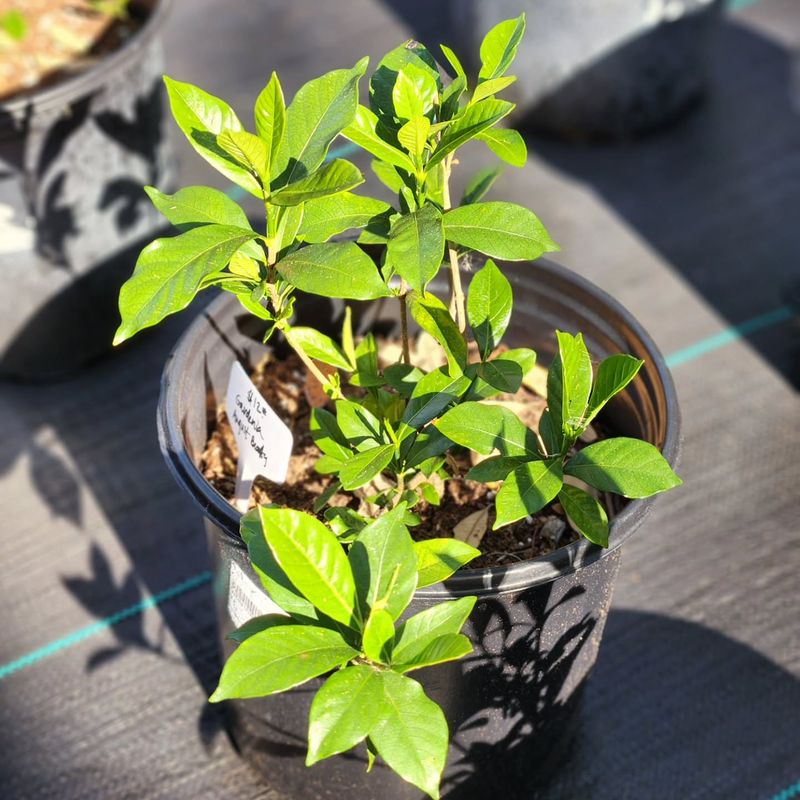
Gardenias are acid-loving plants, and Florida soils can be tricky.
While many parts of the state have naturally acidic sandy soils, coastal areas and regions with limerock influence, including parts of South Florida and the Keys, can have alkaline conditions that make it harder for gardenias to absorb the nutrients they need.
When soil pH climbs too high, nutrients like iron and manganese become less available even if they are physically present in the soil.
After blooming is a reasonable time to evaluate whether your gardenia needs a feeding. Look at the overall color and vigor of the foliage.
Pale leaves, slow growth, or a generally tired-looking shrub may suggest the plant could benefit from fertilizer. A soil test through your local UF/IFAS Extension office can give you a clear picture of your pH and nutrient levels before you apply anything.
Guessing at fertilizer needs often leads to overfertilizing, which can cause its own problems including root damage and excessive leafy growth at the expense of flowers.
Choose a fertilizer formulated for acid-loving plants such as azalea and camellia blends, and follow the label directions carefully. Avoid applying fertilizer during drought stress or when the plant is struggling.
In Florida, fertilizer timing also matters environmentally. The Florida-Friendly Landscaping program recommends avoiding fertilizer applications before heavy rain events to reduce nutrient runoff into waterways.
Less is often more when it comes to feeding established gardenias in decent soil.
6. Watch Yellow Leaves Before They Steal The Show
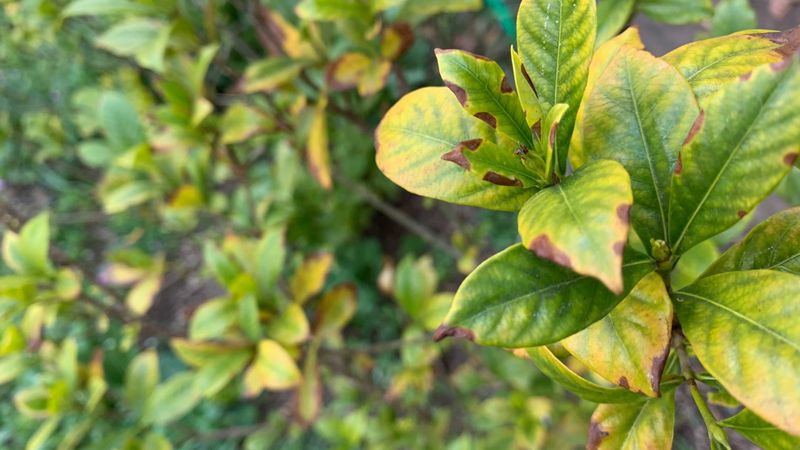
Yellow leaves on a gardenia can send gardeners into a spiral of worry, but the truth is that yellowing has several possible causes and most of them are manageable once you understand what is going on. Some leaf yellowing is completely normal.
Gardenias shed older interior leaves as part of their natural growth cycle, particularly in spring when new growth pushes out. If only a few older inner leaves are turning yellow while new growth looks green and healthy, the plant is likely fine.
The more concerning yellowing patterns involve newer leaves at the tips of branches, widespread pale color across the whole shrub, or leaves that turn yellow between the veins while the veins themselves stay green.
That last pattern, called interveinal chlorosis, is often linked to iron or manganese deficiency caused by high soil pH.
This is especially common in South Florida landscapes with limerock soils or where irrigation water has a high pH. A simple soil test can confirm whether pH is the culprit.
Other causes of yellowing include overwatering, poor drainage, underwatering during dry spells, and root stress from planting too deep or from compacted soil. Check your irrigation habits and feel the soil a few inches down before assuming a nutrient problem.
Persistent yellowing that does not improve after adjusting water and checking pH may warrant a conversation with your local UF/IFAS Extension agent, who can help you diagnose the issue based on your specific Florida growing conditions.
7. Check For Sooty Mold, Scales, And Whiteflies Early
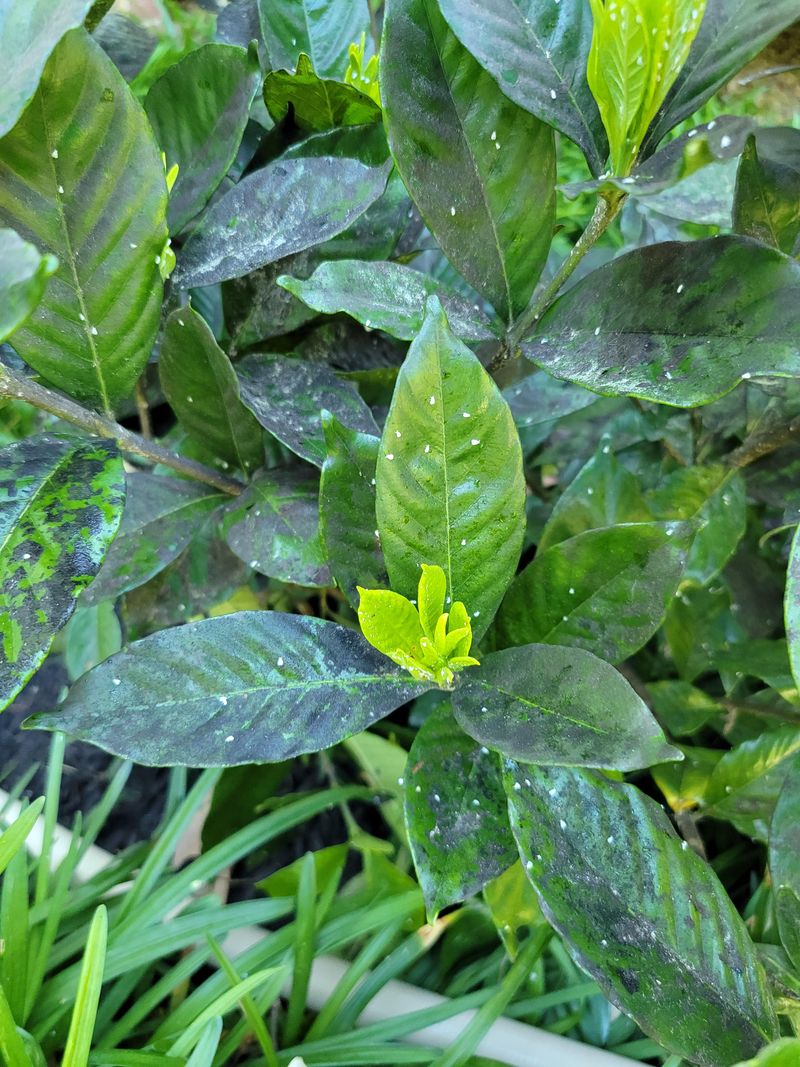
Gardenias in Florida have a few regular pest visitors, and catching them early makes a big difference in how much trouble they cause.
Whiteflies, soft scales, aphids, and other sap-feeding insects are common troublemakers on Florida landscape plants, including gardenias.
These insects feed on plant fluids and excrete a sticky substance called honeydew. That honeydew coats the leaves and stems and creates the perfect surface for a fungal growth called sooty mold, which shows up as a dark, dusty-looking coating on the foliage.
Sooty mold itself does not directly harm the plant in most cases, but it is a clear signal that sap-feeding insects are active nearby. Check the undersides of leaves, new growth tips, and the stems close to leaf nodes where pests like to gather.
Whiteflies will flutter up in a small cloud if you brush the foliage. Scales often look like small bumps attached to stems or leaf midribs and can be easy to miss on a first look.
Catching these pests while populations are still small gives you more options and avoids the need for aggressive treatments.
UF/IFAS recommends starting with the least disruptive approach, which might include a strong spray of water to dislodge pests, encouraging natural predators, or applying horticultural oil or insecticidal soap according to label directions.
Avoid broad-spectrum insecticides unless absolutely necessary, as they can harm beneficial insects.
Healthy, well-maintained gardenias with good airflow and appropriate fertilization tend to have fewer pest problems overall.
8. Water Deeply Before Dry Spells Stress The Shrub
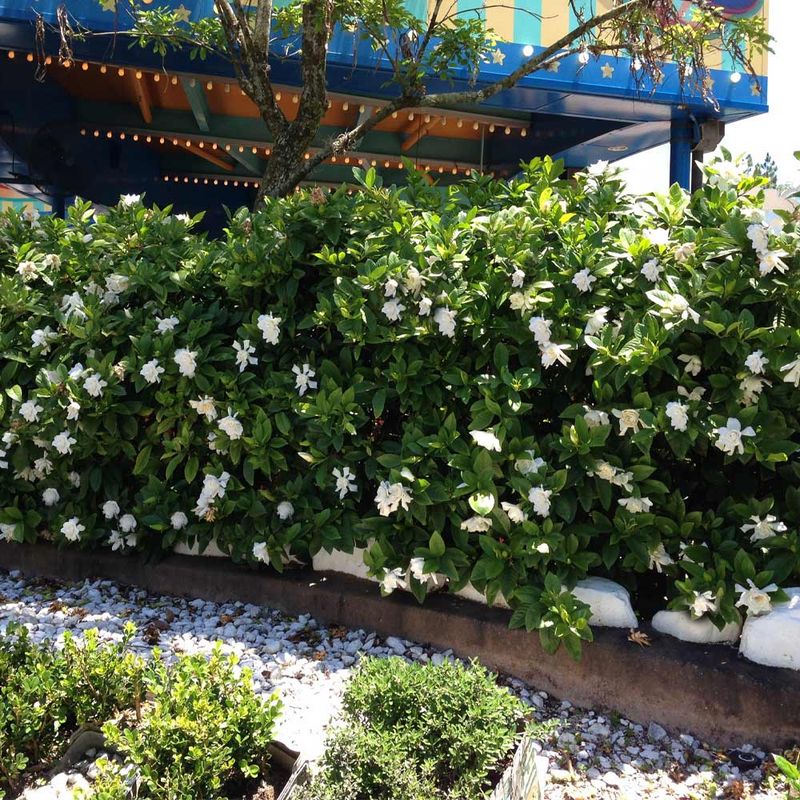
Florida’s weather follows a pretty reliable pattern: a rainy summer season roughly from June through September, followed by a drier stretch from late fall through spring.
That drier period lines up closely with when gardenias are finishing their bloom cycle and beginning to set buds for the next season.
Giving the shrub consistent moisture during that transition period matters more than many gardeners realize.
Gardenias like steady moisture but will struggle in soggy soil. The goal is to water deeply and less frequently rather than giving the plant a shallow sprinkle every day.
Deep watering encourages roots to grow further down into the soil profile, which helps the shrub access moisture during dry spells without depending entirely on surface irrigation. Check the soil a few inches below the surface before watering.
If it still feels moist, hold off. If it feels dry, it is time to water.
Newly planted gardenias need more frequent attention than established ones, especially during their first dry season in the ground. Sandy soils in inland Florida can lose moisture quickly, while heavier soils in some coastal areas may hold water longer.
Mulch helps bridge the gap by slowing evaporation from the soil surface. According to UF/IFAS Extension, efficient irrigation that matches plant needs and soil type is one of the most important parts of keeping gardenias healthy through Florida’s seasonal swings.
A well-watered gardenia heading into the cooler months is far better positioned to reward you with a stunning bloom display the following spring.