Neat Rows Of Tiny Holes Are Appearing On New Jersey Trees, And The Bird Behind Them Is Mainly A Winter Visitor
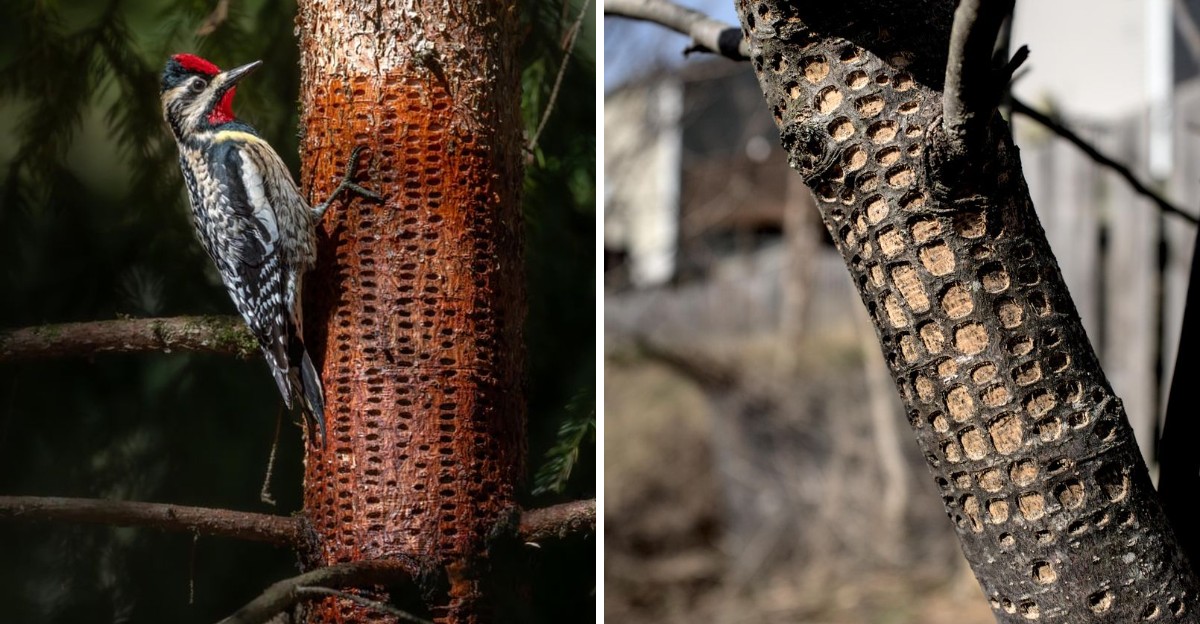
A feathered stranger is drilling your maple on purpose. You spot neat rows of holes, each weeping sweet sap.
Red crowns the forehead of this woodpecker, and it strongly prefers sweet tree sap. Its grid is deliberate, and you can trace the engineering.
Sap pools in the wells, and trapped insects add a protein bonus. Winter pulls this migrant south from Canada, and New Jersey feels tropical to it.
Scan apple and birch trunks, because New Jersey offers this bird a sweet supply. Females travel farther south than males, so the birds you see may be hens.
Your maple usually tolerates the damage and keeps growing strong. Hummingbirds, squirrels, and butterflies also visit those wells after the visitor leaves.
Wait until you learn how its brush-tipped tongue actually sips the sap. Then you learn why it revisits the same wells.
A Striped Woodpecker Called The Yellow-Bellied Sapsucker
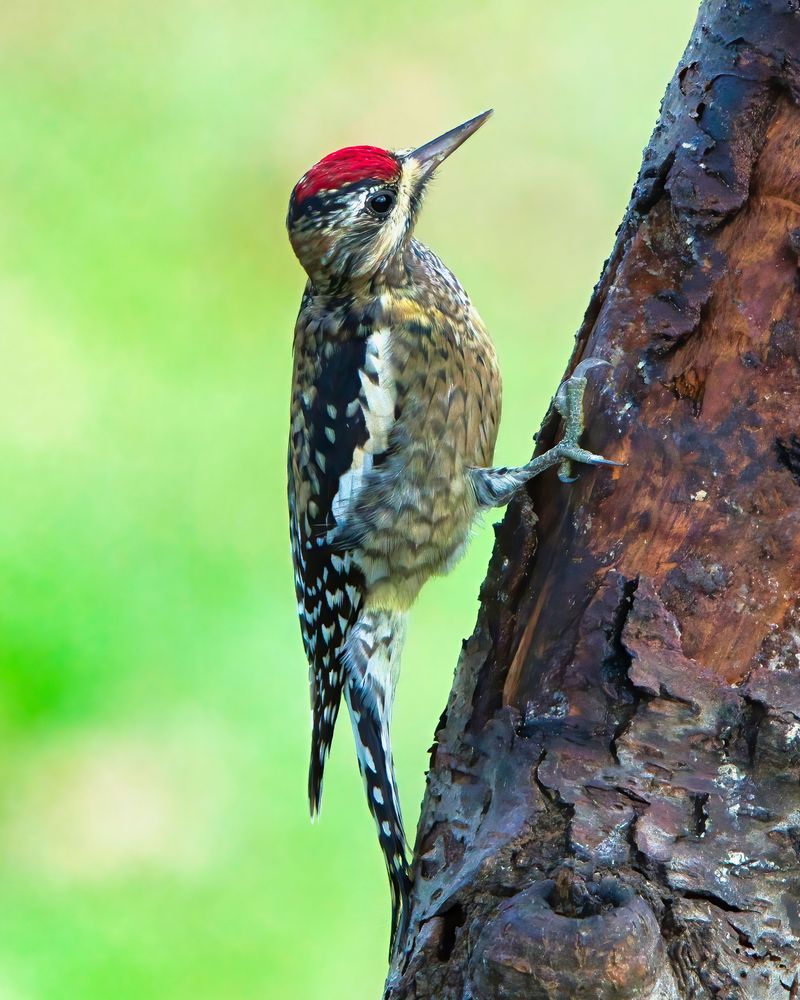
Picture a woodpecker about the size of a robin, wearing a bold black-and-white striped face. That snappy dresser is the yellow-bellied sapsucker, and it is the artist behind those neat rows.
Males sport a bright red cap and a matching red throat patch. Females keep the red cap but wear a white throat instead.
Despite the name, the yellow on its belly is pale and easy to miss. Young birds look scruffier and browner, with barred feathers and much duller heads.
Look for a long white stripe running down each folded wing. That white patch flashes like a racing stripe when the bird hops up a trunk.
Unlike most woodpeckers, this one is not hunting mostly for bugs hidden under the bark. It drills shallow wells on purpose so tree sap will leak out and pool.
Those wells are small, often the size of a pencil eraser, and spaced in neat rows. Some trees end up looking like a giant connect-the-dots puzzle.
You might also hear one before you spot it. Its call is a whiny, catlike mew, and its drumming sounds like slow, uneven Morse code.
Sapsuckers tend to be quiet and shy, slipping around to the far side of a trunk. Stand still for a few minutes, and the curious bird often peeks back out.
Once you learn the field marks, spotting one becomes surprisingly easy. Grab binoculars and scan maples, birches, and fruit trees on sunny afternoons.
Sweet Sap Wells And The Hungry Bird Behind Them
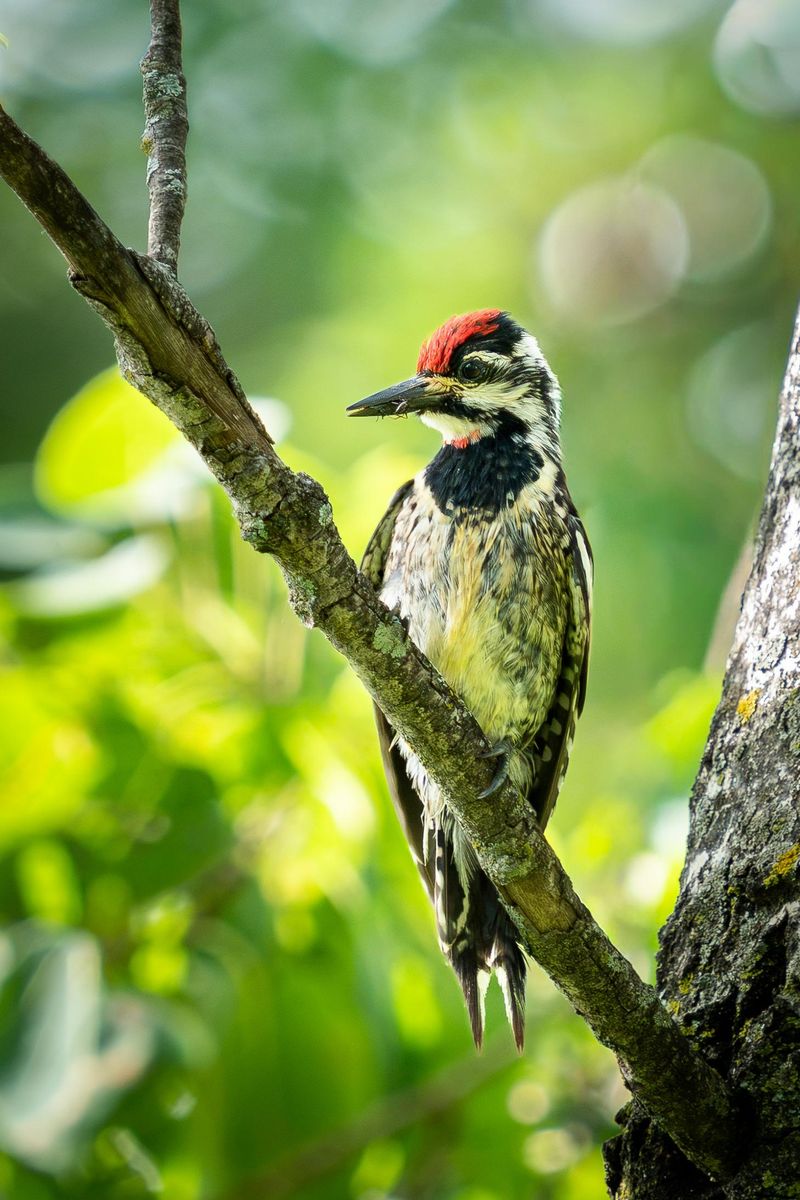
Think of a sapsucker as a tiny farmer who plants rows of taps instead of seeds. Each little hole is a well, and the crop is sugary tree sap.
The bird pecks shallow holes through the bark into the layer that carries sap. Then it waits for the sweet liquid to ooze out and collect.
Rather than sipping like a straw, the sapsucker uses a brushy tongue tip. Tiny hairs on the tongue soak up sap the way a paintbrush soaks up paint.
Sap is not the only treat on the menu. Insects get stuck in the sticky wells, and the bird happily gobbles them as bonus protein.
Your New Jersey Garden Changes Every Week. Your Plan Should Too.
Gardening in New Jersey changes quickly throughout the season. Every Friday you’ll receive a simple weekly plan showing exactly what to plant, prune, fertilize, harvest, and protect so you never miss the right timing.
The rows are not random either. A sapsucker returns to the same wells again and again, widening them so the sap keeps flowing.
Sapsuckers drill shallow rectangular wells in the inner bark and deeper round wells into the wood. Both patterns can show up on a single favorite tree.
Other animals use those leaking wells too. Hummingbirds, squirrels, warblers, and even butterflies sometimes take sips from the leaking holes.
Scientists call the sapsucker a keystone species because so many animals benefit from its work. In a way, one bird supports a small community of wildlife.
Favorite targets include maples, birches, hemlocks, and apple trees with sweet, sugary sap. Trees that already have holes often get chosen again next season.
If you spot fresh, wet holes, gently touch the sap and sniff your finger. It smells faintly sweet, a lot like weak maple syrup.
October Arrivals From The Northern Forests
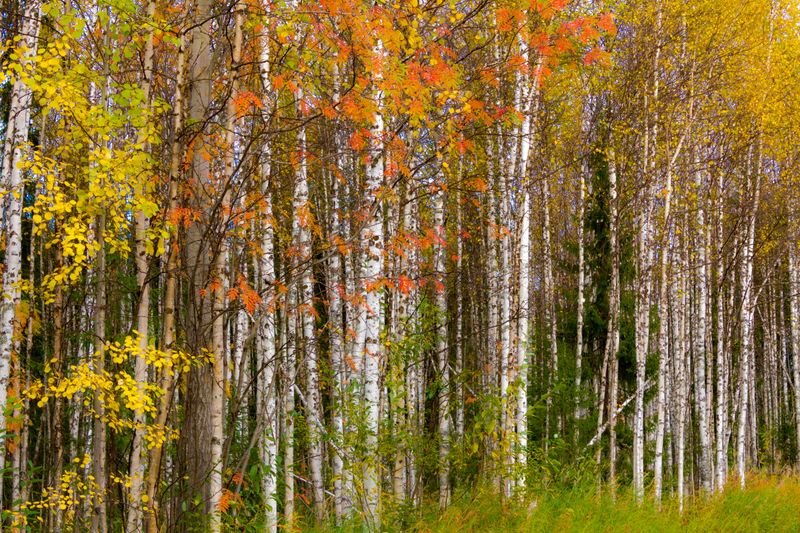
Every fall, a quiet flight path stretches from Canada and northern New England down toward New Jersey. Sapsuckers that nested up north start drifting south as nights grow chilly.
By October, many birds reach the Garden State, and some stay through March. Others continue farther south, some even reaching the Gulf Coast or Mexico.
Sapsuckers are the only fully migratory woodpeckers in eastern North America. Most of their cousins, like downy woodpeckers, stick around in the same neighborhood all year.
Cold limits sap and insects in the far north, so the birds follow the food. Mild spells in New Jersey winters can keep some trees dripping.
Spring brings a second wave of traffic in April as sapsuckers head back north to breed. That means fresh holes can appear in both fall and spring.
Fall and winter are good times to watch for new activity. Check tree trunks at eye level, since fresh wells are easiest to spot there.
Fresh wells look moist and light in color, while older ones turn dark and crusty. Comparing the two helps you guess when the bird last visited.
Many backyard birders keep a simple notebook with dates and tree names. Over a few years, patterns appear, and arrival dates become easier to predict.
Your tree might even host the same bird each winter. Sapsuckers show strong loyalty to favorite feeding spots, so a returning guest is quite possible.
Think of it as a reserved table at a favorite diner. The guest arrives in fall, orders the house special, and leaves before spring cleaning.
A Common Mistake With Hole-Covered Trees
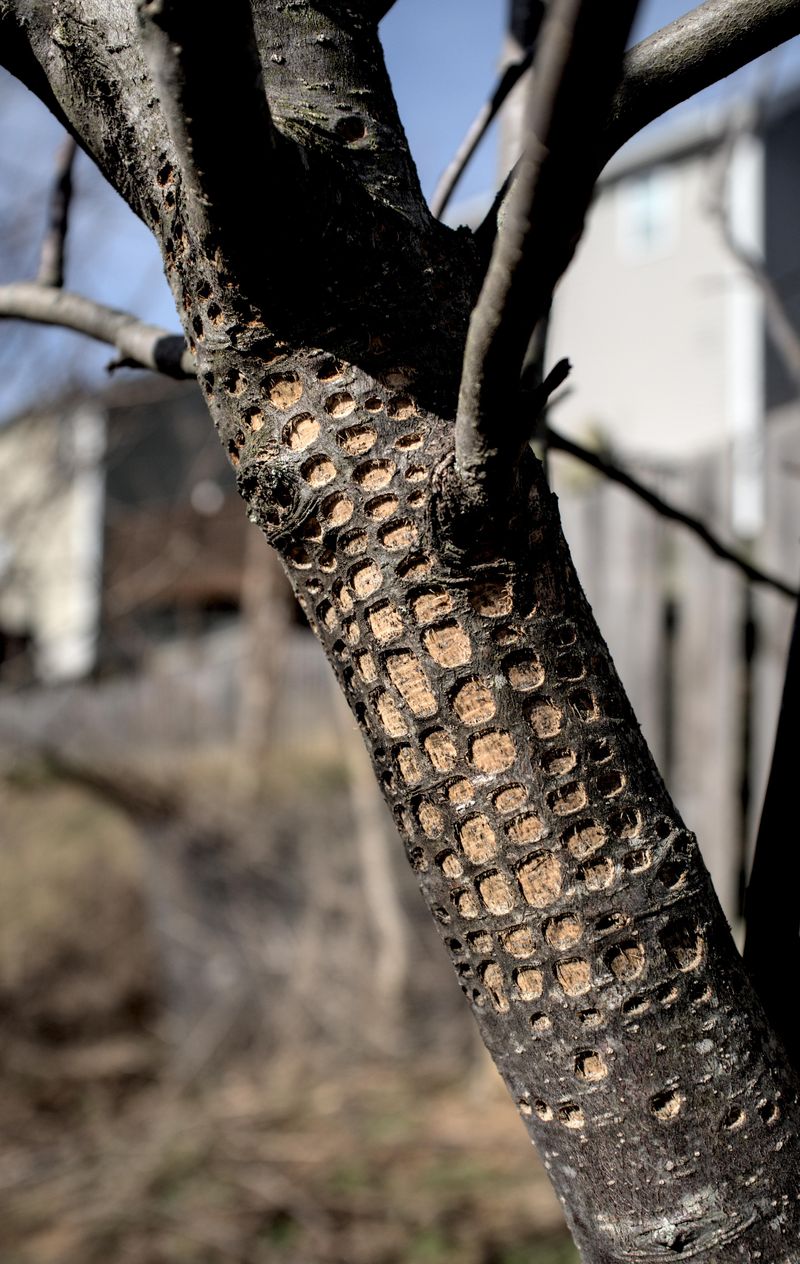
Plenty of homeowners spot those rows and assume a harmful insect has moved in. The next move is often a trip to the store for a bottle of bug spray.
Unfortunately, spraying insecticide does nothing to stop a hungry bird. It can also harm helpful insects, pollinators, and the very songbirds you enjoy watching.
Borers do make holes, but theirs look very different. Insect exit holes are scattered randomly and often leave sawdust or tiny D-shaped openings.
Sapsucker wells sit in neat lines, like stitching on a baseball. If the holes form tidy rows or a grid, you are looking at bird work.
Another misstep is cutting down a tree at the first sign of damage. Most healthy trees handle sapsucker visits just fine for many years.
Some people also try to scare the birds with loud noises or by banging on trunks. That approach mostly stresses the homeowner, while the bird simply returns later.
Federal law protects sapsuckers under the Migratory Bird Treaty Act. Harming them or their active nests without a permit is illegal, so gentle methods matter.
Before taking any action, snap a few photos and watch the tree for a week. Patient observation tells you far more than a hasty guess.
A local extension office, like Rutgers Cooperative Extension, can help confirm what you see. Their experts answer tree questions from New Jersey residents every season.
Calm detective work saves money, protects wildlife, and keeps your tree standing tall. Your wallet and the birds will both thank you.
Simple Protection For A Favorite Tree
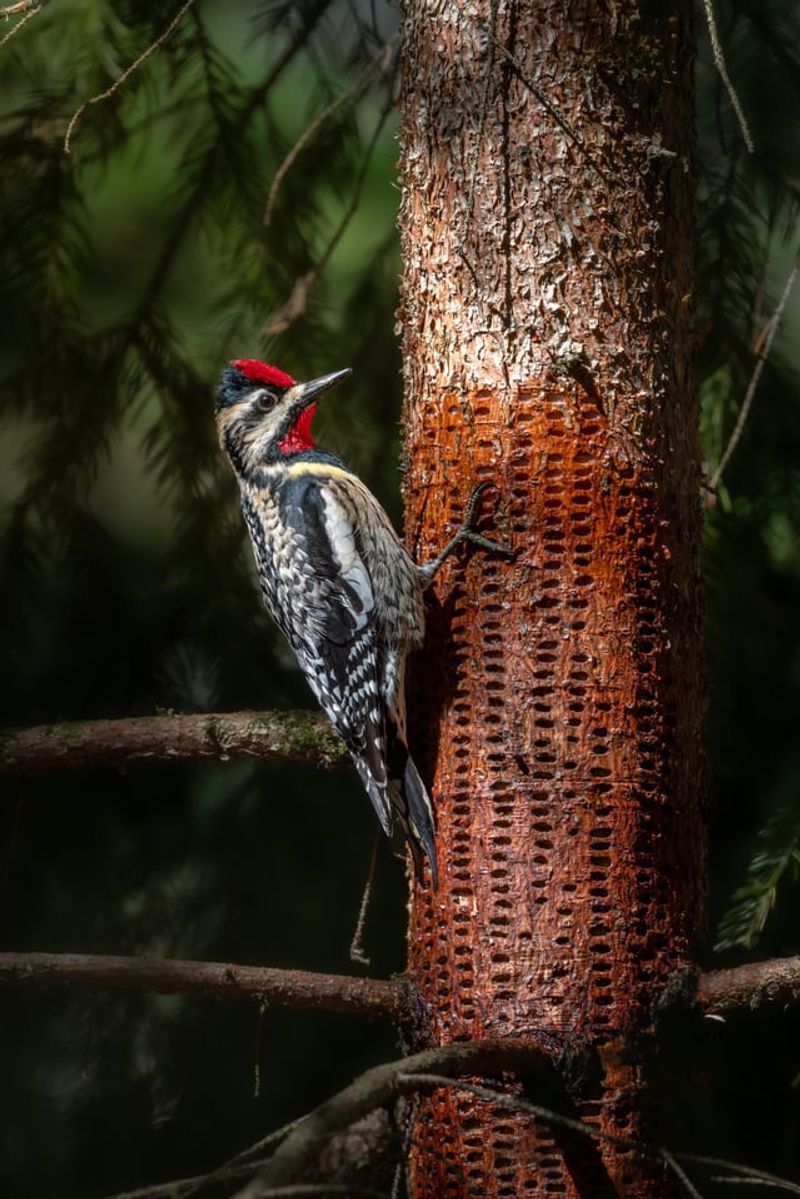
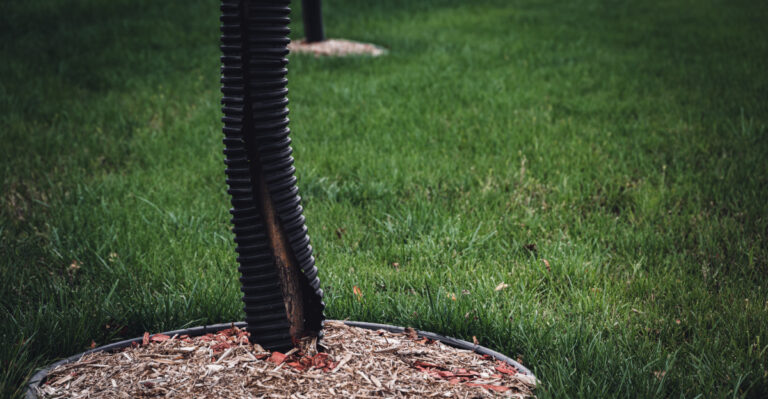
Burlap is a cheap way to protect drilled trunks. Wrapping a loose layer around the drilled section of trunk makes the bark hard to reach.
Hardware cloth works too, as long as it sits loosely and does not squeeze the trunk. Remove any wrap in spring so the tree can grow freely.
Sapsuckers often move to a fresh spot just above or below the covered area. Extend the wrap a foot or two past the damage to stay ahead.
Smearing a sticky product like Tanglefoot on the bark sounds clever but causes trouble. Birds can get feathers stuck, so experts strongly advise against it.
Shiny scare tape or hanging old CDs near the trunk can startle the birds briefly. Move them every few days so the sapsucker does not get used to them.
Some gardeners use a clever trade-off strategy. They leave one less valuable tree for the sapsucker and protect their prized ornamental tree nearby.
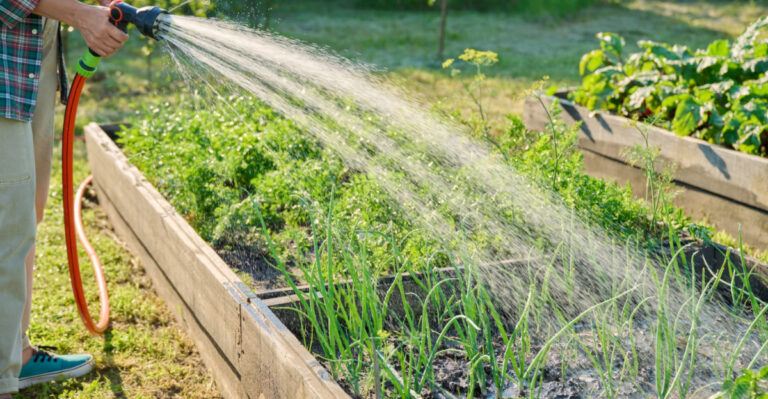
Healthy trees recover faster, so good care helps too. Water deeply during dry spells and spread a thin ring of mulch around the base.
Keep mulch a few inches away from the trunk itself. Piling it against the bark like a volcano encourages rot and attracts rodents.
Skip heavy fertilizer in fall, since it pushes tender new growth before winter. A gentle feeding in spring is a better gift for a stressed tree.
Think of these steps as a winter coat for your tree. A little effort now keeps both your yard and the birds happy.
Tree Damage To Expect And Smart Planning For Next Winter
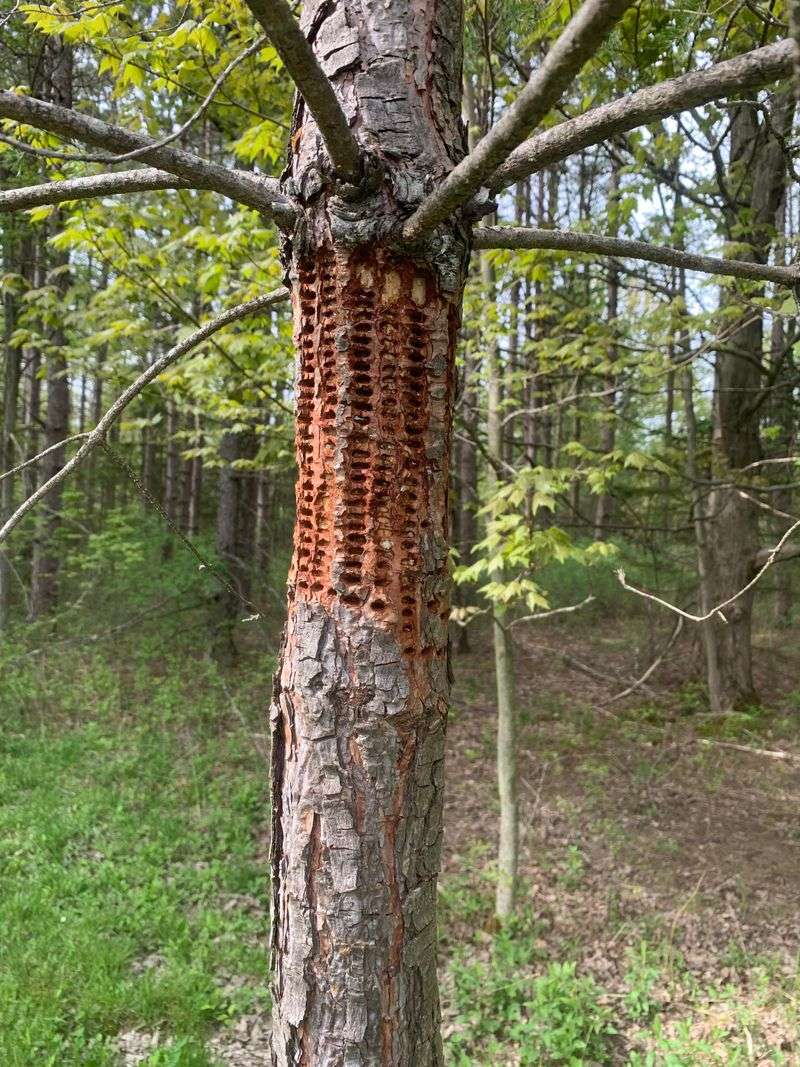
Here is a relief for worried tree owners: most sapsucker damage looks worse than it is. Trees usually seal the small wounds and keep growing for decades.
Trouble can start when a bird circles a trunk with rows of holes year after year. Heavy drilling can gradually restrict a branch’s supply of water and nutrients.
Thin-barked trees like young birches and some maples feel the strain the most. Watch for wilting leaves or bare branches above heavily drilled spots.
Holes can also leave scars in the wood, called bird peck. Lumber buyers notice these dark streaks, but backyard trees look fine from a distance.
Planning ahead keeps future winters peaceful. Choosing a mix of tree types means no single favorite carries the whole sapsucker workload.
Sapsuckers favor birches, maples, and apples, so diversity spreads the attention thin. Planting a variety also feeds more kinds of wildlife all year.
Keep notes on which trees get drilled each season. Wrap those trunks early, around late September, before the visitors return.
A healthy, well-watered tree bounces back faster from any visit. Trim broken limbs promptly, but skip late-winter cuts on bleeding maples and birches.
Most importantly, try to enjoy the show while it lasts. Few backyard birds offer such a clear signature that they stopped by.
By March or April, your striped guest packs up and heads north. Those tidy little rows will stay behind like a thank-you note on the bark.