The Tick Species Spreading Across New York And It Clones Itself
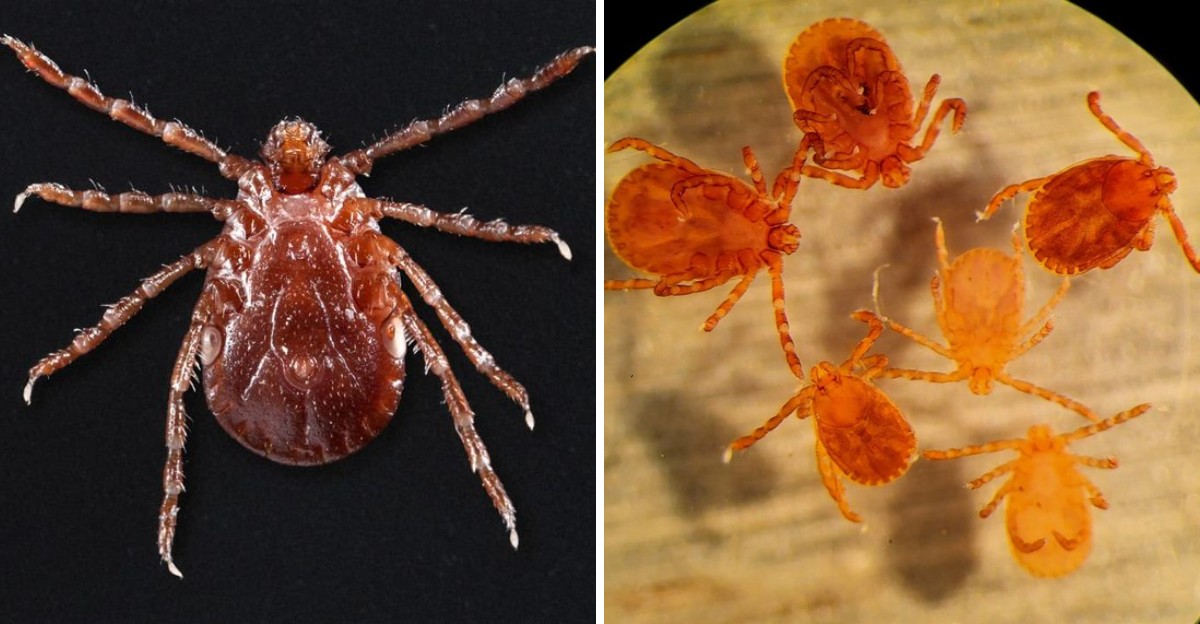
A tick that doesn’t need a partner to start a family sounds like science fiction. For the Asian longhorned tick, it’s simply how life works.
Females of this species can lay eggs all on their own, essentially making copies of themselves. One tick can turn into thousands, and that math gets scary fast for farmers, pet owners, and hikers.
Each one is barely bigger than a sesame seed, hiding in the grass where your dog loves to sniff and roll. Since first turning up in New Jersey in 2017, this invader has been settling into new territory, including parts of New York.
Scientists are watching it closely, and they’re asking the public for help. Knowing what makes this tick different is the first step toward protecting your family and pets.
The details are as fascinating as they are a little creepy.
1. The Asian Longhorned Tick Is Spreading In New York
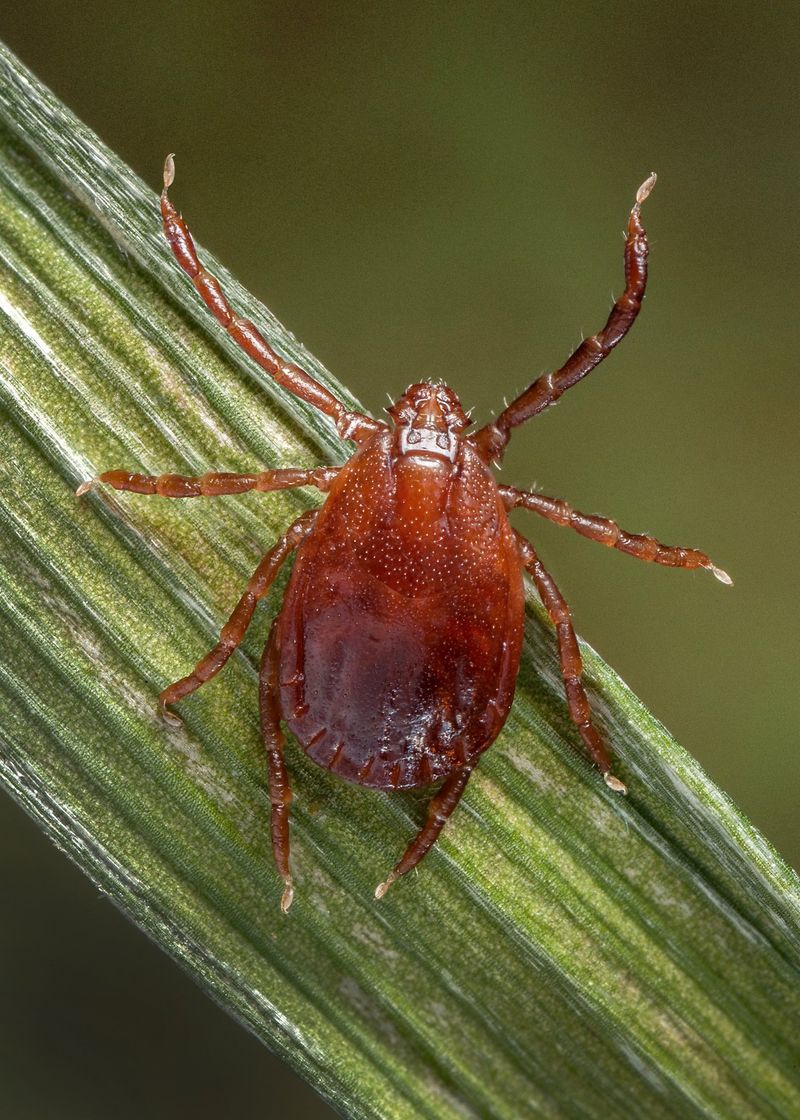
Back in 2017, a farmer in New Jersey noticed something odd crawling all over a pet sheep. Experts soon identified a tick that had never been seen in the United States before.
Fast forward one year, and the tick was first reported in New York, in Westchester County, in 2018. Later research showed it had quietly arrived on Staten Island even earlier.
From there, it moved quickly through the Hudson Valley and onto Long Island. Staten Island parks also became known hot spots for this tiny traveler.
Experts have now found the tick in about 20 New York counties. Established populations reach as far north as Columbia County.
Nobody knows for sure how the tick first arrived from East Asia. Many scientists suspect it hitched a ride on animals, people, or shipped goods.
Its home range includes China, Japan, Korea, and parts of Russia. It also spread to Australia and New Zealand long ago, where it became a big farm pest.
Here is a helpful idea for anyone living downstate or upstate. Check your county health department website for local tick maps and updates.
Knowing whether the tick lives near you helps you plan smarter. You can choose safer hiking trails and know when extra care makes sense.
Fun fact for trivia fans: the name comes from small spurs on its mouthparts. They look a bit like tiny horns when viewed under a microscope.
So the next time you hear about ticks, remember this newcomer. It is still on the move, and awareness is your best first step.
2. Females Can Reproduce Without Males
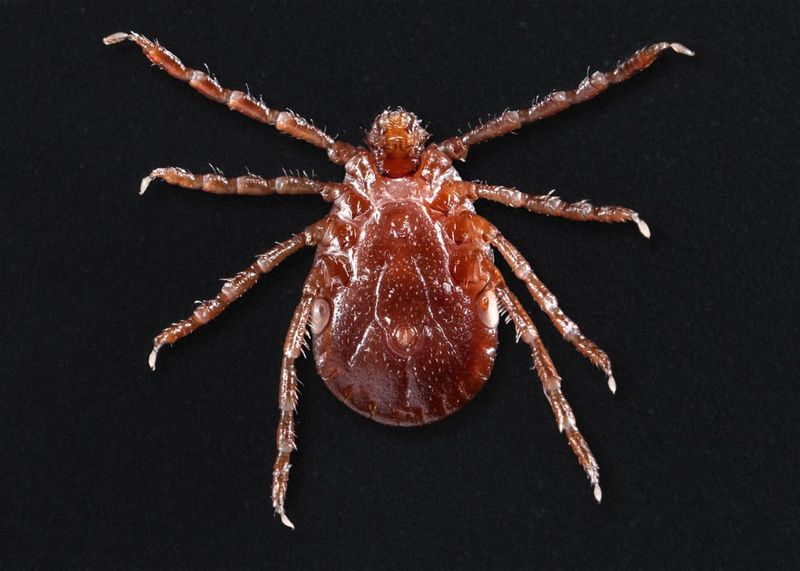
Most animals need a mom and a dad to make babies. The Asian longhorned tick skips that step entirely, and it surprises a lot of people.
Scientists call this ability parthenogenesis, a big word with a simple meaning. A female can lay healthy eggs without ever meeting a male.
Every baby tick is basically a clone of its mother. They share nearly the same genes, like a stack of photocopies.
In the United States, almost every Asian longhorned tick found so far is female. Males are extremely rare here, which shows how well cloning works for them.
Your New York Garden Changes Every Week. Your Plan Should Too.
Gardening in New York changes quickly throughout the season. Every Friday you’ll receive a simple weekly plan showing exactly what to plant, prune, fertilize, harvest, and protect so you never miss the right timing.
Picture a single tick dropping off a deer in a quiet field. If conditions are right, that lone female can start a brand new colony by herself.
Native ticks in New York need to find a mate first. That search slows them down and limits how fast they can spread.
Without that limit, the longhorned tick has a major advantage. One hitchhiker on a dog, bird, or cow can seed an entirely new area.
Here is a practical takeaway for pet owners. Removing even one tick matters, because a single female could become hundreds of ticks later.
Use fine-tipped tweezers and grab the tick close to the skin. Pull up with steady pressure, then clean the bite with soap or rubbing alcohol.
Nature is full of odd tricks, and self-cloning ranks among the strangest. Sadly, it also makes this pest much harder to stop.
3. They Can Build Up Huge Numbers Fast
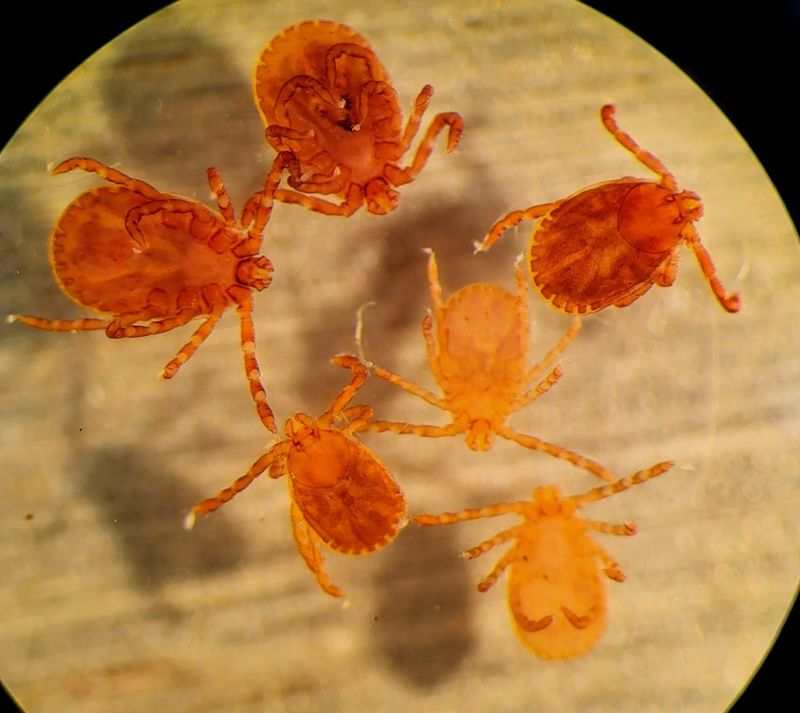
One thousand to three thousand eggs. That is how many a single female Asian longhorned tick can lay in one batch.
Now imagine each of those babies growing up and doing the same thing. The numbers climb so fast that it almost feels like a math problem gone wild.
Researchers saw this happen on Staten Island in real time. Tick numbers in one park jumped nearly 1,698 percent between 2017 and 2018.
Put another way, a park that once had a few ticks suddenly had swarms. Scientists dragging white cloths through the grass found them clinging everywhere.
Farm animals feel the impact most. Hundreds or even thousands of ticks can gather on one cow, horse, or sheep.
Heavy infestations can drain blood and leave animals weak. In serious cases, young livestock may struggle to survive without quick care.
Wondering what you can do around your home? Keep your lawn mowed short and clear away piles of leaves and brush.
Fewer hiding spots means fewer places for ticks to multiply. A strip of wood chips or gravel between lawn and woods can also help.
Farmers should inspect their herds often, especially ears, necks, and bellies. Talking with a veterinarian about safe tick treatments is a smart move.
Big numbers can sound overwhelming, but small habits add up. Staying alert helps slow the spread before a few ticks become a crowd.
4. They Feed On Pets, Livestock, And Wildlife
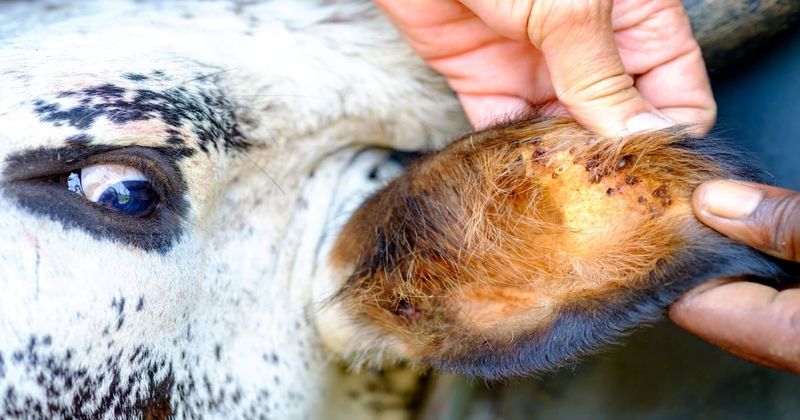
Picky eaters these ticks are not. If something warm walks by, the Asian longhorned tick is happy to climb aboard for a meal.
Cattle, sheep, goats, and horses top the list of farm favorites. Dogs and cats also make easy targets during backyard play or neighborhood walks.
Wild animals help spread them even farther. Deer, rabbits, raccoons, foxes, and even birds can carry these ticks to new places.
Birds are especially sneaky helpers because they fly long distances. A tick on a sparrow could land miles away from where it started.
What about people? These ticks can bite humans, but they seem less interested in us than native ticks.
That is some good news, though it does not mean you can relax completely. Any tick bite deserves attention and a careful removal.
Overseas, this tick carries several germs that cause illness. Scientists are studying which local germs it might pick up and share.
One concern for cattle is Theileria orientalis, a blood parasite linked to this tick. It has already caused problems for some herds in eastern states.
Pet owners should ask their vet about monthly tick prevention. Collars, chews, and spot-on treatments can protect dogs during peak season.
Brushing your pet after outdoor time also helps. Run your fingers through the fur and feel for small bumps, especially around ears and toes.
5. They’re Tiny And Easy To Miss
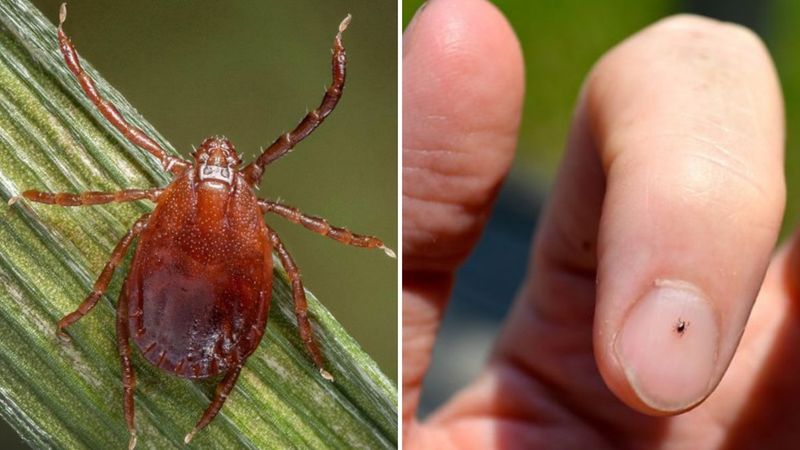
Grab a sesame seed from your kitchen and set it on your fingertip. That is roughly the size of an unfed adult Asian longhorned tick.
Adults measure about 2.5 to 4 millimeters long. Young ticks, called nymphs and larvae, are even smaller and nearly impossible to notice.
Color adds to the challenge. These ticks are plain reddish-brown with no bright spots or fancy patterns.
Many native ticks have markings that help people tell them apart. Without those clues, the longhorned tick often gets confused with the brown dog tick.
Things change after a big meal, though. A fed female can swell up to about the size of a pea.
By then, she has been attached for days and may soon drop off to lay eggs. Catching ticks earlier is much better for you and your pets.
Here is a handy tip from tick experts. Wear light-colored clothing outdoors so dark specks stand out more easily.
A lint roller works wonders, too. Roll it over pants, socks, and your pet’s coat after walks to grab tiny crawlers.
A small magnifying glass is another useful tool to keep by the door. It helps you inspect suspicious specks before deciding what they are.
Small size does not mean small trouble. With sharp eyes and simple tools, you can spot these hidden hitchhikers before they settle in.
6. They Hide In Tall Grass And Brush
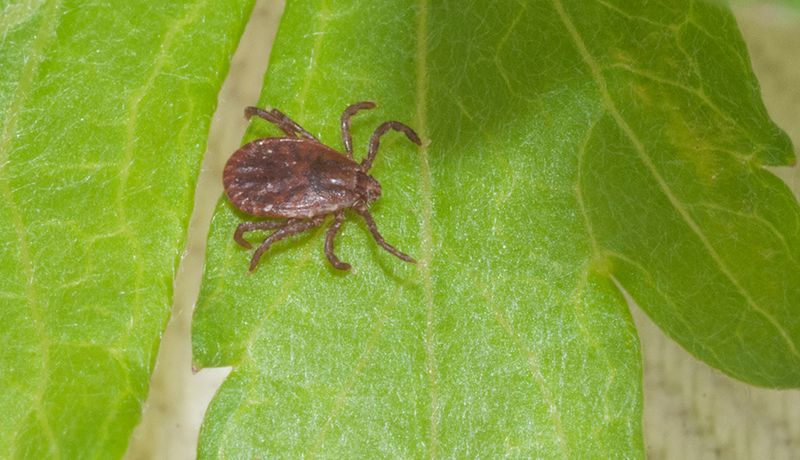
Close your eyes and picture a summer meadow on Long Island. Golden grass sways in the breeze, and somewhere in there, ticks are waiting patiently.
Asian longhorned ticks love open, grassy areas like pastures, fields, and meadows. They also gather in tall grass and brush along the edges of woods.
Ticks do not jump or fly. They climb up grass blades and stretch out their front legs, a behavior called questing.
When an animal or person brushes past, the tick grabs on. From there, it crawls around looking for a cozy spot to bite.
Unlike many native ticks, this species handles drier conditions fairly well. It does not need very damp air to thrive, which helps it spread into new areas.
Still, ticks prefer cooler, shaded spots during the hottest part of the day. They often hide low in the grass when the sun beats down.
Hiking soon? Stick to the middle of trails and avoid wandering through tall grass.
Tucking pants into socks might look a little goofy, but it works. It blocks ticks from crawling up your legs unseen.
Insect repellents with DEET or picaridin help protect skin. Clothing treated with permethrin adds another strong layer of defense.
After outdoor fun, toss clothes in a hot dryer for at least ten minutes. The heat gets rid of any ticks hiding in the fabric.
7. Tick Checks Matter Even In Fall
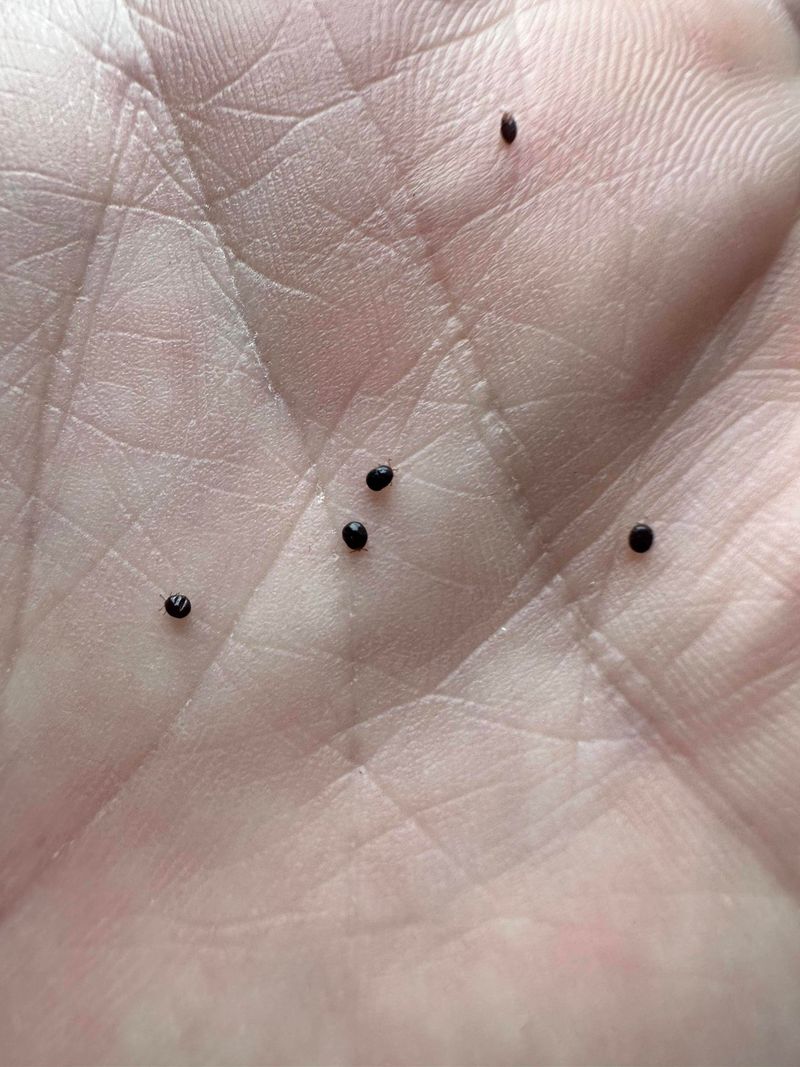
Crunchy leaves, apple picking, and pumpkin patches make fall a favorite season. Ticks seem to enjoy it too, which surprises plenty of families.
Asian longhorned ticks stay active from about March through November. That covers nearly the whole year in many parts of the state.
Even winter does not offer a full break. These ticks can become active any day the temperature climbs above 40 degrees.
A mild December afternoon could bring them out of hiding. People often skip tick checks once summer ends, and that is exactly when bites go unnoticed.
Make tick checks part of your routine after every outdoor trip. A quick mirror check takes just a few minutes.
Focus on warm, hidden places where ticks like to settle. Look behind ears, along the hairline, under arms, behind knees, and around the waist.
Kids need extra help since they may not notice a tiny bug. Turn it into a game, like a treasure hunt where finding nothing means winning.
Pets need checks too, even in cooler weather. Look between toes, inside ears, under collars, and around the tail.
A warm shower within two hours of coming inside can help. It washes off loose ticks and gives you a great chance to look closely.
Fall adventures are worth enjoying. With a few smart habits, you can soak up autumn without bringing unwanted guests home.
8. Report Suspected Sightings To State Experts
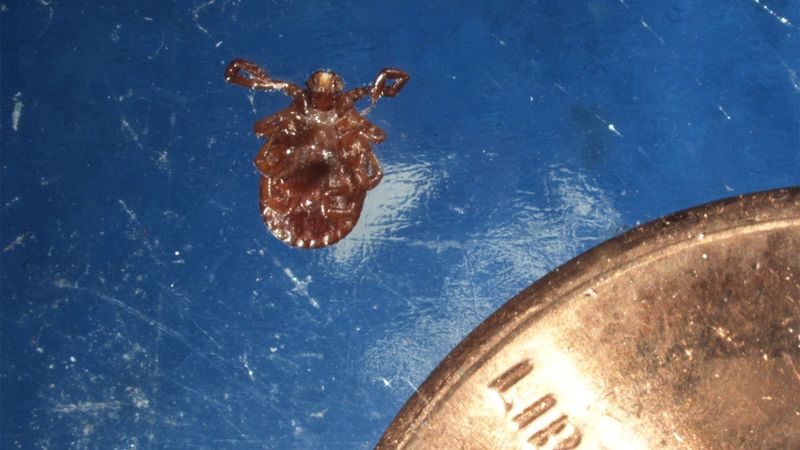
Citizen scientists play a bigger role than most people realize. Your sharp eyes could help experts track where this tick travels next.
Found a tick that looks unusual? Do not just toss it in the trash right away.
Place it in a sealed plastic bag or small jar with rubbing alcohol. Vegetable oil also works if alcohol is not handy.
Write down the date and where you found it. Details like a park name or county help researchers build accurate maps.
Farmers with concerns about livestock should contact the New York State Department of Agriculture and Markets. Local veterinarians can also help identify the tick.
Cornell IPM welcomes reports of large infestations or strange-looking ticks. Their team studies pests and shares helpful advice with residents across the state.
New York City residents can call 311 for tick information. It is an easy way to connect with city health resources.
Snapping a clear photo is helpful, too. Place the tick next to a coin or ruler so experts can judge its size.
Every report adds another piece to the puzzle. Scientists use this information to warn communities and plan control efforts.
Fighting a self-cloning invader takes teamwork. By reporting what you find, you help protect pets, farms, and neighbors throughout the region.