Never Dig North Carolina Sweet Potatoes Until The Vines Show This Late Season Sign
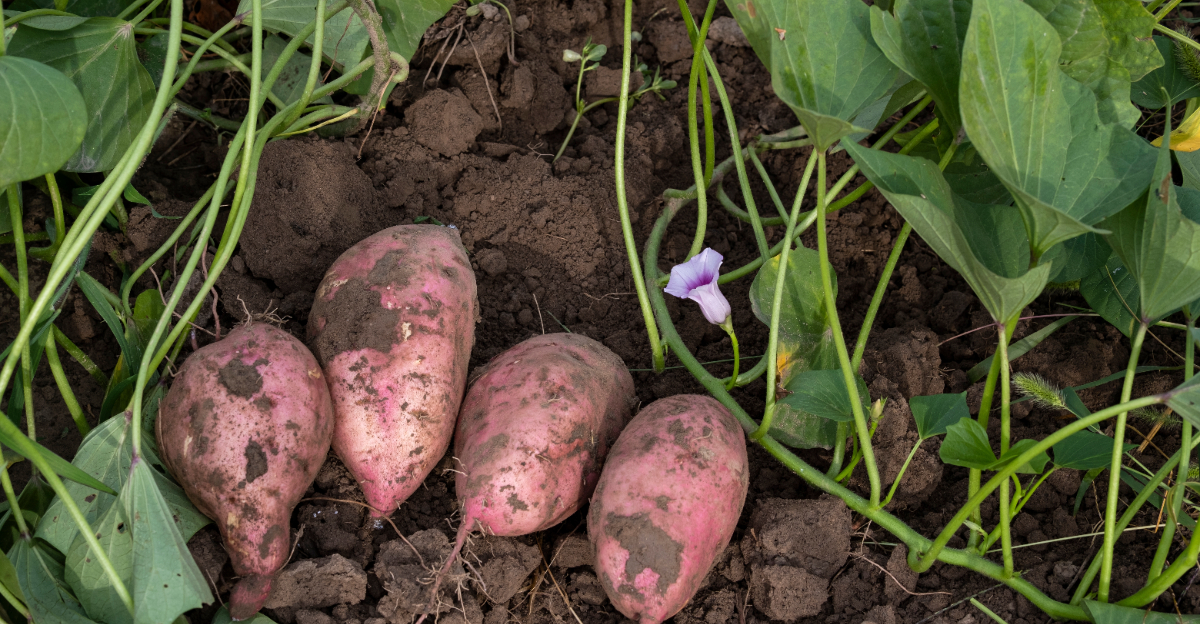
Sweet potatoes hide their best secrets underground, so knowing the right moment to dig them up feels a little like finding buried treasure.
In North Carolina, the vines send out clues when the roots are finally ready, and paying attention pays off big at harvest time. Dig too early and you’ll end up with roots that are small, starchy, and honestly a little disappointing after all that waiting.
Hold off for the right moment, though, and you’re rewarded with plump, sweet potatoes worth showing off. The tricky part is that the vines don’t make it obvious.
There are subtle signs most people walk right past without noticing, and missing them can mean pulling up a harvest before it’s truly ready.
Once you know what to watch for, though, the guesswork disappears completely. These seven tips break down exactly what your sweet potato vines are trying to tell you, so you can time your harvest perfectly and dig up a haul worth bragging about.
1. Look For The First Signs Of Vine Aging

The vines talk to you if you learn their language, and the first word they say is usually a color change.
Near the main stem, older leaves begin to fade from bright green to soft yellow, and some take on a coppery bronze tint. That shift tells you the plant is slowing down and shipping its energy below ground.
Green leaves work like tiny food factories. When they start aging, the plant stops making new top growth and pushes sugars and starches straight into the roots.
That is exactly what you want, because those stored sugars turn into the sweet, creamy flesh you love.
Watch the leaves closest to the center of the plant first, since they age before the young tips at the ends of the runners.
A little yellowing here and there is normal all season, but a steady spread of pale or bronze leaves late in the year is the real clue. Pair this color change with the calendar and cooler nights for the strongest hint.
When September rolls into October across North Carolina, aging leaves usually mean the roots have bulked up nicely. Try lifting one plant as a test dig before committing to the whole row.
If the roots feel firm and full-sized, the vine signals were right on target. If they seem thin, give the patch a couser week or two longer, keep watching those inner leaves, and let the plant finish the job it started.
2. Do Not Wait For The Entire Vine To Disappear

A common myth says you must wait until the whole vine flops over and fades before digging.
That advice can cost you a great harvest. Sweet potato vines stay green and lively long after the roots have finished growing, so a lush top does not mean the roots need more time.
Think of the vine as a hard worker who keeps showing up even after the main job is done. The plant naturally holds onto its leaves until frost or age finally slows it. Waiting for total collapse means you might leave roots in the ground past their prime.
Your North Carolina Garden Changes Every Week. Your Plan Should Too.
Gardening in North Carolina changes quickly throughout the season. Every Friday you’ll receive a simple weekly plan showing exactly what to plant, prune, fertilize, harvest, and protect so you never miss the right timing.
Roots left too long can grow oversized, crack, or turn woody in the middle. Giant sweet potatoes might look impressive, but they often taste less sweet and cook unevenly compared to medium ones.
Instead of watching for a vanished vine, combine the small aging signs with your planting date. A few yellow leaves plus the right number of weeks in the ground beats waiting for a dramatic finish that may never come on its own.
Weather matters here too. A warm, wet fall keeps vines looking fresh even when roots are perfectly ready to dig.
Trust the underground clues over the leafy show above. Do a test dig, feel the size of the roots, and let that guide you. When the roots hit good eating size, grab your fork and start harvesting, no matter how green and happy the vines still look on top.
3. Count The Days Since Planting
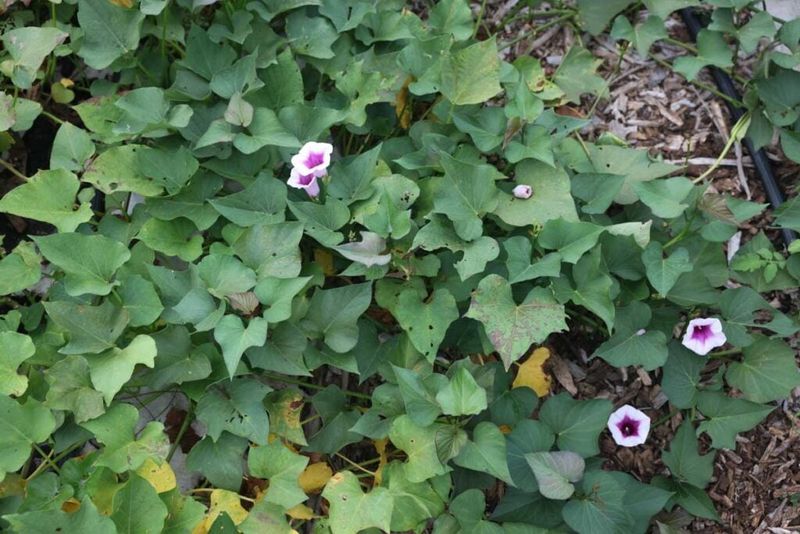
Leaf color gives you hints, but the calendar gives you facts. Most sweet potato varieties need between 90 and 120 days from planting to reach full size, and knowing your variety keeps you from guessing.
Popular North Carolina choices like Beauregard and Covington usually finish around 100 to 110 days. Check your slip label or seed source when you plant, then mark that date somewhere you will not lose it.
Counting days works best when you pair it with what you see above ground. If the calendar says you are close and the inner leaves start yellowing, those two signals together make a strong case for harvest.
Weather can speed things up or slow them down. A hot summer with steady moisture pushes plants to mature faster, while a cool, cloudy stretch can add a week or two to the timeline.
Keep a simple garden journal so you learn your own patch over the years. Write down when you planted, when you dug, and how the roots turned out. That record becomes gold for planning future seasons.
Do not rely on the calendar alone, though. Days to maturity is an estimate, not a promise, so always confirm with a test dig before harvesting the whole bed.
When the days add up and the vines agree, you have your green light. This mix of math and observation takes the mystery out of timing and helps you catch that sweet spot when roots are full, firm, and ready for the kitchen.
4. Check Before The First Hard Frost
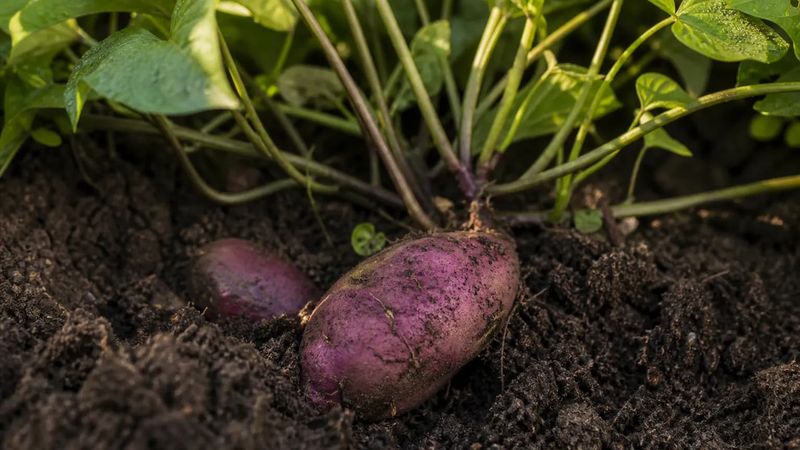
Frost is the one deadline you cannot ignore. Sweet potatoes are tropical at heart, and freezing temperatures can harm the roots even while they sit safely underground.
When cold air blackens the vines, that damage can travel down into the soil and reach the roots. Chilled sweet potatoes bruise more easily, taste off, and rot faster in storage, so timing around frost really matters.
Across most of North Carolina, the first frost usually arrives sometime in October or early November, depending on your region. Mountain gardens cool down earlier than coastal ones, so know your own area.
Keep an eye on the weather forecast as fall settles in. When you hear about the first freeze coming, plan to dig within a day or two, even if you had hoped for a little more root growth.
If frost catches your vines by surprise, do not panic, but act fast. Harvest the roots quickly, ideally within a day, before the cold has time to seep deeper into the ground.
Covering the patch with straw or a blanket can buy you extra time during an early cold snap. That trick keeps the soil warmer and protects the roots for a few more precious days.
The goal is simple: get your sweet potatoes out of the ground while they are still firm and healthy. Beating the freeze protects both flavor and storage life, so mark your local frost date on the calendar and let it guide your final harvest decisions.
5. Dig Carefully Around The Main Plant
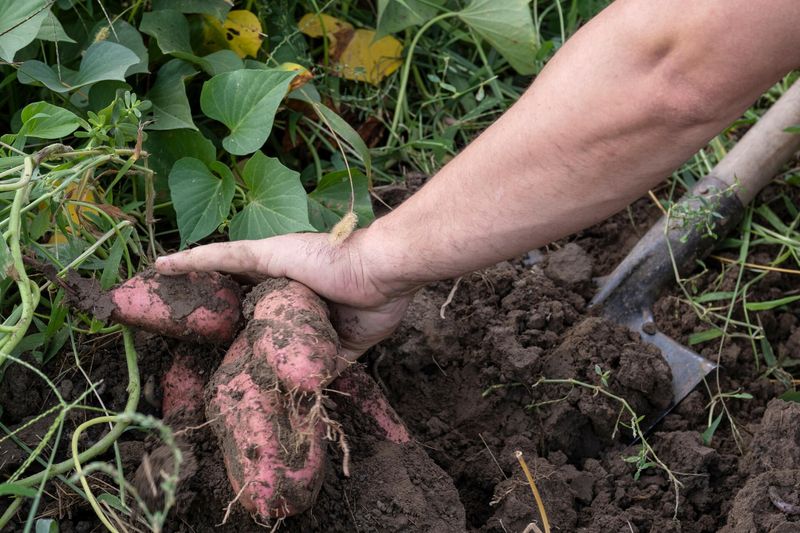
Harvest day is exciting, but rushing with a shovel can ruin your best roots in seconds. Sweet potatoes have thin, tender skin that bruises and slices with the smallest slip.
Roots often spread wider and deeper than you expect, hiding a foot or more away from the main stem. Jamming a tool straight down near the plant almost guarantees you will stab a few prize potatoes.
Start by loosening the soil about ten to twelve inches out from the center of the plant. A digging fork works better than a spade because the blunt tines slide around roots instead of cutting through them.
Lift gently and let the soil crumble away, then use your hands to feel for roots and free them. Working with your fingers may feel slow, but it saves far more potatoes than fast digging ever will.
Handle each root like a fresh egg. Every bruise or scrape becomes an entry point for rot, which can spread and spoil the rest of your stored harvest.
Brush off loose dirt gently, but resist the urge to wash them right away. Water invites rot, so let the soil dry and knock off later once the roots have cured.
Lay your harvest in a shady, dry spot as you go, keeping them out of direct sun. A little patience during digging pays off with unblemished sweet potatoes that store beautifully and taste amazing straight through the cold months ahead.
6. Cure The Roots After Harvest
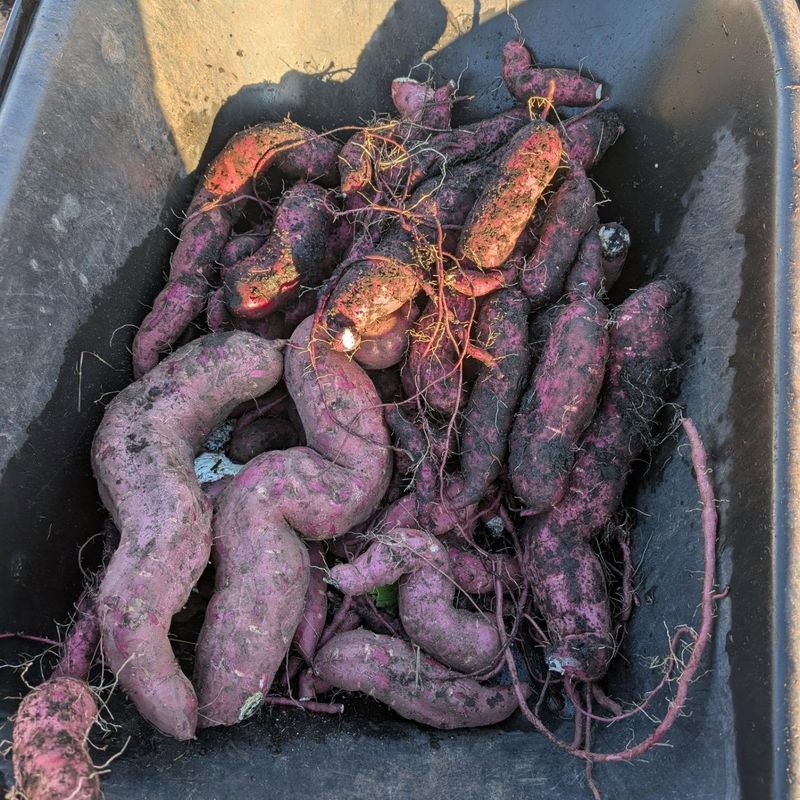
Fresh from the ground, sweet potatoes are good, but cured ones are downright magical. Curing is the secret step that turns a decent harvest into rich, sugary roots worth every bit of effort.
The process is simple. You keep the roots in a warm, humid space for about a week to ten days, letting them rest and change from the inside out.
Aim for temperatures around 80 to 85 degrees with high humidity, roughly 85 to 90 percent. A warm shed, garage, or even a covered porch during Indian summer can do the trick nicely.
During curing, the starches inside slowly convert into sugars, which is why cured sweet potatoes taste so much sweeter. That flavor boost alone makes the wait worthwhile.
Curing also heals the tiny nicks and scrapes from digging. The skin thickens and seals over small wounds, forming a natural barrier against rot and moisture loss.
Lay the roots in a single layer if you can, giving air room to move around each one. Avoid stacking them in deep piles where heat and moisture get trapped unevenly.
Once cured, move them to a cool, dark spot around 55 to 60 degrees for long storage. Done right, your sweet potatoes can stay firm and tasty for many months.
Skipping this step leaves roots bland and quick to spoil. A little warmth and patience after harvest rewards you with sweeter flavor and a pantry stash that lasts well into winter.
7. Do Not Cut The Vines Too Early
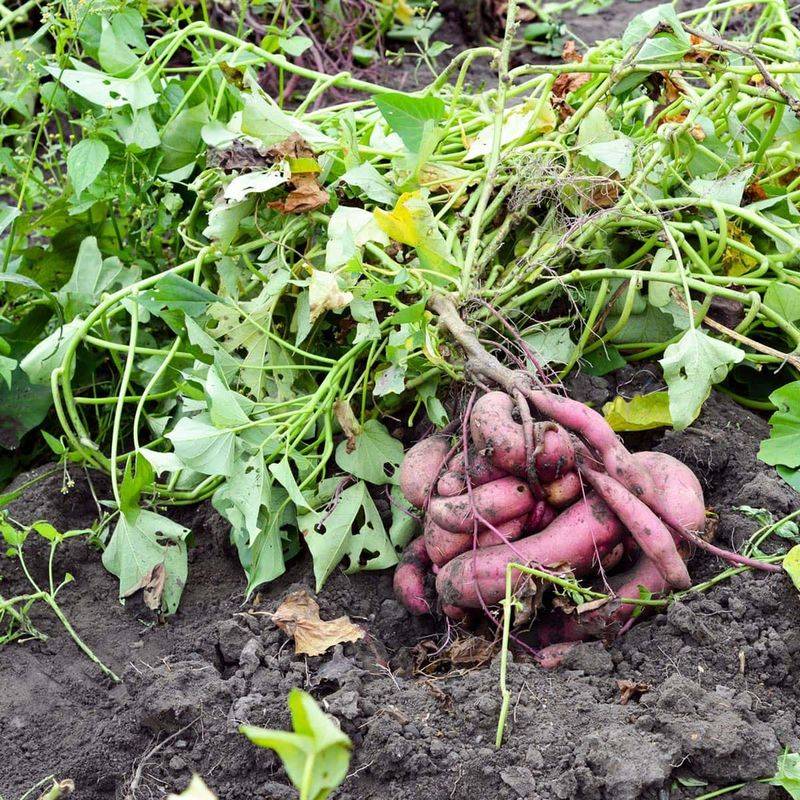
It might seem tidy to trim back sprawling vines before harvest, but snipping too soon can shrink your reward. Those green leaves are still hard at work feeding the roots right up to the final stretch.
Late in the season, the plant pours its energy underground, and the leaves power that whole operation. Cutting them off early is like unplugging the machine before the job finishes.
Every extra week of healthy foliage can add size and sweetness to the roots. So resist the temptation to clean up the patch until you are truly ready to dig.
Some gardeners do clip vines a couple of days before harvesting to make digging easier and to signal the roots to firm up their skins. That short window is fine and even helpful.
The mistake is cutting weeks ahead of time and expecting the roots to keep growing on their own. Without leaves, root development stalls, and you lose out on the biggest gains.
Watch for that natural balance instead. When the inner leaves yellow, the days add up, and frost looms, the vines have finished their real work and you can trim freely.
Green, thriving vines are a good thing, not a nuisance. They are proof your plant is still building the harvest you have waited all summer for.
Give those vines time to finish, then reward yourself with a fork and a full afternoon of digging. Patience with the tops means bigger, sweeter potatoes filling every basket you carry inside.