The Native Boxwood Alternative Illinois Landscapes Are Missing Out On
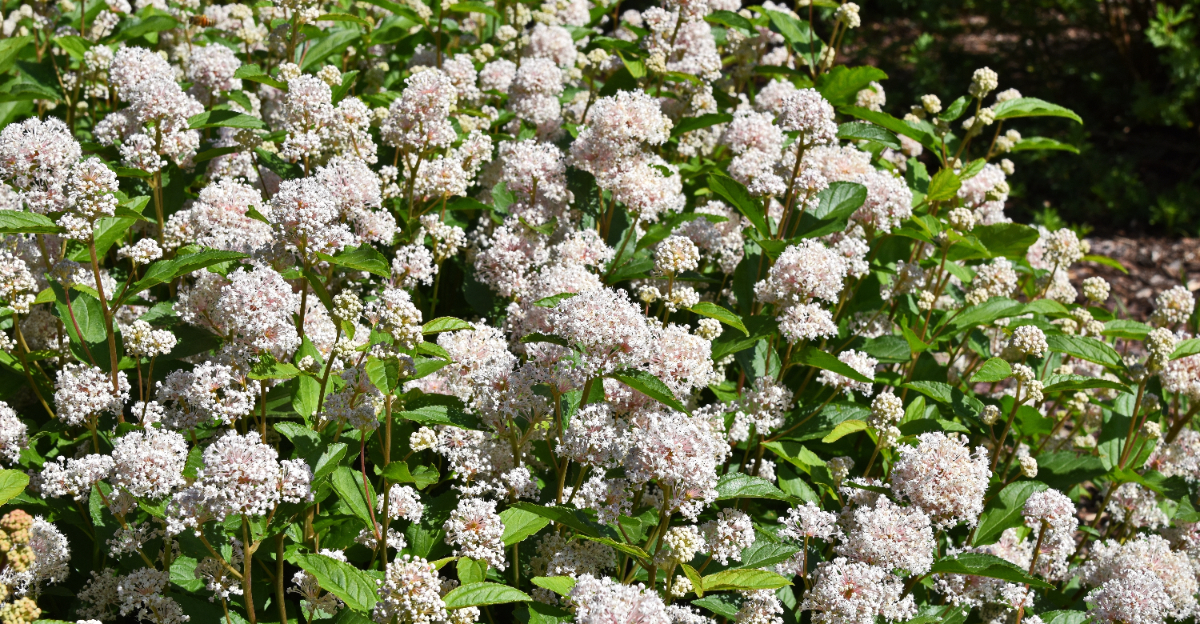
Forget everything you thought you truly knew about low-maintenance native shrubs. Illinois winters challenge plants that merely pretend to be tough or resilient.
A quiet shrub shrugs off frost, drought, and neglect in your soil. Its roots plunge deep, anchoring you through demanding seasons. Butterflies swarm its blossoms while boxwood sits silent nearby.
Bees, moths, and songbirds treat it like a lifeline. Compact growth lets you skip the constant pruning task. Watering stays rare, yet results stay strikingly consistent.
Rocky, poor, or badly depleted Illinois soil rarely slows it down. Landscapers quietly recommend it while homeowners keep overlooking it. Texture builds across every season, never stalling, never fading.
Wildlife arrives uninvited, drawn by nectar and dense shelter. Nothing about this plant feels ordinary or forgettable to you.
Boxwood offers fewer of these benefits, no matter how manicured it looks. You will not close this page without finally discovering its name.
What Makes New Jersey Tea Worth Growing
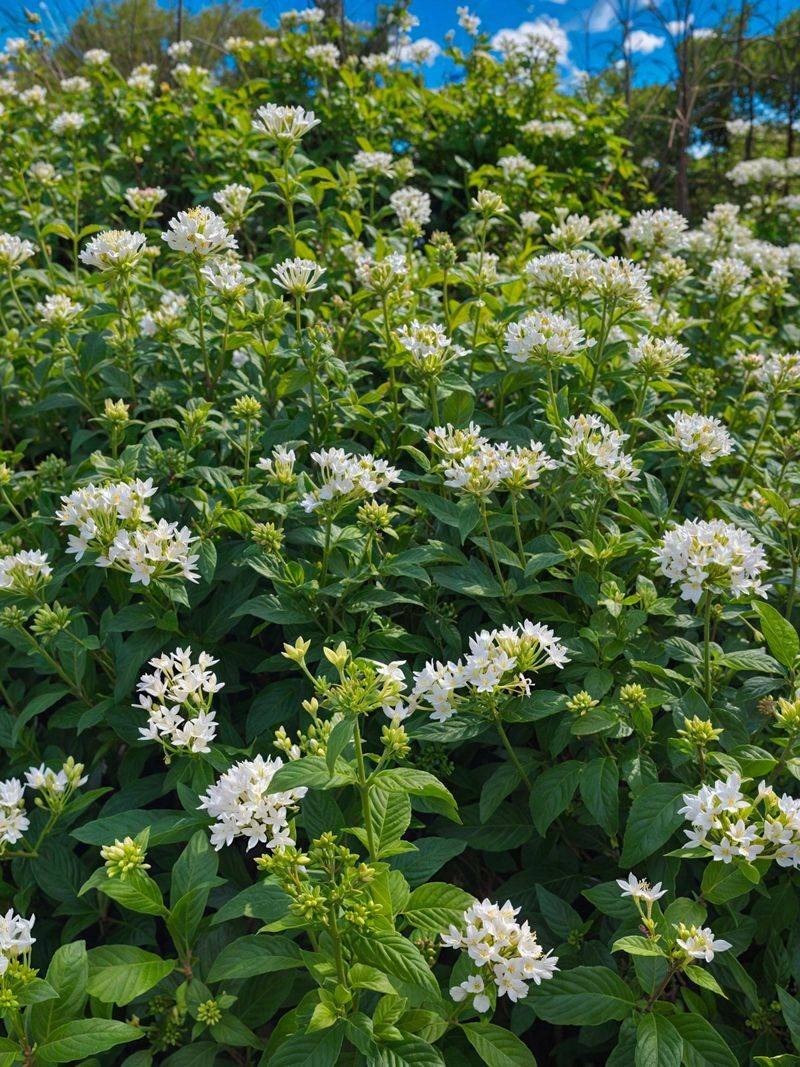
Tough plants earn their spot. New Jersey Tea, known botanically as Ceanothus americanus, is one of those native shrubs that offers a strong combination of benefits for homeowners.
It grows two to four feet tall with a tidy, rounded shape that looks intentional without constant pruning. That alone makes it stand out from high-maintenance alternatives.
What really sets this plant apart is its deep root system. Those roots can reach several feet underground, making the shrub highly drought-tolerant once established.
During the American Revolution, colonists brewed its leaves as a tea substitute when British imports were cut off. That historical use reflects the plant’s overall resilience.
Gardeners across the Midwest are starting to notice what prairie restorationists have known for decades. This shrub performs year after year without fuss, fertilizer, or babysitting.
Clusters of tiny white flowers appear each June, creating a frothy, cloud-like display that stops visitors in their tracks. The blooms last several weeks, giving you a long window of visual interest.
Unlike boxwood, which often struggles with blight and pests, New Jersey Tea rarely has serious disease problems. That resilience saves both time and money over a full growing season.
Choosing plants that belong in your region is one of the smartest landscaping moves you can make. New Jersey Tea is proof that going native never means settling for less.
How It Compares To Traditional Boxwood
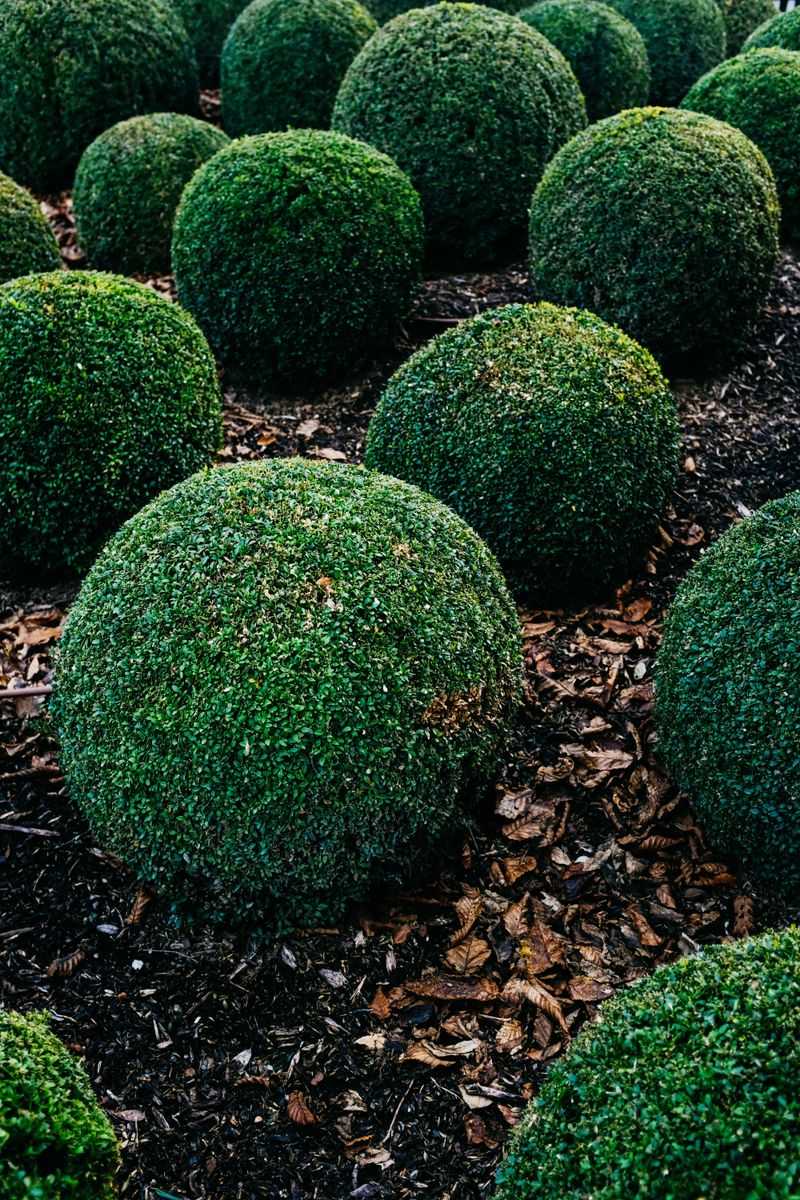
Boxwood has dominated American foundation plantings for generations. Gardeners love its evergreen structure and formal appearance, but that loyalty comes with a growing list of problems.
Boxwood blight has spread through much of the Midwest, causing significant decline in affected hedges over time. Replacing an entire foundation planting can be costly and disruptive.
New Jersey Tea sidesteps those issues entirely. As a native species, it evolved alongside local insects, fungi, and weather patterns, building natural defenses that imported plants simply lack.
Both shrubs offer a similar compact mounding shape that works well in formal and informal landscapes. The key difference is that New Jersey Tea earns its good looks without chemical intervention.
Your Illinois Garden Changes Every Week. Your Plan Should Too.
Gardening in Illinois changes quickly throughout the season. Every Friday you’ll receive a simple weekly plan showing exactly what to plant, prune, fertilize, harvest, and protect so you never miss the right timing.
Boxwood demands regular pruning, fungicide applications, and careful siting to avoid winter burn. New Jersey Tea asks for almost nothing once its root system gets established in year two.
The white flower clusters that appear on New Jersey Tea each summer add a seasonal dimension boxwood cannot offer. Boxwood stays green but never blooms in a way that feeds pollinators or excites the eye.
Cost is another factor worth considering. Native shrubs often cost less at native plant nurseries, and they rarely need replacing due to disease loss.
Switching from boxwood to this native alternative offers a comparable or improved landscaping option. Choosing New Jersey Tea is choosing a smarter, more resilient future for your landscape beds.
Ideal Growing Conditions For Illinois Yards
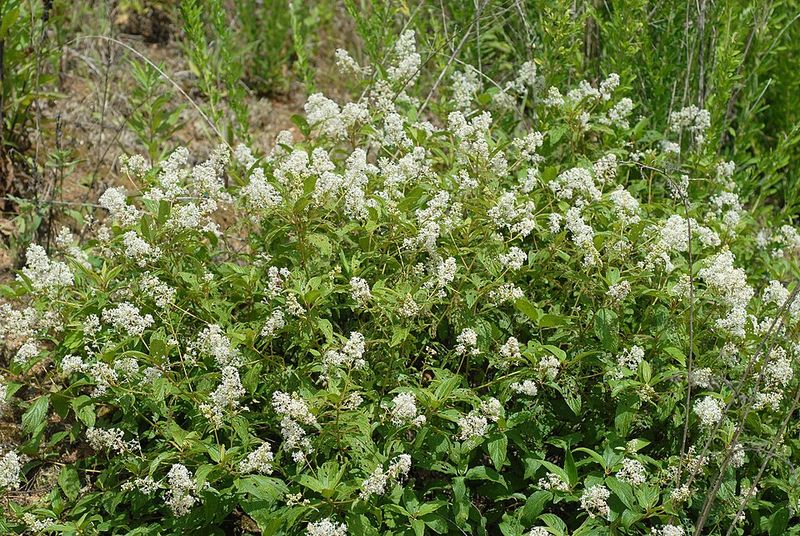
Good news for Illinois gardeners: this shrub was practically made for your climate. New Jersey Tea is native to prairies and open woodlands across the central and eastern United States, including most of Illinois.
Full sun is where it truly shines, producing the densest growth and the most abundant flower clusters. It tolerates light shade but may bloom less freely in shadier spots.
Soil quality matters less than you might think. This plant thrives in poor, dry, well-drained soils where other shrubs typically fail to thrive.
Clay-heavy soils common in many Illinois suburbs can be a challenge, but amending the planting hole with coarse sand or gravel improves drainage enough to keep roots happy. Raised beds also work beautifully for problem spots.
Once planted, water consistently for the first growing season to help the root system anchor itself. After that, supplemental watering becomes largely unnecessary except during extreme drought periods.
Winter hardiness is a strong suit for this native shrub. It handles USDA Zone 4 conditions without batting a leaf, making it a reliable choice across nearly the entire state.
Spring planting gives roots the most time to establish before summer heat arrives. Fall planting works too, as long as you get the shrub in the ground six weeks before the first hard frost.
Matching the right plant to the right place is a key factor in successful landscaping. New Jersey Tea makes that match almost effortlessly across most Illinois growing conditions.
Its Value For Pollinators And Wildlife
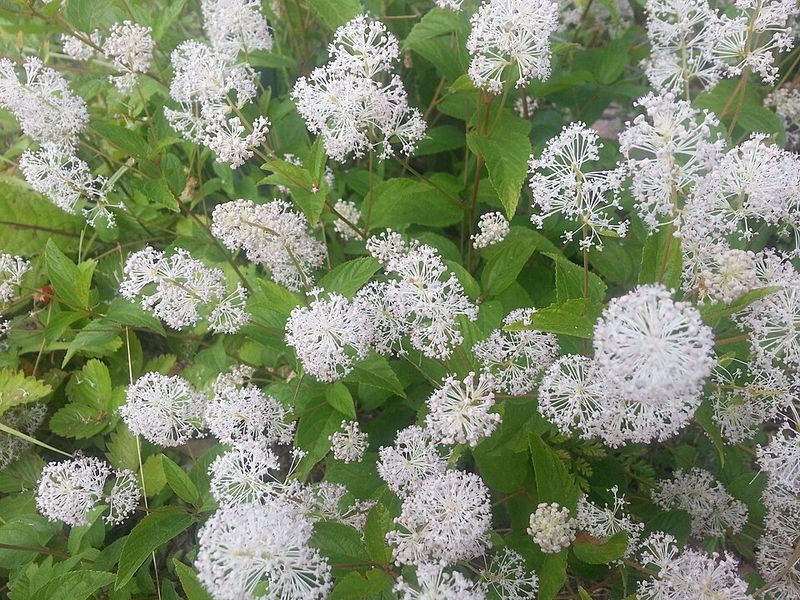
Pollinators go absolutely wild for New Jersey Tea. The dense white flower clusters act like a landing strip for bees, butterflies, and other beneficial insects during early summer.
New Jersey Tea is documented as a host plant for several native butterfly and moth species, including the Spring Azure butterfly.
Bumblebees are especially drawn to the nectar-rich blooms, often covering the plant so thickly that you can hear the hum from several feet away. That kind of biodiversity signal means your garden ecosystem is working as it should.
Beyond insects, birds benefit from the dense branching structure. Shrubs with twiggy interiors give small songbirds safe nesting spots and protection from hawks and neighborhood cats.
The seed capsules that form after flowering also provide food for birds in late summer and fall. Nothing goes to waste when you plant with nature in mind.
Supporting wildlife does not require converting your yard into a wild meadow. A single New Jersey Tea shrub tucked into a foundation bed makes a meaningful difference for local species.
Chemical pesticide use drops naturally when you add host plants like this to your landscape. Beneficial insects move in, creating a balanced system that regulates pests on its own.
Planting for pollinators is one of the most rewarding shifts a gardener can make. New Jersey Tea creates a valuable habitat that supports wildlife every season
Best Uses In Borders And Foundation Beds
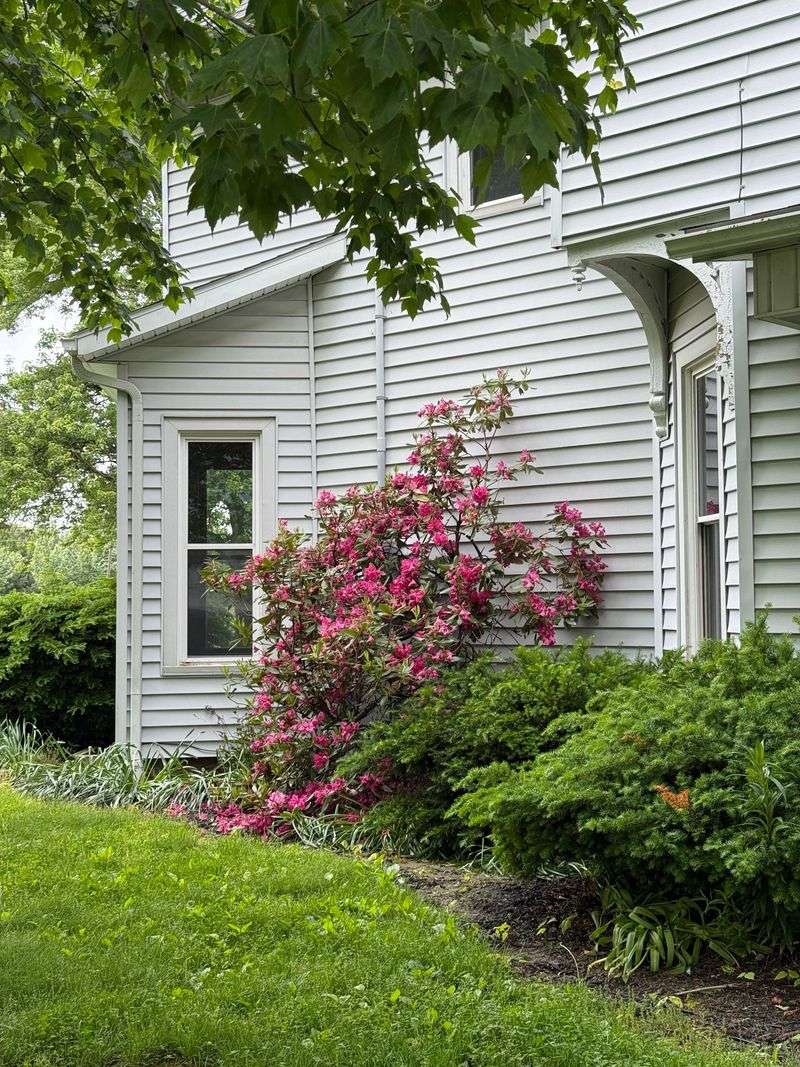
Placement is everything in a well-designed landscape. New Jersey Tea fits into so many different garden scenarios that it is notably versatile across a wide range of garden settings.
Foundation plantings are one of the most natural fits for this shrub. Its tidy mounding habit mirrors the visual role that boxwood traditionally plays without the disease headaches.
Mixed borders benefit enormously from its mid-height structure. Pair it with taller native grasses or coneflowers behind it and low-growing sedums in front for a layered look that carries interest through three seasons.
Rain gardens are another excellent application. The deep root system absorbs water quickly, making New Jersey Tea a smart choice for low spots that collect runoff after heavy rains.
Mass plantings along property lines or fence rows create a soft, informal hedge that blooms each summer. Spacing plants three to four feet apart gives each shrub room to reach its full rounded shape.
Slope stabilization is a lesser-known use that landscape professionals love. Those deep roots grip soil firmly, reducing erosion on banks and hillsides where turf grass struggles to hold ground.
Container planting works for smaller patios and townhome gardens. Choose a large pot with excellent drainage and place it where it receives at least six hours of direct sun each day.
Creative gardeners find new uses for this shrub every season. However you choose to use New Jersey Tea, it rewards thoughtful placement with years of reliable beauty.
Simple Care Tips To Keep It Thriving
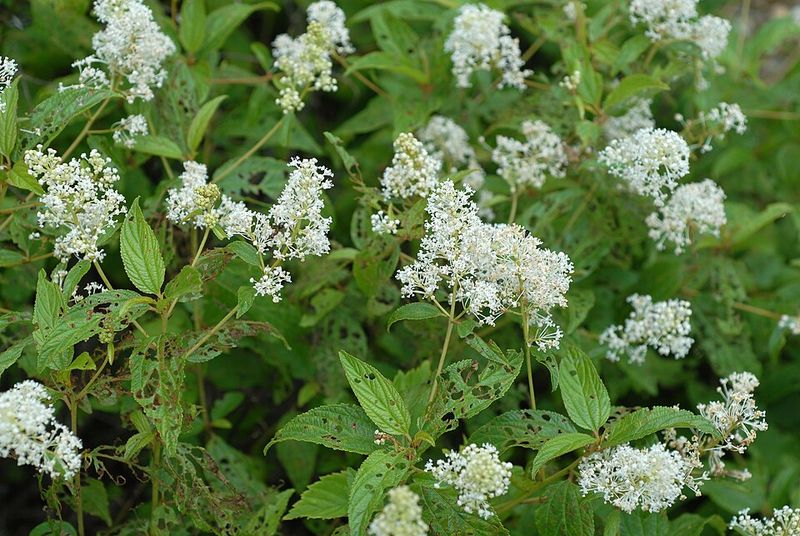
Low-maintenance does not mean no maintenance. A few simple habits each year keep New Jersey Tea looking sharp and performing at its best across every season.
Pruning is minimal but worth doing right. Prune in late winter or early spring, before new growth begins, since the shrub blooms on wood produced that same season.
Avoid pruning after new growth has emerged, since that removes the wood the flower buds are forming on. A light shaping in late winter is all the plant needs to stay tidy and compact.
Mulching the root zone each spring conserves moisture and moderates soil temperature through summer heat. Apply two to three inches of shredded bark, keeping mulch a few inches away from the main stem.
Fertilizing is rarely necessary and can actually cause problems. Rich soils encourage lush but floppy growth, so skip the fertilizer and let the shrub find its natural, sturdy form.
Watch for root disturbance, which this plant dislikes intensely. Once planted, avoid digging around the base or transplanting, since disturbing those deep roots sets the shrub back significantly.
Watering needs drop sharply after the first full growing season. An occasional deep soak during prolonged dry spells in years two and three helps the root system continue expanding.
Simple care routines make all the difference in a thriving native landscape. New Jersey Tea rewards consistent but minimal attention with decades of beauty, resilience, and seasonal interest.
Where To Find New Jersey Tea For Your Garden
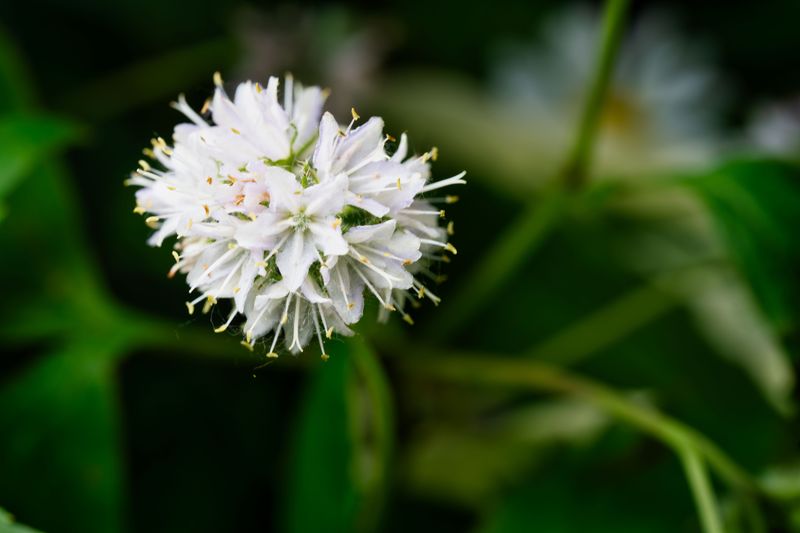
Finding this native gem is easier than it used to be. The growing demand for native plants has pushed more nurseries to stock Ceanothus americanus than ever before.
Start your search at local native plant nurseries rather than big-box garden centers. Specialty growers understand proper cultivation, which means the plants you bring home are healthier and better adapted to regional conditions.
Various Illinois native plant organizations and INPS chapters host seasonal plant sales throughout the state each year.
Online native plant retailers ship dormant bare-root plants in early spring, which transplant remarkably well when handled carefully. Order early since popular species sell out fast each season.
Prairie nurseries in the Chicago suburbs and central Illinois regularly carry New Jersey Tea alongside other regional natives. A quick phone call ahead of your visit confirms current availability and saves wasted trips.
Starting from seed is a rewarding option for patient gardeners. Seeds require cold stratification over winter before they will sprout, but the process is straightforward and the results are deeply satisfying.
When purchasing, look for plants with firm green stems, no yellowing leaves, and a root ball that fills its container without being severely rootbound. Healthy starts lead to faster establishment in the ground.
Tracking down New Jersey Tea takes a little effort the first time. Once you grow it successfully, you will wonder how your landscape ever managed without this native boxwood alternative.