Never Step Into Your Virginia Garden Beds Right After This Kind Of Rain
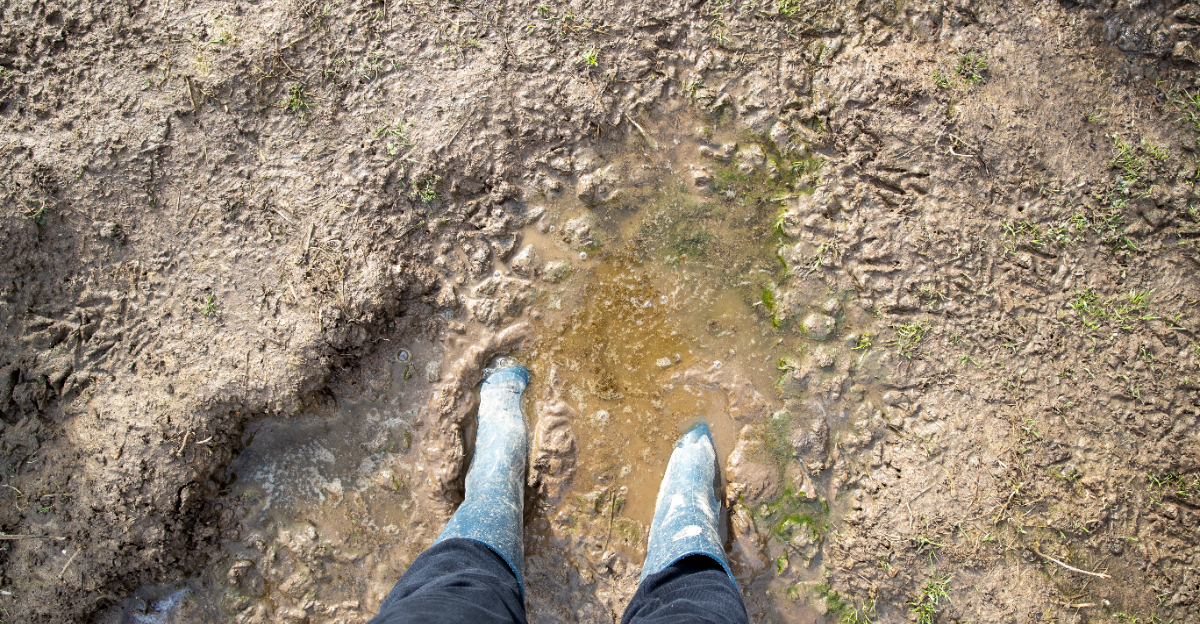
Rain just turned your garden bed into a flawless-looking scene, and that flawless look is exactly what makes it dangerous. Beneath that shine, Virginia clay under your feet holds too much water, turning firm ground into something closer to wet cement.
One step from you presses the oxygen straight out of that soil, crushing pockets your roots depend on to keep pushing upward. Ground squeezed tight beneath your boots stops water, air, and nutrients from moving, and that stalled system won’t correct itself.
Weeks pass before you notice stunted leaves and slowed growth, with no obvious cause anywhere in sight. Your instinct to step into that bed the moment the rain clears only worsens things before you even touch a single stem.
Virginia’s dense clay grips tighter than sandy soil ever could, so recovery takes far longer than most gardeners expect. Nothing about this damage to your garden looks urgent, until entire seasons are lost because of it.
Walking On Saturated Soil Compacts It Almost Instantly
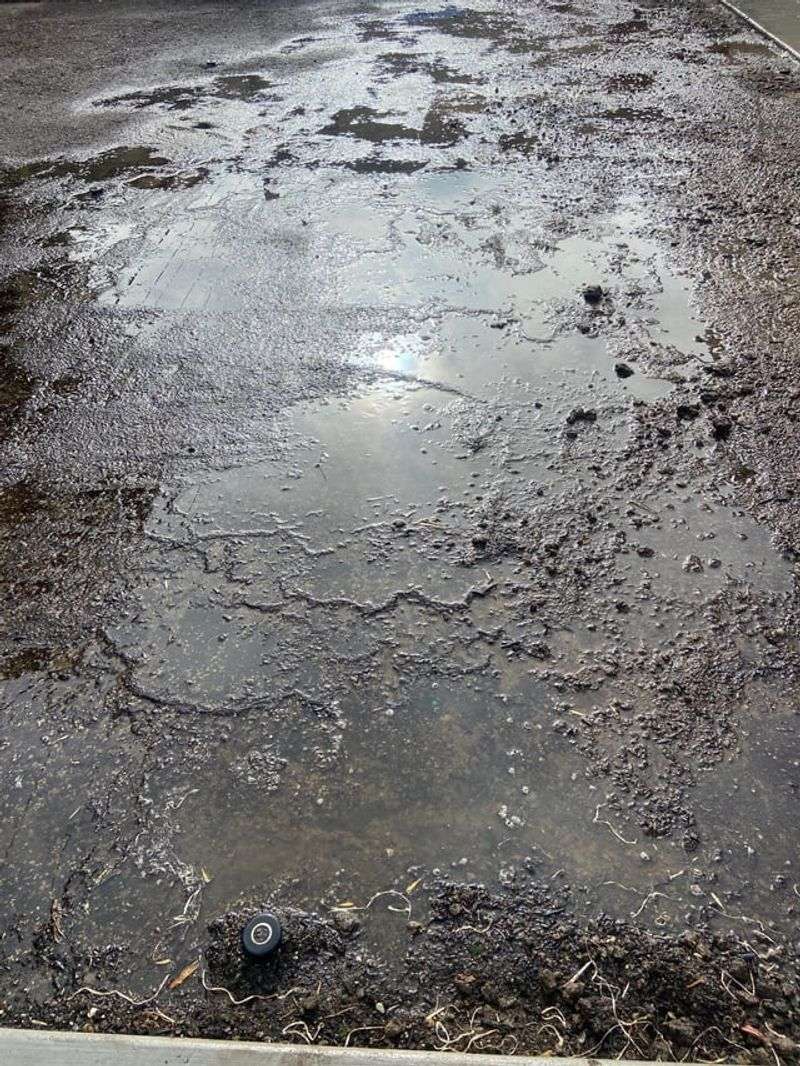
Mud squelches underfoot, and that sound means trouble. Every step you take on saturated soil pushes the particles tighter together, and the damage happens faster than you might expect.
Soil is not just dirt. It is a living system full of tiny air pockets, water channels, and spaces that roots navigate to find nutrients.
When soil is dry or just slightly moist, it can handle some pressure without losing structure. Wet soil is a completely different story, because the water between particles acts like a lubricant.
That lubrication lets soil particles slide and pack together under the slightest weight. Your foot pressing down on a soaked bed creates compaction that can take months to reverse.
Skipping that walk-through until the ground firms up protects healthy, productive plants. Compaction from a single walk-through can noticeably shorten root depth over one growing season.
Shallow roots mean plants struggle to pull up water during dry spells later in summer. You end up watering more, weeding more, and wondering why your tomatoes look stressed.
The damage is invisible at first. The soil surface might look fine, but underneath, the structure is already compromised.
Gardeners in Virginia often notice compaction problems weeks after a rainy period, when plants start to yellow or stall. Preventing compaction starts with keeping your boots off the beds when the ground is soaked.
Heavy Downpours Fill The Air Pockets Roots Depend On
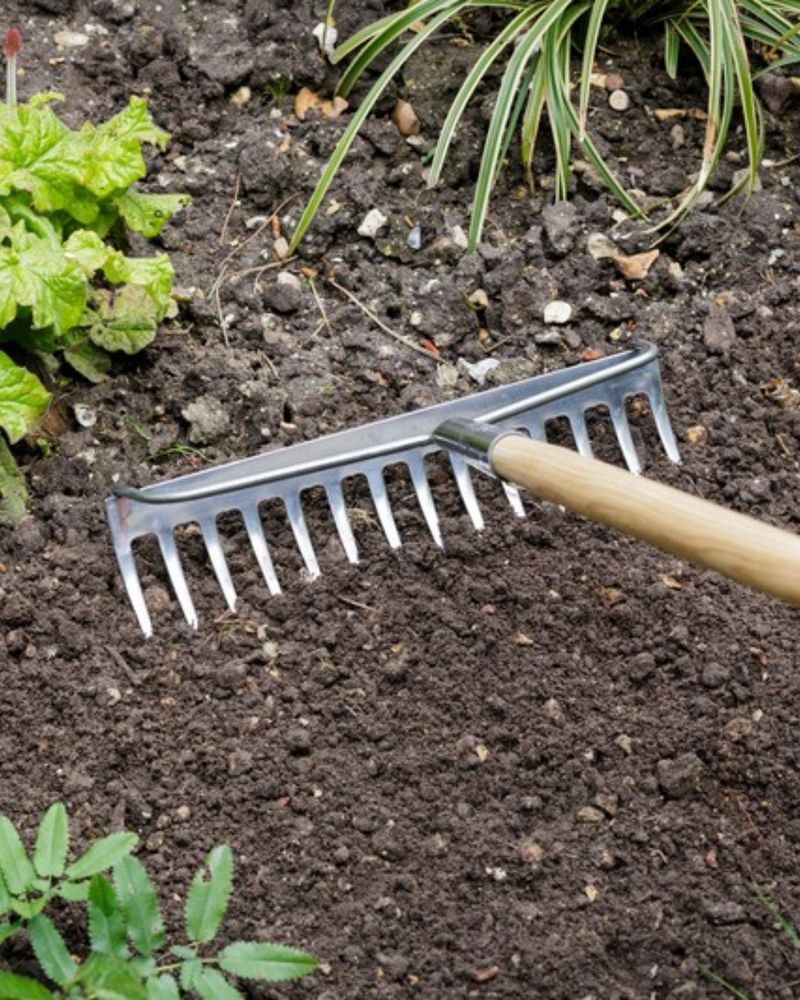
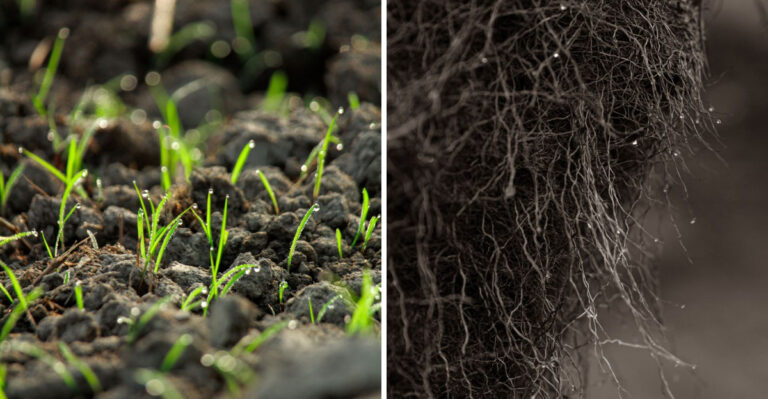
Roots breathe, and that fact surprises a lot of gardeners. Just like your lungs need air, plant roots need oxygen to function and grow properly.
Those tiny air pockets scattered through healthy soil are not wasted space. They are the breathing room that keeps roots alive and active between waterings.
A heavy downpour pushes water rapidly into the soil, and that water displaces the air sitting in those pockets. A serious storm can quickly leave the soil profile short on oxygen at the root zone.
Plants can tolerate short periods of low oxygen, but they bounce back only if the soil structure stays intact. Walking on waterlogged beds crushes the remaining pockets and seals off any recovery.
Your Virginia Garden Changes Every Week. Your Plan Should Too.
Gardening in Virginia changes quickly throughout the season. Every Friday you’ll receive a simple weekly plan showing exactly what to plant, prune, fertilize, harvest, and protect so you never miss the right timing.
Once those air channels collapse under foot pressure, water has nowhere to drain efficiently. Puddles form, roots sit in stagnant water longer, and the risk of root rot climbs sharply.
Staying off those soaked beds does more than avoid footprints. You are protecting the underground architecture your plants spent weeks building.
Healthy soil can recover its air pockets naturally if given time and left undisturbed. Rain stops, gravity pulls the water down, and the soil slowly reopens those channels as it dries.
Giving your beds 24 to 48 hours after a major storm before any foot traffic is the simplest way to protect that recovery process. Your roots will thank you with stronger growth.
Virginia Clay Compacts Faster Than Sandy Ground
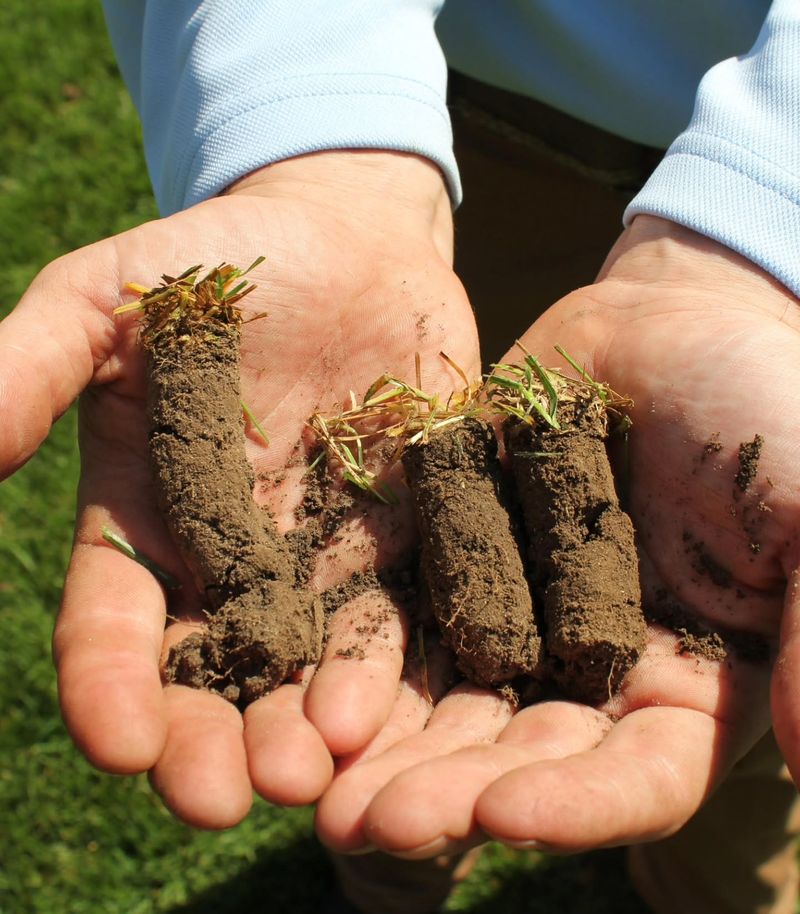
Virginia gardeners know the struggle of red clay all too well. That sticky, dense soil is beautiful when it holds moisture during dry summers, but it turns into a compaction nightmare after rain.
Clay particles are microscopic and flat, which means they stack together like tiny pancakes when pressure is applied. Sandy soils have larger, rounded grains that resist packing, even when wet.
In Virginia, much of the Piedmont region sits on clay-heavy subsoil, while the coastal plain tends toward sandier, more well-drained ground. Even garden beds amended with compost still have enough clay content to compact quickly under foot traffic if they’re in clay-dominant areas.
When clay gets saturated, it loses almost all its resistance to pressure. A single boot step can compress several inches of clay soil into a dense, airless layer that roots cannot penetrate.
Sandy soils in other states give gardeners a wider window to work after rain. Clay soils in Virginia shrink that window dramatically, sometimes to a matter of hours after a storm passes.
Knowing your soil type is not just gardening trivia. It is practical information that protects your investment in seeds, transplants, and amendments.
If your beds have a clay base, treat them with extra caution after any rain that lasts more than 20 minutes. The wetter the clay, the faster it compacts under weight.
Waiting out clay soil’s slow drain time pays off later. The patience you show in one afternoon protects months of careful soil building.
Root Growth Slows Sharply In Compressed Soil
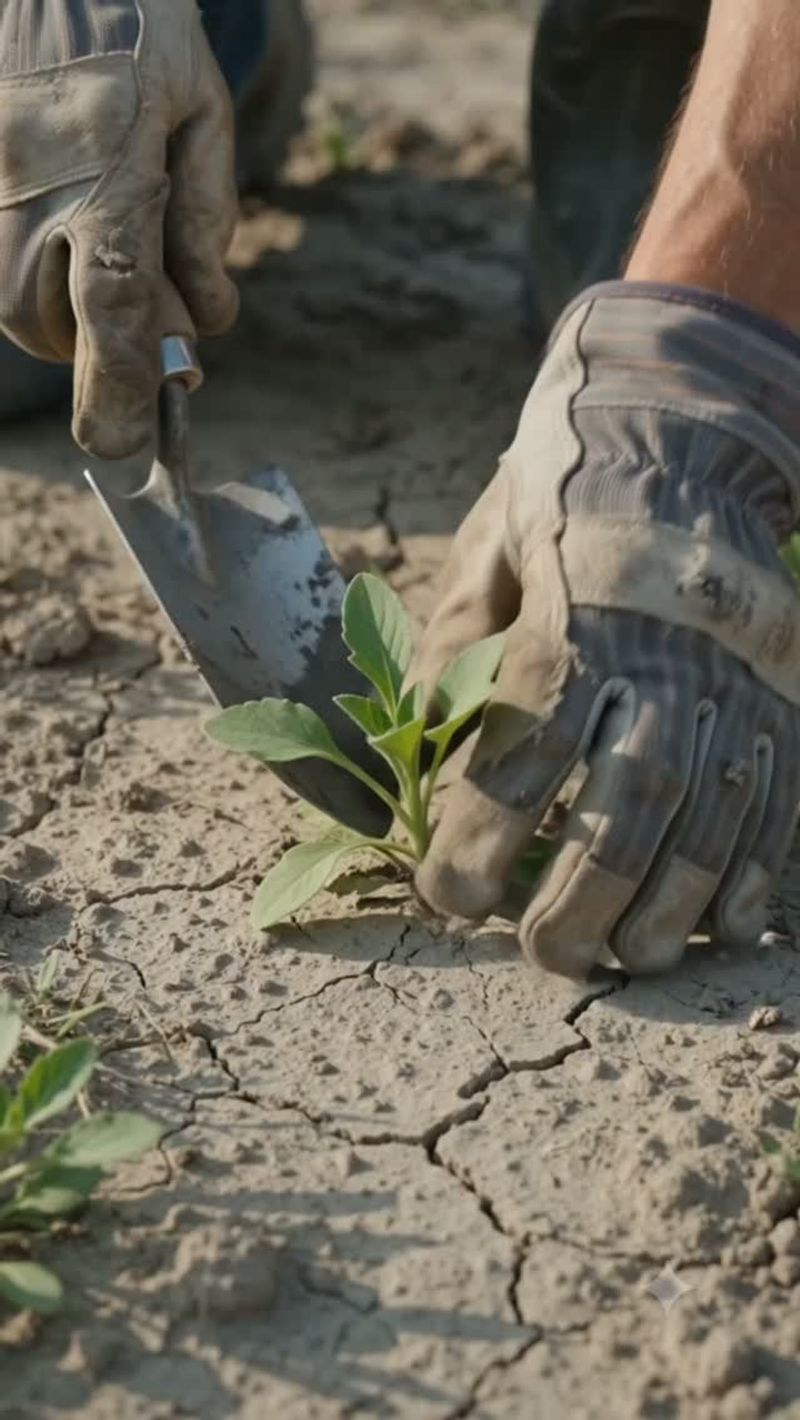
Roots follow the path of least resistance, and that is not a metaphor. They physically grow through spaces in the soil, pushing into gaps and channels to find water and nutrients.
When soil gets compacted, those spaces disappear. Roots hit dense walls of packed particles and slow down or stop entirely.
A plant with restricted roots is like a runner wearing ankle weights. Everything above ground looks normal at first, but the performance is quietly suffering underground.
Compressed soil also changes how water moves around roots. Instead of draining evenly, water pools in certain spots while other areas stay bone dry, creating uneven conditions that stress plants.
Vegetable crops like tomatoes, peppers, and squash are especially sensitive to root restriction. They need deep, unrestricted root systems to support the heavy fruit loads they carry through summer.
Stunted roots mean smaller harvests, weaker stems, and plants that wilt faster during heat waves. All of that can trace back to one rainy afternoon when you walked through the beds too soon.
Perennial flowers and shrubs suffer too, just on a slower timeline. Their root systems need to expand each year, and compaction puts a hard ceiling on that growth.
Holding back that first step lets plants thrive instead of just survive. Protecting root space is protecting the future of your entire garden.
The Squeeze Test That Shows When Beds Are Ready
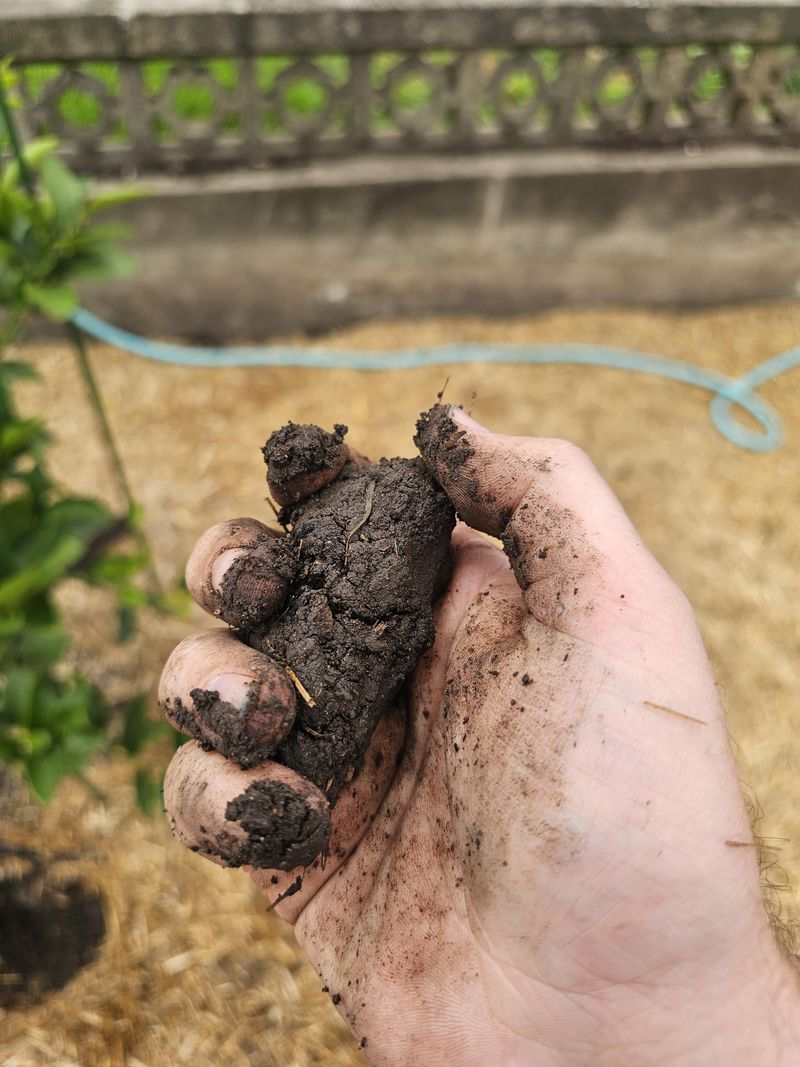
Forget guessing whether your soil is ready. There is a simple test that takes about five seconds and tells you exactly what you need to know.
Reach down and grab a small handful of soil from your garden bed. Squeeze it firmly in your fist for a few seconds, then open your hand.
If the ball of soil holds its shape and feels slick or sticky, the ground is still too wet. Walking on it now will cause serious compaction that undoes your careful soil prep.
If the soil crumbles apart when you nudge it with your finger, congratulations. Your beds are ready for light foot traffic and gentle garden work.
This old-school test works because it mimics what your foot does to the soil. If a gentle squeeze packs it into a ball, a boot step will pack it even harder.
The squeeze test is especially useful after Virginia storms that drop an inch or more of rain in a short period. Surface drying can be misleading because the top inch may look dry while deeper layers stay saturated.
Do the test at root depth, not just the surface. Push your hand down three to four inches before grabbing your soil sample for the most accurate read.
Skipping the squeeze test before you walk in is a risk not worth taking. Two seconds of testing saves real time on future soil repair work.
Permanent Paths And Boards Keep Weight Off Planting Areas
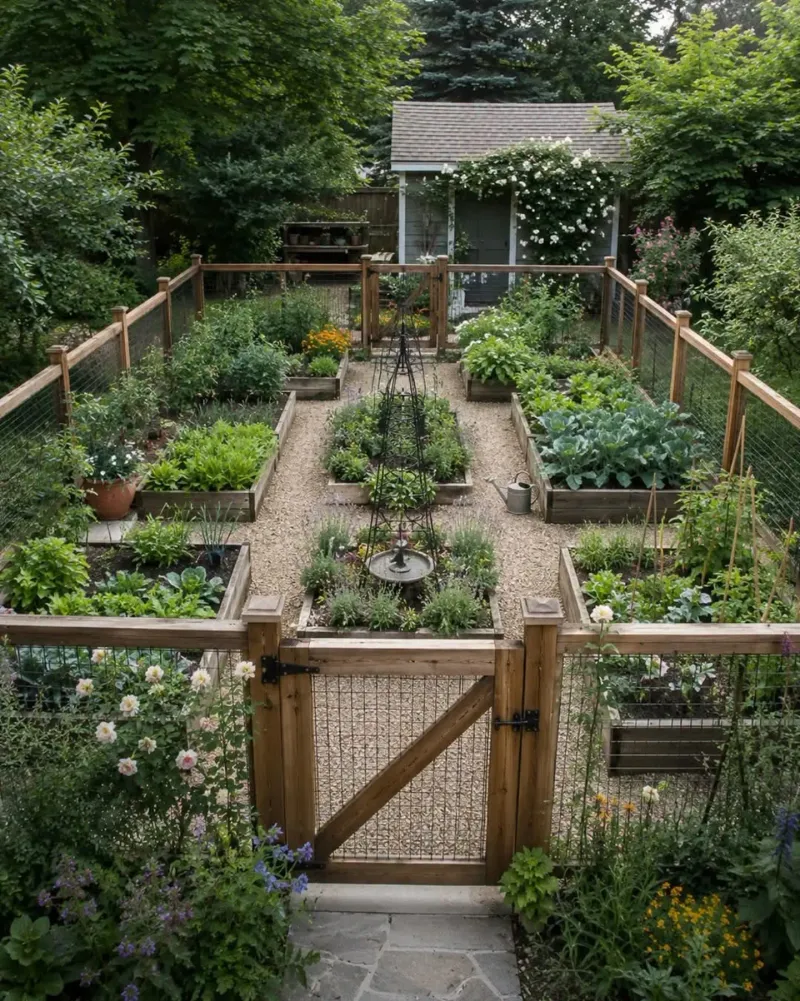
Smart garden design solves the compaction problem before rain even starts. Permanent paths give you a place to stand without ever touching the planting soil.
Stepping stones, gravel paths, or simple wooden boards spread your weight across a hard surface instead of concentrating it on soft soil. Your beds stay loose and airy no matter how hard it rains.
Many experienced gardeners in Virginia use two-by-ten boards laid flat between rows as temporary walkways. After a storm, those boards let you get into the garden without waiting for full soil dryness.
The boards distribute weight across a larger surface area, reducing pressure per square inch dramatically. That physics lesson translates to soil that stays fluffy and workable season after season.
Raised beds with defined edges naturally encourage path-only walking because you can reach the center from the side. Keeping beds no wider than four feet means you never need to step inside them.
Permanent paths also improve garden aesthetics and make harvesting faster. You stop losing time navigating muddy rows and start moving efficiently through a well-organized space.
Gravel paths drain quickly after rain, so you can walk on them well before the beds themselves are ready. That access lets you check on plants, set up supports, or harvest without delay.
Staying on a board or path instead keeps your soil safe on the sidelines. One smart design choice protects your soil for years ahead.