The Real Reason Stink Bugs Are Finding Their Way Into Virginia Homes This Summer
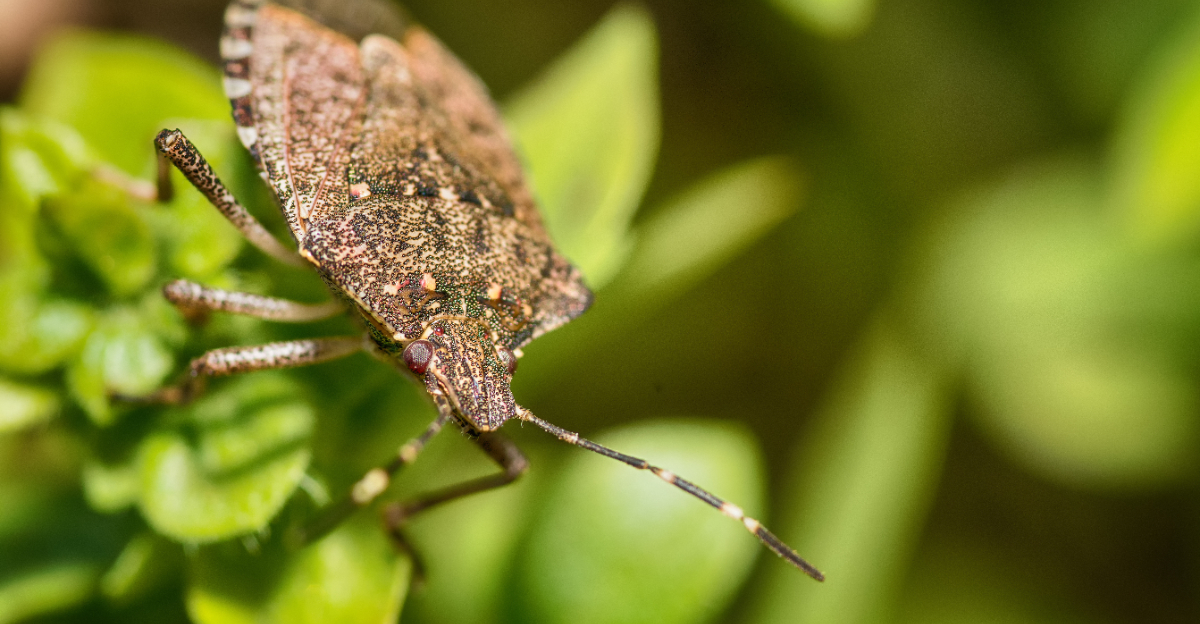
One stink bug on the window screen is easy to ignore. Two near the bathroom is harder to brush off. By the time they are showing up in three different rooms, something is clearly going on.
Stink bugs are not random wanderers, they are responding to specific signals your home is sending out, and Virginia summers create exactly the right conditions for that to happen.
Most homeowners swat them away without ever asking the real question: why here, and why now?
That answer matters, because without it, you are just reacting every time one shows up instead of stopping them at the source.
These insects are predictable once you understand what drives them, and that predictability works in your favor.
Your Virginia Home Is Giving Off Signals Stink Bugs Can’t Ignore
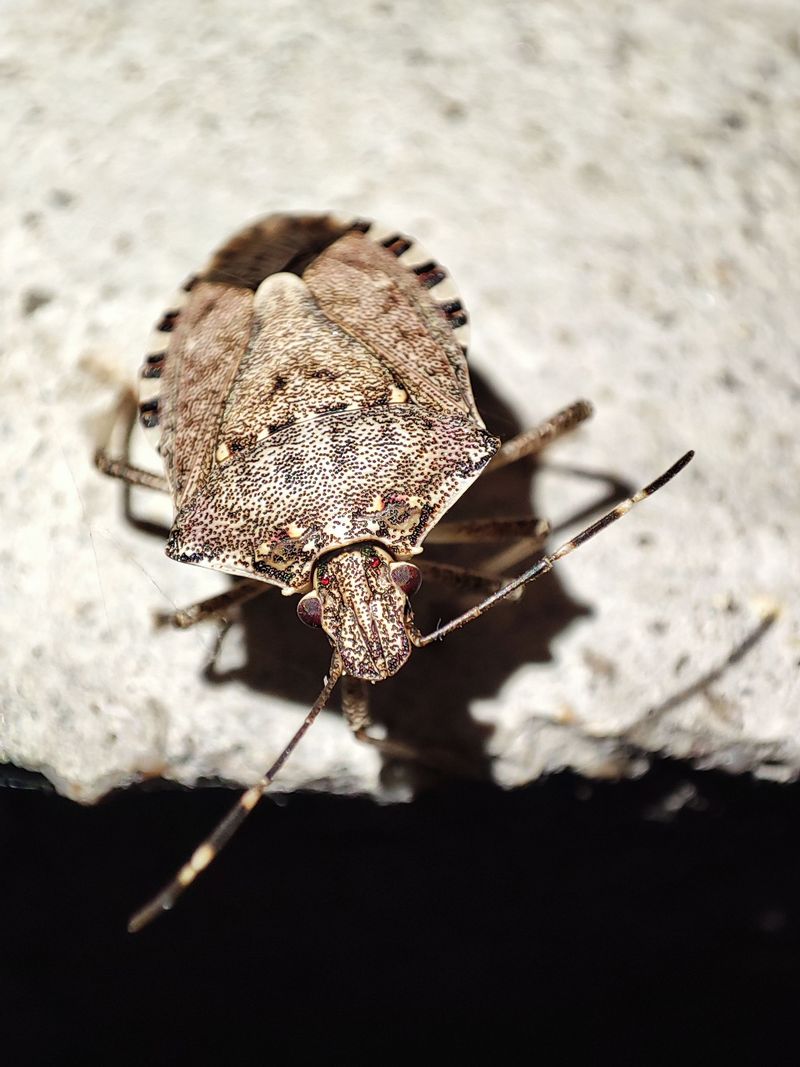
Your house is basically sending out a welcome sign to every stink bug in the neighborhood. Warmth, light, and shelter are among the strongest draws for these insects during summer months.
Stink bugs are attracted to the heat that radiates off sun-warmed siding and brick walls. Dark-colored exterior surfaces absorb even more heat, making some homes far more attractive than others.
Outdoor lighting is another strong draw. Porch lights and bright entryway fixtures pull stink bugs in close every evening, especially during peak summer activity.
The scent of ripe fruit from a nearby garden or even a fruit bowl near an open window is another trigger. Stink bugs hunt by smell, and a peach or tomato plant sends a signal they cannot resist.
Moisture also plays a role most homeowners never consider. Leaky gutters, damp mulch, or a dripping outdoor faucet can make your home feel like an oasis to a bug searching for water.
Stink bugs finding their way into Virginia homes this summer are often following a scent trail left by others. When one scout finds a good spot, a chemical signal alerts the rest of the group to follow.
Changing your porch light to a yellow or amber LED bulb reduces attraction almost immediately. Small adjustments to your home’s exterior can make a surprisingly big difference fast.
Virginia’s Summer Heat Is What Kicks Their Activity Into High Gear
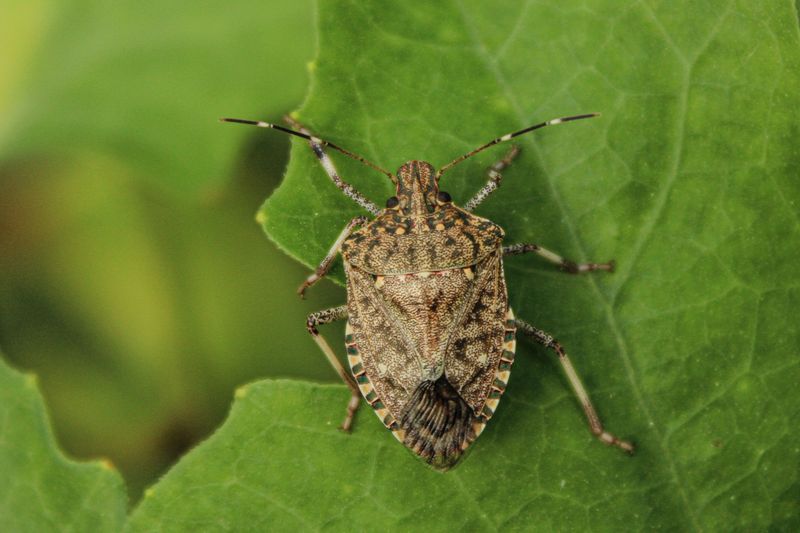
Stink bugs are cold-blooded, which means the outside temperature controls everything they do. When summer heat arrives, their metabolism speeds up and they become almost unstoppable in their search for food.
Stink bugs are most active when temperatures sit between 70 and 90 degrees Fahrenheit. Virginia summers land in that range reliably from June through August.
Higher temperatures can speed up their reproduction cycle as well. Females can produce multiple egg batches during one warm season, which explains why populations seem to explode so suddenly.
Hot afternoons push stink bugs to seek cooler surfaces, and your shaded siding or screened porch becomes an ideal resting spot. They are not aggressive, but they are persistent in finding comfort.
When nighttime temperatures stay above 60 degrees, stink bugs keep moving well after dark instead of winding down.
Your Virginia Garden Changes Every Week. Your Plan Should Too.
Gardening in Virginia changes quickly throughout the season. Every Friday you’ll receive a simple weekly plan showing exactly what to plant, prune, fertilize, harvest, and protect so you never miss the right timing.
Drought conditions during heat waves push them closer to homes because gardens dry out faster. When their natural food sources wilt or stress, stink bugs move toward irrigated landscaping around houses.
Watching the forecast can actually help you predict stink bug pressure in your yard. A stretch of hot, dry days almost always means more insect activity right at your doorstep soon after.
New Adults Are Hatching Right Now
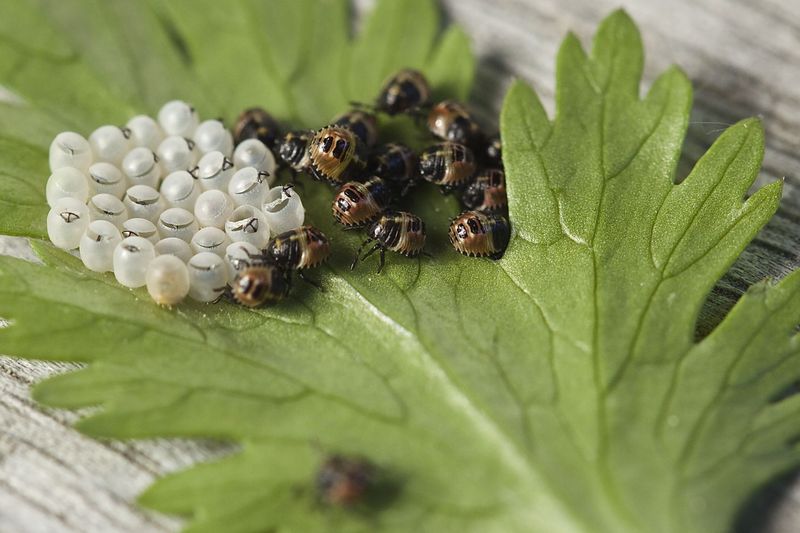
Right now, while you are reading this, a new generation of stink bugs is emerging across backyards and forests throughout the mid-Atlantic region. The eggs laid in late spring are hatching into hungry nymphs that will become full adults within weeks.
Stink bug nymphs look slightly different from adults, with bright yellow and red markings that fade as they mature. They move fast and feed aggressively on plant tissue from the moment they hatch.
Each female lays batches of 20 to 30 eggs on the underside of leaves and keeps producing new clusters throughout the season. A single plant in your garden could be hosting dozens of newly hatched bugs right now.
These young insects go through five growth stages called instars before reaching adulthood. Most stages last roughly a week, though the final one runs closer to two, putting the full egg-to-adult timeline at around six to eight weeks.
By midsummer, the first wave of new adults is already searching for food and shelter. That surge in population is exactly why homeowners notice a sharp spike in stink bugs on their walls and screens.
Checking your garden plants for egg clusters is one of the most effective early-warning strategies available. Eggs look like tiny pale green barrels lined up in neat rows on leaf surfaces.
Removing egg clusters by hand and dropping them into soapy water stops a new wave before it ever starts. Early action in the garden pays off big when it comes to keeping bugs out of your home.
Your Yard Is Likely The First Stop Before They Move Inside
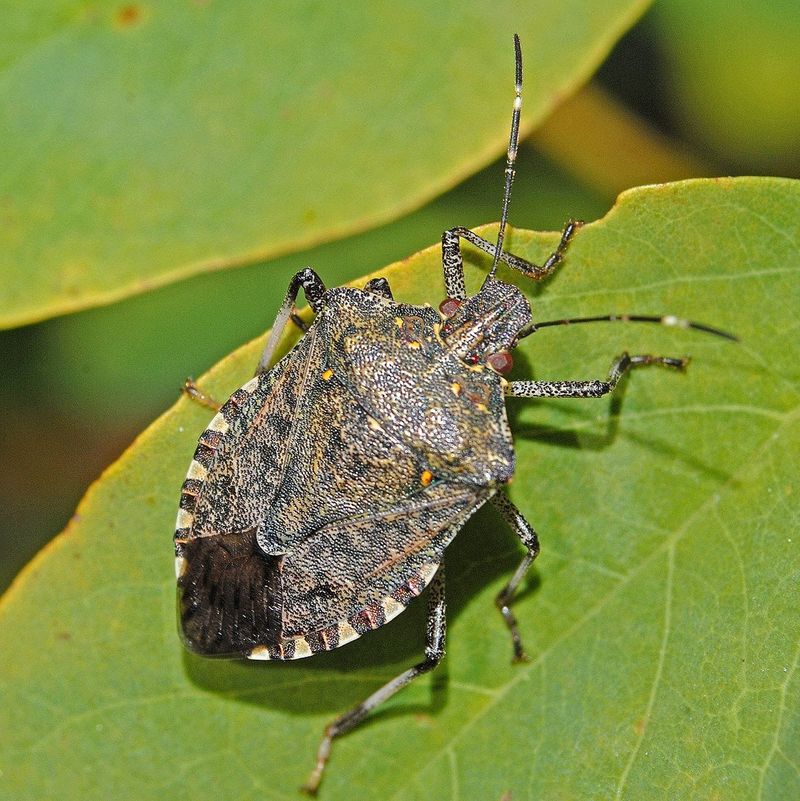
Before a stink bug ever touches your window screen, it almost always spends time in your yard first. Gardens, ornamental plants, and fruit trees act as staging areas where these insects feed and gather strength.
Tomatoes, peppers, beans, and corn are among their favorite food sources in home gardens. If you grow any of these crops, your yard is already on their radar as a reliable food stop.
Ornamental plants like roses, butterfly bushes, and fruit-bearing shrubs also attract them in large numbers. Stink bugs are not picky, and a diverse garden essentially creates a buffet they cannot pass up.
Woodpiles stacked close to the house give them a perfect hiding spot between feeding sessions. Those shaded, warm gaps between logs are practically five-star accommodations for a stink bug on the move.
Tall grass and dense ground cover near the foundation create a natural bridge from the yard to your walls. Keeping a clear zone of about two feet around your home’s base removes that bridge entirely.
Bird feeders and compost piles near the house also add to the attraction, providing both food scraps and moisture. Moving these items farther from the structure is a simple step with real results.
Think of your yard as the interview room before stink bugs apply for a spot inside your house. A well-maintained perimeter means fewer candidates ever make it to the front door for consideration.
Here’s What To Do When You Find One Inside
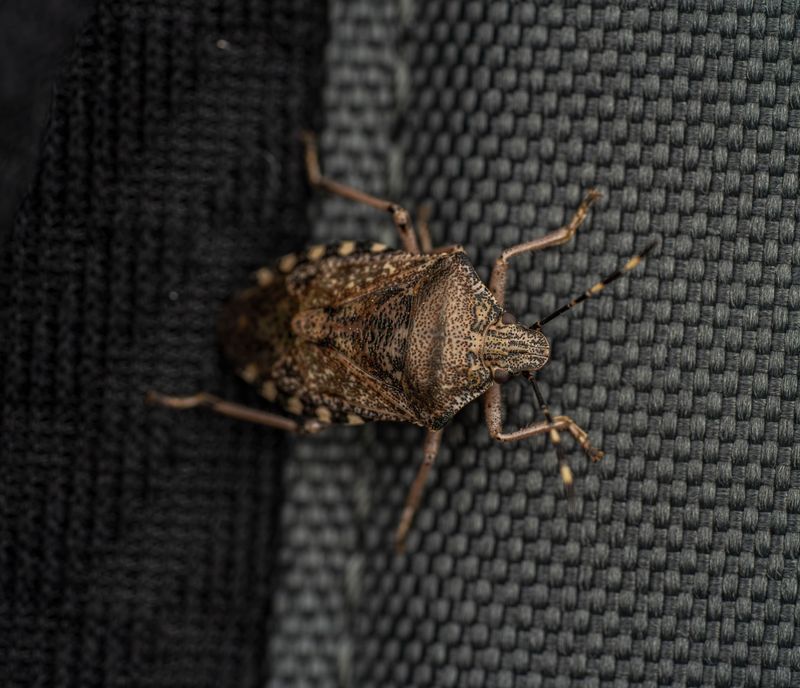
Finding a stink bug inside your home does not have to turn into a disaster. The key is staying calm and resisting the urge to squash it, because that is exactly when the stink kicks in.
The best method is to capture it using a plastic bag or a glass jar. Slip the container over the bug gently, then seal it and take it outside without squeezing or pressing on the insect.
Flushing it down the toilet is another option that works well and avoids any odor entirely. The water prevents any defensive spray from reaching the air inside your bathroom.
Some people swear by a vacuum cleaner for quick removal, but this method comes with a catch. The crushed bug releases its odor directly into the vacuum filter, and that smell can linger for days afterward.
Placing a bowl of soapy water under a lamp at night works as a passive trap inside the home. Stink bugs fly toward the light, fall into the water, and cannot escape the surface tension.
If you are finding multiple bugs inside each day, that signals a larger entry point problem worth investigating. One or two bugs wandering in is normal, but a daily parade means something needs to be sealed up fast.
Stay patient and methodical, because consistent effort always beats a panicked reaction when dealing with insects. Stink bugs finding their way into Virginia homes this summer can be managed with the right approach and a steady hand.
The One Prevention Habit That Actually Works All Season Long
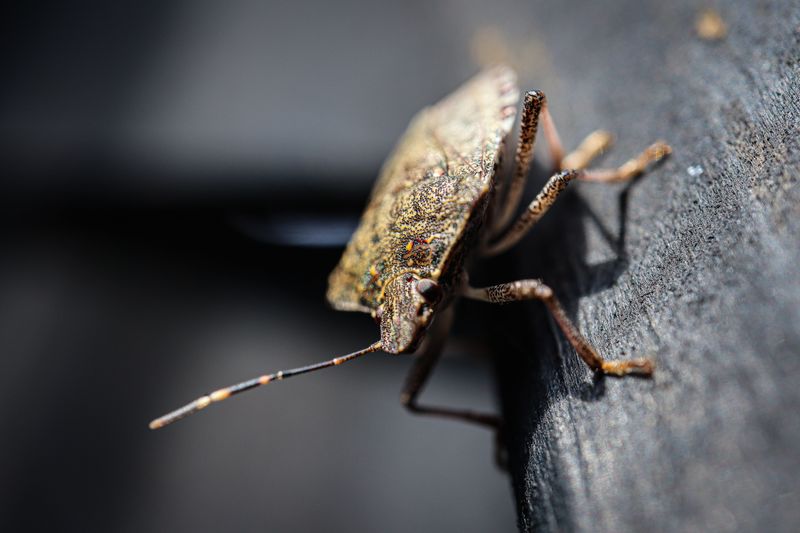
Most stink bug advice focuses on reacting after the bugs are already inside, but prevention is where the real power lies. Building one consistent habit this summer can dramatically reduce how many bugs ever make it through your walls.
Do a perimeter check of your home every two weeks during summer months. Walk slowly around the entire exterior, looking for new cracks, damaged screens, or gaps that appeared since your last inspection.
Keep caulk and weatherstripping on hand so repairs happen immediately instead of being added to a future to-do list. A five-minute fix today prevents a hundred bugs from finding a new entry point next week.
Trim back any shrubs, vines, or tree branches that touch the exterior walls of your home. Plant contact creates a living ladder that insects use to climb directly onto your siding and toward open gaps.
Switch outdoor lighting to motion-activated fixtures so bright light is not shining all night attracting insects. Less light exposure means fewer bugs gathering near your doors and windows after sunset.
Installing door sweeps on every exterior door takes less than an hour and delivers protection that lasts an entire season. This single upgrade blocks not just stink bugs but dozens of other crawling insects as well.
The homeowners who stay ahead of stink bugs finding their way into Virginia homes this summer are the ones who treat prevention as a routine. Make it a habit, and your home stays your own all season long.