The Annual Flowers Virginia Homeowners Should Root In Water This Weekend
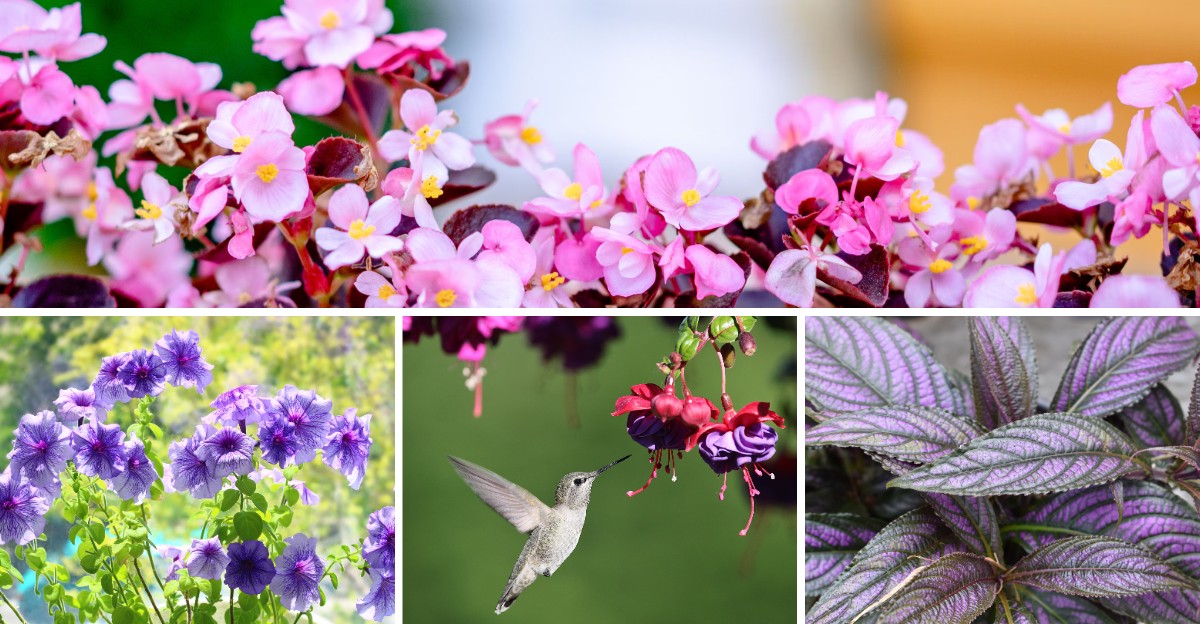
Can your coleus outlast a Virginia cold snap? Tender begonias, geraniums, and impatiens wilt fast when temperatures dip below freezing.
You can save them with scissors, a clear jar, and tap water. Snip a healthy stem just below a leaf joint.
Strip the lower leaves so your cutting stays clean underwater. Place the jar on a bright sill, and roots appear within weeks.
Coleus sprouts white threads fast, so you will spot progress quickly. Skip the nursery bill and multiply your favorites for pennies.
Pinch off any buds, because you want energy flowing toward roots. Change the water when it turns murky and you protect those tender stems.
Pot the rooted cuttings in soil, and your counter hosts a leafy party. Act before a chilly Virginia night surprises you. Watch your favorite blooms return in spring, bigger and bolder.
1. Coleus For Bold Color In Shady Spots
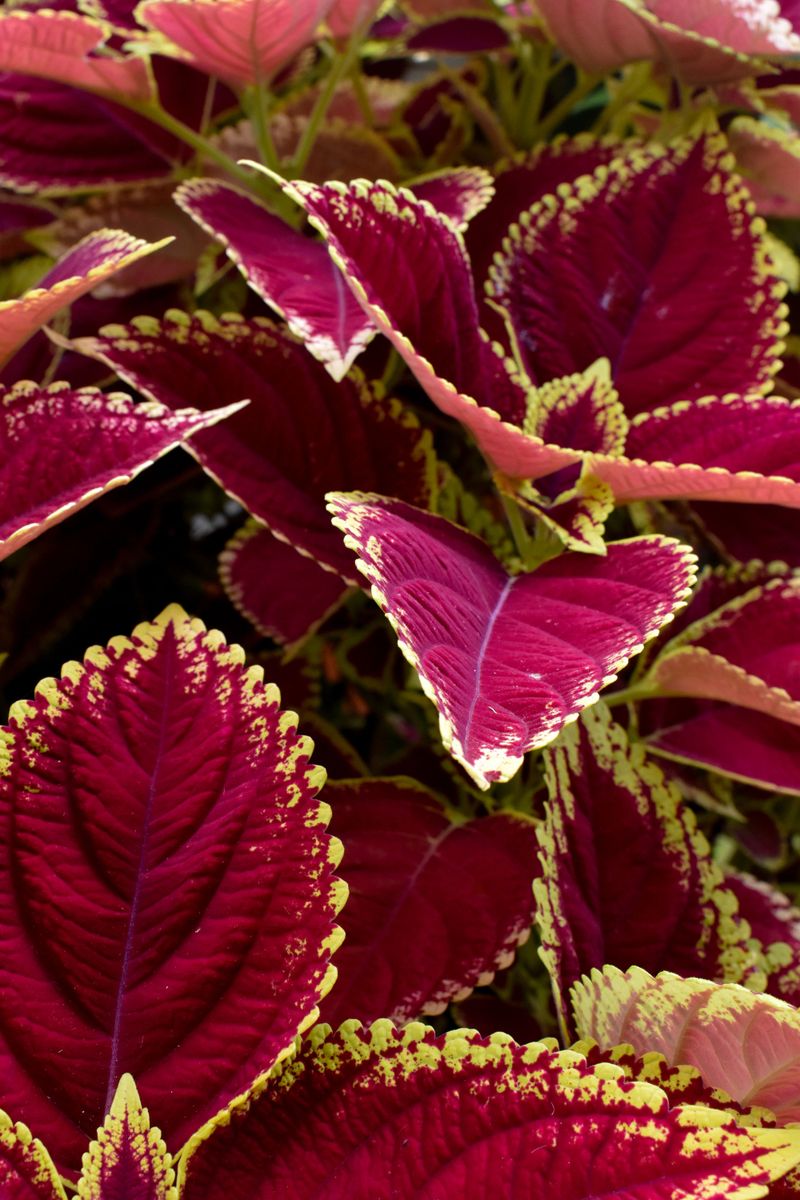
Picture a leaf painted in lime, burgundy, and hot pink, like a sunset that got lost. Coleus is that standout, and it roots in water readily, often within a week or two.
Snip a healthy stem about four to six inches long, cutting just below a leaf node. Pull off the lower leaves so nothing sits underwater and begins to decay in the jar.
Set the cutting in a clear glass of room-temperature water near a bright window. Direct afternoon sun can scorch the leaves, so morning light works best for most Virginia homes.
Within a week or two, you should spot tiny white roots poking out like curious whiskers. Swap the water every few days to keep it fresh and clear of slimy film.
Some Virginia gardeners keep coleus cuttings growing in water on a kitchen counter through winter. The plants stay leafy for months, though soil gives sturdier growth.
Pinch off any flower spikes that appear, since blooms divert energy from the colorful leaves. Pinching the tips also keeps the plant bushy instead of tall and floppy.
Older varieties like Kong and Wizard handle shade, while newer sun coleus types tolerate brighter spots. Try rooting a few of each to see which ones your yard likes best.
Pot the rooted cuttings in soil, then harden them off outside for a week once nights stay above 50 degrees. Depending on your region, that falls between late April and mid-May.
2. Impatiens For Easy Blooms On Windowsills
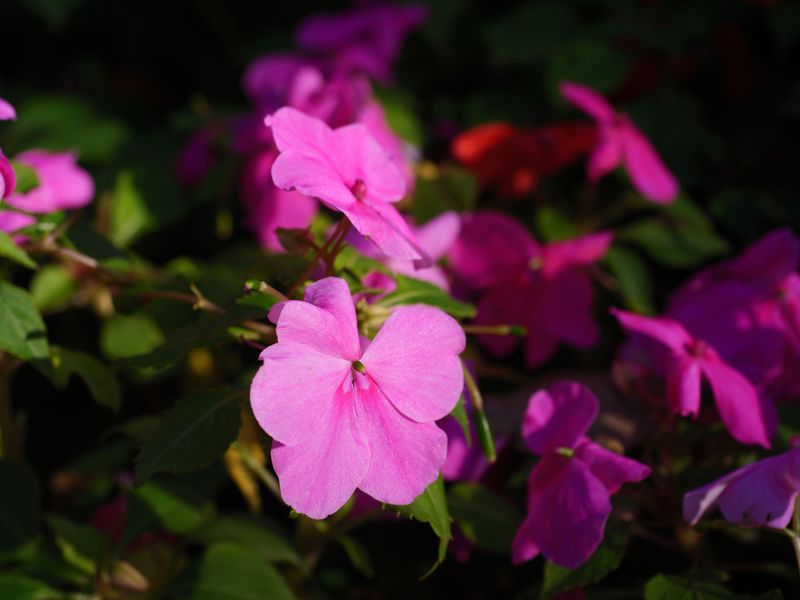
Many gardeners keep a row of jelly jars on the sill, each one holding a pink impatiens stem. Those jars can brighten a kitchen through winter when the light is strong enough.
Impatiens stems are soft and juicy, which makes them some of the quickest plants to root. Many cuttings show roots in under ten days, even for first-time growers with no experience.
Cut a three to four inch piece from a healthy tip that has no flowers. Strip the bottom leaves and drop it into a small jar of clean, cool water.
Bright, indirect light is the sweet spot, so skip the hot south window in summer. A spot near an east window keeps the soft stems from wilting in the heat.
Your Virginia Garden Changes Every Week. Your Plan Should Too.
Gardening in Virginia changes quickly throughout the season. Every Friday you’ll receive a simple weekly plan showing exactly what to plant, prune, fertilize, harvest, and protect so you never miss the right timing.
Once the roots reach an inch, you can leave them in water or move them to potting mix. Both choices work, though soil plants tend to grow sturdier over time.
Garden centers often sell impatiens flats each spring, so rooting your own can save real money. A handful of cuttings taken now can fill a whole bed next year.
If downy mildew hit your impatiens this year, skip cuttings from those plants, since symptom-free plants can still carry it.
New Guinea impatiens resist the disease, root just as easily, and handle more sun than the classic kind. Add a few to your windowsill display for a cheerful pop of color through gray February days.
3. Sweet Potato Vine For Trailing Pots And Baskets
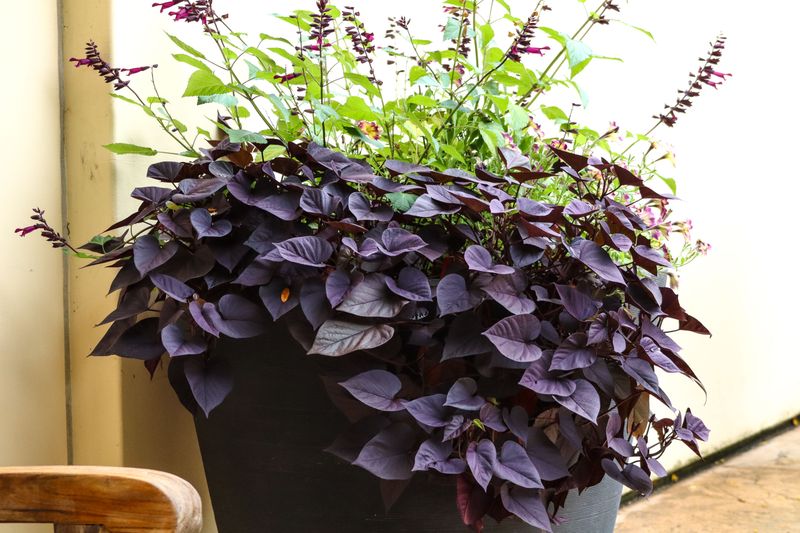
Ever watched a sweet potato vine spill over a porch pot like a green waterfall? That same vine will happily grow new roots in a glass of water on your counter.
Ornamental sweet potato comes in chartreuse, deep purple, and even bronze leaves, many of them shaped like hearts. It belongs to the same species as the sweet potatoes you bake for Thanksgiving dinner.
Snip a six inch section of vine with at least two or three leaf nodes. Those little bumps along the stem are where the brand new roots will sprout.
Remove the leaves that would sit below the waterline, then place the cutting in a tall glass. Roots often show up within five to seven days, so progress is easy to spot.
The vines love warmth, so keep them away from drafty doors and chilly glass during winter. A shelf near a sunny kitchen window can work surprisingly well for them.
One healthy vine can give you many cuttings, so you can fill several hanging baskets for little cost. Share extras with neighbors, who will welcome the free plants.
Change the water weekly and trim any stems that grow too long, thin, and leggy. The trimmings can go right back into water to start even more plants.
Once your area’s last frost has passed, usually by mid-May, move the rooted vines into sunny porch containers. They grow fast in humid summer heat and will soon tumble over the edges again.
4. Wax Begonias For Low-Maintenance Little Bloomers
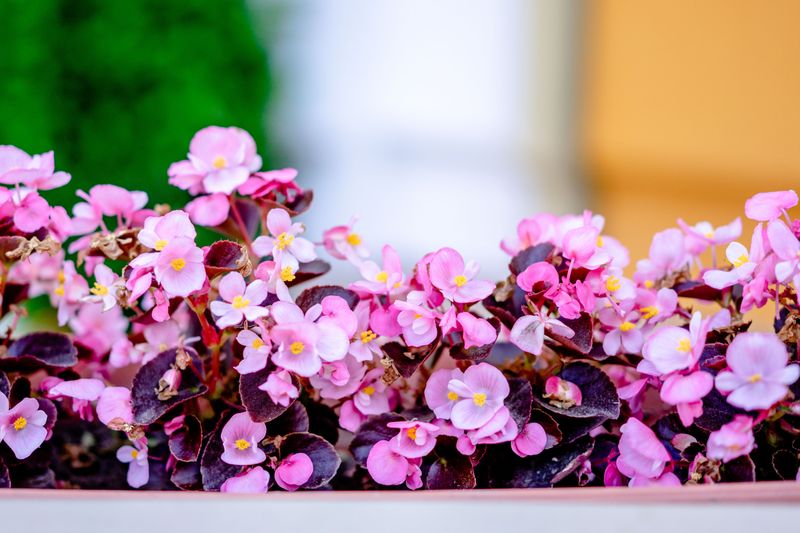
Wax begonias are dependable bloomers, flowering through heat and humidity with little care. Their shiny, rubbery leaves look like someone polished them with a soft cotton cloth.
Take a cutting about four inches long from a stem that is not currently flowering. Clip off the lower leaves and any buds so the stem can focus on roots.
Begonias are fleshy, so they can rot if the water gets warm, cloudy, or stale. Use a small, narrow jar and refresh the water every two or three days.
Expect roots in about two to three weeks, a little slower than coleus but steady. Patience pays off, because a rooted begonia can keep blooming indoors through winter with bright light.
They thrive in bright, filtered light, like the kind you get through a sheer curtain. Too much hot sun on a windowsill can scorch or fade the leaves.
Virginia summers are hot and humid, and wax begonias tolerate that weather well. That toughness makes them worth saving instead of buying new flats each year.
Once roots reach an inch long, plant each cutting in a small pot with light, airy mix. Water only when the top of the soil feels dry to your fingertip.
By spring, you could have a dozen compact plants ready to edge a walkway or fill window boxes. Not bad for a few snips and some plain tap water from the sink, right?
5. Geraniums For Classic Porch Color
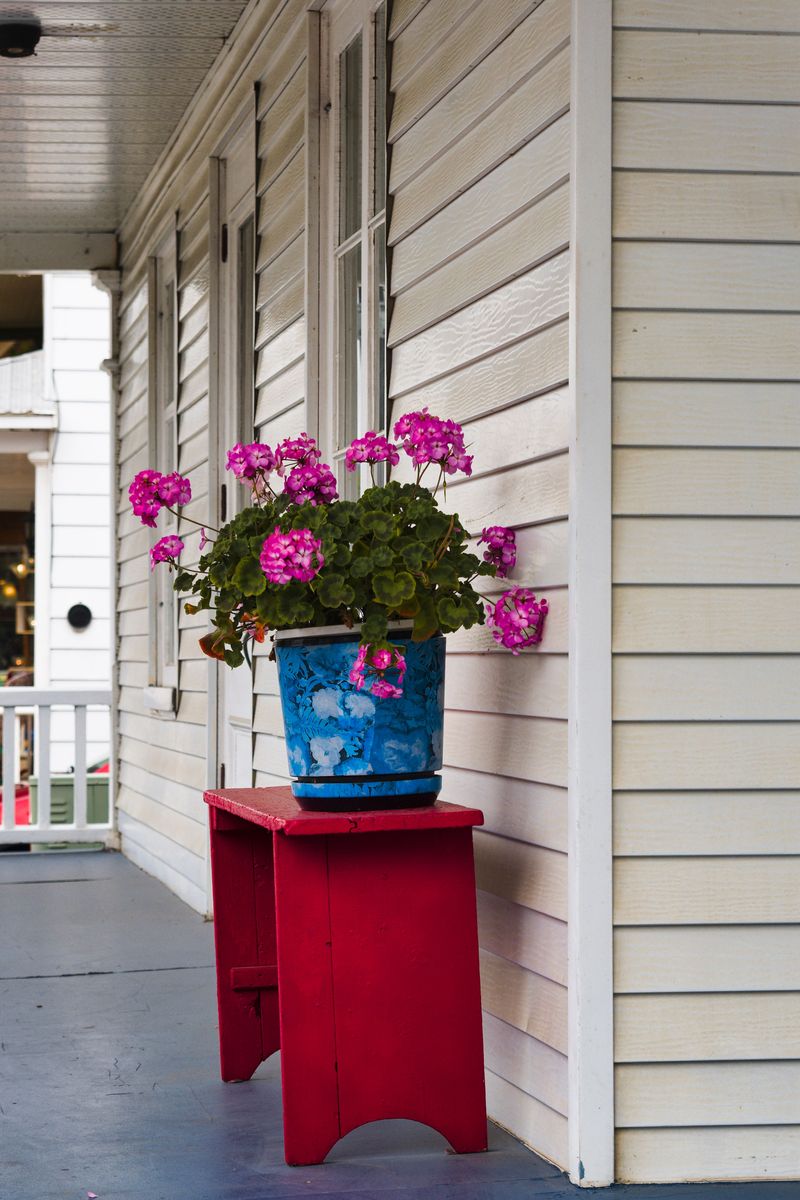
Red geraniums on a brick porch step are a classic Virginia sight. Gardeners have saved them over winter for generations, and you can join that long tradition.
Geraniums are riskier to root in water than the other plants here because the stems rot easily. Potting mix is the safer choice, though water can work if you follow the tips below.
Cut a four inch piece just below a node and remove all but the top two leaves. Let the cut end dry overnight or longer, until it forms a callus, before it goes into water or soil.
Use only an inch or two of water so the stem does not sit too deep. An opaque jar, like an old mug, can help since roots prefer some darkness.
Roots usually appear in two to four weeks, so keep the water fresh while you wait. If the stem turns black and squishy, discard it and try another cutting.
Take several cuttings at once from different stems, since a few may not make it. Even a fifty percent success rate gives you plenty of plants for spring pots and window boxes.
Once rooted, move them into small pots of gritty, well-drained soil and give them your sunniest window. Geraniums love light and may bloom in winter if they get very bright light or a grow light.
Pinch the tips in late winter to make them bushy before planting outside in May. Your porch steps will look full and colorful, at much lower cost.
6. Petunias For Easy Spring Starts
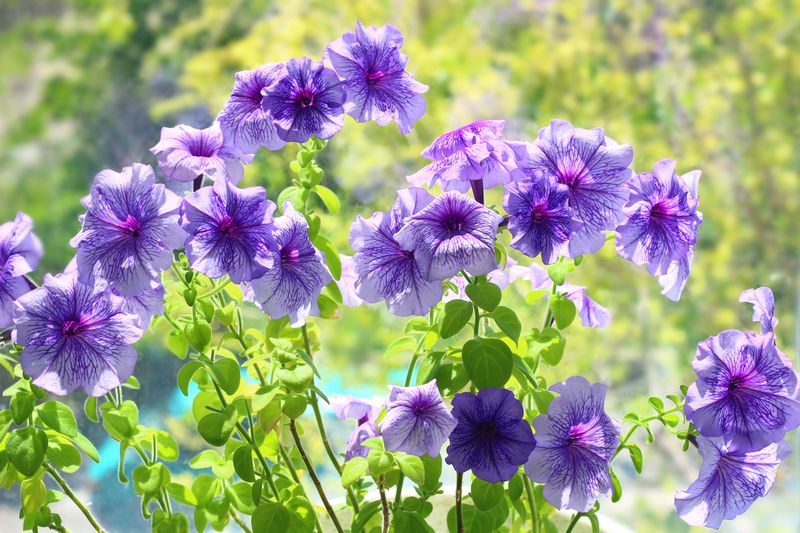
Lean close to a purple petunia on a warm evening and you might catch a sweet, spicy perfume. Many gardeners don’t realize this summer favorite can be rooted in plain water.
Trailing types root especially well because their stems are soft and fast-growing. Look for a healthy stem tip about three to four inches long with no flowers.
Petunia stems get sticky, so do not worry if your fingers feel a bit gummy. Snip below a node, strip the lower leaves, and remove any flowers or buds.
Place the cutting in a shallow glass of water in bright, indirect light near a window. In about one to two weeks, thin white roots should start curling around the bottom.
Petunias need lots of light indoors, or they will stretch and look leggy by January. A cheap LED grow light on a timer makes a noticeable difference in Virginia’s short winter days.
Pot up your rooted cuttings in light soil once the roots are about an inch long. Feed them lightly every few weeks with a diluted liquid fertilizer to keep them perky.
Many newer petunia varieties are patented, and plant tags often prohibit unauthorized propagation of any kind. Check the tag before taking cuttings.
Come May, harden the plants off and set them in pots, baskets, or sunny beds. That sweet evening perfume may be back on your porch before you know it.
7. Persian Shield For Shimmering Purple Foliage
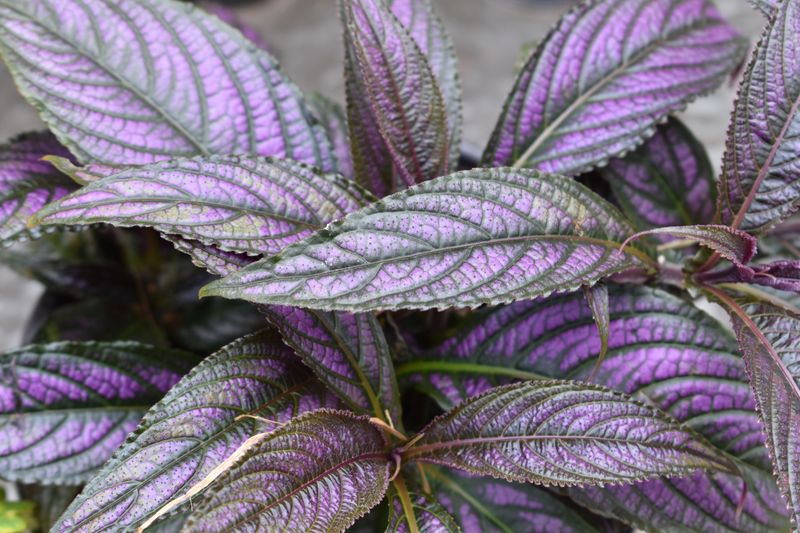
Imagine a leaf that shimmers purple and silver, like it was dipped in nail polish and glitter. Persian shield is a foliage annual that turns heads in any Virginia container garden.
Native to Myanmar, it grows as a shrub in warm climates but cannot handle frosty Virginia winters outdoors in most of the state.
Cut a stem about five inches long and remove the bottom pair of leaves. The big upper leaves can be trimmed in half to save the cutting some energy.
Drop it into a jar of water and set it somewhere warm with soft, bright light. Roots usually appear within two weeks, often sprouting right from the leaf nodes.
Low light dulls that famous shimmer, so give it the brightest spot you can without harsh sun. Leaves tend to stay most colorful when the plant is young and freshly rooted.
Older plants tend to get leggy and lose some sparkle by late summer anyway. Starting fresh cuttings each fall gives you bright new plants with vivid color.
Pair potted Persian shield with lime coleus or orange flowers for a bold indoor display. It looks especially striking against white walls, gray tile, or a pale kitchen backsplash.
Keep the soil lightly moist after potting, since the plant wilts when it dries out. By June, your purple beauty will be ready to shine in shady porch pots again.
8. Fuchsia For Dangling Hummingbird Favorites
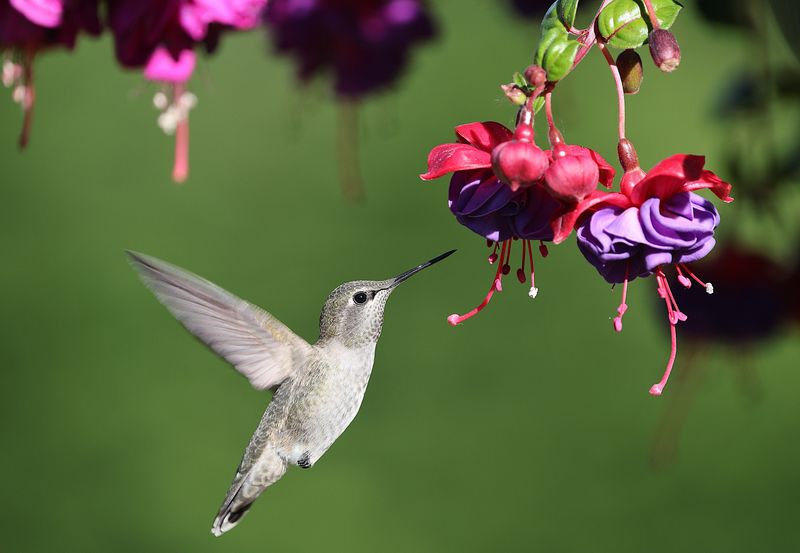
Hummingbirds zip straight to fuchsia blooms, which hang like tiny pink and purple ballerinas in a basket. Saving one plant over winter means those dancers return to your porch next spring.
Fuchsias struggle in Virginia’s hottest weeks, so many arrive in fall leggy and past their peak. A fresh cutting gives you a clean start without bringing a leggy basket indoors.
Choose a soft, green tip about three inches long, with a couple sets of leaves. Remove the bottom leaves and any dangling flowers before placing it in a jar of water.
Fuchsias like it cool, so a spot around 60 to 70 degrees works best for rooting. Avoid sunny windowsills that heat up in the afternoon like a car dashboard.
Roots generally appear within two to three weeks if you change the water often. Once they reach an inch, tuck the cutting into a small pot of moist, rich soil.
Dry indoor air and low winter light can make delicate fuchsia leaves drop early. Setting the pot on a tray of damp pebbles adds a little humidity around the plant.
Pinch the growing tips a few times through winter to create a full, rounded shape. Every pinch means more branches, and more branches mean more of those dangling flowers later.
Hang your new basket outside in a shady spot once nights stay above 50 degrees. Then pour a glass of lemonade and watch for the first hummingbird to swing by.