Here Is Why June Watering Makes Such A Difference For New Jersey Tomatoes
June is the month that shapes your entire tomato season. In New Jersey, the days stretch long, the soil warms quickly, and tomato plants shift into a demanding phase of growth all at once.
They are flowering, setting fruit, and pushing new growth at the same time. That combination puts real pressure on the root system, and water is what keeps everything moving in the right direction.
Too little and the plants struggle to deliver. Too much and the fruit pays the price in other ways. The decisions you make with your watering routine this month tend to ripple through the rest of the season in ways that are not always obvious until harvest time.
New Jersey summers can be unpredictable, and June sets the tone before the real heat arrives.
A thoughtful approach now makes a noticeable difference later. What you do in June is the foundation your whole harvest rests on.
1. June Marks The Start Of Heat Stress Season
Temperatures above 85 degrees Fahrenheit can begin to affect tomato plant performance in ways many gardeners do not expect.
June in New Jersey often brings that kind of heat within the first two weeks.
Your plants can shift from steady spring growth to a more demanding phase quite quickly.
When the air heats up, plants pull water from the soil at a much faster rate. Roots work harder, leaves lose moisture through tiny pores, and the whole system comes under pressure.
Without consistent watering, the plant starts making tough choices about where to send water first. Fruit development, flowering, and new leaf growth all compete for the same limited moisture supply.
Stressed tomatoes often drop flowers before they even have a chance to turn into fruit. That dropped flower is a lost tomato, and those losses add up over the course of the month.
June watering is not just about keeping plants alive. It is about keeping them productive during the most demanding stretch of the growing season.
A plant that stays consistently hydrated in June is generally better positioned for a productive harvest come August.
2. Tomatoes Set Critical Fruit During June
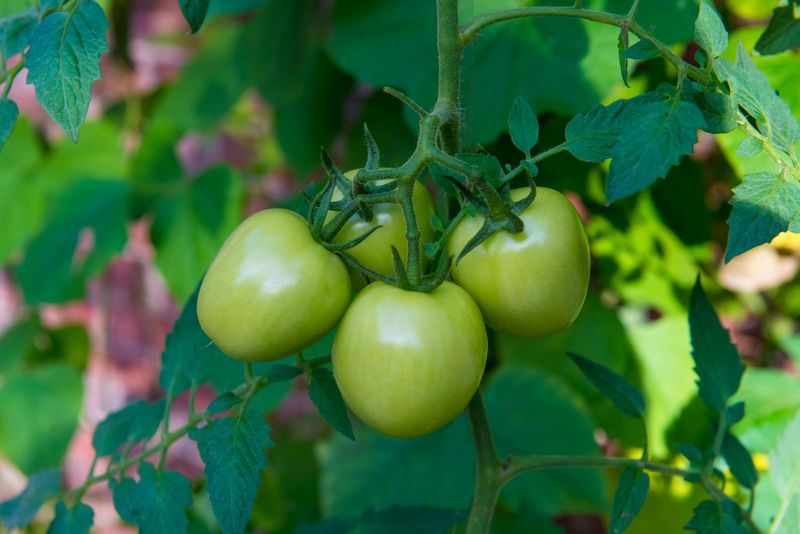
Tiny green tomatoes forming on the vine are one of the most exciting sights in any backyard garden.
June is exactly when that process begins for most New Jersey growers. But fruit set can be sensitive to growing conditions in ways that are easy to overlook.
Tomatoes need steady soil moisture to complete the pollination process and hold onto developing fruit.
If the soil swings between soaking wet and bone dry, the plant can struggle to maintain consistent growth. That kind of inconsistency can contribute to flower drop, which may result in fewer tomatoes later in the season.
The science behind it is straightforward.
Pollen becomes less viable when temperatures spike and humidity drops suddenly. Consistent watering helps buffer those temperature swings at the root level, keeping the plant calmer and more focused on producing.
Think of June fruit set like laying a foundation. Everything built on top depends on how solid that base is.
Your New Jersey Garden Changes Every Week. Your Plan Should Too.
Gardening in New Jersey changes quickly throughout the season. Every Friday you’ll receive a simple weekly plan showing exactly what to plant, prune, fertilize, harvest, and protect so you never miss the right timing.
Gaps in watering during this period can have a noticeable effect on how many tomatoes develop later in the season.
Many of the tomatoes that ripen in August begin as flowers in June, and consistent moisture gives those flowers the best chance of developing.
3. Inconsistent Watering Causes Blossom End Rot
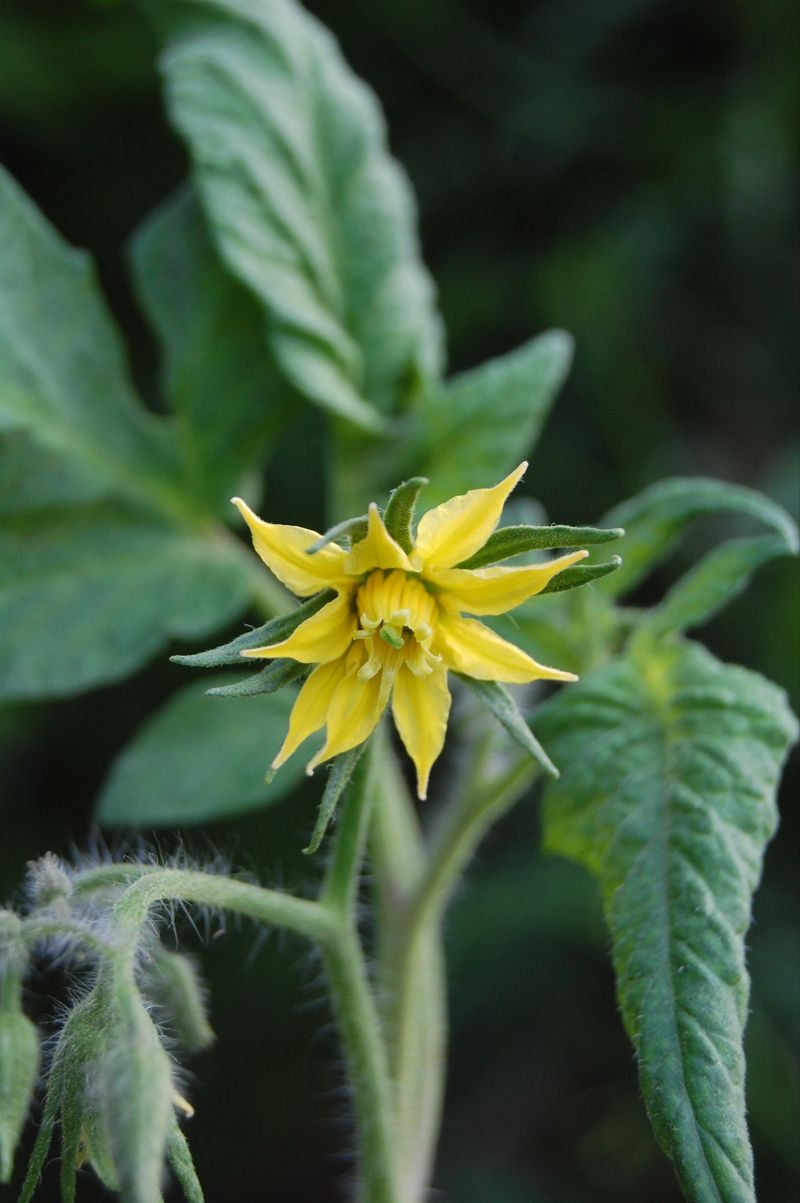
Few things are more discouraging than slicing open a tomato only to find a dark, sunken patch on the bottom.
Blossom end rot is one of the most common problems home gardeners face, and it is closely tied to watering habits.
The underlying cause is typically a calcium uptake issue rather than a pest or disease.
Tomato plants need calcium to build strong cell walls in developing fruit.
But calcium only moves through the plant when water is moving through it too. Uneven watering, like going three dry days followed by a heavy soak, interrupts that calcium flow at a critical time.
The bottom of the fruit, which develops first, can be left short of the calcium it needs. The result is that dark patch that turns a promising tomato into a disappointment.
In many cases, fixing this problem does not require sprays or additional soil amendments. Steady, consistent moisture throughout June is among the most effective approaches available.
Once you stabilize your watering schedule, new fruit will generally come in clean and healthy.
4. Morning Watering Reduces Fungal Pressure
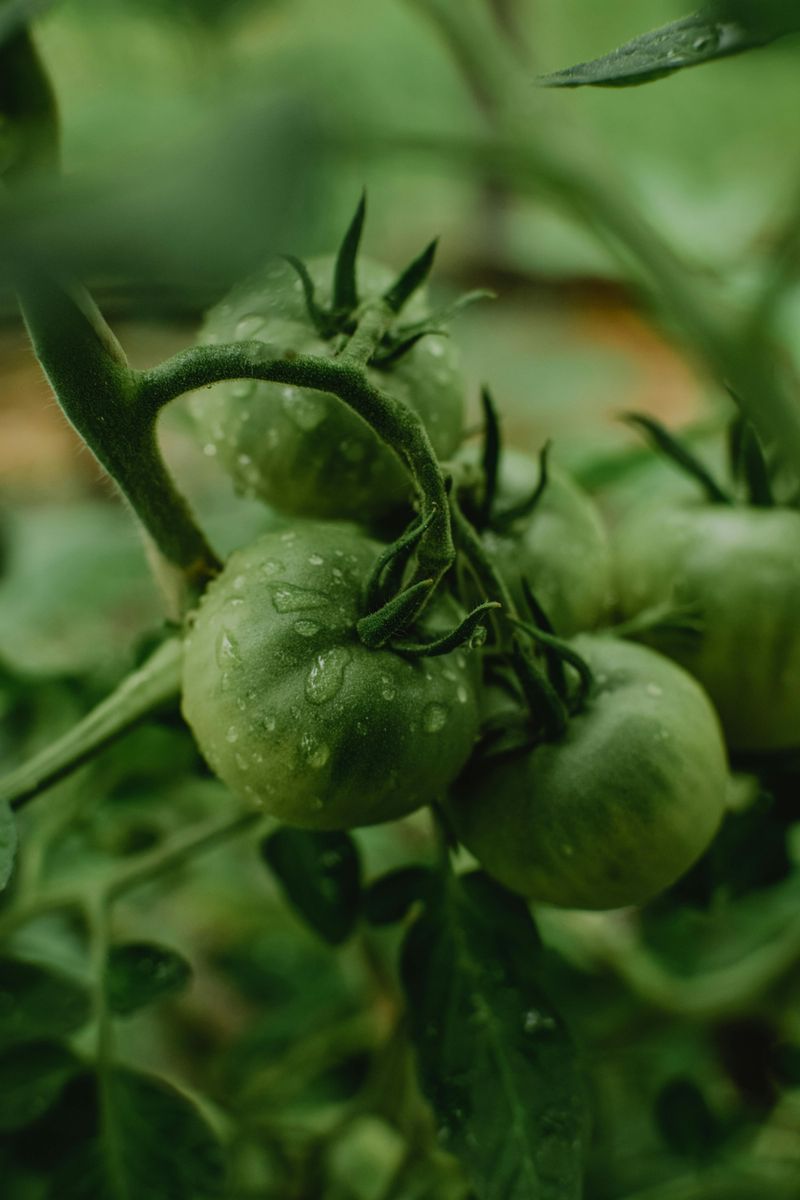
Watering your tomatoes in the morning is one of those small habits that tends to pay off in a meaningful way.
The reason comes down to how fungal diseases spread, and tomatoes are particularly susceptible to several common fungal diseases.
Early blight and Septoria leaf spot both thrive on wet foliage that stays damp for hours.
When you water in the morning, any moisture that splashes onto leaves has the entire day to dry off.
Sunshine and airflow do the work for you, keeping the leaf surface dry and less hospitable to fungal spores. A dry leaf surface gives fungal spores fewer opportunities to take hold.
Morning watering also gives plants a full supply of moisture heading into the hottest part of the day.
Roots absorb water efficiently in the cooler morning hours before soil temperatures climb.
That absorbed moisture acts like a reserve the plant draws from during afternoon heat. June watering timing is not complicated, but it does require a small routine shift if you are used to evening garden sessions.
Getting outside with the hose before 9 in the morning gives your plants a meaningful advantage.
Your plants will handle the afternoon heat more comfortably, and you may notice fewer spotted and yellowing leaves as summer progresses.
5. Evening Watering Invites Overnight Disease
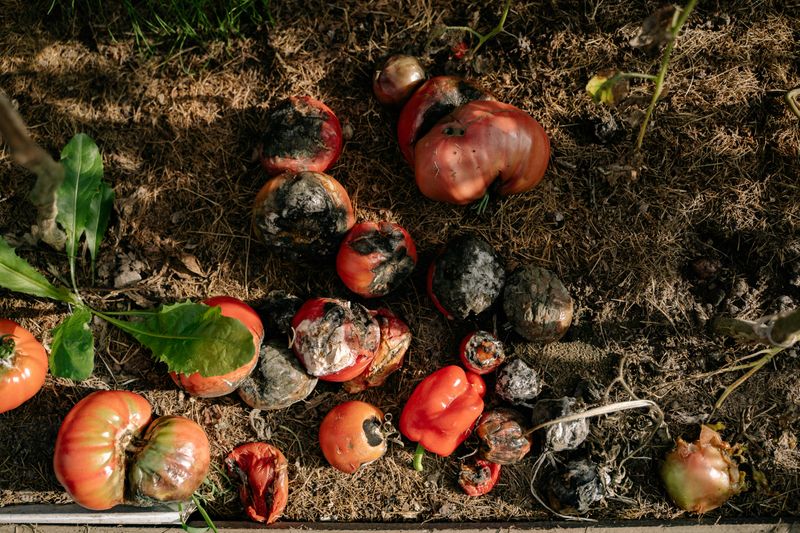
Evening watering is convenient, but it can create conditions that work against your tomato plants overnight.
Wet leaves heading into a cool, calm night create conditions that fungal spores tend to favor.
Those spores are already present in most gardens, and they need moisture and time to establish themselves.
Overnight temperatures in June rarely get low enough to dry foliage quickly.
Humidity stays relatively high, air movement slows down, and moisture can sit on leaves for eight or more hours.
That extended window gives early blight, late blight, and powdery mildew an opportunity to take hold.
Once fungal disease establishes itself on a tomato plant, it can spread relatively quickly.
Leaves yellow, then brown, then drop. A plant that loses leaves loses its ability to photosynthesize and feed developing fruit.
Shifting your schedule from evening to morning, even a few days a week, can make a noticeable difference in plant health by midsummer. If mornings are genuinely not an option, watering at the base with a soaker hose in the evening at least keeps the foliage dry.
The goal is always the same: keep the leaves dry when darkness falls.
6. Deep Watering Builds Stronger Roots
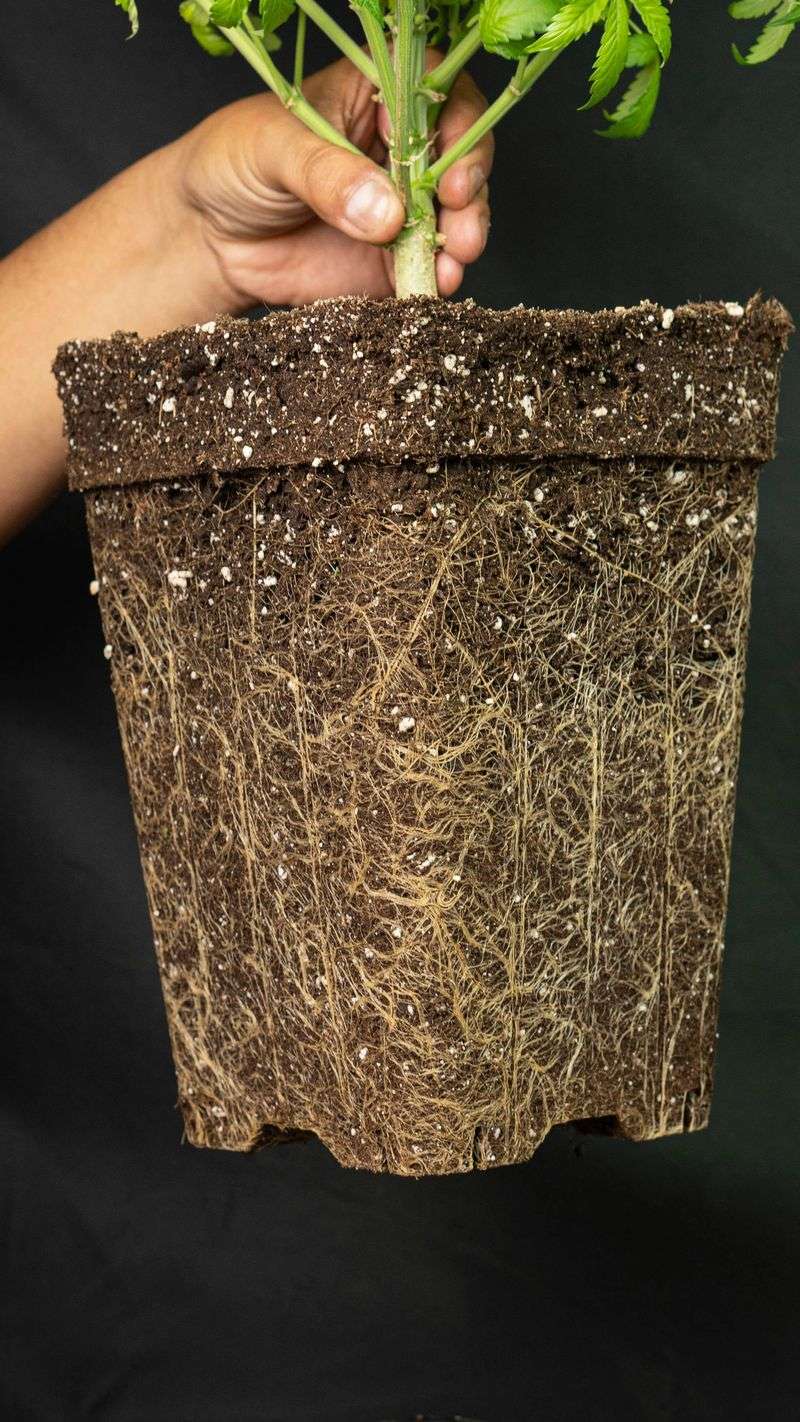
Shallow, frequent watering is a common habit that can limit how well a tomato plant develops over time.
When water only penetrates the top inch or two of soil, roots have little reason to grow downward.
They stay near the surface, where they are more vulnerable to heat, drought, and soil temperature swings.
Deep watering encourages roots to grow down toward cooler, more stable layers of soil.
A root system that extends six to twelve inches down has access to moisture reserves that surface roots cannot reach. That depth gives plants a better chance of staying productive during stretches of dry, hot weather.
Achieving deep watering is more straightforward than it might seem.
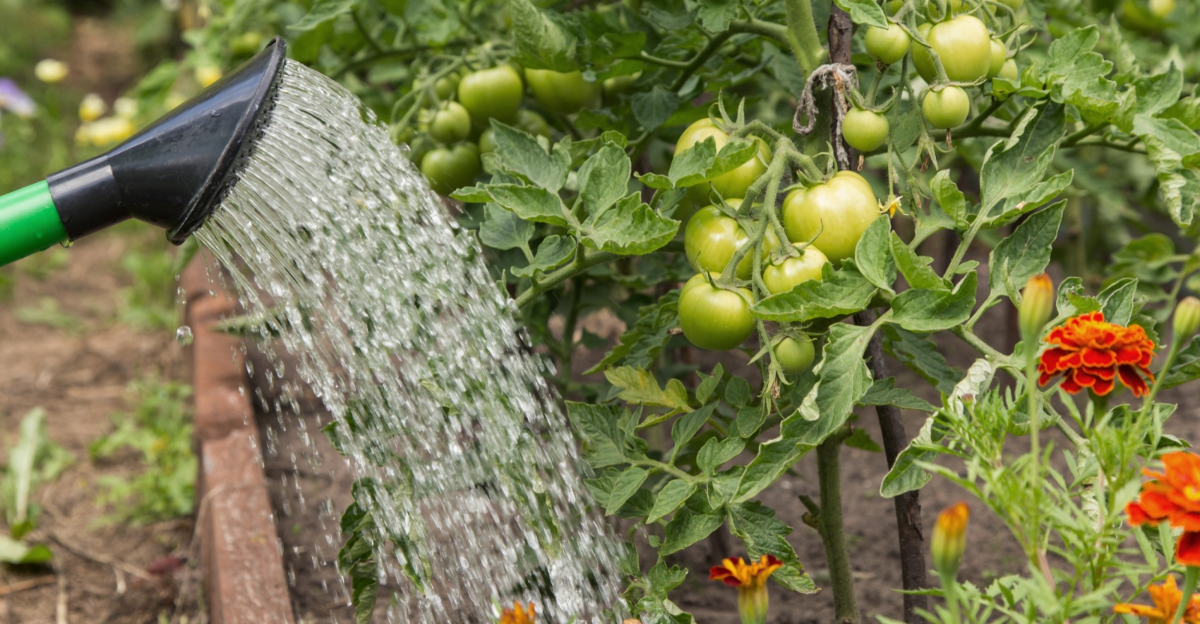
Slow, steady application at the base of the plant for several minutes allows water to soak in rather than run off. Soaker hoses and drip irrigation systems work particularly well because they deliver water slowly right where it is needed most.
June is a good month to encourage your tomato roots to grow deep. The plants are still developing, and the season ahead is long enough to benefit from that stronger root foundation.
Roots that go deep in June tend to serve your plants well through the heat of August.
7. June Soil Temperatures Accelerate Moisture Loss
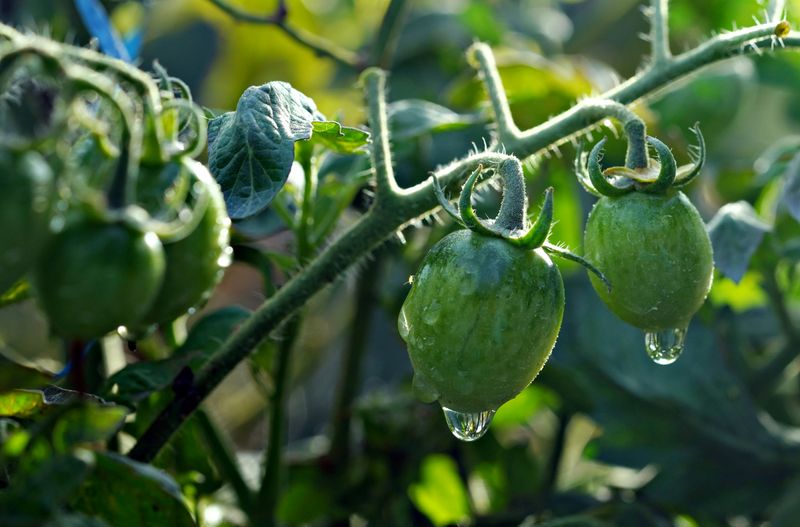
Soil in a New Jersey garden can reach 80 degrees or higher by mid-June, especially in raised beds and containers.
At those temperatures, moisture evaporates from the top layers of soil at a pace that can catch gardeners off guard.
What felt like a thorough watering in the morning can be largely depleted by the following afternoon.
Many gardeners underestimate how quickly warm soil loses water.
They water on their usual schedule and assume the plants are receiving enough.
But soil moisture levels can drop significantly between waterings without any obvious signs above ground.
Checking soil moisture is easy and takes only a few seconds. Push your finger about two inches into the soil near the base of the plant.
If it feels dry at that depth, it is worth watering regardless of what the calendar says.
June soil temperatures also affect how roots absorb nutrients. A plant under moisture stress in hot soil may struggle to take in the nitrogen, phosphorus, and other elements it needs to grow and produce fruit.
Watering is not just about hydration. It is about keeping the entire nutrient delivery system functioning through the growing season.
Consistent June moisture helps keep everything else moving in the right direction.
8. Mulching Reduces How Often You Need To Water
A two to three inch layer of mulch around your tomato plants is a practical and worthwhile step to take in June.
Straw, wood chips, or shredded leaves all work well, and the benefits become apparent fairly quickly.
Mulch slows evaporation and helps keep roots cooler during hot afternoons.
Gardens without mulch can lose moisture considerably faster than mulched beds during peak summer heat. That difference means mulching alone can meaningfully reduce how often you need to water.
For busy gardeners, that kind of reduction in watering frequency is a meaningful and practical benefit.
Mulch also suppresses weeds, which compete with tomatoes for soil moisture.
Fewer weeds mean less competition and more water staying where it belongs, at the roots of your tomato plants. It is one material doing two useful jobs at the same time.
Applying mulch in early to mid-June, before the real heat arrives, gives you the most benefit for the rest of the season.
Pull the mulch back slightly from the main stem to prevent moisture buildup at the base. Then water deeply, lay down that protective layer, and the rest of June tends to feel more manageable.
9. Drought Stress Reduces Fruit Size And Flavor
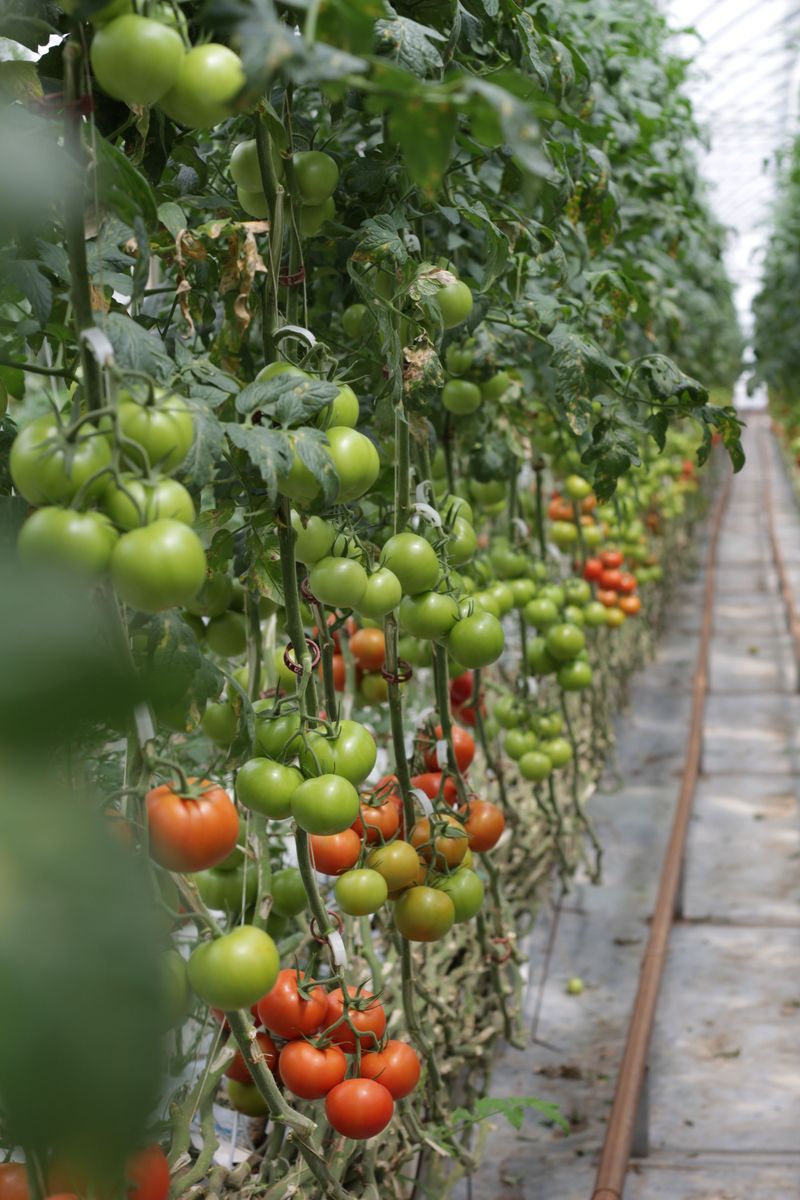
Water is not just keeping your tomato plants alive. It is contributing to the flavor and quality that develops inside the fruit.
Sugars, acids, and aromatic compounds develop more fully when plants have consistent access to moisture throughout the growing season. Reduced moisture can affect that development in noticeable ways.
Drought-stressed tomatoes can be smaller, tougher-skinned, and less juicy than plants that received consistent moisture.
When a plant senses limited water availability, it tends to shift energy toward basic functions rather than fruit quality. The tomatoes it produces can reflect that shift.
Size is the other consideration.
Fruit cells multiply and expand as the tomato grows, and that expansion requires water.
A plant that runs short on moisture during critical growth windows may not produce the large, heavy tomatoes that make the gardening effort feel rewarding.
June watering helps establish the conditions for good flavor and fruit size throughout the rest of the season.
A plant that stays well hydrated through June builds a stronger foundation for the fruit that follows. Inconsistent watering in June can limit the harvest potential before the summer even reaches its peak.
Steady, thoughtful watering in June is one of the more practical ways to improve what ends up on your dinner table.