New York Gardeners Urged to Do This 3-Step Flower Bed Job Now, or Risk Wrecking Roots and Next Summer’s Blooms
Winter cold is rarely the biggest threat to hardy perennial roots. The bigger trouble comes when frozen soil thaws, refreezes, and slowly shoves plant crowns up out of the ground.
Cornell gardening experts call it frost heaving. Shallow-rooted plants and anything planted late in the season get hit hardest, and the damage often hides until spring.
In my own yard, I learned this the hard way. A row of coral bells I adored sat with bare roots poking up like little fists one March morning. Let’s just say they never quite forgave me.
New York winters swing wildly, from Buffalo lake-effect snow to soggy Long Island thaws. For what it’s worth, three simple jobs done right now can steady those roots. So which one have you been skipping?
Those Heaved-Up Perennial Crowns Start With A Fall Mistake
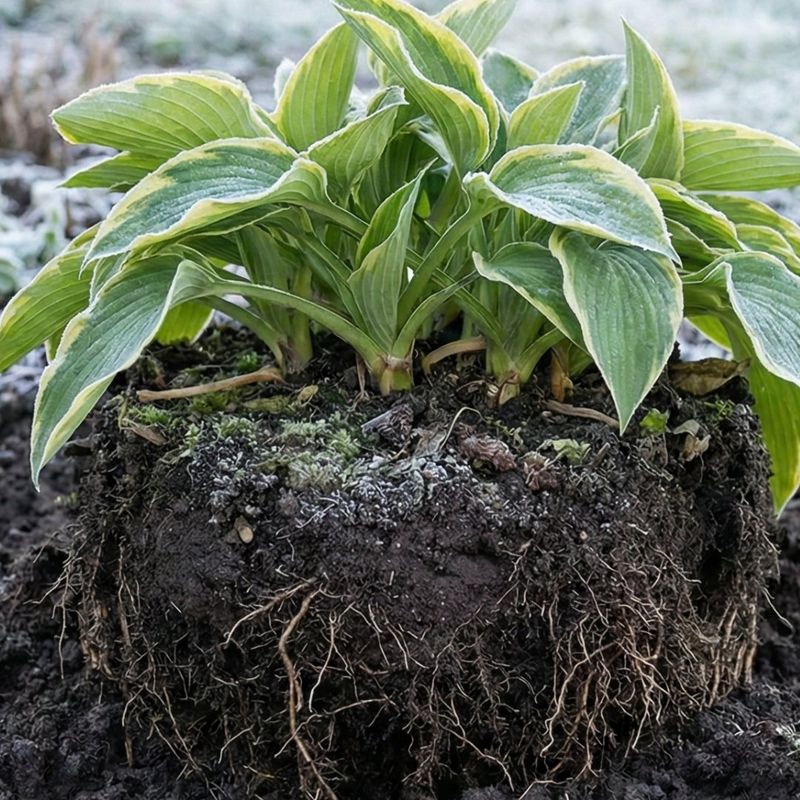
Bare roots sitting on top of the soil in March tell a story. Most of that story was written months earlier, back when the garden looked tidy and quiet.
Soil holds water, and water expands when it freezes. A warm January afternoon softens the ground, then a hard night freezes it again.
Each round nudges plant crowns a little higher, and Cornell experts say young or shallow-rooted plants suffer most.
Heuchera, newly divided hostas, fall-planted mums, and small shrubs are common victims. Once roots are exposed, cold wind dries them out fast.
Plants may limp along, bloom poorly, or fail to return at all.
Disease adds a second layer of trouble. Fungal spores from summer leaf spots and mildew can rest in fallen foliage.
When spring rains splash that debris around, the cycle starts again.
Between you and me, none of this is dramatic to look at in October. The beds simply look finished.
That calm surface is exactly why so many gardeners skip the work.
The fix comes in three linked steps. First, a smart cleanup that removes problem material but leaves helpful stems.
Second, a deep final watering. Third, a mulch layer added at the right moment.
Together, they keep soil temperatures steadier and roots far more secure through the winter.
Pull The Diseased Peony And Phlox Foliage, But Spare The Coneflower Seedheads
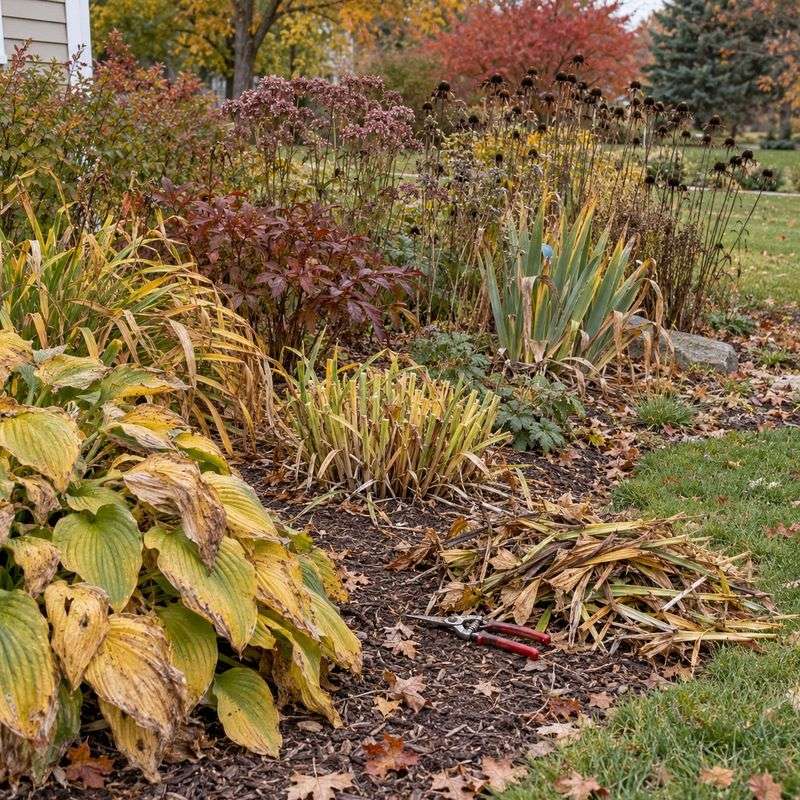
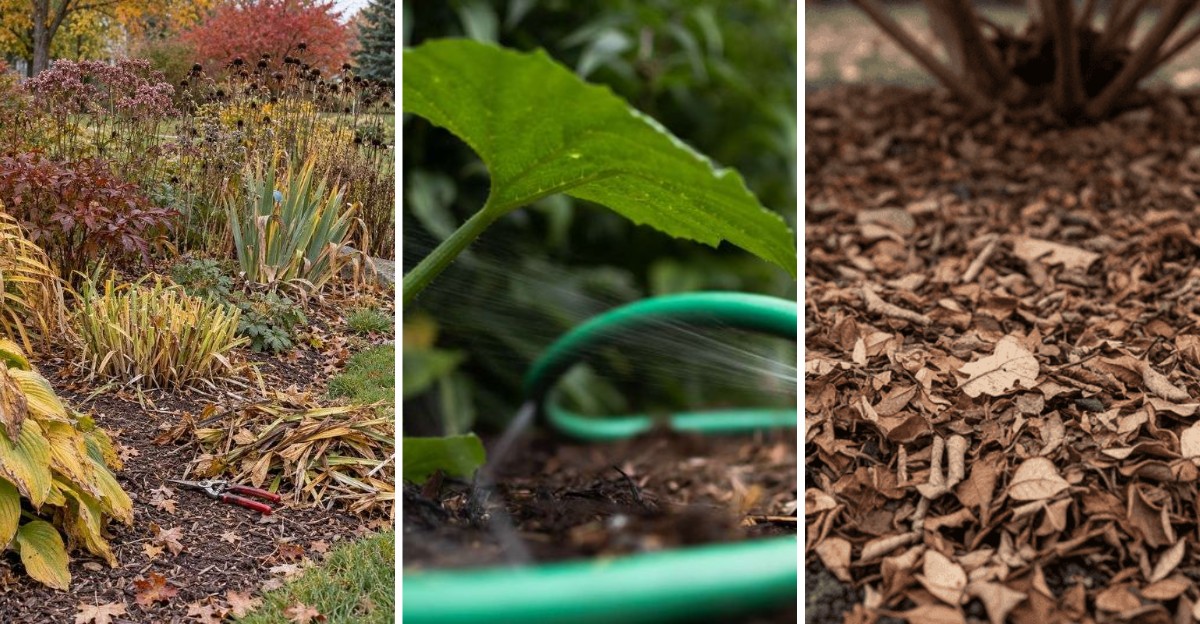
Step one is a cleanup, yet it works best with a light touch. Think of it as editing a garden, not erasing it.
Start with plants that had trouble this year. Peony leaves with gray mold, phlox covered in powdery mildew, and bee balm with spotty foliage should be cut to the ground.
Bearded iris deserves attention too, since iris borer eggs overwinter on old leaves.
Bag that material or send it out with yard waste. Home compost piles rarely get hot enough to reliably handle disease spores, so keep it out of your bin.
Spent annuals like petunias and zinnias can come out now too. Pull them gently so you avoid disturbing neighboring roots.
Healthy stems are another matter. Coneflowers, black-eyed Susans, and native grasses can stay standing.
Goldfinches love those seedheads, and many native bees shelter inside hollow stems over winter.
Standing stems also help in a sneaky way. They catch snow, and snow is a fine natural insulator for soil.
In my garden, I now keep a simple rule. If it looked sick, it goes.
If it looked healthy and sturdy, it can wait until spring, once daytime temperatures stay above about 50 degrees for a while.
Soak Perennial Beds With A Garden Hose Before The Ground Freezes
Dry fall weather fools a lot of us. The air feels cool, so watering seems pointless, yet roots keep working until the soil freezes.
Plants still lose moisture in winter, especially evergreens and perennials with semi-evergreen leaves like heuchera and hellebores. Frozen ground stops roots from pulling up fresh water.
Whatever they store before the freeze has to last.
Moist soil also holds heat better than dry, dusty soil. That small buffer can soften temperature swings near the crown.
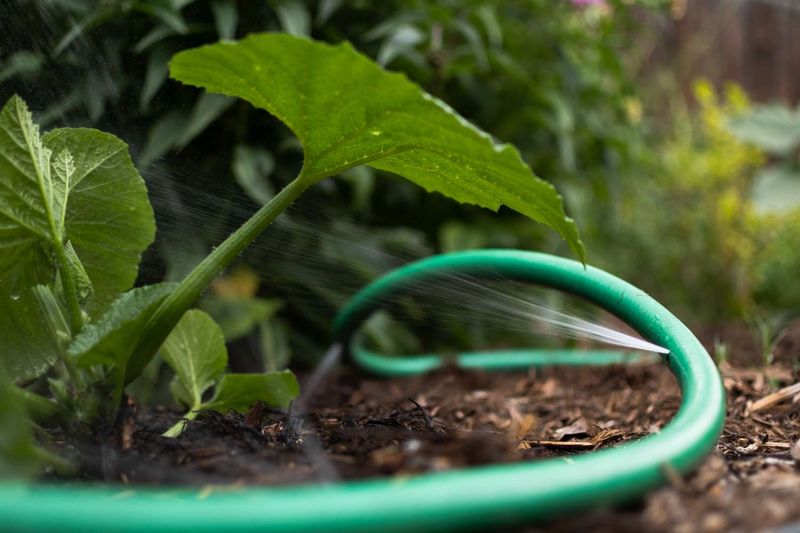
So how much is enough? A slow, deep soak that wets the top 6 to 8 inches works well.
A soaker hose or a gently running garden hose beats a quick spray every time.
Check by pushing a trowel into the bed an hour later. Damp soil several inches down means you did it right.
Timing matters here. Water on a mild day, ideally before mid-afternoon, so the surface is not icy overnight.
Stop once the ground freezes solid, since water will only puddle and refreeze.
If autumn brings steady rain, you can skip this step. Many New York falls swing dry, though, especially after a warm September.
Looking back, my best spring beds followed the years I bothered to drag out the hose one last time.
Shredded Leaf Mulch Works Best Once The Soil Turns Cold
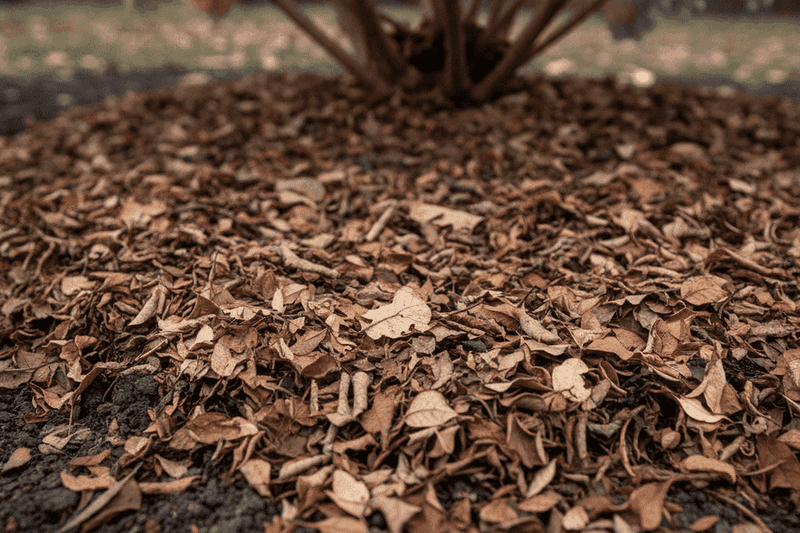
Here’s a twist that surprises many gardeners. Winter mulch is not meant to keep soil warm.
Its real job is to keep frozen soil frozen.
That steadiness stops the freeze and thaw seesaw that heaves plants. Cornell and other extension experts generally suggest waiting until the ground has frozen or hardened with cold, often after several hard frosts.
Across New York, that window shifts a lot. Gardeners in the Adirondacks and North Country may be ready by mid-November.
Folks on Long Island or in New York City might wait until early or mid-December.
Mulching too early can backfire. Warm, covered soil may invite mice to nest and can keep plants growing when they should be settling down.
For material, shredded leaves are free and wonderful. Run a mower over them first so they do not mat into a soggy sheet.
Pine needles, straw, and evergreen boughs from a cut holiday tree also work nicely.
Aim for roughly 2 to 4 inches over the bed. Loose, airy material insulates better than dense chunks.
Let’s just say my oak leaves finally earned their keep the year I shredded them. The beds looked tidy, and nearly every plant came back right where I left it.
Keep Mulch A Few Inches Back From Plant Stems And Crowns
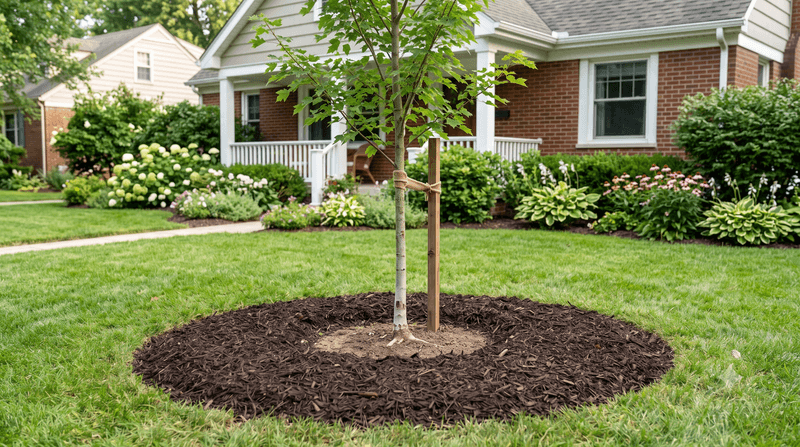
Mulch can be too much of a good thing. Pile it right against stems, and those cozy layers can quickly turn into a soggy problem.
Thick mulch pressed against a crown traps moisture. That damp pocket can encourage crown rot in plants like delphinium, lavender, and coral bells.
Many Mediterranean plants dislike wet feet even in summer, so winter moisture is extra rough on them.
Rodents are another headache. Voles and mice love tunneling through deep mulch.
Bark on young shrubs and roses makes an easy winter snack when mulch sits flush against it.
The fix is simple. Leave a small gap, roughly 2 to 3 inches, around stems of perennials and shrubs.
For trees, skip the famous mulch volcano. Spread mulch wide and flat, keeping it clear of the trunk flare where roots meet the trunk.
Some plants prefer a lighter cover entirely. Evergreen perennials such as hellebores and dianthus do better with airy evergreen boughs than heavy wet leaves.
Bulb beds are easy, though. Tulips and daffodils planted this fall welcome mulch right over the top.
Don’t make my mistake of tucking lavender in like a baby. Mine sulked and rotted.
A loose ring of mulch with breathing room worked far better the next year.
Late-Planted Mums And Newly Divided Hostas Need Extra Attention
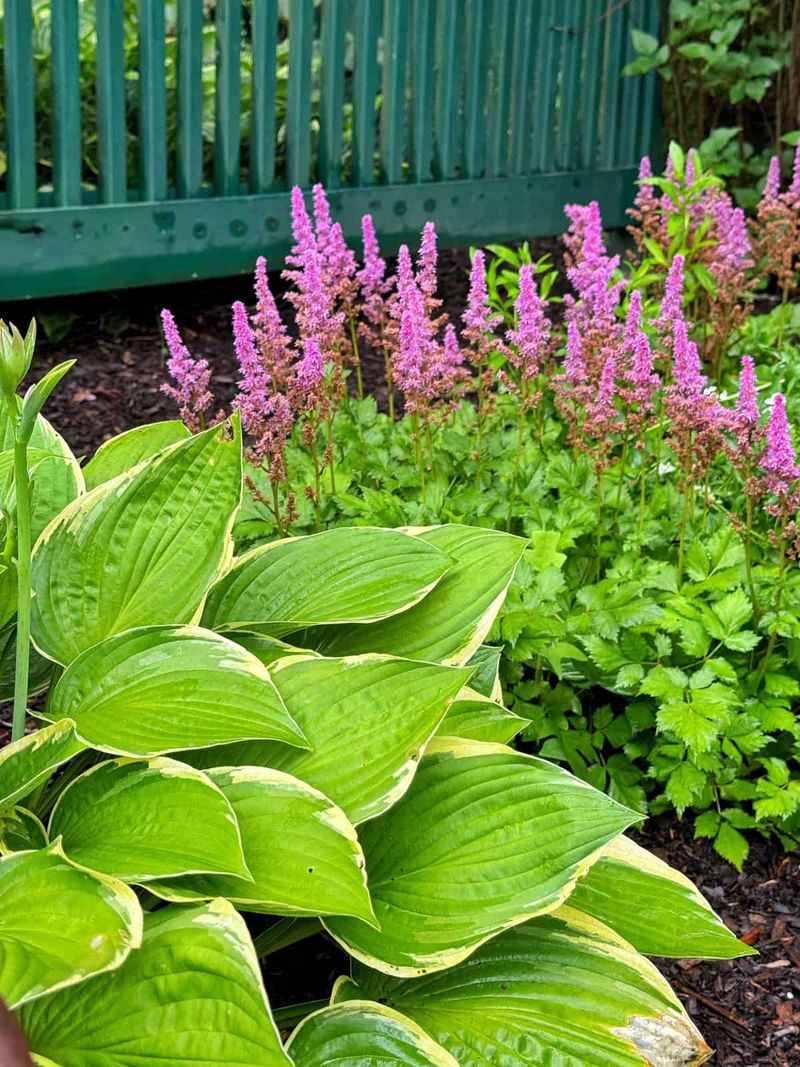
Garden centers make it easy to grab a pot of blazing orange mums in October. Sadly, many of those plants struggle to return because their roots never get settled.
Anything planted or divided in fall has a weak grip on the soil. Hostas, daylilies, and irises split in September are still knitting fresh roots.
Those young plants heave more easily than established clumps.
Give them a little extra care. Water them deeply, and gently press the soil around each crown with your hands so no air pockets remain.
Once the ground hardens, give these newcomers a slightly thicker mulch cover, still keeping it off their stems. Leave mum stems standing over winter, since research suggests uncut stems help them survive better.
Check them on a mild day in late winter. If you see a crown lifted from the soil, push it gently back down rather than yanking it.
Planting time matters for next year, too. Most New York perennials settle best when planted at least six weeks before the ground freezes.
Upstate, that often means early September.
If you ask me, a mum that returns for a second year feels like a small miracle. Usually, it just means someone paid attention in November.
Next Summer’s Peonies, Phlox And Coneflowers Thank You For This

Spring has a funny way of grading our fall homework. The beds that got a little care tend to wake up stronger, fuller, and often earlier.
Steady winter soil gives roots a calm season. Healthy roots mean thicker stems, better leaves, and more flower buds when warm weather arrives.
The cleanup step pays off too. Removing sick foliage often means fewer leaf spots and less mildew on phlox and peonies next summer.
You still need good airflow and smart watering, though, since spores can blow in from elsewhere.
Make it simple with a quick plan:
Late October to November, clear diseased foliage and spent annuals. Leave healthy seedheads for birds.
Before the freeze, give beds a slow, deep soak if fall has been dry.
After the soil hardens, spread 2 to 4 inches of shredded leaves or straw, leaving gaps around stems.
In spring, pull mulch back gradually as new shoots appear. Wait for steady warm days before removing standing stems, so overwintering insects have time to leave.
Jot down which plants struggled this year in a notebook. That small record helps you fine-tune timing for your corner of the state.
My garden taught me that easy fall chores beat a spring full of surprises every single time.