How To Plant a “Set and Forget” Edible Garden in Ohio – Plant Once and Enjoy For Years
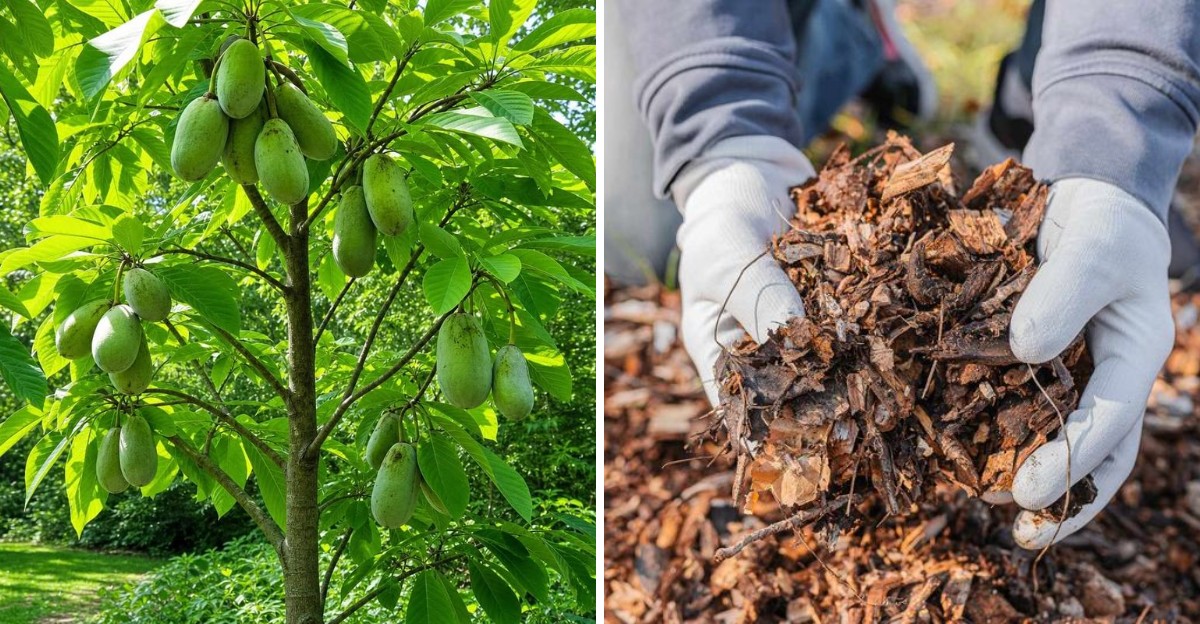
A single bed of one spring vegetable can keep feeding a family for 15 to 20 years. Plant it once, wait patiently, and those spears keep coming back every April like clockwork.
I love that kind of payoff. Most of my vegetable patch asks for new seeds, new transplants, and new sweat every single spring.
A few clever plants skip all that and quietly return on their own.
Ohio turns out to be a fine place for these comeback crops. Cold winters actually help many of them rest and recharge.
Some fruits even grow wild in our river valleys, and one of them tastes like a banana crossed with a mango.
You need a little planning up front, sure. After that, the garden starts doing more of the work than you do.
A handful of them have earned a permanent home in my yard, and they might deserve one in yours too.
Those Asparagus Crowns Are a 20-Year Investment
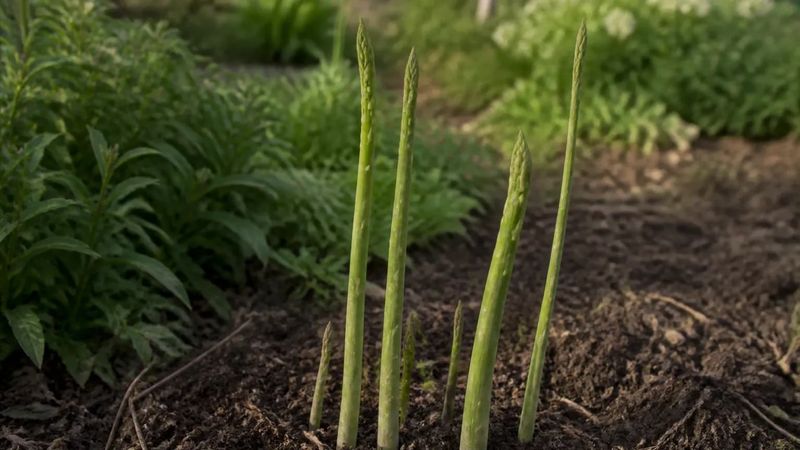
Asparagus is the king of comeback crops, and it earns that title honestly. A healthy bed can produce for 15 to 20 years, according to Ohio State University Extension.
That beats nearly anything else in the vegetable world.
Start with one-year-old crowns in early spring, usually April in most of the state. Dig a trench about 6 to 8 inches deep and spread the spidery roots over a small mound of soil.
Cover them with a couple inches of soil, then add more as the shoots grow.
Patience is the hard part. Skip harvesting the first year so the roots can build strength.
In year two, pick lightly for a couple of weeks, and by year three you can harvest for six to eight weeks.
Let the ferny summer growth stay put after harvest ends. Those tall fronds feed the crowns for next spring.
Cut them back once they turn yellow and brown in late fall.
Pick a sunny spot away from your other crops, since you will not want to dig here again. Male varieties like Jersey Knight and Millennium tend to produce more spears because they skip making seeds.
Millennium was bred in Canada and handles cold winters well.
Rhubarb Stalks Return Every Spring With Barely Any Help
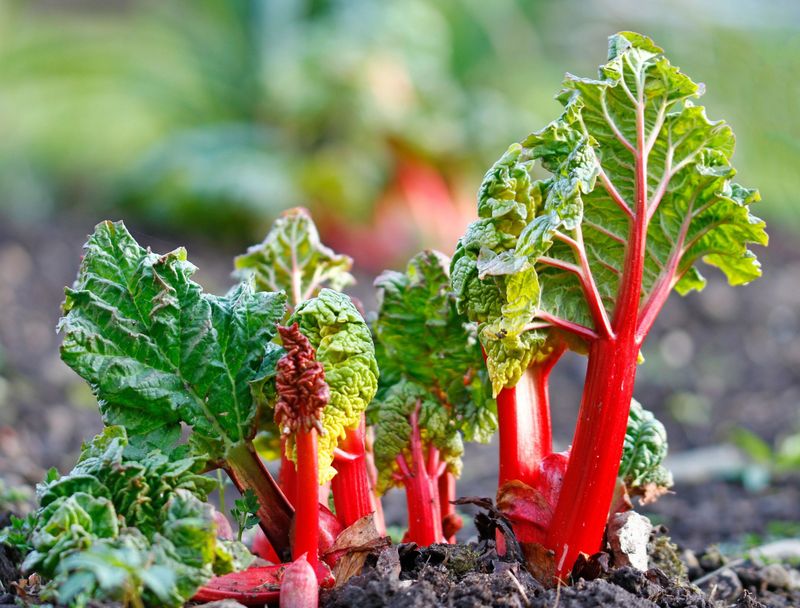
My grandmother had a rhubarb plant older than my mom. Clumps like that can live for decades with very little fuss, which makes rhubarb a true set and forget treasure.
Plant crowns in early spring with the buds about 1 to 2 inches below the soil. Give each one plenty of room, roughly 3 feet in every direction, because the leaves grow huge.
Full sun works best, though a little afternoon shade is fine.
Hold off on harvesting during the first year. In the second year, pull a few stalks for a week or two.
After that, enjoy a harvest of about 8 to 10 weeks each spring.
Twist and pull the stalks instead of cutting them. Stop by midsummer so the plant can rebuild its energy.
Remove any tall flower stalks when they appear, too.
One safety note matters here. Rhubarb leaves contain oxalic acid and should not be eaten, so only cook the stalks.
Keep the leaves away from pets and kids.
A layer of compost each spring keeps the plant happy. If stalks get thin after many years, dig and divide the crown in early spring.
Share the extra pieces with a friend.
Raised Beds and Compost Fix Ohio’s Heavy Clay Soil
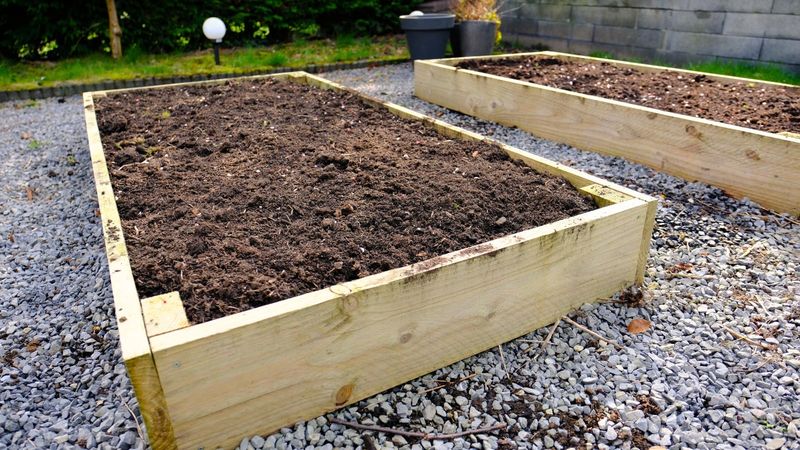
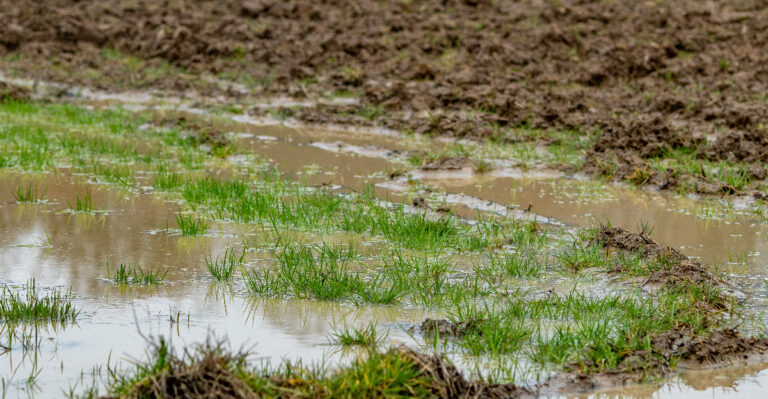
Plenty of Ohio yards sit on heavy clay. It holds water like a bathtub in spring and bakes hard in August.
Perennial roots that stay put for years need something better.
The fix starts before you plant. Loosen the soil 12 to 18 inches deep and mix in a few inches of compost or aged leaves.
Organic matter helps clay drain and gives roots room to breathe.
Raised beds are another smart move. Even 8 to 12 inches of height can keep crowns from sitting in soggy ground during wet springs.
They also warm up earlier, which plants enjoy.
Test your soil before choosing plants. Most perennial vegetables like a pH around 6.0 to 7.0, while blueberries want it much lower.
Your county OSU Extension office can point you to an affordable soil test lab.
Sun matters as much as soil. Most fruits and vegetables need at least six to eight hours of direct light.
Watch your yard for a full day before committing to a spot.
Take your time with this step. A permanent plant in a poor spot will struggle for years.
A great spot pays you back every single season.
Blueberry Bushes Reward You for Decades If You Get the Soil Right
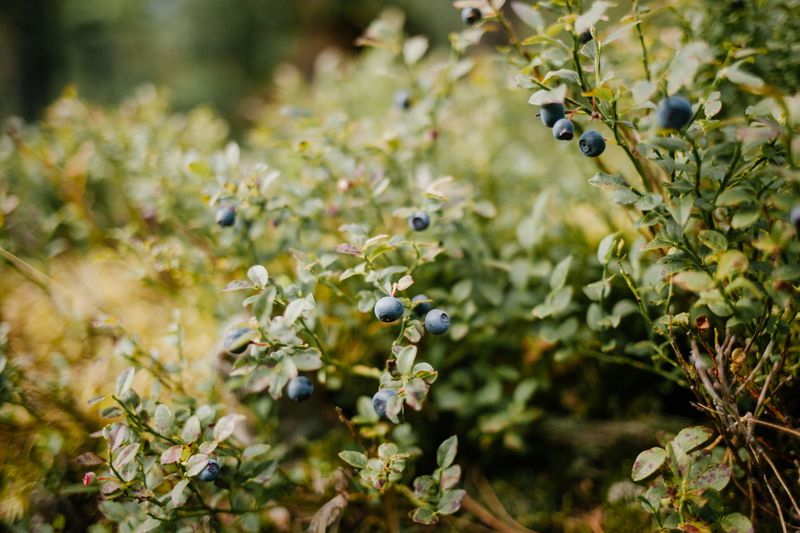
Few things feel better than eating warm blueberries straight off the bush. A well-planted highbush blueberry can produce for 40 years or more.
That is a lot of pancakes.
The catch is soil acidity. Blueberries need a pH between 4.5 and 5.5, and most Ohio soil runs higher.
Test first, then lower the pH with elemental sulfur several months before planting, ideally the season before.
Plant at least two different varieties. Cross-pollination gives you bigger berries and heavier harvests.
Bluecrop, Patriot, and Elliott are dependable picks for our winters.
Mulch is a blueberry’s best friend. Spread 3 to 4 inches of pine bark or wood chips around the shallow roots.
It keeps moisture steady and holds back weeds.
Pinch off flowers for the first year or two so the bushes grow strong. After that, light pruning of old canes in late winter keeps them productive.
Bushes usually hit full production around year six or eight.
Birds love blueberries as much as you do. Toss netting over the bushes when fruit starts turning blue.
Otherwise, robins may beat you to breakfast. Fall brings a bonus, too, with leaves turning fiery red.
Raspberry and Blackberry Canes Fill Buckets All Summer
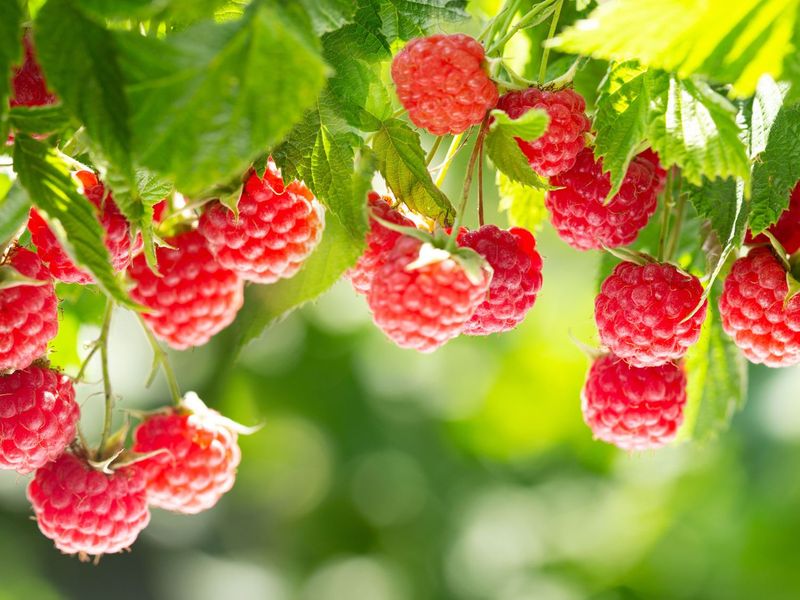
Brambles are generous plants. Raspberries and blackberries grow from roots that live for many years, sending up fresh canes every season.
One short row can fill a lot of bowls.
Everbearing raspberries, also called fall-bearing, are the easiest choice. Varieties like Heritage and Caroline fruit on new canes in late summer.
Mow or cut every cane to the ground in late winter, and you are done with pruning.
Thornless blackberries such as Triple Crown and Chester grow well in central and southern Ohio. Northern gardeners may want hardier types like Chester, since some thornless varieties dislike harsh winters.
Check with a local nursery for your area.
Plant in full sun with good drainage. Brambles dislike wet feet and can develop root rot in soggy clay.
A simple post and wire trellis keeps canes tidy and makes picking easier.
Keep new plants at least a few hundred feet from wild brambles if you can. Wild patches can carry viruses that spread to garden plants.
Buying certified disease-free stock helps too.
Brambles do spread through suckers. Mow around the row to keep them in line.
Extra shoots make great gifts for neighbors.
Ohio’s Native Pawpaw Tree Tastes Like the Tropics
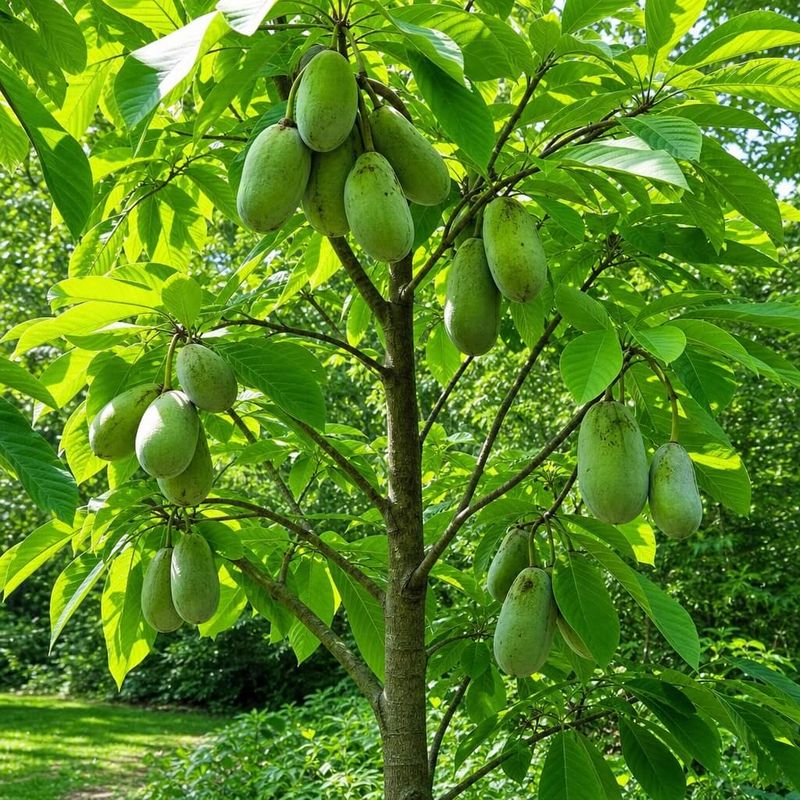
Ohio has an official state native fruit, and it is the pawpaw. It is the largest edible fruit native to North America.
The custardy flesh tastes like a mix of banana, mango, and melon.
Pawpaws grow wild along streams across the state. The town of Albany even hosts an Ohio Pawpaw Festival each September.
That tells you how well these trees handle our climate.
In a backyard, plant two different varieties for good pollination. Named types like Sunflower, Shenandoah, and Susquehanna produce bigger, tastier fruit than most wild trees.
Expect your first harvest in roughly four to six years.
Young pawpaws like a little shade during their first year or two. After that, full sun boosts fruit production.
Water during dry spells while the tree gets settled.
Pests rarely bother pawpaws much. Deer usually ignore the leaves, which is a gift in many Ohio neighborhoods.
The zebra swallowtail butterfly depends on pawpaw leaves for its caterpillars, so you help wildlife too.
Fruit ripens in late August through September. Ripe pawpaws feel soft like a peach.
Eat them fresh or freeze the pulp for smoothies and baking.
Chives, Thyme, and Sage Make a Kitchen Herb Bed That Returns Every Year
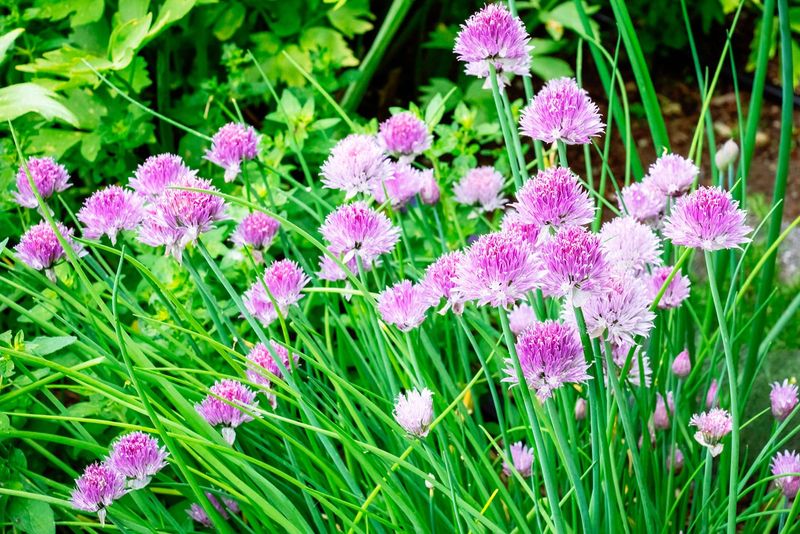
Some of the easiest perennial edibles live right in the herb aisle. Chives, thyme, oregano, and sage come back year after year in most Ohio gardens.
Put them near your back door for quick snipping.
Chives pop up early in spring, often before anything else turns green. Their purple flowers are edible and look pretty in salads.
Divide crowded clumps every few years to keep them vigorous.
Thyme and oregano love sunny, well-drained spots. Soggy clay is their biggest enemy, so a raised bed or a gravelly corner works well.
Trim them lightly after flowering to keep plants bushy.
Sage grows into a small shrub with soft gray leaves. Cut it back by about a third in spring, but avoid heavy fall pruning.
Plants may get woody after four or five years, so start a fresh one then.
Mint deserves a warning. It spreads fast underground and can take over a bed.
Grow it in a pot sunk into the soil to keep it in bounds.
Flowering herbs also feed bees and other pollinators. That extra buzz helps your nearby fruit set better crops.
Everybody wins.
A Thick Layer of Mulch Keeps Your Perennial Garden Nearly Hands-Off
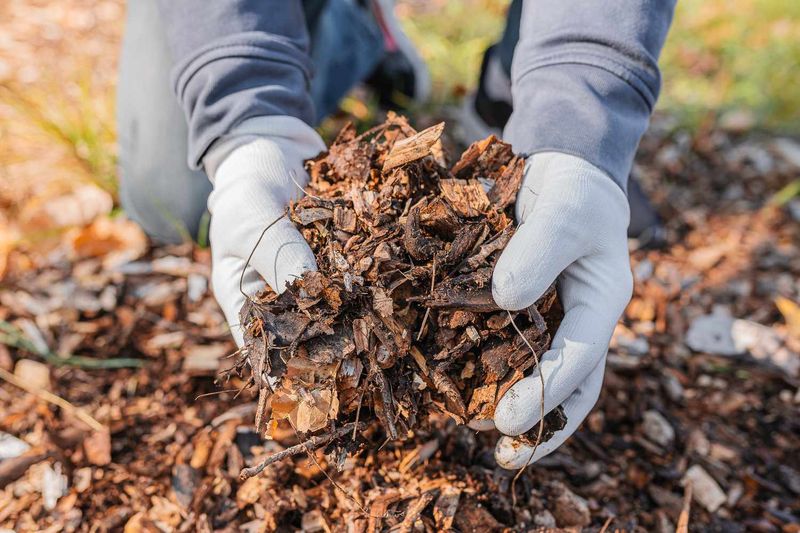
Mulch is the secret ingredient that makes set and forget actually work. A 2 to 4 inch layer of shredded leaves, straw, or wood chips blocks weeds and holds moisture.
Less weeding and watering means more time enjoying the harvest.
Keep mulch a couple inches away from stems and crowns. Piling it against plants can invite rot and rodents.
Refresh the layer each spring as it breaks down and feeds the soil.
Water deeply but less often. About an inch per week, including rain, suits most established perennials.
Drip lines or soaker hoses keep leaves dry and help prevent disease.
Spacing matters more than people expect. Crowded plants trap humidity, and Ohio summers bring plenty of it.
Follow the spacing on plant tags even when young plants look tiny.
A once-a-year checklist covers most of the work. Add compost in spring, prune berries in late winter, and cut back asparagus ferns in fall.
Strawberries may need replacing every three or four years, since they are short-lived.
Start small with two or three plants this year. Add more as you learn what thrives in your yard.
Before long, your garden will feed you with very little asked in return.