8 Ways To Stop Fungus Gnats From Taking Over Your New York Houseplants This Winter
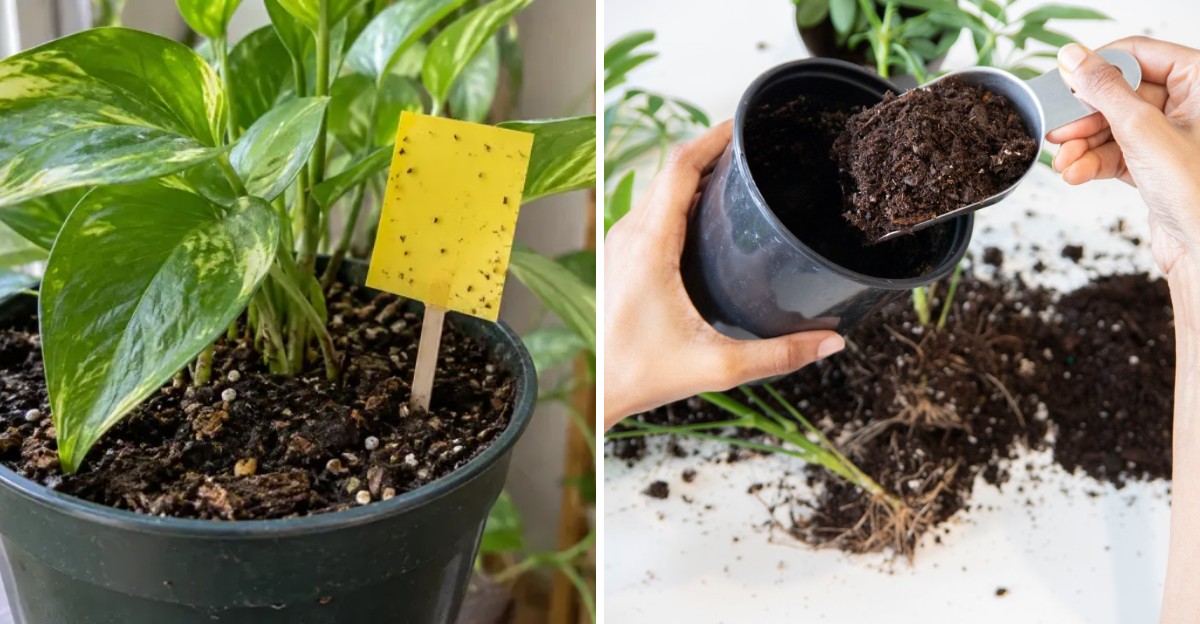
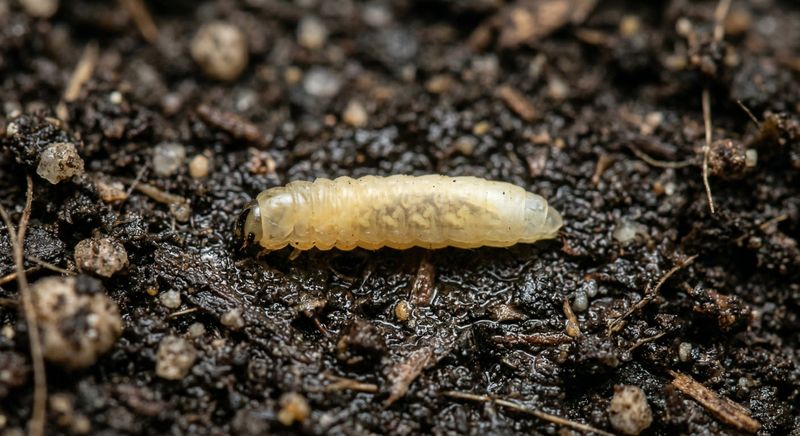
The tiny flies drifting past my New York kitchen window started life as clear little worms with shiny black heads. Those worms live in potting soil, munching on fungus and sometimes nibbling the tender young roots of houseplants.
Winter gives them a sneaky advantage, because pots dry slowly when days are short and furnaces hum. A single female can lay a couple hundred eggs, and the next generation shows up within weeks.
I once blamed a bowl of bananas for weeks before I finally checked the soil in my pothos. You might notice the same telltale clue, a little cloud of fliers lifting off every time you water.
Turns out a few smart habits outperform rushed sprays, and most of them cost less than a latte. Act early and stay consistent, and spring will belong to your New York plants.
1. Let The Top Inch Of Potting Soil Dry Out
Fungus gnat moms are picky about real estate, and soggy potting soil is their dream neighborhood every single time. I learned that the hard way with a peace lily I watered on a strict weekly schedule last winter in New York.
Female gnats lay their eggs in the damp top layer, where hatching larvae find plenty of fungus to eat. Dry that surface out, and many eggs and young larvae struggle to survive long enough to become adults.
Cornell and other extension experts suggest letting the top inch or two of soil dry before watering again. Push your finger into the mix, and wait if it still feels cool and moist down there.
Winter makes this trickier, because shorter days and cooler rooms slow down how fast plants drink their water. Most houseplants in New York homes need noticeably less water now than they did during the bright, warm stretch of summer.
Bottom watering helps too, since the roots soak up moisture while the surface stays drier and less inviting. Set the pot in a saucer of water for about twenty minutes, then let it drain well.
Pour off any water left sitting in cachepots or saucers, because puddles keep the lower soil soggy for days. Pots with drainage holes make this whole routine much easier than decorative containers without any holes.
I switched to checking soil instead of calendars, and my gnat cloud shrank within a few short weeks. Your New York plants will likely appreciate the change too, since overwatering causes root rot in many common houseplants.
2. Hang Bright Yellow Sticky Traps Near Your Pots
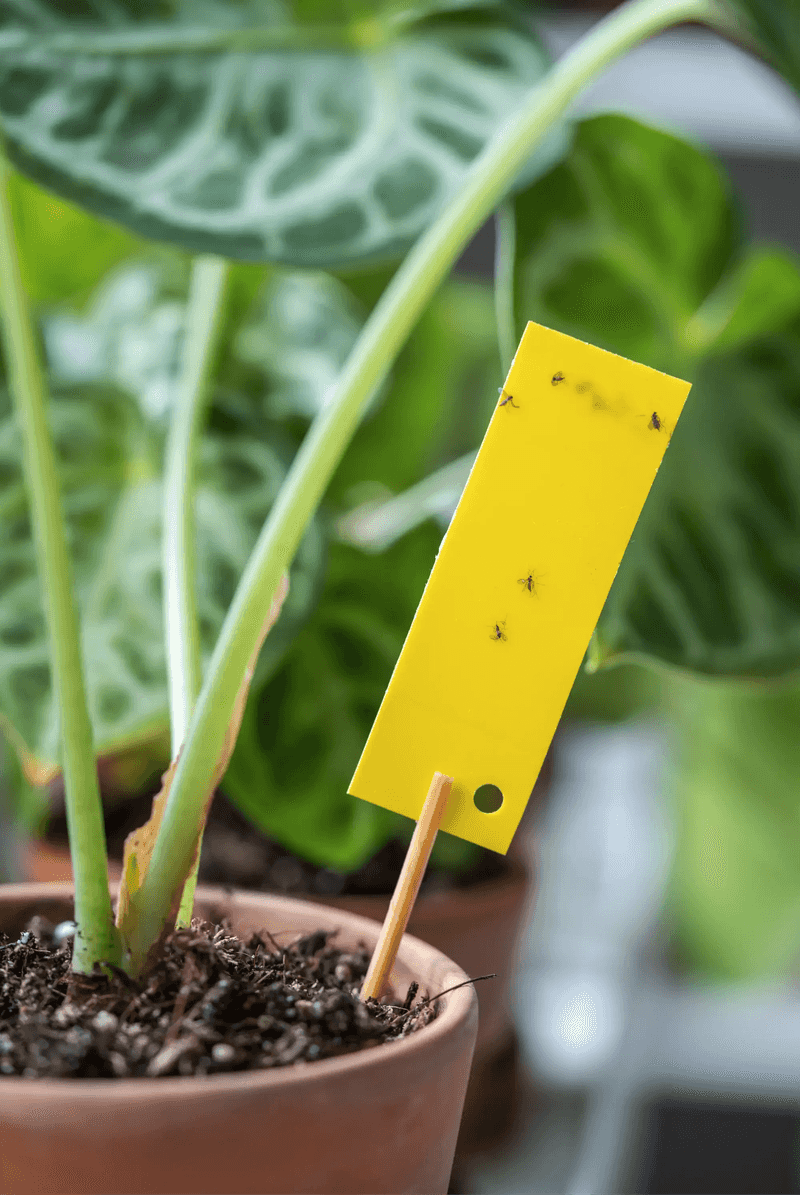
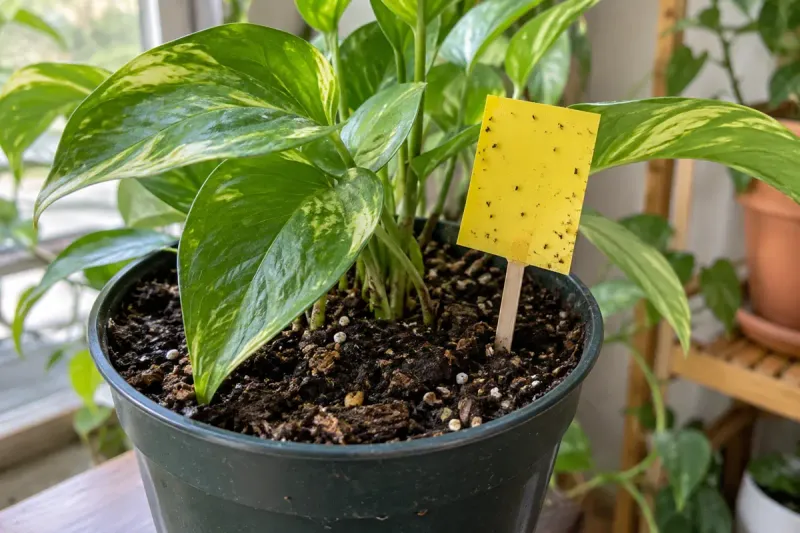
Something about that cheerful shade of yellow drives adult fungus gnats wild, and they zoom right toward it. Watching the first card fill up with tiny specks felt oddly satisfying, almost like a small backyard victory.
Adult gnats are weak fliers that mostly hover near the soil, so traps placed low catch the most. Lay the cards flat on the soil surface or stake them just above the rim of the pot.
Each adult caught is one less female laying eggs, which slowly chips away at the next generation. Traps alone rarely solve the whole problem, though, because hungry larvae keep growing safely down in the soil.
Their real superpower is monitoring, since a quick glance tells you whether your other efforts are working. Count the gnats every few days, and you will see the numbers drop as your plan takes hold.
Swap out cards once they get crowded or dusty, because a cluttered surface loses much of its grab. Most packs are inexpensive, and a single sheet can be cut into smaller pieces for little pots.
Keep them away from curious pets and long hair, since the glue is stubborn and messy to remove. A dab of cooking oil usually loosens the sticky stuff from fingers if you get caught by surprise.
I tuck a trap into my herb pots each fall as an early warning system for the season. Spotting a few gnats early beats discovering a full swarm buzzing around your face during breakfast in January.
3. Water With Bti Mosquito Bits To Target Larvae
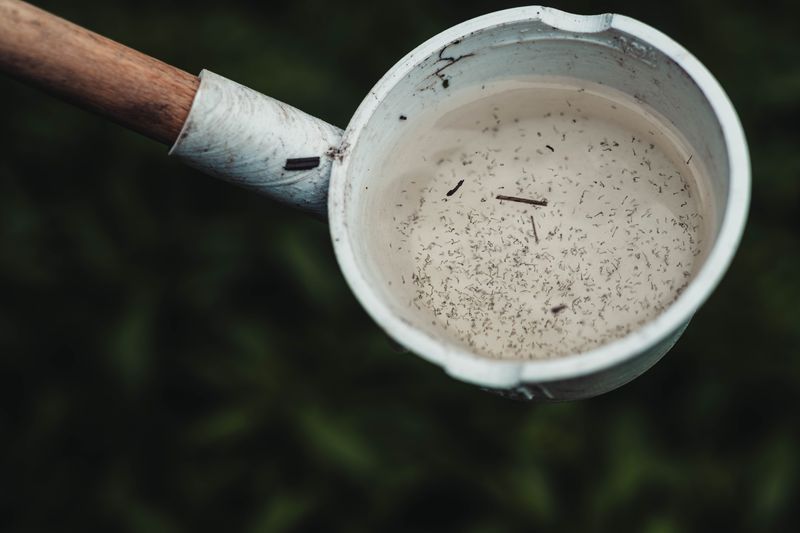
Mosquito dunks in a houseplant pot sounds like a strange mix-up, yet it is one of the smartest moves around. The secret ingredient is a soil bacterium called Bacillus thuringiensis israelensis, usually shortened to the friendlier name Bti.
Bti produces proteins that damage the gut of certain fly larvae, including mosquitoes and fungus gnats, after they eat it. Extension services like Colorado State note that it targets these larvae while leaving people and pets largely unaffected.
Look for products such as Mosquito Bits or Gnatrol, which are labeled for this use and sold widely. Read the label before mixing anything, since directions and amounts vary a bit between different brands and formulations.
A common method is soaking a tablespoon of bits in a gallon of water for about thirty minutes. Strain out the granules if you like, then use that water for your regular plant watering.
Bti breaks down fairly quickly, so repeat the treatment every week or so for several rounds. That steady schedule catches newly hatched larvae that came from eggs laid after your very first application.
Adults are not affected, which is why pairing Bti with sticky traps works so well together. One method handles the flying crowd while the other quietly clears out the nursery hiding in the soil.
I was skeptical at first, but my fiddle leaf fig went from gnat central to calm in about a month. Honestly, it felt a little like cheating, considering how little effort the whole process actually required.
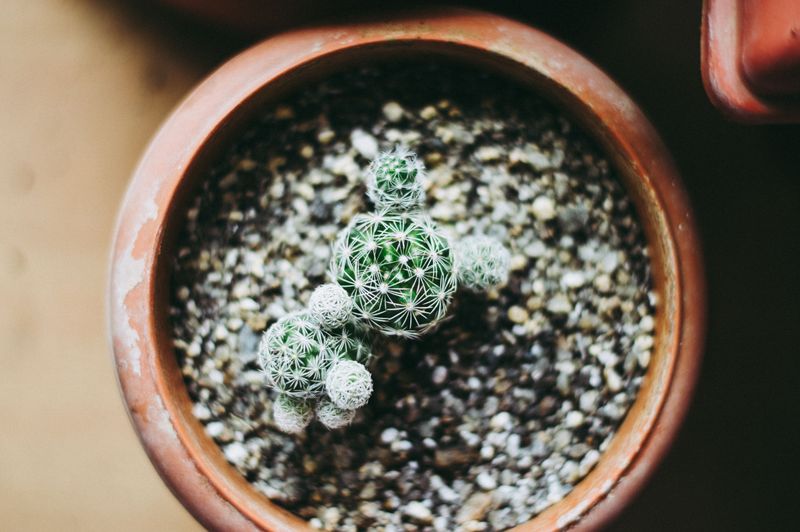
4. Top Dress Your Pots With Coarse Sand Or Fine Gravel
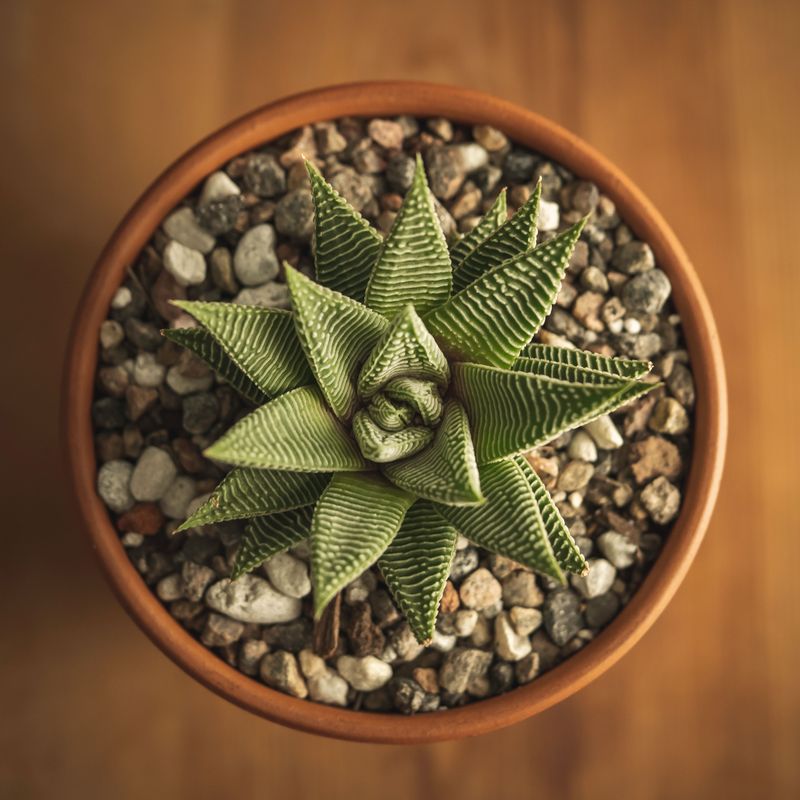
Gnats are surprisingly fussy about where they land, and a gritty, dry surface feels like a closed door to them. A thin topping of sand turns your plant pot into the least appealing nursery in the entire house.
Female gnats look for moist, soft soil with organic matter to lay their eggs in near the surface. Covering that layer with about half an inch of coarse sand or fine gravel makes egg laying much harder.
Sand drains fast and dries quickly, so the top stays inhospitable even when the soil below holds moisture. Horticultural sand or aquarium gravel works nicely, while fine play sand can pack down and hold water.
Before adding your layer, let the existing soil dry a bit so you are not trapping extra dampness. Spread the material evenly with a spoon, leaving a little space around the stem for airflow.
Watering gets a little different, since you cannot see the soil color under the decorative layer anymore. Lift the pot to feel its weight, or use a wooden chopstick to test moisture deeper down.
This trick works best for prevention or alongside other methods, because existing larvae may still be present below. Consider it a fence that keeps new eggs out while other treatments handle the current residents.
I love how polished my snake plant looks now, with smooth gray pebbles covering the soil like a tiny beach. Guests assume it is pure decoration, and I happily let them believe that little design secret.
5. Release Tiny Steinernema Nematodes Into The Soil
Hiring microscopic worms to hunt bugs in your New York living room sounds like science fiction, but gardeners do it every year.
Beneficial nematodes called Steinernema feltiae seek out fungus gnat larvae in moist soil and get to work quickly.
These nematodes enter the larvae and release bacteria that overwhelm the pest from the inside within a few days. University extension sources describe them as safe for people and pets, and they do not harm houseplants.
You can order them online from garden suppliers, and they usually arrive on a sponge or in a powder. Keep them refrigerated and use them soon, because these living creatures lose strength the longer they sit.
Mix them into cool water following the package directions, then pour the solution evenly over damp potting soil. Water lightly afterward to help them settle in, and avoid letting the soil dry fully for a few days.
Unlike the drying method, nematodes actually need moisture to move, so timing these approaches carefully matters a lot. Many New York gardeners apply nematodes first, then shift toward drier watering habits once the larvae population clearly drops off.
Indoor winter temperatures suit them nicely, since they work best when soil stays roughly between sixty and eighty degrees. Avoid pots near drafty windows or radiators, where temperatures can swing far outside that comfortable range.
My first batch felt like a gamble, since I could not see a single worm doing anything. Two weeks later, the gnats had thinned out in my New York apartment, and I felt like a proud manager of an invisible crew.
6. Pour A Fizzy Hydrogen Peroxide Soil Drench
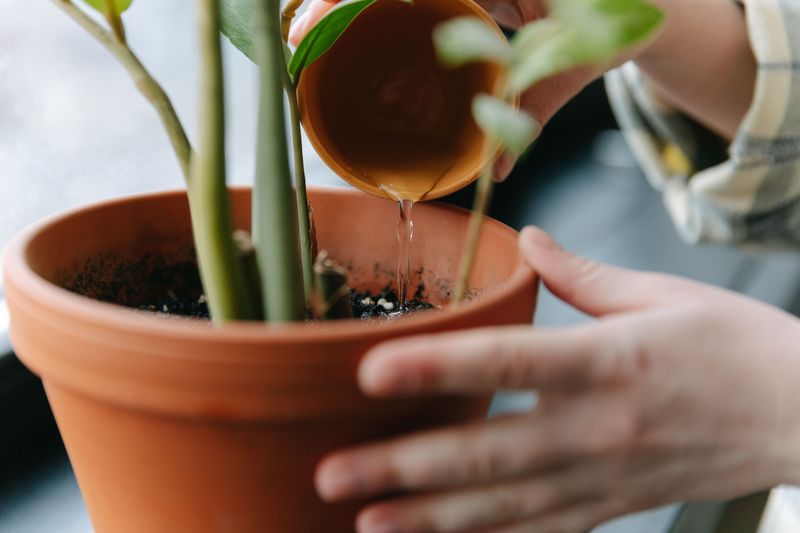
That bubbly brown bottle in your medicine cabinet has a second career that many houseplant lovers swear by. Poured into potting soil, it fizzes dramatically, and the reaction is honestly fun to watch up close.
The popular recipe mixes one part three percent hydrogen peroxide with four parts water for a soil drench. Many gardeners report that it reduces larvae on contact, then breaks down into water and oxygen afterward.
Scientific research on this method is limited, so treat it as a helpful home remedy rather than a guaranteed cure. Results vary from plant to plant, and some people find Bti or nematodes more dependable over time.
Wait until the top inch of soil is dry, then water thoroughly until liquid drains from the bottom. Mix a fresh batch each time, since peroxide loses strength when exposed to light and air.
Stronger solutions can harm roots and beneficial soil microbes, so resist the urge to make the mix more potent. Test it on one sturdy plant first before treating delicate favorites like ferns or freshly rooted cuttings.
Repeat once a week for a few rounds if gnats keep appearing on your sticky traps. Combining the drench with drier watering habits gives each treatment a much better chance of working well.
I tried it on a stubborn rubber plant and enjoyed the fizzing more than I expected. It did not fix everything alone, but it helped tip the balance alongside my other favorite tricks.
7. Repot Infested Plants In Fresh Sterile Potting Mix
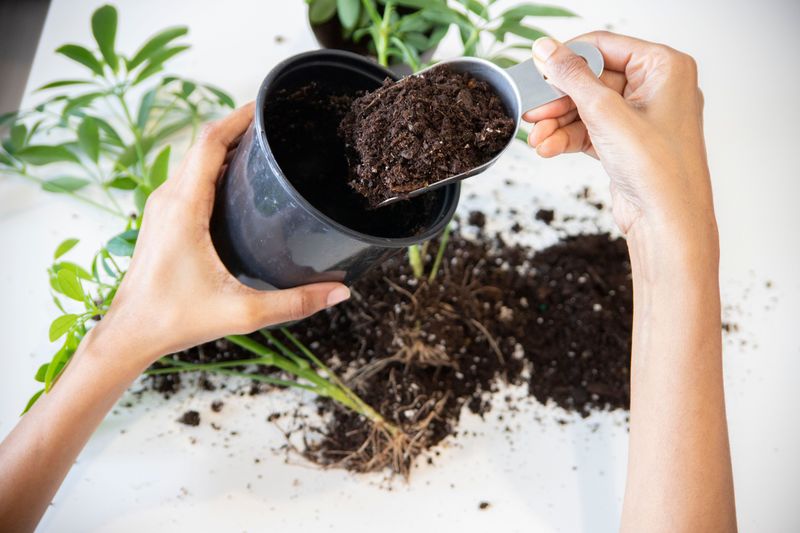
Sometimes the kindest thing you can do for a gnat-plagued plant is give it a brand new home. I hesitated for weeks with my overrun begonia, then finally grabbed a fresh bag of mix and committed.
Old, soggy soil full of decaying organic matter can hide hundreds of larvae at different stages of growth. Swapping it out removes much of that population in one afternoon instead of weeks of gradual treatment.
Gently lift the plant out and shake or rinse away as much old soil as the roots allow. Trim any mushy brown roots with clean scissors, because rot can signal larval feeding or chronic overwatering.
Scrub the pot with hot, soapy water, or choose a clean container with good drainage holes. Bag the old soil and toss it outdoors, far away from your other indoor plants and their pots.
Pick a quality potting mix and store opened bags tightly sealed, since gnats can sneak into open packages. Mixes heavy in compost or peat stay moist longer, so adding perlite helps them drain more quickly.
Winter is not the ideal repotting season, because many plants grow slowly and recover more gradually now. For a serious infestation, though, a careful repot often beats months of frustrating struggle with flying pests.
Go easy on watering for the first week, letting the roots settle without sitting in soggy mix. My begonia sulked briefly, then bounced back with glossy leaves and not a single gnat in sight.
8. Keep Pots Tidy And Check New Plants For Hidden Larvae
A raw potato slice might be the cheapest pest detective you will ever hire for your plant shelf. Extension experts suggest pressing a small chunk onto the soil, then checking underneath for larvae after a few days.
Fungus gnat larvae look like tiny clear worms with shiny black heads, about a quarter inch long. Spotting them on the potato tells you which pots need treatment, saving time and effort on clean plants.
Fallen leaves and spent flowers decaying on the soil surface feed the fungi that larvae love to eat. Pick up debris every few days, especially from plants that drop leaves in low winter light.
New plants deserve a short quarantine, ideally a week or two in a separate room away from your collection. Garden center pots often stay damp, which makes them a common way gnats hitch a ride home.
Wipe up spilled soil and clean empty saucers, since damp corners give stray adults extra places to linger. Store bags of potting mix sealed tightly, and keep compost bins or fruit scraps well away from plants.
Fruit flies and gnats often get confused, but gnats mostly hover around soil while fruit flies circle the kitchen. Knowing the difference helps you aim your efforts at the right source instead of guessing in frustration.
I now treat a weekly plant walk like a cozy ritual, coffee in hand and potato slices ready. Those small habits make a huge difference, and my windowsills stay peaceful straight through the gray months.