No Single Native Plant Explains Arizona Firefly Sightings, but Habitat Matters
Fireflies in Arizona surprise a lot of people, and the idea that one native plant can make a yard glow is tempting. The real story is about places, not a single plant.
Some Arizona fireflies live along streams, and others behave in very different ways. Here is what is known, what is still a mystery, and what you can realistically do at home.
No single plant explains Arizona firefly sightings
Plenty of garden posts promise that one native plant will bring fireflies to your yard. The sources on Arizona fireflies do not back that up.
What they describe is habitat, meaning the kind of place a firefly lives, not a plant that reliably draws them in.
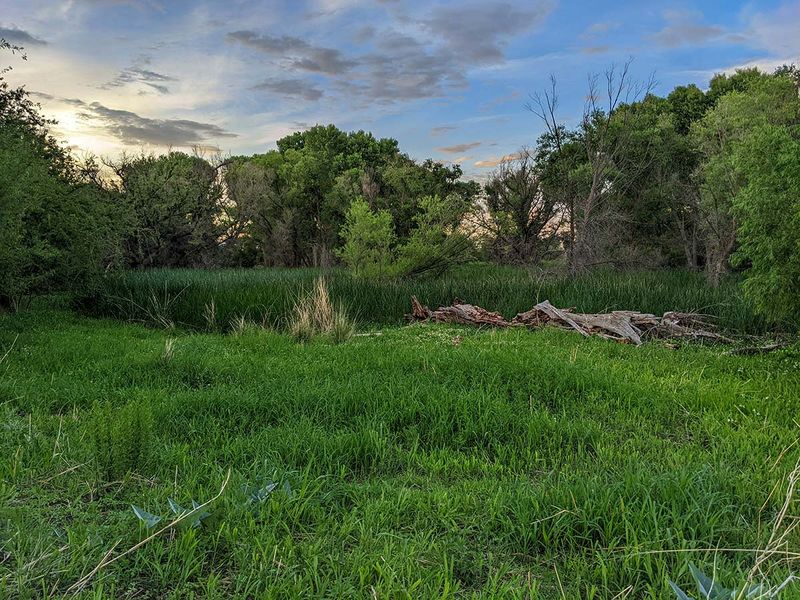
For the Southwest spring firefly, the habitat described is marshy or otherwise wet ground near permanent streams, including seeps and springs. Nothing there points to a single shrub, grass, or wildflower as the reason.
Researchers working in the state have also said that much about its needs is still unknown, as a University of Arizona report explains.
So this article will not name a guaranteed firefly plant, because none has been identified. Instead, it walks through which fireflies live in Arizona, where they are found, and which simple yard habits may help if fireflies already live near you.
Your interest in fireflies is a good one, and the honest answer is more useful than a made-up shortcut.
Which Arizona firefly are you seeing?
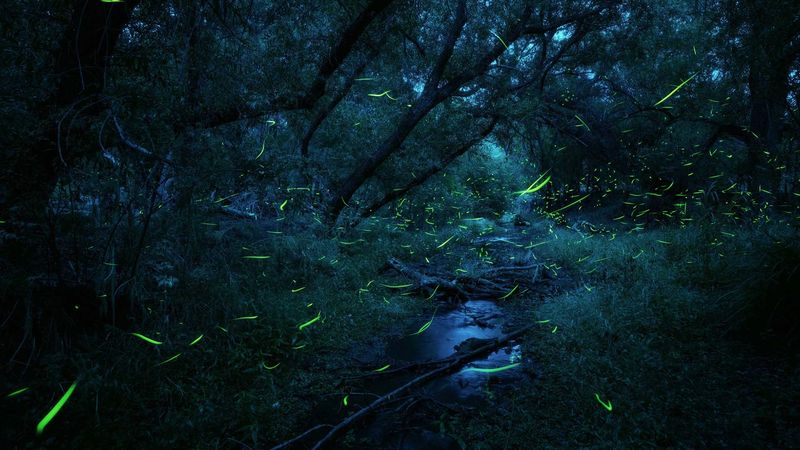
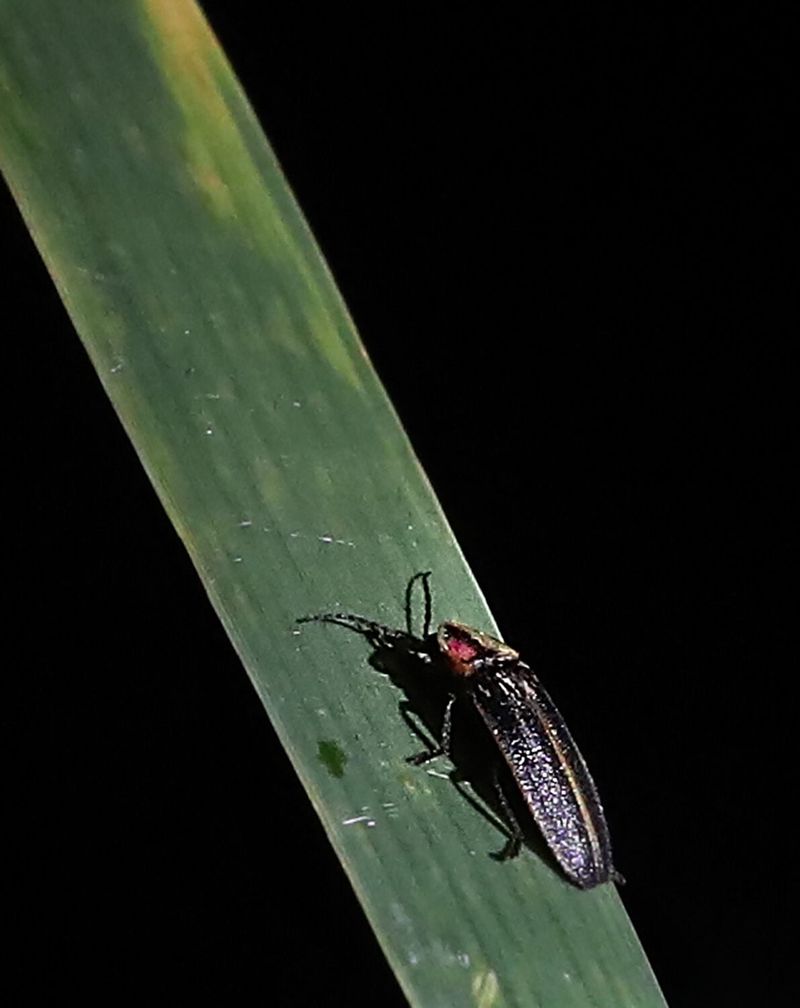
Arizona has more than one kind of firefly, and they do not all act alike. Some flash at night, some are active during the day, and some are glow-worm types.
Treating them as one species with one set of needs leads to bad advice.
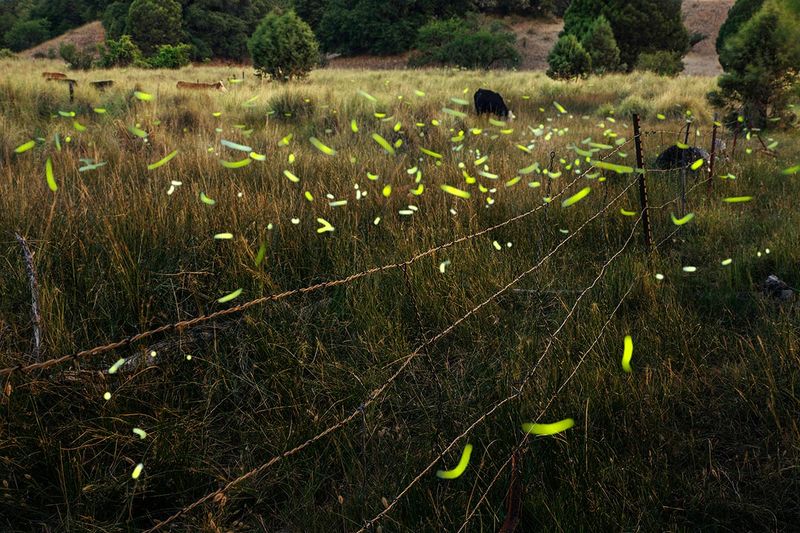
Near Tucson, the University of Arizona describes the Southwest spring firefly around rivers and streams in June and early July. The Southwest synchronous firefly shows up later, in open, grassy areas along streams after the monsoon arrives.
That difference in timing matters. If you see a glow in late July or August, you may be dealing with a different species than one seen in June.
Noting the date, the place, and whether the insect flashes can help you or a local naturalist figure out what you actually saw.
The Southwest spring firefly is associated with wet stream edges
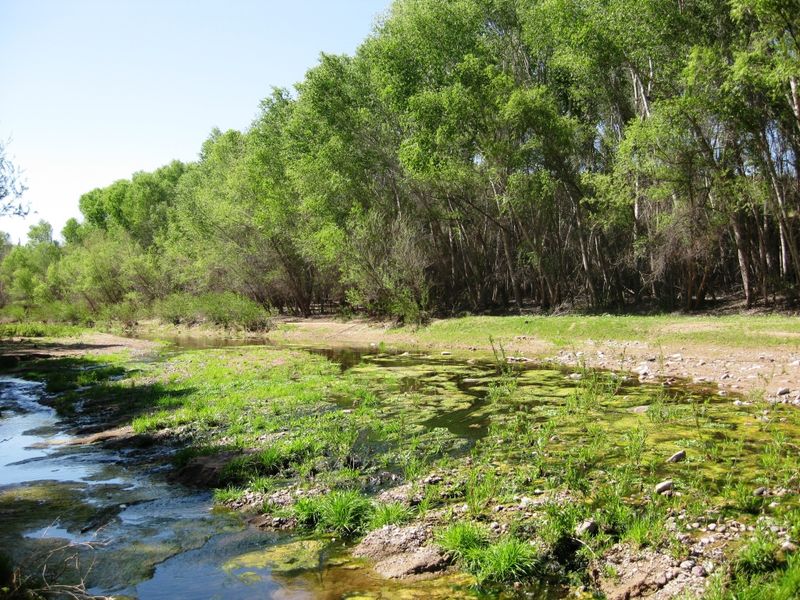
Wet ground is the common thread in what is known about this species. The Firefly Atlas profile links the Southwest spring firefly to wetland areas, including seeps and springs, near permanent streams.
The larvae eat snails and are typically found alongside streams. Snails need moisture, so the broader wet streamside setting, with its food web, looks far more relevant than any stand-alone plant.
Natural streams, seeps, and springs are a very different thing from a backyard. Nothing in the sources suggests that extra irrigation or a pond will recreate this habitat or bring fireflies in.
Keeping a yard wet just to attract them is not advice to follow, especially in a water-short state.
Your Arizona Garden Changes Every Week. Your Plan Should Too.
Gardening in Arizona changes quickly throughout the season. Every Friday you’ll receive a simple weekly plan showing exactly what to plant, prune, fertilize, harvest, and protect so you never miss the right timing.
Researchers have not established its vegetation needs
A habitat association tells you where a species tends to be found. A plant requirement means the insect needs that plant to survive.
For the Southwest spring firefly, only the first has been described.
Arizona researchers have pointed to big gaps in what is known about its distribution and habitat, including whether particular soils or vegetation matter. The supplied sources do not name a plant that the species depends on, and they do not give a soil type either.
That does not make native plants irrelevant. Native vegetation often supports the insects, moisture, and shade that make up healthy habitat.
It just means no one can honestly say which species to plant for this firefly, or promise that planting it will draw any in.
A typical low-desert yard may not provide the right setting
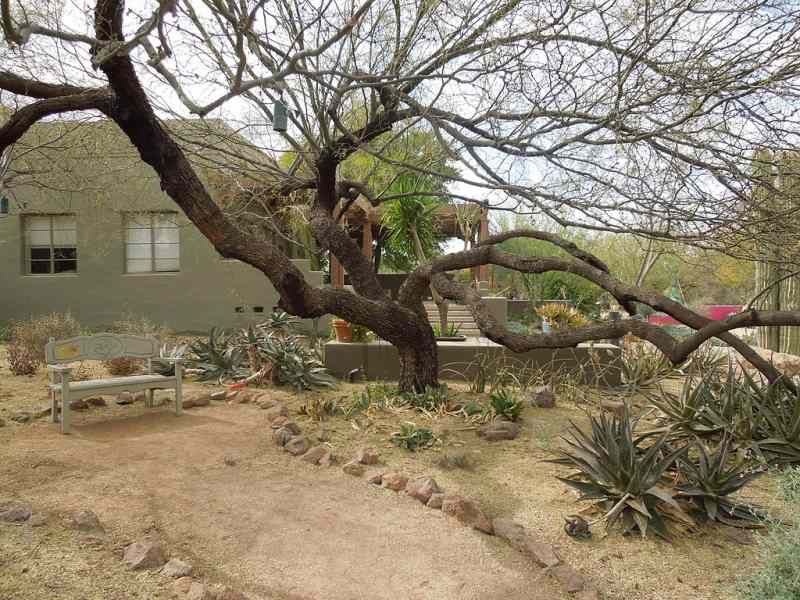
Phoenix and Tucson homeowners should set expectations carefully. A Firefly Atlas guide to Southwest fireflies notes that arid southwestern areas host few firefly species except around major rivers or other scarce water sources.
Most regional diversity is in mountainous areas.
The Southwest spring firefly fits that pattern. A Xerces Society profile places it in montane desert, foothills, and stream canyons, at about 4,000 to 6,000 feet.
That range belongs to this species, not to every Arizona firefly.
Most low-desert yards sit well below that and far from permanent streams, so rare fireflies are not something to count on. That does not rule out every yard, particularly one near a river corridor or a wet canyon mouth.
It just means a sighting is the exception.
Support existing habitat without expecting a guarantee
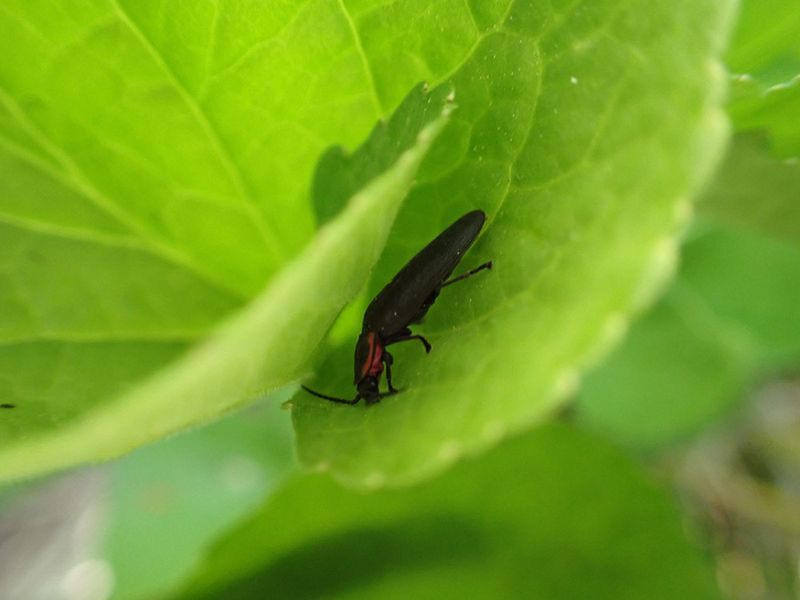
If fireflies already occur near your home, a few habits may help them. Conservation guidance from the Xerces Society includes turning off unnecessary outdoor lights and avoiding pesticides that could harm fireflies, their prey, or their habitat.
General Firefly Atlas advice also suggests leaving some natural habitat, such as leaf debris and unmowed vegetation. That is broad firefly guidance, not a tested recipe for Arizona species.
Try shutting off porch and landscape lights during firefly season, skipping broad insecticide sprays, and letting one corner of the yard stay a bit wild. Habitat loss, light, pesticides, drought, and water use are all concerns for the Southwest spring firefly, and a yard cannot fix them alone.
These steps may help a little, but no plant or yard change can promise a glowing summer night. Sometimes the best you can do is protect the dark.