When To Feed Your Christmas Cactus For A Stunning Winter Bloom In North Carolina
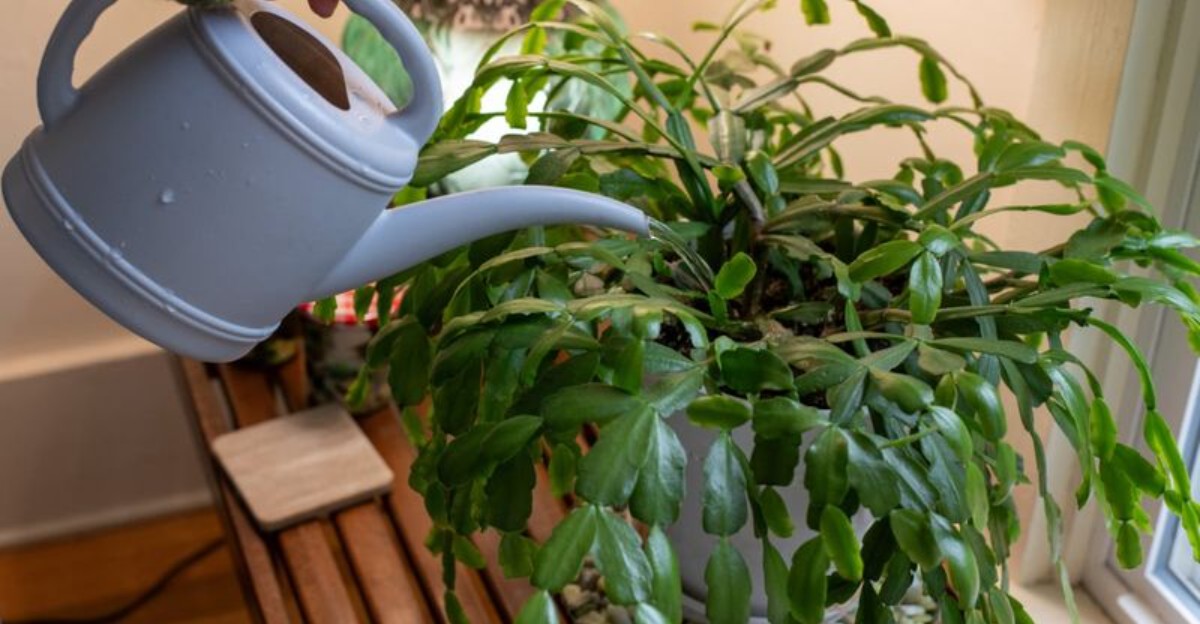
A Christmas cactus can sit all year looking healthy and then refuse to bloom. Gardeners often blame light or temperature, but feeding plays a bigger part than most people think.
This plant follows a yearly rhythm. It grows leafy segments for part of the year and then shifts its energy toward making buds.
Fertilizer given at the wrong point can push the plant to grow instead of flower. Warm indoor temperatures in North Carolina homes can throw that rhythm off even more.
Getting the timing right is simple once you understand the pattern. It does not take special products or fancy equipment.
A few well-timed feedings can mean a plant covered in color just when you want it most, during the darkest weeks of winter.
1. Feed During Spring And Summer Growth
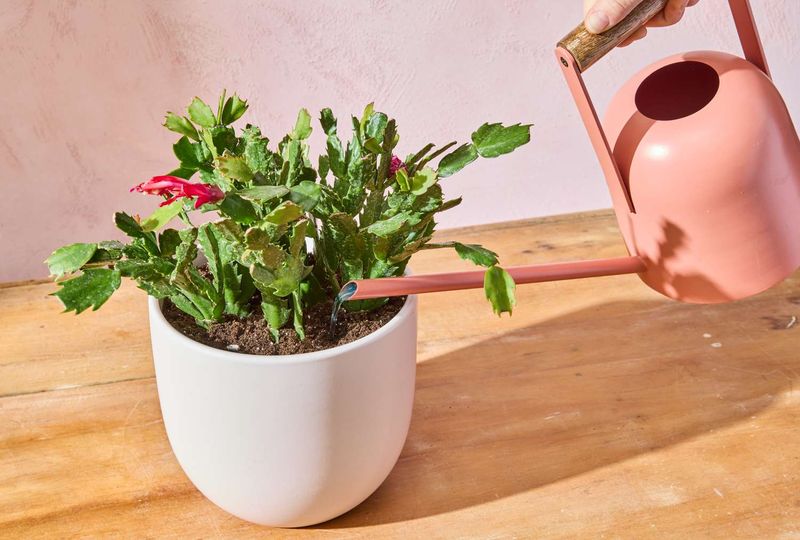
Every flower your Christmas cactus shows off in December starts with work it does months earlier. Spring and summer are the plant’s busy season, when it pushes out fresh, flat stem segments one after another.
Those new segments matter more than you might think, because next winter’s buds form right at their tips.
More segments mean more spots for flowers to appear. Feeding during this growth stage gives the plant the fuel it needs to build a fuller, bushier shape. A well-fed cactus in July often turns into a flower-packed cactus by the holidays.
So when should you start? Wait until the plant finishes its short rest after blooming and you spot tiny new segments forming, usually in early to mid spring.
Once that fresh growth appears, begin fertilizing about once every two to four weeks. Keep that steady rhythm going through the summer months.
Some gardeners like to mark feeding days on a calendar or set a phone reminder. That small habit keeps things simple and stops you from guessing. Consistency helps far more than big, random doses.
North Carolina gives Christmas cactus a real advantage here. Our growing season is long and warm, often stretching from April well into September.
That gives your plant plenty of time to stretch out, branch, and add layer after layer of new growth.
Many local gardeners move their plants to a shady porch or under a tree for the summer, where the gentle warmth and humidity help them thrive.
Pair that setting with regular feeding, and you will likely see healthy, glossy segments forming all season. Think of summer feeding as an investment, and winter flowers as the payoff.
2. Use A Balanced Fertilizer At Half Strength
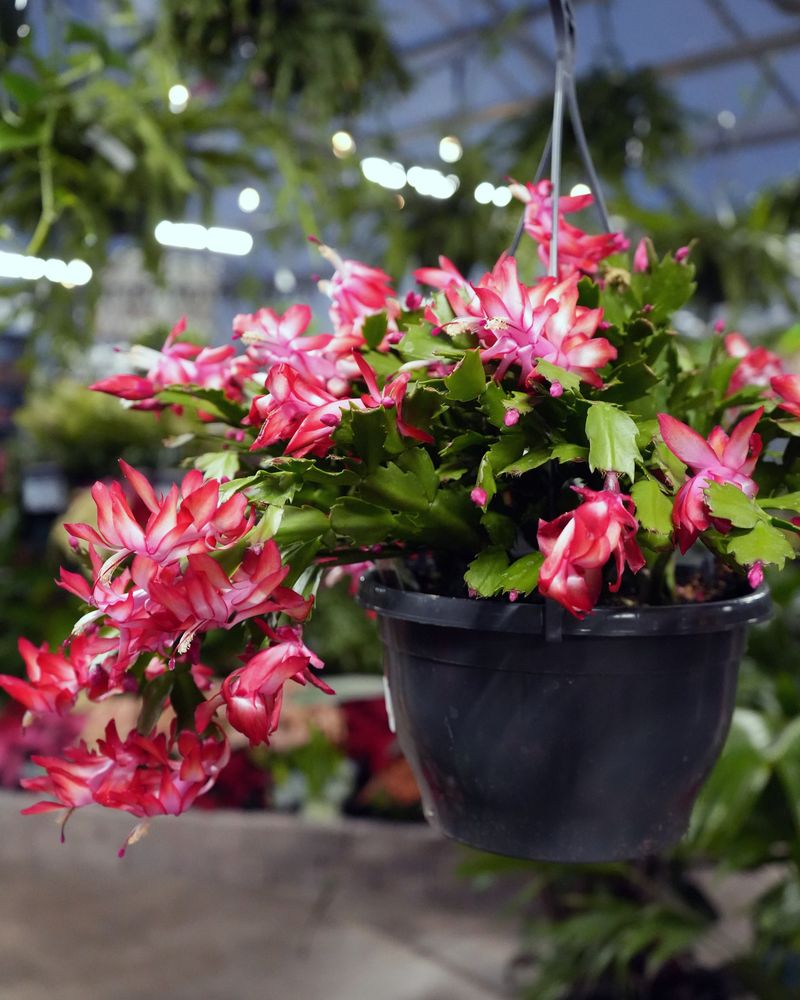
Less really is more when it comes to feeding a Christmas cactus. Unlike hungry tomatoes or roses, this plant comes from the forests of Brazil, where it grows on trees and gets small amounts of nutrients from rain and fallen leaves.
It simply does not need heavy meals. Giving it full-strength fertilizer can cause trouble over time. Extra fertilizer leaves behind salts in the soil, and those salts can build up and harm the delicate roots.
You may notice crispy brown tips or a white crust on the soil surface when this happens. A balanced, water-soluble houseplant fertilizer works beautifully. Look for one with equal numbers on the label, such as 20-20-20 or 10-10-10.
Your North Carolina Garden Changes Every Week. Your Plan Should Too.
Gardening in North Carolina changes quickly throughout the season. Every Friday you’ll receive a simple weekly plan showing exactly what to plant, prune, fertilize, harvest, and protect so you never miss the right timing.
Those numbers stand for nitrogen, phosphorus, and potassium, which support leaves, roots, and flowers.
Mixing it right is easy. Read the label, then use about half the amount it suggests for each gallon or quart of water.
Stir well and pour it evenly over moist soil so every part of the root zone gets a light, even share.
Some growers also like a fertilizer made for blooming plants, and that can work too if you keep it diluted. The real secret is the gentle approach rather than any special brand. Steady, light feeding builds strong growth without stressing the plant.
For North Carolina gardeners, this tip fits our summers perfectly. Plants sitting outdoors in bright shade or near a sunny window grow actively and use nutrients at a steady pace.
Still, they do best with a light hand, so a half-strength mix keeps them happy, green, and ready to bloom later.
3. Stop Feeding In Late Summer
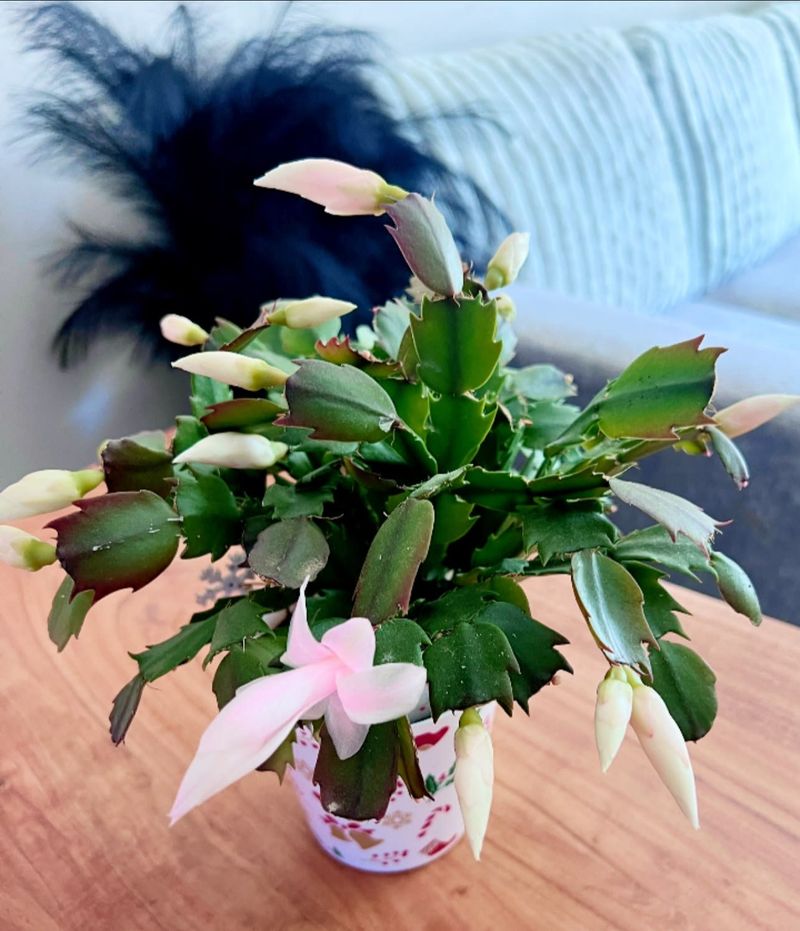
Timing your last feeding can make the difference between a leafy plant and a flowering one. As summer winds down, your Christmas cactus needs to change gears. Instead of growing more stems, it should start preparing flower buds.
Fertilizer sends a clear message to the plant to keep growing. If you keep feeding into fall, the cactus may keep pushing out new segments instead of setting buds. You might end up with a lovely green plant and very few flowers.
Slowing things down actually helps. When growth eases in late summer and early fall, the plant can shift its energy toward bud production. It is a bit like a student finishing homework before getting ready for a big performance.
A good rule is to give the final feeding around the end of August or early September. After that, put the fertilizer away until spring. Let the plant settle naturally into the cooler nights and shorter days that come with fall.
Watering should continue during this time, just without any added nutrients. Keep the soil lightly moist, and avoid letting it stay soggy. Clean, plain water is all the plant needs while it gets ready for its big season.
Here in North Carolina, this step deserves extra attention. Warm weather often hangs around well into September and even October, especially in the Piedmont and coastal areas.
If your plant keeps getting fed during those mild weeks, it may think summer never ended. Stopping on time helps your cactus read the seasonal signals and start forming those bright, eye-catching buds.
4. Don’t Feed While It’s Blooming
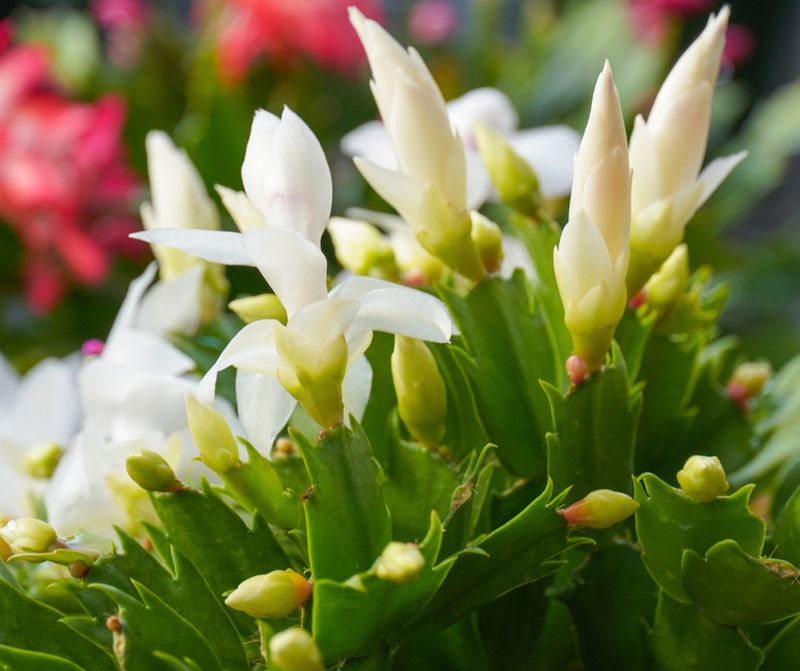
Once those first buds appear, the hardest part is often doing nothing at all. Your Christmas cactus has spent months getting ready for this moment. Now it is putting all of its energy into opening flowers.
Adding fertilizer at this stage will not make the blooms bigger or brighter. In fact, it can stress the plant at a sensitive time.
Stress often shows up as bud drop, when buds fall off before they ever open, which can be really disappointing.
Simple care works best during the flowering season. Keep the soil lightly moist, watering when the top inch feels dry. Avoid letting the pot sit in a saucer full of water, since soggy roots can cause problems.
Location matters a lot too. Try not to move the plant once buds have formed, because sudden changes in light or temperature can make it drop them.
Keep it away from heater vents, drafty doors, and fireplaces where the air swings from hot to cold.
Hold off on all fertilizer until the very last flower fades. Your plant will thank you with a longer, steadier show.
Many blooms last several days each, and a healthy plant can stay colorful for weeks.
In North Carolina, Christmas cactus usually blooms from late fall into winter, often right around Thanksgiving through the holidays. That timing lines up with busy family gatherings and decorating, so it is easy to forget about the plant or move it around for guests.
Pick a good spot early, leave it there, and enjoy the colorful flowers as part of your winter celebrations.
5. Let It Rest After Blooming
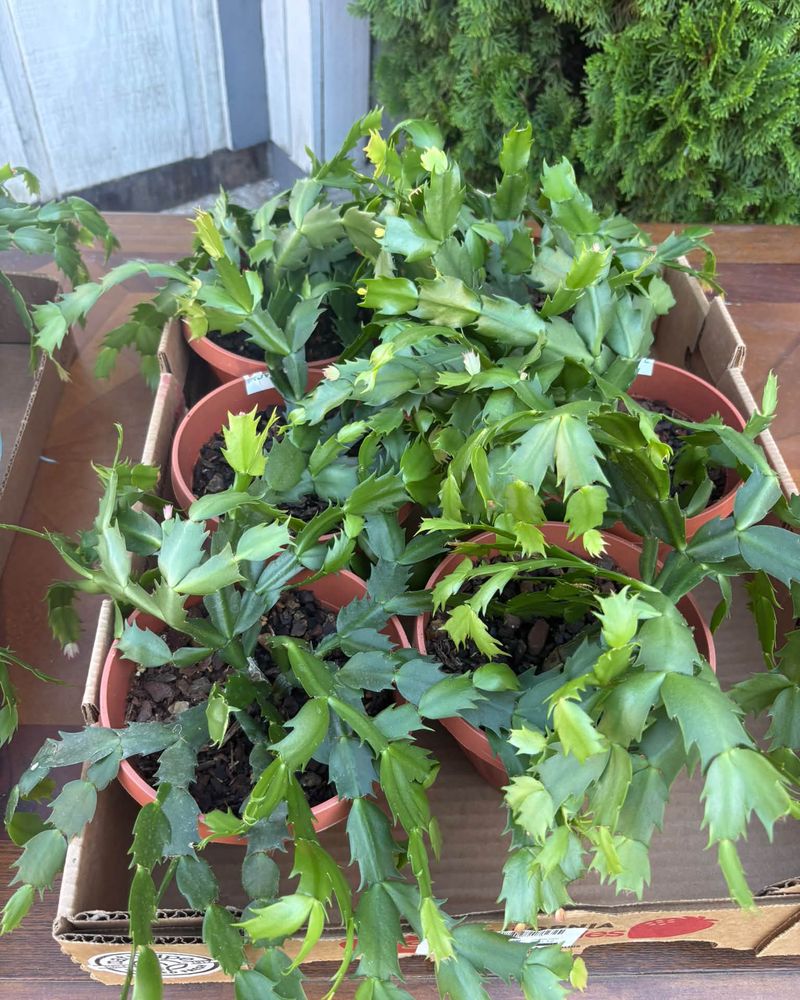
After weeks of bright flowers, even a tough plant needs a breather. When the last blooms fade, your Christmas cactus naturally slows down. Giving it a short rest helps it recharge before the next growing season begins.
Think of this period as a quiet recovery time. The plant has used a lot of energy making flowers, and it needs a pause before it starts building new stems. Pushing it with food or heavy watering right away can do more harm than good.
For about six weeks after flowering, water a little less than usual. Let the top inch or two of soil dry out before giving it a drink.
Skip fertilizer completely during this stretch, and gently pull off any spent flowers to keep the plant tidy.
Watch closely as spring gets closer. Once you notice small, fresh segments forming at the stem tips, the rest period is over. That is your signal to return to regular watering and start feeding again.
Early spring is also a great time to repot, if needed. Christmas cactus likes being a bit snug in its pot, so only move up one size, usually every two to three years. Use a fast-draining mix, such as potting soil blended with perlite or orchid bark.
North Carolina gardeners will find this timing feels natural. Many plants finish blooming in late winter, just as days start growing longer in February and March.
The extra daylight gently wakes the plant up, so rest, repotting, and the return of feeding all fall into place right on schedule.
6. Water Before You Fertilize
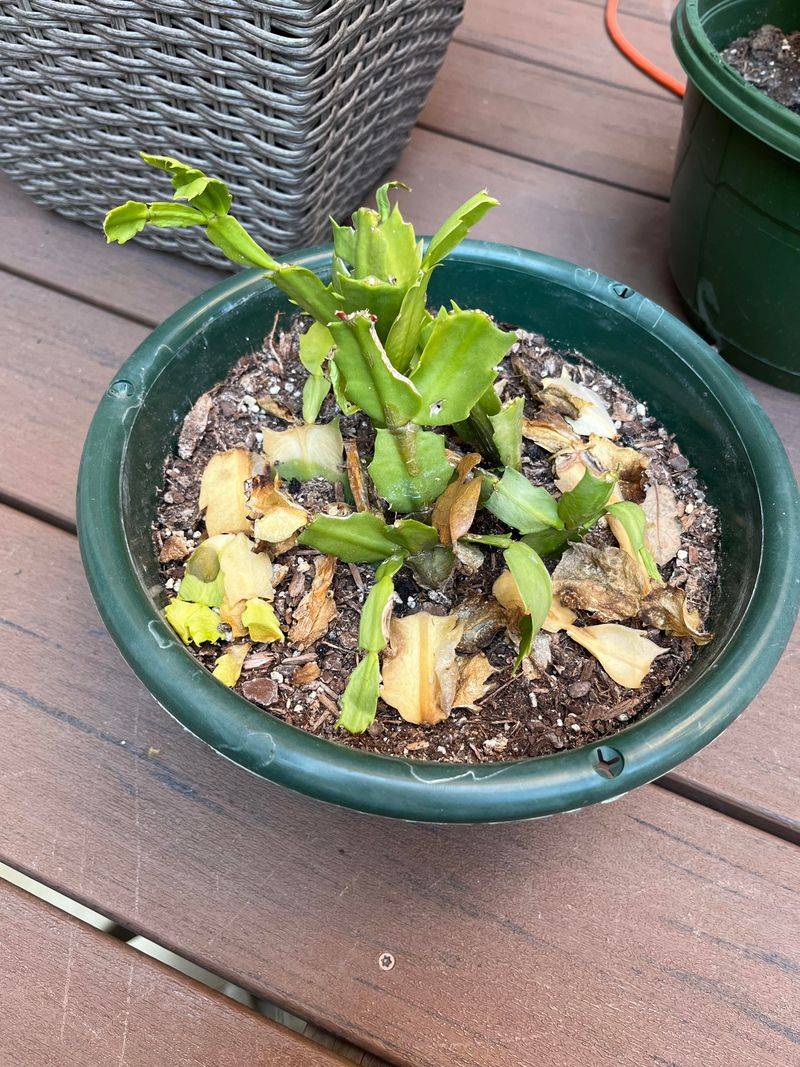
Dry soil and fertilizer make a rough combination for tender roots. When the soil is bone dry, there is very little water to spread out the nutrients.
That means the fertilizer becomes extra strong right where the roots sit, and it can burn them.
Root burn is not always easy to spot at first. You might see limp, wrinkled segments or brown edges a few days later.
By then, the damage has already happened underground. Luckily, the fix is quick and simple. Start by giving your plant a light drink of plain water. Wait a few minutes so the moisture soaks in, then pour on your diluted fertilizer.
Good drainage completes the routine. Make sure your pot has at least one hole in the bottom, and let extra water flow out freely. Empty the saucer afterward so the plant never sits in leftover liquid.
About once every month or two, flush the pot with plain water. Let a good amount run through the soil and out the bottom. That rinse washes away extra salts before they can build up and bother the roots.
North Carolina summers make this habit especially useful. Hot, sunny afternoons can dry out potted plants surprisingly fast, especially those sitting on porches, decks, or patios.
Clay pots dry even quicker than plastic ones. Checking the soil with your finger before feeding takes only a second, and it protects your plant from stress during the hottest months of the year.
7. Feeding Alone Won’t Bring Blooms
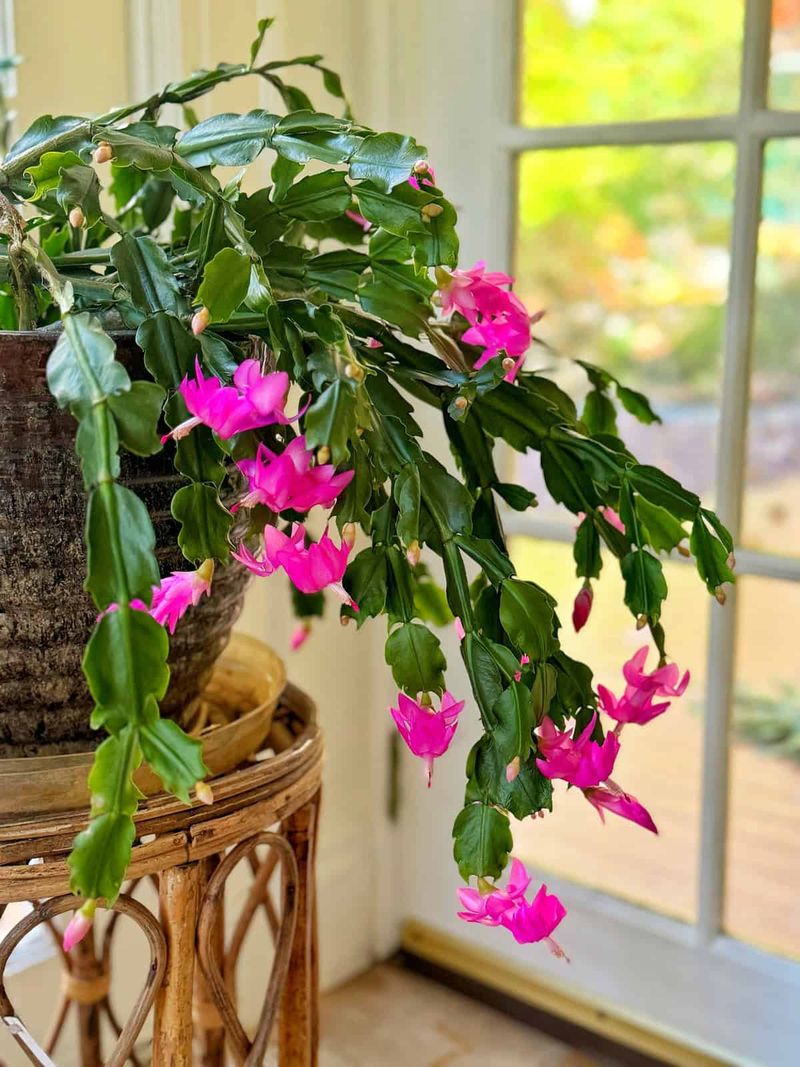
Plenty of gardeners feed their Christmas cactus perfectly and still wonder why it refuses to flower. Fertilizer builds a strong plant, but it does not tell the plant when to bloom. That job belongs to temperature and darkness.
Flower buds form in response to long nights and cool air. If your cactus spends fall in a warm, brightly lit room where lamps stay on late, it may never get the signal. You could have a lush, healthy plant with no flowers at all.
Starting in early fall, give your plant the conditions it craves. Aim for about 12 to 14 hours of complete darkness each night. A spare bedroom or closet works, or you can cover it with a box overnight.
Cool temperatures help just as much. Keeping the plant around 50 to 60°F for about six weeks also encourages buds. Many growers combine both methods for the best results.
Once you see tiny buds at the stem tips, leave the plant in place. Moving it now can cause buds to drop. Bring it to its display spot gently and keep conditions steady.
North Carolina gives you a natural head start. Many gardeners let their Christmas cactus spend summer outdoors in shade, then leave it outside into early fall.
As nights cool toward about 50°F, the plant naturally starts setting buds. Just bring it indoors before frost arrives, and you will likely enjoy a gorgeous winter show.