Why North Carolina Zucchini Leaves Turn Pale In Summer And When It’s More Than Heat Stress
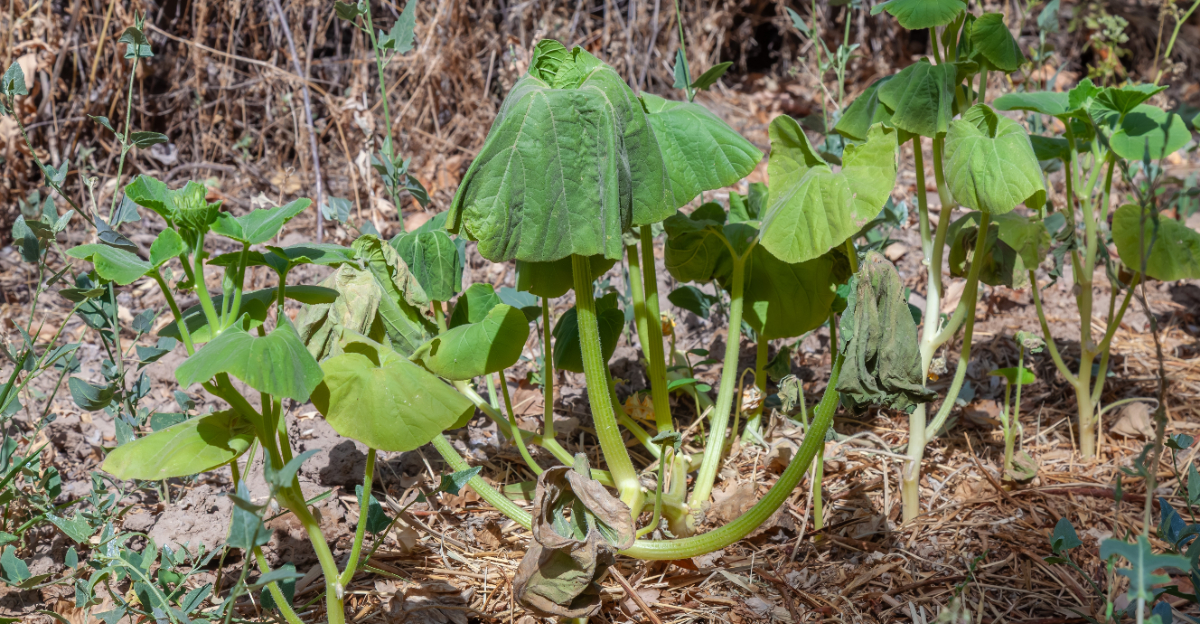
Pale zucchini leaves in a North Carolina summer get blamed on heat almost automatically, and heat is genuinely responsible often enough to make that assumption feel reasonable.
The problem is that several other causes produce nearly identical leaf pallor, and each one requires a completely different response.
Spider mite feeding, nutrient deficiency, and the early stages of certain viral infections all create fading and discoloration that looks like heat stress from a standing position but tells a different story when examined closely.
Treating heat stress with more shade or water while the real cause continues unchecked costs the rest of the harvest.
Knowing what specific details to look for beyond the pale color itself is what separates an accurate diagnosis from an expensive guess.
1. Natural Silver Markings Can Look Like Trouble
Plenty of gardeners have done a double-take looking at their zucchini and wondering if something went terribly wrong overnight.
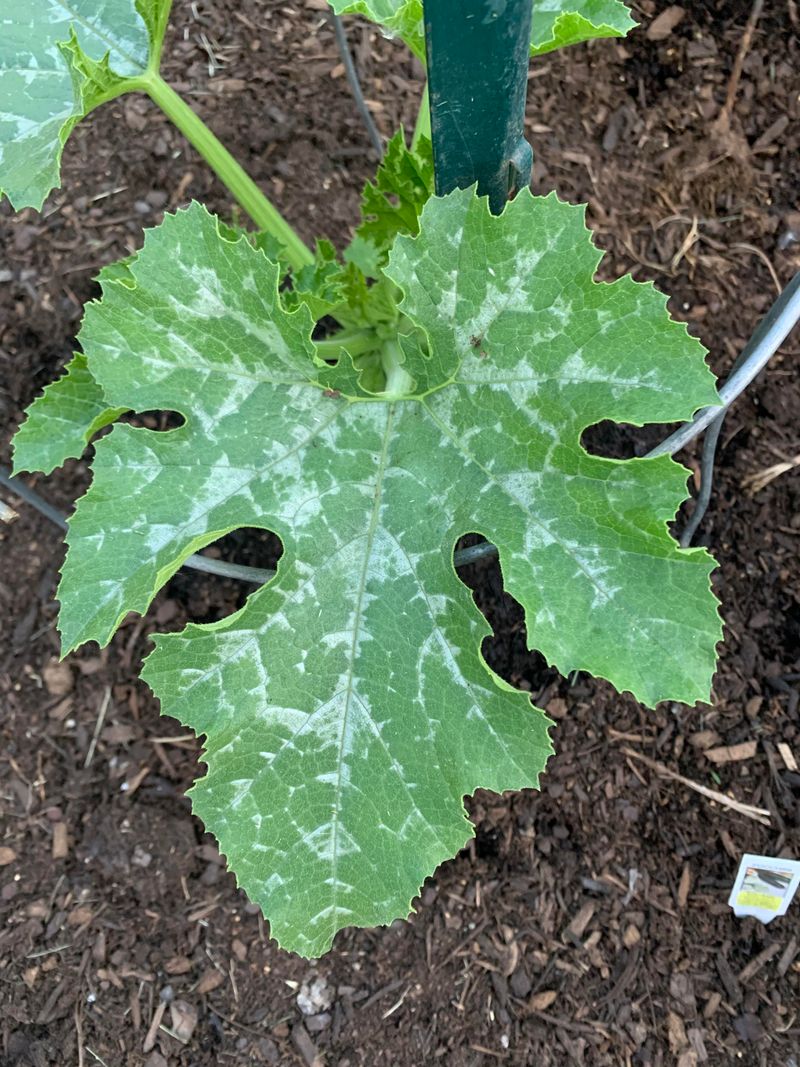
The truth is, many zucchini varieties naturally grow leaves with pale silver, gray, or white patterns baked right into their appearance.
These markings are part of the plant’s genetic design, not a sign that anything is off.
The easiest way to tell natural markings from a real problem is to look closely at the texture. Natural silver patterns sit flat and smooth against the leaf surface.
They blend in rather than standing out as fuzzy, powdery, or raised patches. The coloring is consistent and has likely been there since the plant first grew its early leaves.
Healthy plants with natural markings still grow vigorously, produce flowers, and push out fruit without any slowdown.
If your zucchini is growing well, setting blooms, and the markings are not spreading or changing shape, you are probably looking at a perfectly normal plant doing exactly what it is supposed to do.
Where gardeners sometimes get confused is when they compare plants side by side and notice different leaf patterns.
Some popular varieties like Black Beauty have darker, mostly solid leaves, while others like Costata Romanesco naturally carry striking silver marbling.
Neither is wrong. When buying seeds or transplants, checking the variety description can help you understand what your specific plant should look like so you are not caught off guard mid-season.
2. Afternoon Heat Can Make Leaves Look Washed Out
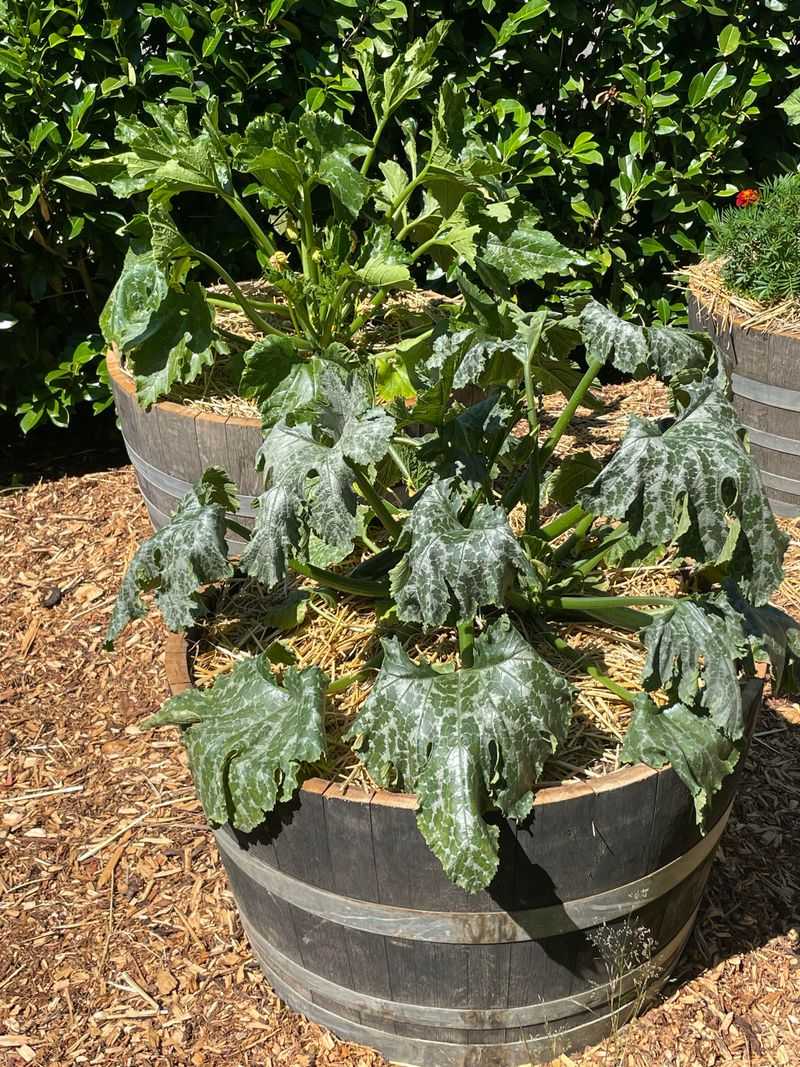
North Carolina summers are no joke. Temperatures regularly climb into the upper 90s, and the combination of blazing sun and thick humidity can make even the toughest garden plants look like they are having a rough afternoon.
Zucchini, with its enormous flat leaves, is especially noticeable when heat stress sets in.
During the hottest part of the day, usually between noon and four in the afternoon, zucchini leaves may look pale, limp, or almost bleached out.
The plant is essentially managing its own temperature by reducing water movement through its leaves.
It is a short-term survival response, not a long-term crisis, and most healthy plants bounce back noticeably once the evening cools things down.
The key is paying attention to timing. If your leaves look pale and tired at two in the afternoon but perk back up by early evening, afternoon heat stress is almost certainly the cause.
Your North Carolina Garden Changes Every Week. Your Plan Should Too.
Gardening in North Carolina changes quickly throughout the season. Every Friday you’ll receive a simple weekly plan showing exactly what to plant, prune, fertilize, harvest, and protect so you never miss the right timing.
Consistent soil moisture makes a huge difference here. Plants that have steady access to water in the root zone handle afternoon heat far better than those sitting in dry or patchy soil.
Adding a layer of mulch around the base of your plants, roughly two to three inches thick, helps lock in soil moisture and keeps roots cooler throughout the day. Straw, shredded leaves, or wood chips all work well.
Watering deeply in the early morning rather than midday or evening gives roots the moisture they need before the heat peaks, setting your plants up to handle even the toughest North Carolina summer afternoons with far more resilience.
3. Dry Soil Below The Surface Can Pull Color From The Plant
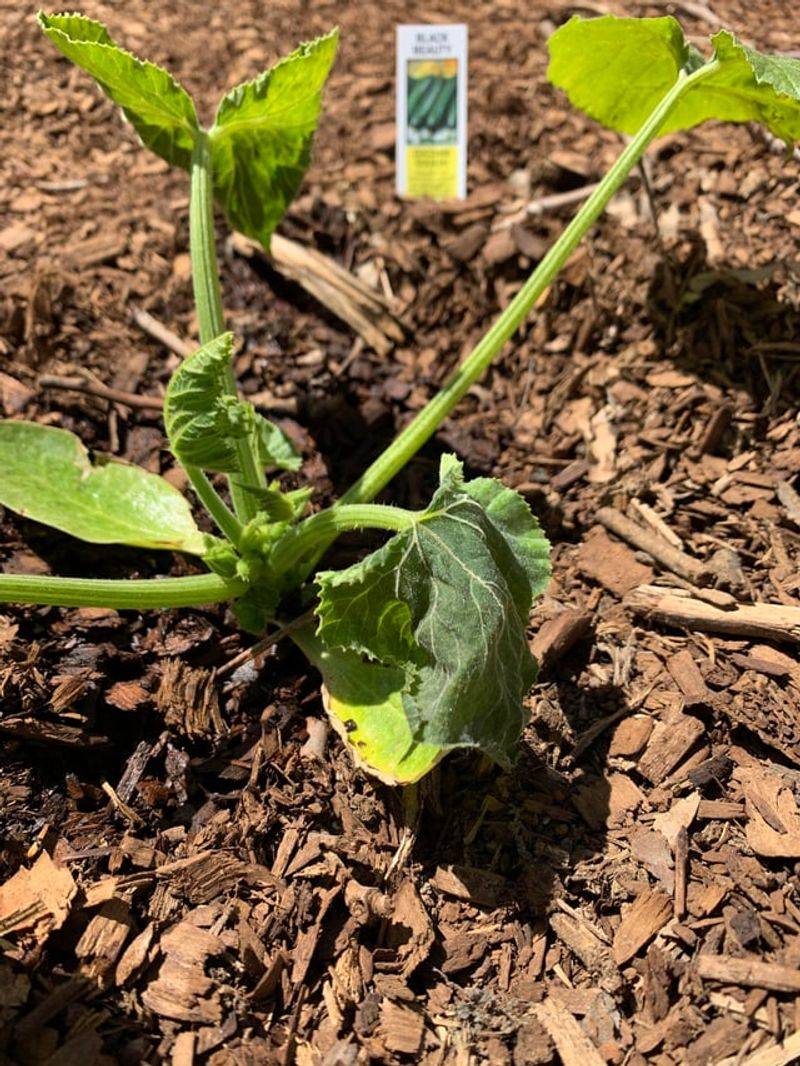
Here is something that trips up even experienced gardeners: the top inch of soil can feel slightly damp while the root zone several inches below is bone dry. Zucchini plants are big and thirsty.
They grow large leaves and produce heavy fruit fast, which means their water demands are serious throughout the entire growing season.
When roots cannot find enough moisture, the plant starts prioritizing survival over appearance. Leaves begin to look pale, slightly yellowish, or washed out because the plant is struggling to move nutrients and water efficiently from the roots upward.
The foliage is basically showing you what the roots are experiencing underground, and it is worth listening to that signal.
Checking moisture the right way matters more than most gardeners realize. Rather than touching the soil surface, push your finger or a wooden dowel four to six inches into the ground near the plant’s base.
If it comes out dry or barely damp, your plant needs a thorough, deep watering right away. Light, frequent sprinkles only wet the top layer and actually encourage shallow root growth, which makes plants even more vulnerable during dry spells.
Deep, infrequent watering is always the smarter approach with zucchini. Aim to water slowly and thoroughly so moisture soaks down to where the roots are actually feeding.
Soaker hoses or drip irrigation work especially well for this because they deliver water directly to the root zone without wetting the foliage.
Keeping roots consistently moist, not waterlogged, is the foundation of a healthy, full-colored zucchini plant all summer long.
4. Soggy Soil Can Make Roots Struggle
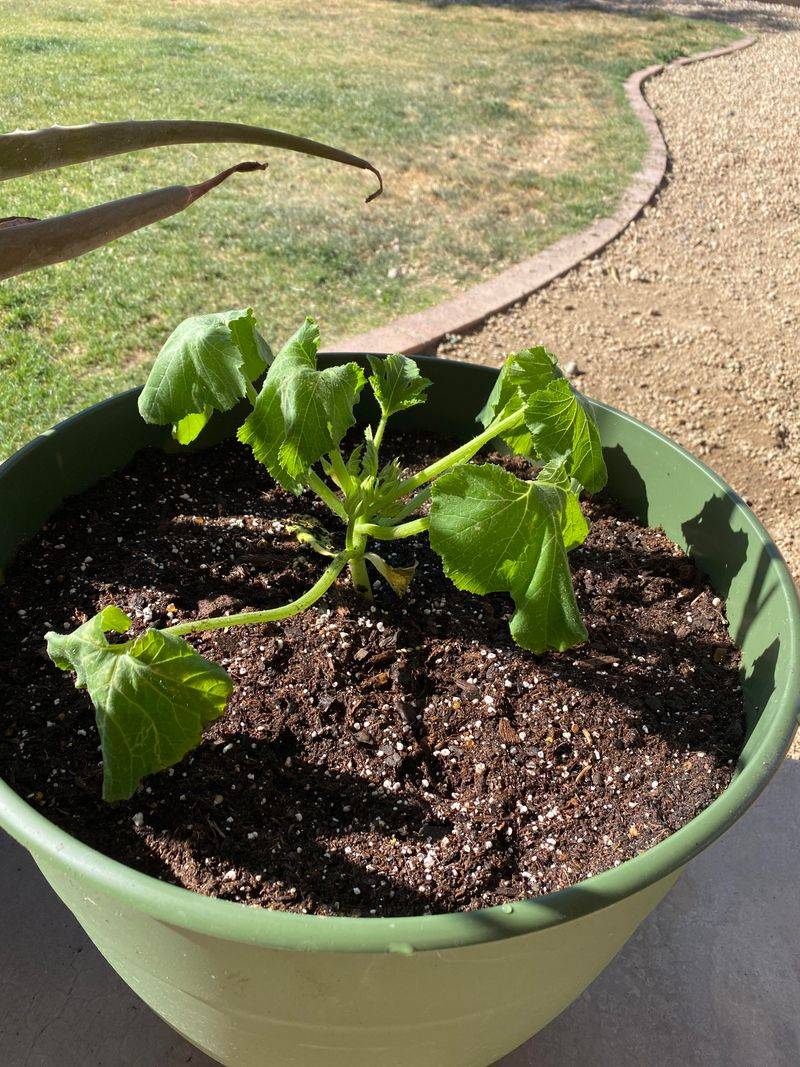
It might seem like more water always means a happier plant, but zucchini roots actually need both moisture and air to function properly.
When soil stays soggy for extended periods, especially after North Carolina’s heavy summer thunderstorms, roots begin to suffocate.
Without enough oxygen in the soil, they cannot absorb nutrients or water efficiently, and the leaves start showing the stress almost immediately.
Pale, limp, or slightly yellow leaves after a stretch of wet weather are a classic sign that waterlogged soil is the problem.
The plant may even look like it needs water despite the soil being soaked, which is confusing but makes sense once you understand what is happening underground.
Roots that are struggling in saturated conditions send the same distress signals as roots in dry soil because in both cases, the plant is not getting what it needs.
Good drainage is one of the most important things you can set up before planting, not after problems appear. Raised beds work extremely well in North Carolina because they allow excess water to drain away naturally.
If you are gardening in ground-level beds, mixing compost into heavy clay soil improves drainage significantly and gives roots more room to breathe.
Watering on a strict schedule regardless of recent rainfall is one of the easiest mistakes to make. Always check the soil before adding more water.
After heavy rains, give the soil time to drain before watering again. If standing water lingers around your plants for more than a day, improving the bed’s drainage should move to the top of your garden to-do list before the next big storm rolls in.
5. Nutrient Shortage Can Show Up As Yellowing Leaves And Slow Growth
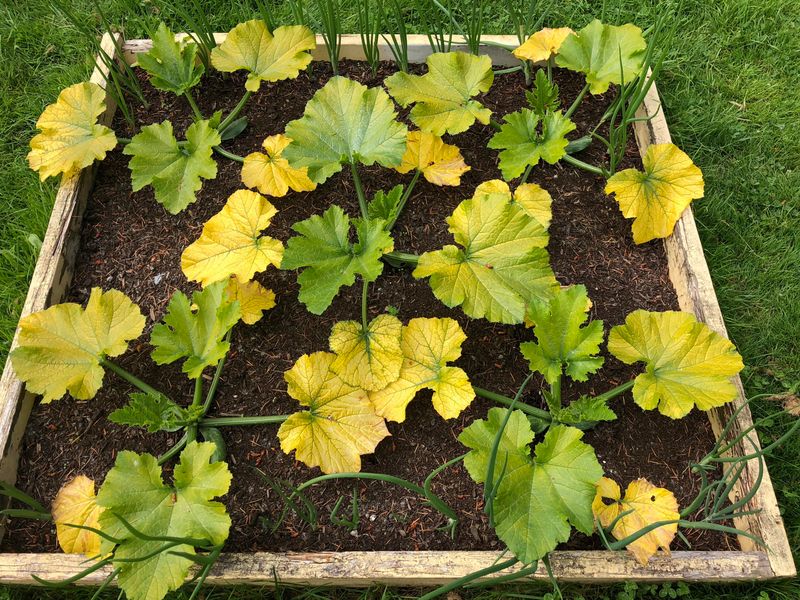
Zucchini is a heavy feeder. It pushes out big leaves, long stems, and multiple fruits across a long growing season, and it needs a steady supply of nutrients to keep that pace up.
When the soil runs low on key elements, particularly nitrogen, the plant starts showing its struggle through its leaves before anything else changes.
Nitrogen shortage tends to appear on the oldest, lowest leaves first. Those leaves turn pale yellow or light green while newer growth at the top of the plant may still look relatively normal.
Over time, if nothing changes, the yellowing works its way upward and overall plant growth slows noticeably. Fruit production can drop off too, which is usually when gardeners start paying closer attention.
Rather than guessing what your soil needs, a simple soil test takes the mystery out of it entirely.
North Carolina State University’s Extension service offers affordable soil testing, and the results tell you exactly what nutrients are present and what might be missing.
That information is far more useful than applying random fertilizers and hoping for the best.
If a soil test is not immediately available, a balanced vegetable fertilizer applied according to label directions is a reasonable starting point.
Fertilizers with a roughly equal ratio of nitrogen, phosphorus, and potassium work well for general vegetable garden use.
Avoid overdoing nitrogen specifically, because too much can push leafy growth at the expense of flowers and fruit.
Feeding your zucchini consistently but carefully throughout the season keeps color strong, growth steady, and harvests coming in reliably until the season winds down.
6. Powdery Mildew Can Start As Pale Spots On Older Leaves
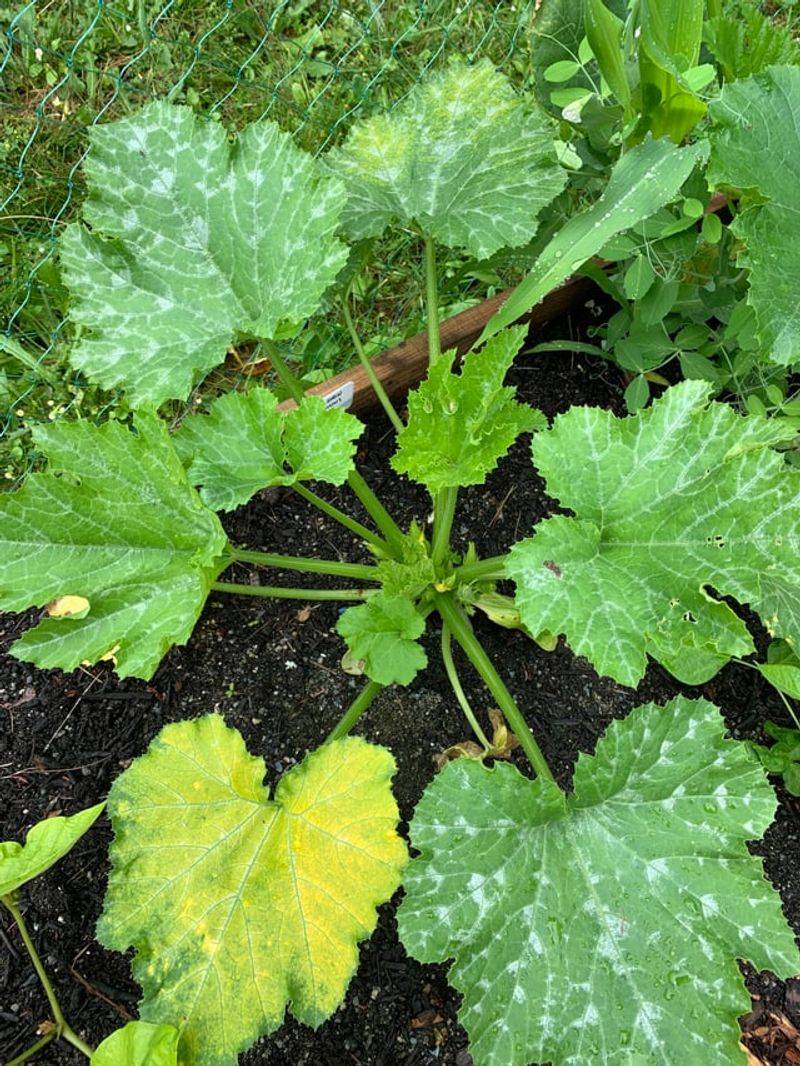
Powdery mildew is one of the most common and recognizable fungal problems in North Carolina zucchini gardens, and it almost always shows up in summer when heat and humidity combine with dense, crowded foliage.
It starts subtly, often as a few pale or slightly whitish spots on older leaves tucked lower in the plant where airflow is limited.
Many gardeners initially mistake it for dust or natural markings, which gives the fungus extra time to spread.
Unlike natural leaf patterns, powdery mildew has a distinctly powdery or chalky texture when you look closely. Run your finger across a suspicious spot and you will feel or see the white coating smear slightly.
The patches spread outward across the leaf surface, eventually covering large areas, and can move to stems and leaf stalks as the season progresses. Leaves affected badly often yellow, curl, or weaken over time.
The conditions that fuel powdery mildew are easy to recognize in a typical North Carolina summer. Warm days, humid nights, and poor air circulation inside a bushy zucchini plant create the perfect environment.
Crowding plants too close together makes things worse because leaves trap moisture and block airflow between them.
Catching it early gives you the best chance of slowing its spread. Removing heavily affected leaves and improving airflow around plants helps right away.
Organic options like neem oil or diluted baking soda sprays applied to leaf surfaces can slow the fungus when used consistently.
Planting mildew-resistant zucchini varieties is one of the smartest long-term moves North Carolina gardeners can make before the problem ever starts.
7. Pests Or Leaf Diseases Can Turn Pale Leaves Into A Bigger Warning
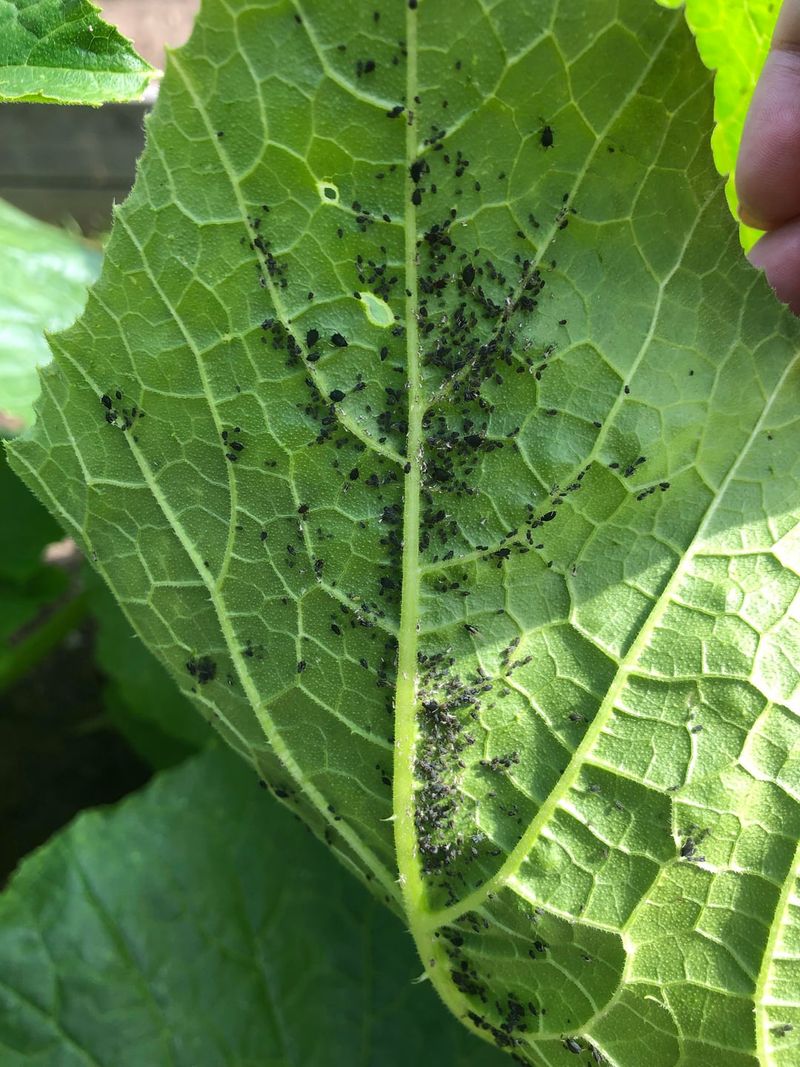
Sometimes pale zucchini leaves are not about water, nutrients, or fungus at all. They are a signal that something is actively feeding on or infecting your plant, and a closer inspection is overdue.
Several common summer pests and diseases in North Carolina show their first symptoms through changes in leaf color, and knowing what to look for makes all the difference in catching problems before they escalate.
Spider mites are tiny and easy to miss, but the damage they cause is distinctive. Affected leaves develop hundreds of tiny pale yellow stipples scattered across the surface, giving the leaf a speckled or almost dusty appearance.
Fine webbing on the undersides of leaves or between stems is a giveaway. These pests thrive in hot, dry conditions and can spread quickly across a plant when left unchecked.
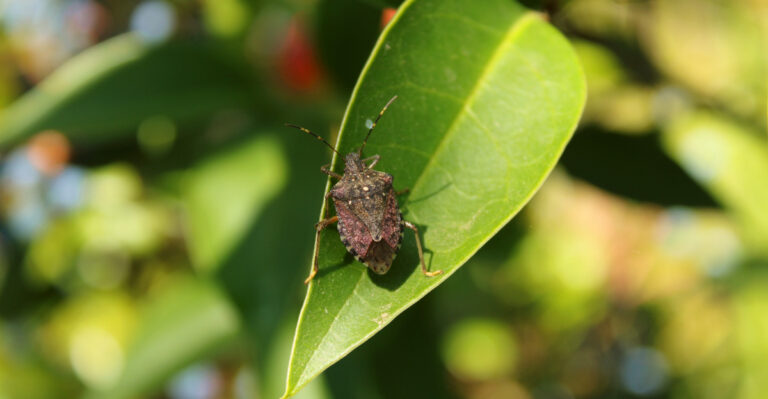
Squash bugs are larger and easier to spot. They cause pale speckling and weakened leaves as they feed on plant sap in groups.
Check the undersides of leaves for clusters of bronze-colored eggs and remove them promptly.
Squash vine borers are another serious threat, causing leaves to pale and wilt suddenly while the stem near the soil line shows damage or sawdust-like frass from the borer feeding inside.
Downy mildew is different from powdery mildew and often more damaging in wet seasons.
It shows up as angular yellow patches on the tops of leaves that follow the leaf’s vein pattern, while the undersides develop a grayish or purplish fuzzy growth in moist conditions.
Catching any of these issues early and responding quickly, whether through targeted sprays, physical removal, or improved plant spacing, protects your harvest and keeps your garden moving forward all season.