The Beautiful Blue Flowers North Carolina Hummingbirds Cannot Resist
Everyone plants red for hummingbirds. Red salvia, red bee balm, red trumpet vine. The color works and nobody argues with the results.
What most North Carolina gardeners have never tested is what happens when blue flowering plants enter the picture.
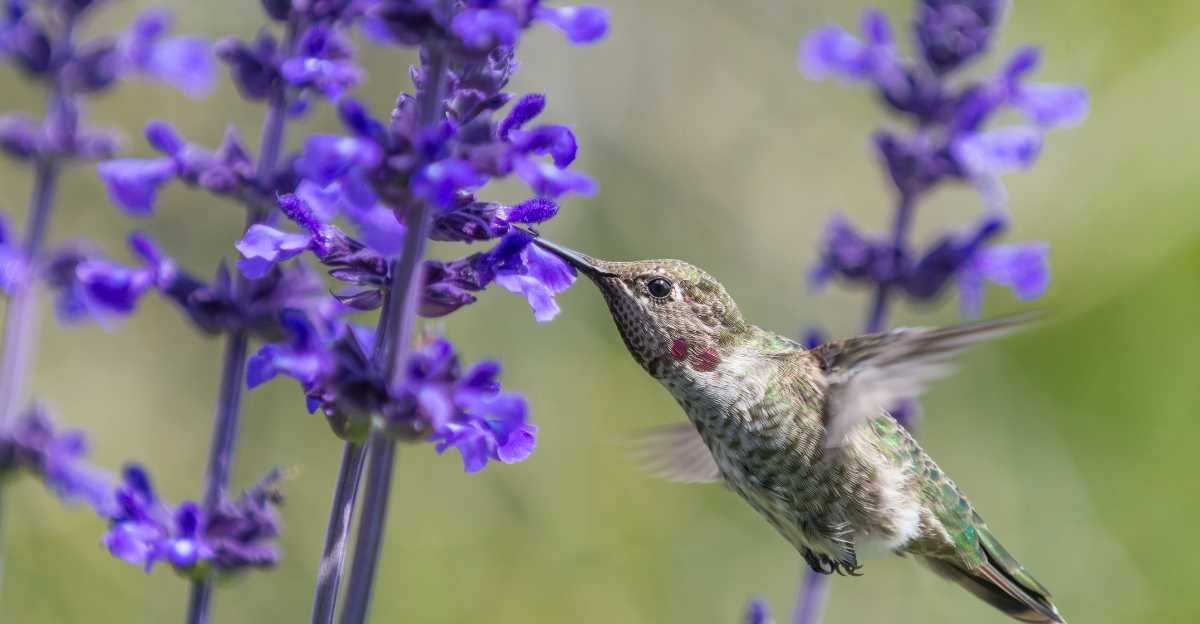
Hummingbirds in this region respond to certain blue blooms with a feeding intensity that genuinely surprises gardeners who assumed red was the only reliable draw.
Several of these blue-flowering species also bloom during the late summer stretch when other nectar sources thin out across North Carolina, which makes them useful at exactly the moment they are needed most.
Adding them changes the entire dynamic of a hummingbird garden in ways that red plantings alone never quite achieve.
1. Downy Lobelia
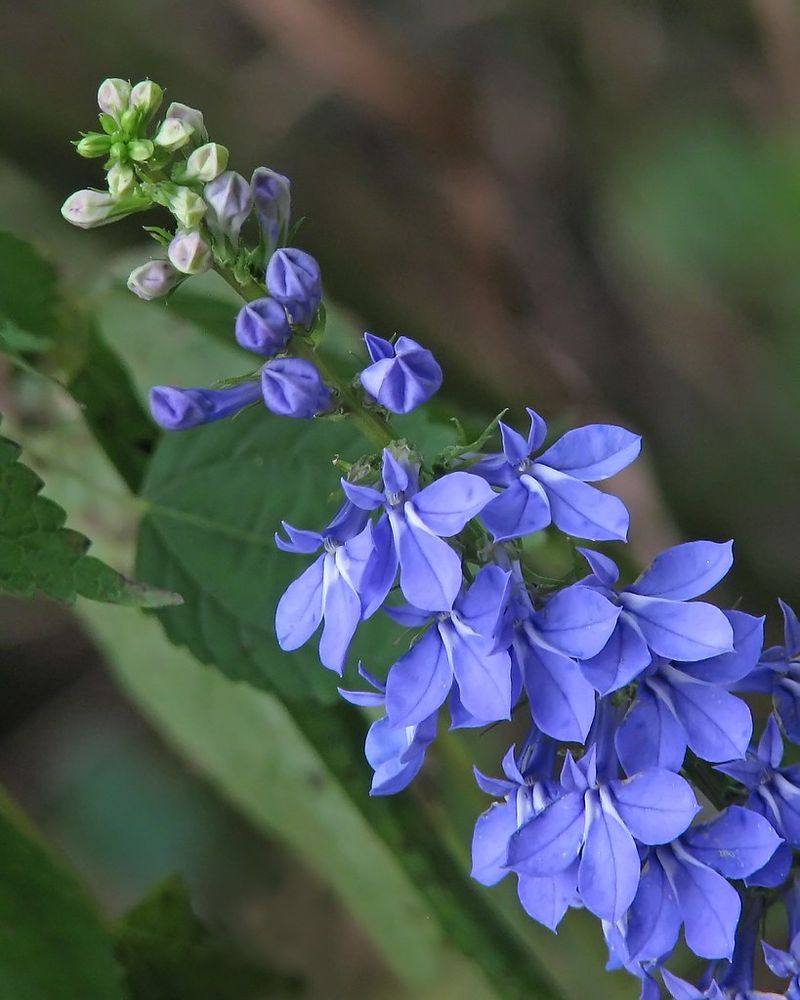
When summer starts winding down and many flowers have already faded, Downy Lobelia steps in and keeps the garden alive with color.
This beautiful native blue flower blooms from late summer into fall, making it one of the best options for North Carolina gardeners who want to extend hummingbird activity well beyond the typical season.
Downy Lobelia, or Lobelia puberula, produces slender spikes of blue flowers with soft pale centers that give each bloom a two-toned, almost painterly look.
The tubular shape of each flower fits hummingbirds perfectly, and because the blooms appear so late in the season, visiting hummingbirds fueling up for migration find it especially valuable.
Planting it alongside earlier-blooming natives creates a continuous nectar buffet from spring through fall.
This plant fits beautifully into native gardens, pollinator beds, and naturalized plantings where a wilder, more relaxed look is welcome.
It handles average to moist soil well and prefers partial shade to full sun depending on the moisture level available.
Drier spots benefit from some afternoon shade to keep the plant comfortable and blooming longer.
One of the most underrated qualities of Downy Lobelia is how naturally it blends into a landscape without looking forced or overly cultivated.
It self-seeds modestly, which means a small planting can gradually fill in a garden bed over a few seasons.
For gardeners who love that effortless, naturalistic style while still attracting hummingbirds reliably, Downy Lobelia is a plant worth adding to the list immediately.
2. Great Blue Lobelia
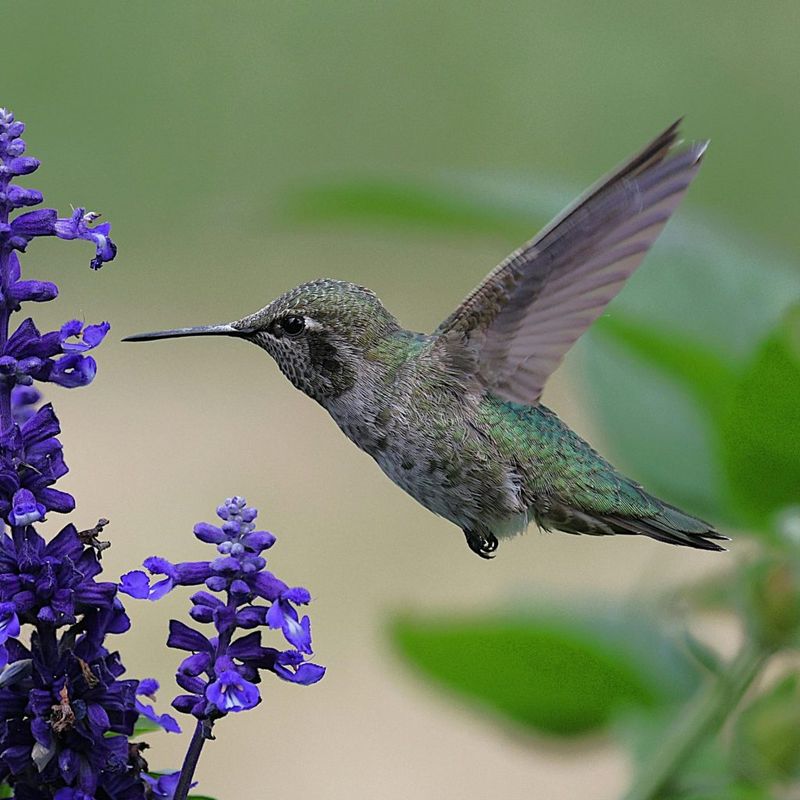
Few native plants put on a show quite like Great Blue Lobelia.
Known botanically as Lobelia siphilitica, this North Carolina native perennial bursts into color from midsummer all the way into early fall, giving hummingbirds a reliable food source right when they need it most before their southern migration.
What makes this plant so special is its bold, showy blue flower spikes that rise dramatically above the foliage.
Each tubular bloom is perfectly shaped for a hummingbird’s long bill, making feeding quick, easy, and irresistible.
Ruby-throated hummingbirds, the most common species in North Carolina, are frequent visitors wherever this plant grows.
Great Blue Lobelia thrives in moist soil, which makes it an excellent pick for rain gardens, pond edges, and stream banks.
Partial sun suits it well, though it can handle a bit more shade than many flowering perennials.
Your North Carolina Garden Changes Every Week. Your Plan Should Too.
Gardening in North Carolina changes quickly throughout the season. Every Friday you’ll receive a simple weekly plan showing exactly what to plant, prune, fertilize, harvest, and protect so you never miss the right timing.
If your yard has a naturally damp low spot, this plant will turn that problem area into a pollinator paradise.
Planting it in groups of three or more creates a bigger visual impact and draws in more hummingbirds at once.
Since it is a true North Carolina native, it requires minimal care once established and supports local insects and birds throughout the season.
Gardeners who want a low-maintenance perennial that genuinely performs year after year will find Great Blue Lobelia to be one of the most rewarding choices they can make for a wildlife-friendly yard.
3. Indigo Spires Salvia
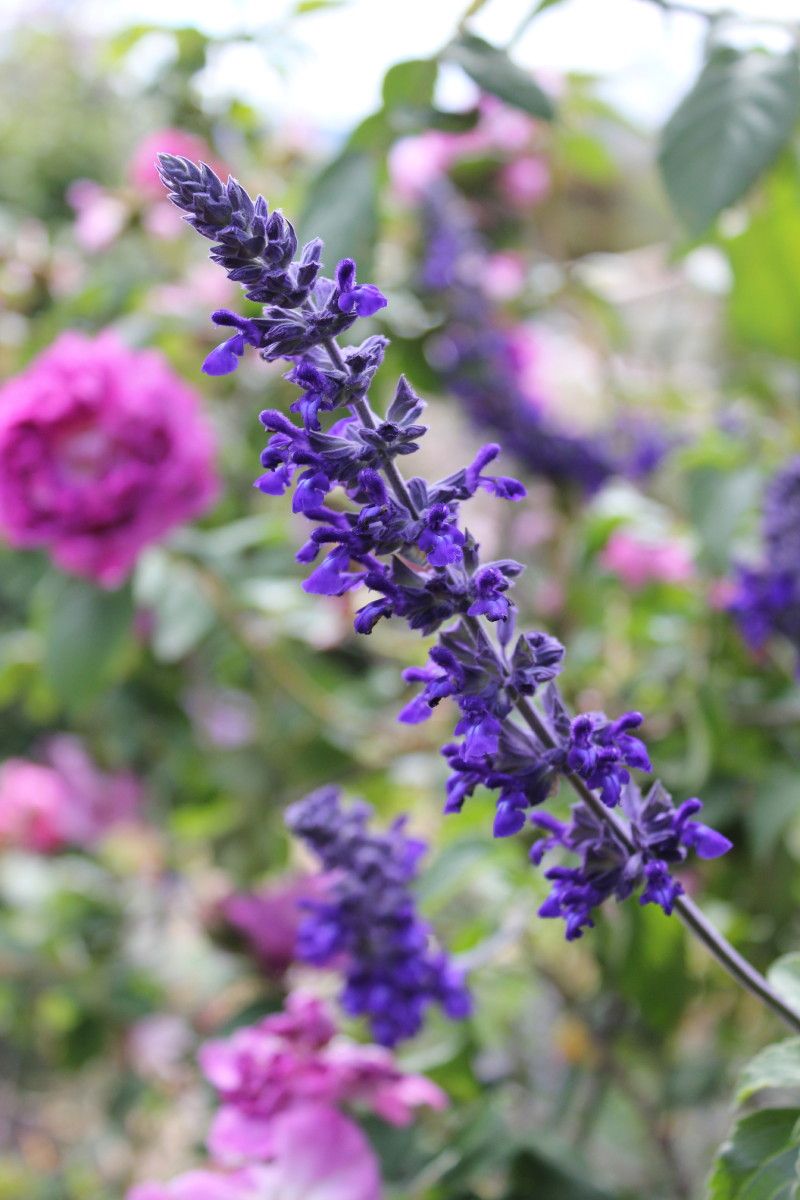
Tall, dramatic, and absolutely buzzing with activity all season long, Indigo Spires Salvia is one of those plants that makes a garden feel truly alive.
This vigorous salvia hybrid produces long, spiraling violet-blue flower spikes that start blooming in early summer and keep going right up until the first frost arrives.
That is an extraordinarily long season of color and nectar for any garden plant. Hummingbirds, bees, and butterflies all flock to Indigo Spires with enthusiasm.
The long flower spikes offer dozens of individual tubular blooms at once, meaning multiple pollinators can feed simultaneously without competition.
For North Carolina gardeners who want a plant that does serious wildlife work from June through October, this salvia is genuinely hard to beat.
One thing to keep in mind is that Indigo Spires can grow quite large, sometimes reaching five to six feet tall and nearly as wide in a warm, sunny spot with rich soil.
Giving it enough room to spread without crowding neighboring plants makes a real difference in how well it performs.
A light pruning midseason can also help keep its shape manageable while encouraging another round of fresh flowering spikes. Full sun and well-drained soil are the key conditions this plant needs to thrive.
Once established, it handles summer heat well and only needs occasional deep watering during extended dry periods.
Planting Indigo Spires at the back of a garden border lets its impressive height work as a natural backdrop while drawing hummingbirds directly into the heart of the garden all season long.
4. Bog Sage
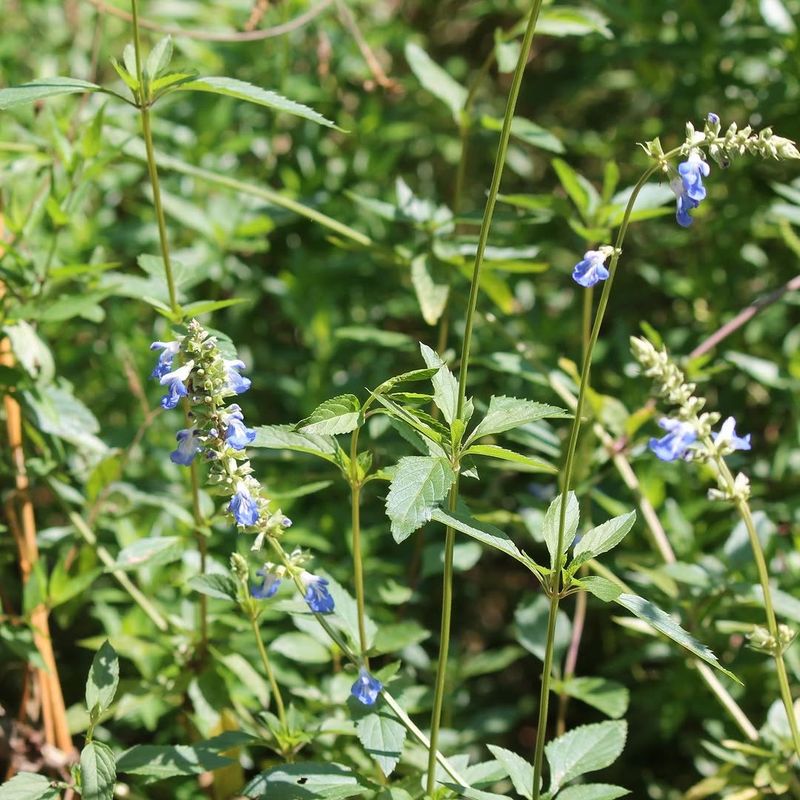
There is something almost refreshing about the color of Bog Sage flowers.
Unlike the deeper violet-blue of many salvias, Salvia uliginosa produces a clear, sky-blue bloom that feels light and airy in the garden.
That bright, open color combined with its long blooming season makes it one of the more eye-catching options for North Carolina gardeners who want genuine sky-blue tones paired with steady hummingbird visits.
Bog Sage blooms reliably through warm weather, typically from midsummer into fall, providing a consistent nectar source during the season when migrating ruby-throated hummingbirds are most actively feeding.
It prefers sunny spots with moist to consistently damp soil, which makes it a natural fit for rain gardens, low-lying areas, pond margins, and other naturally wet garden zones.
In the right conditions, it grows vigorously and rewards gardeners with an abundance of flowers.
One thing to plan for with Bog Sage is its spreading habit. It sends out rhizomes and can gradually expand well beyond its original planting spot.
Giving it plenty of room from the start or planting it in areas where spreading is welcome keeps management simple and enjoyable.
Occasional division every few years also helps keep the planting healthy and under control without much effort.
For North Carolina gardeners working with naturally moist or poorly draining spots, Bog Sage transforms a challenging area into a hummingbird destination.
The combination of clear blue flowers, strong summer-to-fall bloom time, and genuine wildlife appeal makes it a plant that earns its place in any thoughtfully designed pollinator or wildlife garden.
5. Black And Blue Salvia
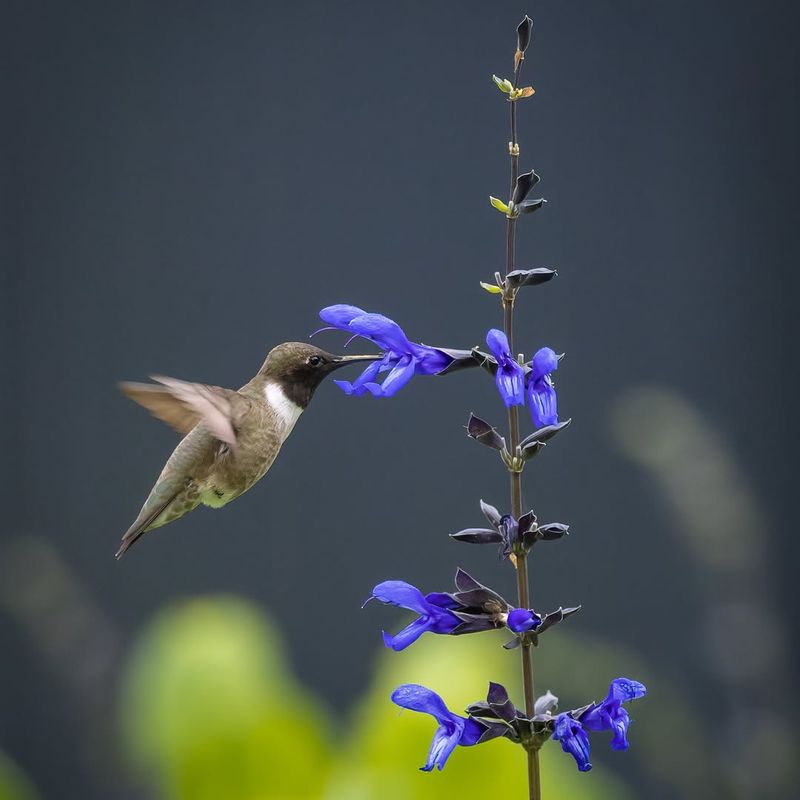
If there is one salvia that stops people in their tracks, it is Black and Blue Salvia.
The contrast between its deep, jewel-toned blue flowers and nearly black calyces is striking in any sunny garden, and hummingbirds notice it from a surprising distance.
This plant is a true showstopper, and it earns every bit of that reputation. Black and Blue Salvia, known as Salvia guaranitica, grows beautifully in warm, sunny North Carolina gardens where summers are long and hot.
The tubular shape of each flower is one of the main reasons hummingbirds visit it so frequently.
Those long, curved blooms are practically custom-built for a hummingbird’s bill, allowing the bird to reach deep into the flower and access the rich nectar inside without any competition from shorter-tongued insects.
This salvia blooms from late spring and keeps going strong until the first frost, giving it one of the longest flowering windows of any hummingbird plant available to North Carolina gardeners.
It grows vigorously in full sun with well-drained soil and benefits from occasional watering during dry spells to maintain peak bloom production.
Cutting it back lightly midseason encourages a fresh flush of flowers and keeps the plant looking tidy.
Pair it with ornamental grasses or lighter-colored perennials to let those deep blue flowers really pop.
Whether planted in a large container or directly in a garden bed, Black and Blue Salvia consistently delivers bold color, reliable hummingbird traffic, and a garden presence that is hard to match with any other single plant.
6. Mealycup Sage
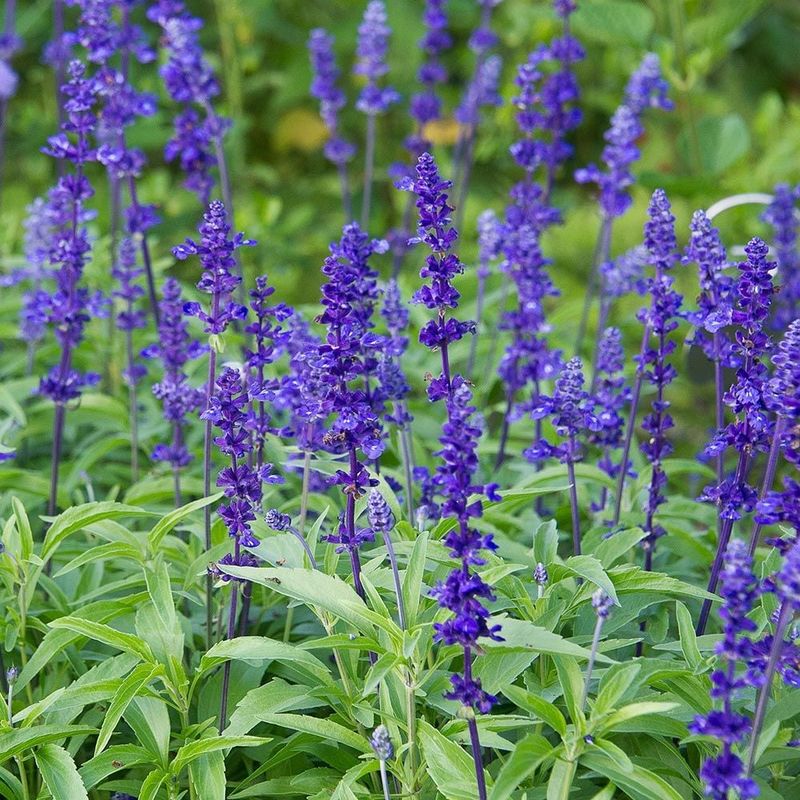
Mealycup Sage has quietly earned a reputation as one of the most dependable blue-flowering plants for North Carolina hummingbird gardens.
Sold under the botanical name Salvia farinacea, this sage produces slender spikes of blue to purple blooms that hummingbirds visit regularly from spring all the way through frost.
That kind of staying power is rare and genuinely valuable in any pollinator garden. Across North Carolina, how you grow Mealycup Sage depends a lot on where you live.
In the outer Coastal Plain, it behaves as a reliable perennial, returning each spring from established roots.
Further inland in the Piedmont and mountain regions, colder winter temperatures often prevent it from overwintering successfully, so most gardeners there treat it as a warm-season annual and replant fresh starts each spring.
Either way, the results are worth the effort. Many cultivars are available, ranging from classic blue to deeper violet shades, and all of them attract hummingbirds with consistent results.
Popular varieties like Victoria Blue and Henry Duelberg are especially well-regarded for their strong color and long bloom times.
Planting a mix of cultivars adds visual interest while keeping nectar available across a slightly longer window.
Full sun and average well-drained soil suit Mealycup Sage perfectly. It handles heat and humidity well, which makes it especially practical for North Carolina summers.
Whether used as a container plant on a sunny porch or as a border filler in a pollinator bed, Mealycup Sage delivers consistent blue color and reliable hummingbird visits season after season with very little fuss required from the gardener.
7. Blue Fortune Anise Hyssop
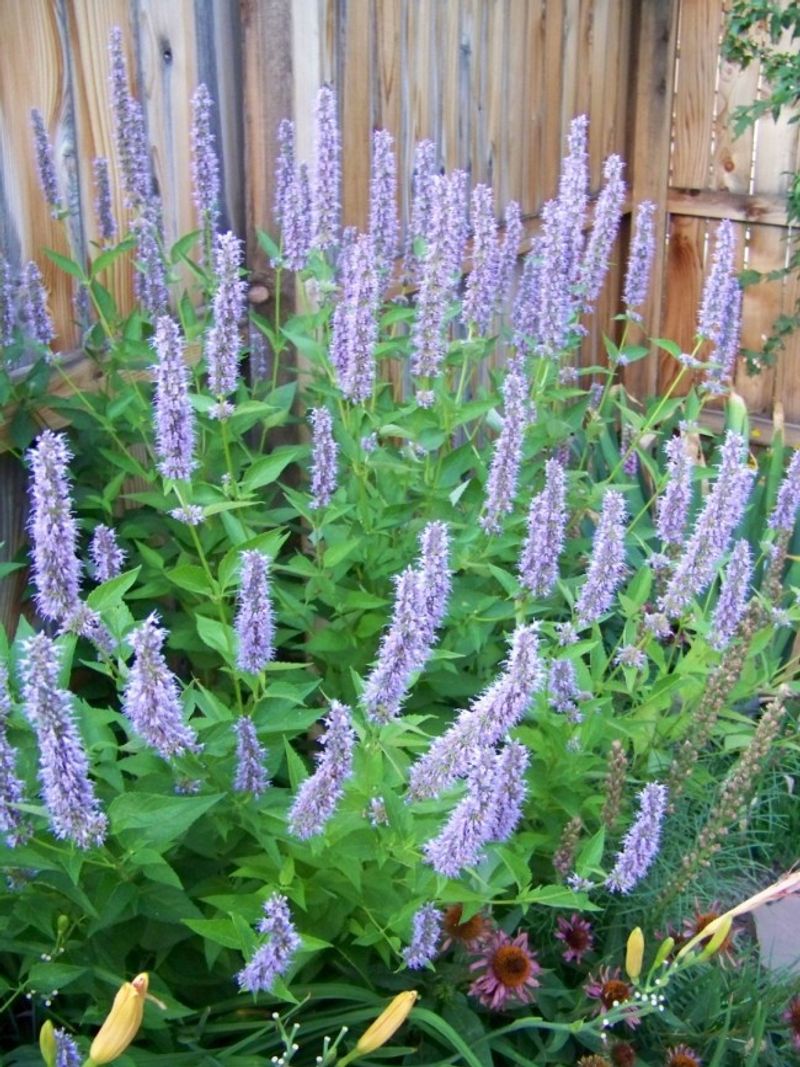
Fragrant, tough, and absolutely magnetic to hummingbirds, Blue Fortune Anise Hyssop rounds out this list with style.
This outstanding cultivar of Agastache produces tall spikes of blue-lavender tubular flowers that carry a pleasant anise-like fragrance, making it one of the few hummingbird plants that appeals to your nose just as much as your eyes.
Blooming from summer well into fall, Blue Fortune offers one of the longest nectar seasons of any plant on this list.
It handles North Carolina heat impressively once established, bouncing back from hot spells that would slow down less resilient plants.
Full sun to partial shade both work well, as long as the soil drains properly. Soggy roots are its one real weakness, so raised beds and well-amended garden soil help it perform at its absolute best.
Hummingbirds find the tubular flowers easy to access and return to Blue Fortune repeatedly throughout the day.
Bees and butterflies share the enthusiasm, so a planting of this anise hyssop becomes a busy, lively corner of the garden from morning to evening.
The upright flower spikes also hold their shape beautifully, making this plant a natural choice for the middle or back of a sunny pollinator border.
The best blue hummingbird garden in North Carolina combines the moist-soil magic of Lobelias with the sunny power of Salvias and anchors the whole design with Blue Fortune Anise Hyssop.
Together, these plants create a longer, richer nectar season that keeps hummingbirds coming back to your yard from early summer all the way through fall migration.