The July Soil Mistake Ohio Gardeners Make That Makes Fall Planting Harder
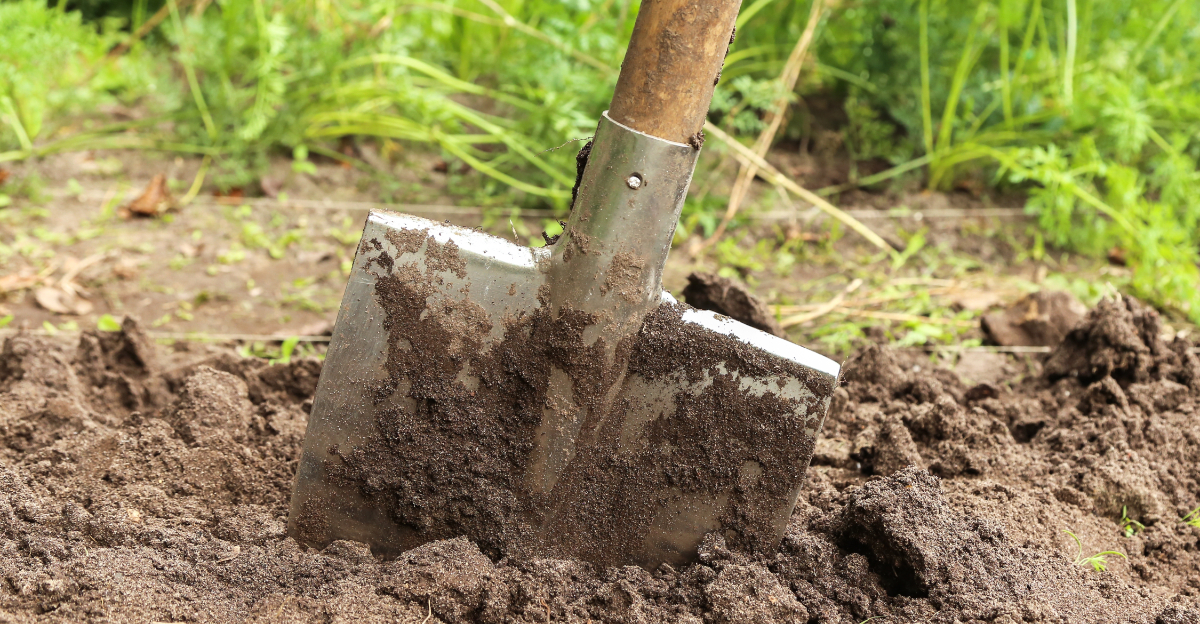
Most Ohio gardeners are focused on keeping plants alive through July, not thinking about September. That focus makes sense in the moment and costs real time once fall planting season arrives and the soil is not cooperating the way it should.
One specific mistake during July compounds quietly under the surface while everything above ground still looks fine.
By the time fall planting starts, the consequences show up as compacted, depleted, or poorly structured soil that fights every new plant going into it.
This is not about neglect. Most Ohio gardeners who make this mistake are doing what feels reasonable during the hardest stretch of summer.
The problem is that what feels reasonable in July is not always what the soil actually needs. Fixing it now, before fall planting begins, takes far less effort than fixing it after the damage has already settled in.
1. Leaving Bare Soil Exposed Through July Heat
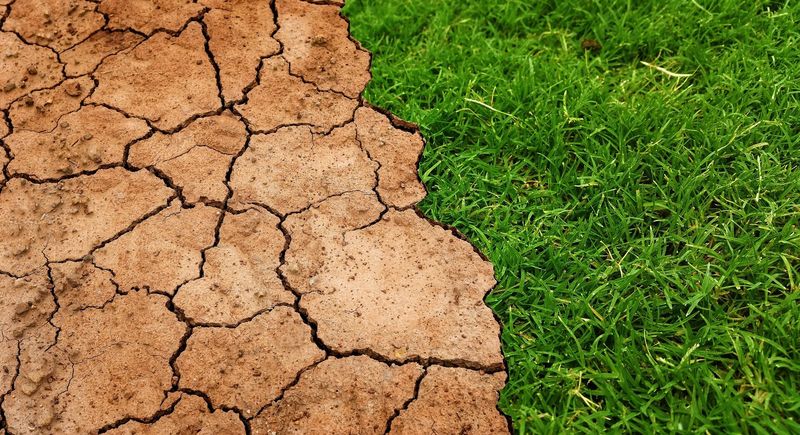
An empty pea row can look harmless until two hot weeks turn it into a crusty strip of weeds and baked dirt. Bare soil in July loses moisture fast.
Surface temperatures on unprotected garden beds can climb well above air temperature on sunny afternoons.
When soil dries out and bakes repeatedly, the top layer hardens. Seeds planted into that surface in late summer struggle to make good soil contact.
Germination rates drop, and seedlings can dry out before they establish.
The fix is straightforward. Cover open beds with two to three inches of straw, shredded leaves, or finished compost as soon as a crop finishes.
Even a light layer of untreated grass clippings helps hold moisture and moderate soil temperature.
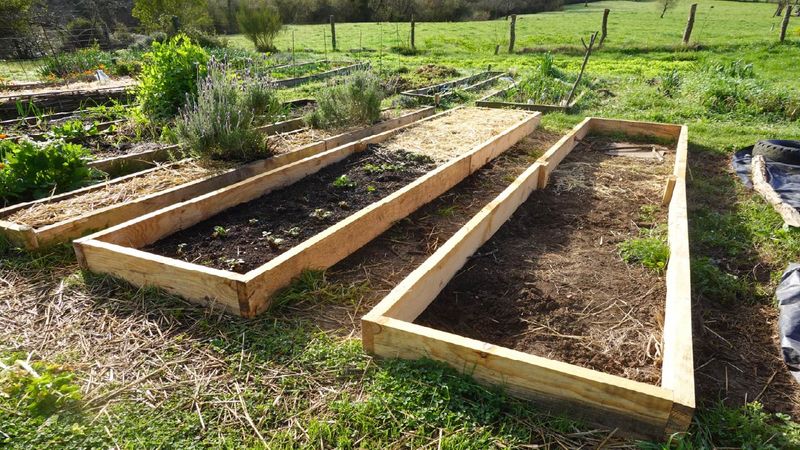
Raised beds are especially vulnerable because they drain faster and heat up more quickly than ground-level beds. A bare raised bed in full sun can feel almost oven-like by mid-afternoon.
Covering the surface protects the soil structure that fall crops will depend on.
Cover crops are another solid option for larger open spaces. Fast-growing options like buckwheat can be seeded into bare rows in early July and turned under before fall planting.
Ohio State University Extension recommends cover crops as a practical tool for protecting and improving summer-bare soil between seasons.
2. Letting Summer Rain Crust The Soil Surface
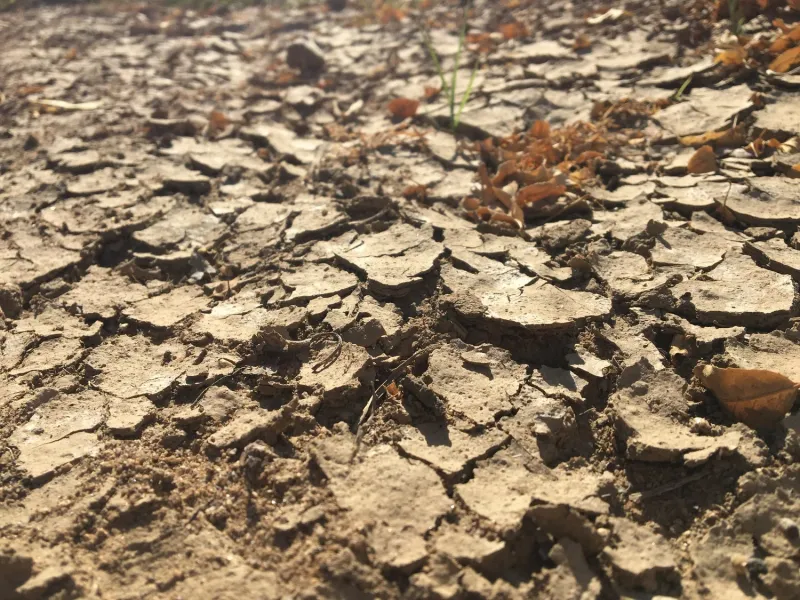
A summer thunderstorm rolls through, drops an inch of rain in twenty minutes, and moves on. The garden looks refreshed.
Two days later, the soil surface has sealed into a pale, hard crust that sheds water instead of absorbing it.
Rain crusting happens when heavy drops break down bare soil aggregates. Fine particles wash into surface pores and seal them as the soil dries.
Beds with low organic matter are especially prone to this. The crust makes it harder for fall seeds to push through and for water to reach roots.
Adding organic matter over time is the best long-term defense. Compost worked into beds before or after each season improves soil structure and makes crusting less likely.
A mulch layer on bare beds in July acts as a physical barrier, keeping raindrop energy from hitting the soil directly.
Your Ohio Garden Changes Every Week. Your Plan Should Too.
Gardening in Ohio changes quickly throughout the season. Every Friday you’ll receive a simple weekly plan showing exactly what to plant, prune, fertilize, harvest, and protect so you never miss the right timing.
If crusting has already happened, a gentle pass with a hand cultivator can break the surface without disturbing deeper soil layers. Avoid deep tilling, which can bring up buried weed seeds and damage the structure you are trying to protect.
Gardeners in clay-heavy areas of Ohio deal with crusting more often. Mixing in compost consistently, season after season, gradually improves drainage and reduces how quickly the surface seals after summer storms hit open beds.
3. Walking On Beds When Soil Is Wet
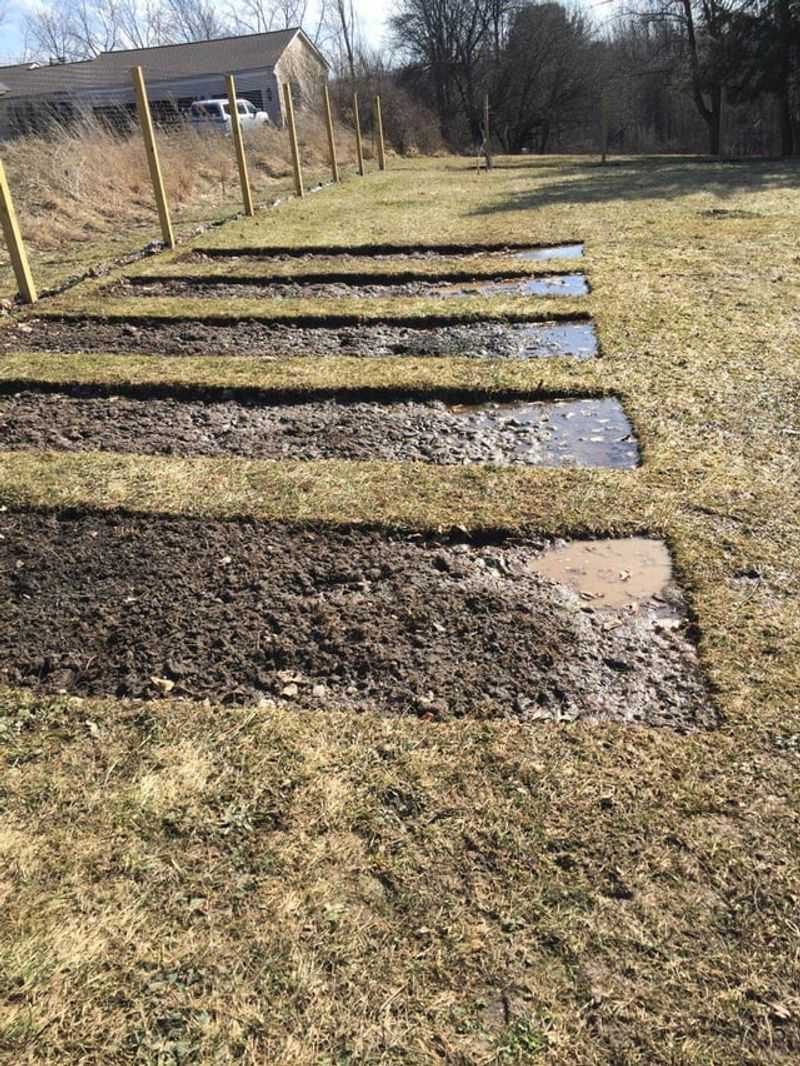
A muddy footprint pressed into a wet raised bed tells a story that lasts longer than the mud. Compacted soil squeezes out the air pockets that roots need to grow and that water needs to drain through.
One careless step into a wet bed can undo months of careful soil building.
July brings unpredictable rain. After a heavy shower, soil stays soft and vulnerable for hours.
Walking into beds during that window, even briefly to pull a weed or grab a tomato stake, can cause real compaction just below the surface.
Using permanent paths between beds is the most practical solution. Even simple stepping boards laid across bed edges give you a stable surface without pressing into planting areas.
Raised beds with defined edges make this easier to manage consistently.
If compaction has already built up in a bed, a broadfork or a hand fork can loosen the top several inches without flipping layers. Keep the work shallow.
Deep disturbance brings buried weed seeds to the surface and can break down the soil structure you are working to preserve.
Planning paths before summer starts is worth the effort. Once beds have clearly marked edges and walking lanes, it becomes second nature to stay out of planting areas.
Fall crops planted into loose, uncompacted soil establish much faster than those fighting hard ground.
4. Skipping Mulch After Pulling Early Crops
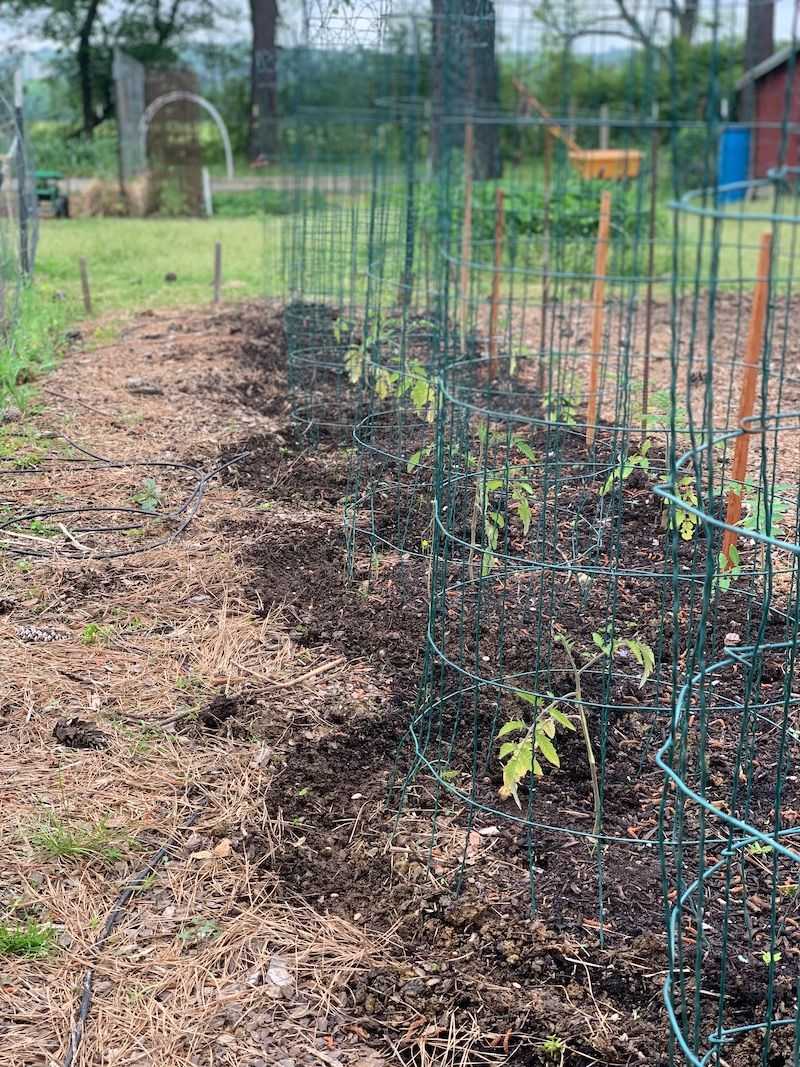
Once the last pea pod is picked and the vines pulled, it is tempting to walk away and let the bed rest. That bare stretch of soil, though, does not rest.
Within days it can dry out, crust over, and become a landing pad for weed seeds blowing in from nearby areas.
Mulching right after pulling early crops is one of the simplest things an Ohio gardener can do for fall planting success.
A two-to-three-inch layer of straw keeps moisture in, moderates soil temperature, and suppresses weed growth during the gap between seasons.
Shredded leaves work well too, especially if they were saved from the previous fall. Untreated grass clippings can be used in thin layers to avoid matting.
Avoid using clippings from lawns treated with herbicides, as residues can linger and affect vegetable plants.
Wood chip mulch is better suited to pathways or perennial beds than to annual vegetable rows. Coarse chips break down slowly and can tie up nitrogen near the soil surface as they decompose, which is not ideal for vegetable bed prep.
A mulched bed in July is much easier to prep for fall greens, spinach, or garlic than a bed that has baked uncovered for six weeks.
Pulling back the mulch, loosening the top inch or two, and seeding takes far less effort than reclaiming a crusted, weedy, neglected patch.
5. Ignoring Weeds Before They Drop More Seeds
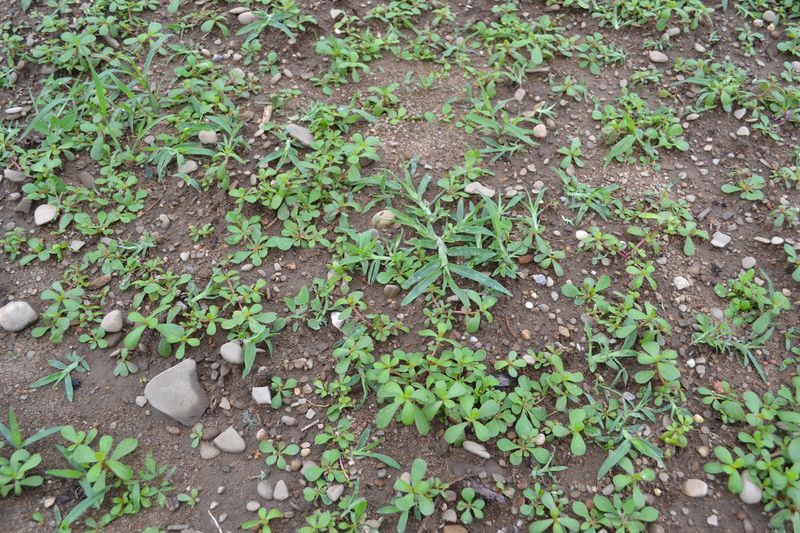
A weed patch that looks manageable in early July can turn into a seed factory by the end of the month. Common summer weeds like lambsquarters, purslane, and crabgrass can produce thousands of seeds per plant.
Those seeds drop into the soil and wait for the right conditions to sprout, which often means fall planting time.
Pulling weeds while they are small takes far less effort than dealing with established plants later. A quick pass through the garden every week or so, using a stirrup hoe or a hand weeder, keeps weed pressure from building.
The goal is to remove weeds before flower heads form and seeds drop.
Covering open soil after weeding is just as important as the weeding itself. Bare soil invites new weed seeds to settle and sprout.
A layer of mulch after a weeding session makes the next session shorter.
Avoid hoeing too deeply in areas with known weed pressure. Buried weed seeds can stay dormant for years.
Bringing them to the surface with deep cultivation gives them the light and warmth they need to sprout. Shallow cultivation, just an inch or so, removes surface weeds without stirring up the seed bank below.
Keeping ahead of weeds in July means less hand-pulling in August when fall crop beds need to be ready. A clean bed is genuinely easier to seed and manage through the fall season.
6. Letting Empty Beds Dry Into Hard Blocks
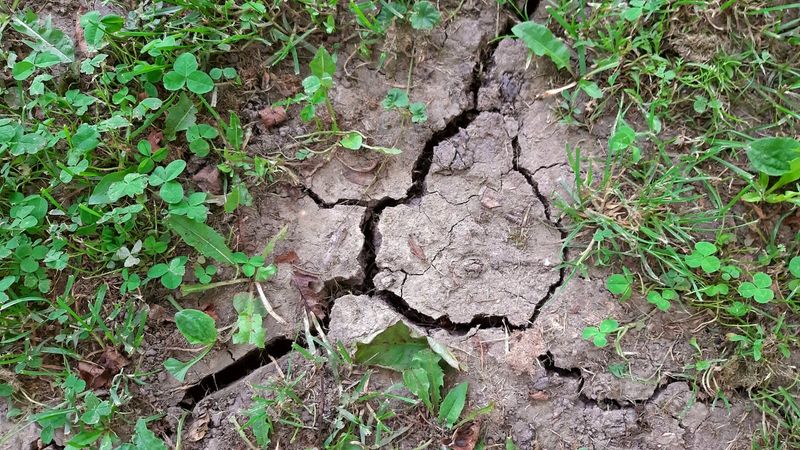
A raised bed that gets no water and no cover through a dry July stretch can turn into something that resembles cracked clay tiles. Getting that bed back into shape for fall planting takes real work.
Rewetting compacted, bone-dry soil is not as simple as running a hose over it for ten minutes.
Dry soil often sheds water at first. The surface repels moisture instead of absorbing it, so water runs off or puddles rather than soaking in.
Ohio gardeners trying to prep a neglected bed in late August can find themselves fighting soil that just will not cooperate.
Keeping a light layer of mulch on empty beds through dry stretches helps hold whatever moisture is left in the soil. It also keeps the surface from baking into a hard crust that blocks water entry later.
Even a thin layer makes a measurable difference.
If a bed has dried out significantly, slow and steady rehydration works better than heavy watering. A soaker hose run at low pressure for an extended period helps moisture move deeper into the profile without washing away surface soil.
During watering restrictions or drought conditions, prioritize keeping mulch in place and protecting the soil surface. Letting moisture escape unnecessarily through a bare surface makes an already difficult situation harder.
Protecting what is there is always easier than trying to restore what has been lost through weeks of neglect.
7. Forgetting Compost Needs Time To Settle In
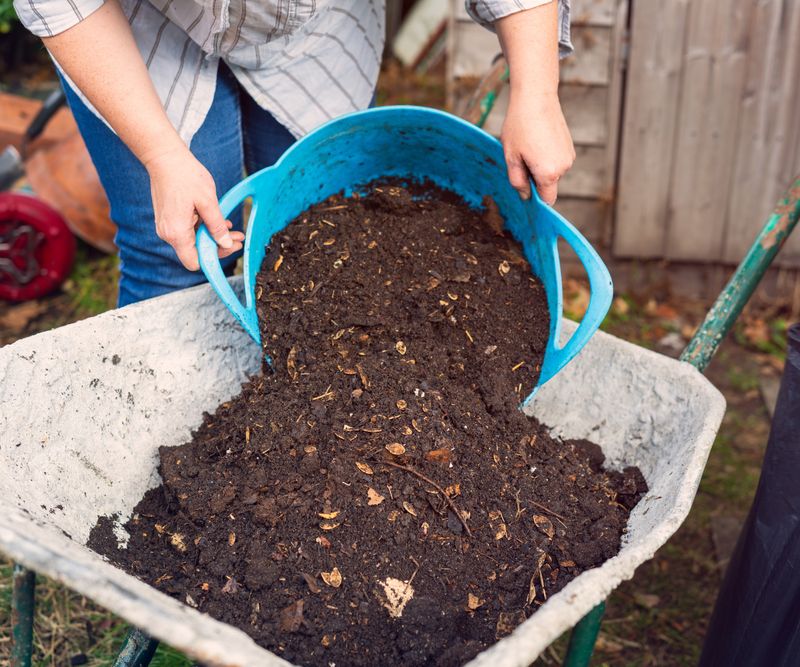
Finished compost added to a bed in July does not instantly transform the soil by September. It needs time to work into the existing structure, mix with soil organisms, and settle before seeds go in.
Thinking of compost as a last-minute patch can lead to frustration when beds still feel uneven or dense at planting time.
Adding a one-to-two-inch layer of finished compost to open beds in July and letting it sit under mulch gives it several weeks to begin integrating. By the time fall planting arrives, the bed feels noticeably more workable.
Earthworm activity and microbial breakdown do a lot of the mixing naturally.
Only finished compost belongs in vegetable beds before planting. Fresh manure and unfinished compost can carry pathogens and may harm seedlings or contaminate edible crops.
Finished compost is dark, crumbly, earthy-smelling, and fully broken down with no recognizable raw materials visible.
Community composting programs in many counties across this state offer finished compost at low cost or for free during summer months. Checking with a local extension office or county solid-waste district can point gardeners toward affordable sources.
Garlic beds, fall greens rows, and spinach patches all benefit from a compost boost applied in advance. Matching the timing of compost addition to the bed purpose helps gardeners get the most from the effort put in during the summer months.
8. Preparing Fall Beds Before August Pressure Builds
A fall seed packet sitting on the potting bench in late August is a reminder that the window for some crops is already narrowing. Spinach, arugula, kale, and many fall greens need to go in early enough to mature before cold sets in.
Beds that are not ready by then can push back planting by days or even weeks.
July is the right time to start thinking about fall beds, not August. Protecting open soil now, adding compost, managing weeds, and keeping moisture in place sets up a much smoother transition.
The work is lighter when spread across several weeks rather than rushed in one frantic weekend.
Garlic growers know this rhythm well. Garlic goes in during October in most parts of this state, but the bed prep often starts weeks earlier.
A bed that has been mulched and composted through summer is far easier to work up for garlic than one that has baked and crusted since June.
Cover crops offer another way to bridge the gap. Buckwheat planted into bare rows in early July finishes quickly and can be turned under before fall crops need the space.
Cereal rye seeded in late summer protects soil through winter and feeds organic matter back into the bed the following spring.
Starting small and staying consistent pays off. Even one or two protected beds in July can make the fall planting season feel manageable instead of overwhelming.