Ohio Blueberries Need This After Harvest For A Better Crop Next Year
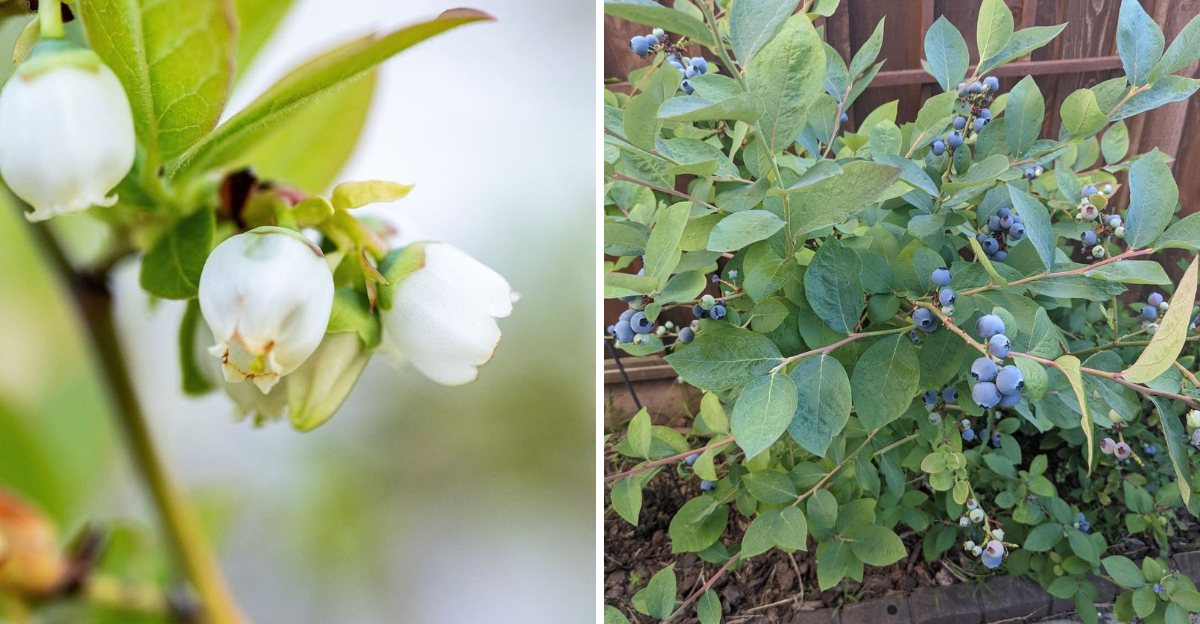
Ohio blueberry bushes start planning next summer while you are still rinsing this summer’s bowl.
That is the sneaky part.
The last berry gets picked, the bush looks tired, and the whole thing feels finished. Easy moment to walk away.
But the plant is not done working.
Late summer is when next year’s flower buds begin to form, and those buds decide how full your bowl will look next July.
Heat, dry soil, weak mulch, tired roots, and sloppy post-harvest habits can quietly shrink next season before fall even arrives.
Rude little fruit math, right?
So what do Ohio blueberry bushes need after the harvest ends?
Start with steady moisture, acidic soil care, mulch, light cleanup, and enough attention to keep stress from stealing next year’s crop.
A few minutes a week now can mean heavier branches later, and that is the kind of garden bargain worth taking seriously.
1. Keep Watering After The Last Berry
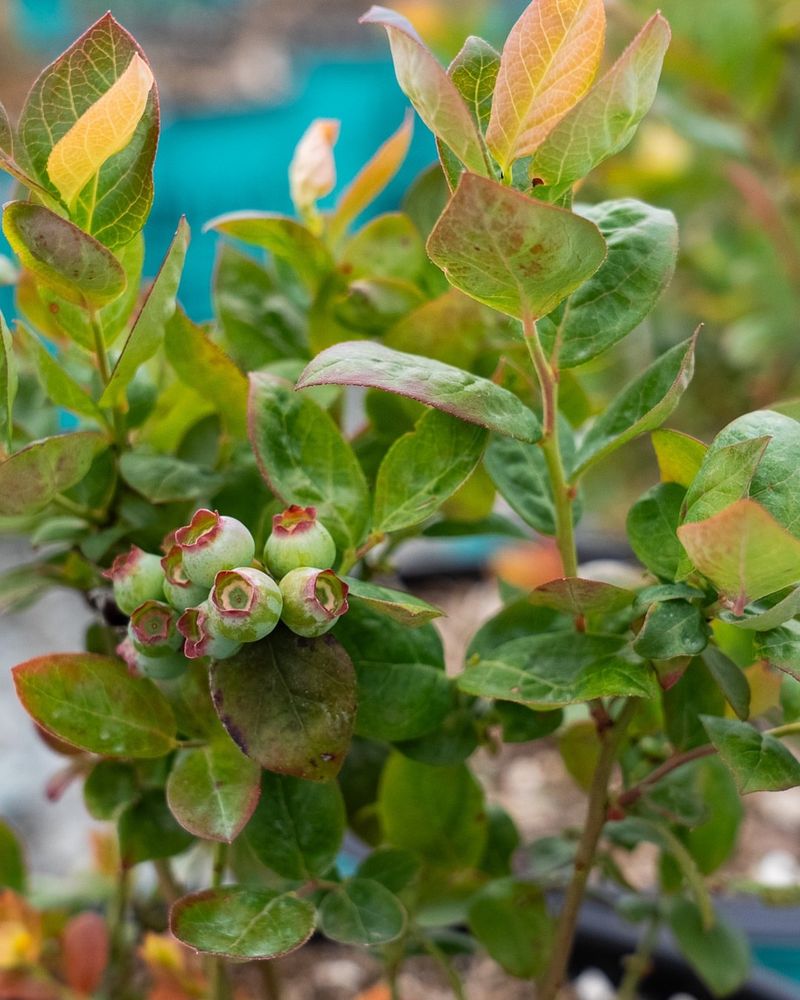
That picked-over bush standing at the edge of your garden still has a big job ahead of it.
Harvest ending does not mean the plant is done working. Right after the last berry is gone, the blueberry bush shifts its energy toward root recovery and, most importantly, building next year’s flower buds.
Ohio State University Extension notes that blueberry plants need consistent moisture throughout the growing season, including the weeks after fruiting ends.
Roots that dry out in August and September cannot support the bud development happening right above them. Stressed roots mean fewer buds, and fewer buds mean a lighter harvest next summer.
Plan to water your bushes deeply at least once or twice a week if rainfall is not doing the job.
A good rule is to deliver about one inch of water per week total. Shallow sprinkles do not reach the root zone, so slow, deep watering near the base of the plant works best.
Blueberry roots are shallow and fibrous, sitting mostly in the top twelve inches of soil.
They respond quickly to both drought and overwatering, so consistency matters more than volume. Your bushes cannot remind you themselves, but your berry bowl next July certainly will.
2. Aim For Moist Not Soggy Soil
Grabbing the hose every day sounds like good plant care, but blueberry roots actually suffer when they sit in waterlogged soil for too long.
The goal is moist, not muddy. Think of a wrung-out sponge: damp all the way through but not dripping.
Blueberries thrive in well-drained, acidic soil. Ohio soils vary quite a bit, and some backyard beds can hold water longer than expected, especially after heavy summer rains.
If your soil stays wet for more than two days after watering, you may have a drainage issue worth correcting before winter arrives.
A simple finger test works well here.
Push your finger about two inches into the soil near the base of the bush. If it feels dry at that depth, it is time to water. If it still feels cool and damp, give it another day.
Your Ohio Garden Changes Every Week. Your Plan Should Too.
Gardening in Ohio changes quickly throughout the season. Every Friday you’ll receive a simple weekly plan showing exactly what to plant, prune, fertilize, harvest, and protect so you never miss the right timing.
Sandy loam soils drain fast and may need watering more often than heavier clay-based Ohio soils.
Adding organic matter like compost helps sandy soils hold moisture a bit longer without becoming compacted. Getting this balance right after harvest keeps roots healthy and active while the plant prepares for next spring.
3. Protect Late Summer Flower Buds
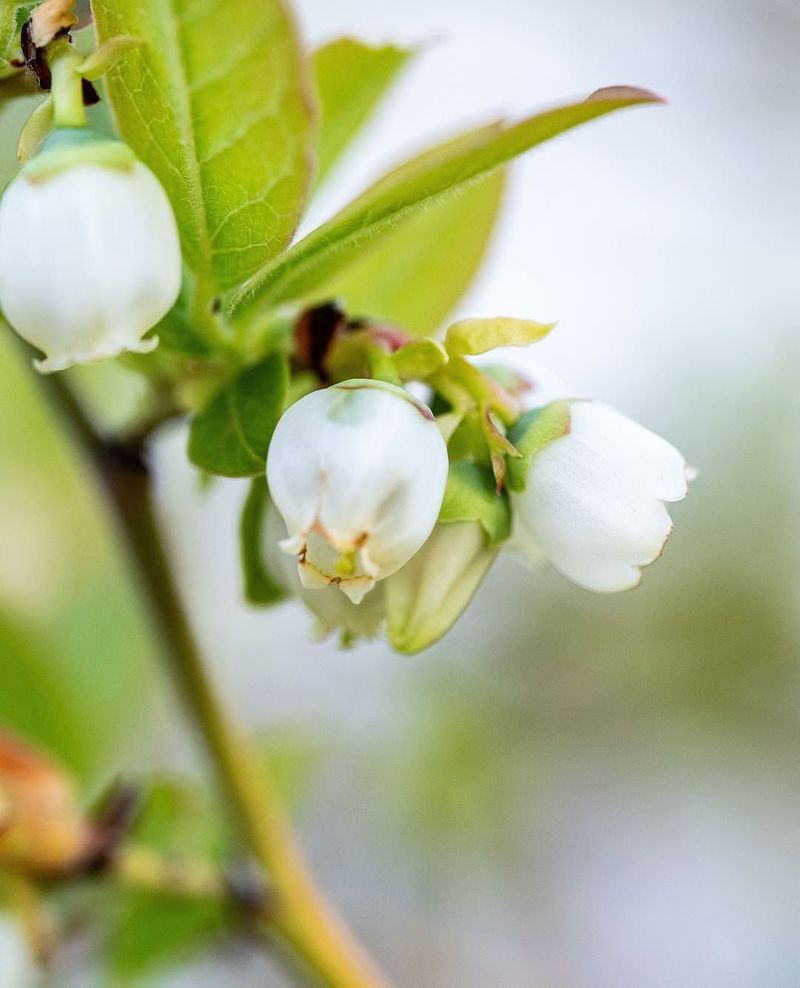
Here is something most casual growers do not realize: the flower buds for next year’s blueberry crop begin forming in late summer, not in spring.
By August and September, those tiny buds are already setting on the canes, and what happens to the plant right now directly shapes how many flowers open next May.
OSU Extension research confirms that flower bud initiation in blueberries occurs in late summer and early fall.
Water stress during this window can reduce bud count significantly. A bush that goes dry in August may look perfectly fine by October but will bloom sparsely the following spring, leaving you with a frustratingly thin harvest.
Protecting bud development is not complicated.
It mostly comes down to keeping the plant hydrated, fed with the right nutrients, and shielded from extreme heat stress.
Avoid anything that pushes the plant into a recovery mode right now, like heavy pruning or fertilizer applications that are too late in the season.
Think of August as the construction phase for next year’s crop.
The plant is laying the foundation while you are busy with other end-of-summer tasks. Those tiny buds are worth protecting because each one is a future berry waiting to happen.
4. Check Mulch Before Heat Spikes
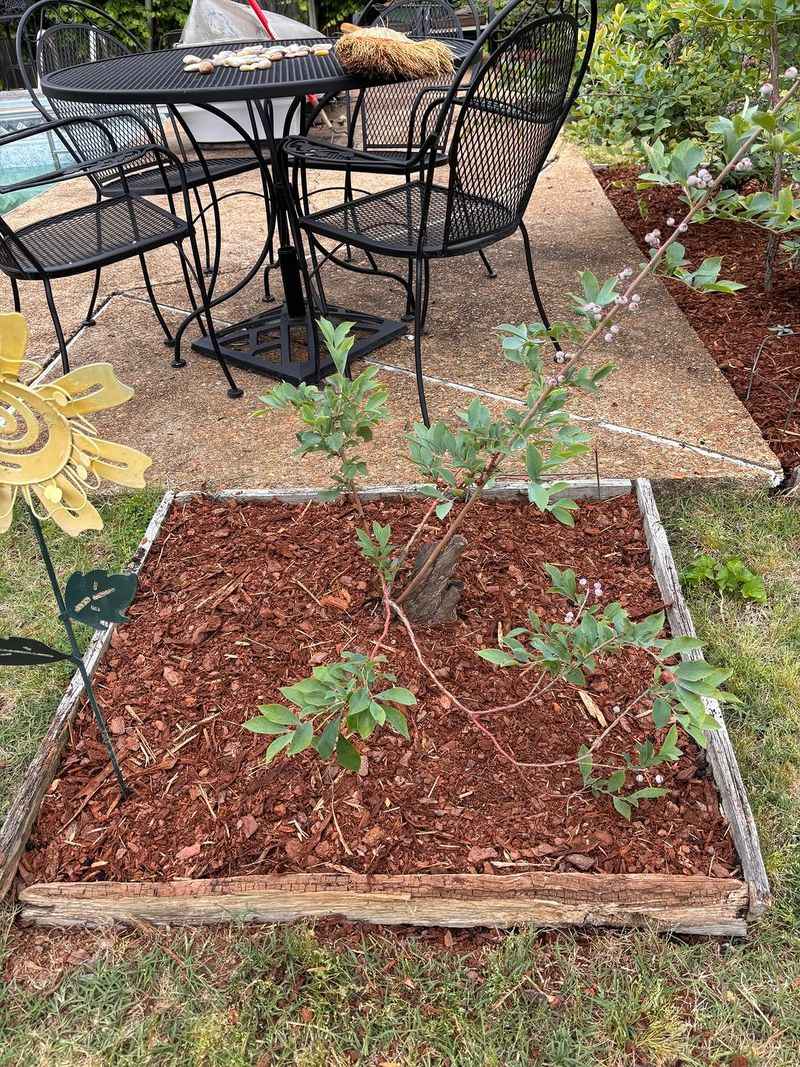
Dry mulch is almost as bad as no mulch at all.
If your blueberry bed has a thin, crumbly layer baking in the August sun, it is not doing much to protect the shallow roots underneath. Now is a great time to check depth and top things off before another heat wave rolls through Ohio.
OSU Extension recommends maintaining a mulch layer of four to six inches around blueberry plants.
Good mulch choices include wood chips, pine bark, or pine needles, all of which help acidify the soil slightly over time as they break down. Sawdust also works but can pack down and limit airflow if applied too thickly.
Mulch does several jobs at once.
It slows evaporation from the soil surface, which means your watering efforts last longer between sessions. It also keeps root-zone temperatures cooler during hot spells, which Ohio summers can deliver well into September.
Pull old mulch back gently before adding fresh material.
Check for any signs of mold or matting underneath, which can block water from reaching roots. Then spread fresh mulch evenly, keeping it a few inches away from the main trunk to prevent moisture buildup against the bark.
5. Watch Containers Twice As Closely
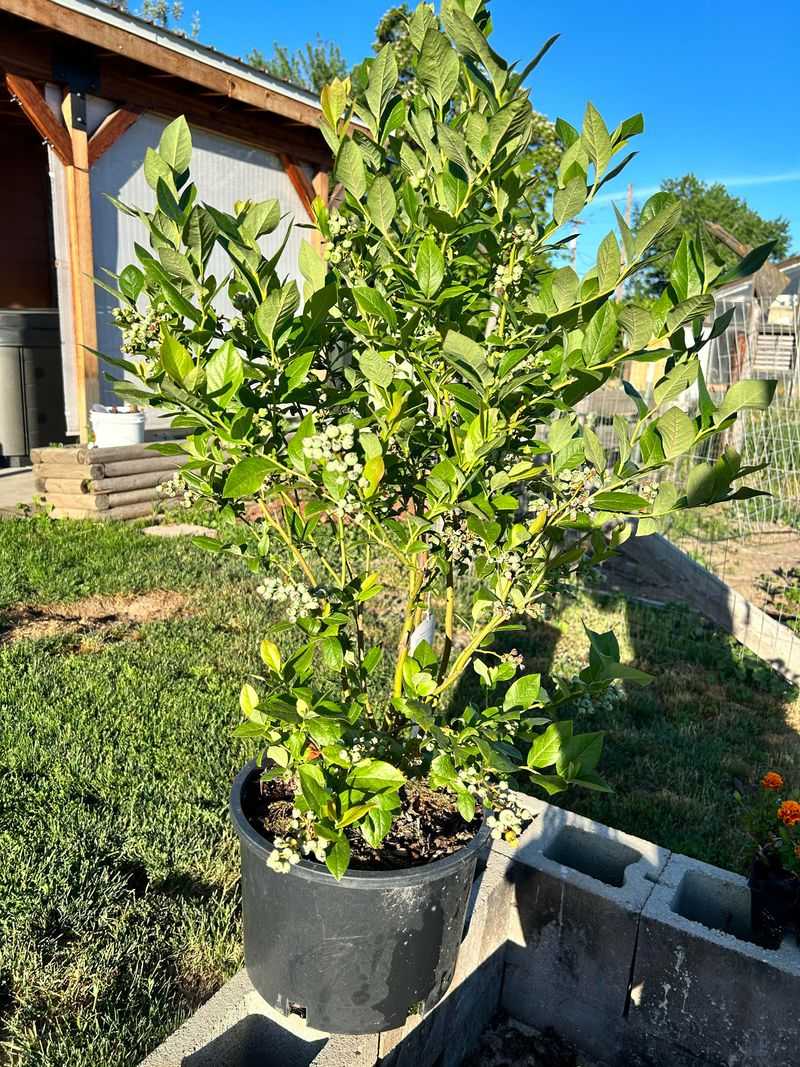
Container blueberries are popular in Ohio because they let growers control soil pH more easily.
But that convenience comes with a catch: pots dry out much faster than in-ground beds, especially when summer temperatures push into the upper eighties and nineties.
A potted blueberry can go from moist to bone-dry in a single hot afternoon.
If you are growing in containers, post-harvest watering needs to become a near-daily habit during hot stretches.
Lift the pot gently. If it feels surprisingly light, the soil has dried out more than you think. Dark, heavy pots sitting on concrete or asphalt patios absorb extra heat and speed up moisture loss even more.
Moving containers into partial afternoon shade during peak summer heat is a smart move.
Blueberries love full sun for fruiting, but once harvest is done, a little afternoon protection reduces water stress without hurting the plant. Morning sun is usually enough to keep the plant happy and photosynthesizing well.
Check drainage holes regularly to make sure they are not clogged. Blocked drainage turns a well-watered pot into a waterlogged one fast.
Container growers who stay attentive through August and September often notice noticeably fuller buds by the time the leaves drop in fall, which is a very satisfying reward for the extra effort.
6. Stop Drought Stress Before September
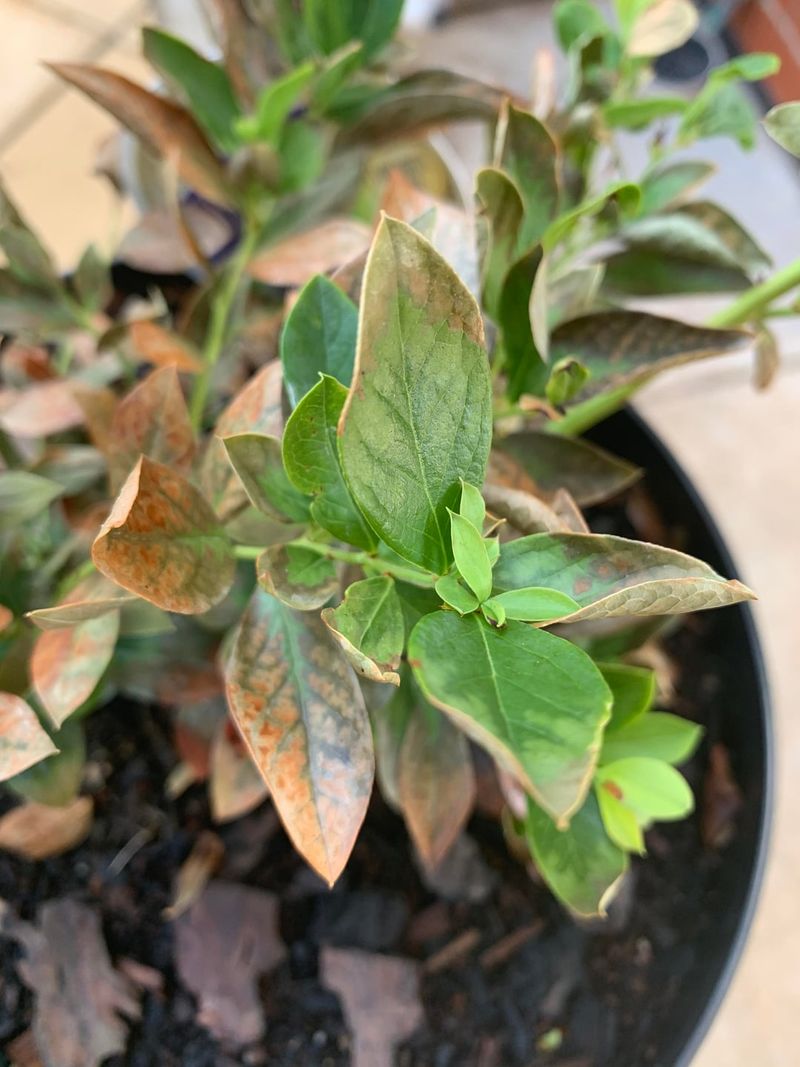
Late summer drought stress is sneaky.
The plant may not look obviously troubled, but underneath the surface, roots are struggling and bud development is quietly being compromised.
By the time visible symptoms appear, like dull leaves or slight wilting in the afternoon, the damage to next year’s crop has already begun.
Ohio summers can turn dry fast, especially in August.
The state sees variable rainfall patterns, and some years bring weeks of low precipitation right during the most critical bud-setting window. Relying on rainfall alone during this period is a gamble most Ohio growers cannot afford to take.
A simple drip irrigation setup or soaker hose laid around the base of your bushes can take the guesswork out of late summer watering.
These systems deliver water slowly and directly to the root zone, reducing waste and keeping soil moisture more consistent than hand watering.
Catching drought stress before it sets in is always easier than reversing it after the fact.
If you notice the soil drying out faster than usual during a heat stretch, increase your watering frequency rather than volume.
More frequent, moderate watering beats one heavy soaking followed by several dry days. Getting ahead of dry spells before September gives those developing flower buds the steady support they need.
7. Ease Off As Fall Arrives
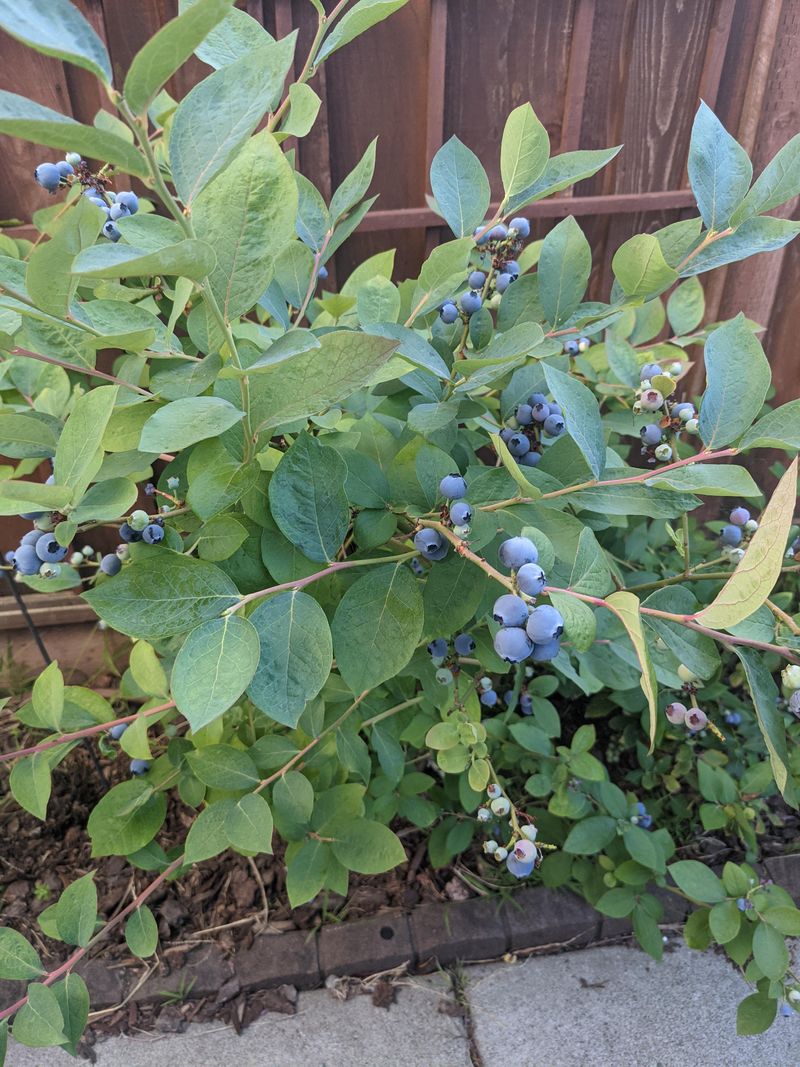
Once September gives way to October, the whole rhythm of your blueberry care routine shifts.
Cooler temperatures slow evaporation, Ohio rainfall typically increases, and the plant begins moving toward dormancy. Watering as aggressively as you did in August can actually cause problems once the weather turns.
Overwatering in fall keeps roots too active for too long, which can interfere with the plant’s natural hardening process before winter.
Blueberries need to gradually slow down and toughen up as temperatures drop. Wet soil heading into a cold snap can also increase the risk of root damage during freeze-thaw cycles, which Ohio winters deliver regularly.
Start checking rainfall totals more closely in September.
If your area is getting half an inch or more per week from natural rain, you may not need to supplement much at all. A rain gauge is a cheap and genuinely useful tool that takes the guessing out of fall watering decisions.
Most Ohio blueberry growers scale back to once a week or even every ten days by mid-October, depending on conditions.
The goal is to keep the root zone from going completely dry, not to maintain the summer moisture level. Think of it as a gentle taper rather than a hard stop.
8. Save Hard Pruning For Dormancy
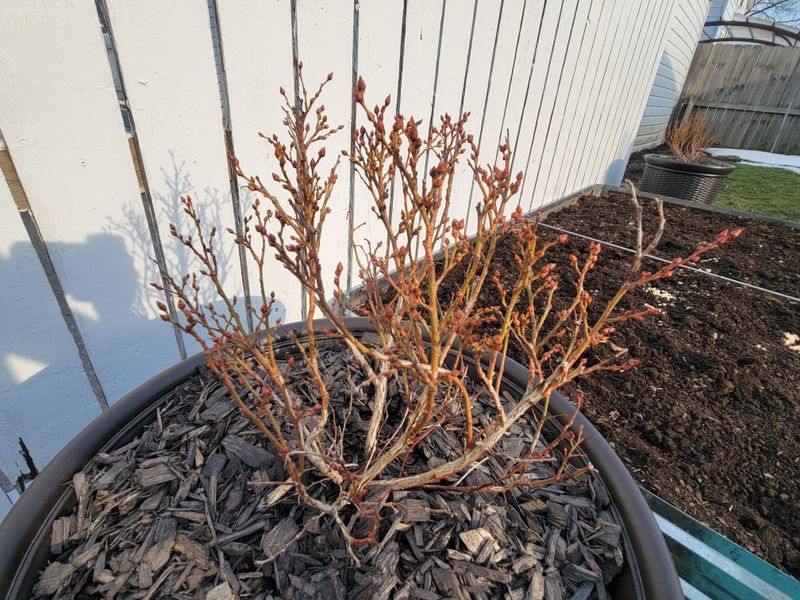
Reaching for the pruning shears right after harvest feels productive, but heavy cutting right now sends the wrong signal to the plant.
Blueberries respond to significant pruning by pushing new growth, and fresh tender shoots in late summer are vulnerable to early frosts and cannot support bud development the way mature canes do.
OSU Extension advises that major pruning of blueberry bushes is best done during dormancy, which for Ohio growers typically means late February through early March before new growth begins.
At that point, the plant is fully rested, cold damage is visible and easier to identify, and any cuts made will heal efficiently once spring warmth arrives.
Right after harvest, limit yourself to removing obviously broken branches, crossing canes that rub against each other, or any stems that look diseased.
Light cleanup is fine and will not stress the plant. Just avoid removing large amounts of productive wood while the bush is still actively working on bud formation.
Saving the real pruning work for late winter also gives you a clearer picture of what survived the Ohio cold.
Sharp, clean pruning tools make a real difference too, so use the off-season to sharpen or replace blades before the pruning window opens. A little patience now leads to much better decisions come late February.
9. Test And Adjust Soil Before Winter
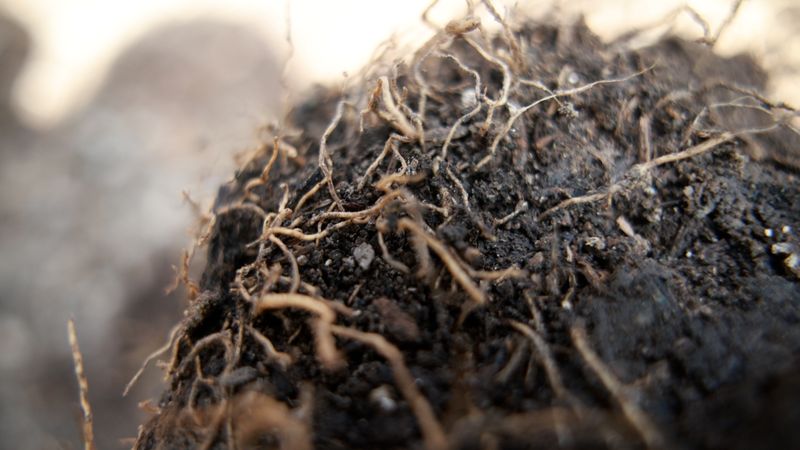
Blueberries are unusually picky about soil pH, and Ohio soils have a habit of drifting in the wrong direction.
The ideal range for blueberries is between 4.5 and 5.5, significantly more acidic than the neutral or slightly alkaline soils common across much of Ohio.
When pH climbs above that range, the plant cannot absorb iron and other nutrients efficiently even when those nutrients are physically present in the soil.
The result is a plant that looks slightly off and produces less than it should, with no obvious explanation.
Fall is an excellent time to test soil pH because amendments applied now have months to work before spring growth begins.
OSU Extension recommends soil testing every two to three years for blueberry growers. Many Ohio county Extension offices offer affordable soil testing services, and home test kits are widely available at garden centers.
If pH needs to come down, sulfur is the most commonly recommended amendment for acidifying soil around blueberries.
Apply it according to your soil test results and work it lightly into the mulch layer. Elemental sulfur works slowly, which is exactly why fall application makes sense.
It has time to interact with soil microbes and begin lowering pH gradually before the plant needs it most in spring.
Avoid lime applications anywhere near your blueberry bed, even if other garden areas need it.
A plant growing in the right pH range absorbs nutrients more efficiently, sets more flower buds, and enters spring far better prepared to deliver the harvest you spent all fall working toward.