These Are The Ohio Vegetable Garden Tasks That Close In June And Can’t Be Done After
June has an expiration date for Ohio vegetable gardeners and it arrives faster than anyone expects. Most gardeners treat summer like one long open window, assuming tasks can get pushed back a week, then another week, then somehow into July.
That is how you lose a season. Ohio’s growing calendar is specific and June is one of its most critical months.
Soil temperatures, day length, frost-free windows, all of it converges right now in ways that will not repeat until next year. Miss certain tasks this month and you are not just behind schedule.
You are locked out entirely until next spring. Some successions cannot be planted after June ends.
Some crops need to be in the ground now to beat the first fall frost. Some soil prep that feels optional in June becomes genuinely impossible in August heat.
What tasks are actually closing out this month? More than most Ohio gardeners realize.
1. Plant Warm-Season Crops Before The Window Gets Too Tight
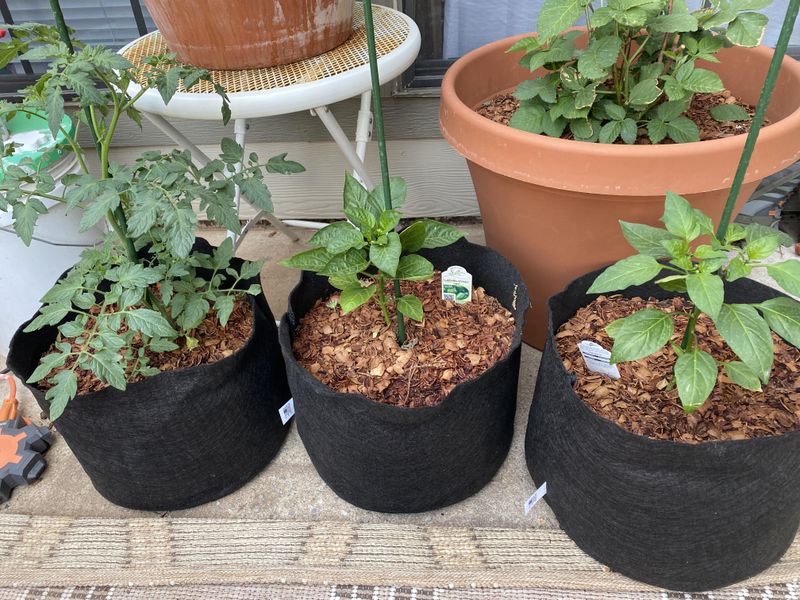
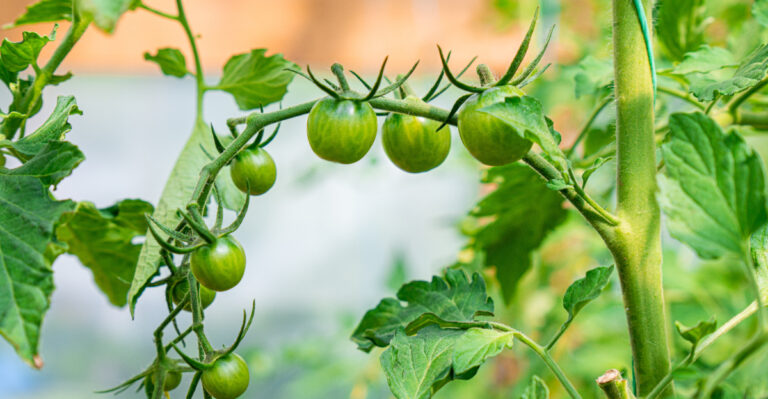
Warm-season crops need a certain number of frost-free days to grow, flower, and actually produce food before fall weather returns. Tomatoes, peppers, eggplants, squash, cucumbers, and melons are all working against a calendar.
Every week of delay in June is a week fewer for ripening fruit.
In southern parts of the state, gardeners usually have a bit more runway. Central regions have a solid growing season with some flexibility.
But in northern regions and frost-prone areas near Lake Erie, the first fall frost can arrive earlier than many gardeners expect.
Planting transplants in early to mid-June is still reasonable in most of the state, but pushing toward late June starts cutting into harvest time.
Check the days-to-maturity on your transplant tags before you put anything in the ground. A tomato variety that needs 85 days needs to be in well before late June to have a realistic shot at a full harvest.
Shorter-season varieties give you a little more breathing room if you are planting later. Get transplants in warm, well-prepared soil, water them in well, and give them the best possible start while the season is still on your side.
2. Sow Beans And Cucumbers While They Still Have Time
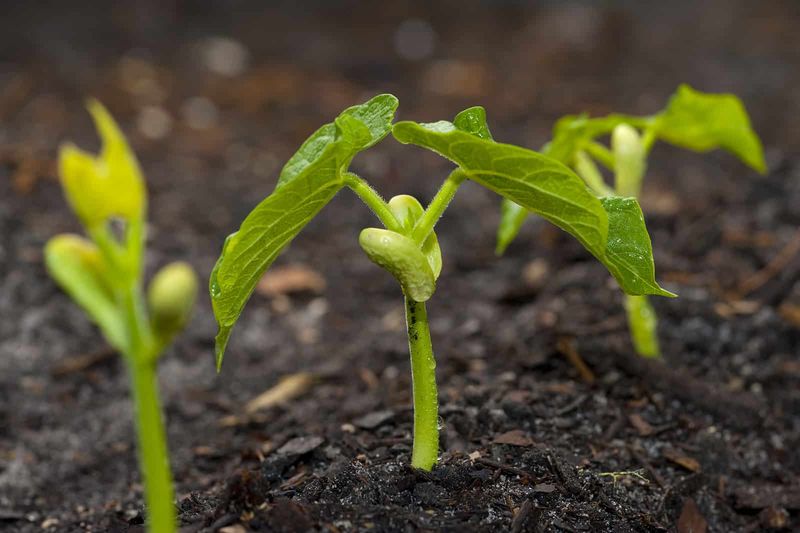
Beans and cucumbers are two of the more forgiving warm-season crops for direct sowing in June. Both germinate quickly in warm soil and move from seed to harvest faster than many other vegetables.
Bush beans can go from seed to picking in as few as 50 to 60 days depending on the variety, which makes June sowing still very practical in most parts of the state.
The key is not to wait too long. Pull out your seed packet and check the days-to-maturity number.
Then count backward from your expected first fall frost date for your area. If the math works out, you are good to go.
If you are planting in the second half of June, look for quicker-maturing varieties rather than longer-season types.
Soil moisture matters a lot right after sowing. Seeds need steady moisture to germinate well, and June soil can dry out quickly during warm stretches.
Your Ohio Garden Changes Every Week. Your Plan Should Too.
Gardening in Ohio changes quickly throughout the season. Every Friday you’ll receive a simple weekly plan showing exactly what to plant, prune, fertilize, harvest, and protect so you never miss the right timing.
Water gently after planting and keep the top inch of soil from drying out completely until seedlings are up and growing. Once young plants are established, they are generally pretty tough and will grow quickly in the warm summer conditions ahead.
3. Get Pumpkins And Winter Squash Started Before It Is Too Late
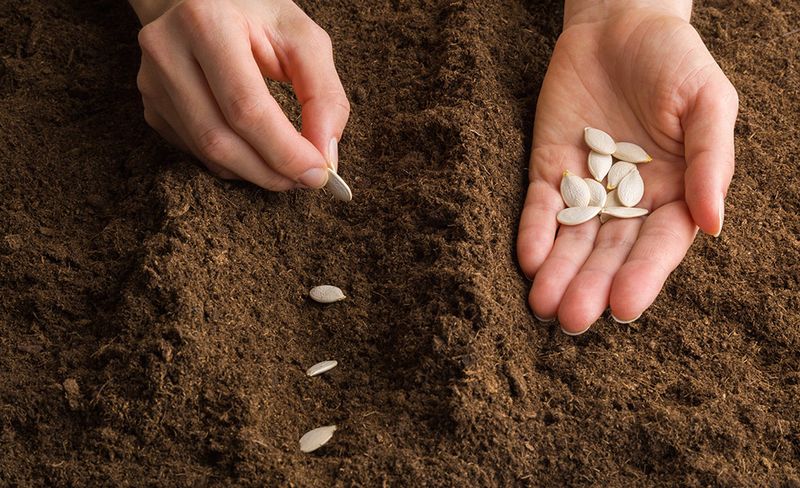
Pumpkins and winter squash are not quick crops. Most varieties need anywhere from 85 to 110 days or more to reach maturity, which means they need a much longer runway than beans or cucumbers.
Early June is still a workable planting window in many gardens across the state. But waiting until mid-to-late June starts to get risky, especially in central and northern regions where fall arrives earlier.
Before you plant, check the days-to-maturity on your seed packet and compare it to your average first fall frost date. For much of the state, that first frost tends to arrive sometime in October, though northern and frost-prone areas may see it earlier.
Give yourself a comfortable buffer rather than cutting it close.
Choose a planting site with full sun and plenty of room. Pumpkins and winter squash are vigorous spreaders and they need space to vine out.
Prepare the soil well, plant seeds about an inch deep, and water thoroughly. These crops do well with warm soil and consistent moisture during germination and early growth.
Getting them started in early June gives fruit the time it needs to develop, cure, and actually be worth harvesting before cold weather settles in.
4. Thin Crowded Seedlings Before They Compete All Summer
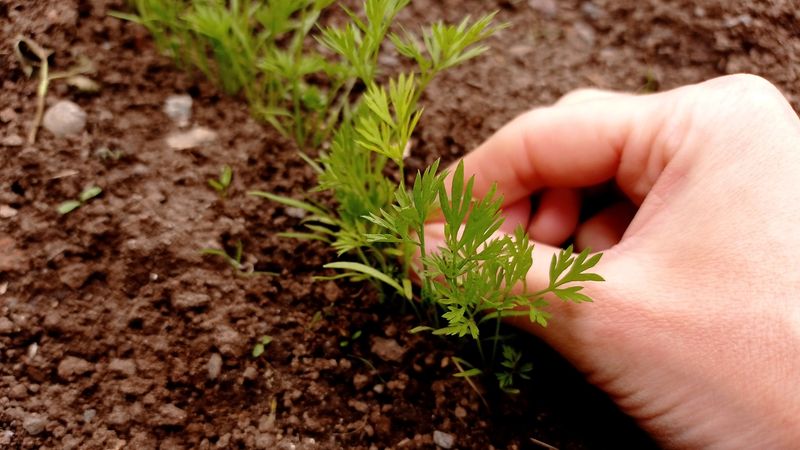
Crowded seedlings might look healthy at first glance, but they are quietly working against each other. When plants grow too close together, they compete for light, water, nutrients, and airflow.
The result is usually a group of weaker plants that produce less than a properly spaced single plant would have on its own.
Carrots and beets are two crops where thinning really pays off. Both are often sown thickly and then left crowded, which leads to skinny, forked, or stunted roots.
Lettuce, radishes, beans, cucumbers, and squash all benefit from proper spacing too. Check the seed packet for recommended spacing and thin accordingly, even when it feels like you are pulling out perfectly good plants.
June is a good time to tackle thinning because seedlings are still small enough to remove without disturbing nearby roots too much. Waiting until plants are larger makes thinning more disruptive and less effective.
Snip seedlings at the soil surface rather than pulling them to avoid disturbing neighbors. Thinning also improves airflow between plants, which can reduce the risk of fungal problems during humid summer weather.
A little thinning now pays off in noticeably better harvests later in the season.
5. Install Tomato And Pepper Supports Before Plants Get Heavy
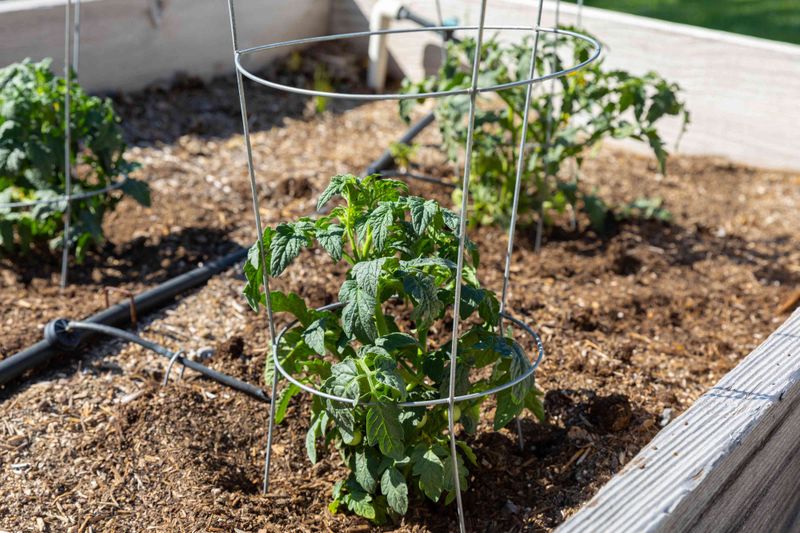
Supports are one of those garden tasks that feel optional until they suddenly are not. Tomato cages, stakes, and trellises are much easier to put in place while plants are still young and manageable.
Once plants are tall, branchy, and starting to set fruit, working a cage around them without snapping stems or disturbing roots becomes a real challenge.
Tomatoes are the obvious priority, but peppers, cucumbers, pole beans, and any vining crop also benefit from support installed early. A sturdy cage or stake set firmly in the ground while the plant is young lets the plant grow naturally into the support structure.
Waiting until plants are heavy with fruit and flopping over means you are reacting to a problem instead of preventing one.
Sturdy supports matter more than many gardeners realize, especially heading into summer storm season. A flimsy cage can collapse under a heavy tomato plant during a strong June or July storm, causing real damage to branches and developing fruit.
Use heavy-gauge wire cages, solid wooden stakes, or T-posts for large indeterminate tomato varieties. Get them in the ground now, anchor them well, and your plants will have the structure they need to carry a full season of fruit without falling over.
6. Mulch Beds Before June Heat Dries The Soil Fast
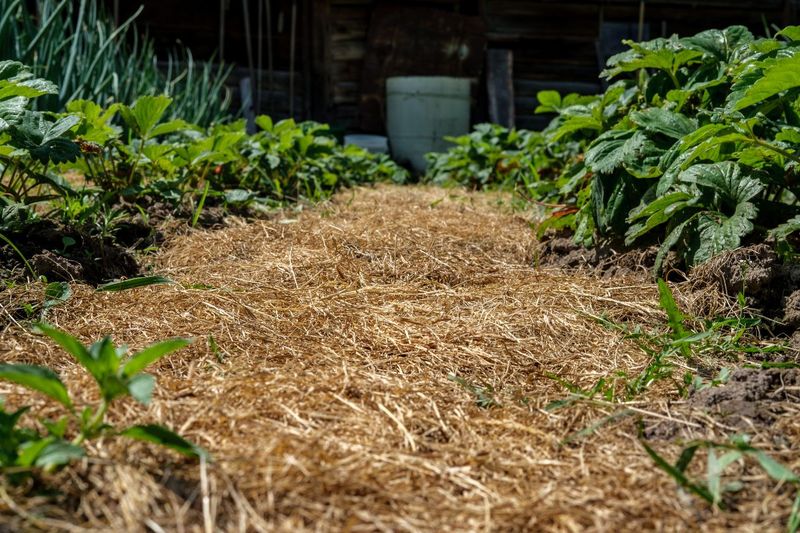
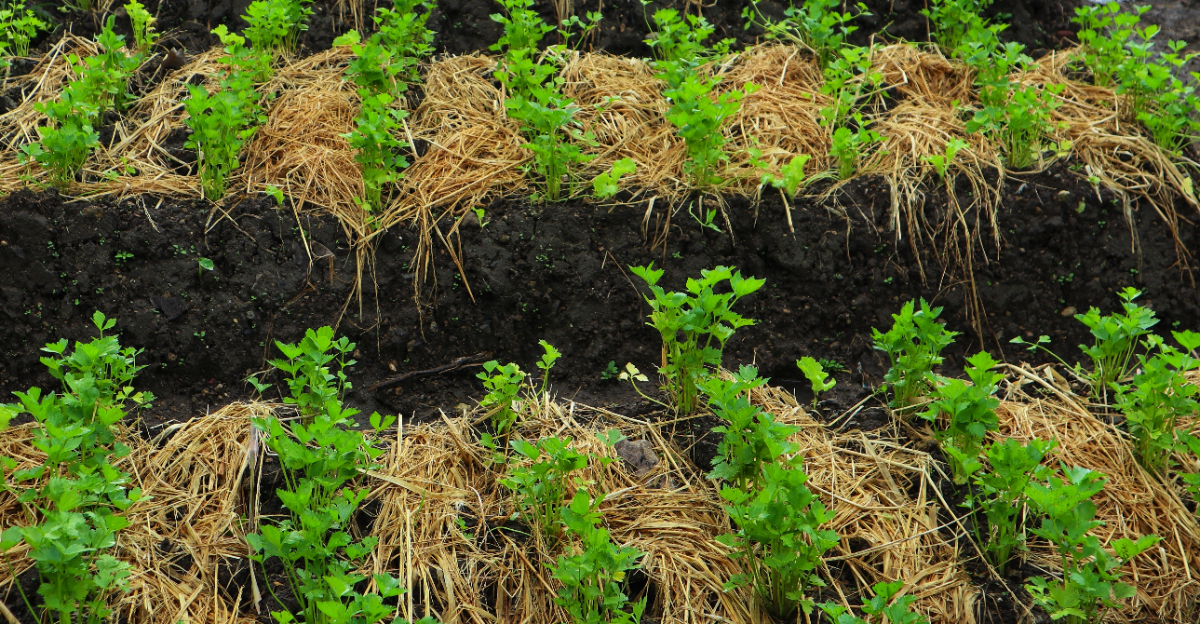
Soil moisture disappears fast once summer heat arrives. A layer of organic mulch spread around your vegetable plants in June can make a noticeable difference in how often you need to water.
It also helps your crops grow more consistently through the season. Straw, shredded leaves, untreated grass clippings, and composted wood chips are all practical choices for vegetable beds.
Timing matters with mulch. Applying it too early in spring can slow soil warming, which is why many gardeners wait until warm-season crops are actively growing before spreading a thick layer.
By June, soil temperatures in most vegetable beds are warm enough that mulch will help rather than hinder. Aim for about two to three inches of mulch spread evenly around plants.
One important detail: keep mulch pulled back an inch or two from plant stems. Piling mulch directly against stems can trap moisture and create conditions that invite rot or pest problems.
Mulch also helps reduce soil splash during heavy rains, which can lower the spread of soilborne diseases onto lower leaves. As organic mulch breaks down over the season, it adds a small amount of organic matter back into the soil.
It is a simple step that supports your plants all the way through harvest.
7. Side-Dress Heavy Feeders Before Peak Growth Passes
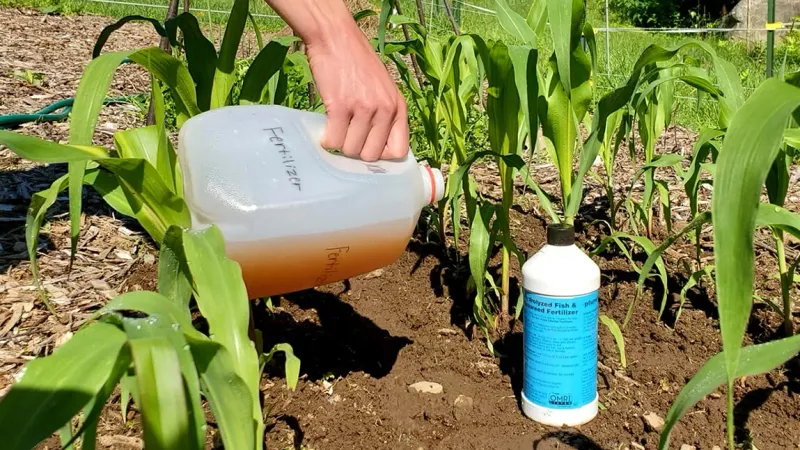
Some vegetables are genuinely hungry crops. Corn, tomatoes, squash, cucumbers, peppers, and cabbage-family plants can pull a lot of nutrients from the soil during active summer growth.
If your soil is already rich and well-amended with compost, you may not need to add much. But if plants are growing slowly, showing pale leaves, or your soil has not been tested recently, a side-dressing during June can give heavy feeders a useful boost.
Compost is a safe and practical option for most vegetable beds. A shovelful of finished compost worked lightly into the soil a few inches away from plant stems adds organic matter.
It also provides a slow release of nutrients without the risk of overfertilizing. Balanced granular fertilizers can also work, but follow label rates carefully.
One thing to watch: too much nitrogen can push tomatoes and peppers to grow lots of lush green leaves at the expense of flowers and fruit. If your plants are already dark green and growing vigorously, they may not need extra feeding at all.
A soil test from your local extension office is the most reliable way to know what your garden actually needs rather than guessing. Feed based on what the plants and soil are telling you, not just out of habit.
8. Start Watching For Pests Before Damage Gets Ahead Of You
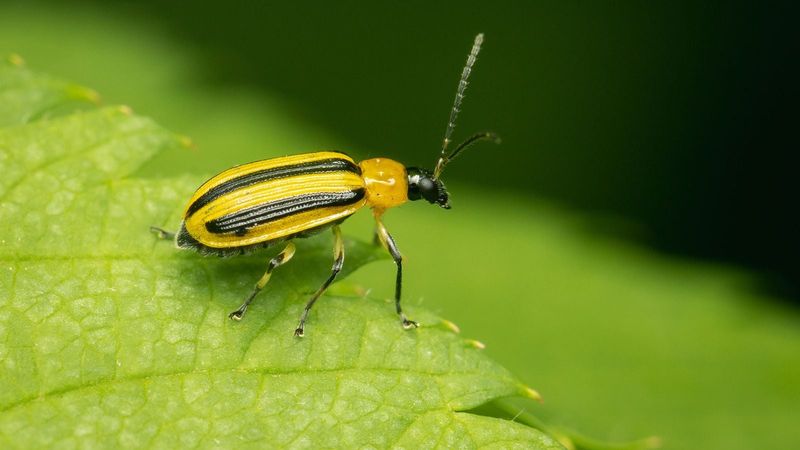
Pest problems in a vegetable garden are almost always easier to manage when you catch them early. By June, several common pests are becoming active and starting to find their way into warm-season crops.
Cucumber beetles, squash bugs, squash vine borers, flea beetles, tomato hornworms, cabbage worms, aphids, and Japanese beetles can all show up during this month. They are common in many parts of the state.
The habit that makes the biggest difference is regular scouting. Walk through your garden a few times each week and look carefully at plants, not just from above.
Check the undersides of leaves where many insects lay eggs or cluster in groups. Look at stems near the soil, flower clusters, and new growth.
Catching a small cluster of squash bug eggs or a handful of cabbage worm caterpillars early means a quick hand-pick rather than a large infestation later.
Row covers can protect crops from certain pests before plants start flowering, but covers need to come off once flowers open so pollinators can reach them. If you decide to use any spray products on flowering crops, choose options that are safer for pollinators.
Apply them in the early morning or evening when bees are less active. Protecting your harvest and protecting pollinators are both worth the extra care.