These May Gardening Mistakes Can Cost Oregon Gardeners All Summer
May feels like Oregon’s garden starting gun, and it is way too easy to sprint straight into trouble with a tray of seedlings in one hand and big tomato dreams in the other.
The weather looks friendly, the soil seems ready, and every nursery aisle is basically whispering, “Plant everything.” But a few rushed choices now can haunt beds, borders, and veggie patches for months.
Planting warm-season crops too early, skipping mulch, watering lightly, ignoring weeds, or forgetting slug patrol can turn summer into one long garden apology tour.
Oregon’s mix of cool nights, damp springs, dry spells, and surprise temperature swings rewards gardeners who slow down just enough to set things up right.
May is packed with promise, but it also loves testing confidence. Get the timing, prep, and care right now, and your summer garden has a much better shot at thriving instead of sulking.
1. Planting Too Early
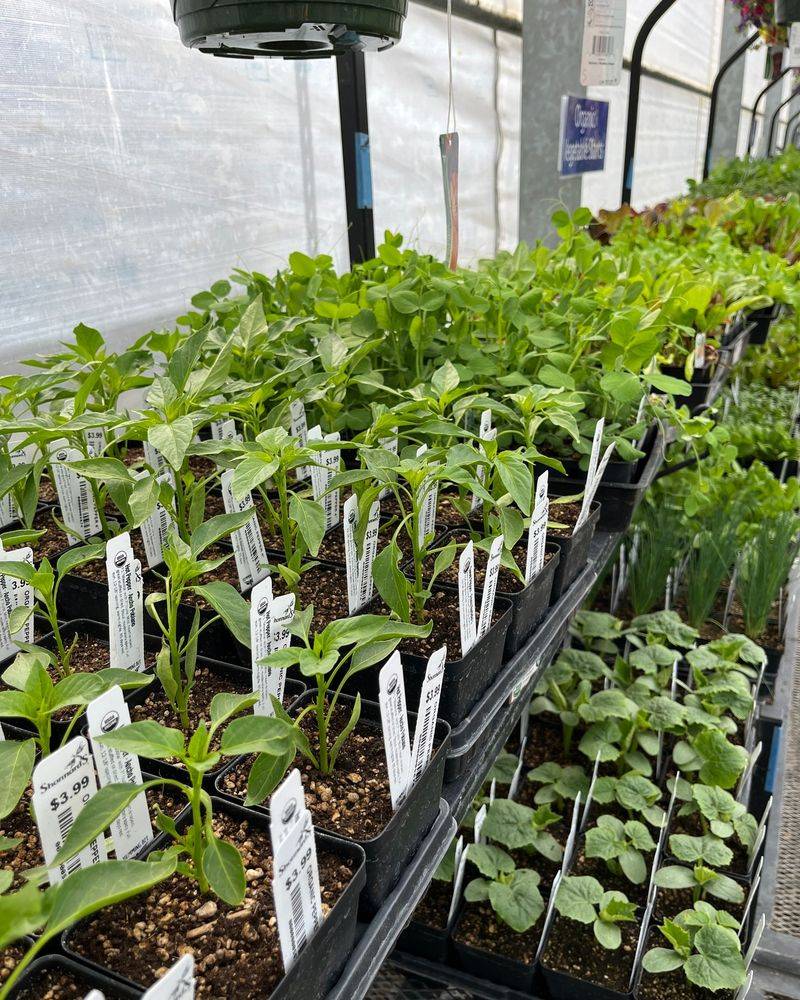
Every spring, the excitement of warmer days tempts gardeners across Oregon to rush their transplants into the ground before conditions are truly ready. It feels right.
The sun is out, the garden center shelves are full, and you just want to get growing. But planting too early is one of the most common and costly mistakes Oregon gardeners make in May.
Soil temperature matters just as much as air temperature. Many vegetables, especially tomatoes, peppers, and squash, need soil that is consistently at least 60 degrees Fahrenheit.
In Oregon, especially in the Willamette Valley and coastal areas, soil can stay cold and wet well into May. Putting warm-season crops into cold soil stunts their growth and makes them more vulnerable to disease.
Instead of guessing, use a simple soil thermometer. They are inexpensive and available at most garden centers in Oregon.
Check your soil temperature in the morning for the most accurate reading. If it is still below 60 degrees, wait a week and check again.
A little patience in May pays off with stronger, healthier plants all summer long. Rushing the season rarely works in Oregon’s unpredictable spring climate.
2. Skipping Hardening Off
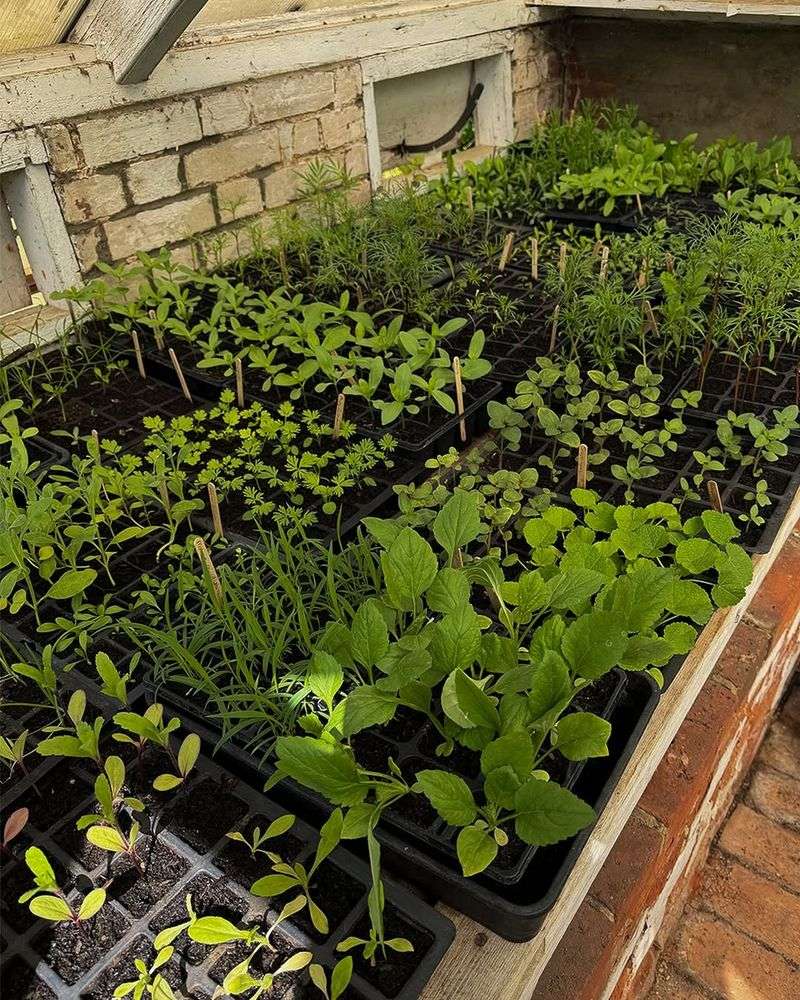
Seedlings grown indoors live a sheltered life. They get steady warmth, filtered light, and no wind.
When you move them straight from your windowsill or grow light setup into the Oregon garden, it is a serious shock to their system. That shock is called transplant stress, and it can set your plants back by weeks.
Hardening off is the process of slowly introducing your seedlings to outdoor conditions. Start by placing them outside in a shaded, sheltered spot for just a couple of hours each day.
Over the course of one to two weeks, gradually increase their time outdoors and expose them to more sun and wind. This simple process toughens up their stems and prepares their leaves for real outdoor life.
Many Oregon gardeners skip this step because it feels time-consuming or unnecessary. But seedlings that skip hardening off often turn pale, wilt quickly, or struggle to grow after transplanting.
Some never fully recover. Given Oregon’s variable May weather, with cool mornings and occasional wind, hardening off is especially important here.
Your Oregon Garden Changes Every Week. Your Plan Should Too.
Gardening in Oregon changes quickly throughout the season. Every Friday you’ll receive a simple weekly plan showing exactly what to plant, prune, fertilize, harvest, and protect so you never miss the right timing.
Think of it as giving your plants a training period before the big game. It is worth every extra day you invest.
3. Ignoring Frost

Oregon gardeners sometimes assume that once May arrives, frost is no longer a threat. That assumption can be expensive.
In many parts of Oregon, including higher elevations in the Cascades, the Columbia River Gorge area, and even parts of the Willamette Valley, late frosts can strike well into May and occasionally even early June.
A single frost event can wipe out an entire bed of tender transplants overnight. Tomatoes, basil, cucumbers, and squash are especially vulnerable.
Even a light frost that does not fully freeze the ground can damage leaves and slow plant growth for weeks. Watching the weather forecast in May is not optional for Oregon gardeners.
It is essential.
Keep a supply of frost cloth or old bedsheets on hand throughout May. If temperatures are predicted to drop below 35 degrees Fahrenheit overnight, cover your tender plants before sunset.
Remove the covers in the morning once temperatures rise. Row covers are another great option and can stay on plants for days at a time without harming them.
Checking the National Weather Service forecast for your specific Oregon region each evening during May can save your entire garden from an unexpected cold snap.
4. Overwatering Soil
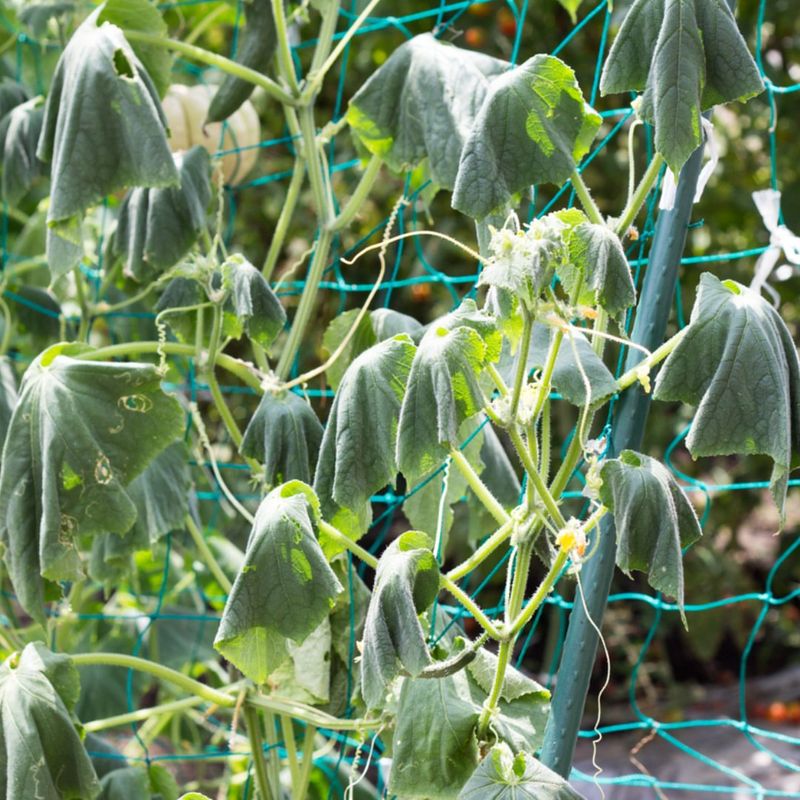
Oregon’s reputation for rain is well-earned, and that reputation can lead gardeners into a watering trap. Many people water their gardens out of habit in May, even when the soil is already plenty moist from recent rainfall.
Overwatering is actually one of the top reasons vegetable plants struggle or fail in Oregon gardens during the spring season.
Roots need both water and oxygen to function properly. When soil stays waterlogged for too long, oxygen gets pushed out and roots begin to suffer.
Symptoms of overwatering include yellowing leaves, wilting even when soil is wet, and slow or stunted growth. These signs are easy to confuse with underwatering, which is why so many gardeners make the problem worse by adding even more water.
Before reaching for the hose, stick your finger two inches into the soil. If it feels moist at that depth, skip watering for the day.
Oregon’s May rainfall often provides enough moisture for most garden plants, especially in the Willamette Valley and coastal regions. Raised beds and well-amended soil with good drainage help prevent waterlogging.
Investing in drainage improvements now protects your plants all season. Your garden will thank you for showing a little restraint with the watering can.
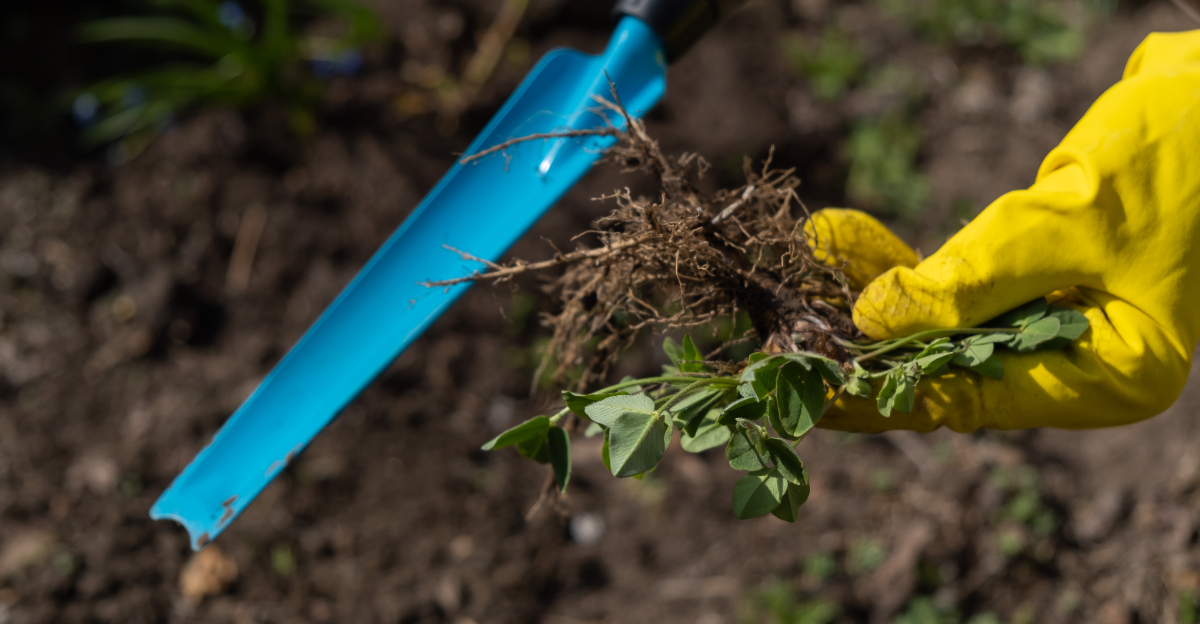
5. Letting Weeds Spread
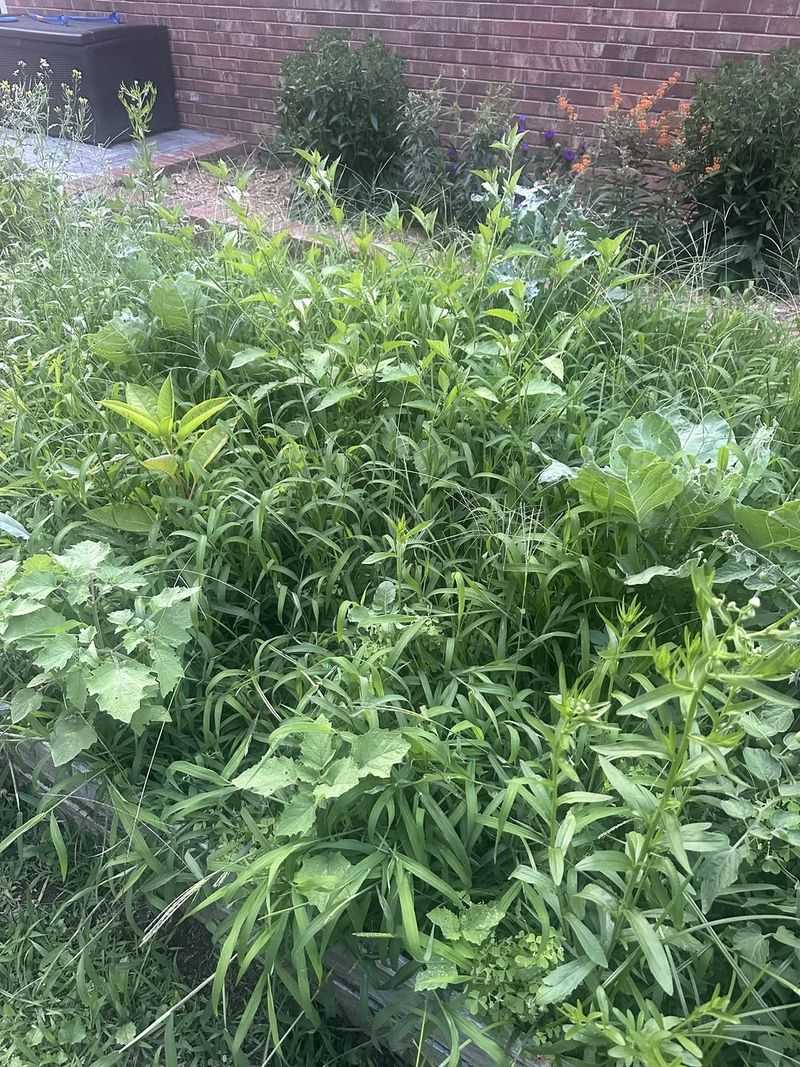
Weeds in May look harmless. They are small, easy to ignore, and seem like they can wait until later.
But letting weeds go unchecked in May is one of the fastest ways to lose control of an Oregon garden for the entire summer. Many common weeds in the Pacific Northwest, like chickweed, hairy bittercress, and creeping buttercup, grow and spread aggressively in cool, moist spring conditions.
Weeds compete directly with your garden plants for water, nutrients, and light. A weed that seems tiny today can drop hundreds of seeds within just a few weeks.
Those seeds will sprout all summer long, creating a cycle that becomes harder and harder to break. The old saying holds true: one year of weeds means seven years of seeds.
Set aside just ten to fifteen minutes a few times a week for weeding in May. Pull weeds when the soil is moist, right after rain, because roots come out much more easily then.
Focus on removing weeds before they flower or set seed. In Oregon’s fertile, moist spring soil, weeds have every advantage.
Taking them seriously early in the season means far less work in June, July, and August when you would rather be enjoying your garden instead of fighting it.
6. Forgetting Mulch

Mulch might seem like a finishing touch, something you add after the real garden work is done. In Oregon, it is actually one of the most important tools you have for a successful summer garden, and May is exactly the right time to apply it.
Skipping mulch in May means your soil will dry out faster, weeds will take over, and your plants will face unnecessary stress during the hot months ahead.
A two to three inch layer of organic mulch, such as straw, wood chips, or shredded leaves, does several powerful things at once. It holds moisture in the soil, reducing how often you need to water.
It keeps the soil temperature more stable, which roots love. It also blocks sunlight from reaching weed seeds, dramatically cutting down on weed growth throughout the summer.
In Oregon’s coastal and valley gardens, where soil moisture can swing from soaking wet in spring to bone dry in summer, mulch acts as a buffer. Apply it around your transplants once the soil has warmed a bit, usually by mid-May in most Oregon regions.
Keep mulch a few inches away from plant stems to prevent rot. It is one of the easiest, most affordable things you can do for long-term garden health.
7. Pruning Too Soon
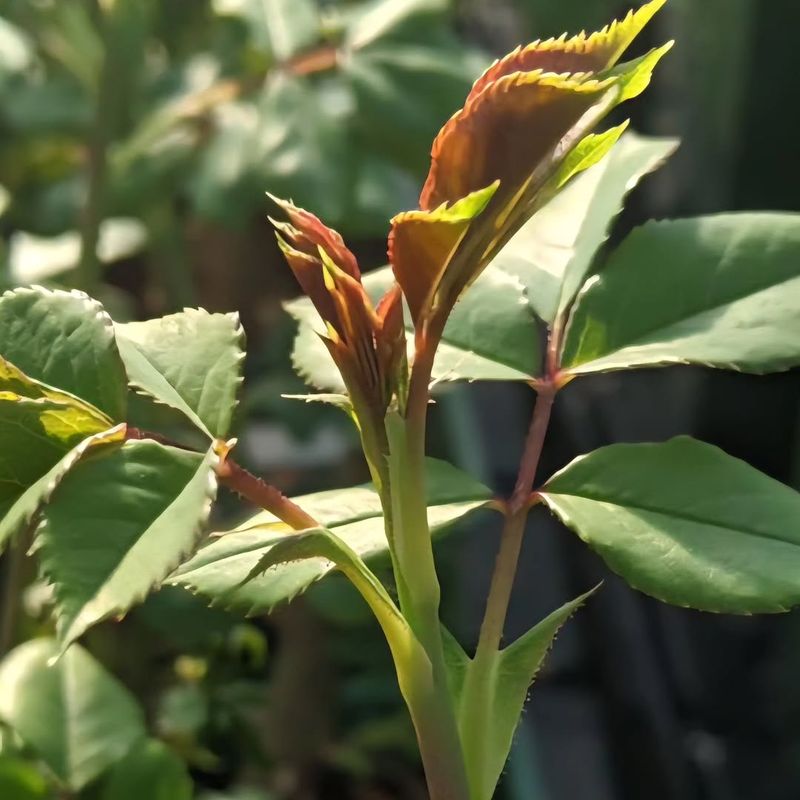
Spring energy is contagious, and it makes gardeners want to do everything at once. Pruning feels productive.
You are shaping your plants, removing dead wood, and getting things organized for the season. But pruning too early in May can seriously set back certain plants, especially roses, fruit trees, and perennials that are just waking up from winter dormancy.
When you prune too soon, you risk removing healthy new growth before the plant has had a chance to establish itself for the season. You also leave fresh cuts exposed to Oregon’s lingering cool, damp May weather, which creates entry points for fungal disease and other pathogens.
Roses in particular are vulnerable to botrytis and other fungal issues when pruned during damp conditions.
A better approach is to wait and observe. Let your plants show you where the new growth is coming in strong before you make cuts.
For most Oregon gardeners, late May is a safer window for pruning roses and established perennials, once the risk of heavy rain and frost has passed. Always use clean, sharp pruning tools to make smooth cuts.
Ragged cuts invite disease. A little patience with pruning in May leads to stronger, better-shaped plants that thrive through the Oregon summer.
8. Ignoring Slugs
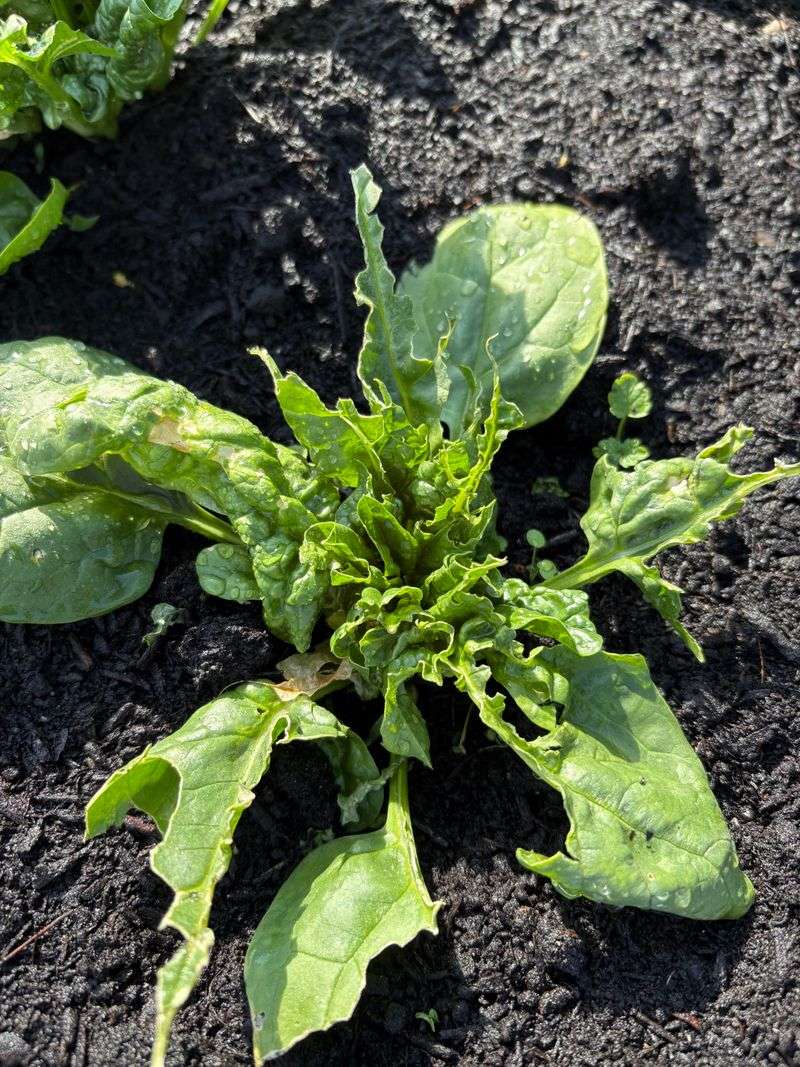
Anyone who has gardened in Oregon for even one season knows the slug situation is real. These soft-bodied mollusks thrive in the cool, moist conditions that define Oregon springs, and May is when they are at their most active and destructive.
Ignoring slugs in May is a mistake that can cost you entire seedlings almost overnight.
Slugs feed mostly at night, which is why gardeners often see the damage before they see the culprit. You will notice irregular holes in leaves, shiny slime trails on soil and foliage, and seedlings that seem to vanish completely.
Young transplants are especially vulnerable because slugs can consume an entire small plant in a single night. Lettuce, basil, and newly transplanted brassicas are among their favorite targets in Oregon gardens.
Fortunately, there are several effective and safe ways to manage slugs. Iron phosphate slug bait, sold under brands like Sluggo, is safe for use around pets, wildlife, and edible plants.
Sprinkling it around vulnerable plants in early May gives you a strong head start. You can also handpick slugs after dark using a flashlight and drop them into soapy water.
Removing hiding spots like boards, thick debris, and dense ground cover near your garden also helps reduce slug populations throughout the Oregon growing season.
9. Overfertilizing Plants
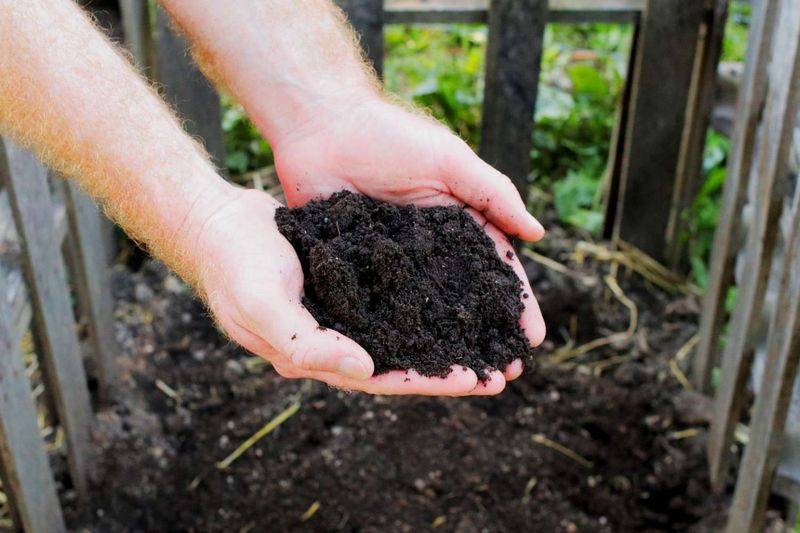
More fertilizer does not mean more growth. In fact, applying too much fertilizer in May is one of the most reliable ways to stress your plants right at the start of the growing season.
It is a mistake that feels generous but causes real harm, and it happens in Oregon gardens more often than most people realize.
Overfertilizing, especially with high-nitrogen fertilizers, pushes plants to produce lots of lush, soft green growth very quickly. That soft growth is attractive to pests and more vulnerable to disease.
It also means the plant is putting energy into leaves instead of developing strong roots, which are what really support long-term health and fruit production. Symptoms of over-fertilization include leaf burn, brown leaf edges, wilting, and in severe cases, plants that simply stop growing.
Oregon’s naturally fertile soils, especially in the Willamette Valley, often need less amendment than gardeners think. Before adding any fertilizer, consider doing a simple soil test.
Your local Oregon State University Extension office can help with that. If you do fertilize, follow label directions carefully and err on the side of less rather than more.
Slow-release granular fertilizers are a safer choice for May because they feed plants gradually over time without overwhelming them with nutrients all at once.
10. Staking Too Late
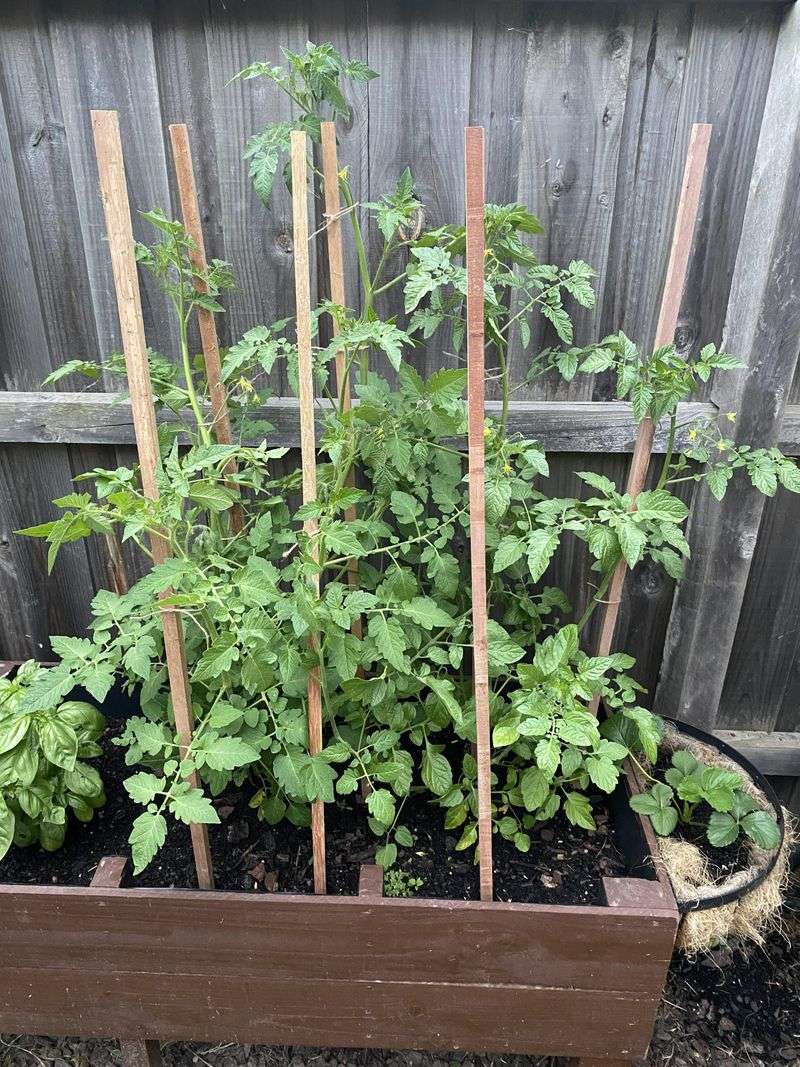
Staking feels like something you can take care of later, once the plants get bigger. But waiting too long to stake your tomatoes, dahlias, and other tall-growing plants is a mistake that Oregon gardeners regret every year.
By the time a plant is big enough to obviously need support, it may already be too late to stake it without causing root damage.
Installing stakes, cages, or trellises at transplant time or very early in the season is the smartest approach. When you push a stake into the ground near a mature plant, you risk slicing through established roots that are critical to the plant’s health.
Young plants, on the other hand, have shallow, compact root systems that are easy to work around. Setting up support structures in May, while plants are still small, protects them as they grow into the support naturally.
In Oregon’s Willamette Valley and coastal areas, summer winds can pick up quickly and unexpectedly. A tall, unsupported tomato plant or dahlia can snap or tip over during a gusty afternoon, undoing months of careful gardening work.
Use sturdy wooden stakes, metal cages, or bamboo poles and tie plants loosely with soft garden twine. Check ties regularly as the season progresses and adjust them so stems have room to grow without being constricted.