8 Oklahoma Yard Spots Where Chiggers Are Waiting, And How They Differ From Ticks
You kick off your shoes to feel the grass under your feet, and by evening your ankles are covered in red, maddening bumps. Chiggers are behind it, tiny mite larvae hiding in tall grass and shady yard corners across Oklahoma.
Unlike ticks, chiggers don’t burrow in and stay put for days. They latch onto skin, feed for a short window, then drop off long before you notice anything wrong.
By the time the itching starts, the chigger responsible is usually long gone. That’s what makes them sneakier than most backyard pests people worry about.
Learning where chiggers cluster and how their bite differs from a tick’s can spare you weeks of scratching. It also helps you know when a bite is just a nuisance and when it’s worth a closer look.
1. Tall Grass Along Fence Lines And Property Edges
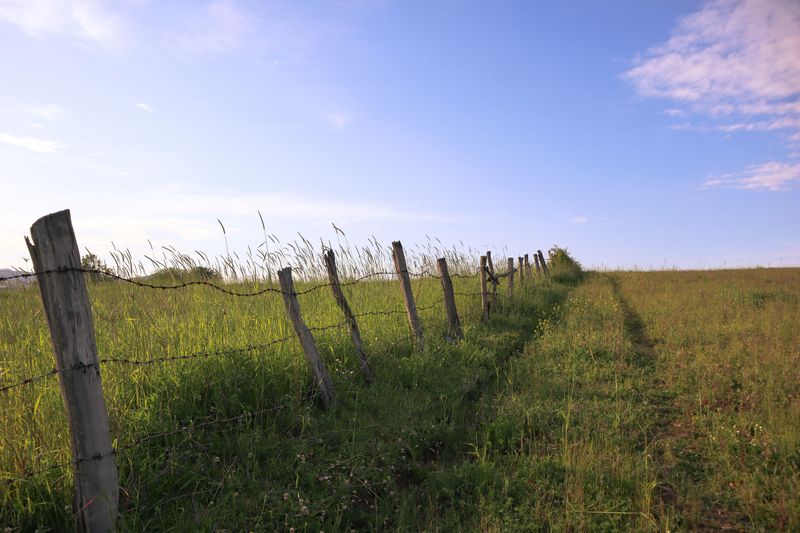
You mow the middle of your yard but forget the edges, and that is exactly what chiggers count on. Fence lines with tall grass are prime chigger territory across Oklahoma yards.
Chiggers are the larvae of harvest mites, not insects but arachnids. They cluster at the tips of grass blades, waiting to latch onto passing skin.
Ticks behave differently along fence lines. They tend to wait on shrubs or leaf debris rather than the grass tips where chiggers prefer to hang out.
Chiggers do not burrow into skin like many people believe. They inject saliva that breaks down skin cells, then feed on that fluid before dropping off.
Ticks, by contrast, embed their mouthparts and stay attached for hours or even days. That is a key difference worth remembering when you spot a bite.
Along fence lines, chigger populations can increase sharply during Oklahoma summers. Humidity and heat create perfect conditions for their life cycle to speed up.
Trim that grass strip along every fence edge at least once a week. Keep the blade low and make sure no shaded, moist zone develops near the posts.
Wearing long socks tucked into pants helps block chiggers at the ankle. Applying permethrin spray to clothing before yard work adds serious protection.
Staying aware of where chiggers in Oklahoma yards gather gives you a real advantage. Fence line maintenance is one of the simplest defenses you have.
2. Shaded Spots Beneath Trees And Shrubs
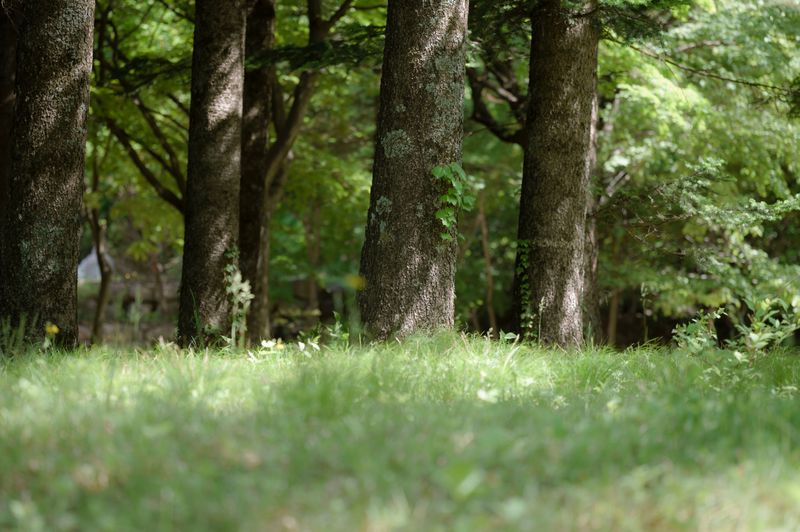
Cool, dark, and damp spots under trees feel refreshing on a hot Oklahoma afternoon. Chiggers think so too, and they are already there waiting for you.
Shaded ground beneath shrubs and trees stays moist longer after rain. That moisture is exactly what chigger larvae need to survive and stay active.
Ticks also love shaded areas, but their strategy differs from chiggers. Ticks prefer the edge between wooded zones and open lawn, a behavior called questing.
Questing ticks stretch their front legs outward, grabbing onto anything that brushes past. Chiggers do not quest; they cluster in groups and wait at ground level.
A single shaded tree in your yard can host a dense concentration of chiggers beneath it. The leaf litter and soil moisture create a perfect nursery for mite larvae.
Your Oklahoma Garden Changes Every Week. Your Plan Should Too.
Gardening in Oklahoma changes quickly throughout the season. Every Friday you’ll receive a simple weekly plan showing exactly what to plant, prune, fertilize, harvest, and protect so you never miss the right timing.
Rake out old leaves from under trees regularly to disrupt that habitat. Letting sunlight reach the soil surface dries it out and reduces chigger numbers fast.
Pruning lower branches on shrubs also helps by improving airflow. Better circulation means faster drying, and drier ground equals fewer chiggers taking up residence.
If children play under a backyard tree, treat the surrounding soil with a yard-safe insecticide labeled for mites. Reapply after heavy rain for continued coverage.
Chiggers in Oklahoma yards thrive wherever shade and moisture overlap. Staying ahead of that combination keeps your outdoor spaces safer all season long.
3. Overgrown Weedy Patches Near The Yard’s Border
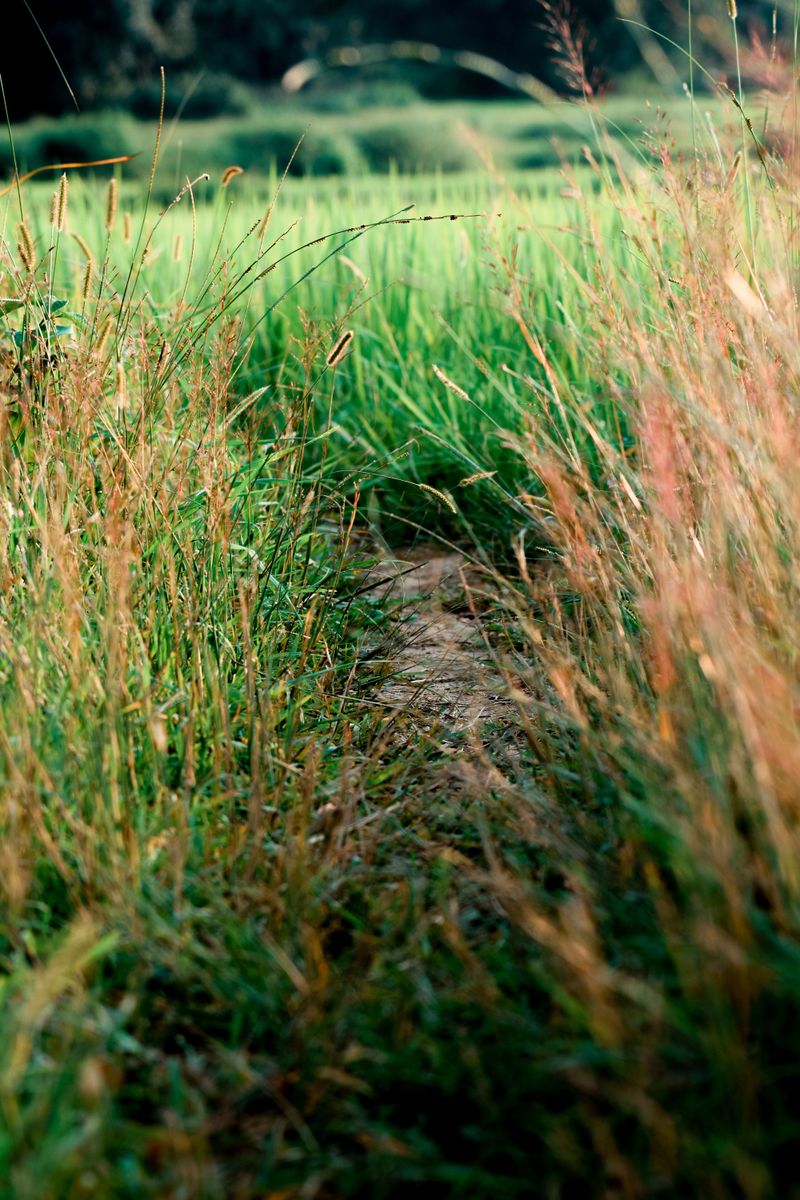
That scraggly strip of weeds you keep meaning to pull is more than an eyesore. It is a thriving chigger neighborhood at the edge of your yard.
Weedy patches near property borders create layered, dense vegetation. Chiggers love the microclimate those layers produce, staying moist even during dry spells.
Wild plants like clover, chickweed, and thistle grow thick and close to the ground. Their overlapping leaves trap humidity, giving chigger larvae exactly the conditions they crave.
Ticks also use overgrown borders but tend to climb higher on plant stems. Chiggers stay low, usually within eighteen inches of the ground surface.
That height difference matters when choosing protective clothing. Tucking pants into socks addresses chiggers well, but tick checks should extend higher up your body.
Clearing weedy patches with a string trimmer every two weeks makes a big difference. Follow up by pulling roots when possible to prevent rapid regrowth.
Consider laying down landscape fabric in persistent problem areas. Covering bare soil after clearing stops new weed growth and eliminates chigger habitat at the same time.
Bordering your cleared zone with cedar mulch adds extra protection. Cedar naturally repels many insects and mites, creating a buffer between wild edges and your lawn.
Dealing with weedy borders is one of the most impactful moves you can make. Fewer weeds mean fewer chiggers waiting to ruin your next barefoot afternoon outside.
4. Piles Of Leaves, Mulch, Or Yard Debris

Leaf piles look harmless and even fun in the fall, but they are chigger condos waiting for a tenant. Organic debris holds moisture like a sponge.
Chigger larvae thrive in decomposing leaves and mulch because the breakdown process generates warmth and humidity. That combination accelerates their development through the larval stage.
Mulched garden beds are especially tricky because they look intentional and well-maintained. Underneath that neat surface, conditions for chiggers can be nearly perfect year-round.
Ticks also hide in leaf litter, particularly the American dog tick and the lone star tick common in Oklahoma. Both species use debris as shelter between feedings.
One important distinction is behavior after contact. Ticks attach quickly and stay, while chiggers may wander the skin for a while before settling to feed.
Rake leaves promptly after they fall rather than letting them accumulate near the house. Bagging or composting them away from living areas removes a major harborage point.
For mulched beds, pull the mulch back from walkways and seating areas each spring. Replacing it with fresh material annually also reduces mite populations that overwinter in old debris.
Wear gloves when handling yard debris and wash hands immediately after. Chiggers can transfer from material to skin faster than you might expect.
Keeping debris cleared is one of the most underrated yard habits in Oklahoma. Chiggers in Oklahoma yards rely on this clutter, so denying them that shelter pays off big.
5. Areas Near Creeks, Ditches, Or Standing Water

Water features in or near your yard add beauty, but they also add moisture to the surrounding soil. That extra dampness is a magnet for chigger activity.
Creeks, drainage ditches, and low-lying areas that collect standing water create consistently humid microclimates. Chigger larvae survive longer and remain more active in those wet zones.
Grasses and sedges that grow near water tend to be dense and tall. Those thick stands offer chiggers both shelter and an ideal launch point for latching onto hosts.
Ticks near water sources behave similarly in some ways, preferring the tall vegetation margins. However, ticks are more likely to be found on woody shrubs than in wet grass clumps.
Standing water also attracts wildlife like deer, raccoons, and birds. Those animals carry both chiggers and ticks, spreading them throughout your yard as they travel.
Mowing aggressively around ditches and creek banks helps reduce chigger populations significantly. Keeping that grass short and dry limits the habitat available to larvae.
If standing water persists after rain, consider grading the area to improve drainage. Eliminating that moisture source removes the environmental trigger that keeps chiggers thriving near your home.
Apply a yard-safe mite-control product around the perimeter of water-adjacent zones in early summer. Reapply monthly through peak season for consistent protection.
Wet edges of your property deserve as much attention as the center of your lawn. Chiggers in Oklahoma yards cluster near moisture, so those borders are worth defending.
6. Thick Groundcover Like Ivy Or Clover

Groundcover plants look polished and low-maintenance, but they hide a secret underneath their leaves. Chiggers find dense groundcover irresistible as a sheltered, moist habitat.
Ivy, clover, and creeping thyme create a canopy just above the soil surface. That canopy traps humidity and blocks sunlight, giving chigger larvae ideal living conditions below.
Walking through a clover patch barefoot is one of the fastest ways to pick up chiggers in Oklahoma. The tiny larvae transfer instantly when skin contacts the plant surface.
Ticks can also inhabit thick groundcover, especially in shaded yards. But ticks are more mobile and often travel with host animals rather than waiting passively as chiggers do.
Chiggers are truly opportunistic parasites in the smallest sense. They cluster in dense groups concentrated in a few square inches, making certain patches far worse than others.
Treating groundcover areas with a bifenthrin-based yard spray in late spring targets chiggers before populations peak. Following label directions ensures both effectiveness and safety for garden plants.
Thinning out dense groundcover every few years also helps. Better airflow and more sunlight reaching the soil surface make the environment far less hospitable for mite larvae.
If groundcover borders a play area or patio, create a mulch or gravel buffer between the two zones. That gap interrupts chigger migration toward high-traffic areas of your yard.
Groundcover is gorgeous until it becomes a problem you feel on your ankles. Managing it smartly keeps your yard both beautiful and free of unwanted hitchhikers.
7. Neglected Corners With Dense, Uncut Vegetation
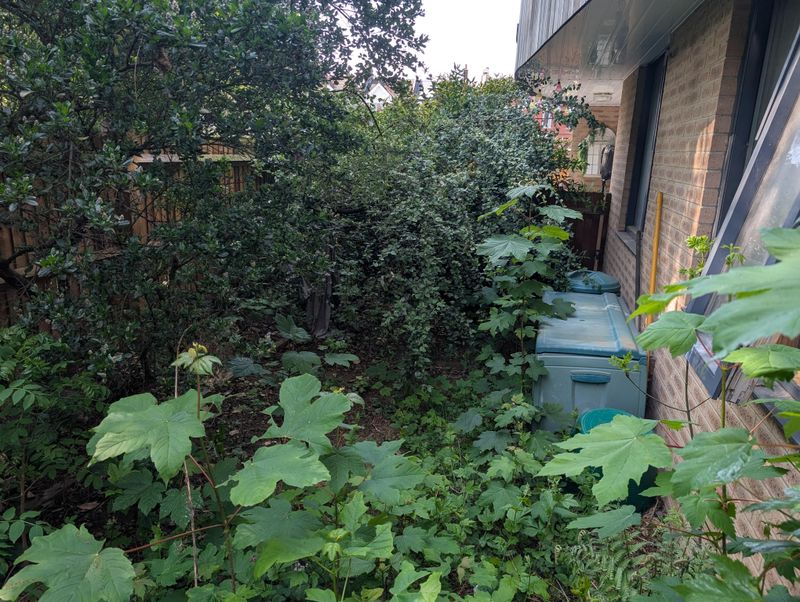
Most yards have that one corner nobody thinks about until something bites. Neglected corners with uncut plants are chigger hotspots hiding in plain sight.
Dense, uncut vegetation in forgotten yard corners traps humidity and blocks sunlight effectively. Those conditions mirror the wild edges where chiggers naturally thrive in Oklahoma fields.
Tall weeds, brambles, and wild grasses grow fast in Oklahoma summers. Within a few weeks, a cleared corner can become a dense tangle perfect for chigger colonization.
Ticks gravitate toward these corners as well, especially if wildlife uses them as a travel corridor. Deer, opossums, and stray cats all move through neglected zones regularly.
The difference between chigger and tick bites often shows up in the location on your body. Chiggers tend to bite where clothing fits snugly, like waistbands and sock lines.
Ticks, by contrast, often crawl upward and bite in hidden spots like the scalp, behind knees, or under arms. Knowing this distinction helps you check more effectively after yard work.
Schedule a monthly corner cleanup as part of your regular yard maintenance. Cutting back vegetation to soil level and removing root systems prevents rapid regrowth in problem areas.
Spreading diatomaceous earth along the base of neglected corners adds a low-chemical defense layer. It damages the outer layer of chiggers and other soft-bodied pests on contact.
Chiggers in Oklahoma yards love the spots you forget about most. Stay consistent with corner maintenance and you will cut their population significantly over the season.
8. Spots Where Wildlife Or Rodents Frequently Pass
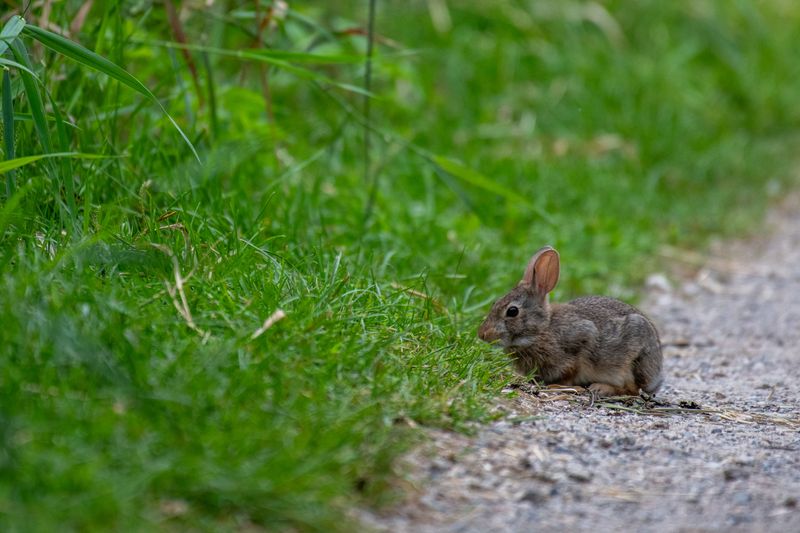
Squirrels, rabbits, deer, and field mice all have regular routes through your yard. Those paths are also chigger highways, and the traffic never really stops.
Wildlife and rodents carry chigger larvae on their fur as they move. When animals pause to rest or forage, they deposit larvae directly onto the surrounding vegetation and soil.
Ticks hitch rides on wildlife too, but their relationship with hosts is longer. A tick may stay attached to a deer for days, traveling far before dropping off.
Chiggers fall off their host relatively quickly after feeding. That means the larvae are constantly being redistributed across your yard wherever animals roam most frequently.
Look for signs of wildlife travel paths, like worn grass strips, droppings, or disturbed mulch. Those corridors often have the highest concentration of both chiggers and ticks.
Sealing entry points in fences reduces rodent access to your yard. Fewer rodents means fewer chigger-carrying hosts moving through your lawn on a daily basis.
Motion-activated sprinklers near known wildlife paths discourage deer and raccoons from cutting through. Redirecting their routes protects your yard from repeated chigger reintroduction over the summer.
Treating wildlife paths with a yard mite spray creates a protective barrier along those corridors. Applying it every three to four weeks maintains coverage through peak activity months.
Chiggers in Oklahoma yards spread fastest where animals travel most. Disrupting those routes and treating those paths is one of the smartest long-term strategies you can apply.