Mosquitoes Will Avoid Your Oklahoma Patio With These 8 Plants
Your patio should feel like an escape. Right now, something is quietly stealing that from you. Mosquitoes turn warm evenings into a test of patience you did not agree to.
What if the solution was already growing in a pot on your windowsill?
Certain plants produce powerful natural compounds that mosquitoes find completely unbearable. Beautiful, fragrant, and surprisingly fierce, these plants do the work without a single spray can in sight.
All of them belong on your patio right now. Each one pulls double duty, softening the air with scent while quietly pushing every last pest away for good.
Pure, clean evenings return to your outdoor space. Nothing interrupts the time you actually planned for yourself.
Growing these plants takes almost no time at all. Placing them strategically takes even less thought. Your best summer evenings are just one simple garden decision away.
1. Basil
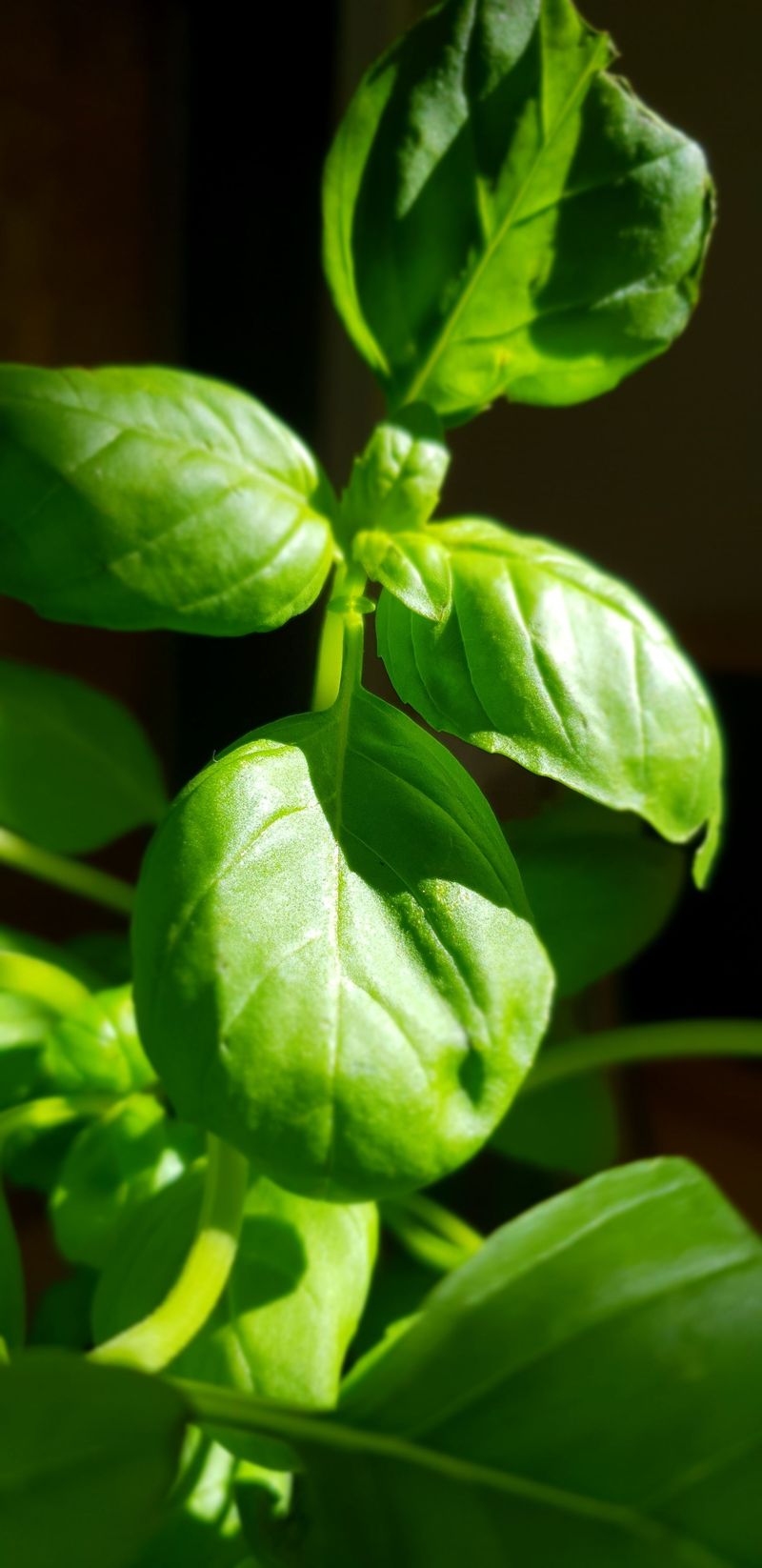
Most people grow basil for pasta sauce, but this kitchen hero pulls double duty as a mosquito fighter. The strong, spicy scent that makes basil so delicious in food is exactly what sends mosquitoes packing.
Basil is one of the few herbs that releases its repelling oils without you even crushing the leaves. Just having it nearby creates an invisible barrier that bugs find unbearable.
Place pots of fresh basil near your seating area for the best results. You can also tuck a few plants along the edge of your patio railing for extra coverage.
Sweet basil and lemon basil are both excellent choices for outdoor Oklahoma gardens. Lemon basil adds a citrusy twist to the scent, which seems to work even better against flying pests.
Basil loves full sun and warm temperatures, making it a natural fit for hot Oklahoma summers. Water it regularly at the base, and it will reward you with thick, fragrant growth all season long.
Pinch off any flower buds as they form to keep the plant bushy and productive. A bigger, leafier plant means more scent and more protection for your outdoor hangouts.
You can also harvest leaves for cooking while the plant keeps doing its pest-fighting job. Growing basil on your patio means mosquitoes will avoid your Oklahoma patio all summer long.
2. Lavender
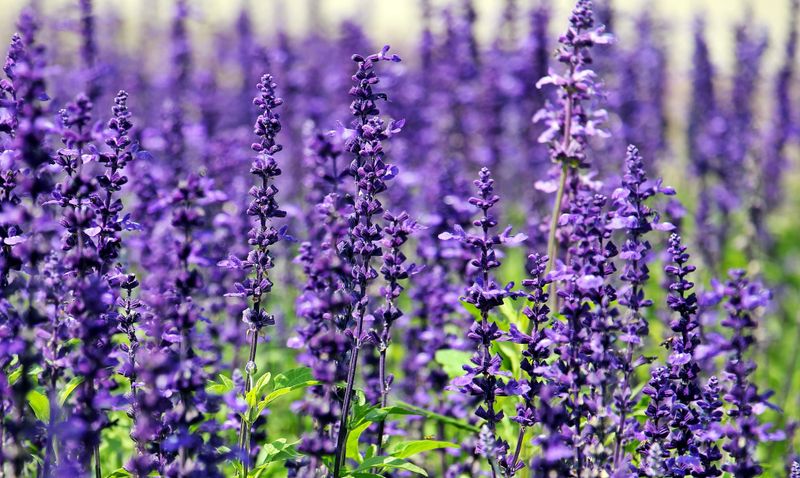
There is something almost unfair about lavender. It smells heavenly to humans but works as a strong deterrent against mosquitoes.
The secret is linalool, a natural compound found in lavender oil that insects find completely overwhelming. Research has shown it disrupts their ability to track scent.
For the strongest effect, rub a fresh sprig between your fingers before sitting outside. The plant releases its oils most powerfully when touched.
Lavender thrives in full sun and well-drained soil, two things Oklahoma has in abundance during summer. Plant it in raised beds or containers so the roots never sit in soggy ground after a rainstorm.
The purple blooms attract pollinators like bees and butterflies, turning your patio into a lively garden scene. Meanwhile, mosquitoes are nowhere in sight, which is exactly the trade-off you want.
Your Oklahoma Garden Changes Every Week. Your Plan Should Too.
Gardening in Oklahoma changes quickly throughout the season. Every Friday you’ll receive a simple weekly plan showing exactly what to plant, prune, fertilize, harvest, and protect so you never miss the right timing.
Dried lavender works too, so cut a few stems and bundle them near your outdoor furniture. A small bundle hanging from a hook near the door can help keep bugs from sneaking inside.
English lavender tends to be the most fragrant variety, and fragrance is the whole point here. French lavender also performs well in heat and holds its blooms longer through the season.
Your guests will compliment the scent, and mosquitoes will find your Oklahoma patio far less inviting.
3. Lemon Balm
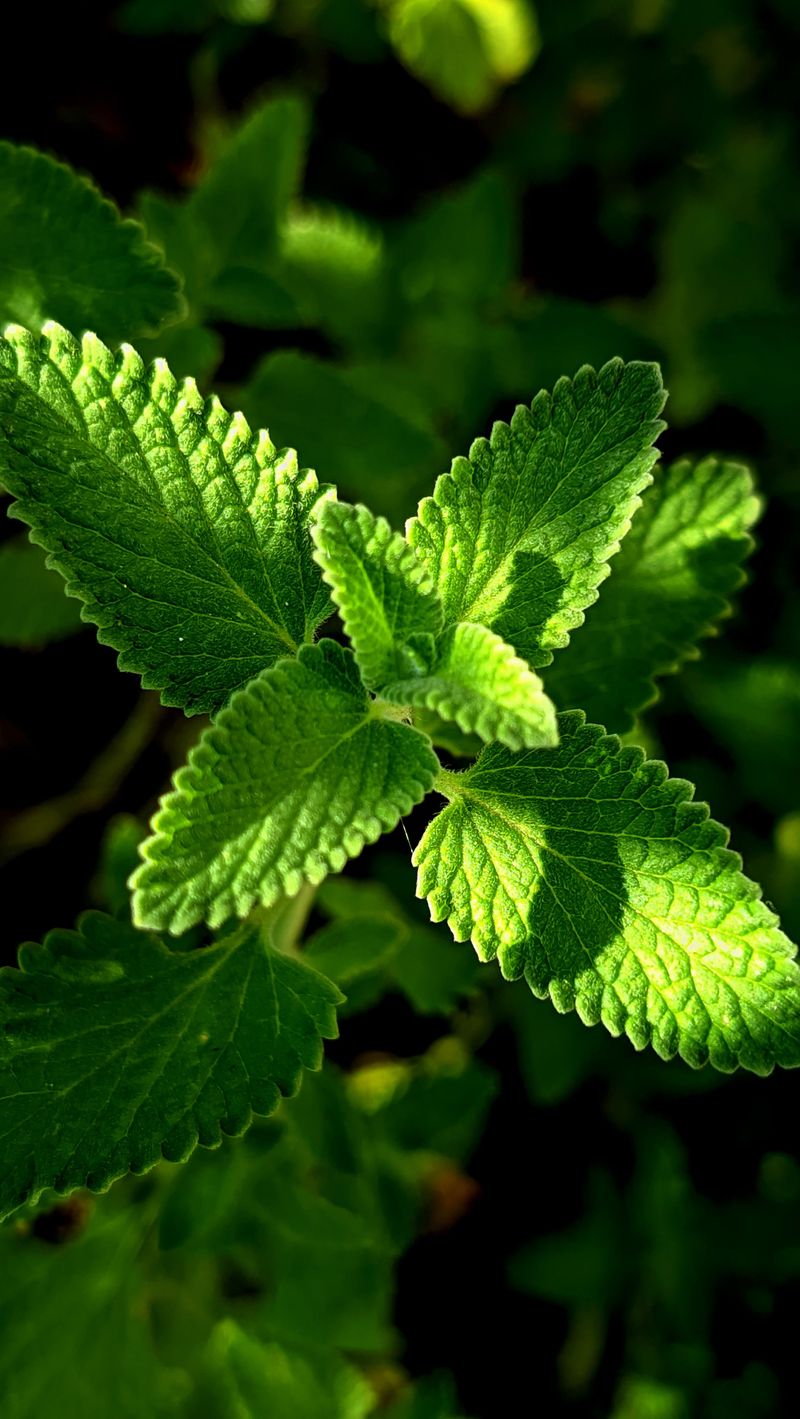
Lemon balm looks like a quiet, unassuming herb sitting in the corner of your garden. Do not let that fool you because this plant has genuine mosquito-deterring properties, particularly when the leaves are crushed and applied to skin.
The leaves contain citronellal, a compound closely related to those found in citronella products, which gives them a similar mosquito-deterring quality.
Crushing a leaf releases a burst of lemony scent that bugs find strongly deterrent. Growing lemon balm in Oklahoma is surprisingly easy since it adapts well to heat and tolerates some drought.
Give it a spot with morning sun and afternoon shade to keep the leaves from scorching in July.
One thing to watch out for is that lemon balm spreads fast if left unchecked in garden beds. Growing it in containers keeps it manageable and lets you move it wherever protection is needed most.
This is worth taking seriously. Lemon balm self-seeds prolifically and spreads through the garden quickly if planted directly in the ground.
Rub the leaves directly on exposed skin for a natural, plant-based bug repellent that smells far better than chemical sprays. The scent fades after about an hour, so reapply as needed during long evenings outside.
Lemon balm also doubles as a calming tea ingredient, so harvest a handful of leaves at the end of the night. Steep them in hot water for a relaxing drink that wraps up your mosquito-free evening perfectly.
Bees absolutely love the tiny white flowers, so let a few stems bloom for pollinator support. This hardworking plant earns its spot on any patio where mosquitoes are not welcome guests.
4. Rosemary
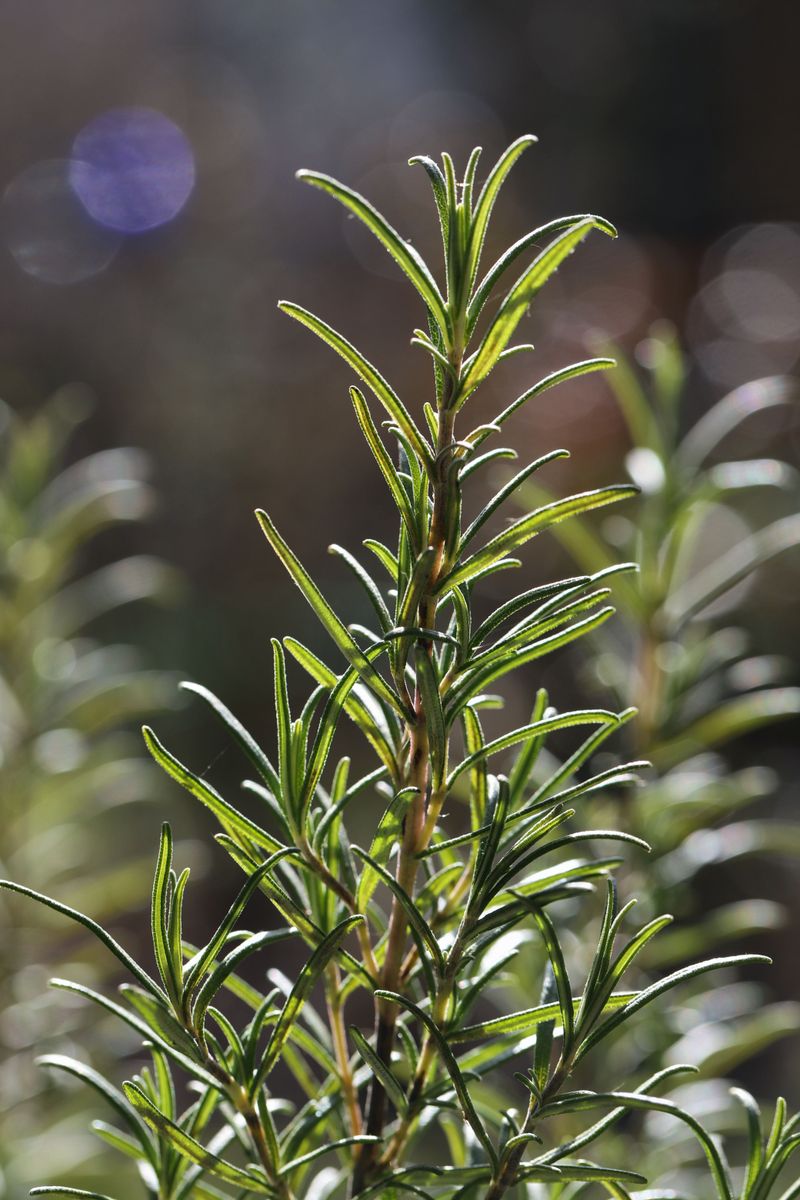
Rosemary has been a kitchen staple for centuries, but its usefulness goes way beyond seasoning roasted chicken.
The sharp, piney scent that makes rosemary so distinctive is precisely what keeps mosquitoes away.
The oils in rosemary leaves are strong enough to confuse and repel insects without any effort on your part. Simply having a healthy plant on your patio does most of the work automatically.
Rosemary loves the hot, dry conditions that Oklahoma summers deliver in full force. It actually thrives when other plants start to struggle, making it a reliable low-maintenance choice for busy homeowners.
Plant it in a sunny spot with good drainage, and avoid overwatering since wet roots are its biggest weakness.
A terracotta pot works beautifully because it allows moisture to evaporate and keeps the soil from staying too damp.
For extra mosquito-fighting power, toss a few sprigs onto your outdoor grill while cooking. The smoke carries the repelling compounds into the air, creating a natural barrier around your entire patio space.
Rosemary also grows into an attractive shrub with tiny blue flowers that pollinators adore. Over time, a well-tended plant becomes a permanent, woody fixture that looks intentional and elegant in any patio design.
Snip fresh sprigs regularly to encourage bushy new growth and keep the scent strong. A thriving rosemary plant is one of the smartest investments you can make to help mosquitoes avoid your Oklahoma patio.
5. Catnip
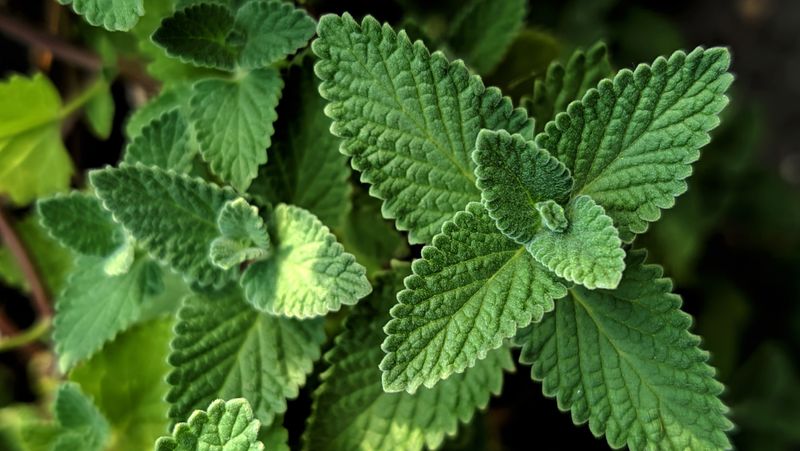
Before you laugh at putting catnip on your patio, hear this out. A 2001 study presented at the American Chemical Society tested nepetalactone, the essential oil in catnip.
It was about ten times more effective than DEET at equal concentrations in lab conditions. Those results came from controlled settings, not open gardens.
This compound disrupts mosquito sensory receptors, making it significantly harder for them to locate a host. That is a pretty impressive resume for a plant most people associate with silly cat videos.
Catnip grows fast and bounces back quickly after being cut, making it one of the most forgiving herbs in the garden.
It tolerates Oklahoma heat reasonably well as long as it gets consistent watering during peak summer months.
Growing it in containers is smart for two reasons: it controls the spread and lets you move it strategically around your outdoor space. Position pots near doorways, seating areas, and anywhere you tend to linger on warm evenings.
Crush a few leaves and rub them on your arms before heading outside for an extra layer of protection. The scent is mild to humans but absolutely overwhelming to mosquitoes trying to find their next meal.
One fair warning: if you have cats nearby, they will find your catnip immediately. Hanging the pot from a hook or placing it on a high shelf keeps your repellent plant safe from enthusiastic feline fans.
Catnip blooms with small white and purple flowers that attract beneficial insects all season. Few plants offer this much pest-fighting power with this little effort.
6. Bee Balm
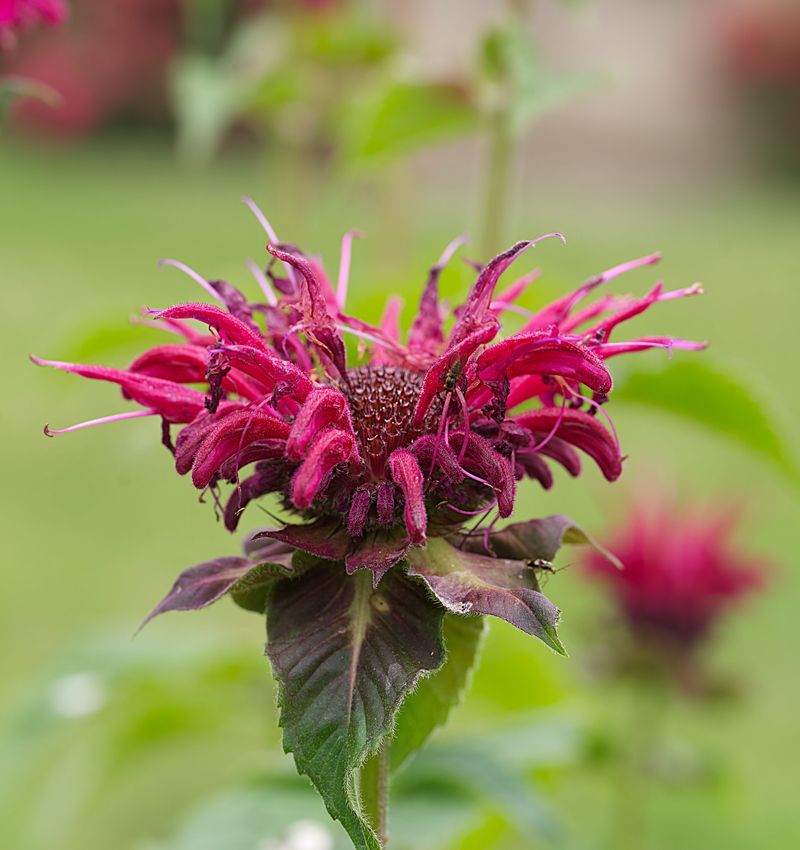
Bee balm is the showstopper of the mosquito-repelling plant world. The wild, spiky blooms in red, pink, and purple look like something from a fantasy garden, and they smell remarkable.
Native to North America, bee balm belongs naturally in Oklahoma landscapes and thrives without much extra fuss.
Its deep roots in local soil mean it handles summer heat and occasional drought far better than exotic plants.
The aromatic oils in bee balm leaves contain thymol and carvacrol, two compounds with strong insect-repelling properties.
These same compounds are found in thyme and oregano, which are already known for keeping bugs at bay.
Plant bee balm in a spot that gets morning sun and some afternoon shade to protect the blooms from intense heat.
Worth planning for before you plant. Bee balm spreads by underground rhizomes and should be divided every two to three years to keep it contained on a patio.
Good air circulation around the plant also helps prevent powdery mildew, which can be a minor issue in humid conditions.
Hummingbirds, bees, and butterflies flock to the flowers all summer, making your patio feel like a living nature documentary.
The mosquitoes, however, stay far away, which means you get all the good wildlife and none of the annoying kind.
Remove spent blooms regularly to encourage continuous flowering from early summer through fall. More blooms mean more fragrance, and more fragrance means stronger protection for everyone relaxing outside.
Bee balm also makes a lovely herbal tea with a mild oregano-like flavor. Growing this plant is one of the most beautiful ways to make mosquitoes avoid your Oklahoma patio.
7. Peppermint
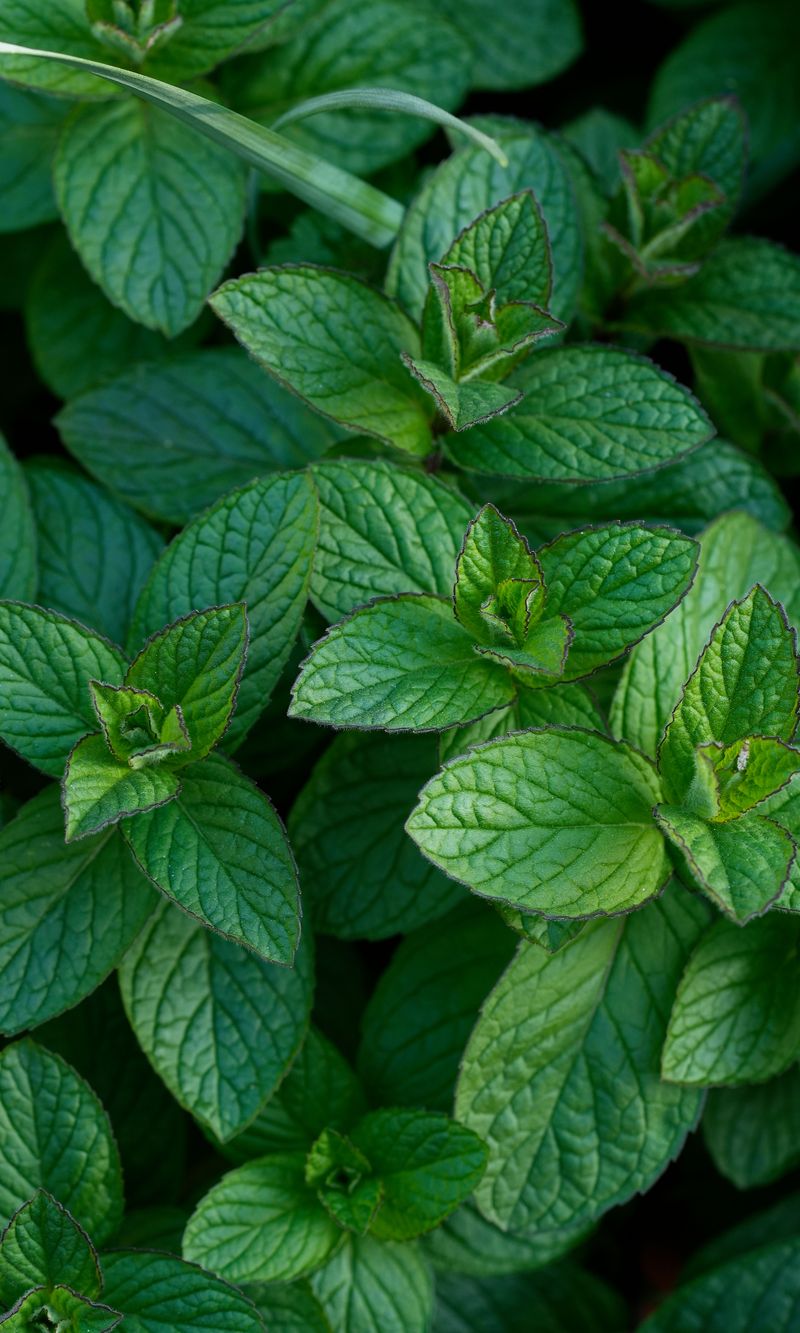
Peppermint is one of those plants that makes an instant impression the moment you brush against it. That sharp, cool, unmistakable scent is pure joy to humans and deeply off-putting to mosquitoes.
The menthol in peppermint is a natural insect repellent that works on mosquitoes, ants, spiders, and several other unwanted patio visitors.
One plant handles multiple pest problems at once, which makes it an extremely efficient addition to any outdoor space.
Peppermint spreads aggressively if planted directly in the ground, so containers are strongly recommended. A pot on the patio keeps it contained while still releasing plenty of scent into the surrounding air.
Place pots near entryways, under seating areas, and along the edges of your patio for maximum coverage.
Moving the pots around occasionally also helps distribute the scent to different zones throughout the season.
Crushing a few leaves and rubbing them on pulse points like wrists and ankles gives you a wearable layer of protection.
The cooling sensation feels refreshing on hot Oklahoma evenings, which is a bonus nobody complains about.
Peppermint grows quickly in warm weather and can be harvested regularly without harming the plant.
Use fresh leaves in drinks, desserts, and salads while the plant keeps working hard as your outdoor pest patrol.
Water peppermint consistently because it prefers moist soil, unlike some of the drought-tolerant herbs on this list.
Keep it happy and hydrated, and it will make sure mosquitoes avoid your Oklahoma patio all season long.
8. Sage
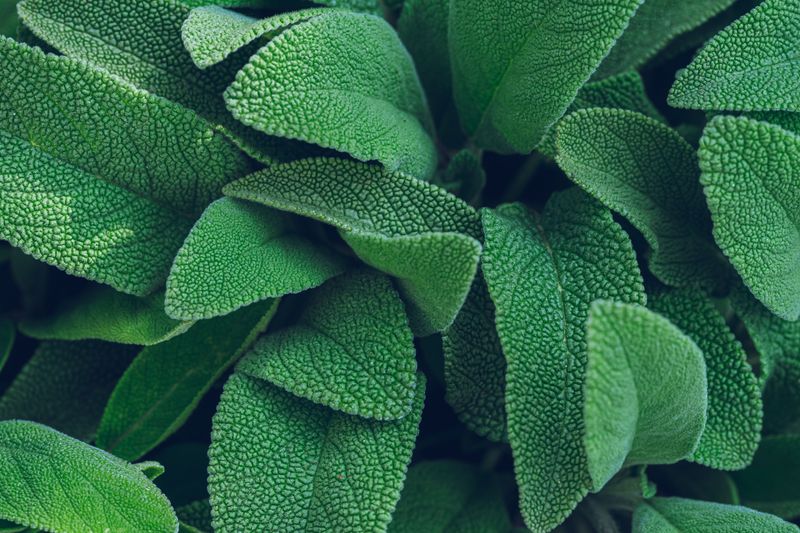
Sage has a long, storied history as both a culinary herb and a plant with powerful protective properties. Ancient cultures burned it to cleanse spaces, and modern gardeners grow it to chase off mosquitoes.
The strong, earthy, slightly medicinal scent of sage comes from compounds like camphor and thujone, which insects find extremely off-putting. Burning dried sage on your outdoor fire pit or grill amplifies this effect across a wider area.
Garden sage grows beautifully in Oklahoma’s sunny climate and actually prefers the well-drained, slightly alkaline soils common in this region.
Once established, it handles heat and dry spells without much complaint, making it a low-stress plant for busy gardeners.
The silvery-green leaves have a soft, velvety texture that adds visual interest to any patio container arrangement.
Purple sage and tricolor sage offer even more color variety while providing the same mosquito-fighting benefits as common garden sage.
For instant pest control during outdoor gatherings, toss a handful of fresh or dried sage onto hot coals.
The fragrant smoke drifts across the patio and creates a natural, chemical-free barrier that guests will appreciate.
Sage pairs beautifully with rosemary and lavender in mixed container plantings, creating a layered defense system on your patio.
Each plant reinforces the others, building a scent barrier that mosquitoes simply refuse to cross. Harvest sage regularly throughout the season to keep the plant compact and productive.
A well-tended sage plant is your patio’s quiet guardian, making sure mosquitoes avoid your Oklahoma patio from the first warm night to the last.