This Common Wisconsin Yard Feature Draws Moles After Dark
Tiny tunnels appear across your lawn overnight, and nothing explains them. Nightfall brings moles racing beneath your perfect grass. Moles don’t arrive randomly, they follow moisture straight to your soil.
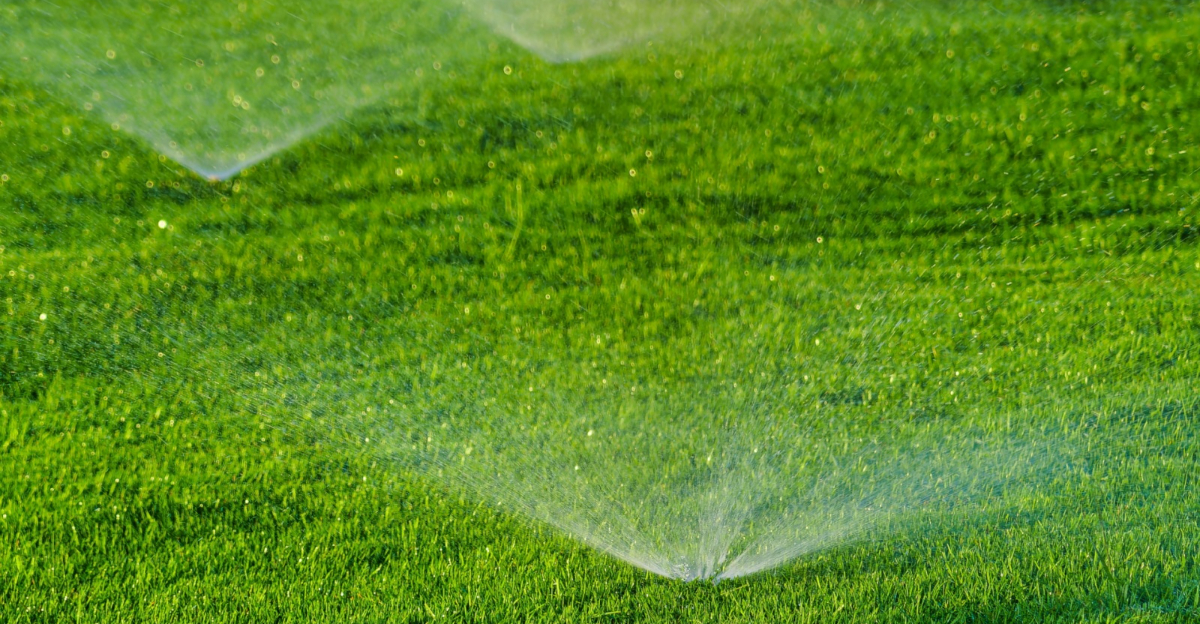
Homeowners across Wisconsin keep asking why sprinklers summon this problem. Consistent watering keeps ground soft, cool, and irresistible to moles.
Grubs and earthworms thrive wherever regular irrigation keeps soil damp. They feed exactly there, tunneling through your softened turf nightly.
Dry yards nearby across Wisconsin stay untouched, ignored, completely unbothered. Your watered lawn becomes the target worth pursuing. Water draws life, life draws moles, and moles draw activity.
Nobody warns you that good lawn care invites underground activity. Every ridge across your yard marks a feeding path, not random chance. Knowing this changes everything about how you fight back.
Nothing about this problem fixes itself while you wait. Ignoring this pattern only guarantees more tunnels spreading through your lawn soon.
Why Moles Keep Returning To The Same Wisconsin Yards
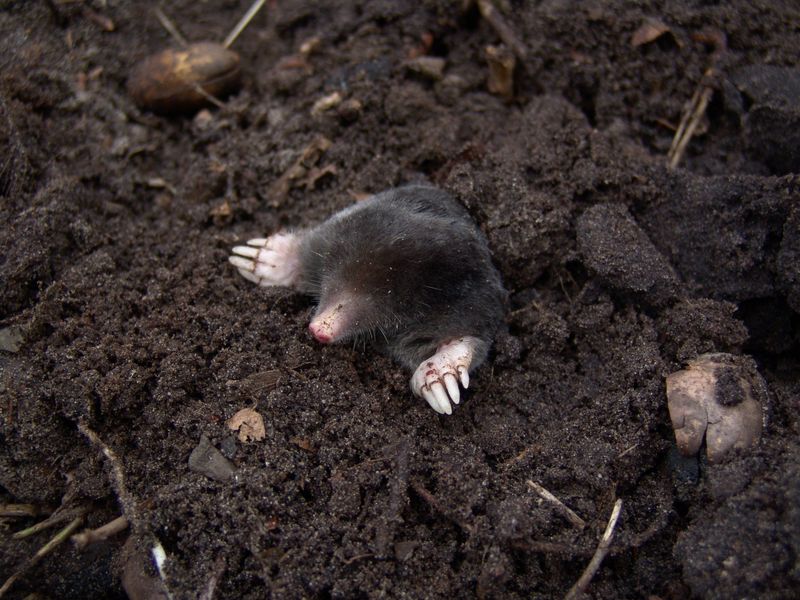
Your yard has something other yards do not. Moles are not random wanderers stumbling onto your property by accident.
They follow food, moisture, and soft soil with impressive precision. Once a mole finds a reliable feeding ground, it returns night after night without hesitation.
Irrigated lawns in the upper Midwest create exactly the conditions moles love most. The soil stays loose and easy to tunnel through, and the food supply never runs out.
Earthworms and grubs thrive in consistently moist ground. Moles are estimated to eat a significant portion of their body weight daily, so a rich food zone is not something they abandon easily.
Many homeowners assume moles are just passing through. That thinking leads to weeks of damage before anyone takes action.
Moles are territorial creatures with established tunnel networks. They defend and reuse those tunnels because digging new ones takes serious energy.
If you spot the same tunnel ridge refilling after you flatten it, that is not a new mole. That is the same one telling you it is not done with your yard yet.
Seasonal patterns also play a role in repeat visits. Moles are most active in spring and fall when soil moisture peaks, but a watered summer lawn keeps them engaged well beyond their normal schedule.
Knowing why they return helps you stop guessing and start targeting the real problem. Your irrigation system is the common Wisconsin yard feature drawing moles back every single night.
The Irrigated Lawn Behind Nightly Mole Activity
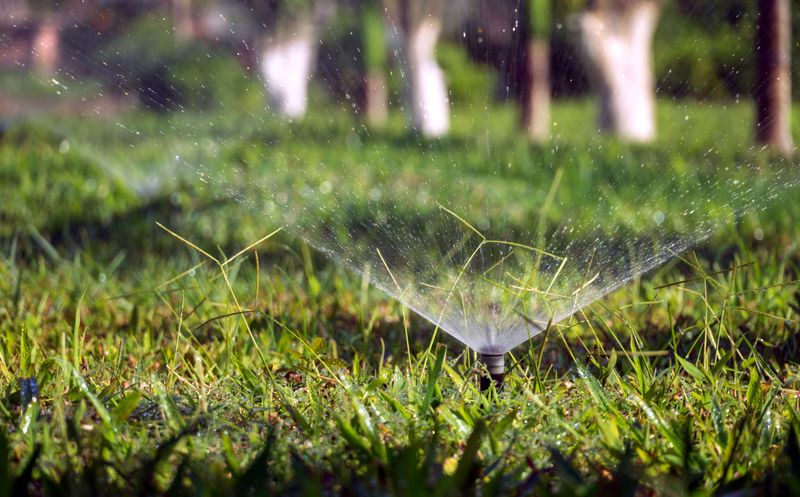
Sprinklers running every evening can attract moles by increasing soil moisture. Moles detect soil moisture changes with remarkable sensitivity, and a freshly watered lawn signals one thing: food is nearby.
When water soaks into the ground, earthworms move upward toward the surface. Grubs also shift position in moist soil, making them easier targets for a hungry mole tunneling just inches below.
Homeowners who run irrigation systems on a nightly schedule often see the worst tunnel damage by morning. The connection is not a coincidence at all.
Your Wisconsin Garden Changes Every Week. Your Plan Should Too.
Gardening in Wisconsin changes quickly throughout the season. Every Friday you’ll receive a simple weekly plan showing exactly what to plant, prune, fertilize, harvest, and protect so you never miss the right timing.
Moles are most active within the first few hours after soil gets wet. They move fast through soft, damp ground and can cover surprising distances in a single night.
Lawns that skip watering for even a few days often see a reduction in fresh tunnel activity. The moles do not disappear entirely, but they slow down and sometimes shift to wetter areas nearby.
Adjusting your irrigation schedule is one of the simplest changes you can make. Switching to early morning watering lets the surface dry out before evening, which reduces the peak feeding window for moles.
This common Wisconsin yard feature draws moles after dark precisely because it mimics the natural conditions they seek in the wild. Wet meadows, stream banks, and rain-soaked fields are their natural habitat.
Your irrigated lawn replicates all of that perfectly. Knowing this gives you real power to disrupt their routine without expensive equipment or complicated treatments.
How Moisture Draws Grubs And Earthworms To The Surface
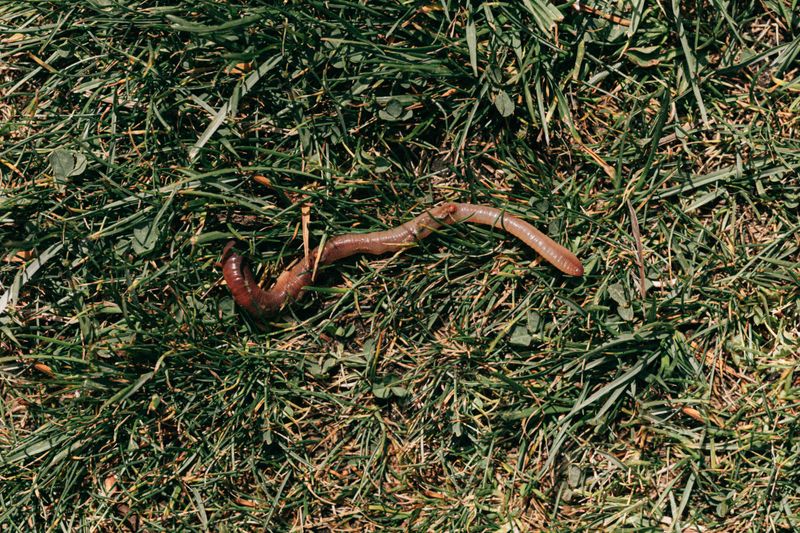
Picture what happens underground every time your sprinklers kick on. Water pushes down through the topsoil, and everything living in that layer starts moving.
Earthworms rise toward the surface to breathe and avoid waterlogged zones. Grubs, the larval stage of beetles, also become more active and easier to locate in saturated soil.
Moles have a sensory ability most people do not know about. Some species use highly sensitive snouts to detect the slightest movement of prey underground.
A moist lawn gives a hunting mole an easily detectable source of food. Every worm and grub becomes a detectable signal guiding the mole straight to its next meal.
Dry soil forces earthworms deeper, sometimes several feet down. At that depth, moles cannot reach them efficiently, so they move on to softer ground elsewhere.
Grub populations also spike in lawns with consistent irrigation. Beetles prefer to lay eggs in moist turf, which means a well-watered yard often has higher grub counts than a dry one.
Treating for grubs can reduce mole activity significantly. Fewer grubs mean less reason for moles to keep tunneling through your specific yard night after night.
Earthworm reduction is trickier since worms are beneficial for soil health. The smarter approach is managing moisture levels rather than targeting the worms themselves.
Understanding this food chain connection is genuinely empowering. Once you see your lawn as a feeding ecosystem, you can start making targeted changes that actually move the needle.
Reading Tunnel Patterns To Find The Real Feeding Zone
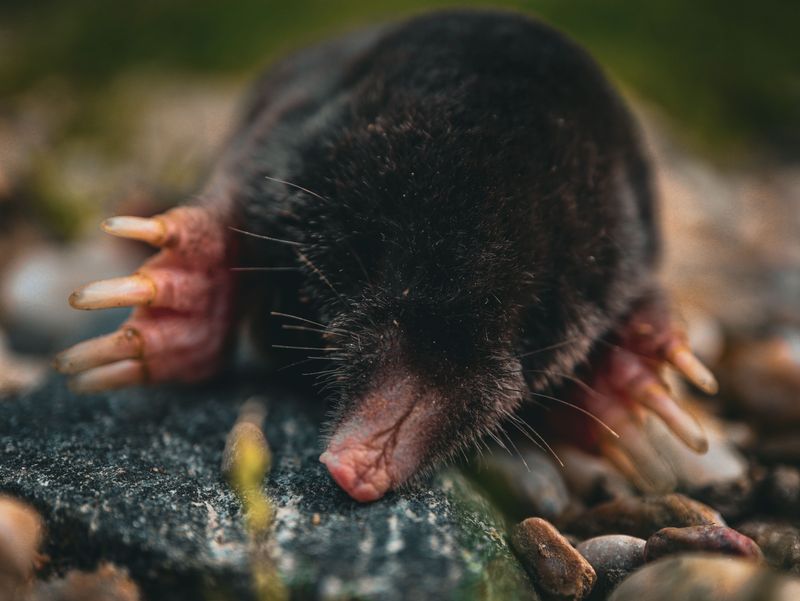
Not every tunnel you see is equally important. Moles create two types of tunnels, and knowing the difference changes everything about how you respond.
Surface tunnels are the raised ridges you can see and feel under your feet. These shallow runs are often temporary feeding paths used once or twice before being abandoned.
Deep tunnels are the real highway system. They run several inches underground and connect the mole’s nest to its primary feeding zones.
The best way to find the active feeding zone is to press down several surface tunnels with your foot. Check back the next morning to see which ones have been pushed back up.
A tunnel that refills within 24 hours generally suggests that path is actively being used. That is where your attention and any control efforts should be focused.
Look for tunnels that radiate outward from one central area. That hub is almost always sitting directly above the richest food source in your yard.
In an irrigated lawn, that zone is usually near a sprinkler head or a low spot where water pools. The soil there stays wet the longest, keeping grubs and worms close to the surface.
Moles also tend to tunnel along edges, following fence lines, garden borders, and sidewalks. These straight-line runs are often the deep connector tunnels rather than surface feeding paths.
Mapping the tunnel network before acting saves time and money. Targeting the wrong tunnel is like setting a trap in an empty room.
Common Mistakes That Reduce Mole Control Effectiveness
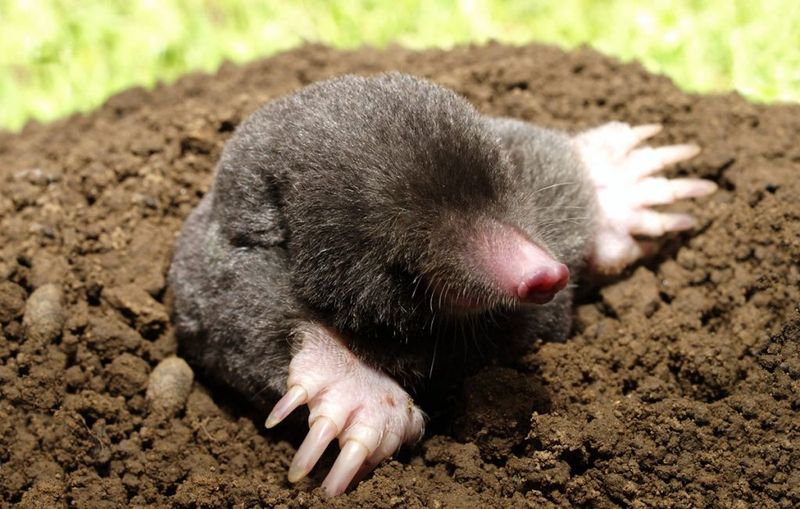
Many homeowners try several methods without success. The problem is usually not effort; it is strategy.
One of the most common mistakes is flattening tunnels without any follow-up plan. Pressing them down tells you nothing and does nothing to remove the mole from your yard.
Repellent granules and castor oil sprays get a lot of attention online. These products can shift mole activity temporarily, but they rarely resolve the problem when irrigation keeps the soil wet and food-rich.
Planting deterrents like mole plants or daffodil bulbs sounds appealing. Research backing these methods is thin, and determined moles tend to tunnel right past them without slowing down.
Vibrating stakes are a popular choice, though results are often inconsistent. Moles adapt to repeated vibrations quickly, often resuming normal activity within days of the stakes being installed.
Many people also make the mistake of treating the entire lawn equally. Spreading repellent or traps across the whole yard wastes resources when the mole is only actively feeding in one zone.
Skipping grub treatment is a significant oversight. If the food supply stays abundant, surface deterrents are unlikely to remove a reliable feeding ground.
Timing matters more than most people realize. Treating in late summer when grubs are young and near the surface is far more effective than waiting until fall when they burrow deeper.
Avoiding these common errors puts you ahead of most homeowners dealing with the same frustrating problem.
Practical Steps To Make Your Lawn Less Appealing To Moles
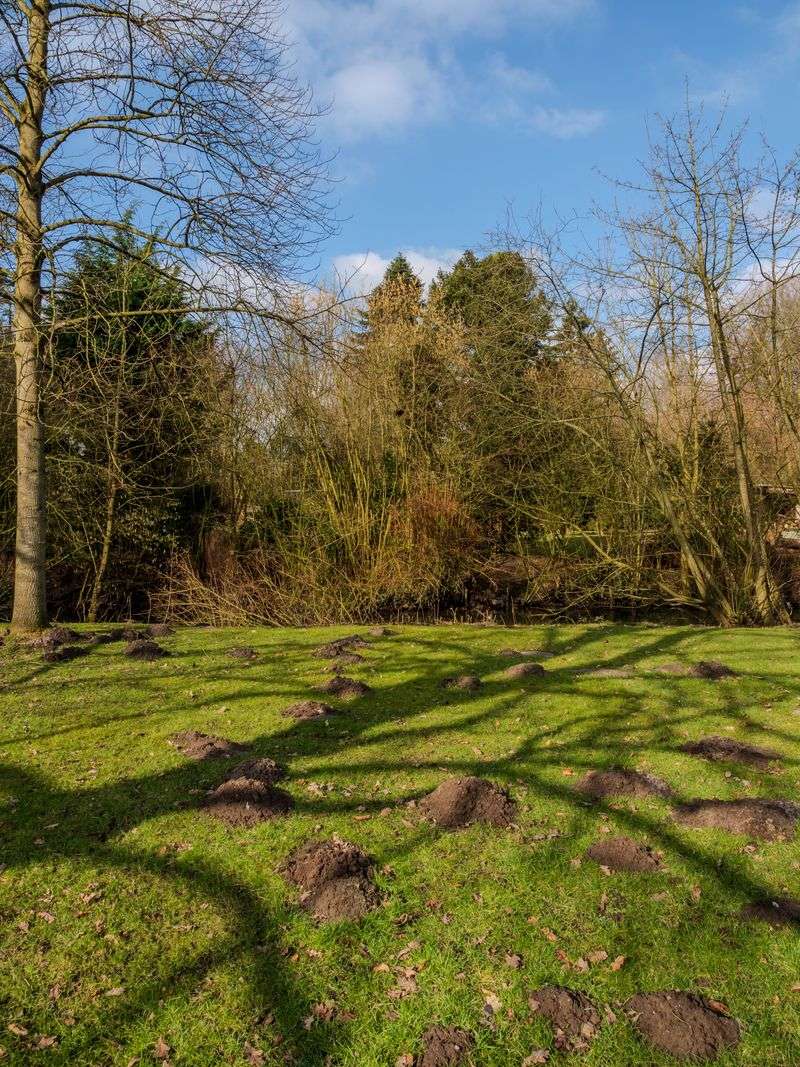
The goal is not to make your lawn perfect; it is to make it less attractive than the next yard over. Moles follow the path of least resistance and greatest reward.
Start by shifting your irrigation schedule to early morning. This lets the soil surface dry out through the afternoon and evening, reducing the peak moisture window moles rely on after dark.
Cutting back on watering frequency by even one day per week may help reduce moisture levels moles rely on. Slightly drier topsoil pushes earthworms deeper and makes tunneling harder for moles.
Apply a grub control product in late summer, typically late July or early August, when timing works best for most Wisconsin lawns.
Nematodes are a natural option worth considering. These microscopic organisms target grubs in the soil without harming earthworms, pets, or beneficial insects in your yard.
For active tunnel zones, professional-grade traps placed in confirmed deep tunnels offer the most reliable removal. Set them in tunnels that refill within 24 hours for best results.
Aerate your lawn in fall to disrupt established tunnel networks. Breaking up compacted pathways forces moles to rebuild, which sometimes encourages them to relocate to easier ground nearby.
Combining moisture management with grub reduction creates a powerful one-two approach. Neither step alone is a silver bullet, but together they change the equation significantly.
This pattern often mirrors the natural conditions moles seek in the wild, such as wet meadows, stream banks, and rain-soaked fields.