8 New York Native Plant Nurseries Worth Driving To For Fall Planting
The air has that crisp apple smell now, and the maples across New York are blushing like they heard a secret. Your garden gloves are sitting by the door, looking a little too eager.
Something about late September makes the soil feel soft, friendly, and ready for a fresh start. Cool nights and warm afternoons are basically a spa package for anything with roots.
Imagine a car trunk full of green treasures, each one suited to the hills and valleys of New York. Bees and butterflies visit these plants often, even if you have not met them yet.
The drive is half the fun, winding past farm stands and pumpkin piles on the way to hidden garden gems. Every mile adds a little more mud to your boots and a little more joy to your weekend.
So fill the gas tank, pack a thermos, and clear the back seat of old snack wrappers. Your passengers this trip might have leaves, and they will not complain about your music.
Catskill Native Nursery
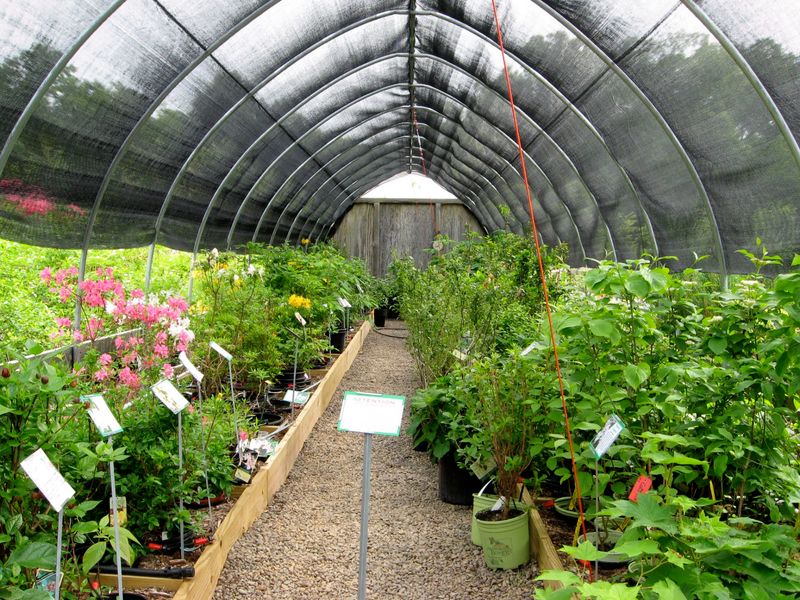
Tucked below the Shawangunk Ridge, this nursery feels like a secret the mountains decided to share. You will find it at 607 Samsonville Road in Kerhonkson, New York 12446.
Founded in 1999, the nursery sells native perennials, ferns, grasses, shrubs, and trees. Rows of potted asters, goldenrods, and ferns make it easy to compare plants side by side.
Buying from a nursery that focuses on natives matters for fall gardens. Plants suited to the region settle in faster and handle cold winters with less stress.
Staff can answer basic questions about plant choices. Ask which plants fit shady yards, wet spots, or rocky slopes, and they can point the way.
The property is also home to Green Witch Herbs and Garden Design, which sells culinary and medicinal herbs. That makes it easy to pick up something for the kitchen garden along with your native plants.
The nursery has typically stayed open through October 31, so late September falls inside its season. Check the website for current hours before you drive.
Late September is a smart time to visit because roots keep growing while the tops slow down. Planting now gives shrubs and perennials a head start before spring.
Bring a notebook and snap photos of plant tags so you remember what you bought. Notes on sun needs and mature size make it easier to place each plant at home.
Make a day of it by visiting nearby orchards or hiking the trails at Minnewaska State Park Preserve. The fall colors around Kerhonkson are a bonus you did not have to pay for.
One Nature Plant Nursery
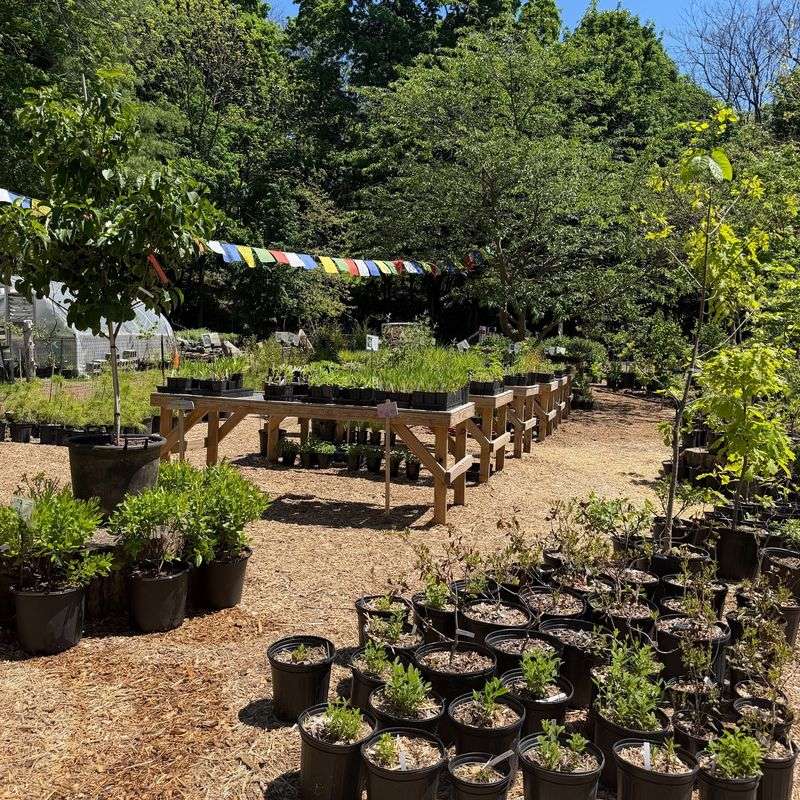
Picture a bumblebee on a purple aster, and you have the mood here. One Nature Plant Nursery sits at 3 Old Glenham Road in Beacon, New York 12508, in Dutchess County.
The team is known for ecological landscaping, and the nursery reflects that big-picture approach. It offers native, edible, and medicinal plants that support pollinators, birds, and other wildlife.
Beyond the retail center, the team offers custom growing and consulting on ecological land management. That makes it a helpful stop if your project is bigger than a single flower bed.
Your New York Garden Changes Every Week. Your Plan Should Too.
Gardening in New York changes quickly throughout the season. Every Friday you’ll receive a simple weekly plan showing exactly what to plant, prune, fertilize, harvest, and protect so you never miss the right timing.
Here is a fun fact to share at dinner. One oak tree can support hundreds of caterpillar species, and those caterpillars become food for songbirds.
Shoppers can find perennials, grasses, and shrubs suited to Hudson Valley yards. Staff can help match plants to your sunlight, soil type, and how much time you want to spend weeding.
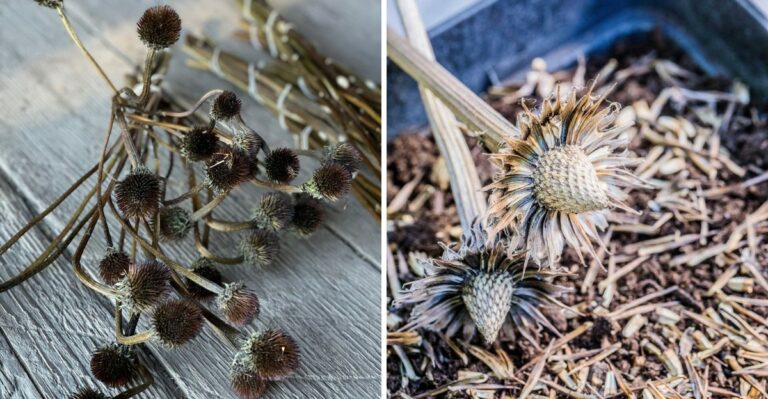
Fall is a good moment to add plants with seed heads that birds can snack on through winter. Coneflowers and little bluestem look pretty and attract goldfinches.
If your yard is small, start with a few plants in one sunny strip. Native perennials planted in fall can settle in and bloom on their own schedule next year.
Check the website for current hours before you go, since some native nurseries run by appointment or hold special sale days in autumn.
Measure your planting space before leaving home so you know how many plants will fit. A quick sketch of sunny and shady spots also helps staff suggest the right choices.
Beacon itself is worth a stroll, with art galleries, cafes, and river views on Main Street. Pair your plant shopping with a snack and a walk along the Hudson.
Amanda’s Native Garden
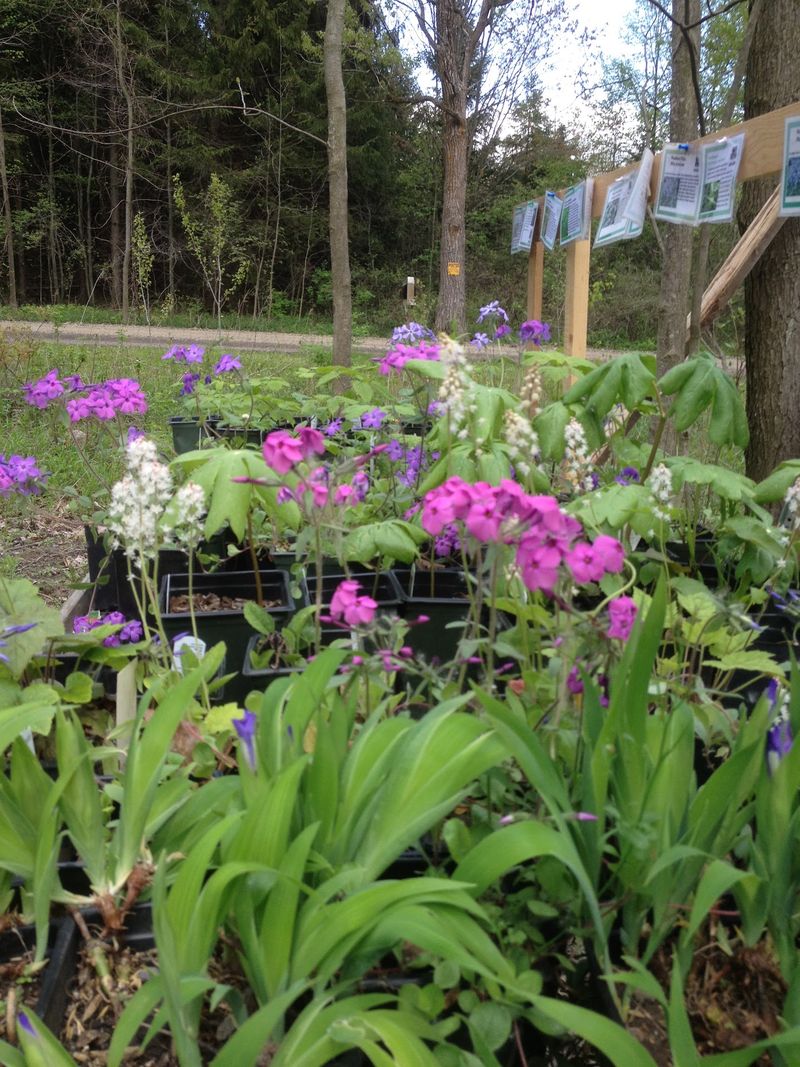
Out in the rolling hills of Livingston County, Amanda’s Native Garden grows native plants for gardeners across western New York. It sits at 8030 Story Road in Dansville, New York 14437.
The nursery is known for woodland native perennials, with prairie and wetland plants in the mix too. Many are local ecotypes, which means they come from plants adapted to the region.
Woodland natives suit the shady spots under trees where lawns often struggle. Native ferns and wildflowers can turn a bare corner into a leafy patch.
Gardeners travel from other parts of western New York to shop here, so the drive can be part of the plan. Many plants come in small sizes, which is handy if you want to fill a big space.
Here is a helpful tip for fall buyers. Smaller plants often catch up quickly to larger ones because their young roots adjust faster in new soil.
The owners can share growing information, so ask about spacing, watering, and winter care. They can also suggest plants for rain gardens, which help soak up runoff after heavy storms.
Bring photos of your yard along with notes on sun and shade. Staff can use that information to suggest plants that match each spot.
Before you head out, look up their website for open days, since hours can change late in the season. Bringing sturdy boxes or crates makes loading your haul much easier.
Dansville is close to Stony Brook State Park, a lovely spot for waterfalls and fall color. A quick hike afterward makes the long drive feel like a mini vacation.
IMAGINE Native Plant Farm
Sometimes a name says it all, and IMAGINE fits this farm. It is located at 71 Retreat House Road in Glenmont, New York 12077, just south of Albany in Bethlehem.
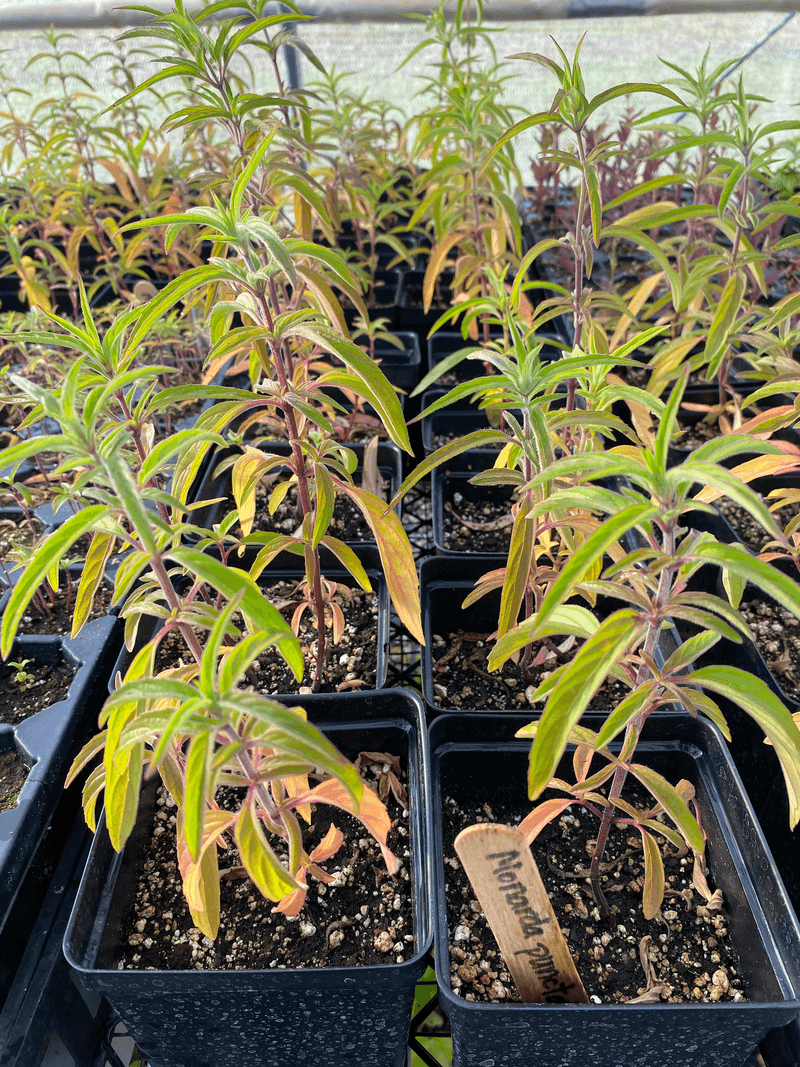
The farm is a project of the nonprofit Home Earth Alliance and grows close to 50 native species. Its plants come from wild seed collected in the greater Capital Region.
Seed gathered nearby produces plants suited to local soil and weather. That is why regional growers place so much value on locally sourced seed.
Why swap out some lawn for natives anyway? Grass offers little food for insects, while native flowers feed bees, butterflies, and the birds that eat those insects.
Start small if the idea feels overwhelming. Even a sunny corner patch of three or four plant types can attract new visitors within one season.
Late September planting works well around Albany because the first frost often holds off until October. That gives roots several weeks to anchor into warm soil before the ground chills.
Water new plants deeply once or twice a week until the ground freezes. A layer of shredded leaves on top keeps moisture in and protects roots through winter.
The farm has listed visiting hours of Thursday through Sunday from 10 a.m. to 2 p.m. Confirm them on the farm website before you drive.
Small farms often post sale dates online, so following their website or social pages helps you catch the best picks. Arriving early on a sale day may give you a wider choice of plants.
Wild Things Rescue Nursery
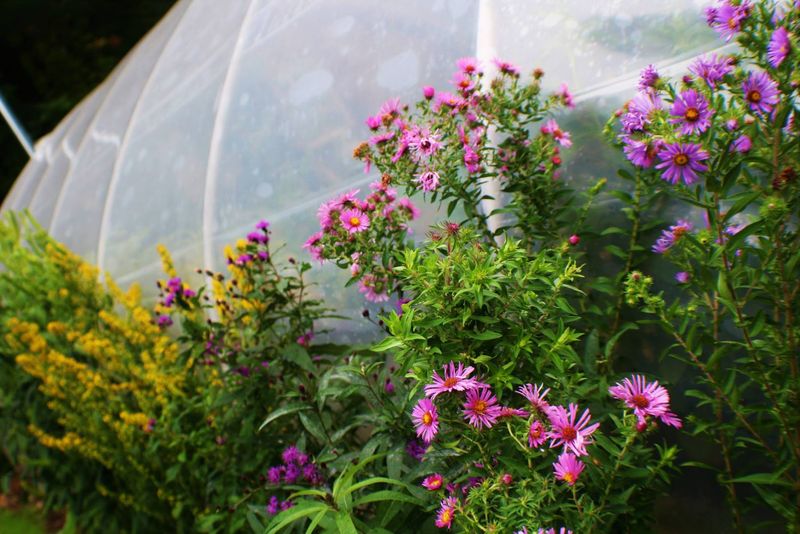
Wild Things Rescue Nursery is a small family-run business at 209 Brundige Road in Valley Falls, New York 12185, in Rensselaer County. It specializes in New York native plants for both shady and sunny spots.
The nursery grows its own plants from seed and division, so the owners know how each one was raised. It offers a wide variety of woodland plants that are hard to find elsewhere.
The nursery states that its plants are grown without pesticides. That matters in a wildlife garden, where pollinators and birds visit soon after planting.
Woodland natives suit shady yards, which can be hard to fill. Ferns and wildflowers that like cool, damp ground beneath trees are a good match.
Fall is a great time to settle these shade lovers into their new beds. Cooler air means less stress, and autumn rain helps them adjust without much fuss.
Before planting, loosen the soil and mix in some compost if the ground is heavy. Woodland plants prefer soil that stays moist but drains well.
Since this is a small operation, visits may be limited to certain days or appointments. Check their website for current hours before you go.
Valley Falls sits along the Hoosic River, surrounded by farms glowing with fall color. Pick up fresh apples from a nearby farm stand to make the trip feel extra cozy.
Flower Power Native Plant Nursery & Garden Center
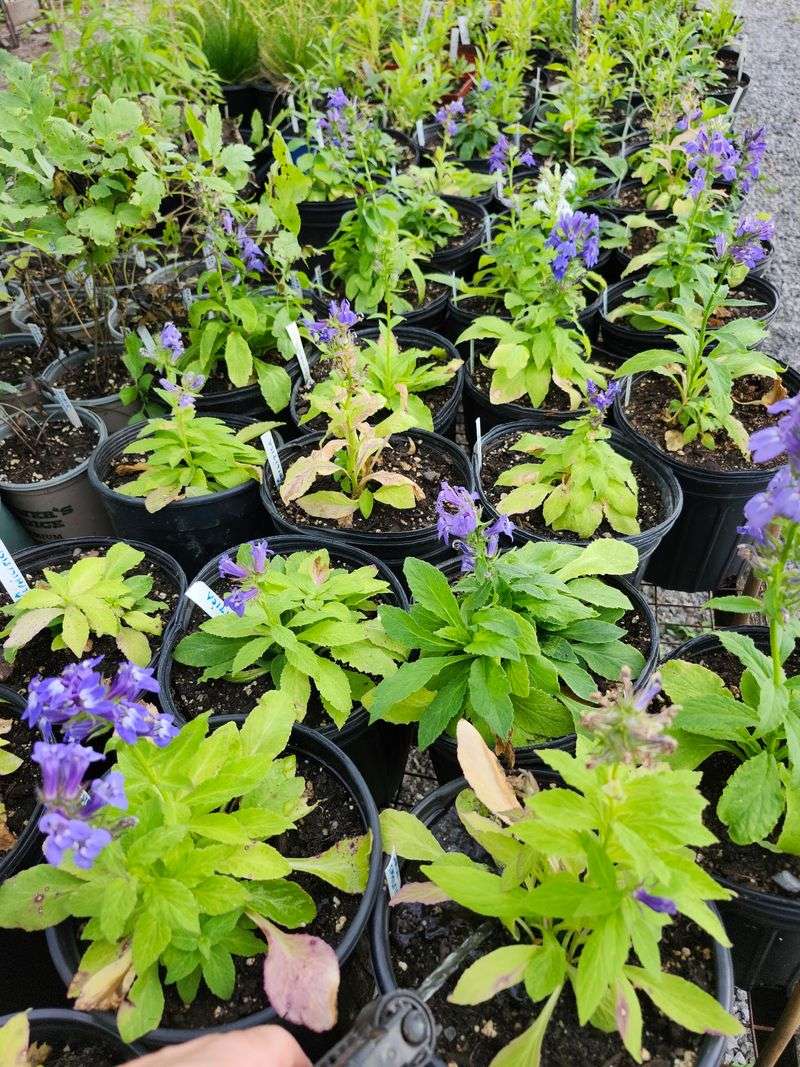
Groovy name, serious plants. Flower Power Native Plant Nursery is located at 144 Pitcher Lane in Red Hook, New York 12571, in the heart of northern Dutchess County farm country.
The nursery offers native perennials, shrubs, trees, edibles, and medicinals. It sources plants from local growers who start them from local ecotype seed.
Insecticides and herbicides are not sold on the shelves, which suits a garden meant for pollinators. The nursery also pots bareroot plants in reused plastic pots to cut down on waste.
Mountain mint deserves a special shout-out. Studies have found it draws a wide variety of pollinators to a garden.
If you want color that lasts until frost, ask about late bloomers. New England aster and showy goldenrod light up September and October when many gardens fade.
Try planting in groups of three or five of the same kind. Bees find larger patches easier to spot, and your garden will look fuller and more planned.
Pair early, midseason, and late bloomers so flowers appear from spring through fall. A mix like that gives pollinators steady food across the growing season.
Check their website before visiting for current hours. Weekend visits in fall can get busy, so arriving early may help you find a better selection.
Red Hook is surrounded by apple orchards and pick-your-own farms this time of year. A bag of fresh apples rides nicely next to your new plants on the drive home.
CW Native Plant Farm
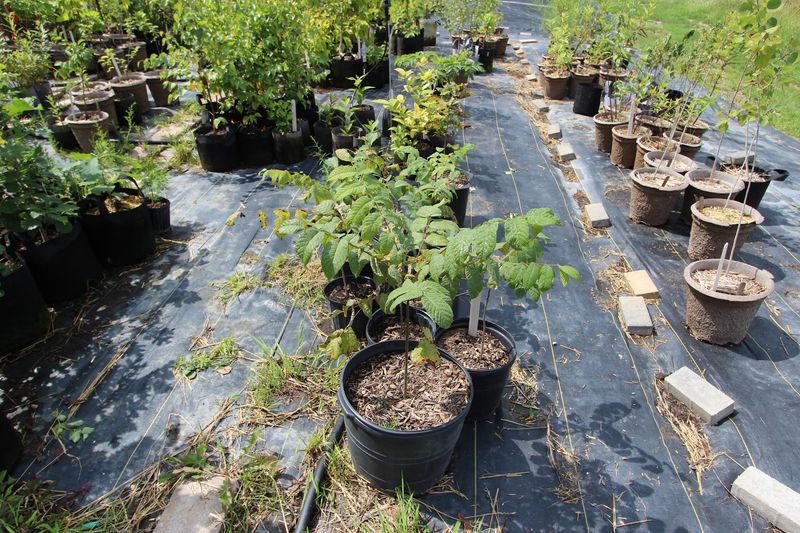
Western New York gardeners have a hidden gem east of Buffalo. CW Native Plant Farm sells plants from 12288 Tonawanda Creek Road in Akron, New York 14001, in Erie County.
Native plants are sold on site at the farm, and landscape consultations are also available. The size and number of each species vary, so check with the farm about what is in stock.
Plants native to the region are suited to Great Lakes weather, including lake-effect snow and windy winters. That gives them a solid start in local gardens.
Native grasses are the unsung heroes of fall gardens. Little bluestem turns coppery in autumn, and switchgrass sways like a golden curtain in the breeze.
Leave grasses and seed heads standing through winter instead of cutting them back. Birds snack on the seeds, and helpful insects shelter inside hollow stems until spring.
Place taller grasses toward the back of a bed and shorter perennials in front. That layout keeps each plant visible and gives the bed a layered look.
Fall can be a smart time to buy because some nurseries offer end-of-season pricing. Ask about fall deals, since you can often stretch your budget further in September than in busy May.
Look up the farm online for sale days before heading out. Small growers sometimes sell at local markets too, so you may spot them closer to home.
Akron Falls Park is just minutes away, with a pretty waterfall and walking trails. It is a relaxing stop after loading your trunk with prairie treasures.
Primeval Forest Nursery
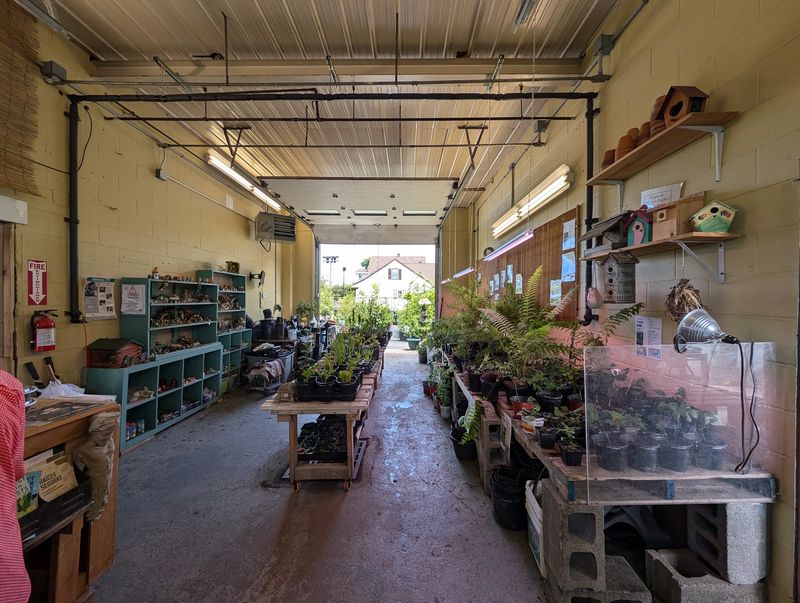
Long before skyscrapers, forests covered much of the land around Buffalo. Primeval Forest Nursery, at 2813 Niagara Street in Buffalo, New York 14207, helps bring a little of that native landscape back to city yards.
The nursery sits inside a former car wash and auto shop in the Riverside neighborhood. It sells native trees, shrubs, grasses, and wildflowers chosen to support pollinators and local ecosystems.
Its owners started the nursery after seeing a need for more native species and education for home gardeners. That makes it a fitting stop for beginners with basic questions.
Fall is a good season for planting trees. Cool air reduces stress on leaves, while warm soil encourages strong root growth before winter.
When planting a young tree, dig a hole wider than it is deep. Keep the root flare at ground level, since burying the trunk too deep can cause problems later.
Skip the mulch volcano that piles up against the trunk. Spread mulch in a flat ring instead, leaving a few inches of space around the bark.
Water a new tree deeply right after planting, then keep the soil evenly moist through fall. Roots stay active in cool soil, so watering still matters when the weather turns crisp.
City soil is often packed down. Loosening the ground around the planting hole helps young roots spread out.
Check their website or social pages for current hours before you visit. Urban nurseries sometimes host community planting events, which are fun ways to learn and meet neighbors.
Afterward, explore Delaware Park or the waterfront to enjoy Buffalo in fall color. Someday, the small tree in your trunk could shade a whole backyard.