Why Moles Suddenly Become Obvious in a Soft, Rain-Soaked New York Lawn
An eastern mole can dig close to 18 feet of new surface tunnel in a single hour. That is a lot of work for an animal about the size of a dinner roll.
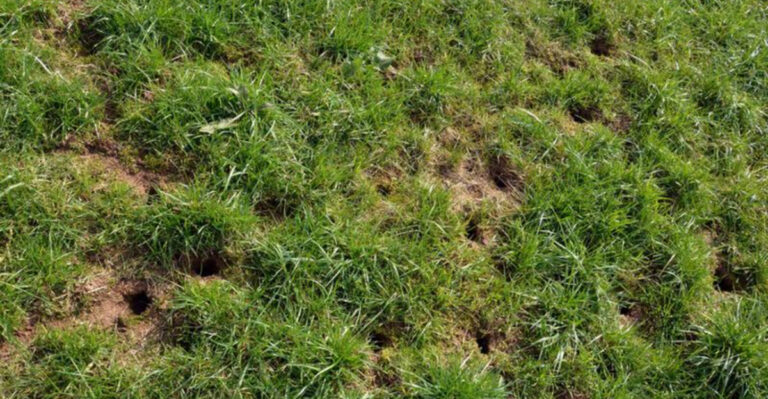
In my own yard, I’ve watched raised ridges zigzag across the grass the morning after a heavy storm. Truth be told, I first blamed the neighbor’s dog, then the sprinkler, then my own bad memory. None of those guesses held up for long.
Here’s what caught my attention. The digger was probably there for weeks before the rain, quietly working deep below my feet. The storm did not invite a new visitor so much as pull an old one up toward the surface, where the grass started telling on it.
So why does a soggy New York spring or fall turn a hidden tunnel builder into the loudest thing on the lawn?
Those Fresh Mole Ridges Were Probably Hiding in Plain Sight
Funny thing is, the mole in your yard probably did not move in last night. Moles are solitary animals that hold a home range for months, often sticking to the same lawn and the edges of nearby beds.
Most of their tunnel system usually sits deep, sometimes 10 inches or more below the surface. Those deep runways serve as travel routes and resting areas, and you rarely see them.
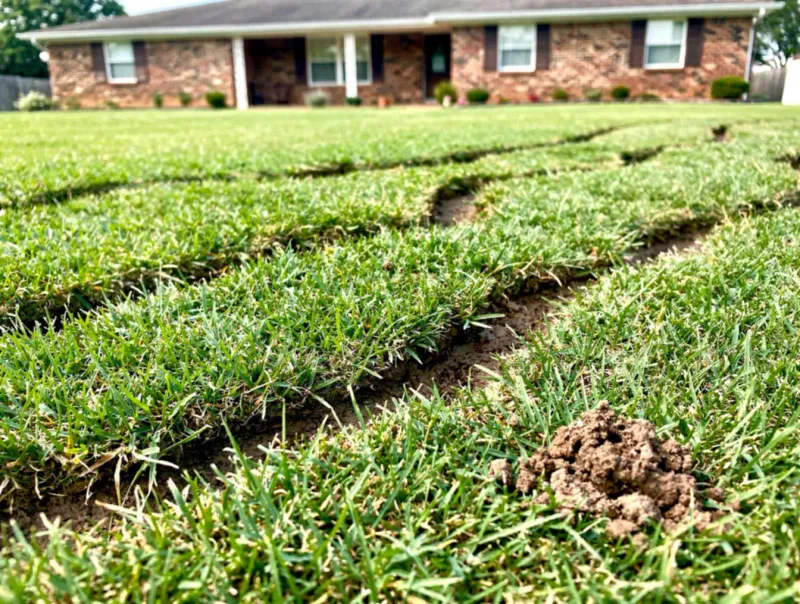
The tunnels you notice are the shallow feeding runs that sit just under the turf.
Rain changes which tunnels get used most. When soil turns soft and damp, moles shift a lot of their effort into those shallow feeding runs, and the grass on top lifts into visible ridges almost overnight.
I find this comforting, oddly enough. A sudden burst of ridges usually means one or two moles changing their routine, not an invasion.
Wildlife biologists note that a single eastern mole can create a surprising amount of surface damage on its own.
So before you panic, walk the lawn and trace the ridges. You may find they connect back to a fence line, a hedge, or a wooded edge, which often marks the main travel route.
That one clue tells you plenty about where your digger spends its time and where to focus any control efforts later.
Earthworms Rising in Wet Soil Are the Real Magnet
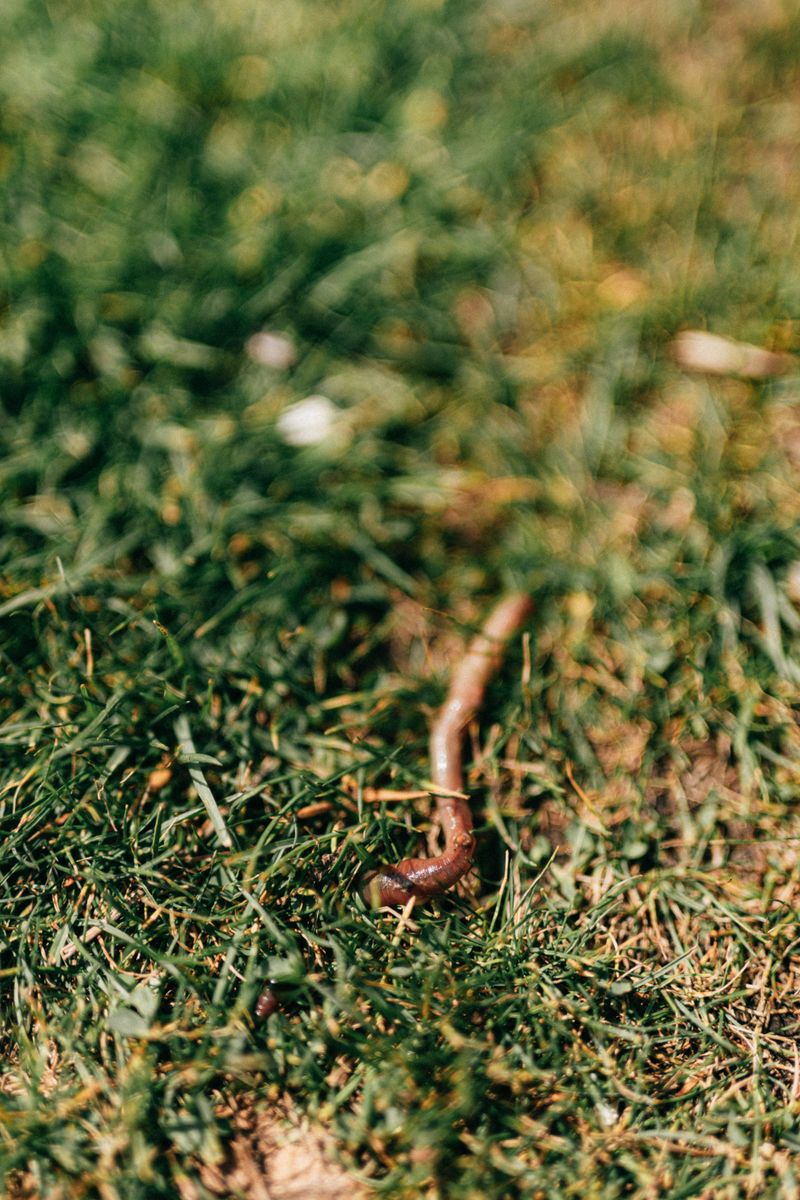
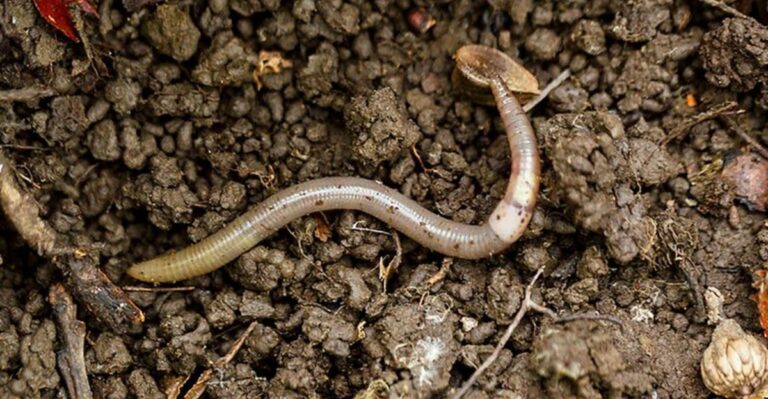
Follow the food, and the whole mystery starts making sense. Earthworms are the top item on an eastern mole’s menu, with beetle grubs, ant larvae, and other soil critters filling out the rest.
After a soaking rain, worms move up toward the surface. You have seen them stretched across driveways and sidewalks on wet mornings.
Scientists still debate the exact reasons, but moist upper soil makes it easier for worms to travel and feed near the top.
For a mole, that is a big deal. Moles burn energy fast and need to eat a large share of their body weight every day, so they follow the prey wherever it goes.
When the worms rise, the mole rises with them. It starts hunting in shallow runs right under the roots of your grass, and that is exactly when the ridges show up.
Here is a quick check you can try. After a rain, gently lift a small square of sod with a trowel near fresh tunnels.
Count the worms you see.
A lawn packed with earthworms is a healthy lawn in many ways. It also happens to be a mole restaurant, and the rain just moved the tables closer to the front door.
Soft, Soggy Ground Makes Tunneling Feel Like Easy Work
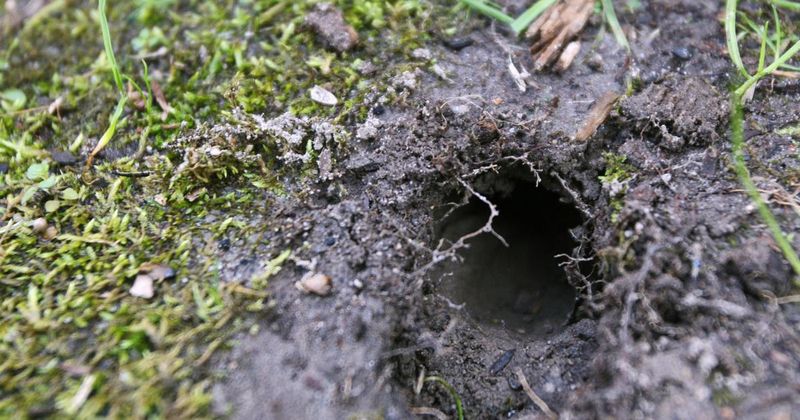
Ever tried digging a garden bed in dry August clay? Now try it after three days of April showers, and you will feel what a mole feels.
Moist soil is softer and easier to push. Moles dig with huge, shovel-like front feet that turn outward, and they basically swim through the dirt by shoving it aside.
Damp ground gives way faster, so each tunnel costs less energy.
That ease adds up quickly. A mole hunting in soft soil can extend feeding tunnels at an impressive pace, and those runs often sit just an inch or two below the surface.
Dry or hard-packed soil does the opposite. Digging gets tough, worms retreat deeper, and the mole follows them down into its lower tunnels where you cannot see the work.
This is why many New York lawns seem quiet in a hot, dry stretch of summer and then suddenly erupt after a wet spell. The mole never left.
If you ask me, the spongy feeling underfoot is the best early warning sign. When the lawn squishes in one strip but feels firm a few steps away, you are likely standing on a fresh feeding tunnel.
Volcano-Shaped Molehills Pop Up When Diggers Clear House
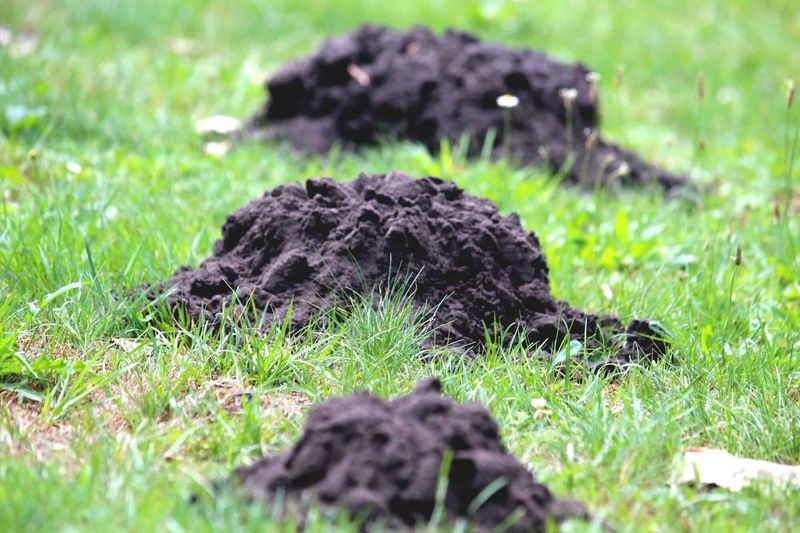
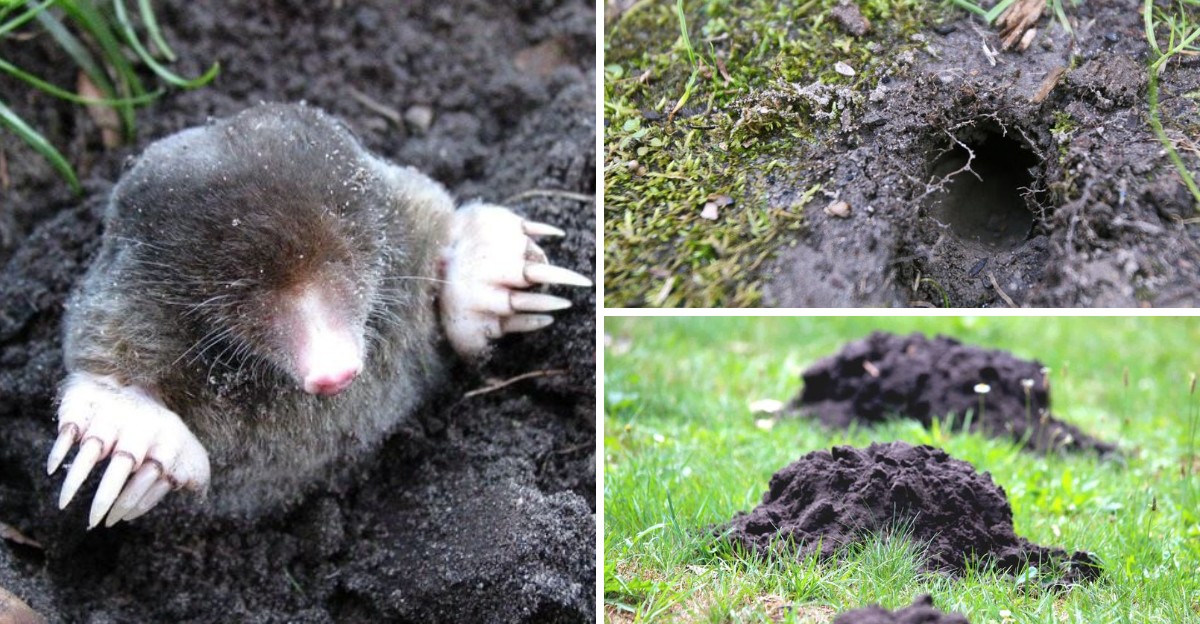
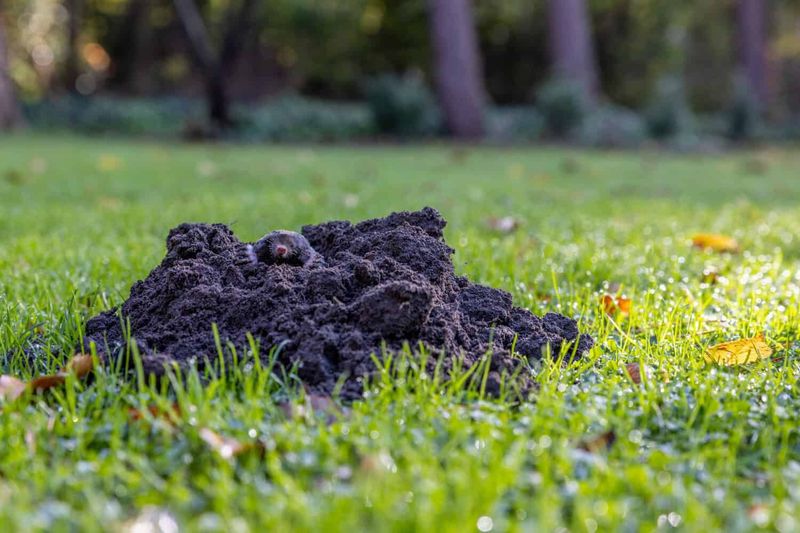
Raised ridges are only half the story. The other giveaway is the molehill, a round pile of loose soil shaped a bit like a tiny volcano.
Molehills form when a mole digs deeper tunnels and needs somewhere to put the extra dirt. It pushes the soil up through a vertical shaft and leaves it on the surface.
Unlike gopher mounds, molehills usually have no open hole on top, because the mole plugs it from below.
Wet weather tends to bring more of these piles. Soft soil means more digging overall, and more digging means more dirt to dump.
In my garden, mounds often show up in clusters along a fence or near a shady bed. Those spots usually stay moist and full of worms, so the mole builds and repairs there often.
Telling mole damage from other critters matters, since control steps differ. Voles leave surface runways and nibbled grass, not raised ridges.
Chipmunks leave neat holes with no dirt piles at all.
A quick fix for appearances is simple. Rake the soil from fresh molehills back into the lawn, then gently tamp it down.
That loose, fine soil makes a decent top dressing for thin spots.
Meet the Eastern Mole and Its New York Neighbors
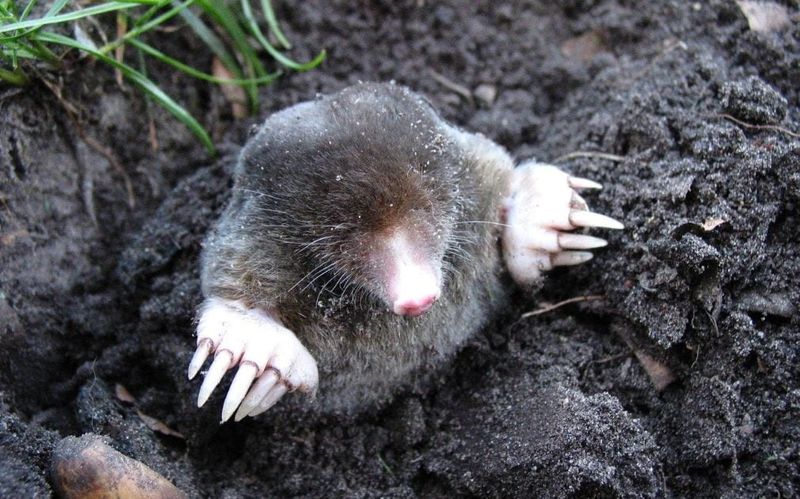
Three mole species live in New York, and each has its own quirks. Knowing which one you have helps explain what you see in the lawn.
The eastern mole is the classic lawn digger. It has velvety gray-brown fur, tiny hidden eyes, and big paddle-shaped front feet.
It is common in parts of the Hudson Valley, Long Island, and the New York City area, and it loves loose, moist soil.
The hairy-tailed mole is more widespread across upstate regions. It has darker fur and a short furry tail, and it often digs in lighter, well-drained soils near woods.
Then there is the star-nosed mole, which honestly looks like it came from another planet. Its nose has 22 pink fleshy rays that work as super-sensitive touch organs.
This one prefers wet meadows, marshes, and stream edges, and it even swims well.
Here is a fun fact. Researchers have found the star-nosed mole can identify and eat a food item in well under half a second, among the fastest foragers known.
All three eat mostly worms and insects, not plants. So if your tulip bulbs vanish, look at voles or chipmunks using mole tunnels instead.
Spring and Fall Rains Bring the Busiest Mole Seasons

Mark your calendar, because moles keep a pretty steady schedule. In New York, surface activity often peaks in spring and again in fall.
Those seasons bring cool temperatures and regular rain. Soil stays moist near the top, worms stay shallow, and moles hunt where the food is.
Spring is also breeding season, and young moles later head out to find their own territories.
Summer can quiet things down. Heat and dry spells push worms deeper, and the mole follows.
A heavily watered lawn, though, can keep shallow activity going right through July.
Winter is not a full break either. Moles do not hibernate.
They keep feeding below the frost line, and during a thaw you may spot fresh mounds poking through melting snow.
I believe this timing is the most useful thing to understand. If you plan any control, early spring and fall give you the best chance, since tunnels are active and close to the surface.
It also means patience pays off. A burst of ridges in late April may settle down on its own by midsummer as the soil dries.
Repair the turf in early fall, when grass seed grows best across most of the state.
Stepping on a Tunnel Can Reveal Where Moles Are Active

Not every ridge in your lawn is still in use. Many are one-time feeding runs the mole never visits again, so a little detective work saves wasted effort.
Try this simple test I learned from extension advice. Gently press down short sections of several ridges with your foot.
Mark each spot with a small flag or stick.
Check back in a day or two. Any sections that pop back up are active travel tunnels.
Those straight runs, often along edges, walks, or foundations, are where trapping works best.
Now a word on rules. In New York, moles are generally treated as unprotected nuisance wildlife, and homeowners can usually control them on their own property.
Local rules can vary, so check with your town or the state Department of Environmental Conservation if you are unsure.
Many home remedies get lots of buzz but little proof. Research from university extensions shows chewing gum, mothballs, and noisemakers rarely help.
Castor oil repellents give mixed results at best.
Harpoon or scissor-style traps set in active tunnels remain the most reliable method experts recommend. Read the label carefully, and keep kids and pets away from set traps.
A Few Lawn Habits Can Make Your Yard Less Tempting to Moles
Here’s my honest take after years of chasing ridges. You cannot control the rain, but you can control how soggy your lawn stays afterward.
Start with water. Cut back on frequent shallow watering, since constantly damp soil keeps worms high and moles busy.
Watering deeply but less often encourages strong grass roots instead.
Next, look at drainage. Point downspouts away from the lawn, fix low spots, and aerate compacted areas.
Soil that drains well dries out faster after a storm.
Be careful with grub treatments. Many people use insecticide hoping to starve moles, but worms are the main food, so grub control alone rarely solves the problem.
Treat grubs only if you actually find damaging numbers.
It also helps to remember the upside. Moles loosen and mix soil, let air and water reach roots, and eat some lawn-damaging insects.
A handful of ridges in a back corner may be worth tolerating.
For the grass itself, roll or tamp down ridges once the soil firms up. Fill low spots with topsoil and overseed bare strips in early fall.
That mix of patience, drainage, and targeted action keeps your lawn looking good while the diggers do their quiet work below.