Oregon Gardeners Can Avoid Compacted Winter Soil By Doing This In August
August soil can look harmless while winter trouble quietly takes shape below the surface. Once Oregon rain returns, exposed beds may lose structure and turn dense enough to make spring digging feel like punishment.
The smartest fix starts before the wet season arrives. A simple late-summer step can protect the soil through months of rain without constant work or repeated amendments.
Instead of leaving the ground empty, this approach keeps roots active beneath the surface. That underground support can help the soil hold its shape and resist the heavy, packed texture that often shows up by winter’s end.
The timing matters because plants need a chance to settle before cooler weather slows growth.
Get them started in August, and the garden gains a quiet layer of protection long before the first storm rolls in. Your spring shovel may finally catch a break.
1. August Is The Cover Crop Window
Most gardeners do not think about winter until it is already raining. By then, it is too late to plant cover crops that will actually root and grow before the cold hits.
August is the sweet spot, and missing it means starting spring with compacted, lifeless soil.
Cover crops need time to establish. Planting in August gives them six to eight weeks of warm growing weather before temperatures drop.
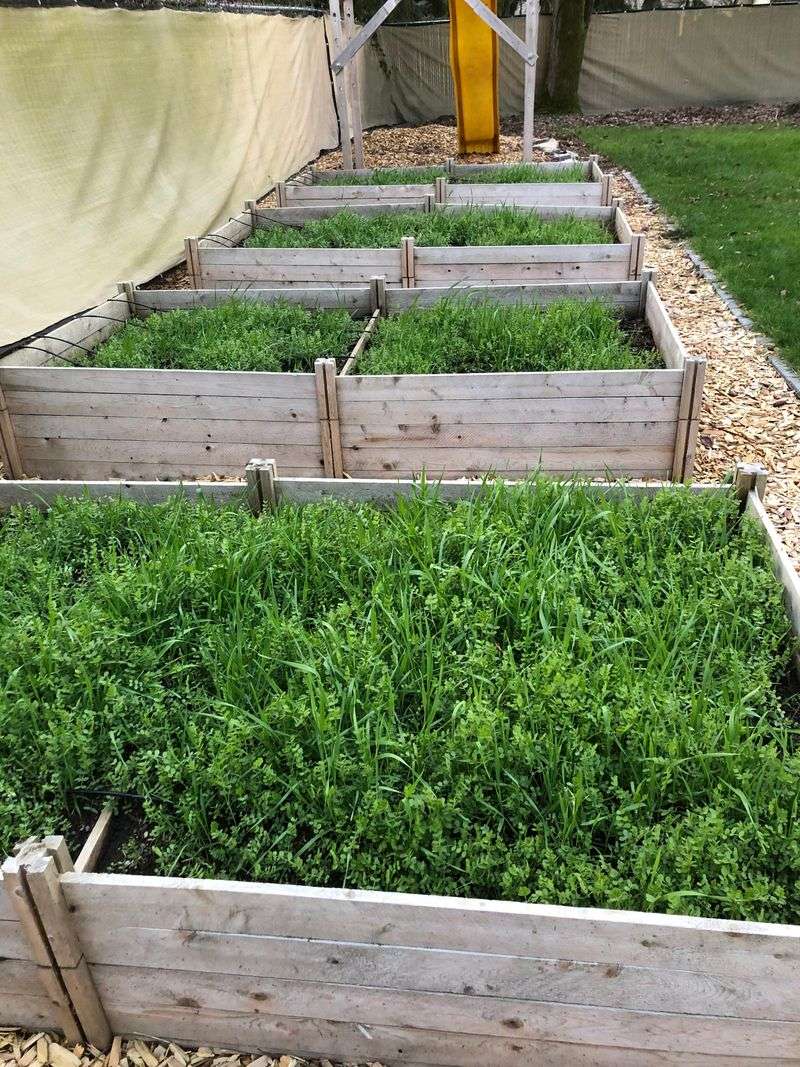
That is enough time for roots to spread deep into the soil and for leaves to form a thick mat above ground.
Here in Oregon, the window between late summer heat and fall rains is narrow. Planting cover crops in August lets you take full advantage of that warm soil before the first cold snap arrives.
Seeds germinate quickly when soil is still warm from summer sun.
Gardeners who plant in September often find their seeds germinate slowly or not at all. The soil cools fast once October arrives.
August planting means your cover crop is already several inches tall when the rains begin, giving it the strength to handle wet conditions.
Think of August as your soil’s last chance to get a protective blanket before winter. Even a simple mix of oats and clover can make a dramatic difference.
The effort takes less than an hour, and the payoff lasts all the way through next planting season.
2. Warm Soil Gets Seeds Moving Fast
Soil temperature matters more than most people realize. Seeds do not just need water to sprout.
They need warmth, and August soil in Oregon is often between 65 and 75 degrees Fahrenheit. That range is ideal for most cover crop seeds.
When soil is warm, germination can happen in just three to five days. Compare that to October, when cool soil can slow germination to two weeks or more.
Some seeds may not sprout at all if the ground has already chilled down.
Warm soil also means better root growth. Roots spread faster and go deeper when the ground is warm.
A cover crop planted in August can develop a root system several inches deep before November even arrives. Those deep roots are what actually prevent compaction.
Your Oregon Garden Changes Every Week. Your Plan Should Too.
Gardening in Oregon changes quickly throughout the season. Every Friday you’ll receive a simple weekly plan showing exactly what to plant, prune, fertilize, harvest, and protect so you never miss the right timing.
There is another bonus to warm-soil planting. Beneficial soil microbes are most active when temperatures are high.
Planting cover crops while microbes are busy means those organisms will help break down the crop in spring, feeding your soil naturally.
You do not need a soil thermometer to get started, though it helps. A simple trick is to stick your hand a few inches into the soil.
If it feels warm and comfortable, it is ready. If it feels cool or cold, seeds will struggle.
August almost always passes the hand test, making it the most reliable planting month for cover crops.
3. Bare Beds Compact Under Winter Rain
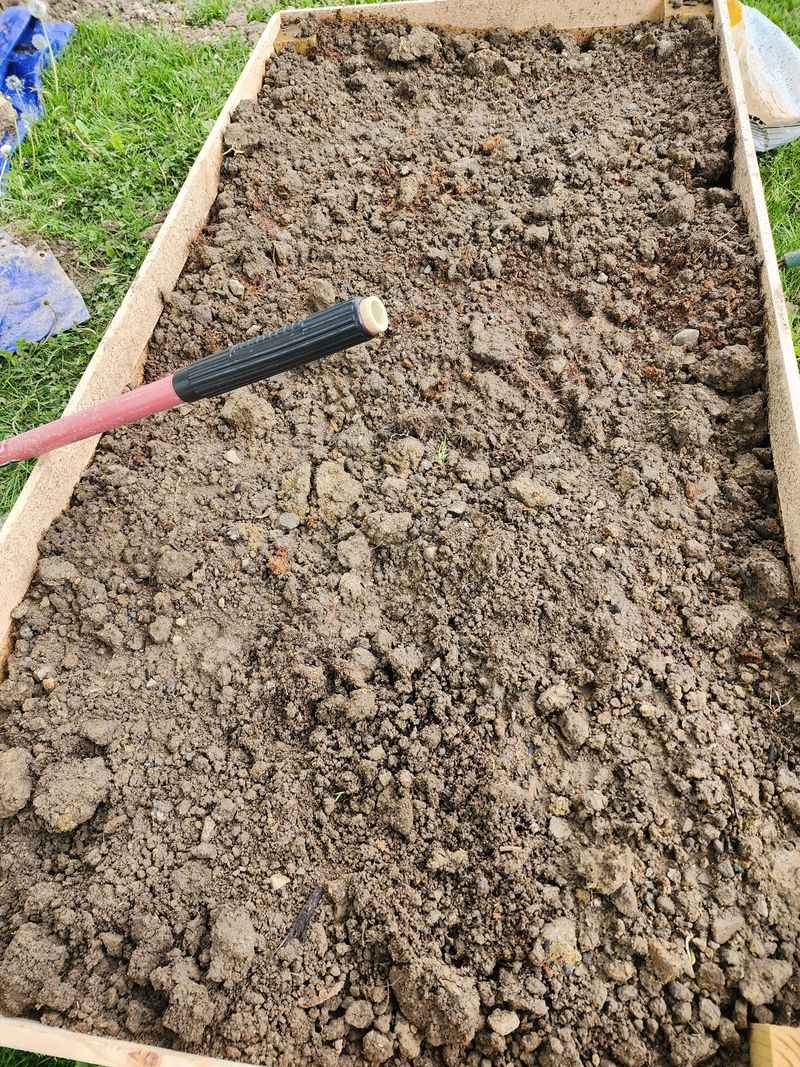
Leaving garden beds empty over winter sounds harmless. It feels like the soil is just resting.
But bare ground takes a real beating from rain, and Oregon gets plenty of it from October through March.
Every raindrop hits bare soil with surprising force. Over time, that impact breaks down the soil structure.
The tiny air pockets that make soil loose and fluffy get crushed and filled in. What you are left with is dense, hard ground that roots struggle to push through.
Compacted soil also drains poorly. Water sits on top instead of soaking in, which creates puddles and runoff.
That runoff carries away your topsoil, which is the most nutrient-rich layer. You can lose years of soil improvement in a single rainy season.
A cover crop acts like an umbrella for your soil. The leaves catch raindrops before they hit the ground, reducing their impact.
The roots hold the soil particles together so they do not get washed away or smashed down by water weight.
Gardeners who have tried both approaches almost always stick with cover crops after seeing the difference. Beds with winter coverage are noticeably easier to work in spring.
The soil feels crumbly and rich instead of hard and heavy. That difference means less digging, less frustration, and faster planting when the growing season begins again in spring.
4. Roots Hold Soil Before Storms Arrive
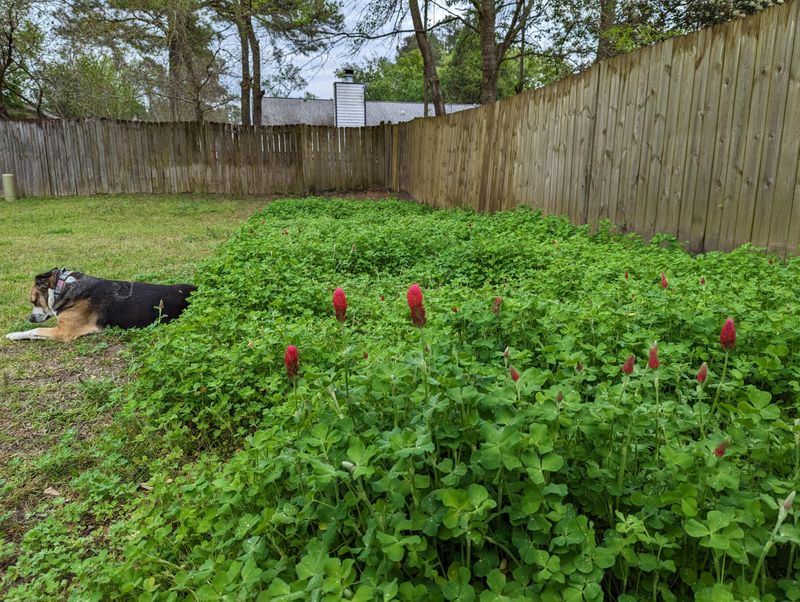
Above-ground plant coverage gets most of the attention, but roots are doing the real work underground. Cover crop roots act like a net beneath the soil surface.
They weave through the ground and hold everything in place, even when storms roll through and rain pours down for days.
Without roots, soil particles have nothing anchoring them. Heavy rain can shift the top layer of soil, carrying nutrients away with it.
In raised beds and sloped garden areas, this erosion can be dramatic and fast.
Roots also create channels in the soil as they grow. These channels allow water to move down through the ground instead of pooling on the surface.
When the cover crop breaks down in spring, those channels remain, keeping the soil loose and well-drained for your vegetables.
Some cover crops, like field peas and crimson clover, have roots that go surprisingly deep. Even shallow-rooted crops like oats create a dense network just below the surface that does a solid job of holding things together.
The key is getting those roots established before the big storms hit.
Planting in August gives roots a full six to eight weeks to spread before serious rain begins. By the time November storms arrive, a well-rooted cover crop is firmly in place.
The soil underneath stays intact, structured, and far less prone to compaction than bare ground sitting exposed to months of heavy rainfall.
5. Waiting For Rain Can Backfire
It feels logical to wait until fall rains arrive before thinking about garden prep. After all, rain helps seeds germinate, right?
The problem is that by the time consistent rain shows up, the soil has already started cooling down fast.
Cool, wet soil is not ideal for seed germination. Many cover crop seeds need soil temperatures above 50 degrees to sprout reliably.
Once October rains begin in earnest, soil temperatures in northern and coastal regions of our state can drop quickly, leaving seeds sitting dormant instead of growing.
There is also a timing issue. If you wait for rain to plant, you may only get a few weeks of growth before hard frosts arrive.
A cover crop that has only been in the ground for three weeks has not had time to establish the deep roots needed to protect soil through winter.
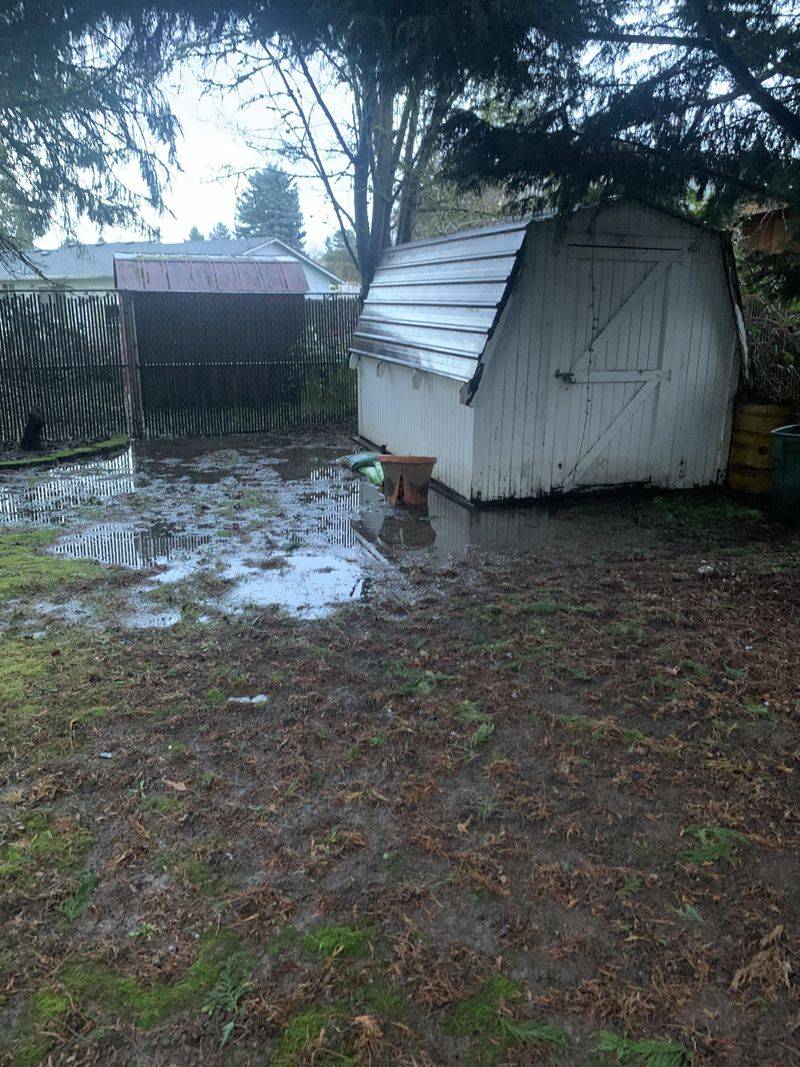
Another risk is soil workability. After a few weeks of fall rain, garden beds can become waterlogged and muddy.
Trying to prep and plant in soggy soil can actually make compaction worse. Stepping on wet soil compresses it far more than walking on dry ground.
August planting sidesteps all of these problems. The soil is dry enough to work easily, warm enough for fast germination, and there is plenty of time for a strong root system to develop.
Waiting feels patient, but acting in August is what actually gets results you can count on come spring.
6. Oats Are The Easy Beginner Choice
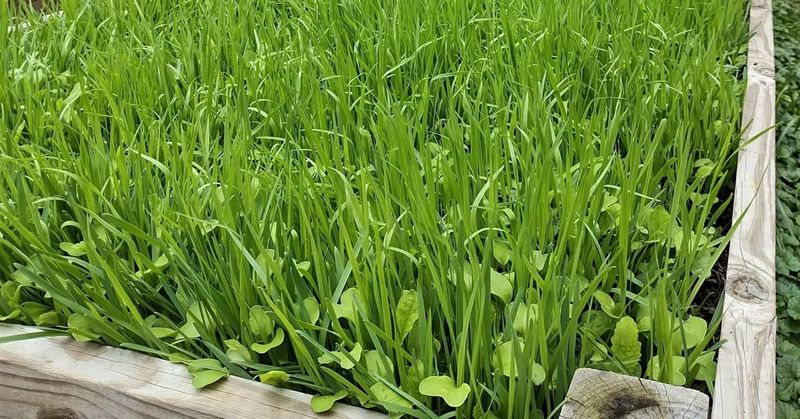
For anyone planting a cover crop for the first time, oats are hard to beat. They are forgiving, affordable, and easy to find at most feed stores or garden centers.
A single bag can cover a large area, making them one of the most cost-effective options available.
Oats germinate quickly in warm August soil, often sprouting within four to seven days. They grow fast and form a thick, grassy mat that covers bare soil before the rains arrive.
That mat acts as a physical barrier, catching raindrops and preventing soil from getting pounded flat.
One of the best things about oats is how easy they are to manage in spring. They are not winter-hardy in most parts of Oregon, which means they naturally fall over and break down after a hard frost.
By spring, they have already started decomposing and feeding the soil without any extra effort from you.
Oats also suppress weeds well. A dense stand of oat cover crop shades the soil surface, making it hard for weed seeds to get the light they need to sprout.
Fewer weeds in fall means less weeding to do in spring, which is always a welcome benefit.
Scatter oat seeds at a rate of about two to three ounces per square yard. Rake them in lightly and water once if the soil is dry.
That is really all it takes to get a solid stand going in August and protect your beds all winter long.
7. Field Peas Add Winter Soil Coverage
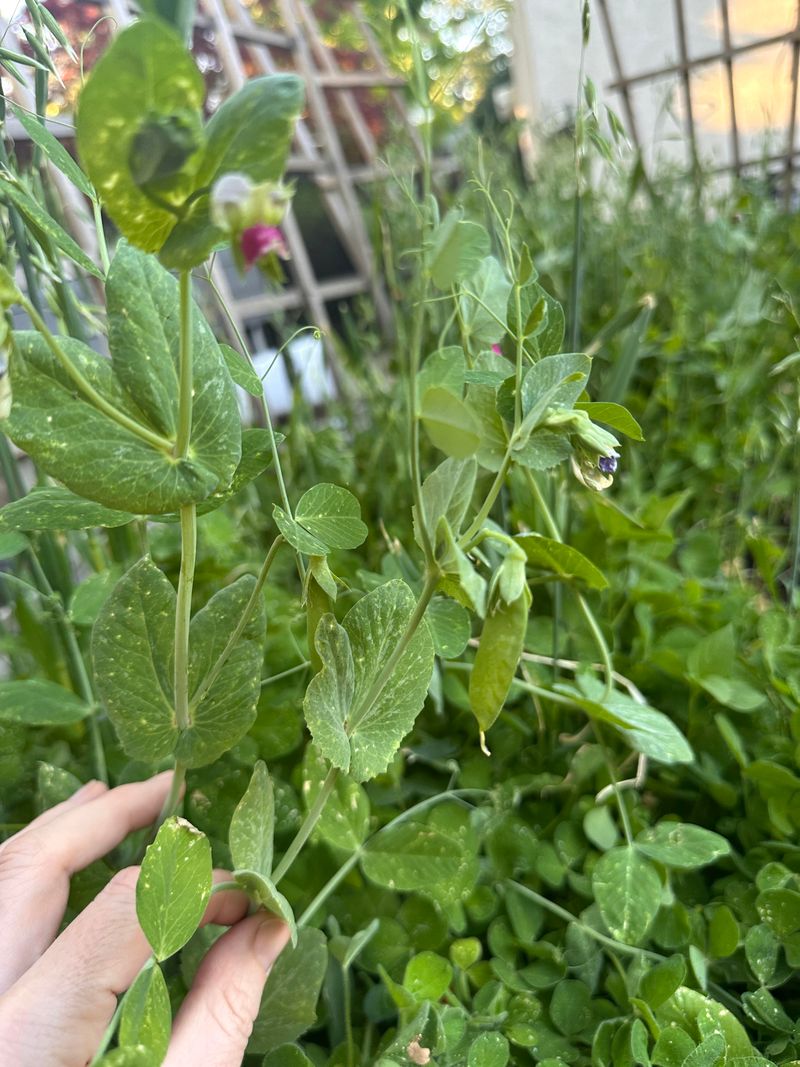
Field peas bring something extra to the cover crop mix. Unlike oats or buckwheat, field peas are legumes.
That means they work with soil bacteria to pull nitrogen from the air and store it in small nodules on their roots. When the plants break down in spring, that nitrogen feeds your garden for free.
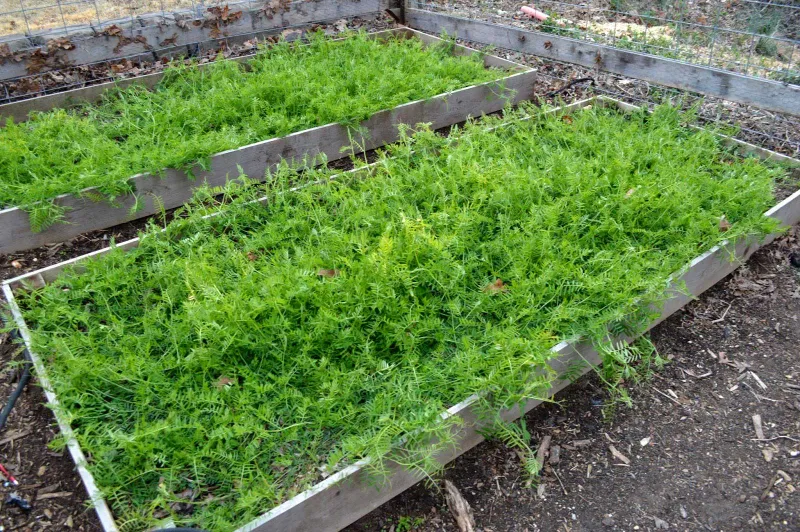
They grow quickly and produce a lot of leafy coverage. That coverage protects the soil surface from rain impact all winter long.
Field peas also have a vining habit, which means they spread across the bed and fill in gaps that other cover crops might miss.
In Oregon, field peas planted in August have enough time to establish solid root systems before cold weather arrives. They can handle light frosts but may struggle through the hardest freezes in inland or higher-elevation areas.
Mixing them with oats gives you a more resilient combination that holds up through varied winter conditions.
One thing to keep in mind is that field peas need a little more moisture to germinate than oats. If August is dry, give them a good watering after planting to help seeds soak up enough moisture to sprout.
A light layer of straw mulch can help hold that moisture in place.
Seed field peas at about one to two ounces per square yard. Mix them right in with oats if you want the best of both crops.
The combination creates thick coverage above ground and nitrogen-fixing activity below, giving your soil a real winter advantage.
8. Crimson Clover Works Where Time Allows
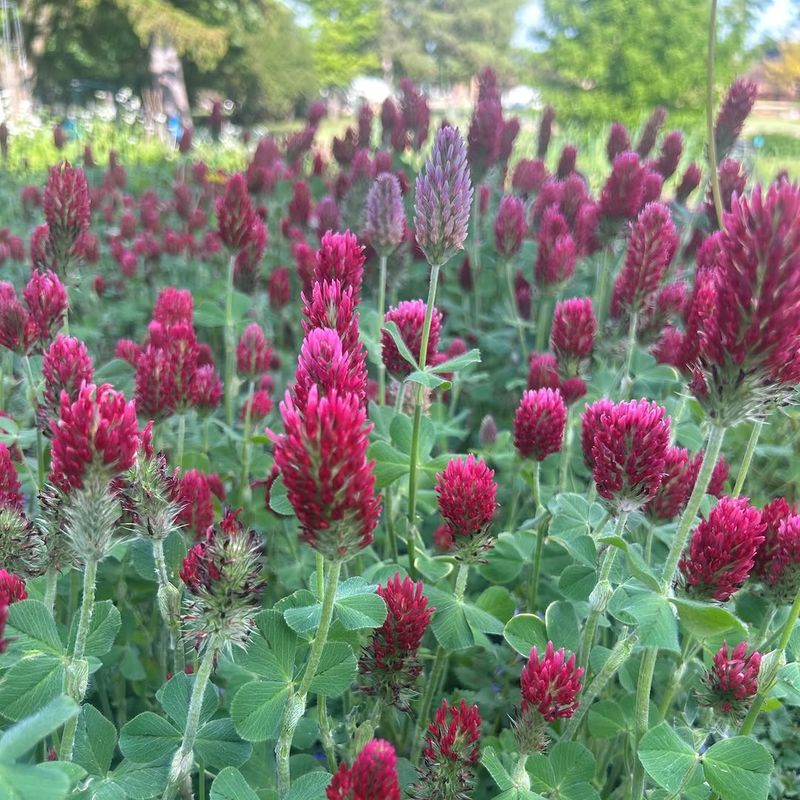
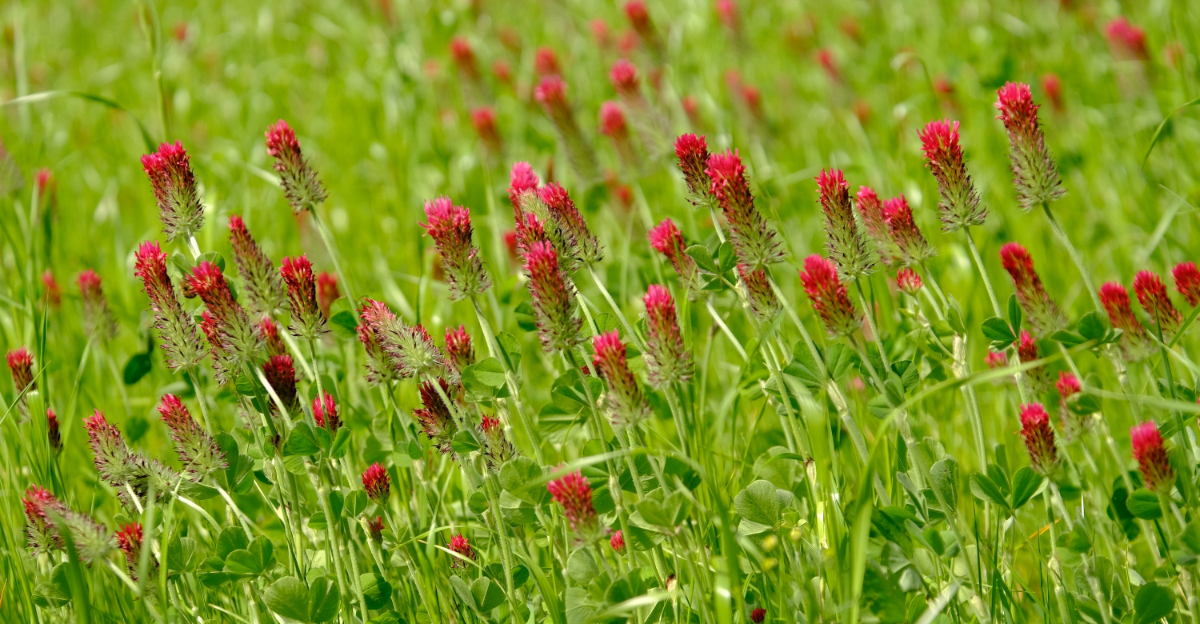
This is probably one of the most beautiful cover crops you can grow, and it earns its place in the garden beyond just looks. Like field peas, it is a legume that fixes nitrogen in the soil.
But crimson clover tends to be a bit slower to establish, which is why August planting matters so much for this one.
Given enough time, crimson clover forms a dense, low mat of clover leaves that blankets the soil beautifully. It handles winter rain well and stays green through most of our state’s mild winters.
In spring, it can even bloom with striking red flowers before you turn it under.
Those spring blooms attract pollinators like bees, which is a nice bonus for any garden. Turning the clover under while it is still green, just before it sets seed, gives you the most nitrogen benefit.
The green plant matter breaks down quickly and releases nutrients right when your spring vegetables need them most.
Crimson clover does best when seeded at about half an ounce per square yard. It does not need to be buried deeply.
A light raking to cover the seeds is enough. Keep the soil moist for the first week or two after planting to help germination along.
It pairs well with oats or field peas in a mix. The oats or peas provide quick, dense coverage while the clover establishes more slowly underneath.
By winter, all three plants are working together to protect and enrich your garden soil.
9. Buckwheat Is For Quick Early Coverage
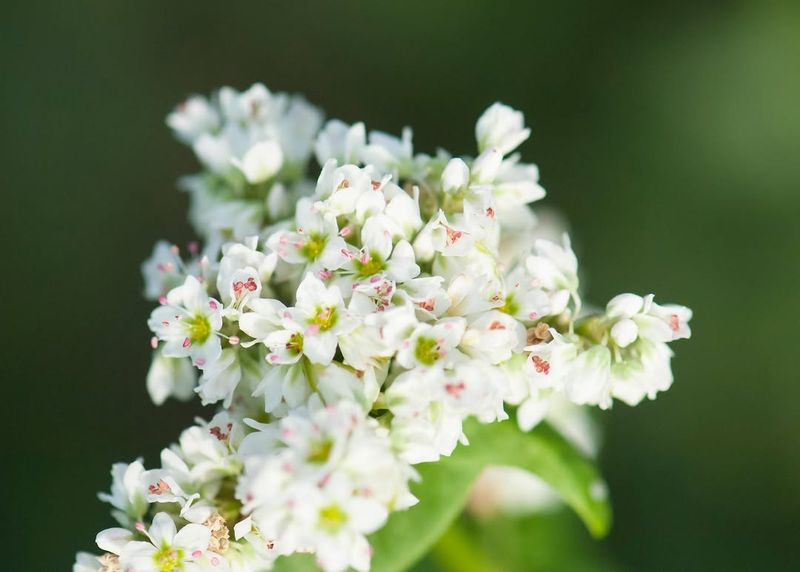
Buckwheat is the speed champion of cover crops. It can go from seed to full coverage in just three to four weeks, making it ideal for gardeners who want fast results in early August.
If you have empty beds right now and want something growing quickly, buckwheat is your best option.
It grows thick and leafy, shading the soil surface and crowding out weeds before they can take hold. The large leaves do a great job of intercepting rain, which reduces the impact on soil below.
Buckwheat also has shallow but fibrous roots that help hold the top layer of soil in place.
One thing to know about buckwheat is that it does not handle frost well. Once temperatures drop below freezing, it collapses quickly.
That might sound like a downside, but it actually works in your favor. The withered plant matter forms a natural mulch layer right on top of your soil, continuing to protect it through winter even after the plant itself is gone.
Buckwheat also attracts beneficial insects while it is growing. Its small white flowers are loved by predatory wasps and hoverflies, which help control garden pests.
Planting buckwheat in early August means you get those insect benefits during the last weeks of summer before the season winds down.
Seed buckwheat at about one ounce per square yard and water it in well. In warm August soil, you will see sprouts in just a few days, and a full green cover crop within weeks.