Why Rosemary Gets Woody Faster In Some Oregon Gardens Than Others
You already suspect your rosemary is aging faster than it should, but you cannot quite pinpoint why. Somewhere in your yard, a set of small conditions has been working against your plant for months.
Neighbors with the same variety often get wildly different results, and that gap has nothing to do with luck. Weather patterns across Oregon shift dramatically from one yard to the next, even within the same neighborhood.
Small daily choices compound faster than most gardeners realize, hardening stems long before flowering season arrives. Every rosemary plant responds to its surroundings differently, and yours has already started reacting in ways you have not noticed.
Oregon throws enough variables at this plant that guessing rarely works in your favor. Ignoring the signs only locks in damage you will need seasons to reverse.
Your rosemary is already responding to something you have not identified yet, and that gap is closing fast.
Sun Exposure Determines How Fast Stems Turn Woody
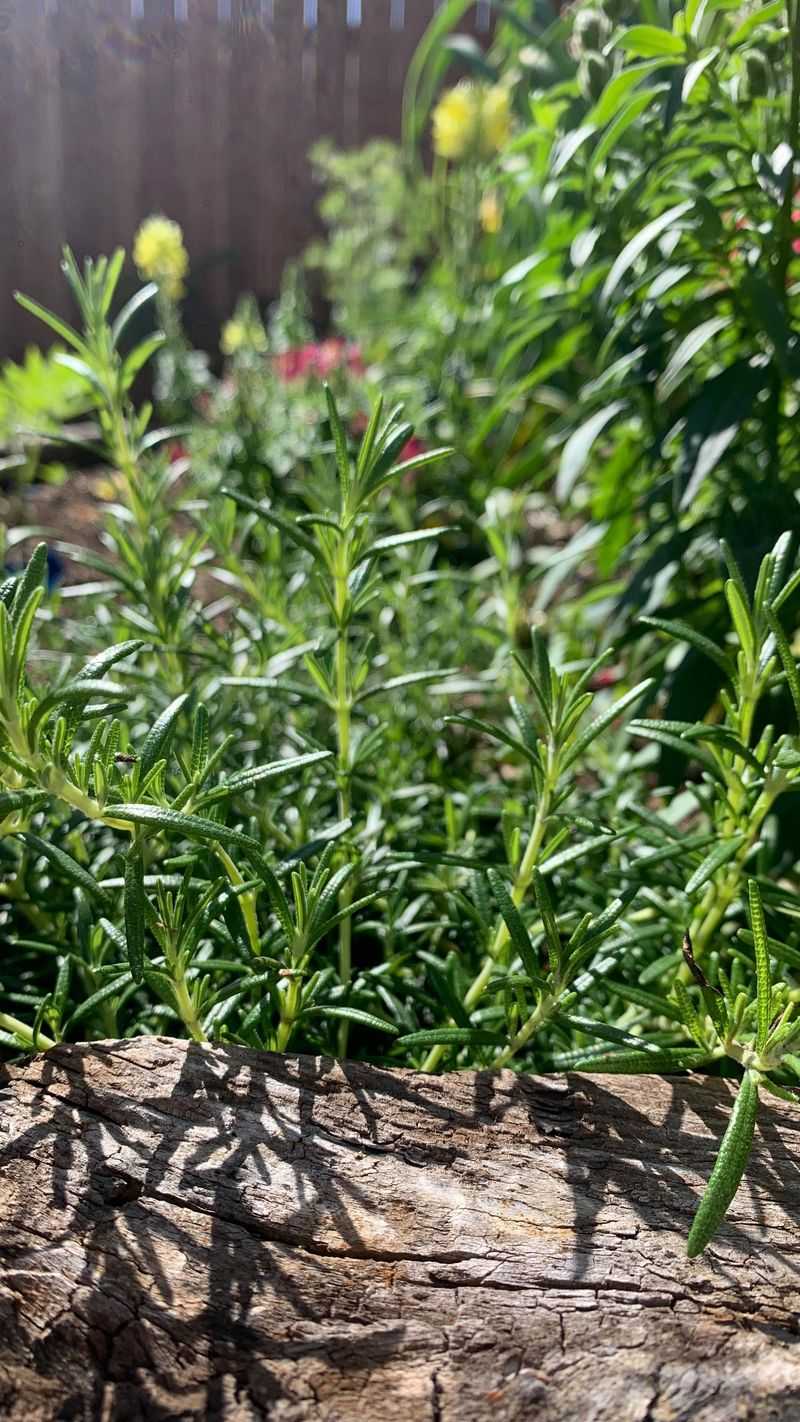
Too much sun can age your rosemary fast. When stems bake under strong, direct light for hours, the plant shifts energy into hardening its structure.
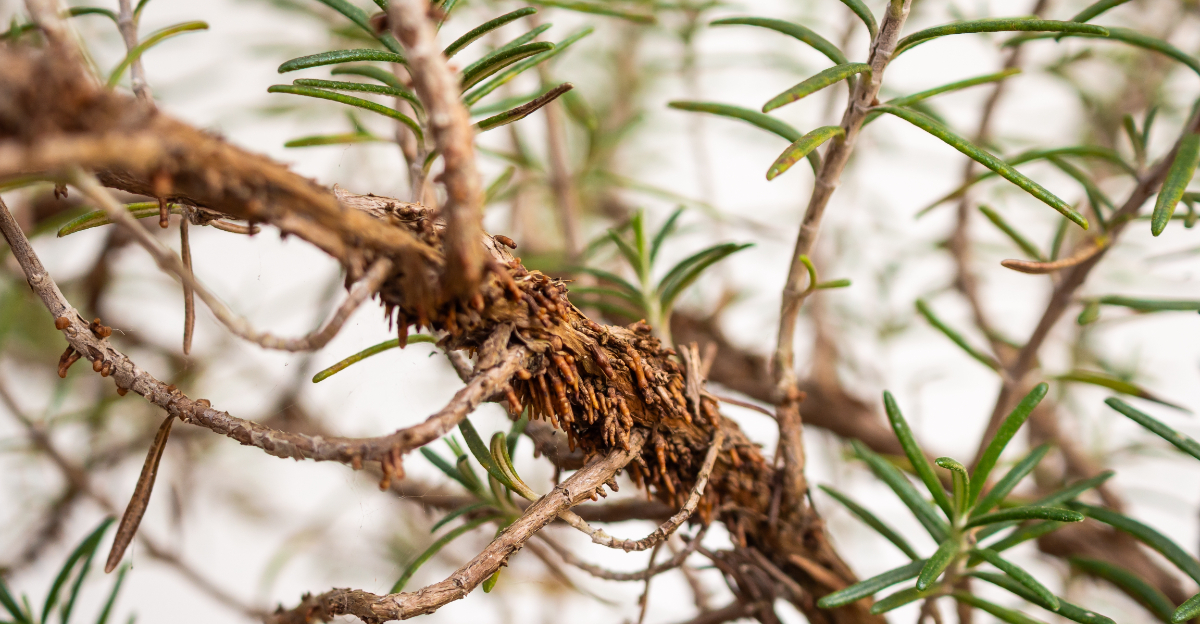
Rosemary gets woody faster in gardens that face south or west without any shade buffer. The intense afternoon sun triggers lignification, which is the process of stems turning hard and bark-like.
Coastal gardens in Oregon often get softer, filtered light, which slows that hardening process down. Inland valleys and high-elevation spots tend to have more intense UV exposure, especially in summer.
If your rosemary sits in a spot that gets more than eight hours of direct sun daily, expect woody growth sooner. Moving the plant to a location with morning sun and afternoon shade can buy you more time before stems stiffen.
Planting near a fence or trellis that offers partial afternoon shade is a smart, low-effort fix. Even a nearby shrub casting light shadow can change how your rosemary develops over a single growing season.
Sun exposure is one of the biggest factors driving rosemary woody growth patterns across different Oregon gardens. Pay close attention to how your yard shifts from morning to evening light before choosing your planting spot.
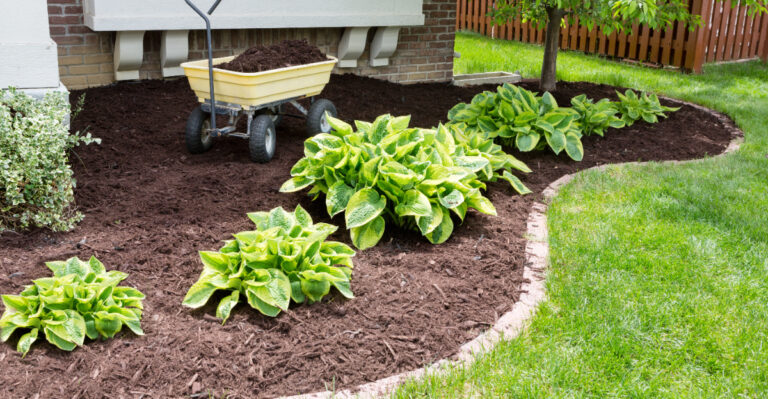
Reflective surfaces like light-colored gravel or patio stone can quietly intensify sun exposure beyond what the sky delivers. Swapping in darker mulch nearby softens that extra heat.
Coastal Humidity Keeps Growth Soft Longer
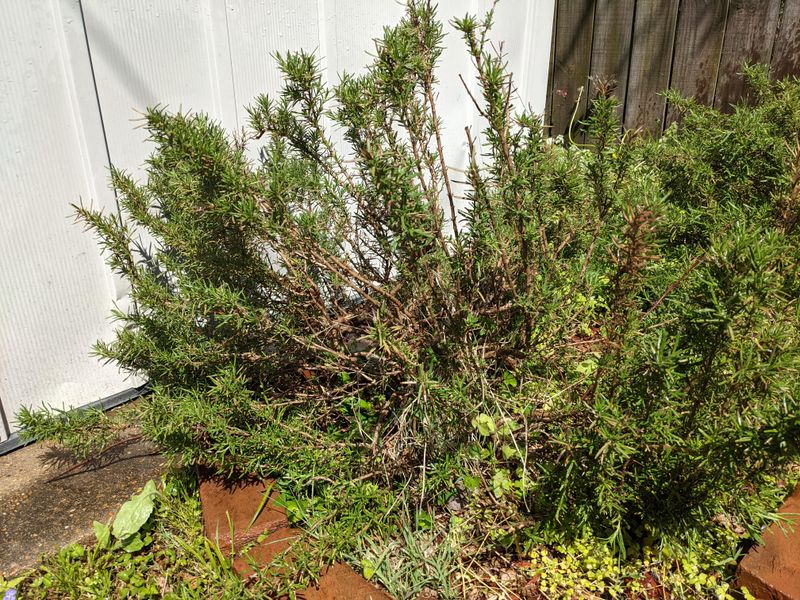
Gardeners near Astoria or Newport often notice their rosemary stays softer and greener than plants grown further inland. That is no coincidence, it is the coastal humidity doing its quiet, steady work.
Moisture in the air slows the rate at which stems dry out and harden. When rosemary stems hold some moisture, they stay flexible and green much longer than stems in dry air.
High humidity also reduces plant stress, which matters a lot. A stressed rosemary plant shifts resources toward survival, and that often means producing more woody, protective stem tissue faster.
Coastal air in western parts of the state delivers consistent moisture even when rainfall is low. That constant humidity acts like a slow-release buffer, keeping the plant’s stems from drying and stiffening too quickly.
Your Oregon Garden Changes Every Week. Your Plan Should Too.
Gardening in Oregon changes quickly throughout the season. Every Friday you’ll receive a simple weekly plan showing exactly what to plant, prune, fertilize, harvest, and protect so you never miss the right timing.
Gardeners in foggy coastal zones often report rosemary plants that stay productive and pliable for noticeably longer before needing serious rejuvenation, while drier inland areas tend to see that timeline shrink considerably.
If you live away from the coast, you can mimic some of those benefits by mulching around your plant and grouping it with other moisture-loving herbs. A light misting during dry spells can also help slow rosemary woody growth in your garden beds.
Coastal humidity near Astoria or Newport keeps rosemary stems softer and greener far longer than inland plants. Mulching and light misting can mimic that effect away from the coast.
Drier High-Desert Pockets Speed Up Woodiness
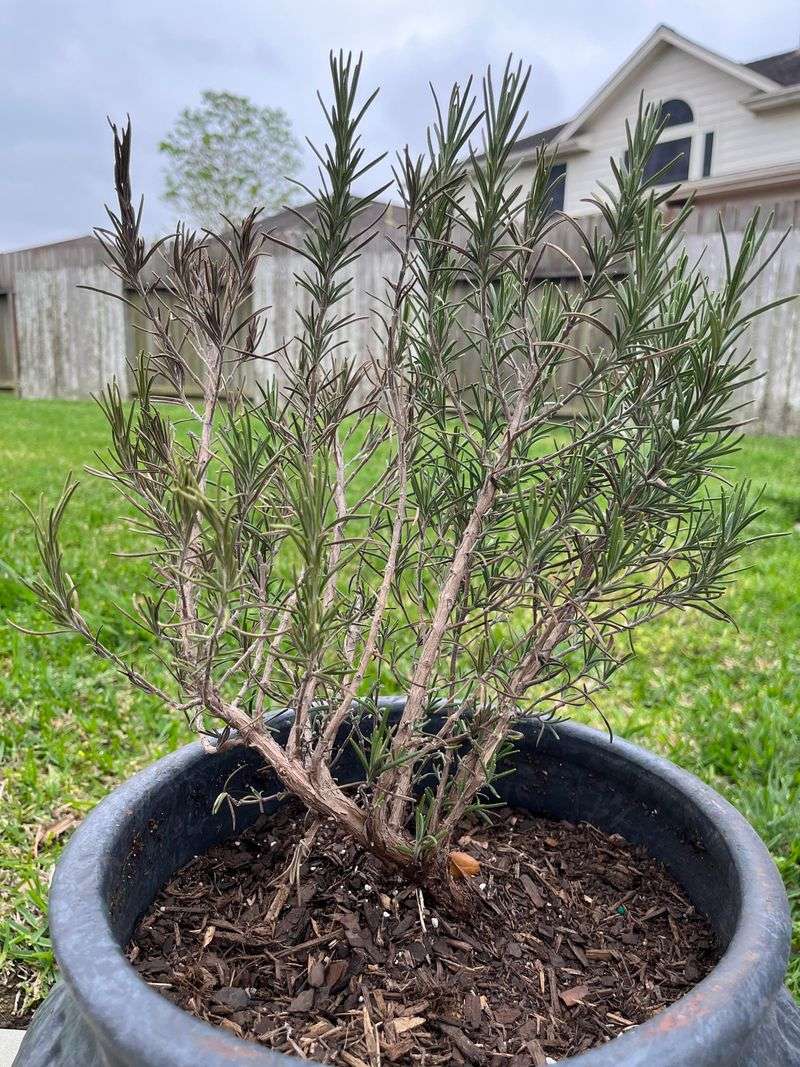
Eastern parts of the state tell a very different story than the foggy coast. In high-desert zones like Bend or Burns, rosemary can turn woody in a single growing season if conditions are harsh enough.
Low humidity, intense sun, and wide temperature swings all force rosemary to adapt fast. The plant responds by building thick, woody stems that resist drought and temperature stress.
The plant is essentially shielding itself, hardening its own tissue to cope with the environment. That protection comes at the cost of the soft, harvestable growth most Oregon gardeners actually want.
Daytime temperatures in these zones can climb into the 90s, while nights drop sharply. That dramatic swing stresses the plant repeatedly, accelerating the natural aging process in stem tissue.
Rosemary plants in high-desert gardens also face soil that drains extremely fast, pulling moisture away before roots can fully absorb it. Dry roots push the plant to harden up quickly as a natural response.
A thick mulch layer helps hold soil moisture longer. Choosing drought-tolerant rosemary varieties can also slow woody growth in high-desert spots.
Wind adds another layer of stress in these exposed high-desert gardens, pulling moisture from leaves even faster than dry soil alone. Planting rosemary near a windbreak or low wall can ease that extra strain and slow woody growth.
Soil Drainage Affects Root And Stem Health
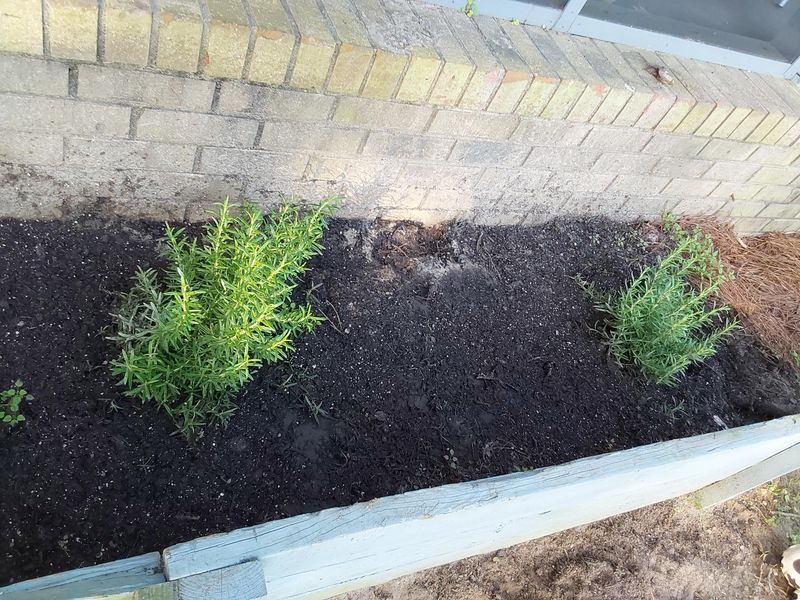
Soil type is one of those sneaky factors that most Oregon gardeners overlook until something goes wrong. The truth is, drainage quality directly shapes how fast your rosemary stems harden and age.
Rosemary roots hate sitting in wet soil. When drainage is poor, roots become waterlogged and stressed, which sends signals to the plant to toughen up its stems faster than normal.
Clay-heavy soils common in parts of the Willamette Valley trap moisture around roots for days after rainfall. That prolonged wetness weakens the root system and triggers woody stem development as a stress response.
On the flip side, sandy or loamy soils drain quickly and mimic the Mediterranean conditions rosemary naturally prefers. Plants growing in well-drained soil tend to stay productive and green for longer stretches of time.
Raised beds are a popular fix for gardeners dealing with heavy native soil. Filling a raised bed with a mix of compost, coarse sand, and perlite gives roots the drainage they need to stay healthy and active.
Healthy roots support healthy stems, and that connection is more powerful than most people realize. Fixing your soil drainage is one of the most effective ways to slow rosemary woody growth and extend your plant’s productive years in any garden type.
Testing your soil’s drainage before planting can save years of trial and error later. Dig a small hole, fill it with water, and watch how long it takes to drain, since anything slower than a few hours signals a problem worth fixing early.
Watering Habits That Slow Down The Process
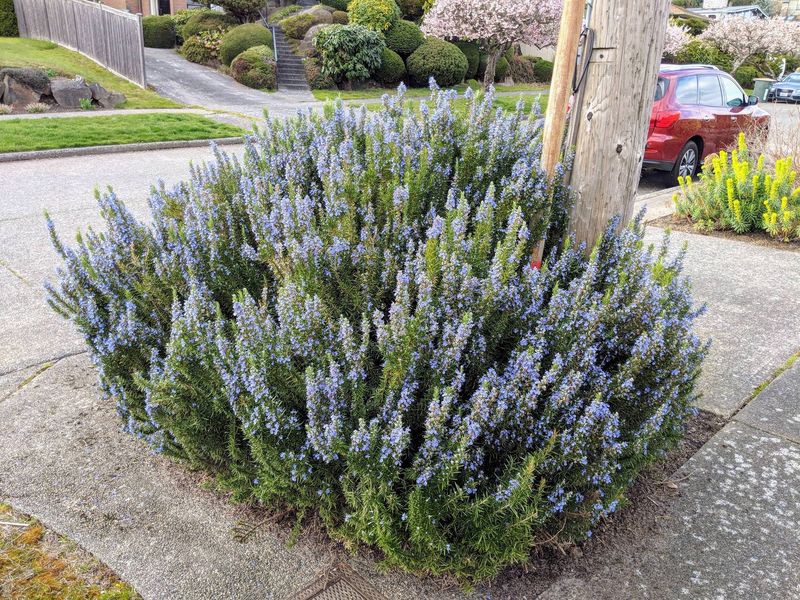
Watering rosemary feels simple, but most gardeners get it wrong in ways that speed up woody growth. Too much water, too often, is one of the fastest ways to stress this Mediterranean herb.
Frequent shallow watering keeps the top layer of soil moist without training roots to grow deep. Shallow roots mean a weaker plant that reacts to stress by hardening its stems more quickly.
Deep, infrequent watering is the approach that mimics rosemary’s natural habitat. Letting the soil dry out almost completely between waterings encourages roots to reach deeper and grow stronger over time.
In wetter parts of the state, you may barely need to water at all during fall and winter months. Overwatering during rainy seasons is actually a common mistake that leads to root stress and faster rosemary woody growth.
During summer dry spells, water deeply on a longer, spaced-out schedule rather than a little bit every few days. That rhythm keeps roots healthy without creating the soggy conditions rosemary dislikes.
A simple finger test works great for checking soil moisture before you water. Push your finger two inches into the soil near the base of the plant, and if it still feels damp, wait a few more days before adding water again.
Regular Pruning Prevents Premature Woody Growth
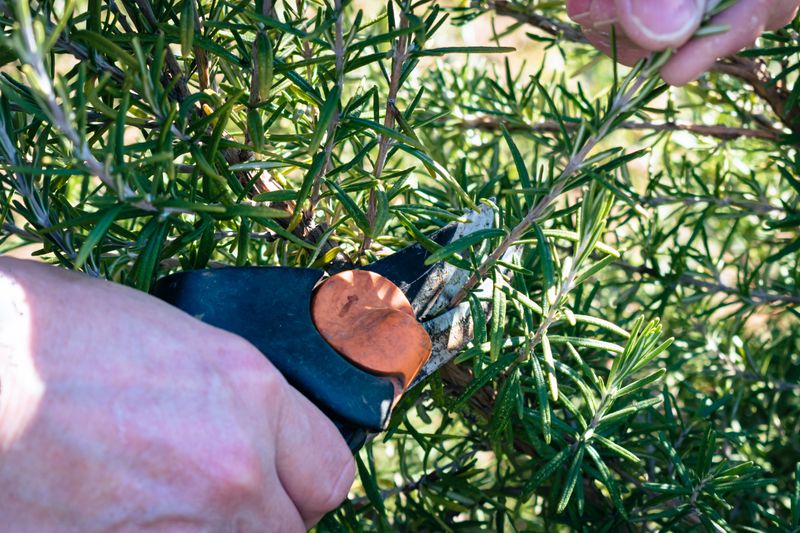
Grab your pruning shears, because this habit might be the single most powerful tool in your gardening kit. Skipping regular pruning is one of the top reasons rosemary gets woody faster than it should.
When you leave stems unpruned for a full season, the plant naturally shifts energy toward thickening and hardening those stems. That process accelerates once stems cross a certain age threshold without being cut back.
Pruning encourages the plant to keep producing fresh, soft, green growth from lower on the stem. That new growth stays harvestable, aromatic, and flexible for much longer than old, untouched stems ever would.
The key rule to remember is to avoid cutting into the brown, woody section of the stem. Woody stems cannot regenerate new growth the way green stems can, so cutting too far back can actually damage your plant.
Aim to trim back about one-third of the plant in early spring, right as new growth begins to emerge. A second light trim in late summer after flowering keeps the shape tidy and stimulates another flush of soft growth.
Consistent pruning is the most reliable strategy for managing rosemary woody growth across any garden climate. Gardeners who prune twice a year often enjoy plants that stay lush, productive, and harvestable for many more seasons than neglected ones.