Texas Citrus Tree Care Checklist Before Summer Heat Hits
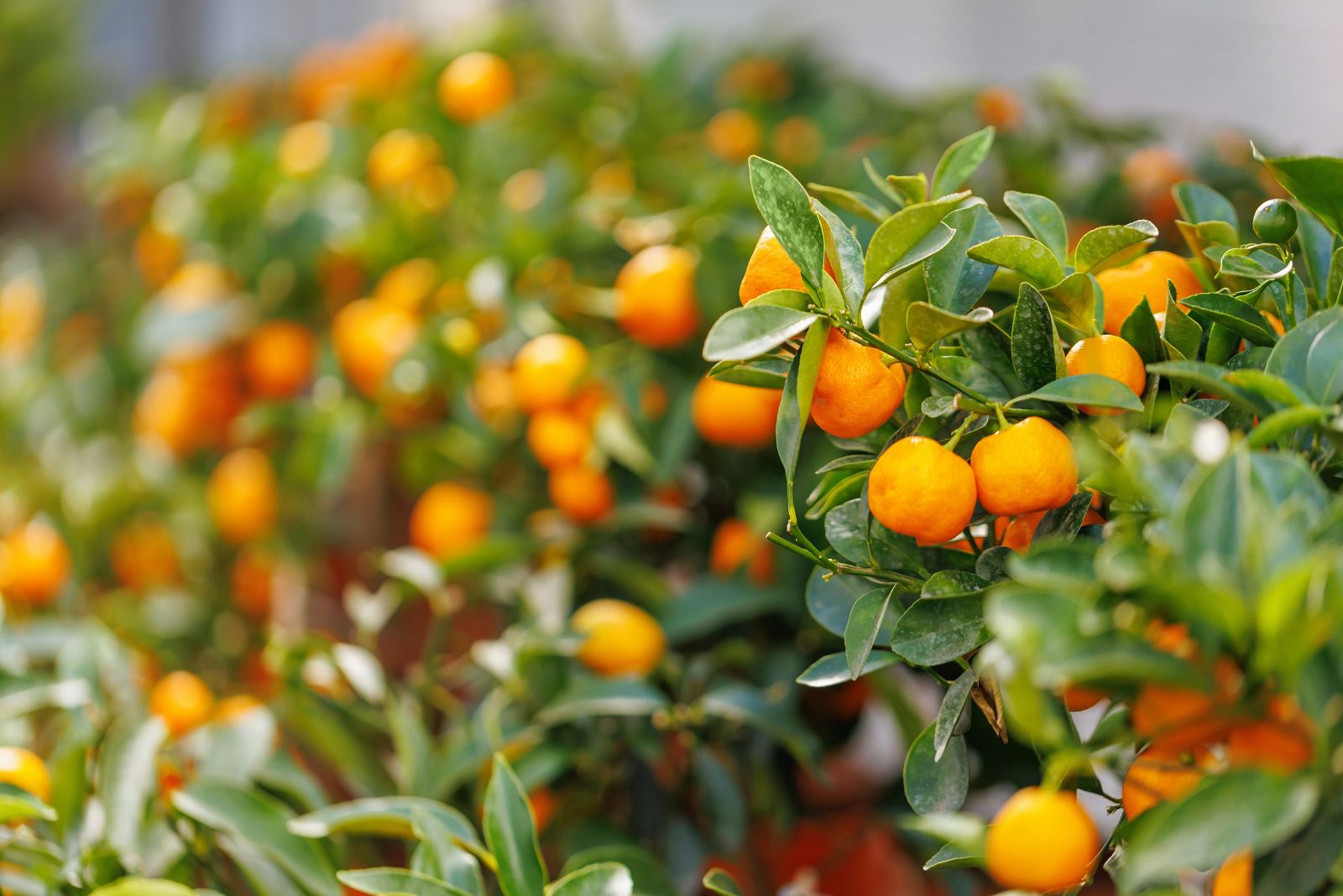
Citrus trees in Texas have a lot working in their favor, and when they are managed well through the right windows of the season, they produce fruit that makes every bit of the effort feel worthwhile.
The period just before summer heat locks in is one of the most important on the entire citrus care calendar, and it tends to get less attention than spring planting or fall harvesting despite how directly it influences what the tree does through the hottest and most demanding months of the year.
A citrus tree that goes into peak summer heat properly prepared handles the stress of that season in a fundamentally different way than one that was left to manage on its own.
Working through a focused checklist right now, covering watering, feeding, pest monitoring, and a few protective measures that most growers skip, gives Texas citrus trees the foundation they need to stay productive and healthy through a summer that is not particularly forgiving to trees that are not ready for it.
1. Inspect For Pests And Diseases
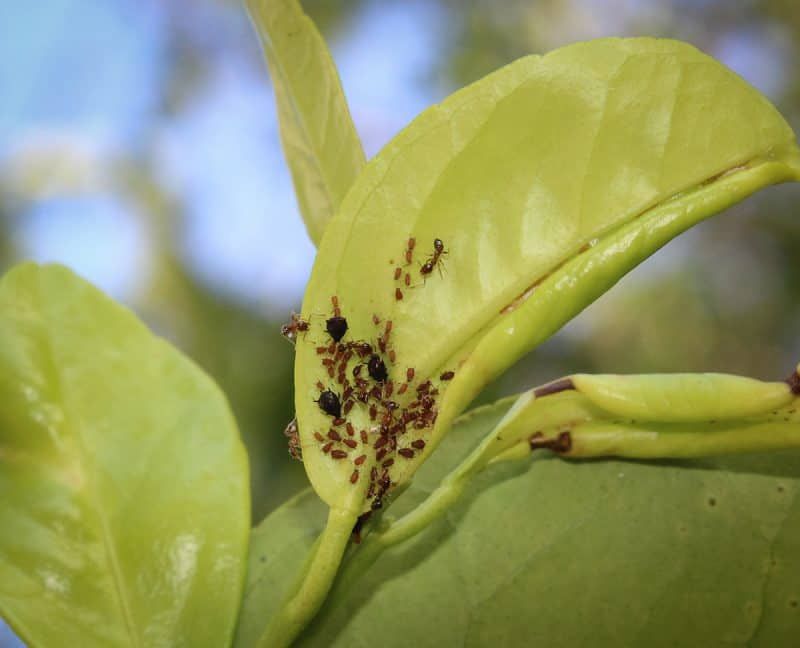
Before summer heat arrives, take a good walk around your citrus trees and look closely at every part of the plant. Flip leaves over and check the undersides, because that is where pests love to hide.
Scale insects look like tiny brown bumps stuck to stems and branches. Aphids are small, soft-bodied bugs that cluster near new growth and cause leaves to curl and yellow.
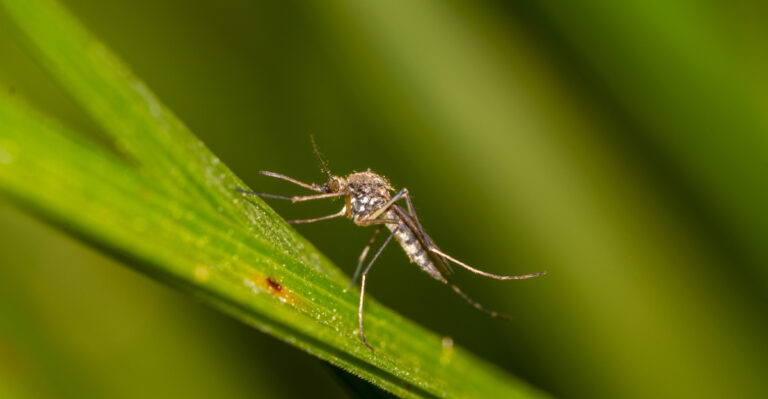
Spider mites are another sneaky problem. They are barely visible to the naked eye but leave behind fine webbing on leaves.
Mites thrive in hot, dry conditions, so catching them early before summer is smart. If you spot any of these pests, treat the tree right away with horticultural oil or insecticidal soap spray.
Both products are safe for citrus and work well when applied correctly. Fungal diseases are also worth watching for in spring. Look for dark spots on leaves, powdery white coatings, or areas where bark looks sunken or discolored.
Citrus canker and greasy spot are two common fungal issues in Texas. A copper-based fungicide can help manage these problems before they spread.
Catching disease early means your tree goes into summer with a clean bill of health, which makes a real difference in how well it performs through the hot months ahead. Always remove any fallen, diseased leaves from the ground around the base of the tree.
Leaving them there allows fungal spores to spread back onto the tree during rain or irrigation. A clean growing environment combined with early treatment sets the foundation for a strong, productive citrus tree all summer long.
2. Prune Dry Or Damaged Branches
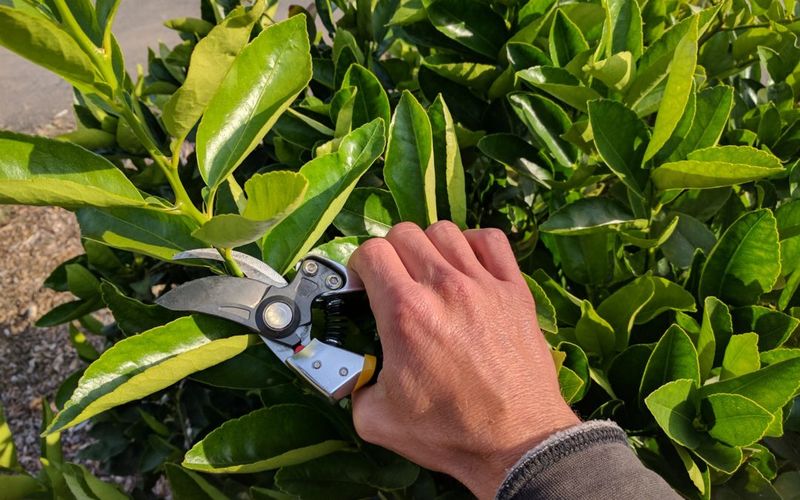
Grab your pruning shears and get ready to give your citrus tree a fresh start. Removing dry or damaged branches before summer is one of the most effective things you can do to protect your tree.
When branches are already stressed or broken, they become entry points for pests and diseases. Getting rid of them early keeps the tree focused on healthy growth instead of trying to recover damaged wood.
Your Texas Garden Changes Every Week. Your Plan Should Too.
Gardening in Texas changes quickly throughout the season. Every Friday you’ll receive a simple weekly plan showing exactly what to plant, prune, fertilize, harvest, and protect so you never miss the right timing.
Good airflow is everything when summer heat kicks in. When branches grow too close together, air cannot circulate properly through the canopy.
That trapped moisture and heat creates the perfect breeding ground for fungal infections. Thinning out crowded areas lets sunlight reach the inner parts of the tree, which helps fruit develop evenly and reduces the risk of disease spreading through dense foliage.
When pruning, always use clean, sharp tools. Dull blades crush stems rather than cutting them cleanly, which creates ragged wounds that heal slowly.
Wipe your shears with rubbing alcohol between cuts, especially if you are removing diseased wood. This simple habit stops you from accidentally spreading infection from one branch to another.
Cut at a slight angle just above a healthy bud or branch junction. Avoid leaving long stubs, because they dry out and attract wood-boring insects.
After pruning, step back and look at the overall shape of the tree. A well-balanced canopy distributes weight evenly and holds up better against the strong Texas winds that often come with summer storms.
Proper pruning now means less cleanup and fewer problems when the hottest days arrive.
3. Deep Watering Before Heat Peaks
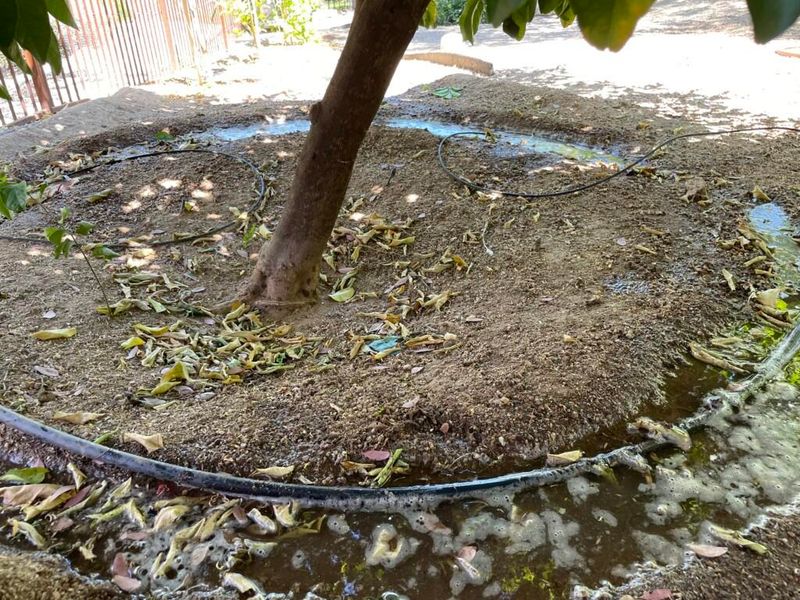
Water is the single most important thing your citrus tree needs before summer heat peaks. Most people water too often but not deeply enough.
Shallow watering only wets the top few inches of soil, which encourages roots to stay near the surface. Surface roots are much more vulnerable to heat and drought. Deep watering pushes moisture down into the root zone where it is actually useful.
A slow, deep soak is the best method. Use a soaker hose or drip irrigation and let it run for an extended period, allowing water to penetrate at least 12 to 18 inches into the soil.
This encourages roots to grow downward in search of moisture, which makes the tree far more resilient during dry spells.
The goal is to fully saturate the root zone before the extreme heat sets in, giving the tree a strong water reserve to draw from. Timing your watering also matters. Early morning is the best time to water citrus trees.
Morning watering allows the soil to absorb moisture before the hottest part of the day, which reduces evaporation significantly. Watering in the evening can leave foliage wet overnight, which increases the risk of fungal problems.
During a Texas summer, established citrus trees generally need a deep watering once or twice a week depending on soil type and rainfall. Sandy soils drain faster and may need more frequent attention, while clay soils hold moisture longer.
Check soil moisture before each watering by pushing a finger or a wooden dowel a few inches into the ground. If it comes out dry, it is time to water.
Staying consistent with deep watering protects fruit quality and keeps your tree strong all season.
4. Apply Mulch Around The Base
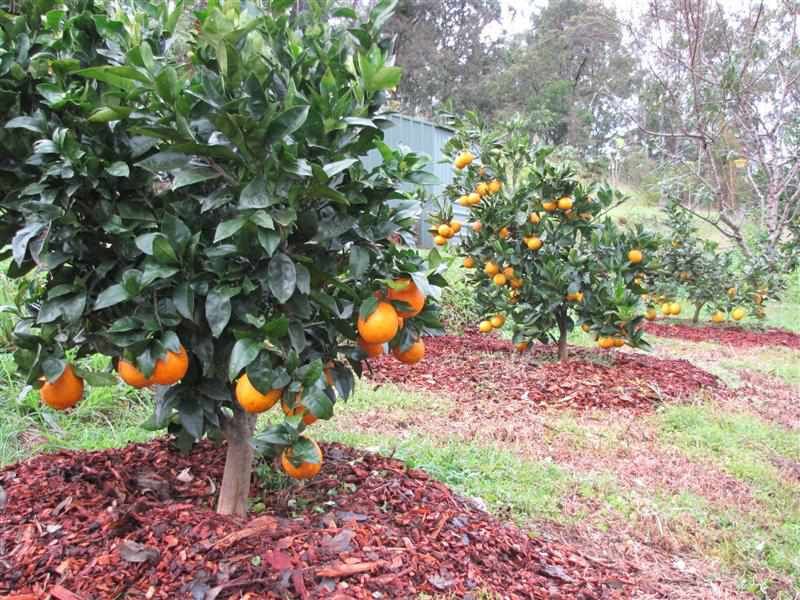
Mulch might not look exciting, but it is one of the hardest-working tools in your citrus care routine. Spreading a layer of organic mulch around the base of your tree before summer does several important things at once.
It slows down water evaporation from the soil, which means your tree stays hydrated longer between waterings. In Texas, where the sun beats down relentlessly, that moisture retention can be a game changer.
Aim for a layer that is about two to four inches thick. Spread it out in a wide circle that extends to the drip line of the tree, which is roughly where the outermost branches reach.
This covers the majority of the root zone and gives the best protection. Keep the mulch a few inches away from the trunk itself.
Piling mulch directly against the bark traps moisture and creates conditions where rot and fungal infections can develop at the base of the tree.
Organic mulches like wood chips, shredded bark, or compost are excellent choices. As they break down over time, they add nutrients back into the soil and improve its overall structure.
Mulch also acts as a natural insulator, keeping soil temperatures cooler during the hottest parts of the day. Did you know that mulched soil can be up to 10 degrees cooler than bare soil?
That temperature difference is significant for root health during a Texas summer. On top of all that, mulch suppresses weed growth, which means less competition for water and nutrients.
Refreshing your mulch layer each spring before the heat arrives is a simple habit that pays off in a big way throughout the summer months ahead.
5. Fertilize Appropriately
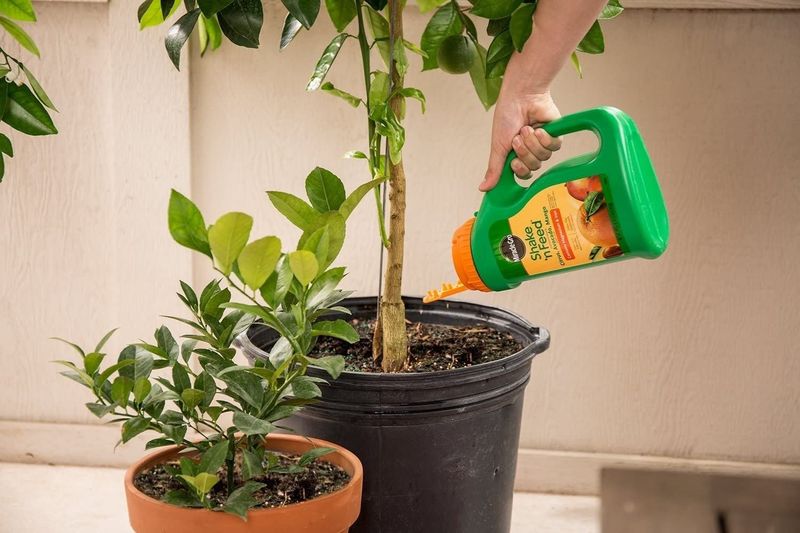
Feeding your citrus tree the right nutrients before summer is like packing a healthy lunch before a long day. Your tree needs fuel to push through the intense heat, maintain its fruit, and keep producing strong new growth.
A citrus-specific fertilizer is the best choice because it is formulated with the right balance of nitrogen, potassium, phosphorus, and key micronutrients like iron, zinc, and manganese that citrus trees rely on heavily.
Nitrogen is what drives leafy green growth and keeps the canopy lush. Potassium supports overall tree health, helps with water regulation inside the plant, and improves fruit quality.
Micronutrients like iron and manganese are especially important in Texas, where alkaline soils can lock these elements up and make them unavailable to the tree.
Yellowing leaves with green veins, a condition called chlorosis, is a sign that your tree may be lacking iron or manganese. A foliar spray or soil drench with chelated micronutrients can correct this quickly.
Spring is the ideal time to fertilize because the tree is actively growing and can put those nutrients to immediate use. Follow the package directions carefully and avoid over-fertilizing.
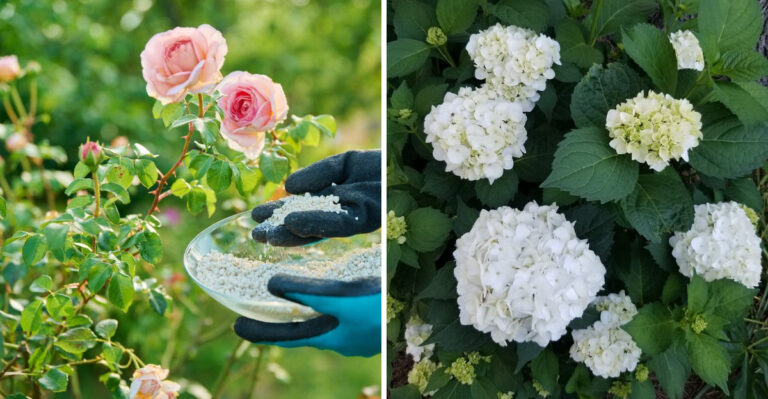
Applying too much nitrogen right before summer can push out a flush of soft, tender growth that gets scorched by the heat. Spread granular fertilizer evenly under the canopy out to the drip line, then water it in thoroughly.
For container-grown citrus, liquid fertilizer works faster and is easier to control. Keeping a regular fertilizing schedule from spring through early fall gives your tree the steady nutrition it needs to stay productive and resilient during the toughest months of the Texas growing season.
6. Monitor Soil And Drainage
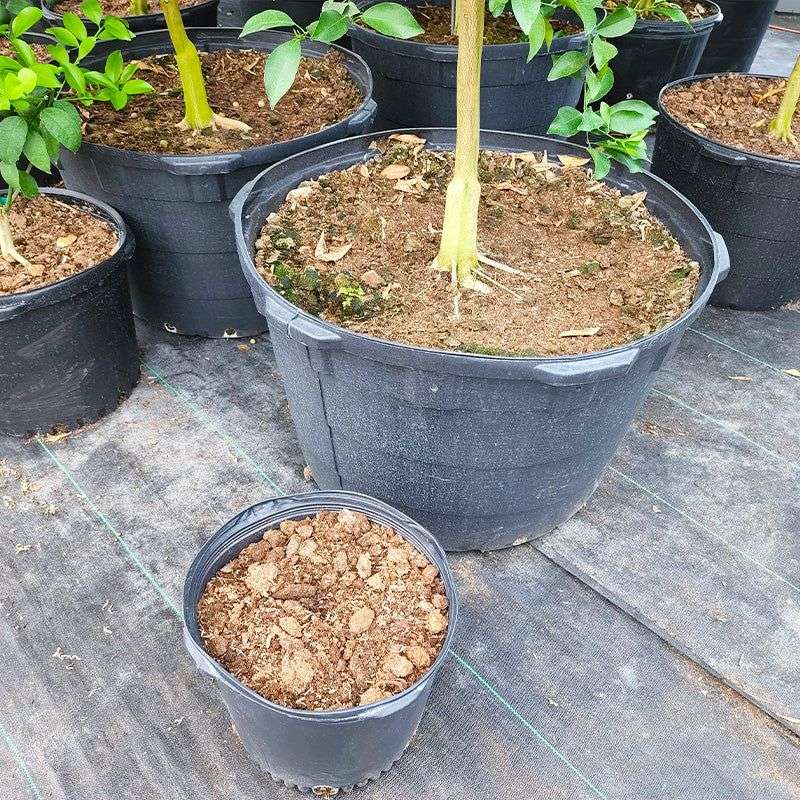
Healthy soil is the foundation of a healthy citrus tree, and checking your soil before summer is a step that many gardeners overlook. Citrus trees are notoriously sensitive to waterlogged conditions.
Roots sitting in poorly drained soil cannot absorb oxygen properly, which weakens the tree and opens the door to root rot. Before the summer rainy spells arrive, make sure water drains freely from the soil around your tree.
A simple drainage test can tell you a lot. Dig a hole about 12 inches deep near the drip line and fill it with water.
Watch how quickly the water soaks in. If it drains within an hour or two, you are in good shape.
If water is still sitting in the hole after several hours, your drainage needs attention. Mixing in organic compost or coarse sand can help break up compacted or clay-heavy soil and improve its ability to drain.
Raised planting beds and mounded soil around citrus are also popular fixes in Texas landscapes with heavy clay soils.
Monitoring soil moisture regularly throughout the growing season is just as important as fixing drainage issues. A basic soil moisture meter is an inexpensive tool that takes the guesswork out of watering.
Push the probe a few inches into the soil and check the reading before you turn on the hose. Overwatering is actually one of the most common mistakes citrus growers make, and it can be just as harmful as underwatering.
Staying aware of how your soil behaves after rain and during dry stretches lets you adjust your watering schedule intelligently. Healthy, well-drained soil gives your citrus tree the stable environment it needs to handle whatever the Texas summer throws at it.