The Unlikely Ingredient Changing How Maryland Gardens Grow And Thrive Right Now
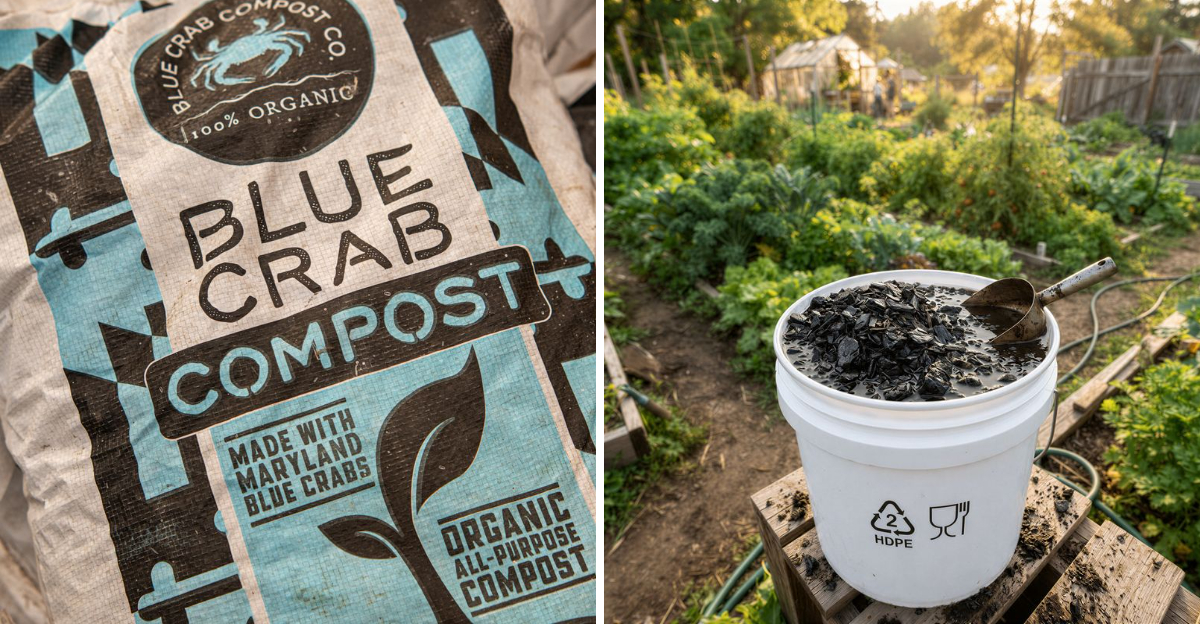
Crab shells pile up quickly after a Maryland crab feast. You discard them without thinking twice.
That habit might be limiting your garden’s real, measurable potential. Chitin, calcium, and nitrogen wait inside every shell.
Gardeners along the Chesapeake Bay discovered this before you did. Soon entire Maryland neighborhoods started blending shells directly into soil.
Soil treated this way changes noticeably within just a few days. Roots grow deeper and stems grow thicker quickly.
Leaves darken, blooms multiply, and growth accelerates almost overnight for you. Nothing about this shift feels slow or subtle.
Backyard plots and raised beds respond to it quite equally. Farmers noticed the pattern early, then home gardeners followed.
Every crab feast now holds value you can use. Curiosity about this method spreads faster than most expect.
Word travels quickly once results become impossible to ignore. Never again will you look at leftover crab shells the same way.
Why Crab Shell Compost Is Trending Around The Chesapeake Bay
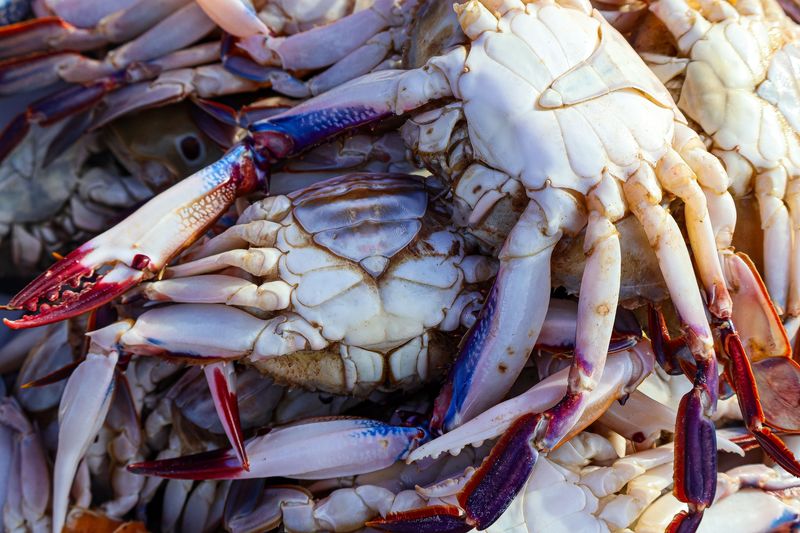
Blue crab season and gardening season overlap perfectly in this region. That happy coincidence is a big part of why crab shell compost is growing in popularity around the Bay.
For generations, families cracked crabs on newspaper and tossed the shells without a second thought. Now those same shells are being saved, dried, and worked into garden beds across the mid-Atlantic.
Local gardening clubs and farmers markets are well-positioned to offer shell-composting resources, and interest in pre-crushed crab shell amendments has been growing among home gardeners looking to try the method.
Social media has helped fuel the trend too, with gardening posts and forums increasingly featuring crab-amended soil as a topic of interest among curious home gardeners.
The timing makes sense on a practical level as well. As more people look for ways to reduce waste and grow food sustainably, crab shells offer a hyper-local solution that feels personal and connected to Bay culture.
Seafood processors along the shoreline have historically paid to haul shell waste away. Partnering with community gardens to put those shells to use instead offers a way to cut costs while supporting neighborhoods at the same time.
There is also a sense of regional pride baked into this trend. Using a beloved Bay tradition to grow better gardens feels right to people who care deeply about this waterway.
Crab shell compost is not just a gardening tip. It is a way of reconnecting with a local tradition that has fed communities here for centuries.
What Makes Crab Shells A Valuable Compost Ingredient
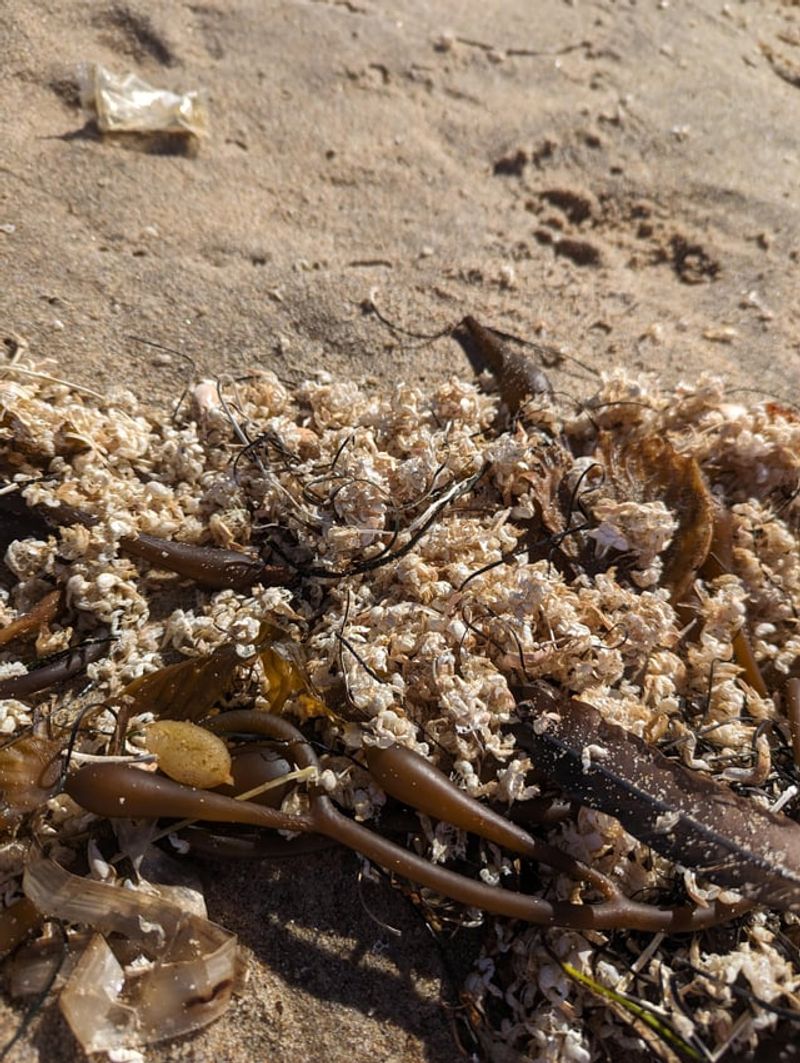
Crack open a crab shell and you are looking at a concentrated source of nutrients. Few organic materials pack as much gardening value into such a compact, tough package.
The big star inside crab shells is chitin, a natural compound that acts like armor for the shell. When chitin breaks down in soil, it feeds beneficial microbes that can help suppress certain harmful root diseases.
Calcium is another heavy hitter found in abundance inside these shells. Plants like tomatoes and peppers need steady calcium, along with consistent watering, to help prevent blossom-end rot, a common issue for many home growers.
Your Maryland Garden Changes Every Week. Your Plan Should Too.
Gardening in Maryland changes quickly throughout the season. Every Friday you’ll receive a simple weekly plan showing exactly what to plant, prune, fertilize, harvest, and protect so you never miss the right timing.
Nitrogen is also present in meaningful amounts. That makes crab shells a legitimate fertilizer source, not just a soil conditioner, which is a distinction that gets gardeners genuinely interested.
Phosphorus shows up too, though in smaller quantities. Together, these nutrients create a slow-release feeding system that keeps working in your soil for months after application.
One often-overlooked benefit is the physical structure shells add to soil. As they break down, they create tiny air pockets that improve drainage and root penetration in dense or compacted ground.
The chitin specifically has been studied by university researchers for its potential to suppress nematodes and fungal pathogens. That means fewer plant problems without reaching for chemical sprays.
Compared to store-bought fertilizers, crab shells offer a more complex and lasting benefit. You are not just feeding plants. You are building a healthier, more resilient soil ecosystem from the ground up.
Benefits Of Crab Shell Compost For Garden Soil And Plants
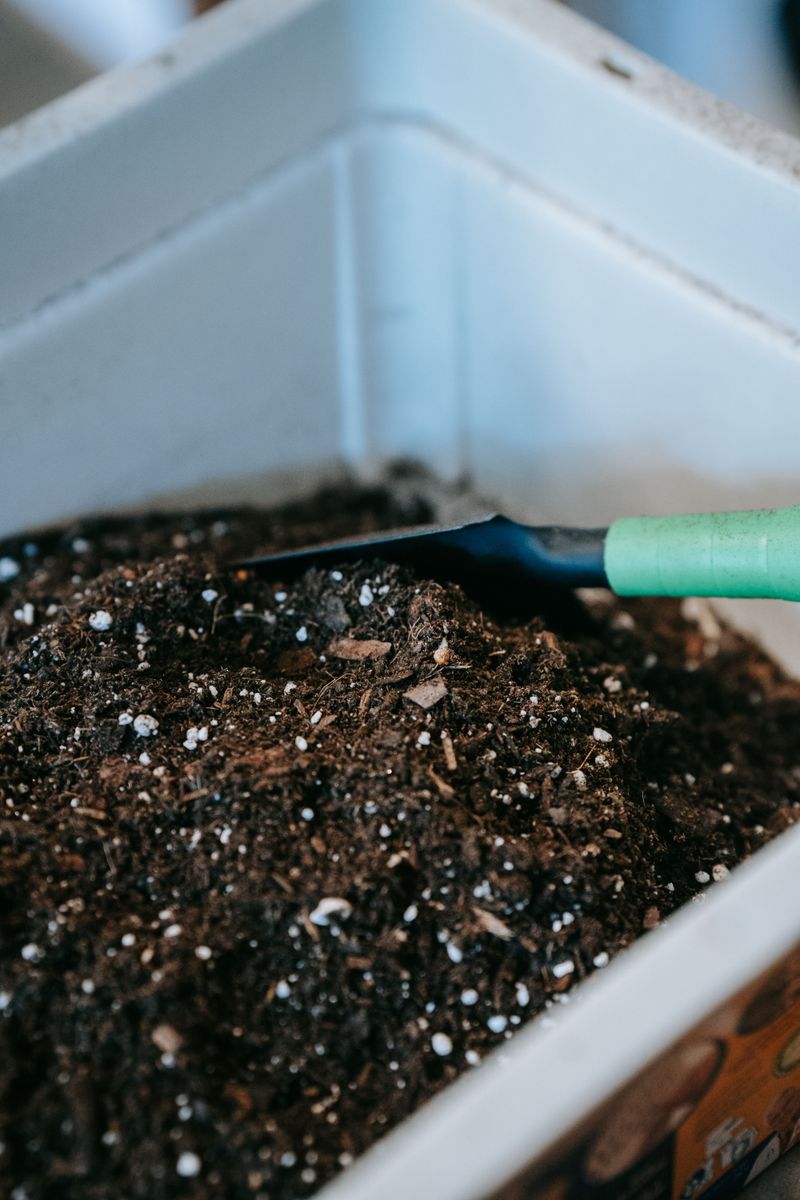
Some gardeners report that soil treated with crab shell compost looks noticeably different after just one season. The soil gets darker, looser, and more alive with earthworm activity.
Earthworms are strongly attracted to chitin-rich amendments. More worms mean better aeration, improved drainage, and faster breakdown of other organic matter already in your beds.
Tomatoes are often the first plants where gardeners notice a change. Some report larger fruit and fewer cases of blossom-end rot, likely thanks to the steady calcium supply combined with consistent watering.
Pepper plants respond similarly, producing thicker stems and more fruit per plant in some cases. Maryland gardeners report harvests that compare favorably to previous seasons, though results vary by soil type and growing conditions.
Leafy greens like kale and lettuce get a nitrogen boost that can translate into deeper green color and faster growth. The difference in leaf color alone can be noticeable after a few weeks.
Root vegetables may benefit from improved soil structure. Carrots and radishes tend to grow straighter and longer when the ground is loose and well-aerated from decomposing shell fragments.
One underappreciated benefit is potential pest suppression. The chitin in shells can trigger a natural defense response in plants, possibly making them somewhat more resistant to certain insects and fungal issues.
Soil pH may also shift slightly toward neutral when calcium-rich shells break down. For Bay-area gardens that often lean acidic, that gentle correction can make a meaningful difference in overall plant health.
Crab shell compost is not a miracle cure, but the cumulative benefits across an entire growing season can add up to something noticeable for any dedicated home gardener.
Preparing And Composting Crab Shells The Right Way
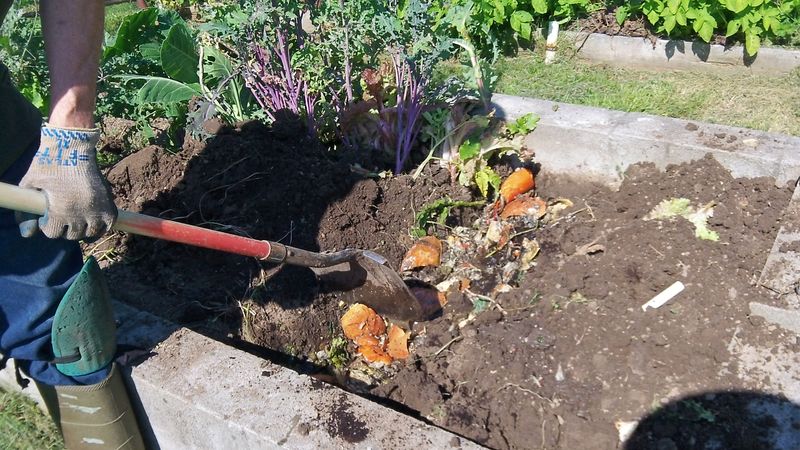
Fresh crab shells smell unpleasant if you just toss them into a pile and forget about them. Doing the prep work correctly is what separates a successful batch from an odor problem.
Start by rinsing the shells thoroughly with a garden hose right after your crab feast. Removing meat scraps and seasoning residue cuts down on odor and speeds up the composting process significantly.
Next, spread the rinsed shells on a screen or mesh surface in direct sunlight. A few days of sun-drying removes moisture and makes the shells brittle enough to crush easily.
Crushing is the most important step. Smaller pieces break down far faster than whole shells, so grab a mallet, a rolling pin, or even an old blender to grind them into coarse fragments.
Aim for pieces no larger than a quarter. Dust-fine powder works too and can even be applied directly to soil without composting first, giving plants a quicker nutrient boost.
Add crushed shells to a standard compost bin layered with brown materials like dried leaves or cardboard. The carbon-rich browns balance the nitrogen in the shells and keep odors in check.
Turn the pile every week or two to keep oxygen flowing. Shells take longer to break down than food scraps, so patience is part of the process here.
Shell-amended compost typically takes longer than food scraps to fully break down, often extending into several months, depending on particle size, pile conditions, and weather.
The result is a dark, crumbly material with an earthy smell that your Maryland garden beds will likely respond well to.
Best Ways To Use Crab Shell Compost In Maryland Gardens
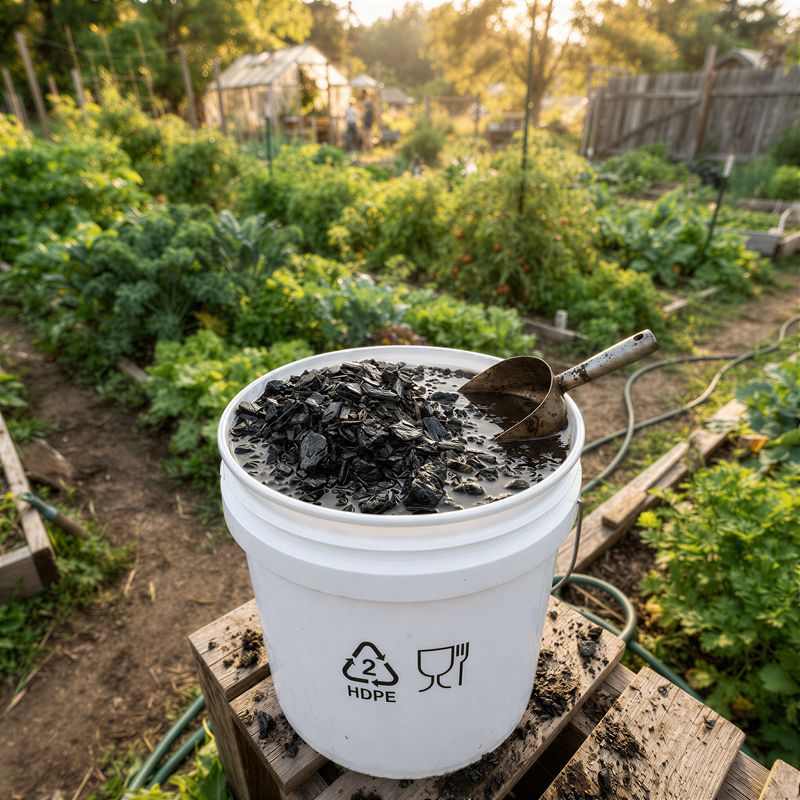
Knowing how to apply crab shell compost correctly makes a real difference between good results and great ones. Placement and timing matter just as much as the compost itself.
The most straightforward method is mixing finished compost directly into planting beds before the growing season starts. Work it into the top several inches of soil for good root contact, adjusting depth based on the size of your plants’ root systems.
Top-dressing is another popular approach that works well mid-season. Spread a one-inch layer of shell compost around the base of established plants and let rain and watering do the rest.
Raised bed gardeners often start with a small proportion of shell compost blended into their regular mix, adjusting the ratio based on soil testing and plant response. That balance feeds plants without overwhelming the soil chemistry.
For container gardeners, crushed shell powder can be stirred into potting soil before planting. Containers tend to lose nutrients faster, so the slow-release nature of shell amendments is especially helpful here.
Strawberry patches may respond well to a light shell compost top-dressing in early spring. The calcium boost can support fruit development, and the chitin may help suppress the gray mold that plagues strawberry growers.
Garlic growers in the region have started adding shell compost at planting time in fall. The slow breakdown through winter means nutrients are ready and waiting when bulbs start pushing growth in spring.
No matter your Maryland garden style, crab shell compost fits in somewhere. Start small, watch how your plants respond, and scale up from there gradually.
Environmental And Sustainability Impact For The Bay Region
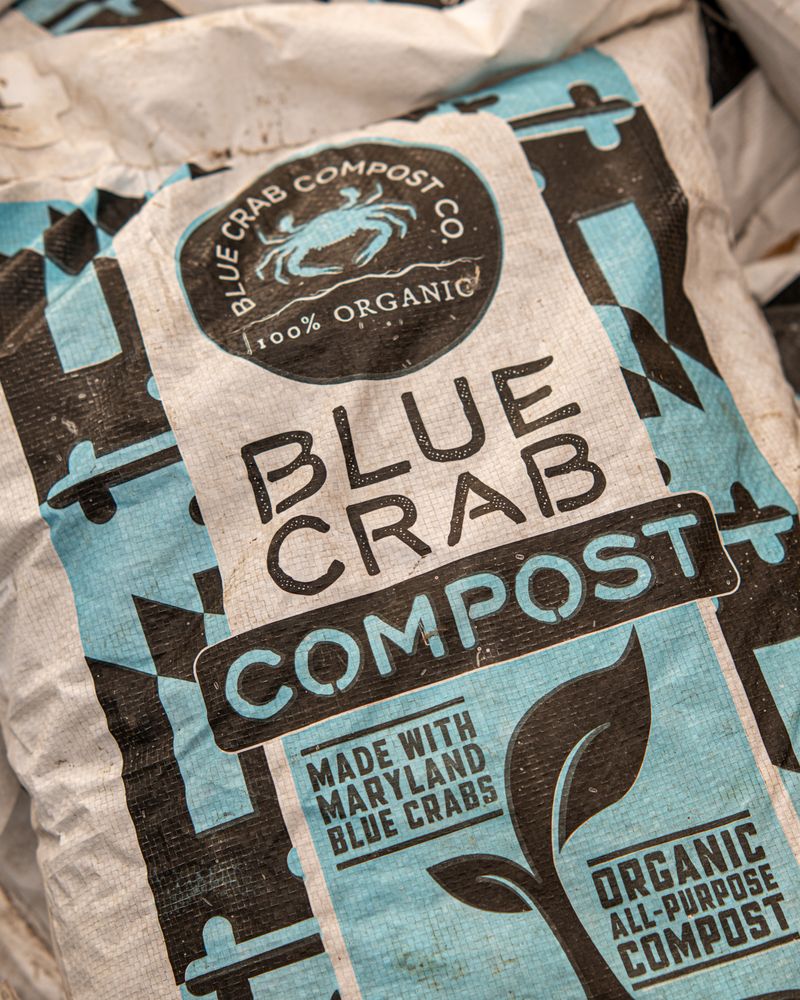
Every pound of crab shell diverted from a landfill is a small win for the planet. Multiply that across many Bay-area households and the impact becomes measurable.
Seafood processing plants near the water generate large volumes of shell waste each season. Finding productive uses for that material can help reduce methane emissions from decomposing organic matter in overcrowded landfills.
Synthetic fertilizers require significant fossil fuel energy to manufacture and transport. Replacing even a portion of that chemical input with local shell compost can shrink a garden’s carbon footprint in a measurable way.
Runoff from synthetic fertilizers has long been a serious problem for the Chesapeake Bay. Excess nitrogen and phosphorus from lawns and gardens feed algae blooms that deplete oxygen levels harmful to aquatic life in the waterway.
Crab shell compost releases nutrients slowly and in smaller amounts. That gradual release can mean less runoff reaching storm drains and ultimately the Bay itself, which matters for water quality.
Local sourcing is another sustainability advantage that often goes unmentioned. Shell amendments gathered from nearby crab houses require minimal transportation, keeping the supply chain short and the emissions low.
Community composting programs built around crab shells also strengthen neighborhood connections. Sharing shells, knowledge, and finished compost builds the kind of local resilience that environmental advocates have championed for decades.
Crab shell compost represents the kind of circular thinking the Bay region can benefit from right now. Turning a beloved cultural tradition into an environmental solution feels deeply connected to Chesapeake tradition.