Vegetables Missouri Gardeners Should Feed Now For A Heavier July Harvest
Missouri doesn’t ease into summer, it slams the door on spring almost overnight. One warm week turns into three, humidity rolls in, and suddenly your garden is working twice as hard just to keep up.
What you feed your plants right now sets up either a strong July harvest or a patch of stressed, stunted stems. Vegetables pull nutrients fast once they start setting fruit, and tired soil means smaller yields and blander flavor.
This isn’t about dumping on more fertilizer and hoping for the best. It’s about feeding the right crops the right way, at the exact moment they’re building toward their biggest push of the season.
Get the timing right now, and Missouri’s brutal summer stops being a threat to your garden and starts being the thing that makes it thrive.
1. Tomatoes
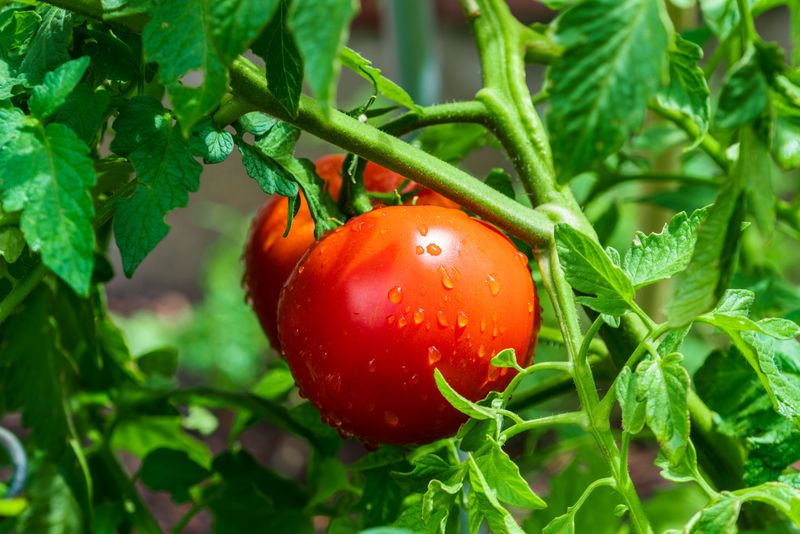
Tomatoes are the crown jewel of any summer garden. Feed them wrong, and you will get all leaves and no fruit.
Right now is prime time to give tomatoes a phosphorus-rich fertilizer. Phosphorus drives root strength and flower production, both of which lead to heavier harvests in July.
Skip high-nitrogen feeds at this stage of growth. Too much nitrogen pushes leafy green growth instead of fruit, leaving you with a beautiful bush and an empty salad bowl.
A phosphorus-and-potassium-rich 5-10-10 fertilizer works wonderfully for tomatoes at this point. Work it lightly into the soil around the base, keeping it several inches from the stem.
Tomatoes in Missouri also benefit from calcium supplementation right now. Blossom end rot is a common summer heartbreak, and consistent calcium feeding prevents it before it starts.
Crushed eggshells mixed into the soil add slow-release calcium over weeks. Liquid calcium sprays give faster results if you want quicker action.
Water deeply after every feeding session. Tomatoes need moisture to move nutrients from soil to stem to fruit.
Mulching around the base locks in that moisture and keeps soil temperature steady. Missouri summers can spike quickly, and steady roots mean steady production.
Stick to that two-week feeding rhythm through June, and your vines will reward you with fruit worth building a whole dinner around.
2. Peppers
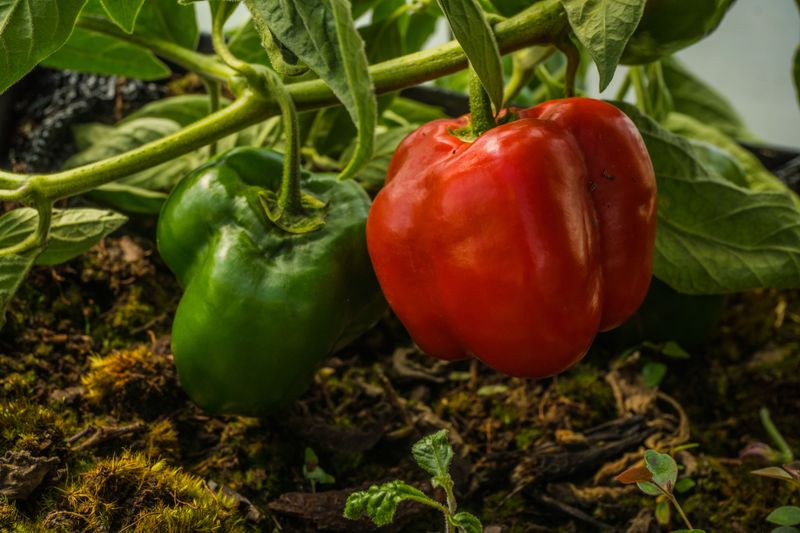
Peppers are slow starters, but they explode with fruit once they hit their stride. Feeding them correctly right now sets up that explosive mid-summer payoff.
Potassium is the magic nutrient for peppers at this stage. It strengthens cell walls, improves fruit size, and helps plants handle Missouri’s brutal summer heat without dropping blooms.
A fertilizer labeled 5-10-10 or even 8-16-16 works great for peppers heading into summer. Apply it around the drip line, not directly against the stem.
Avoid heavy nitrogen applications on peppers right now. Nitrogen at this stage causes lush foliage but delays and reduces fruit set significantly.
Epsom salt is a beloved trick among seasoned gardeners. A tablespoon dissolved in a gallon of water and applied every few weeks adds magnesium, which boosts pepper flavor and color.
Your Missouri Garden Changes Every Week. Your Plan Should Too.
Gardening in Missouri changes quickly throughout the season. Every Friday you’ll receive a simple weekly plan showing exactly what to plant, prune, fertilize, harvest, and protect so you never miss the right timing.
Peppers love warm soil, so make sure daytime soil temperatures are consistently above 65 degrees before heavy feeding begins. Cold soil makes it much harder for roots to absorb nutrients, even with regular feeding.
Consistent watering between feedings matters just as much as the fertilizer itself. Irregular watering causes blossom drop and stunted fruit development in peppers.
Drip irrigation is ideal for peppers because it keeps moisture levels steady without wetting the foliage. Wet leaves invite fungal problems in humid Missouri summers.
Stay consistent with feeding through early July, and a single well-fed pepper plant can keep your kitchen stocked for weeks.
3. Squash
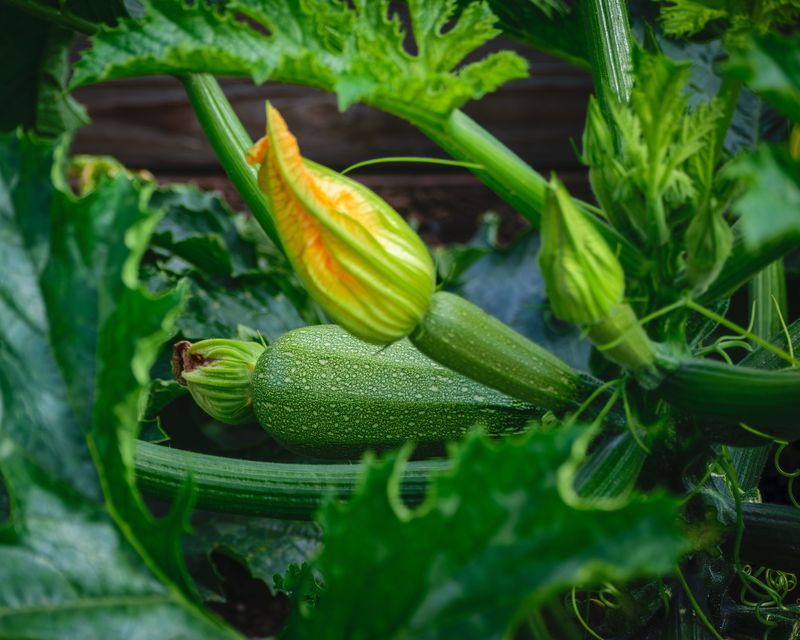
Squash grows fast, eats heavy, and rewards generous gardeners with abundance. If you have ever walked out to find a zucchini that seemed to double in size overnight, you understand how quickly squash moves.
Right now, squash plants need a balanced fertilizer to support both their sprawling vines and developing fruit. A 10-10-10 granular blend scratched into the soil works beautifully at this stage.
Nitrogen helps squash build the large, sturdy leaves that power photosynthesis all summer long. Without enough nitrogen early on, plants struggle to produce the energy needed for heavy fruiting.
Once flowers begin forming, shift toward a lower-nitrogen, higher-phosphorus feed. This transition encourages more blooms and better fruit set across the plant.
Squash plants are heavy feeders, meaning they pull nutrients from the soil faster than most vegetables. Side-dressing with compost every few weeks replenishes what they consume.
Boron is a trace mineral that squash craves for healthy fruit development. A light foliar spray with a boron-containing micronutrient blend helps prevent hollow or misshapen squash.
Mulch generously around squash plants to hold soil moisture and reduce weed competition. Squash roots spread wide and shallow, so they appreciate a cool, moist soil environment.
Watch for powdery mildew as temperatures rise, since stressed plants are far more vulnerable. Healthy, well-fed squash resists disease better than nutrient-starved ones.
Stick to a ten-to-fourteen-day feeding schedule, and you’ll have more zucchini than your kitchen counter can hold.
4. Cucumbers
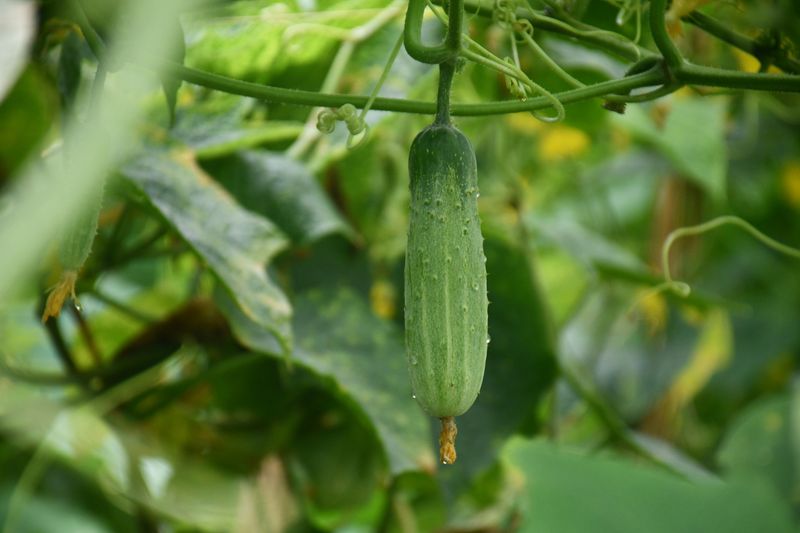
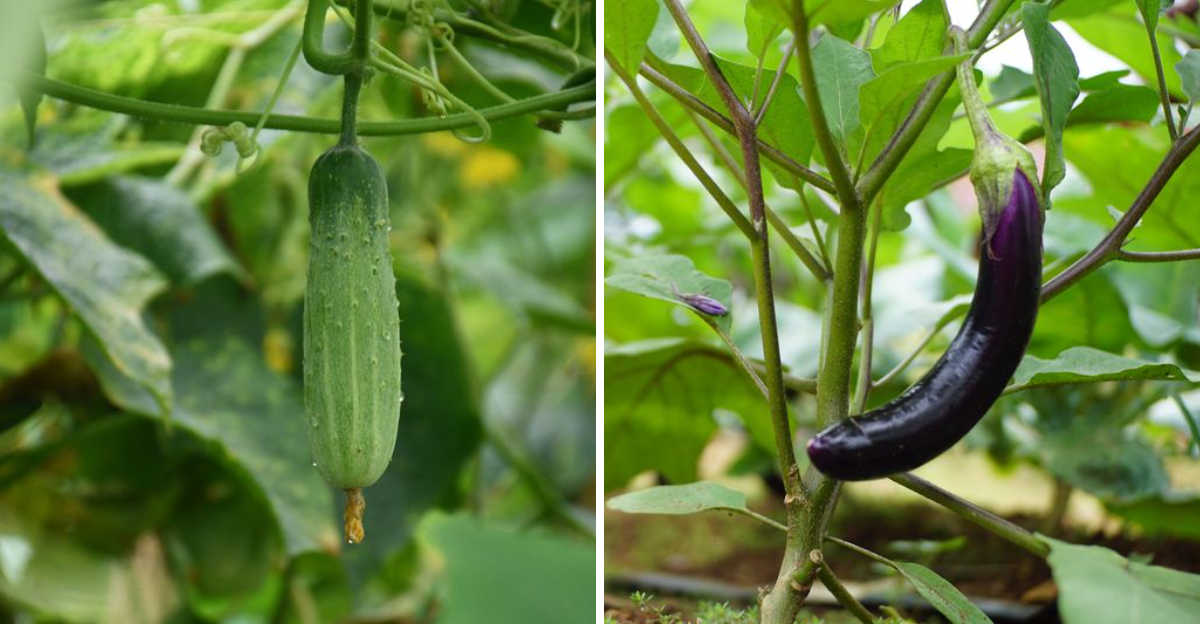
Cucumbers are thirsty, hungry climbers that need consistent care to perform at their peak. Feed them well now, and July will bring crisp, cool cucumbers ready for salads and pickling jars.
Start with a nitrogen-rich fertilizer right after transplanting or once seedlings have four to six true leaves. Nitrogen fuels the vigorous vine growth cucumbers need before fruiting begins.
As soon as you spot the first flower buds, switch to a lower-nitrogen, phosphorus-focused blend. This shift signals the plant to put energy into fruit production rather than vine expansion.
Cucumbers are about 95 percent water by weight, consistent soil moisture makes a real difference. Irregular watering leads to bitter fruit, a frustrating outcome after weeks of careful feeding.
A liquid fertilizer applied every seven to ten days during active growth gives cucumbers the quick nutrient boost they need. Granular options work well too, but liquids act faster in warm soil.
Potassium supports fruit quality and skin texture in cucumbers. A balanced feed that includes potassium helps cucumbers stay firm and flavorful rather than soft and bland.
Trellising cucumbers upward keeps fruit off the ground and improves air circulation around leaves. Better airflow reduces fungal disease, which is a real concern in humid summers.
Foliar feeding with a diluted fish emulsion gives cucumbers an extra boost during peak growing weeks. Spray in the early morning so leaves dry before midday heat arrives.
Stay consistent through June, and your vines will keep producing crisp cucumbers well past the first jar of pickles.
5. Beans
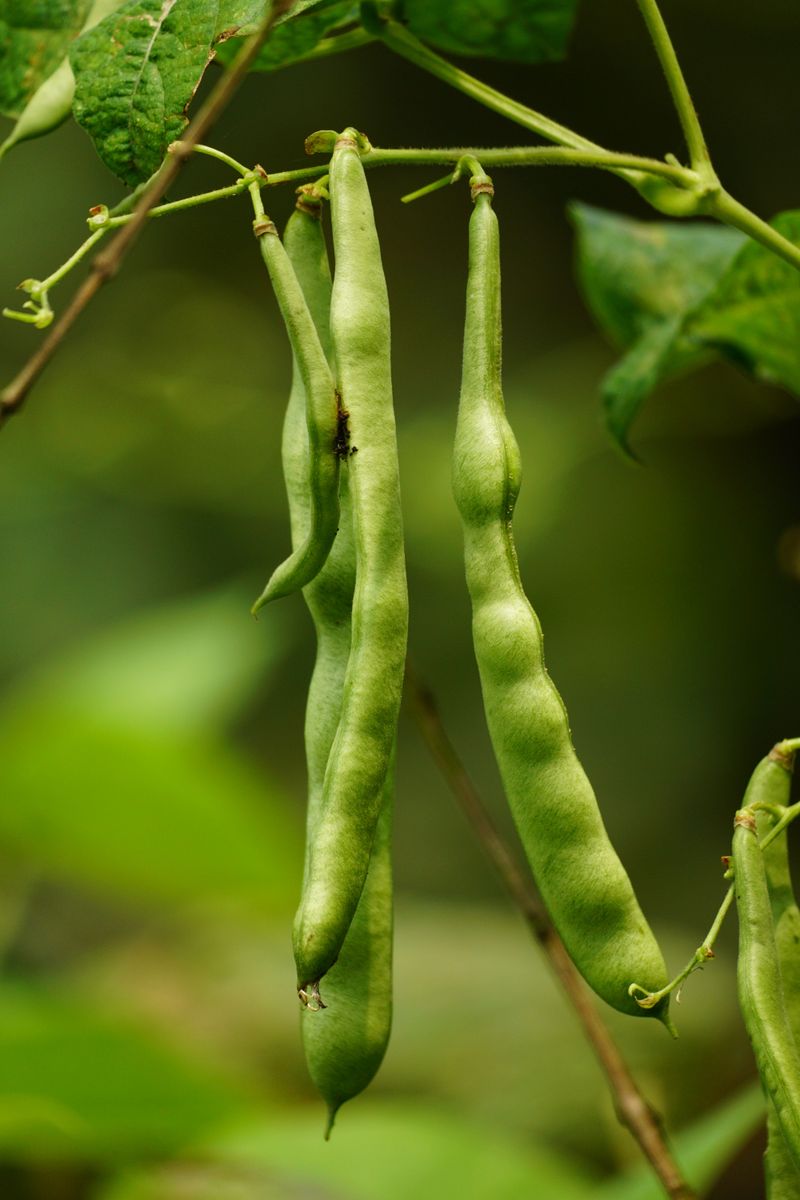
Beans are the quiet overachievers of the summer garden. They fix their own nitrogen from the air, but that does not mean they are totally self-sufficient.
Unlike most vegetables, beans do not need heavy nitrogen feeding because they manufacture it naturally through root nodules. Applying too much nitrogen actually backfires, producing lush plants with very few pods.
What beans do crave is phosphorus and potassium. These two nutrients drive root development, flower formation, and ultimately the plump pods you want filling your harvest basket in July.
A 5-10-10 fertilizer applied at planting and again when plants are six inches tall sets beans up for strong production. Work it gently into the soil to avoid disturbing shallow roots.
Consistent watering between feedings is essential because beans drop blossoms when stressed by drought. Even a few dry days during bloom time can slash your overall pod count dramatically.
Inoculant powder, available at most garden centers, coats bean seeds before planting and boosts nitrogen fixation in the root zone. It is an inexpensive step that pays off in healthier, more productive plants.
Beans also respond well to a light compost side-dressing mid-season. Compost adds trace minerals and improves soil structure, both of which benefit pod quality and overall plant endurance.
Bush beans mature faster than pole varieties, making them ideal for a focused July harvest push. Plant both types for a staggered harvest that keeps fresh beans coming for weeks.
Get the feeding schedule right, and your colander will barely keep up with the pace of picking.
6. Sweet Corn
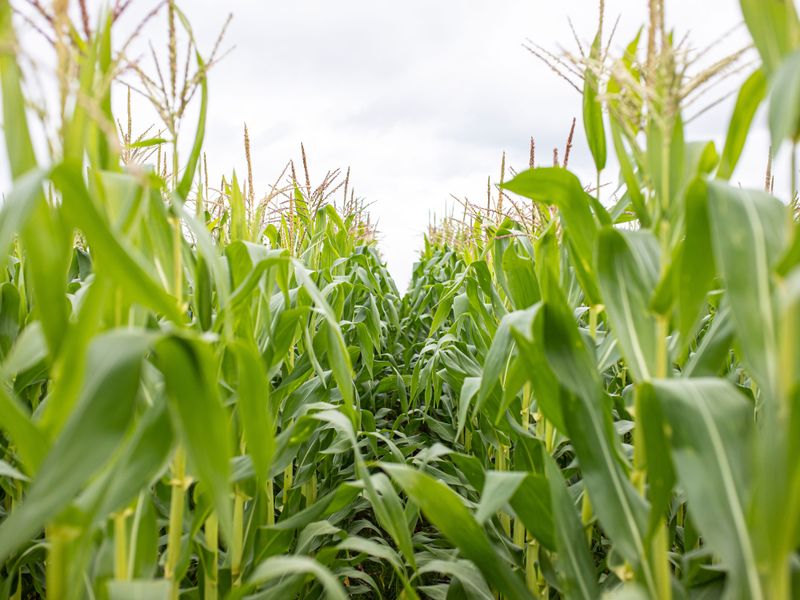
Sweet corn is a heavy feeder and a proud showoff of the summer garden. Those tall, waving stalks demand serious nutrition to produce the sweet, juicy ears everyone looks forward to in July.
Corn is one of the heaviest nitrogen feeders in the garden. Apply a high-nitrogen fertilizer when seedlings are six inches tall, then again when they reach knee height for best results.
Side-dressing is the preferred method for feeding corn mid-season. Sprinkle a nitrogen-rich granular fertilizer along each row, a few inches from the base of the stalks, and water it in well.
Corn also needs zinc for proper ear development and kernel fill. Many soils lack adequate zinc, so a micronutrient blend that includes it can make a noticeable difference in ear quality.
Block planting corn in a grid rather than a single row dramatically improves pollination. Better pollination means fuller ears with no missing kernels, which is the hallmark of a great corn harvest.
Water is just as critical as fertilizer for sweet corn. Each plant needs about an inch of water per week, especially during the tasseling and silking stages when pollination is happening.
Mulching between rows conserves moisture and keeps soil temperature from spiking during summer heat waves. Corn roots go deep, but they still benefit from consistent surface moisture levels.
Avoid overhead watering during pollination because it can wash away pollen before it reaches the silk. Drip irrigation or ground-level watering protects the pollination process effectively.
Get the timing right, and those stalks will hand you ears sweet enough to eat straight off the cob.
7. Okra
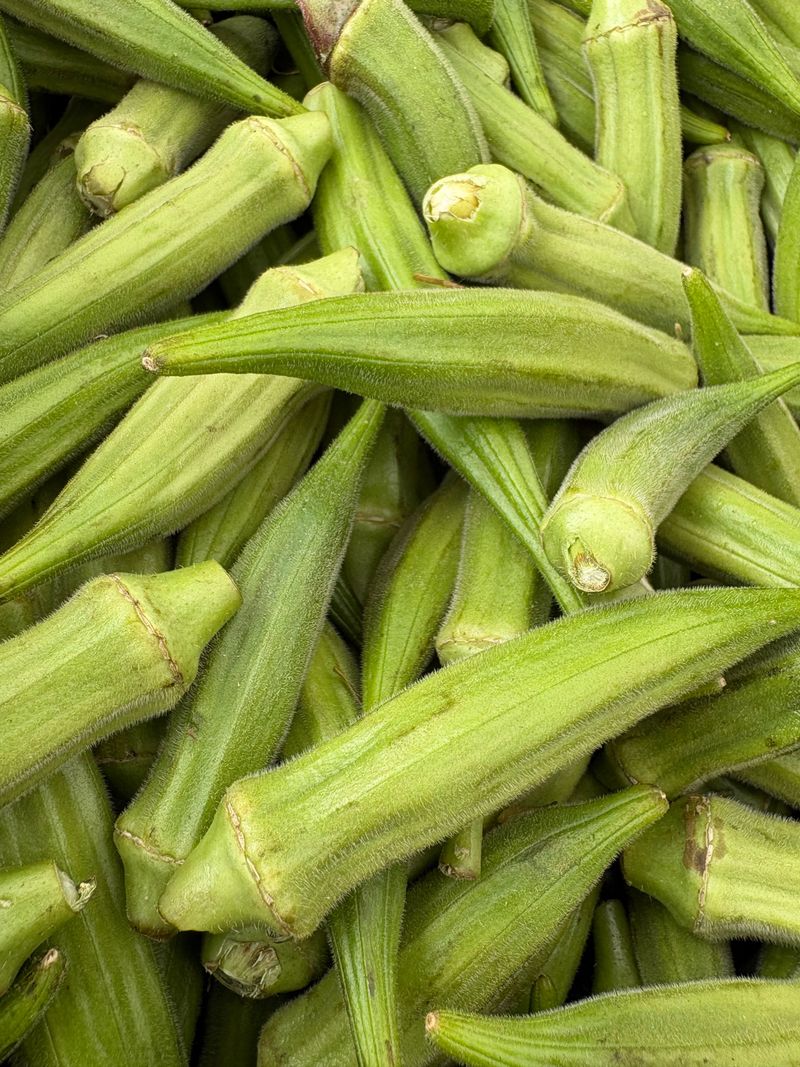
Okra is built for Missouri summers, thriving in heat that wilts other crops. Feed it right now, and it will reward you with a non-stop parade of tender pods all through July.
Start okra with a balanced 10-10-10 fertilizer at planting time. Once plants are established and growing vigorously, shift to a lower-nitrogen, higher-potassium blend to encourage pod formation.
Too much nitrogen on okra produces tall, leafy giants with very few pods. The goal is sturdy, productive plants, not landscape showpieces that forget to fruit.
Okra roots run deep, so deep watering encourages the root system to follow moisture downward. Deep roots make for drought-resilient plants that keep producing even when rain gets scarce.
A light side-dressing of compost every few weeks adds slow-release nutrients and improves soil texture around okra roots. Healthy soil biology supports better nutrient uptake all season long.
Okra pods must be harvested every two to three days once production begins. Leaving oversized pods on the plant signals it to slow down production, cutting your total harvest short.
Foliar feeding with a diluted liquid fertilizer gives okra a mid-season energy boost during peak production weeks. Apply it in the morning so leaves can absorb nutrients before the afternoon sun arrives.
Okra is also a beautiful plant, with hibiscus-like flowers that make the garden look stunning. Feeding it well keeps both the blooms and the pods coming in abundance.
Keep up with harvesting and feeding, and okra will keep pumping out pods long after other crops slow down.
8. Eggplant
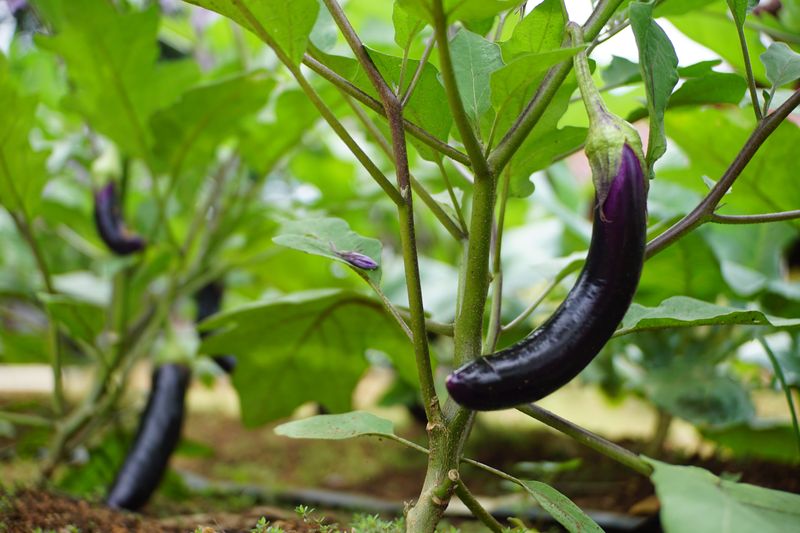
Eggplant is the sleek, sophisticated cousin of the tomato family, and it deserves some serious attention right now. Feed it well before summer heat peaks, and July will bring a generous harvest of glossy, beautiful fruit.
Eggplant is a moderate feeder that responds best to a balanced fertilizer applied every three weeks. A 10-10-10 blend gives it the steady nutrition it needs without pushing excessive leafy growth.
Calcium is especially important for eggplant because it prevents blossom end rot, just like with tomatoes. A liquid calcium supplement applied every few weeks keeps fruit development smooth and blemish-free.
Magnesium supports the deep green leaf color that signals a healthy, productive eggplant. A diluted Epsom salt solution sprayed on leaves every two weeks keeps magnesium levels where they need to be.
Eggplant loves warm soil and struggles when temperatures drop below 60 degrees. Make sure your soil is consistently warm before ramping up fertilization for the best nutrient absorption results.
Consistent moisture between feedings prevents the stress that leads to bitter fruit. Eggplant grown in erratic moisture conditions produces smaller, tougher fruit with less appealing flavor.
Mulching around eggplant keeps soil moisture steady and reduces the need for frequent watering. A thick layer of straw or wood chips around each plant makes a noticeable difference in fruit quality.
Eggplant also benefits from staking as fruit develops because heavy loads can snap branches. Supporting the plant now prevents damage later when July production is at its peak.
Stay consistent with feeding, and eggplant rewards you with glossy, unblemished fruit worth showing off at the table.