This Is Why More Ohio Yards Are Getting Lavender Hedges This Summer
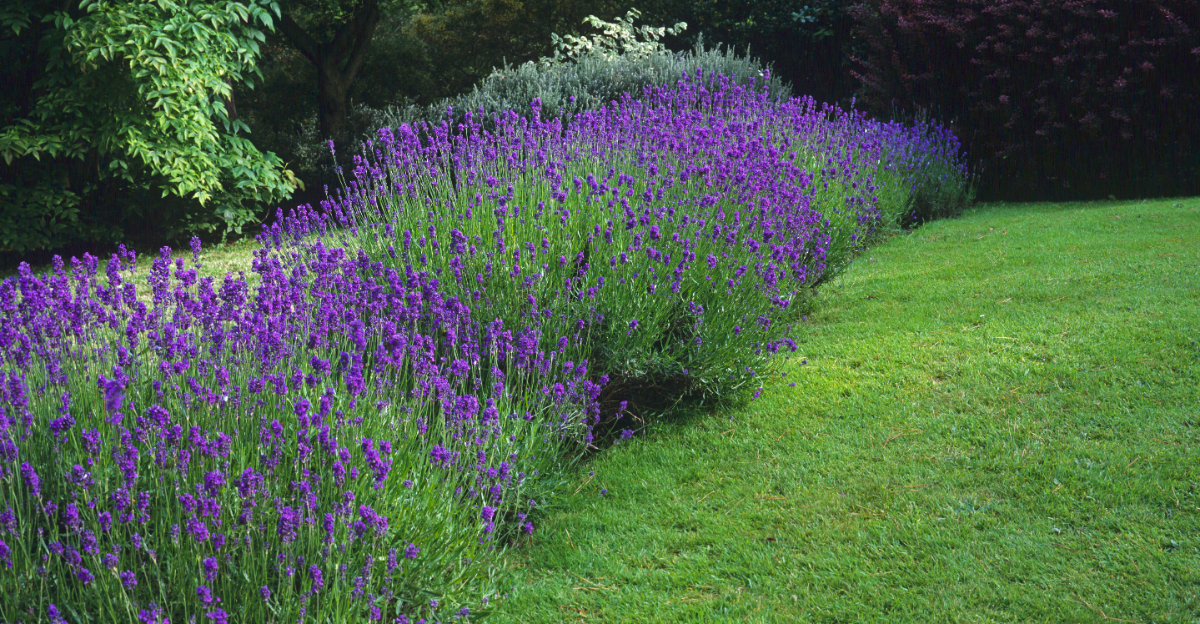
Ask Ohio gardeners why they planted a lavender hedge and you’ll get a pretty consistent answer. They wanted something that looked good, held its shape, and didn’t turn into a weekend project every time it needed attention.
Lavender checked every box. What surprised most of them was how well it actually performs in an Ohio yard, because the reputation lavender carries doesn’t exactly scream Midwest tough.
But the numbers don’t lie. More gardeners are putting in lavender hedges this summer than in previous years, and the ones who did it first are the reason.
A thriving lavender hedge is hard to ignore from the street. It blooms long, it smells incredible, and it brings in pollinators in a way that makes the whole yard feel alive.
Once your neighbor gets one, you start looking at your own property line a little differently.
1. Lavender Hedges Make Sunny Borders Look More Polished
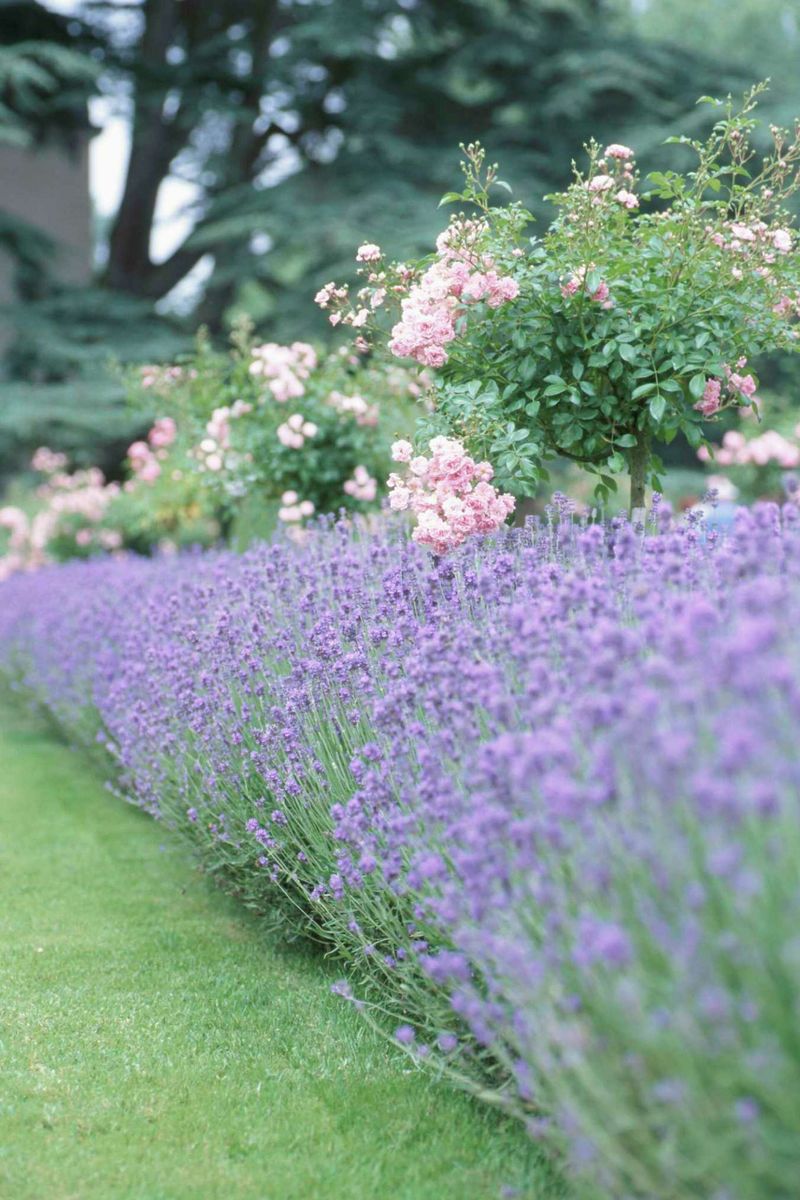
A well-placed lavender hedge does something that a row of plain green shrubs rarely manages.
It gives a border a finished, intentional look without feeling stiff or formal. Soft silvery foliage and upright purple flower spikes create beautiful visual texture.
That texture works well along walkways, patio edges, and sunny front-yard borders.
Unlike a traditional evergreen hedge, lavender stays relatively low, usually topping out between one and two feet tall depending on the variety.
That low profile makes it ideal for edging a path or framing a garden bed without blocking sightlines or overwhelming smaller planting spaces.
The plants create a consistent line when spaced and pruned correctly.
Spacing matters a lot for that tidy hedge look. Crowding lavender plants too close together traps moisture and reduces airflow, which can cause problems in humid weather.
Give each plant enough room to breathe while still planting close enough to create a connected edge.
That balance makes a lavender border look designed rather than scattered.
The silvery foliage holds visual interest before and after bloom.
That helps the hedge look presentable longer than a plant that only shows up when flowering. That extended presence is part of what makes it feel like a real landscape investment.
2. The Scent Turns Walkways Into Summer Garden Moments
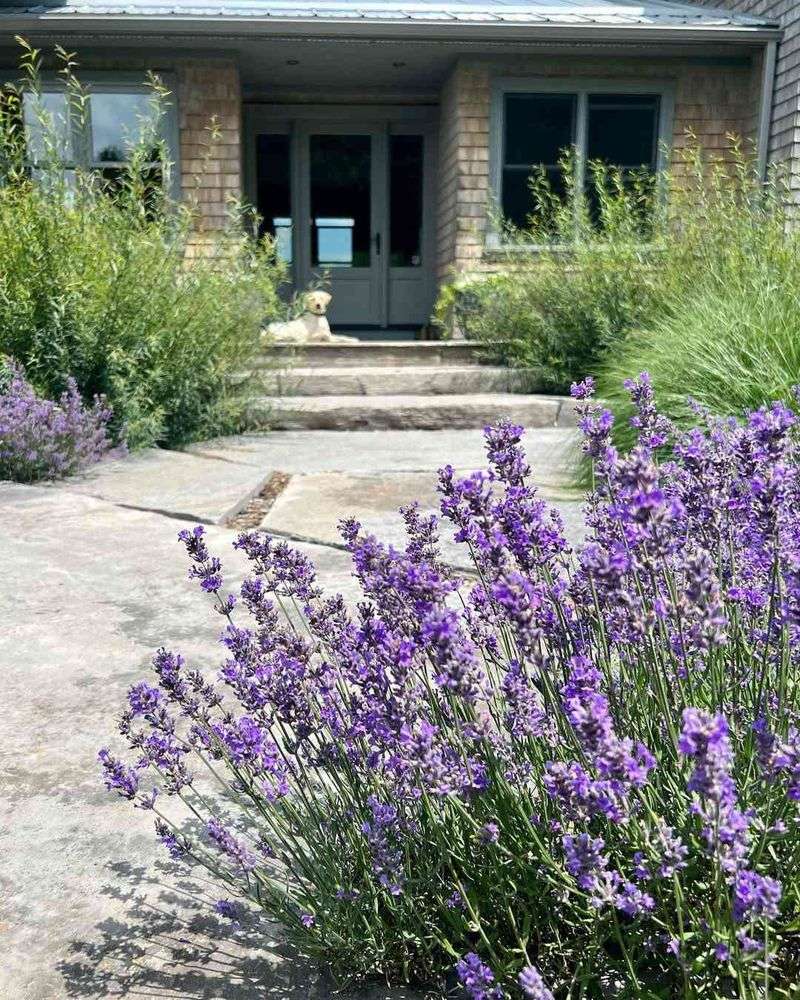
Few garden plants announce themselves as memorably as lavender does on a warm July afternoon. Walk past a healthy hedge in full sun and brush one of the flower spikes lightly.
The scent that rises is clean, herbal, and genuinely pleasant.
It is hard to replicate with any other plant along a path.
Fragrance is one of the biggest reasons gardeners choose lavender near seating areas, front gates, patio edges, and entry walks. Place lavender where people naturally slow down or pass through regularly.
That helps the scent get noticed instead of going undetected at the back of a wide border.
The scent is strongest during warm, sunny weather when the flower spikes are actively blooming. A single plant near a bench or gate will offer a pleasant moment.
A short hedge along a walkway gives a more consistent sensory experience as you move past it..
Your Ohio Garden Changes Every Week. Your Plan Should Too.
Gardening in Ohio changes quickly throughout the season. Every Friday you’ll receive a simple weekly plan showing exactly what to plant, prune, fertilize, harvest, and protect so you never miss the right timing.
One realistic note: a small lavender hedge will not perfume an entire yard or fill a large outdoor space with fragrance on its own. The scent is concentrated close to the plants, especially when the foliage or flowers are gently disturbed.
Think of it as a close-up garden pleasure rather than a whole-yard effect.
3. Pollinators Love The Purple Flower Spikes
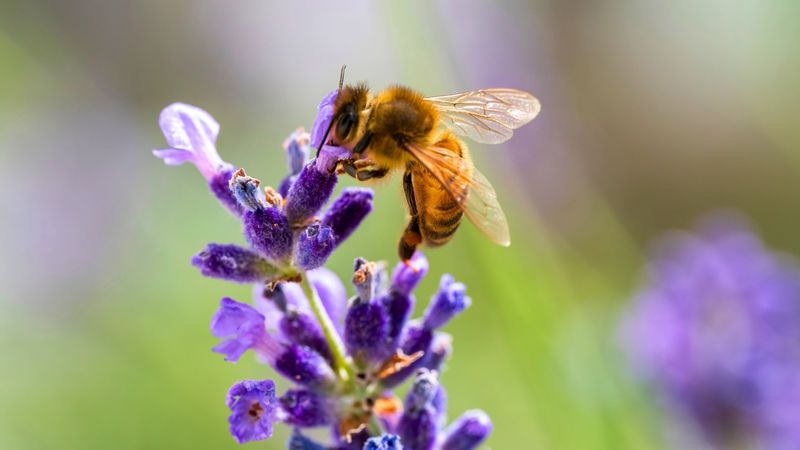
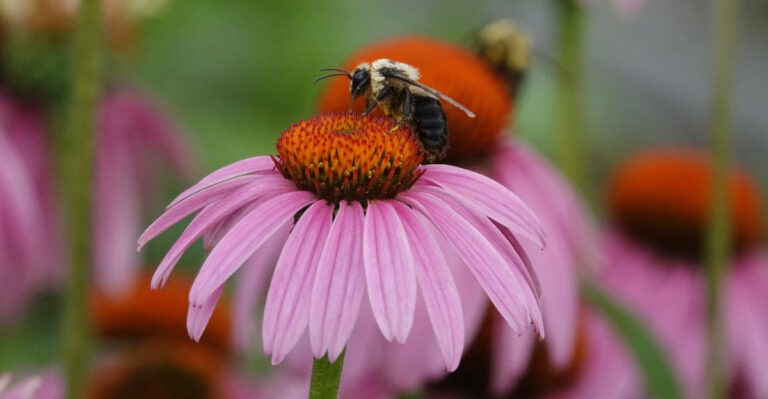
Watch a lavender hedge for about five minutes during peak bloom and you will likely see bumblebees, honeybees, and butterflies moving steadily from spike to spike. Lavender is genuinely attractive to a range of pollinators.
Its long bloom period from late spring into midsummer gives visitors a reliable food source.
Planting several lavender plants together in a hedge row makes the flowers easier for pollinators to find and more efficient for them to work. A single plant scattered across a large yard offers less impact.
A connected row of blooming spikes lets pollinators move along without traveling far between stops.
Lavender supports pollinators well, but it is worth being clear that no single plant or hedge covers every pollinator need in a garden.
Pairing lavender with other flowering plants that bloom at different times helps create a more complete habitat throughout the growing season.
The tube-shaped individual flowers on each spike are well suited to bees with longer tongues, including many native bee species. Keeping the plants healthy and blooming through correct yearly pruning means more flower spikes per season.
That directly benefits the pollinators that depend on them during summer.
4. Deer Usually Leave Lavender Alone
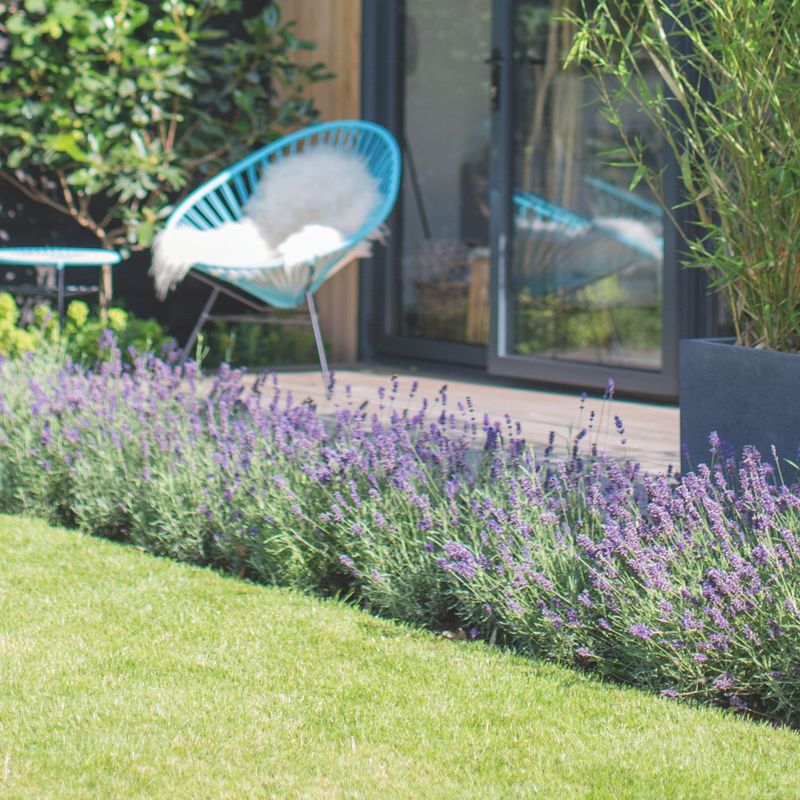
Gardeners who deal with deer browsing in their yards know the frustration of planting something beautiful and finding it chewed down before it has a chance to establish.
Lavender tends to avoid that fate more often than many other flowering plants.
Its strong aromatic oils are less appealing to deer than softer, leafy plants.
That natural resistance makes lavender a reasonable choice for sunny borders near wooded edges or open areas where deer move through regularly. If deer keep taking hostas, daylilies, or tender annuals, try replacing part of the border with lavender.
That can reduce browsing pressure in those specific spots.
However, deer resistance is not the same as deer-proof. When food becomes scarce, especially in late summer or early fall, deer may sample plants they would normally skip.
Young, newly planted lavender that has not yet fully hardened off can also be more vulnerable than a well-established plant with mature, aromatic foliage.
Treating lavender as a lower-risk plant rather than an untouchable one is the realistic approach. Use it with other deer-resistant plants to create a border with less overall appeal to browsing deer.
Do not count on any single plant to solve the problem entirely.
5. Good Drainage Matters More Than Fancy Soil
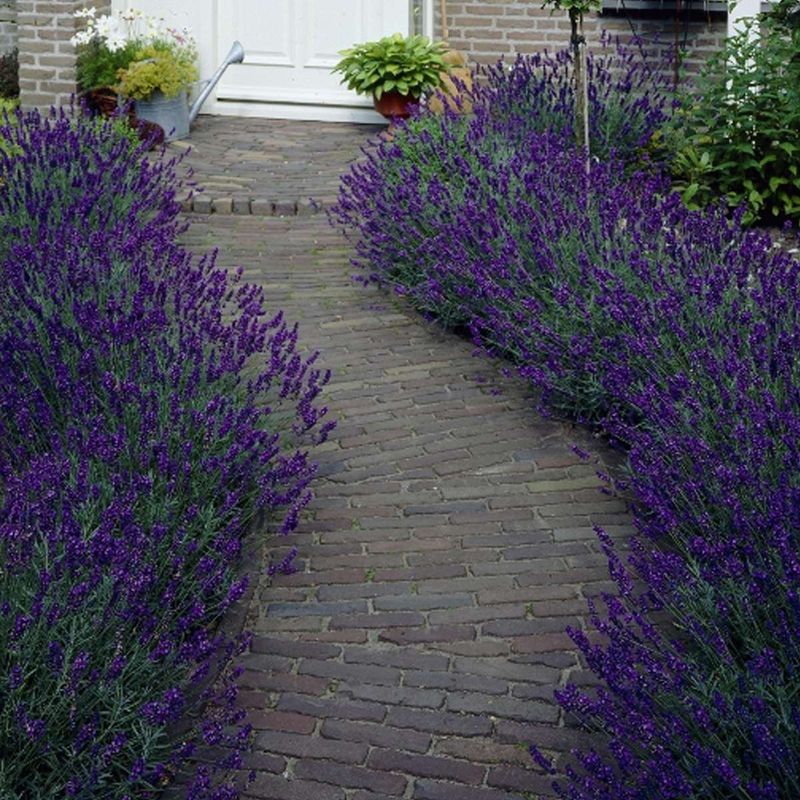
Rich, heavily amended garden soil that holds moisture well is exactly what lavender does not want. Lavender comes from dry, rocky, Mediterranean hillsides where the soil is lean, gritty, and fast-draining.
Recreating that basic condition in a home garden matters far more than adding compost or fertilizer to give the plants a boost.
Soggy roots are one of the most common reasons lavender struggles in home landscapes. When water sits around the root zone for too long, the roots can suffer.
That is especially true after heavy spring rain or winter freeze-thaw cycles.
The plant can then weaken from the base up. Good drainage prevents that cycle before it starts.
If your yard has naturally lean, sandy, or gravelly soil with good drainage, lavender has a strong head start. If drainage is average or unreliable, try raised beds, a low berm, a gentle slope, or containers.
Use a quality, fast-draining potting mix for container-grown lavender.
Avoid the temptation to enrich the planting hole with heavy compost or moisture-retaining amendments. Lean soil with good drainage keeps lavender healthier long-term than rich soil that stays wet.
A little grit or coarse sand mixed into the planting area can make a real difference in how well the plants establish and survive winter.
6. Ohio Clay Can Ruin A Lavender Hedge Fast
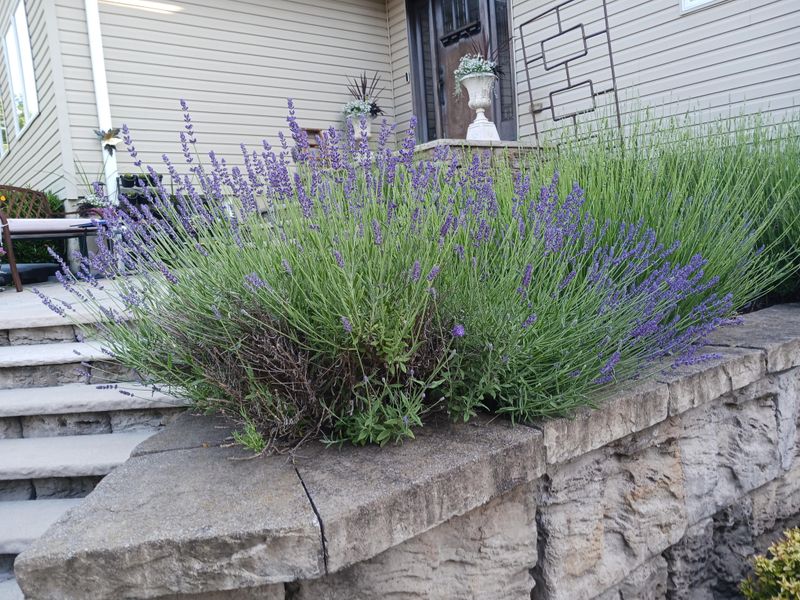
A lot of yards across this state sit on heavy clay soil, and that is one of the most important facts to understand before planting a lavender hedge. Clay holds water tightly, drains slowly, and can stay saturated for days after a rainstorm.
For lavender, that kind of root environment creates serious problems that no amount of fertilizer or sunlight will fix.
The freeze-thaw cycles that happen repeatedly through a local winter make clay soil even harder on lavender roots. Water trapped in dense clay expands when it freezes, which can heave plants and damage the root system at its most vulnerable point.
Spring rains compound the problem by keeping clay wet just as plants are trying to wake up and grow.
Planting lavender directly into an unimproved clay bed in a low spot is a setup for failure. Instead, improve drainage before planting by incorporating coarse grit or small gravel into the soil.
Build the planting area up slightly so water runs away from the crown.
Avoid low areas where water naturally collects after rain.
Mulching around lavender is a common habit, but keep mulch away from the crown and stems. Heavy mulch pressed against the base traps moisture and reduces the airflow the plant needs.
A thin layer of gravel or grit around the crown area is a better choice for lavender grown in clay-heavy gardens.
7. Pruning Keeps The Hedge From Turning Woody
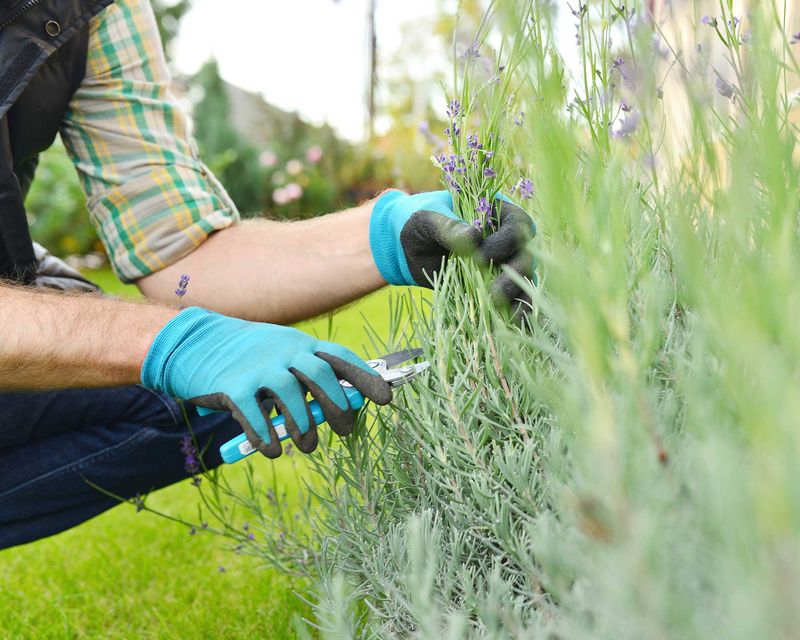
Unpruned lavender has a predictable pattern: the base gets woody, the center opens up, and the plant starts to look ragged and sprawling rather than like a tidy hedge.
Light, consistent pruning each year is what keeps plants compact, full, and producing new flower spikes rather than struggling to push growth from old bare wood.
Timing matters in this climate. Many experienced Ohio growers recommend a light shaping after the main bloom period in summer, which encourages fresh growth before the season winds down.
A second light cleanup in early spring can also help tidy the plants.
Wait until new growth is clearly visible and frost risk has passed, so you do not stress them during cold snaps.
One firm rule with lavender: do not cut hard into old, bare, woody stems. Lavender does not regenerate reliably from old wood the way some other shrubs do.
If you cut too far down into the woody base, the plant may not push new growth from that area, leaving gaps and bare patches in your hedge row.
The goal with pruning is to stay in the green, leafy growth and shape the plant by removing spent flower stalks and trimming back the soft stems. Keep each pruning session light and consistent across the years.
That works better than waiting until plants are overgrown and trying to fix them with a hard cut.
8. Choose Hardy Lavender Types For Better Results
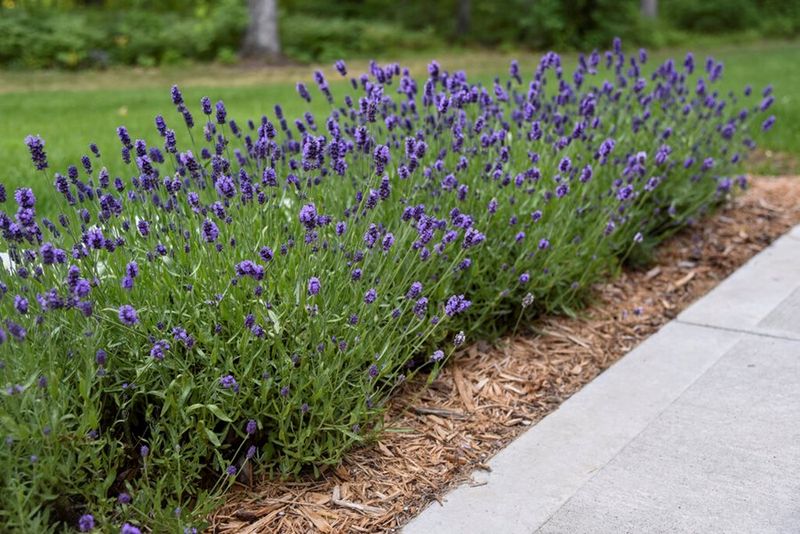
Not every lavender variety handles cold winters, humid summers, and wet spring soil equally well.
Variety selection can make a real difference in how a hedge performs over multiple seasons. English lavender types, including Lavandula angustifolia varieties, are generally better choices for colder climates.
French and Spanish lavender types are more tender and often struggle with hard winters.
Within the English lavender group, several named varieties have shown good performance in colder regions. Varieties such as Hidcote, Munstead, and Vera are often recommended for their cold hardiness and compact growth habits, which suit hedge use well.
Checking the USDA hardiness zone rating and mature size before buying helps match the plant to both the climate and the space.
Even within the hardier types, variety is only one part of the equation. A cold-hardy lavender planted in wet clay with no drainage improvement and too little sun will still struggle.
Hardy varieties reward gardeners who pair smart selection with the right site conditions.
Before buying plants for a hedge, check the bloom habit as well. Some varieties rebloom lightly after the first flush if pruned and given good conditions.
That extends the visual and pollinator value of the hedge through more of the summer. Choosing a variety suited to your specific site gives the whole project a much stronger foundation from the start.