What Oregon Tomatoes Need Right Now For Bigger Harvests In August And September
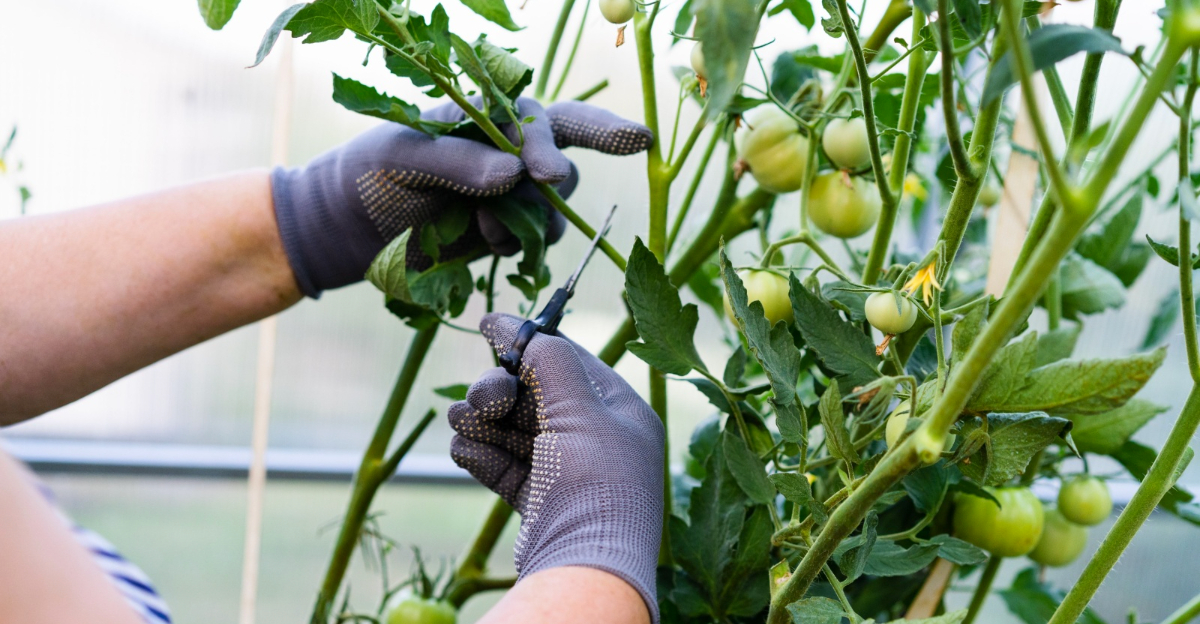
Early July is one of those moments in the Oregon tomato season where everything starts to feel real.
The plants are loaded with small green fruit, the days are finally warming up with some conviction, and what you do right now has a genuine impact on what ends up on your kitchen counter in August and September.
Oregon summers have a way of shifting gears quickly, going from cool and overcast to hot and dry in what feels like a long weekend, and tomato plants in the middle of fruit set feel that change immediately.
No single task locks in a bumper harvest because weather, variety, and overall plant health always have the final say.
But the gardeners who pay close attention during these few key weeks in early July consistently end up with more to show for it at the end of the season.
1. Water Deeply And Consistently
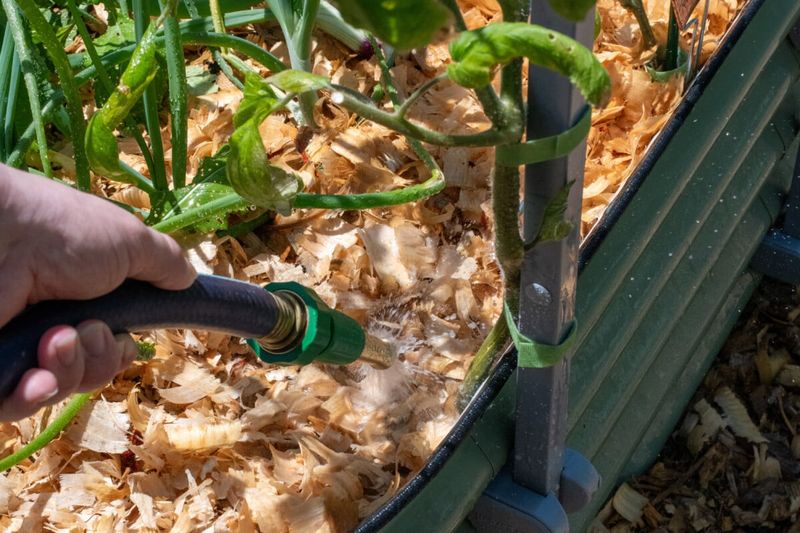
Dry July soil is one of the fastest ways to stress a tomato plant that is just starting to push fruit. When moisture levels swing from bone dry to soaking wet and back again, the plant struggles to take up calcium and other nutrients evenly.
That uneven uptake is one of the main reasons blossom-end rot shows up on fruit that seemed perfectly healthy just days before.
Oregon gardens, especially those in raised beds or containers, can dry out surprisingly fast once summer heat arrives. Raised beds drain well, which is great for root health, but they also lose moisture more quickly than in-ground beds.
Containers dry out even faster and may need water more than once on the hottest days.
Deep, steady watering encourages roots to grow downward rather than staying shallow near the surface. Shallow roots make plants more vulnerable to heat and dry spells.
Aim to water at the base of the plant rather than overhead, since wet foliage can invite disease problems as Oregon summers push into late July and August.
A consistent schedule matters more than occasional heavy soakings. Checking soil moisture a few inches below the surface before watering helps avoid both underwatering and overwatering.
Healthy roots, steady moisture, and good drainage together give Oregon tomatoes the foundation they need to carry fruit through a strong August and September harvest.
2. Mulch Before Soil Dries Out
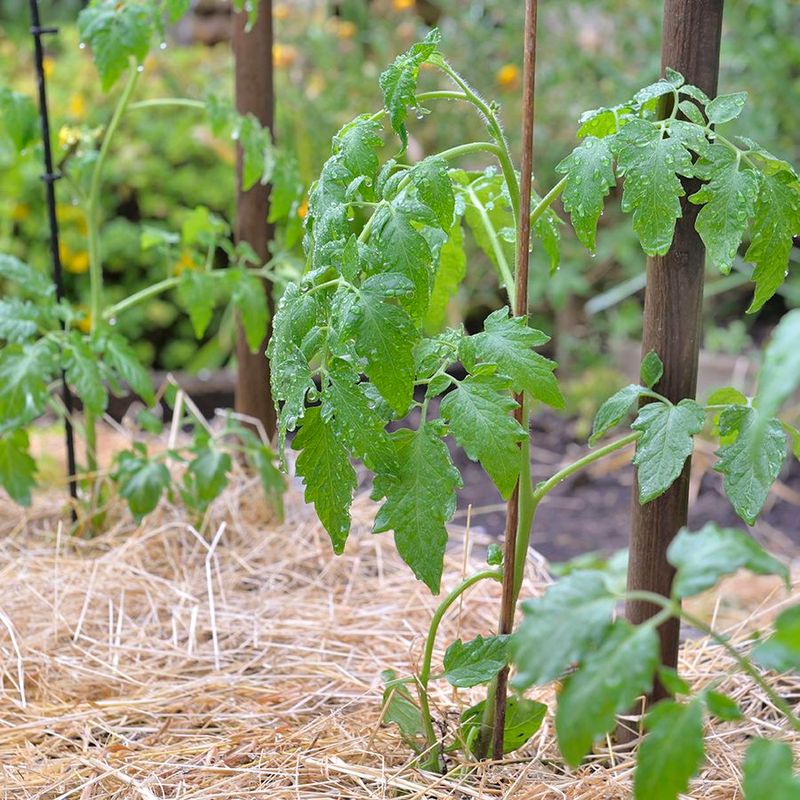
Walking out to the garden on a warm Oregon afternoon and pressing a finger into the soil near a tomato plant can be a quick reality check. If the top inch or two feels dusty and cracked, the plant is already working harder than it should to stay hydrated.
Mulch placed now, before the soil dries out completely, gives gardeners a head start on keeping moisture where roots need it most.
A few inches of straw, shredded leaves, or wood chips spread around the base of each plant can help slow evaporation and moderate soil temperature during the hottest parts of the day.
Cooler, more stable soil helps roots function more smoothly, which supports steadier nutrient uptake as fruit begins to develop.
Your Oregon Garden Changes Every Week. Your Plan Should Too.
Gardening in Oregon changes quickly throughout the season. Every Friday you’ll receive a simple weekly plan showing exactly what to plant, prune, fertilize, harvest, and protect so you never miss the right timing.
One thing to keep in mind is that mulch should be applied after the soil has had a chance to warm up fully. Cold, damp soil under a thick mulch layer can slow root growth early in the season.
By early July in Oregon, most garden soil has warmed enough that mulching is both safe and helpful.
Keep the mulch a few inches away from the main stem to reduce moisture buildup right at the base, which can lead to rot or disease. Mulch also helps reduce soil splash during watering, which lowers the chance of soilborne pathogens reaching lower leaves.
That small detail can matter quite a bit as Oregon gardens move deeper into summer.
3. Support Vines Before Fruit Gets Heavy
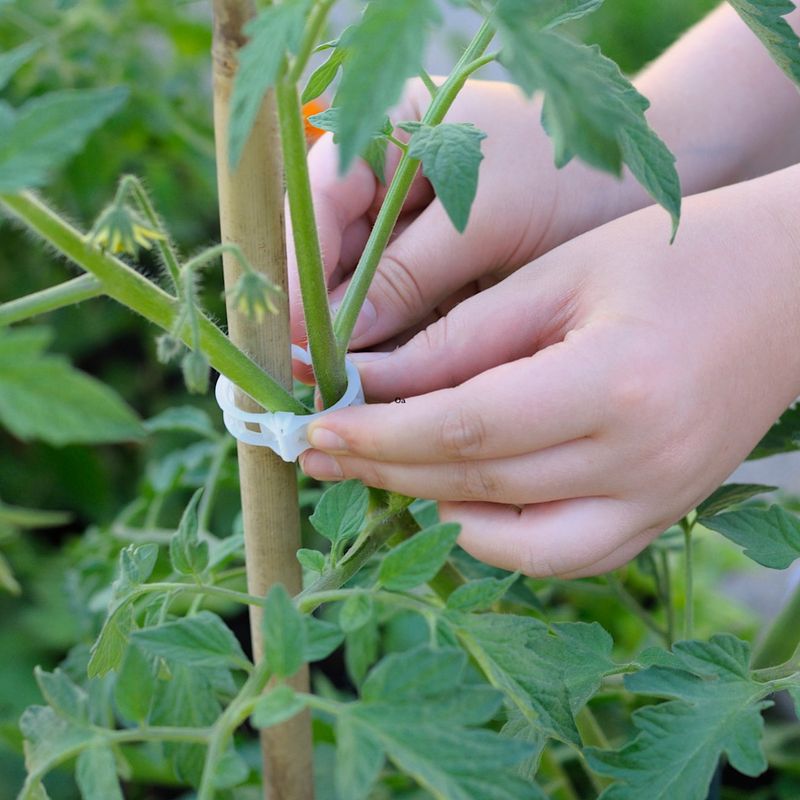
Heavy clusters of green tomatoes pulling down unsupported vines is a familiar sight by midsummer, and it usually means support should have gone in a few weeks earlier.
Once vines flop over or break under the weight of developing fruit, the damage is hard to undo.
Getting support structures firmly in place in early July, before the plants get too large to manage easily, saves a lot of frustration later.
Cages, stakes, and trellises each work well depending on the tomato variety and the layout of the garden. Indeterminate tomatoes, which keep growing and producing throughout the season, tend to get tall and sprawling.
These plants usually do better with sturdy stakes or tall trellises rather than small wire cages that tip over once the plant outgrows them.
Determinate tomatoes stay more compact and often do fine in a standard cage, though adding a stake for extra security does not hurt.
Oregon gardeners growing tomatoes in raised beds sometimes find that deeper-set stakes hold more firmly than those pushed into shallower soil.
Support also keeps leaves and fruit off the soil, which reduces exposure to soilborne diseases and makes it easier to spot problems early. Checking ties and supports every week or two as plants grow helps catch anything that has shifted or loosened.
A vine that stays upright and well-supported tends to receive better light exposure and airflow, both of which matter for fruit quality through August and September.
4. Feed Lightly As Plants Set Fruit
Small green tomatoes just beginning to form on the vine are a sign that the plant has shifted its energy from leafy growth toward fruit production.
That shift changes what the plant needs from the soil, and it also changes how gardeners should think about feeding.
Too much nitrogen at this stage can push the plant back toward producing lush green leaves rather than supporting the fruit it has already started to set.
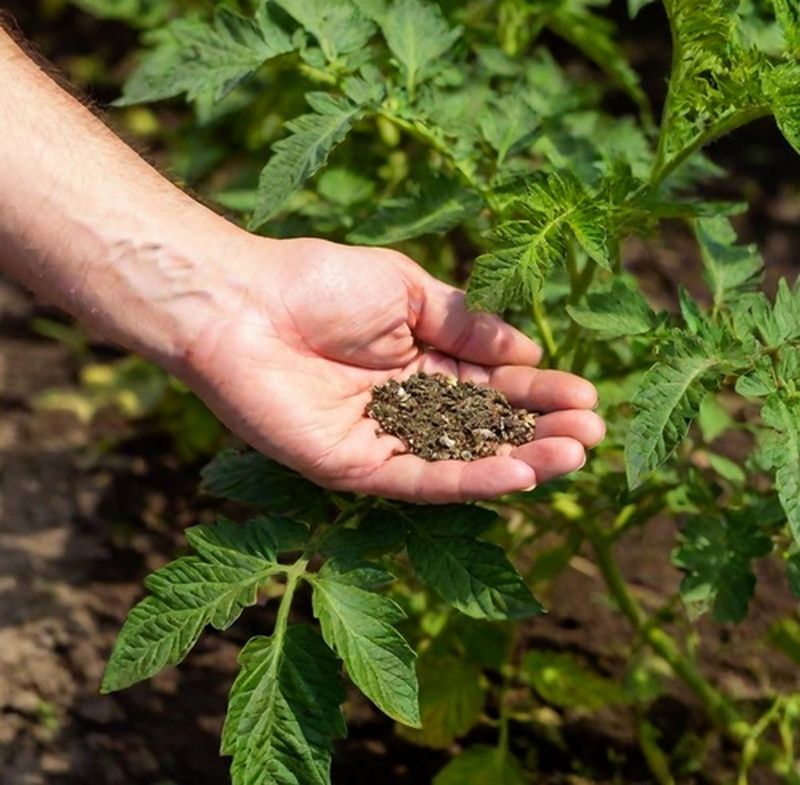
A light feeding with a balanced or low-nitrogen fertilizer around the time fruit sets can help maintain steady growth without tipping the plant toward excessive vegetative growth.
Products formulated for tomatoes and labeled for use during fruiting often have lower nitrogen and slightly higher phosphorus and potassium ratios, which better match what the plant is working on during this phase.
Oregon gardens with healthy soil that was well-amended before planting may not need heavy supplemental feeding at all.
Compost worked into the bed earlier in the season can continue to release nutrients slowly, which supports steady plant health without the risk of overfeeding.
Watching how plants look is often more useful than following a rigid feeding schedule.
Pale leaves, slow growth, or poor fruit set can suggest the plant needs a little support. Dark, overly lush foliage with few flowers or fruit can suggest the opposite.
Feeding lightly and observing closely tends to serve Oregon tomato plants better than applying fertilizer on a fixed calendar schedule regardless of what the plant is actually showing.
5. Open The Plant For Better Airflow
Crowded tomato foliage traps humidity close to the plant, and that warm, damp environment is exactly the kind of condition that makes fungal diseases feel right at home.
As Oregon gardens push into the warmer weeks of July and August, plants that were manageable in June can become thick and tangled almost overnight.
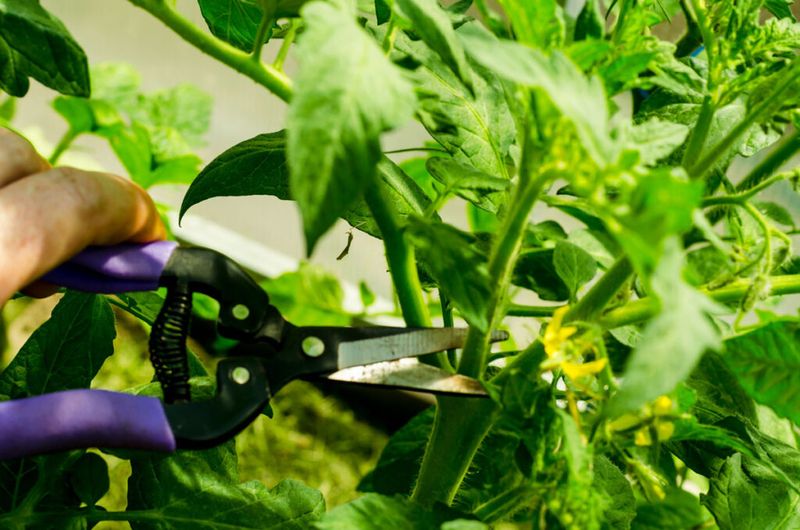
Taking a few minutes to open up the interior of the plant improves air movement and helps foliage dry out faster after watering or morning dew.
Improving airflow does not mean stripping the plant bare. The goal is to remove leaves that are crossing over each other, sitting in the very center of the plant, or pressing against neighboring plants.
Removing a modest number of leaves in the lower third of the plant is often enough to make a noticeable difference without stressing the plant or reducing its ability to photosynthesize.
Lower leaves that are already yellowing, touching the soil, or showing any spots or discoloration are good candidates for removal.
These leaves are contributing less to the plant’s energy and may actually be creating a pathway for soilborne diseases to move upward.
Removing them carefully and disposing of them away from the garden bed is a sensible precaution.
Gardeners with tomatoes growing close together in raised beds or community garden plots tend to benefit the most from this kind of light thinning.
Better airflow, combined with watering at the base rather than overhead, gives Oregon tomato plants a stronger defense heading into the back half of summer.
6. Prune Based On Tomato Type
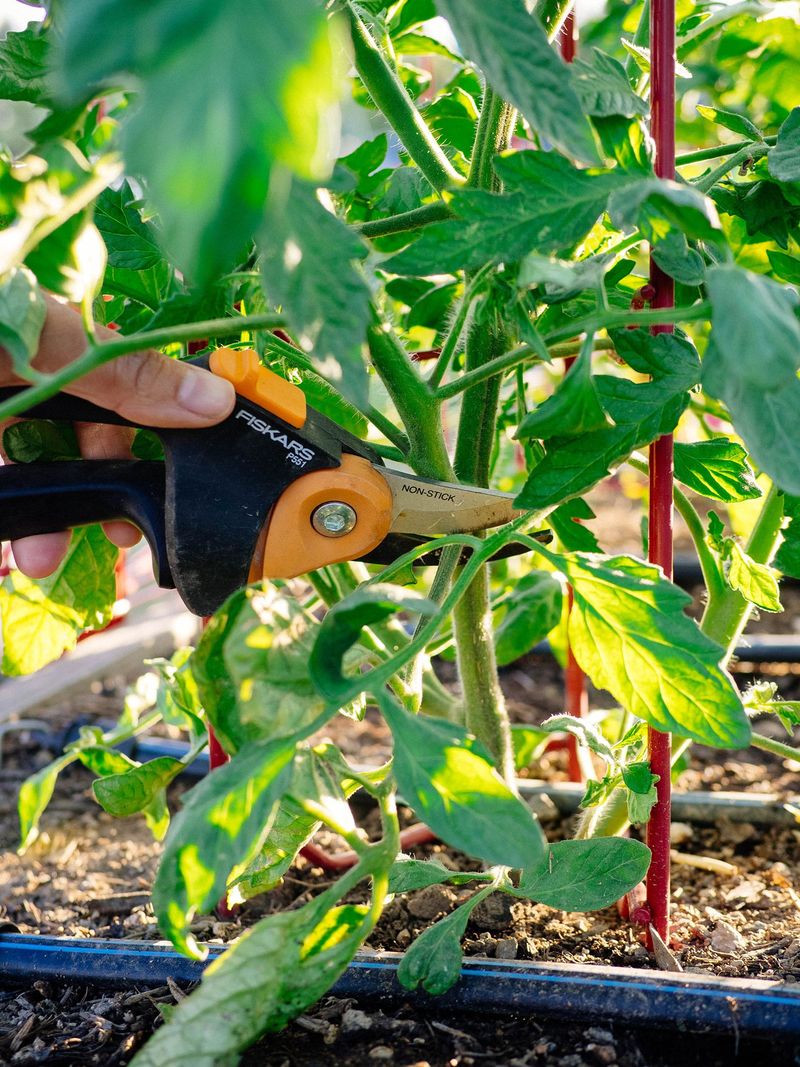
Not every tomato plant benefits from the same pruning approach, and applying one method across all varieties can do more harm than good.
Understanding whether a tomato is determinate or indeterminate is the starting point for making smart pruning decisions in early July, when plants are actively growing and setting fruit.
Indeterminate tomatoes keep producing new stems, flowers, and fruit throughout the season. Left completely unpruned, they can become so large and tangled that airflow suffers and fruit quality declines.
Selectively removing suckers, which are the small shoots that grow in the joint between the main stem and a branch, helps keep indeterminate plants manageable.
Removing them when they are small is easier on the plant than waiting until they grow into full branches.
Determinate tomatoes are bred to grow to a fixed size and produce most of their fruit in a concentrated window. Heavy pruning on determinate types can actually reduce the number of fruit they produce, since the plant has already set its course.
Light cleanup of damaged or diseased growth is usually fine, but aggressive sucker removal on determinate varieties tends to work against the plant’s natural production pattern.
Oregon gardeners growing a mix of both types in the same bed sometimes prune everything the same way out of habit. Checking seed packets or plant tags for the variety type before pruning helps avoid that mistake.
Thoughtful pruning matched to tomato type supports better fruit development and easier management through the rest of the Oregon growing season.
7. Watch For Blight By Late July
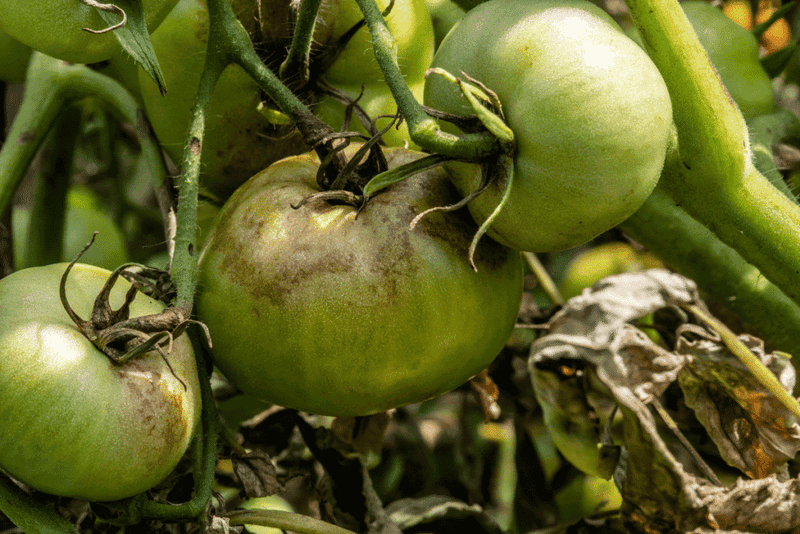
Late July in Oregon can bring a combination of warm days and cool, damp nights that creates favorable conditions for both early and late blight.
Gardeners who have grown tomatoes for a few seasons often know this stretch as the time to start checking plants more carefully, since problems that go unnoticed for even a week or two can spread quickly through a garden bed.
Early blight tends to appear on older, lower leaves first, showing up as brown spots with a target-like ring pattern. Late blight is more aggressive and can affect leaves, stems, and fruit, with dark, water-soaked patches that spread rapidly in humid conditions.
Both diseases thrive when foliage stays wet, which is one more reason to water at the base and avoid overhead irrigation by this point in the season.
Removing affected leaves as soon as they are spotted and disposing of them away from the garden can help slow the spread.
Improving airflow around the plant, as mentioned in the previous section, also reduces the humid conditions that blight pathogens prefer.
Keeping an eye on neighboring plants after finding blight on one is a practical habit worth developing.
Oregon gardeners in wetter microclimates or areas with heavy morning fog may want to start monitoring a little earlier than those in drier inland valleys.
No treatment or prevention method can stop blight entirely once conditions favor it, but catching symptoms early and responding thoughtfully can help protect the remaining healthy growth and fruit through August and September.
8. Prevent Blossom-End Rot Early
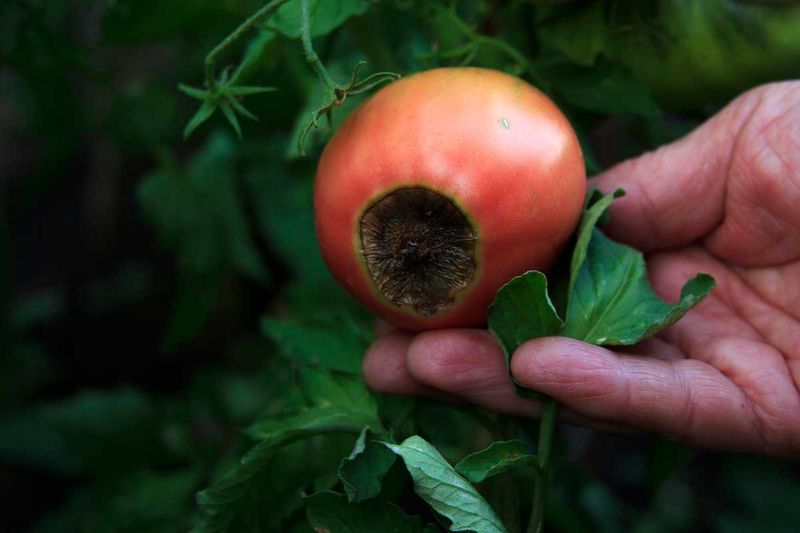
Picking up a tomato only to find a dark, sunken, leathery patch on the bottom is one of the more discouraging moments in a summer garden. Blossom-end rot is not caused by a disease or pest, but rather by a calcium deficiency inside the developing fruit.
The tricky part is that the soil often has enough calcium. The problem is usually that the plant cannot move it efficiently when moisture levels are inconsistent.
Steady watering is one of the most practical ways to reduce the risk of blossom-end rot in Oregon tomato gardens. When soil moisture swings between too dry and too wet, the plant’s ability to transport calcium to rapidly developing fruit gets disrupted.
Mulching to maintain more even soil moisture, combined with consistent watering habits, addresses the root cause more effectively than applying calcium sprays after the problem has already appeared.
Excess nitrogen fertilizer can also contribute to blossom-end rot by pushing fast leafy growth that competes with developing fruit for available calcium. Keeping feeding light and balanced during fruit set helps reduce that competition.
Avoiding deep cultivation near plant roots, which can damage the fine roots responsible for nutrient uptake, is another small step that supports overall plant health.
Fruit that has already developed blossom-end rot will not recover, but removing affected fruit and addressing the underlying moisture and nutrition issues can help later-forming fruit develop more normally.
Catching the conditions that lead to blossom-end rot in early July gives Oregon gardeners the best chance of protecting the harvest that ripens in August and September.