Pawpaw Seeds Saved From This Year’s Fruit Can Still Go In The Ground Before Missouri Winter Arrives
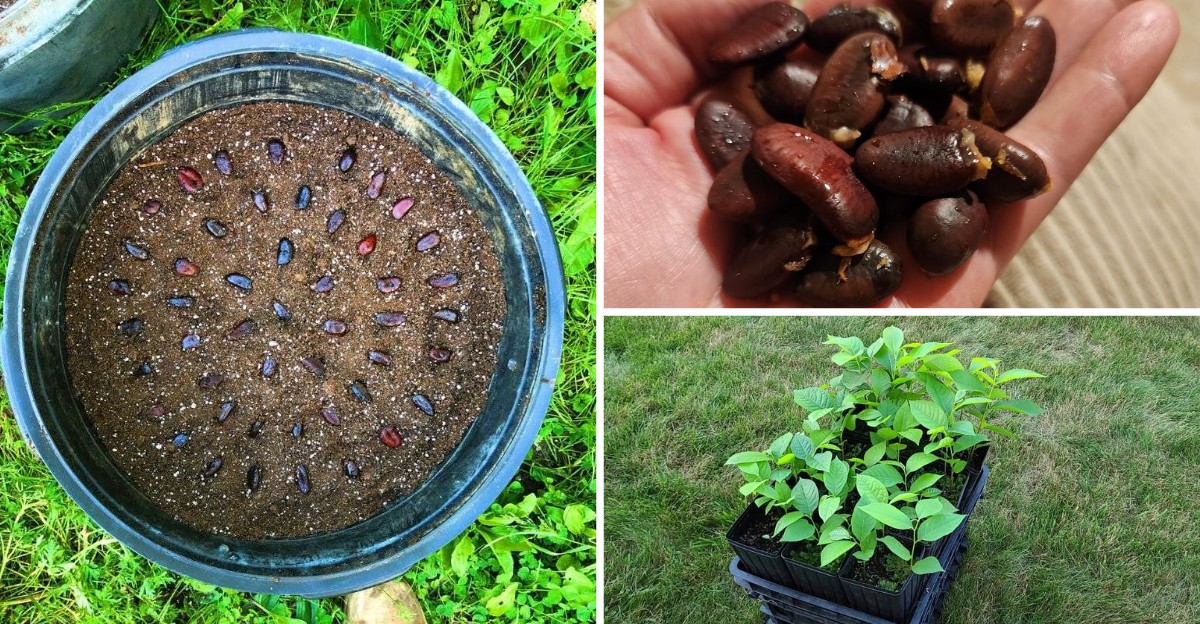
Seeds from that custardy fruit can lose their ability to sprout if they dry out for a few days. I learned that the hard way after leaving a bowl of rinsed seeds on my kitchen counter all week.
Those same seeds actually need months of cold, damp conditions before the tiny embryo inside will wake up and grow. A Missouri winter can supply that chill for free, which saves you from crowding your refrigerator with bags.
The young sprouts are fussy about sunlight and often scorch when they grow in full sun their first year. In the wild, they start life under taller trees along creek bottoms and shady river valleys across the state.
I bet you still have a handful of shiny brown seeds tucked in a jar from September fruit. Would it surprise you that October is one of the best months to get them into the soil?
Fall Sowing Gives Seeds A Natural Winter Chill
Pawpaw seeds come with a built-in timer that keeps them from sprouting until a long winter has passed. Scientists call this dormancy, and the seeds usually need about 70 to 100 days of cold, moist conditions.
Gardeners often copy this process in a refrigerator, but planting outside in October lets nature handle the job. Missouri winters usually bring plenty of days between 32 and 45 degrees, which is the ideal chilling range.
So yes, seeds saved from this year’s fruit can still go into the ground before the first hard freeze. Many extension guides from places like Purdue and Kentucky State University describe fall sowing as a simple, workable option.
Kentucky State runs a long-standing pawpaw research program, so their advice carries real weight. Their researchers note that outdoor sowing works best when the seeds stay protected from drying and hungry animals.
One trade-off is that germination rates outdoors can be lower and less predictable than with careful indoor chilling. Planting a few extra seeds in each spot helps make up for any that rot or get dug up.
I like sowing two or three seeds together, then thinning to the strongest seedling once they finally appear. Fall sowing also means you skip the spring chore of moving fussy little seedlings from pots into the yard.
Pawpaws grow a long taproot early, so seedlings planted where they will stay often settle in more easily.
Moisture Levels That Protect Seed Viability
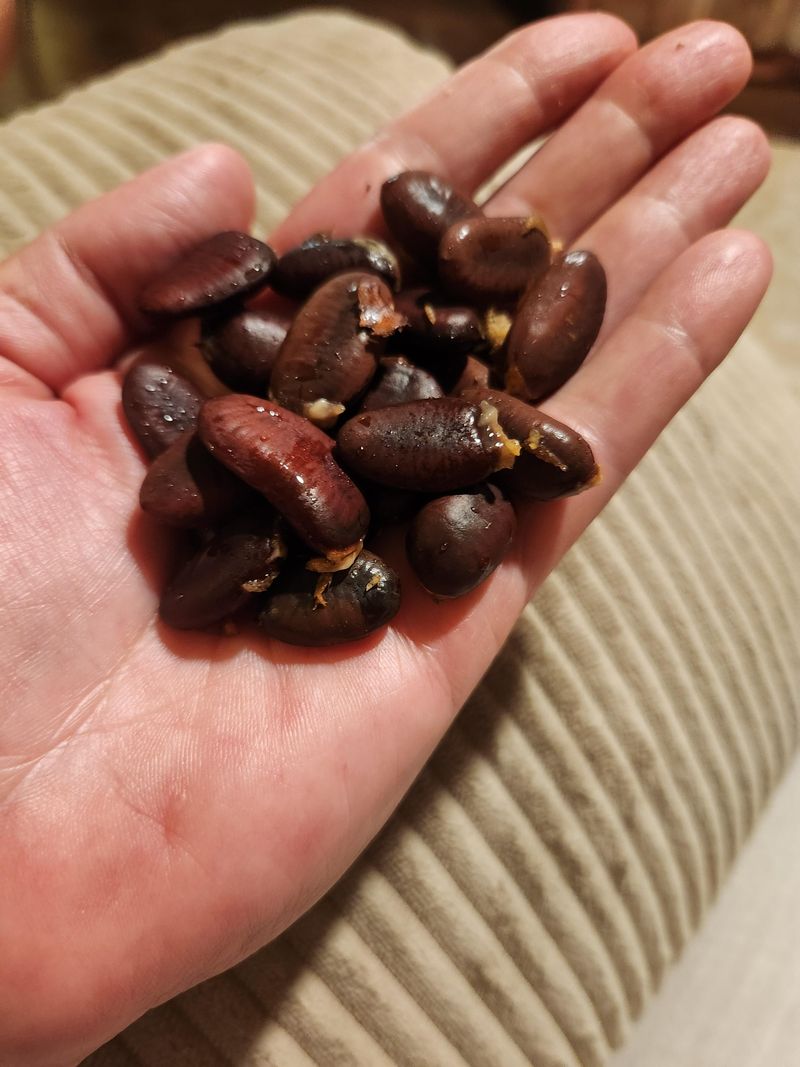
Treat a pawpaw seed more like a fresh bean than a dried popcorn kernel, because moisture keeps it alive. Research from Kentucky State University shows that seeds allowed to dry out often lose their ability to germinate.
Seeds that sat on a windowsill for weeks may have dried out too far to sprout, so check them before planting. Healthy seeds feel firm and heavy, while shriveled or very light seeds usually have little chance of sprouting.
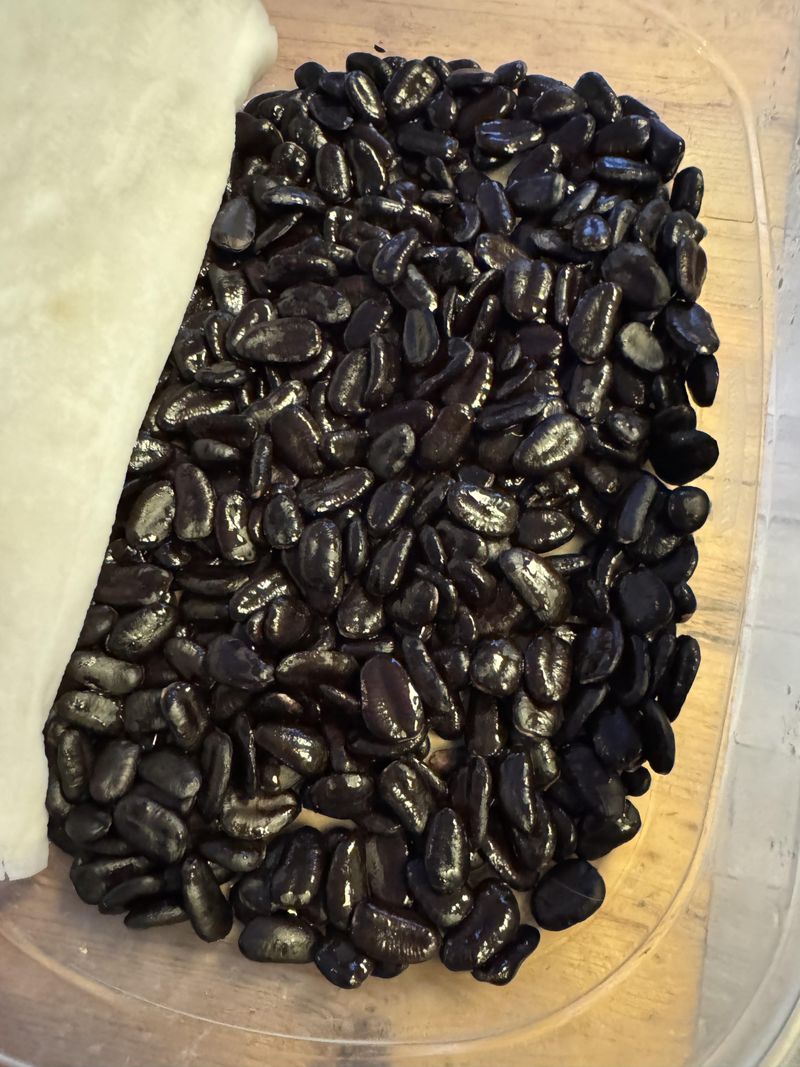
After scooping seeds from the fruit, rinse away the sticky pulp with cool water and pat them gently. Store them in a zip-top bag with slightly damp peat moss or paper towel until you are ready.
Your Missouri Garden Changes Every Week. Your Plan Should Too.
Gardening in Missouri changes quickly throughout the season. Every Friday you’ll receive a simple weekly plan showing exactly what to plant, prune, fertilize, harvest, and protect so you never miss the right timing.
Keep the bag in the refrigerator, not the freezer, because freezing a wet seed can harm the embryo. Outdoors, the planting spot should hold steady moisture through fall without turning into a soggy puddle after rain.
Pawpaws naturally grow in rich bottomland soil that drains well, so avoid low spots where water sits for days. A light layer of shredded leaves on top helps the soil stay evenly damp during dry October weeks.
Fall in Missouri can bring long stretches without rain, so check the soil with your finger every week. If the top inch feels dry, give the spot a slow, gentle watering until the ground feels moist again.
Once the soil freezes, you can stop watering, since winter snow and rain usually handle the rest. Steady moisture through those cold months is exactly what wakes the seed when spring warmth finally returns.
Planting Depth For Large Flat Seeds
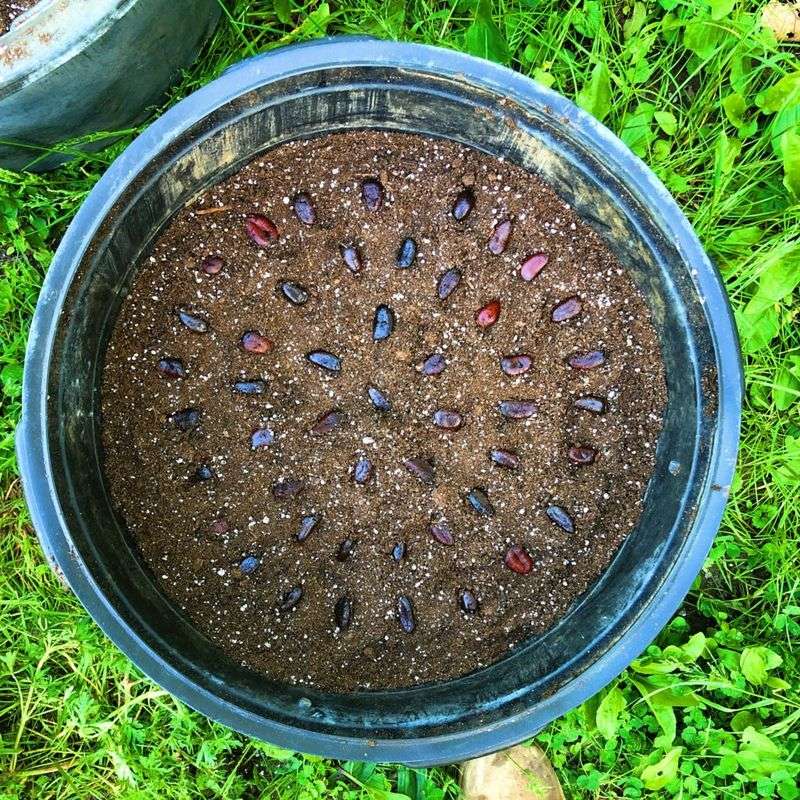
Flat, bean-shaped, and about an inch long, a pawpaw seed looks a lot like a polished brown button. Most extension guides suggest planting these seeds about one inch deep in loose, rich soil with good drainage.
Going much deeper can make the tiny shoot work too hard to reach the surface next summer. Planting too shallow is a problem as well, since winter freezing and thawing can push seeds upward.
Lay each seed on its flat side, which helps it stay put and settle evenly in the soil. Before planting, loosen the soil about a foot deep so the long taproot can grow straight down.
Pawpaws dislike being moved once that taproot forms, so choosing a permanent spot now saves trouble later. If you prefer containers, use tall, deep pots like tree tubes or milk cartons with holes in the bottom.
Shallow nursery trays often cause the roots to circle, which can weaken the young tree for years afterward. Pots left outdoors over winter should sit against a building or be sunk into the ground for insulation.
Mark every planting spot with a sturdy stake, because nothing will show above ground for many months. I write the date and fruit source on a plant tag, which helps when comparing different trees later.
Seeds from different fruit can grow into trees with very different flavors, since pawpaws rarely grow true to seed. That surprise is part of the fun, because your backyard seedling might become a family favorite someday.
Partial Shade For First-Year Seedlings
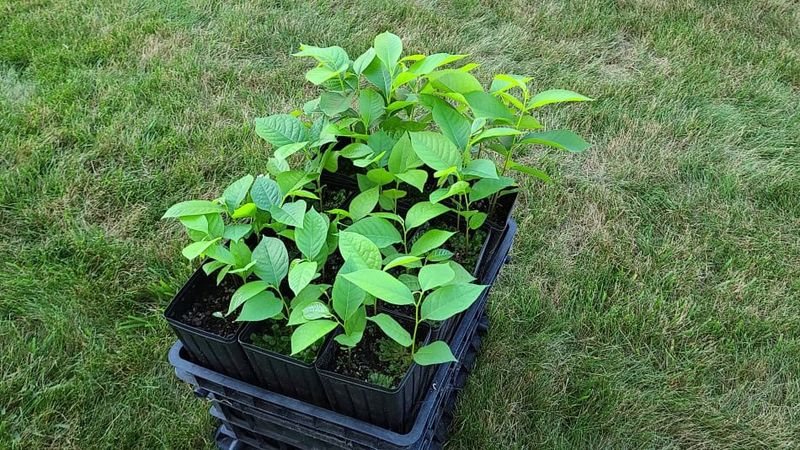
Baby pawpaws are a bit like fair-skinned beachgoers, because strong sunlight can harm their tender leaves. Extension specialists explain that young seedlings are sensitive to ultraviolet light and often need shade their first year.
Some growers keep them shaded for two years before letting them face more open sun in the yard. In Missouri forests, pawpaws often form patches beneath oaks, maples, and sycamores along streams and lower slopes.
That natural setting gives a helpful clue about where your fall-sown seeds will feel most at home. The east side of a house or fence works well, since it gets gentle morning sun and afternoon shade.
Spots under the edge of a tall tree canopy can also work, as long as roots are not too crowded. If your only open space is sunny, plan to add shade cloth or a simple screen next spring.
Shade cloth rated around 50 to 60 percent is a common choice for protecting young fruit tree seedlings. Keep in mind that adult pawpaw trees fruit best with more sunlight, so shade is mostly a starting step.
Trees growing in deep forest shade often produce few flowers and very little fruit compared with sunnier trees. A smart plan is picking a spot where nearby shade can be removed or reduced as the tree grows.
I believe thinking a few years ahead now makes harvest time much easier when the tree finally matures. Most seedling pawpaws take about five to eight years before they bear their first fruit in a home garden.
Wire Covers Over Freshly Sown Spots
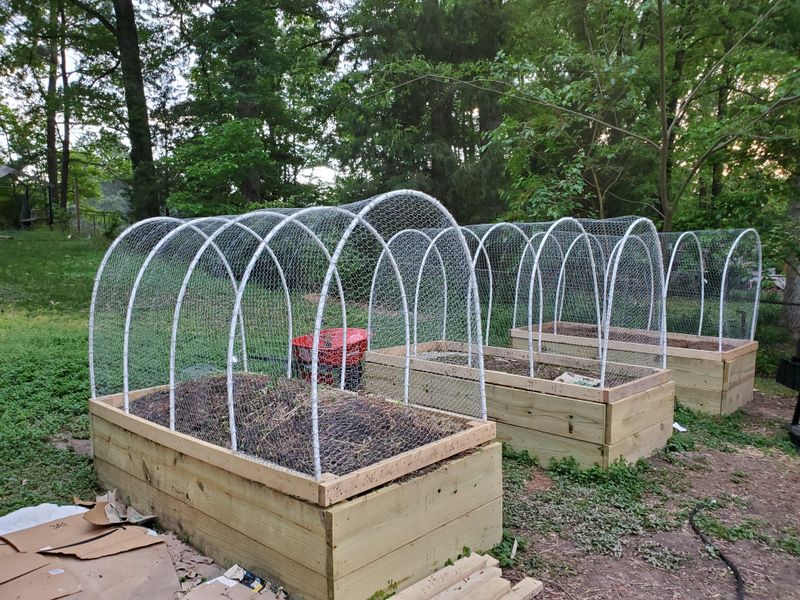
Plant a big, oily seed in fall, and the neighborhood critters may treat your garden like a snack bar. Mice, chipmunks, and other rodents often dig up freshly planted seeds during the long winter months.
Pawpaw growers often recommend protecting outdoor sowings, since animal digging is a major reason fall planting struggles. A square of hardware cloth with quarter-inch or half-inch openings makes a simple, sturdy barrier over each spot.
Cut pieces about twelve inches wide, then pin them flat to the soil with landscape staples or rocks. Some gardeners prefer small wire cages shaped like upside-down baskets, which keep diggers out from the sides too.
Sinking the cage edges an inch or two into the ground stops determined animals from tunneling underneath. Chicken wire works in a pinch, though its larger holes let small mice squeeze through more easily.
Remember to lift the covers by late spring, before the first shoots push up and bump into the wire. Pawpaw shoots usually appear well after other seeds, so there is plenty of time for that chore.
Deer can nibble young sprouts later, but they mostly avoid older pawpaw leaves because of their natural chemicals. Those same compounds, called acetogenins, also help protect the trees from many common insect pests found in home gardens.
A few minutes with wire snips this October can save you a whole season of waiting and wondering. I keep extra wire squares in the shed, since they last for years and fit almost any planting spot.
A Slow Start Into Next Summer
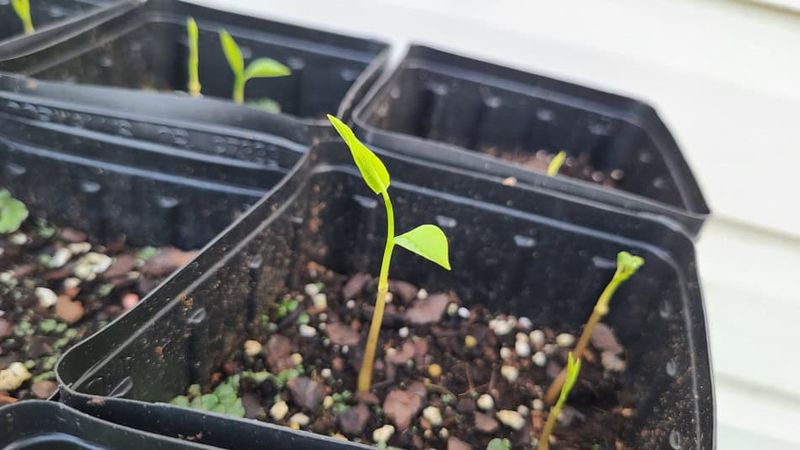
Patience might be the hardest part of growing pawpaws, because the seeds take their sweet time next year. After winter chilling ends, each seed spends weeks building a root underground before any green shoot appears.
Many fall-sown pawpaws do not break the surface until June or July, long after spring garden plants. Plenty of gardeners dig up the spot in May, thinking the seeds failed, when they were simply still working.
Leave the marked spots alone until at least late summer before deciding that nothing is going to grow. Some stubborn seeds even wait a full second year to sprout, so a little extra patience can pay off.
Once the shoot appears, the first-year seedling usually grows only a few inches tall by its first fall. Most of its energy goes into that deep taproot, which helps the young tree handle drought in later years.
Pull weeds by hand around the seedling, since hoes and string trimmers can easily nick the tiny stem. Water during dry summer spells, especially in July and August when Missouri heat can stress shallow soil quickly.
Remember that you will want at least two genetically different trees, because pawpaw flowers rarely pollinate themselves well. Planting seeds from several different fruits gives your patch a better chance of good fruit set someday.
Your October planting session is really the first step in a story that unfolds over many seasons. I find it pretty exciting that a seed from this year’s snack could feed my family a decade from now.