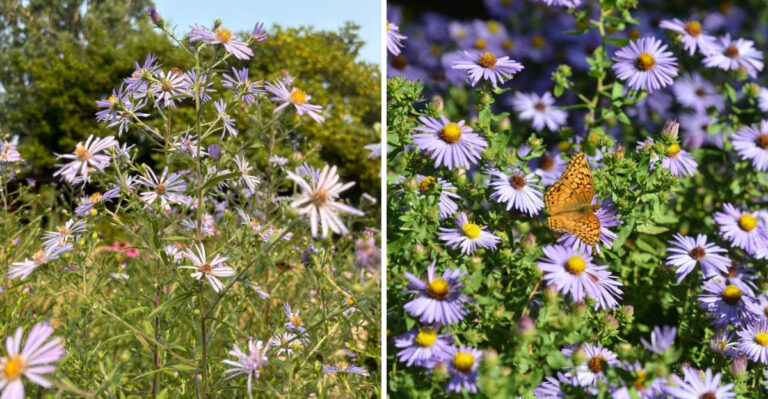
Pennsylvania Annual Flowers That Draw The Most Butterfly Activity Through The Full Growing Season
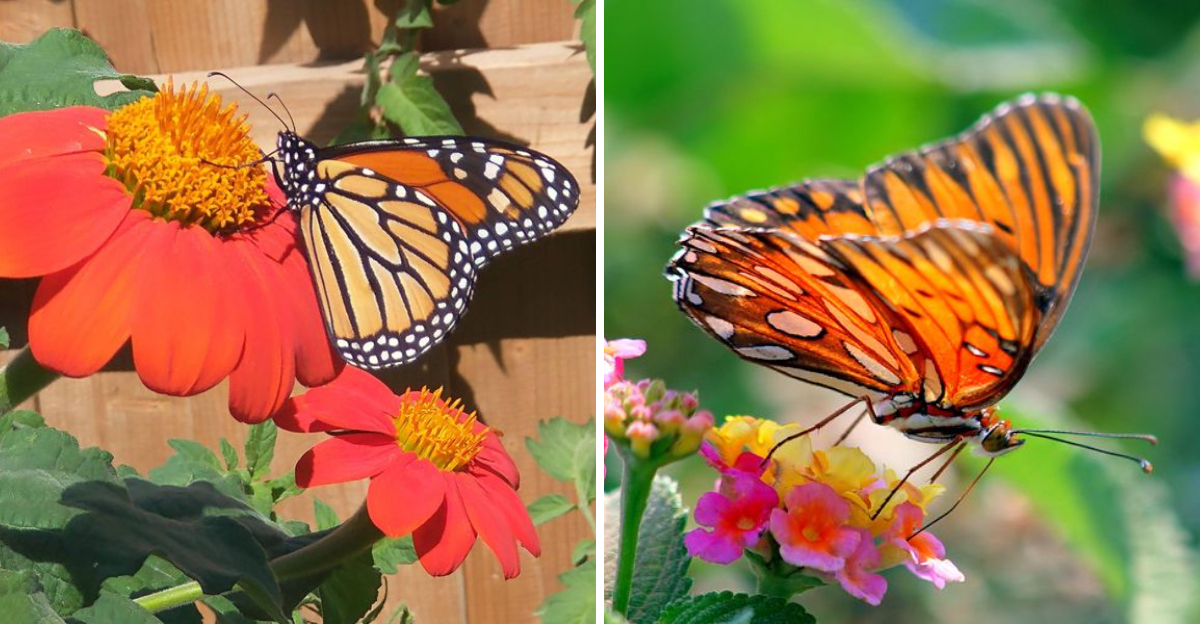
Butterflies do not show up randomly.
They follow specific signals. Color, scent, nectar availability, bloom timing. A garden that consistently attracts butterfly traffic from May through October is not lucky. It is planted with intention.
Pennsylvania has a genuinely exciting butterfly season. Monarchs move through in late summer. Swallowtails patrol gardens from early June.
Skippers, fritillaries, and painted ladies fill the gaps between. The state sits in a migration corridor that sends significant butterfly activity through backyards every single season.
Many gardeners plant what looks good at the nursery in May and wonder why butterfly activity peaks for a few weeks and then fades.
The answer is almost always bloom timing. A garden that keeps nectar available from late spring through the first frost keeps butterflies returning throughout the season rather than passing through once and moving on.
Annual flowers are the most practical tool for building that kind of continuous coverage. They bloom hard, they bloom long, and the right ones produce nectar that butterflies actively seek out. Here they are.
1. Plant Zinnias For Late Summer Traffic
By late July, the spring garden has largely finished its main performance. Most early bloomers have peaked and moved on.
That gap is exactly when zinnias take over, and they do it with the kind of confidence that makes every other plant in the border look like it is taking a break.
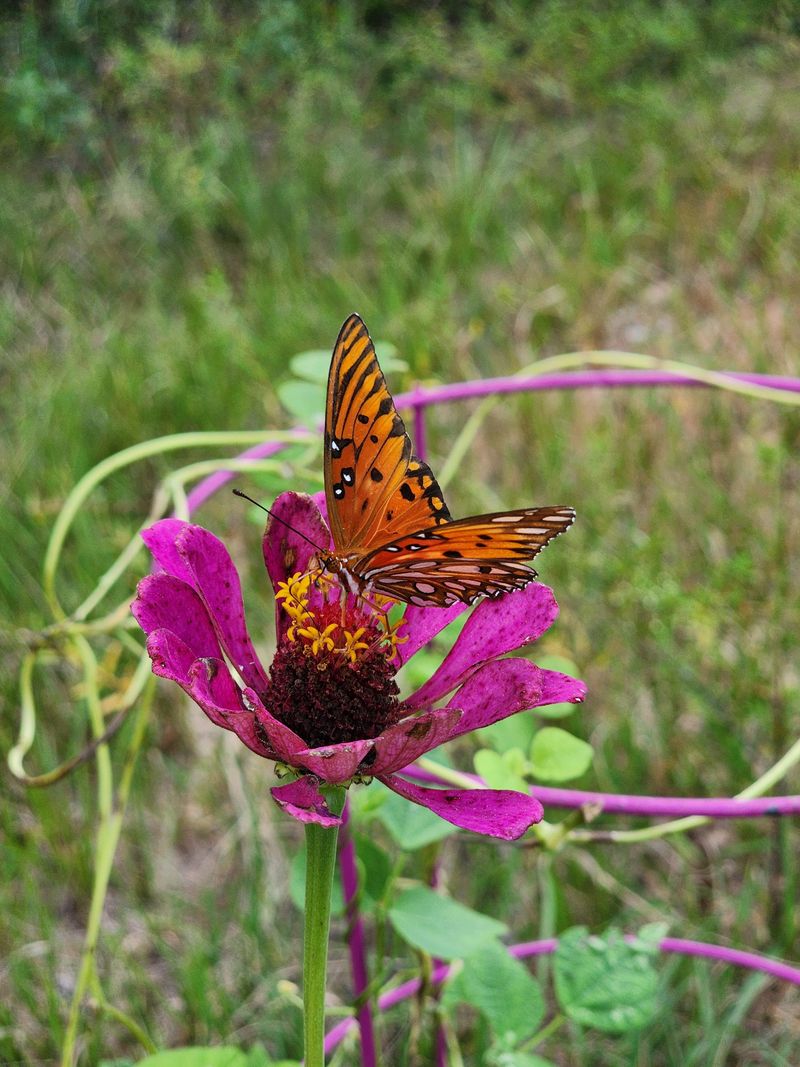
Few annuals deliver the consistent butterfly activity that a well-planted zinnia patch produces from midsummer straight through fall.
Swallowtails, monarchs, skippers, and fritillaries all arrive for the nectar, and they return repeatedly throughout the day rather than visiting once and disappearing.
Zinnias prefer full sun and well-drained soil, and they reward even first-season gardeners with weeks of vivid, cheerful blooms.
Plant seeds directly after the last frost, typically around mid-May in most Pennsylvania locations. They germinate quickly and start flowering within about eight weeks.
Single-flowered or semi-double varieties produce the best butterfly results.
Varieties like Profusion and Benary’s Giant keep nectar accessible without the obstruction of heavily doubled blooms that look impressive but work against butterflies trying to feed.
Trimming spent flowers consistently keeps new buds forming through September and into October.
Monarchs moving south through Pennsylvania in late summer use zinnias as a reliable refueling stop while searching for milkweed nearby.
Planting a generous block rather than a single row creates a landing area that holds multiple butterflies simultaneously and keeps them in the garden longer than a narrow row ever would.
Plant zinnias in late May and by August the garden essentially manages its own butterfly calendar.
2. Grow Cosmos For Airy Nectar
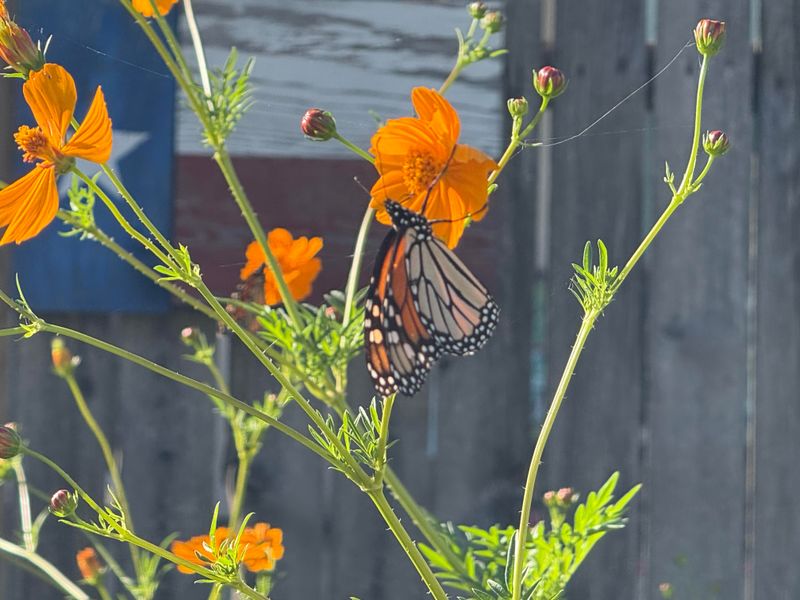
Cosmos on a breezy Pennsylvania morning moves in a way that genuinely looks like it is waving something in.
The tall wispy stems sway, the wide-open daisy-like blooms face upward, and butterflies can land and feed without fighting through layers of dense petals.
That easy access is a significant part of why cosmos stays consistently busy with visitors throughout the season.
Cosmos bipinnatus thrives in full sun with average to poor soil. Overly rich soil pushes leafy growth at the expense of flowers, so skipping the heavy fertilizing is actually the correct approach here.
Your Pennsylvania Garden Changes Every Week. Your Plan Should Too.
Gardening in Pennsylvania changes quickly throughout the season. Every Friday you’ll receive a simple weekly plan showing exactly what to plant, prune, fertilize, harvest, and protect so you never miss the right timing.
Sow seeds directly after frost passes, or start them indoors about four weeks early for a slight head start on the season.
Blooms arrive in shades of pink, rose, white, and burgundy from early summer and keep coming until frost, especially with consistent trimming of spent flowers.
Painted ladies, cabbage whites, sulphurs, and swallowtails all visit regularly throughout the Pennsylvania growing season.
The airy, fine-textured foliage is one of cosmos’s most practical qualities from a design standpoint.
It does not shade out lower neighbors, which makes it a natural partner for lantana or verbena in a layered border that offers butterfly-friendly blooms at multiple heights simultaneously.
Cosmos also self-sows readily in Pennsylvania gardens. A generous planting this season has a reasonable chance of producing volunteer plants the following year with no additional effort required.
That is a plant contributing to next year’s garden from this year’s seeds. Cosmos has always been an overachiever.
3. Use Tithonia For Monarch Magnet Color
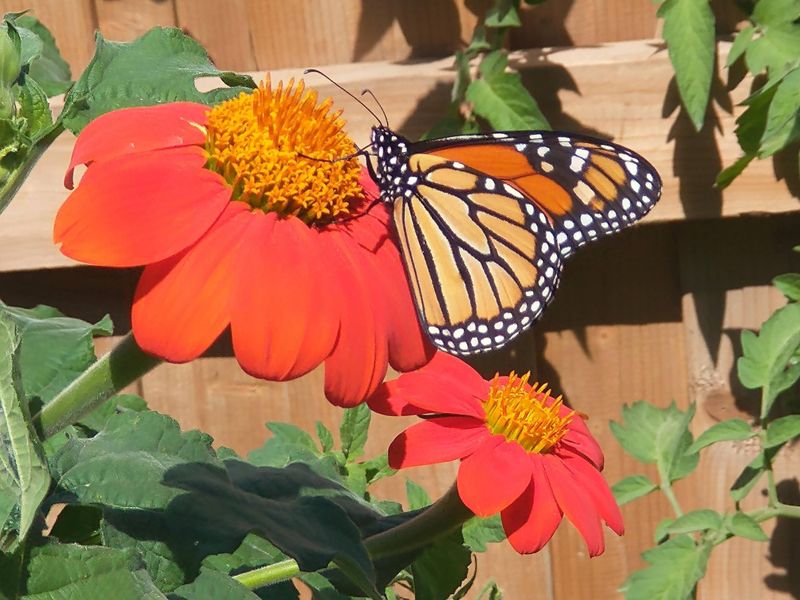
That flash of deep orange visible from across the yard in August is usually tithonia, and it is almost always occupied.
Mexican sunflower produces large vivid orange blooms on plants that reach four to six feet tall by late summer.
The color alone attracts attention from a distance, and monarchs and swallowtails passing through Pennsylvania find it consistently.
The timing is part of what makes this plant so valuable. Tithonia starts blooming in mid to late summer and continues producing flowers right up until frost.
That window lines up almost precisely with when monarch butterflies are moving south through Pennsylvania, making tithonia one of the most strategically timed annuals a Pennsylvania gardener can grow for late-season butterfly support.
Start seeds indoors about six weeks before the last frost date, or purchase transplants from a garden center in late May.
Tithonia needs full sun and warm temperatures to reach its full height and bloom potential. Give it adequate room at planting because these are not compact plants. Stake taller varieties in locations that receive strong winds.
Once established, tithonia handles dry stretches better than many other annuals, which is a practical advantage during Pennsylvania’s sometimes unpredictable summer weather patterns.
Plant it at the back of a border where the height becomes a dramatic late-season feature rather than blocking shorter plants in front.
A four-foot-tall orange plant covered in monarchs in September is a gardening moment worth planning for specifically.
4. Add Lantana For Heat Loving Blooms
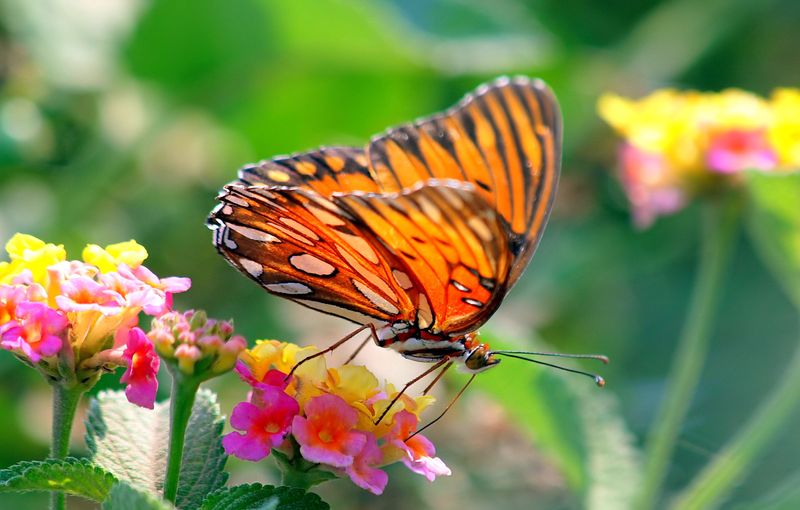
When Pennsylvania summer pushes into its hottest stretch and many flowering plants slow down, lantana does the opposite. Higher temperatures are not a stress signal for lantana.
They are an acceleration signal. The tight clusters of tiny tubular flowers increase in production as the heat climbs, which is exactly when butterflies need reliable nectar sources the most.
Lantana is a tropical perennial grown as an annual in Pennsylvania since it cannot survive the winter.
Plant it fresh each spring after frost risk passes, usually late May, in full sun with well-drained soil. Water regularly during the establishment period and ease off as plants settle in through June.
Swallowtails, monarchs, painted ladies, and gulf fritillaries visit lantana consistently.
The dense flower clusters offer multiple tiny nectar tubes in a single stop, making it one of the most efficient feeding stations available in the garden for butterflies working through a busy afternoon.
Plants bloom continuously from planting through frost without demanding much trimming. The multicolor flower combinations of orange, yellow, red, and pink visible on a single cluster add visual interest alongside the ecological value.
Varieties like Miss Huff, Bandana, and the Luscious series perform consistently well in Pennsylvania conditions.
Pairing lantana with tall zinnias or tithonia nearby builds a nectar-rich zone that keeps butterfly activity running from one end of summer to the other.
A plant that blooms harder in August than it did in June is a rare and useful thing in any Pennsylvania garden.
5. Plant Pentas For Constant Nectar
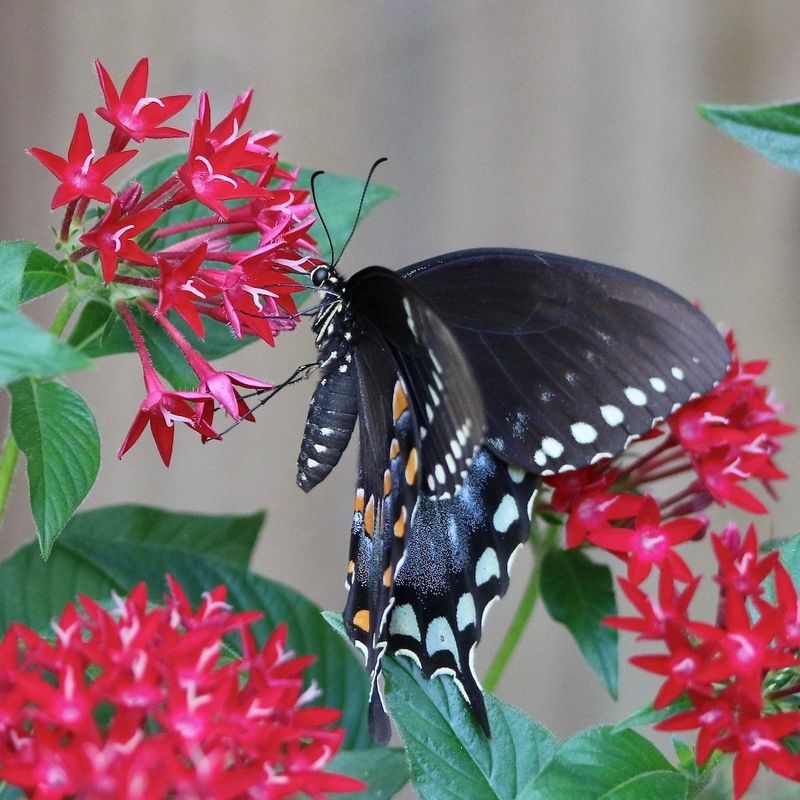
Walk past a container of pentas on a warm Pennsylvania afternoon and there is a reasonable chance a butterfly is already on it. Sometimes two.
The small star-shaped blooms clustered in tight rounded heads flow with nectar throughout the day, and the consistency of that production is what keeps pentas occupied with visitors from early summer straight through the season.
Pentas lanceolata thrives in heat and full sun, making Pennsylvania summers a comfortable fit.
Plants grow eight to eighteen inches tall depending on the variety and work beautifully in containers, window boxes, and garden borders with equal effectiveness.
Red and pink are the most popular color choices for butterfly gardening, though white and lavender options exist.
Swallowtails and skippers appear particularly drawn to pentas, and the flower tube size makes nectar accessible to a wide range of butterfly species rather than excluding smaller visitors.
Plants bloom continuously without requiring trimming, though removing old flower heads speeds rebloom.
Keeping soil moist but not waterlogged and feeding with a balanced fertilizer every few weeks sustains the heavy blooming cycle through the full season.
One practical move is potting pentas in containers that can be repositioned around the garden. Placing them near host plants like milkweed encourages butterflies to linger in one area rather than passing through.
Grouping red pentas with orange lantana creates a warm-toned nectar station that stays active from June through October without requiring much intervention from the gardener running the whole operation.
6. Try Verbena For Sunny Borders
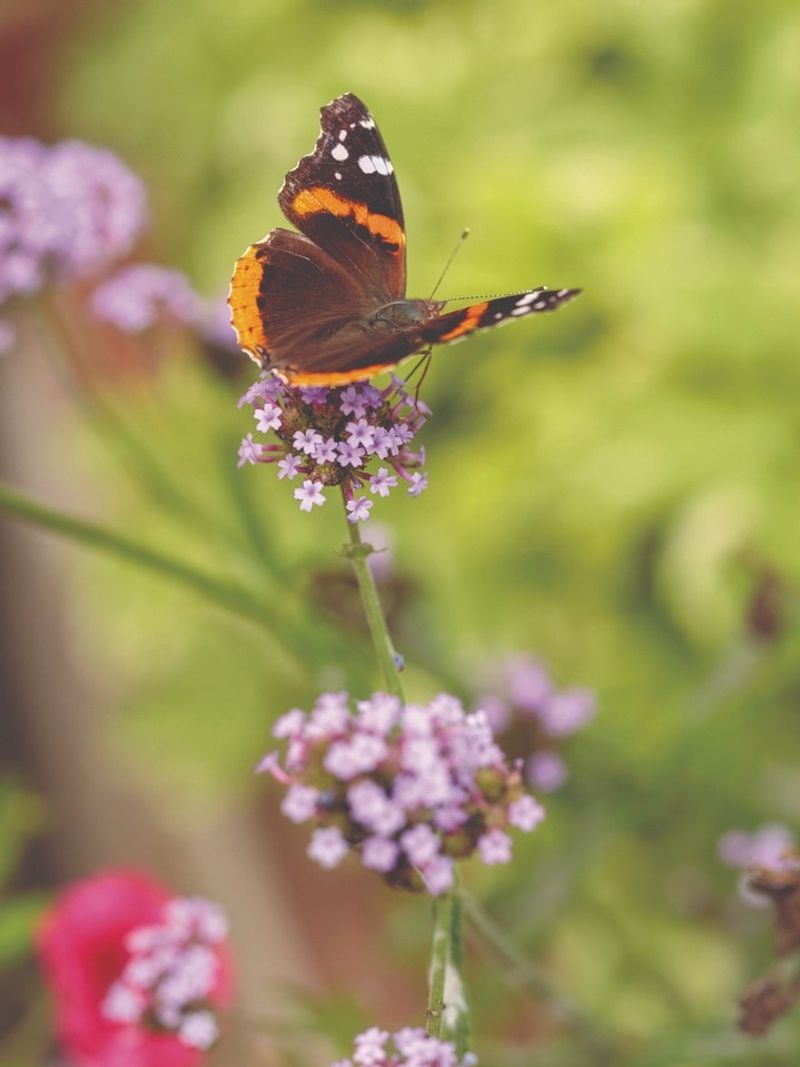
While taller plants get most of the visual attention in a butterfly garden, verbena quietly becomes one of the most consistently visited spots in the entire planting.
Skippers and smaller butterfly species prefer feeding close to the ground, and verbena’s dense flat-topped flower clusters sit at exactly the right height for that preference.
Annual verbena spreads nicely along sunny borders and spills attractively over container edges. It thrives in full sun with well-drained soil and blooms from late spring through fall in Pennsylvania with minimal fuss.
Plants hit their stride in June and keep producing flowers right up until the first hard frost.
Trimming helps maintain peak bloom production, though newer varieties like Superbena and the Lanai series bloom heavily with considerably less maintenance.
Planting verbena in drifts of three or more plants creates a landing zone wide enough for multiple butterflies to feed simultaneously rather than competing for a single small patch.
Verbena bonariensis, the tall airy cousin of annual verbena, deserves a mention alongside it. It grows to about four feet tall and produces small purple flower clusters that attract swallowtails and monarchs.
Growing both types in the same border gives butterflies feeding opportunities at two completely different heights, from ground level through the middle of the planting.
A low plant and a tall plant from the same family covering two vertical layers of the garden is a productive use of the same genus.
Verbena earns its space twice.
7. Grow Marigolds For Bright Edges
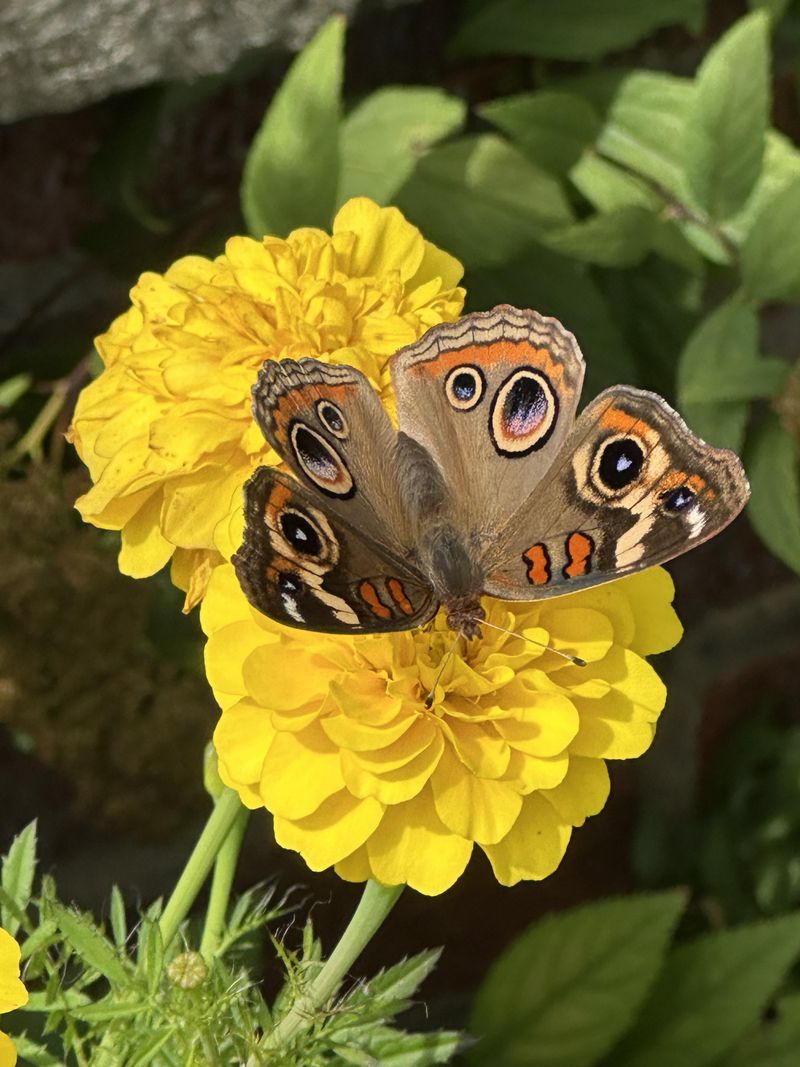
Marigolds have been showing up in butterfly gardens for generations, and the reason is straightforward enough.
That bold orange and yellow color is visible from a distance, butterflies do visit, and the plants bloom without complaint from late spring all the way through frost. Reliability is underrated in a pollinator garden, and marigolds deliver it consistently.
French marigolds, Tagetes patula, attract more butterfly attention than the large-flowered African types.
The open single-flowered varieties give easier nectar access than the big fluffy double blooms that look impressive in photos but are harder for butterflies to navigate during an actual feeding visit.
Skippers, sulphurs, and painted ladies visit marigolds regularly throughout the Pennsylvania season.
Plant marigolds along garden edges, in containers, or as a border around a larger pollinator planting. They grow easily from seed or transplant.
Direct sow after the last frost or start indoors four to six weeks early. Full sun and average Pennsylvania soil are all they require.
Trimming consistently prevents plants from going to seed too early, which maintains stronger bloom production through midsummer.
The strong scent that some gardeners use to deter deer and rabbits from nearby plantings is an added practical benefit in Pennsylvania landscapes where deer pressure is a consistent challenge.
Pairing marigolds with pentas or zinnias creates a border that serves both protective and butterfly-friendly purposes simultaneously.
Marigolds may not produce the dramatic butterfly numbers that zinnias or tithonia command, but they never skip a day of blooming either. That kind of dependability is worth more than it looks.