How Arizona Homeowners Should Adjust Irrigation Systems When Monsoon Rains Arrive
The arrival of monsoon season changes more than just the weather forecast. Dry days can suddenly give way to heavy rain, cloudy skies, and conditions that feel completely different from the weeks before.
Many homeowners welcome the extra moisture, especially after months of intense heat, but it can also create a new challenge that is easy to overlook.
Irrigation systems are often set up to handle long stretches of hot, dry weather. Once regular rainfall enters the picture, those same settings may not make as much sense as they did earlier in the season.
The transition does not always happen overnight, which can make it difficult to know when adjustments are needed and which changes are worth making.
Monsoon rains bring a different set of conditions to Arizona landscapes.
A few irrigation habits that worked perfectly before the season arrived may need a second look as weather patterns begin shifting.
1. Reduce Watering Times After A Soaking Rain
Puddles in the yard are a clear sign your system ran too long. After a heavy monsoon storm drops a solid inch or more of rain, your soil is already saturated.
Running your sprinklers on top of that pushes water past the root zone where plants cannot use it.
Cut your watering times by at least 50 percent right after a big storm. If you normally run drip zones for 30 minutes, drop to 15.
Sandy soils drain faster, so check again after a day or two. Clay soils hold moisture much longer and may not need irrigation for several days.
A simple rain gauge in your yard takes the guesswork out of this. Knowing exactly how much fell helps you decide how much to reduce your schedule.
Even a cheap plastic gauge works well enough for everyday decisions.
Do not wait for plants to look stressed before making changes. Overwatered roots have less oxygen and become weak over time.
Reducing runtime right after a soaking rain is one of the easiest ways to protect your landscape during monsoon season. It saves water and keeps your plants on a healthier schedule throughout the entire storm season.
2. Check Soil Moisture Before Irrigation Starts Again
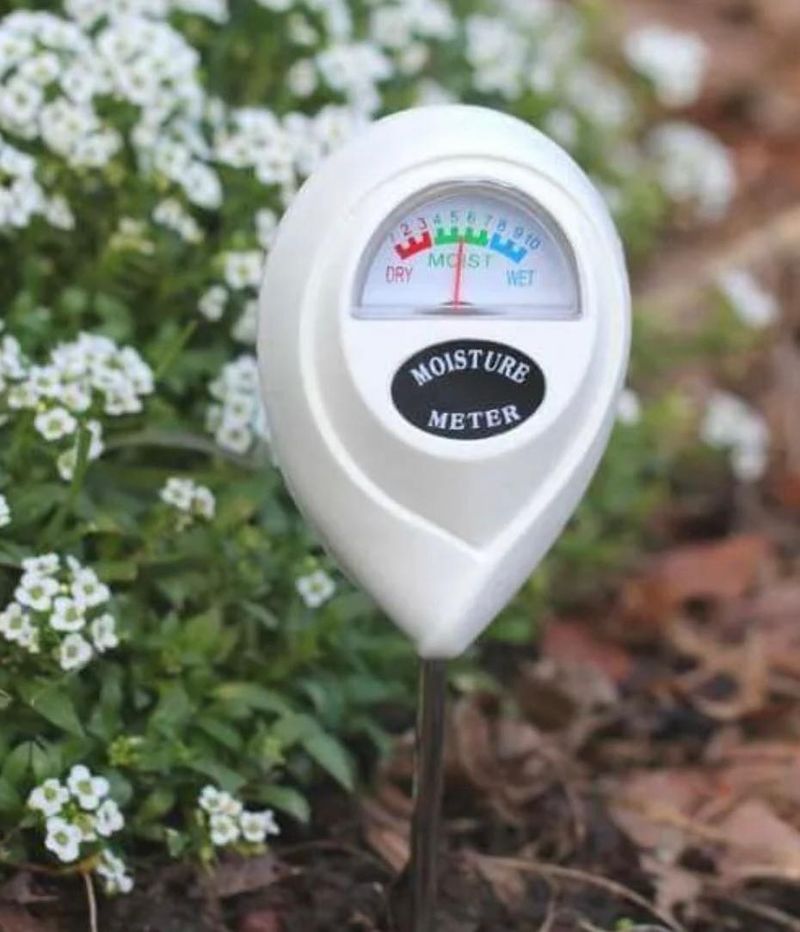
Guessing whether your soil needs water is a losing game during monsoon season. Storms vary wildly.
One day brings a light sprinkle, the next drops two inches in an hour. Your timer does not know the difference, but a quick soil check does.
Push a screwdriver or wooden dowel about six inches into the soil near your plants. If it slides in easily and comes out damp, hold off on irrigation.
If it hits resistance and feels dry, your plants likely need water. Repeat this in multiple spots since moisture levels vary across a yard.
Soil moisture meters are another solid option. Basic models are inexpensive and easy to read.
Stick the probe in, check the reading, and decide from there. Readings above the midpoint usually mean you can skip the next irrigation cycle without any concern.
Roots need air as much as they need water. Constantly wet soil reduces oxygen levels around root systems and weakens plant health over time.
Your Arizona Garden Changes Every Week. Your Plan Should Too.
Gardening in Arizona changes quickly throughout the season. Every Friday you’ll receive a simple weekly plan showing exactly what to plant, prune, fertilize, harvest, and protect so you never miss the right timing.
Checking moisture before each cycle prevents this problem and gives you real data to work with.
3. Reprogram Controllers As Rainfall Becomes More Frequent
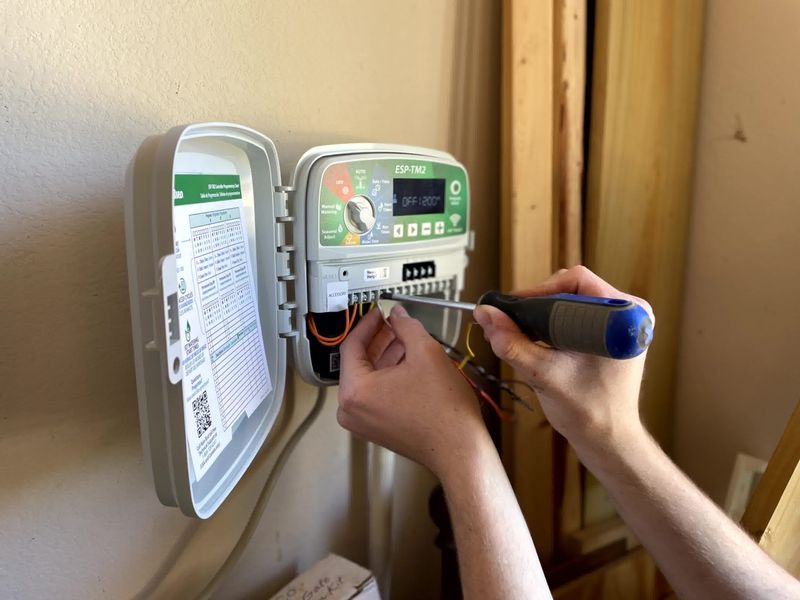
Your irrigation controller was probably set up during the dry season. Those settings made sense back then.
Monsoon season demands a completely different schedule, and leaving your timer unchanged wastes a significant amount of water every week.
Start by reducing the number of irrigation days per week. If you water four days a week in June, drop to two during active monsoon periods.
Adjust again whenever rain becomes frequent. Some weeks you may not need to run the system at all.
Smart controllers with weather-based sensors do some of this automatically. They pull local weather data and skip cycles when rain is detected or predicted.
These upgrades are worth the cost for larger yards where manual adjustments are harder to keep up with week after week.
Even without a smart controller, simple rain sensors are affordable and easy to install. They interrupt scheduled cycles when rainfall exceeds a set threshold.
Most can be found at hardware stores for under thirty dollars and connect directly to your existing controller.
Reprogramming is not a one-time task during monsoon season. Rainfall patterns shift week by week.
Checking your schedule every seven to ten days and making small adjustments keeps your system aligned with actual conditions.
4. Clear Debris From Emitters After Heavy Storms
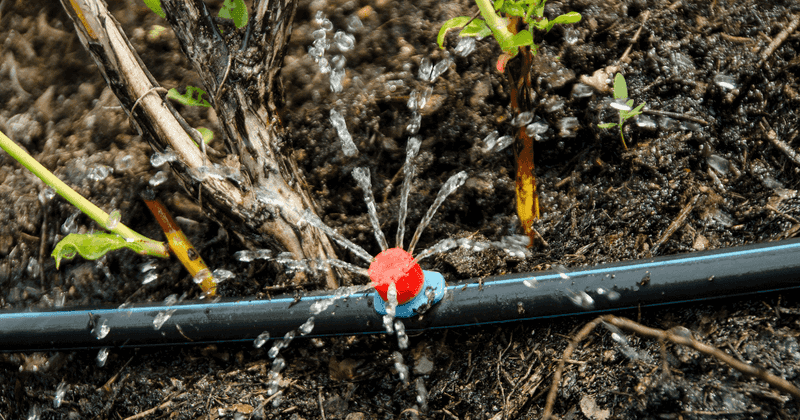
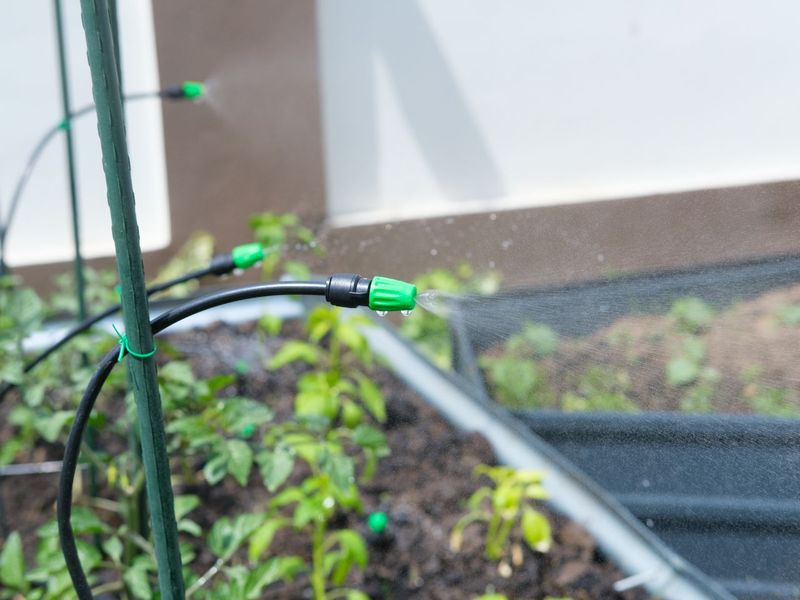
Monsoon storms are messy. Wind throws debris everywhere, and heavy rain moves soil, gravel, and organic matter right into your drip emitters and spray heads.
A clogged emitter delivers zero water to your plants, even when the system runs perfectly.
Walk your irrigation zones after every major storm. Look for emitters buried under washed-in gravel or packed with mud.
Spray heads can collect leaves, twigs, and sediment that block the nozzle or prevent the head from popping up correctly. Even partial blockages reduce output significantly.
Cleaning emitters is straightforward. Remove the emitter from the line, rinse it under running water, and use a small pin or toothpick to clear the opening.
Seriously blocked emitters are cheap to replace and usually easier to swap than clean thoroughly.
Spray nozzles may need a quick rinse and reinstall. Check that each head rises fully and rotates without obstruction.
Bent or tilted heads after storms often point water in the wrong direction and miss the target area entirely.
Making this a habit after each significant storm keeps your system running efficiently. Blocked emitters are easy to overlook but cause real problems, especially for desert plants that depend on precise water delivery.
5. Improve Drainage Where Water Collects Around Roots
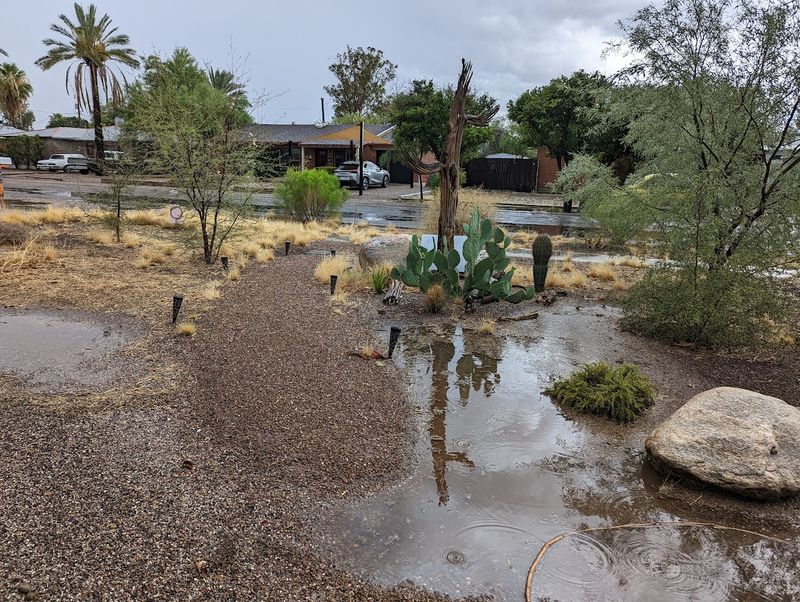
Standing water around plant roots after a storm is a warning sign. Most desert plants are adapted to fast drainage and cannot tolerate wet roots for more than a day or two.
Pooling water near root zones creates serious problems fast.
Look for low spots in your yard where water collects after heavy rain. These areas often develop over time as soil settles.
Adding coarse gravel or decomposed granite to low spots helps water move through more quickly. Regrading small sections of soil can redirect flow away from vulnerable root zones.
French drains are worth considering for chronic pooling areas. A simple trench filled with gravel and a perforated pipe channels excess water away from plant beds toward a more suitable drainage point.
Installation takes a weekend and makes a noticeable difference during heavy storm events.
Raised planting beds are another practical fix. Elevating soil even a few inches above grade keeps roots out of standing water during intense storms.
Many desert gardeners in the Southwest use this approach specifically for plants sensitive to wet conditions.
Mulch also plays a role. A layer of coarse organic mulch or gravel around plants absorbs surface water and slows runoff.
Avoid fine mulch that compacts and repels water.
6. Inspect Valves And Connections For Hidden Leaks
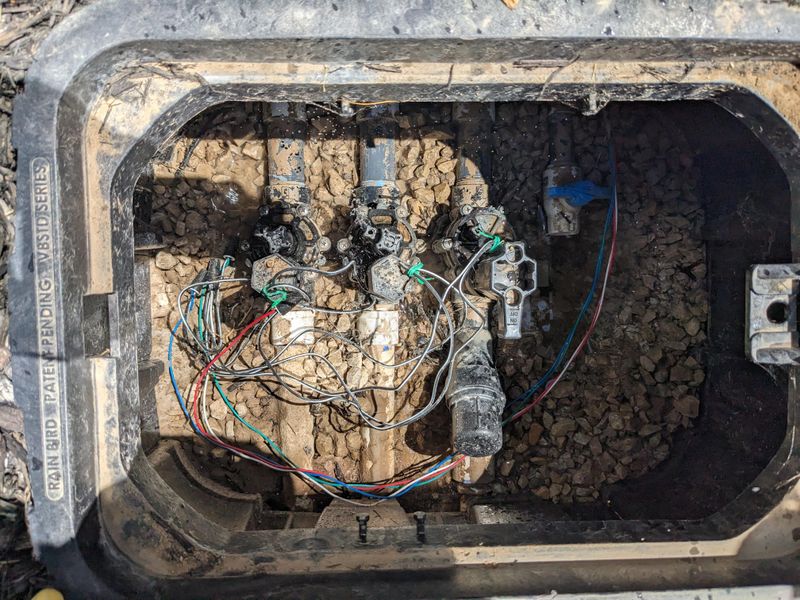
Monsoon storms put real stress on irrigation systems. Pressure spikes, debris impact, and soil movement can loosen connections and crack fittings that looked fine just weeks ago.
Hidden leaks waste water and can quietly damage nearby plants or structures.
Check each valve box after a major storm. Open the lid and look for standing water inside, which often signals a leak nearby.
Feel along nearby pipes and connections for dampness. Wet soil around a valve box when no irrigation has run recently is a reliable indicator of a problem underground.
Above-ground connections deserve attention too. Look at any exposed fittings, risers, and backflow preventers.
Joints that were secure before storm season can loosen under pressure or physical impact from storm debris. A small drip from a fitting may not seem urgent, but it adds up fast over a full season.
Pressure fluctuations during storms can also damage solenoid valves. If a zone runs continuously or fails to activate after a storm, the solenoid may have been affected.
Testing each valve manually helps identify electrical or mechanical issues before they become bigger problems.
Catching leaks early saves water and prevents erosion around pipes and plant beds. A quick inspection after each significant storm takes less than twenty minutes.
7. Test Every Zone Between Storm Systems
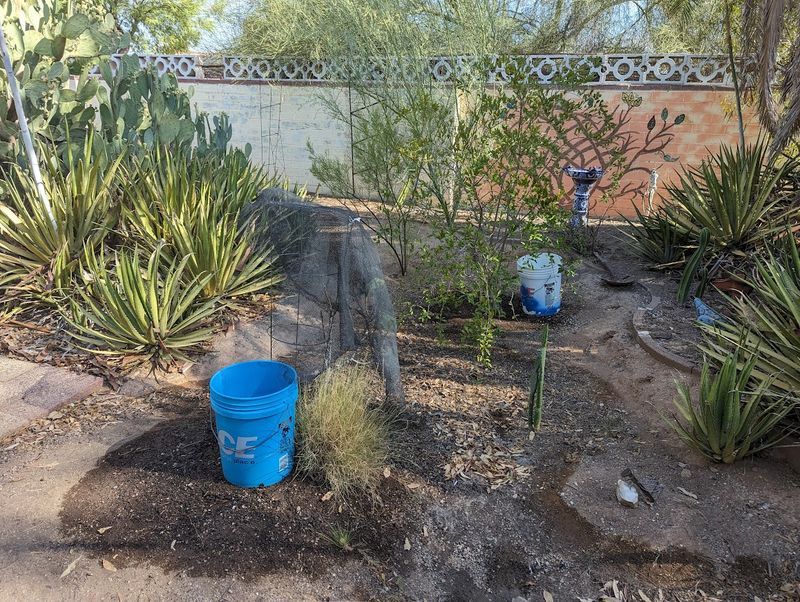
Between storm systems is the best time to run a full zone test. Weather windows during monsoon season are unpredictable, so taking advantage of a dry stretch helps you catch problems before the next round of rain arrives.
Run each zone manually for a few minutes and watch closely. Look for heads that are not popping up, emitters with weak or no output, and spray patterns that have shifted.
Uneven coverage often means something changed during the last storm, whether from debris, pressure changes, or physical damage.
Walk the full perimeter of each zone while it runs. Dry patches between storms that do not match your irrigation schedule often point to a blocked or broken emitter.
Soggy spots that appear without recent rain can mean a line is leaking underground or a valve is not closing fully.
Write down what you find. A simple notepad or phone note works fine.
Tracking which zones had issues and when helps you spot recurring problems faster over the course of the season. Patterns become obvious when you keep even basic records.
Zone testing between storms also helps you fine-tune your schedule. Seeing actual coverage in action gives you better information than relying on your original setup.
Small adjustments made now prevent bigger water waste or plant stress later.