The Florida Gardener’s Guide To Growing Gorgeous Ornamental Onion
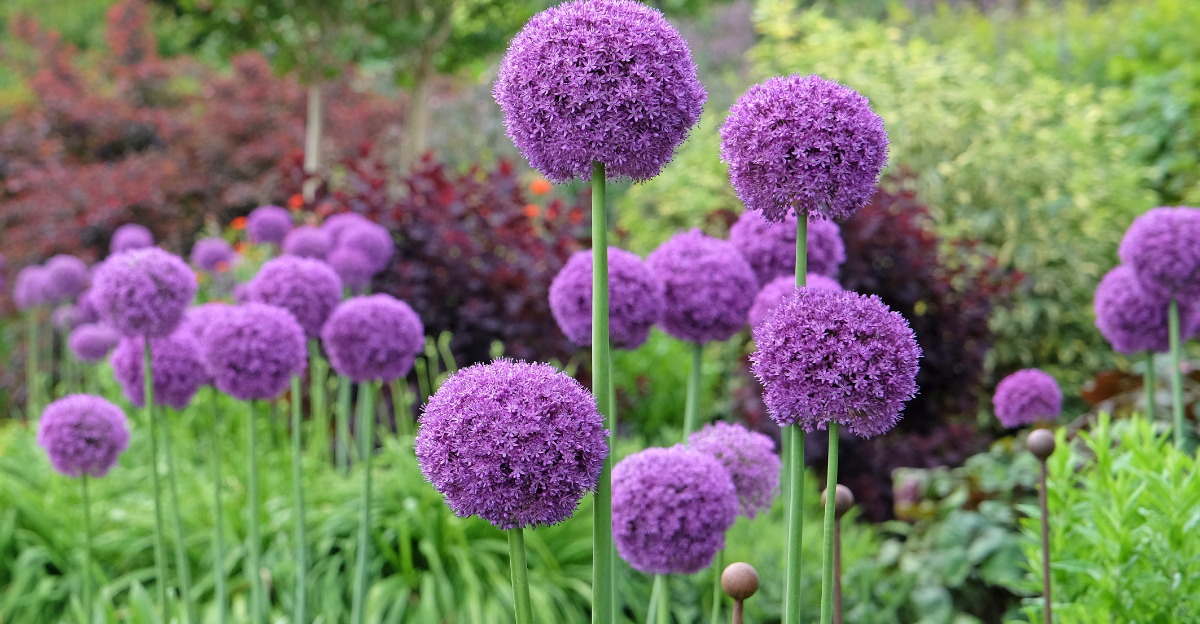
Ornamental onion may not sound like the star of a flower bed, but give it one season and it might change your mind. Those round, firework-like blooms bring height, shape, and a little drama without trying too hard.
In Florida, though, growing alliums is not always as simple as tucking bulbs into the ground and waiting for a show. The heat, humidity, and mild winters can make some varieties fussy, so the right approach matters from the start.
Can you still grow those gorgeous globe-shaped flowers in the Sunshine State?
Absolutely, but it helps to know which types have a better shot, where to plant them, and what care keeps them from fading fast.
For gardeners craving something a little unexpected, ornamental onions can add that sculptural, “what is that?” moment every garden needs.
1. Start With The Right Allium Variety
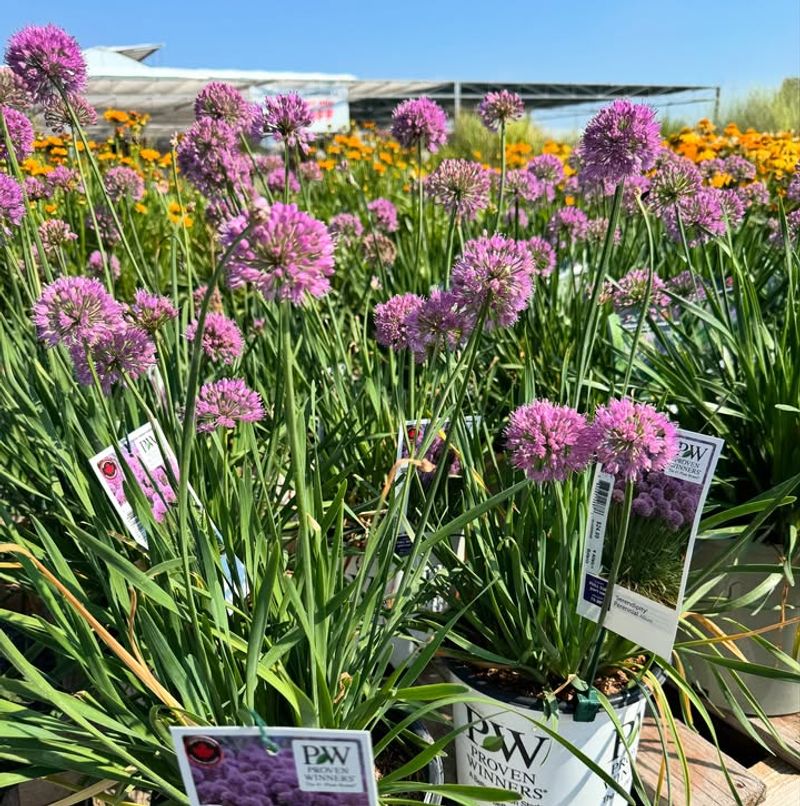
Picking the right variety is probably the most important decision you will make before a single bulb goes in the ground. Not every ornamental onion is built for warm climates, and choosing the wrong one can mean a season of waiting for blooms that never arrive.
Some alliums require a long stretch of winter cold to trigger proper flowering, and that kind of sustained chill is simply not available in many parts of the state.
Allium species vary widely in their cold requirements, bloom times, and heat tolerance.
Gardeners in the northern part of the state have a better shot at satisfying the chill needs of certain varieties than those gardening in Central or South gardens.
If you are unsure which types are best suited to your area, reaching out to your local UF/IFAS Extension office is a solid first step. They can point you toward varieties that have shown promise in warm-climate trials.
Reputable bulb suppliers who specialize in Southern or warm-climate gardening can also be a helpful resource. Look for suppliers who are honest about which alliums need more chill than your area can provide.
Some smaller-flowering allium species may be more forgiving than the large-globe types that look so dramatic in gardening magazines.
Do not assume that a variety works just because it is sold at a local garden center. Retailers sometimes carry bulbs suited for cooler climates without flagging the difference.
Doing a little research before buying saves you time, money, and frustration later in the season. Starting with the right variety sets every other step up for success.
2. Plant Bulbs When The Weather Cools
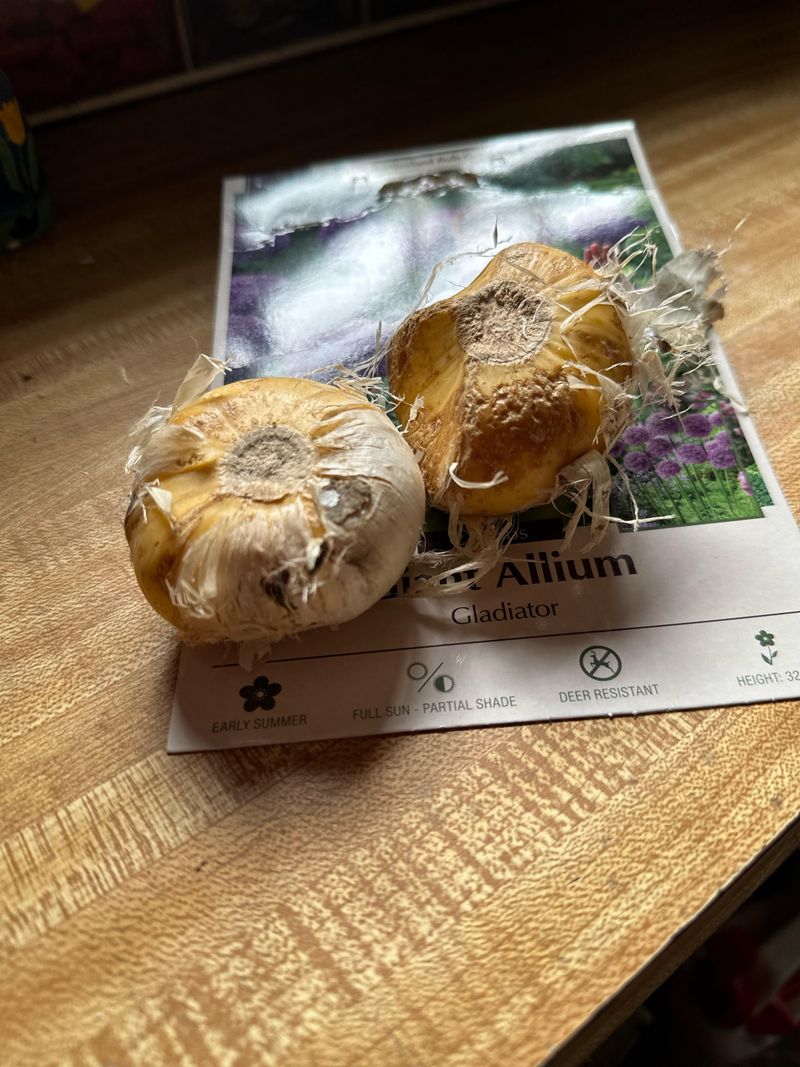
Timing is everything with ornamental onion bulbs, and getting it wrong can mean poor blooms or bulbs that struggle before they even get started.
These bulbs are generally planted during the cooler season rather than in peak heat, which makes sense when you think about how they grow naturally.
Warm soil at planting time can stress bulbs and make it harder for them to settle in properly.
The right planting window varies depending on where you garden. Northern gardens tend to have a longer and more reliable cool season, which gives bulbs more time to establish before spring warmth arrives.
Your Florida Garden Changes Every Week. Your Plan Should Too.
Gardening in Florida changes quickly throughout the season. Every Friday you’ll receive a simple weekly plan showing exactly what to plant, prune, fertilize, harvest, and protect so you never miss the right timing.
Central gardens work with a shorter cool window, so timing your planting carefully matters even more. In South gardens, the cool season is brief and mild, and gardeners there should be especially thoughtful about when and whether to plant at all.
Do not follow a one-size-fits-all calendar. Check with your local UF/IFAS Extension office or a trusted regional bulb supplier for area-specific planting guidance.
General advice from national gardening sources is often written for cooler climates and may not apply here. Following region-specific guidance gives your bulbs the best possible start.
One practical tip is to watch your local overnight temperatures as a guide. Bulbs generally do better going into soil that has had a chance to cool down from summer heat.
Rushing the planting window because you are excited about those globe-shaped blooms is understandable, but patience here truly pays off. A well-timed planting gives ornamental onions the foundation they need to push through and flower.
3. Give Them Full Sun And Fast Drainage
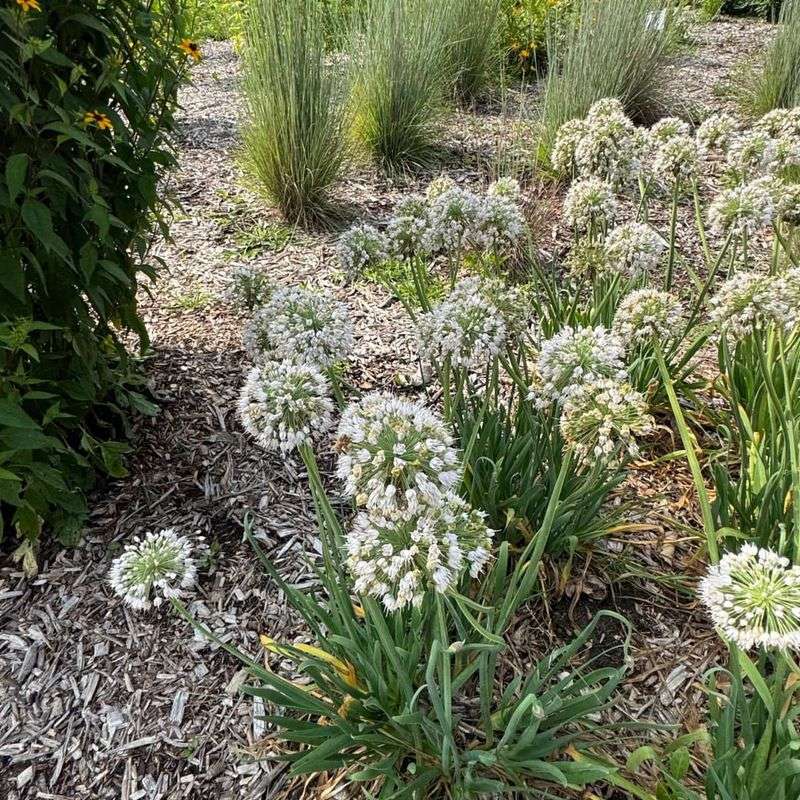
Ornamental onions are sun lovers, plain and simple. They perform best in spots that receive full sun for most of the day, and shady or partially shaded locations tend to produce weak stems and fewer flowers.
If you are scouting a planting spot, look for an area that gets at least six hours of direct sunlight daily, and ideally more.
Drainage matters just as much as light, and this is where many warm-climate gardeners run into trouble. Heavy, compacted, or waterlogged soil can cause bulbs to rot before they ever get a chance to bloom.
The wet season brings significant rainfall across much of the region, and bulbs sitting in saturated soil for extended periods are unlikely to survive in good shape.
Sandy soil, which is common across much of the state, actually drains quickly and can work in your favor for bulb growing. If your soil is heavier or tends to hold water, amending it with coarse sand, perlite, or organic matter can improve drainage.
Raised beds are another excellent option because they let you build a well-draining planting environment from scratch, regardless of what the native soil looks like.
Avoid planting in low spots where water collects after rain. Even a few hours of standing water around bulbs can cause problems.
Sloped areas or elevated spots in the yard often provide the natural drainage that ornamental onions prefer. Getting both the sun exposure and the drainage right before planting is one of the smartest moves you can make.
These two factors together have a bigger impact on bulb success than almost anything else.
4. Use Containers To Beat Soggy Soil
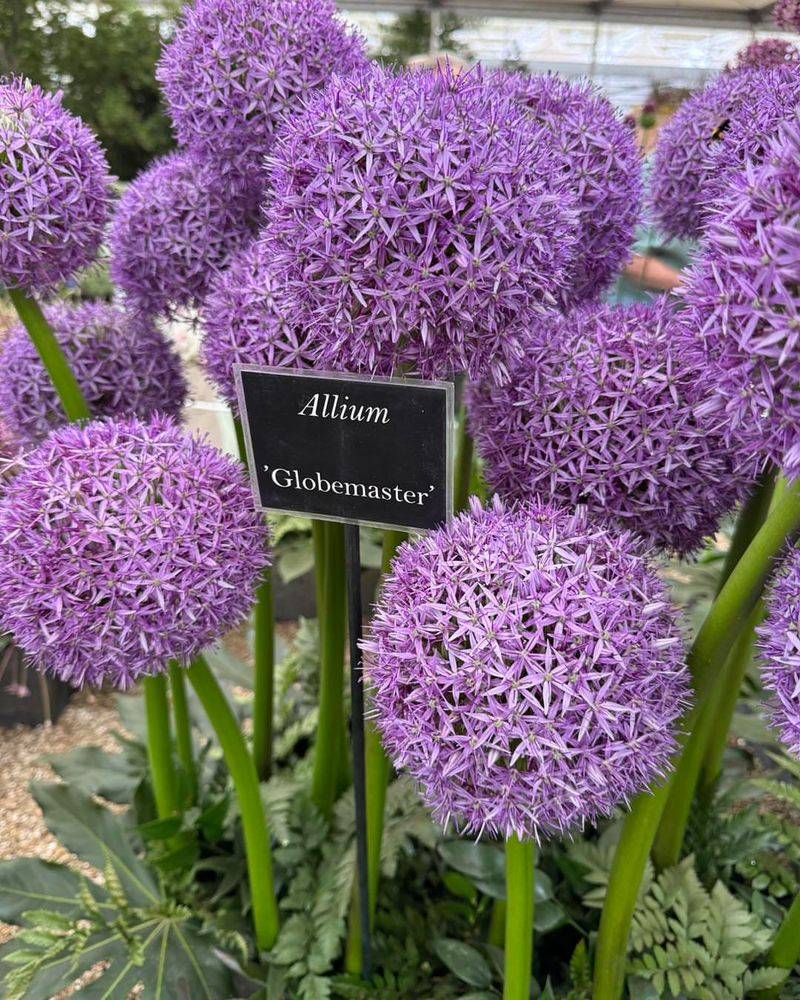
Container growing is one of the smartest workarounds available to gardeners dealing with heavy soil, poor drainage, or low-lying yards. Pots give you direct control over the growing environment in a way that in-ground planting simply cannot match.
You choose the soil mix, the pot depth, and exactly where the container sits to catch the most sun.
A well-draining potting mix designed for bulbs or combined with added perlite gives ornamental onions the loose, airy root zone they prefer. Avoid using straight garden soil in containers because it tends to compact and hold too much moisture.
The goal is a mix that lets water move through quickly while still holding enough nutrients to support healthy growth.
Drainage holes are non-negotiable. A beautiful pot without proper drainage is just an expensive way to drown your bulbs.
Make sure water flows freely from the bottom of the container after each watering, and never let pots sit in saucers filled with standing water for long periods. Elevating containers slightly on pot feet can help improve airflow and drainage underneath.
Containers also offer flexibility that in-ground beds do not. You can move pots to shadier spots during intense heat, bring them closer to the house for easier monitoring, or tuck them away once the foliage starts to fade.
This kind of control is especially valuable for gardeners in rainy, low-elevation, or poorly drained yards where in-ground bulb growing is a real challenge. Starting with one or two containers is a low-risk test.
You can see how ornamental onions respond to your conditions before committing to a larger planting.
5. Match Your Expectations To Your Region
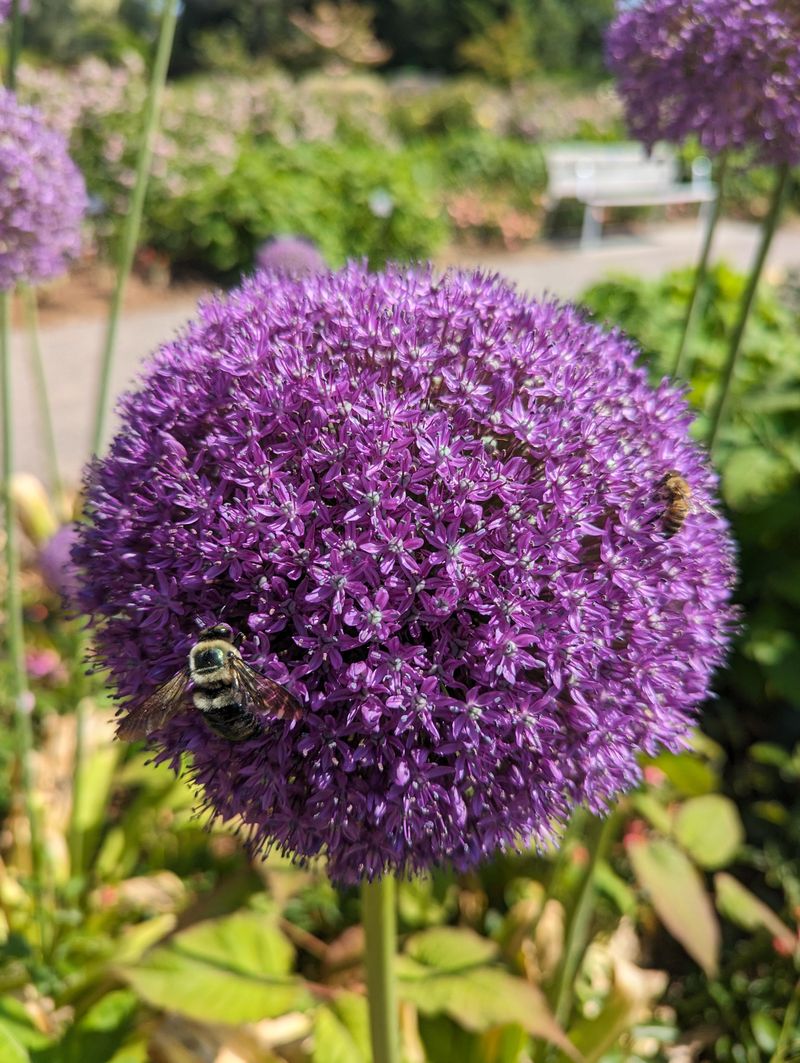
Geography plays a huge role in how ornamental onions perform, and treating the entire state as one uniform growing zone leads to disappointment. The Panhandle and northern parts of the region get cooler winters with more consistent cold nights.
That can help satisfy the chill requirements many allium varieties need. Gardeners there have a reasonable shot at getting solid results with well-chosen varieties.
Central gardens sit in a middle ground where winters are mild but not as cold or as long as northern areas. Chill accumulation can be inconsistent from year to year, which means results with ornamental onions may also be inconsistent.
Some seasons might surprise you with a decent flower show, while others may produce mostly foliage. Managing that uncertainty is part of gardening in this zone.
South gardens face the greatest challenge. Winters are short, warm, and rarely provide the sustained cold that most allium bulbs need to trigger proper blooming.
Gardeners in South gardens should approach ornamental onions with extra caution. Start with container trials and look for varieties noted for low chill requirements.
Assuming that what works in a northern yard will translate directly to a coastal or southern yard is a recipe for frustration.
Coastal yards can also add humidity and salt air into the equation, which brings its own set of variables. The honest truth is that success with ornamental onions is more likely in northern gardens and gets progressively trickier as you move south.
Knowing your region’s realistic limitations before you plant helps you set expectations that match what your yard can actually deliver. That honest starting point makes the whole experience more enjoyable.
6. Hide Fading Foliage With Better Plant Partners
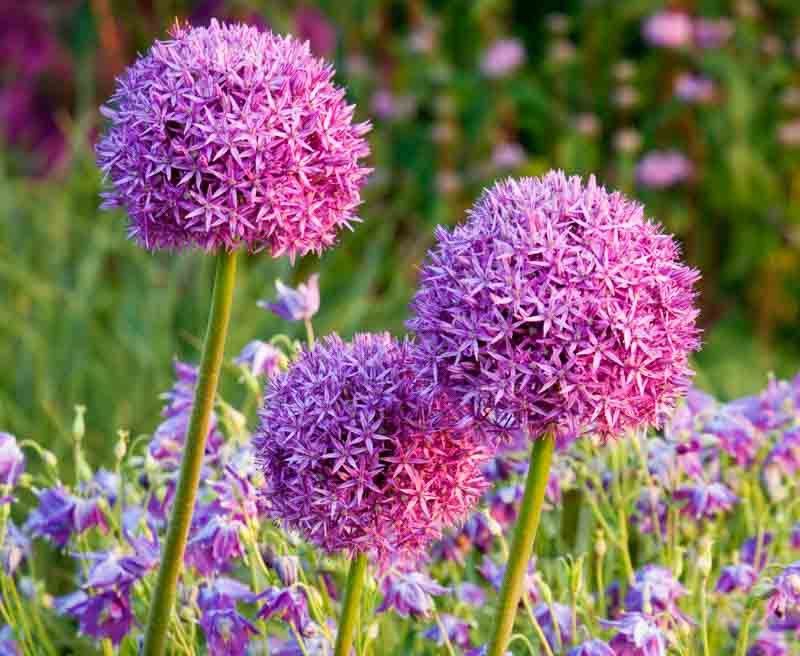
One of the quirks of growing ornamental onions is that the foliage tends to look its worst right around the time the flowers are at their best. Leaves can yellow and flop before or during the bloom period, which is a natural part of the plant’s growth cycle.
Leaving that fading foliage exposed can make even a gorgeous bed look a little ragged.
The classic solution is to pair alliums with lower-growing companions that fill in around the base of the bulbs. These neighboring plants hide the tired leaves while letting the tall flower stems and globe blooms rise above them for full visual impact.
The combination looks intentional and polished rather than like something went wrong.
Choosing the right companions matters, especially in warm-climate gardens where plant behavior can differ from what northern gardening books describe.
Look for low-growing, well-behaved plants that stay tidy, do not spread aggressively, and thrive in full sun with good drainage.
Native groundcovers, compact ornamental grasses, and low-growing perennials suited to your area can all work well depending on your specific region and conditions.
Avoid pairing alliums with plants that need frequent overhead watering, since wet conditions around the bulb zone can cause problems.
Also steer clear of anything labeled as aggressive or invasive in your area, since you do not want a companion plant that eventually takes over the bed.
Your local UF/IFAS Extension office or Florida-Friendly Landscaping resources can help identify good companion plants. Look for options that are attractive and suited to your zone.
Good plant partners make the whole design stronger and keep the focus where it belongs, on those stunning globe blooms.
7. Treat Them As A Beautiful Experiment
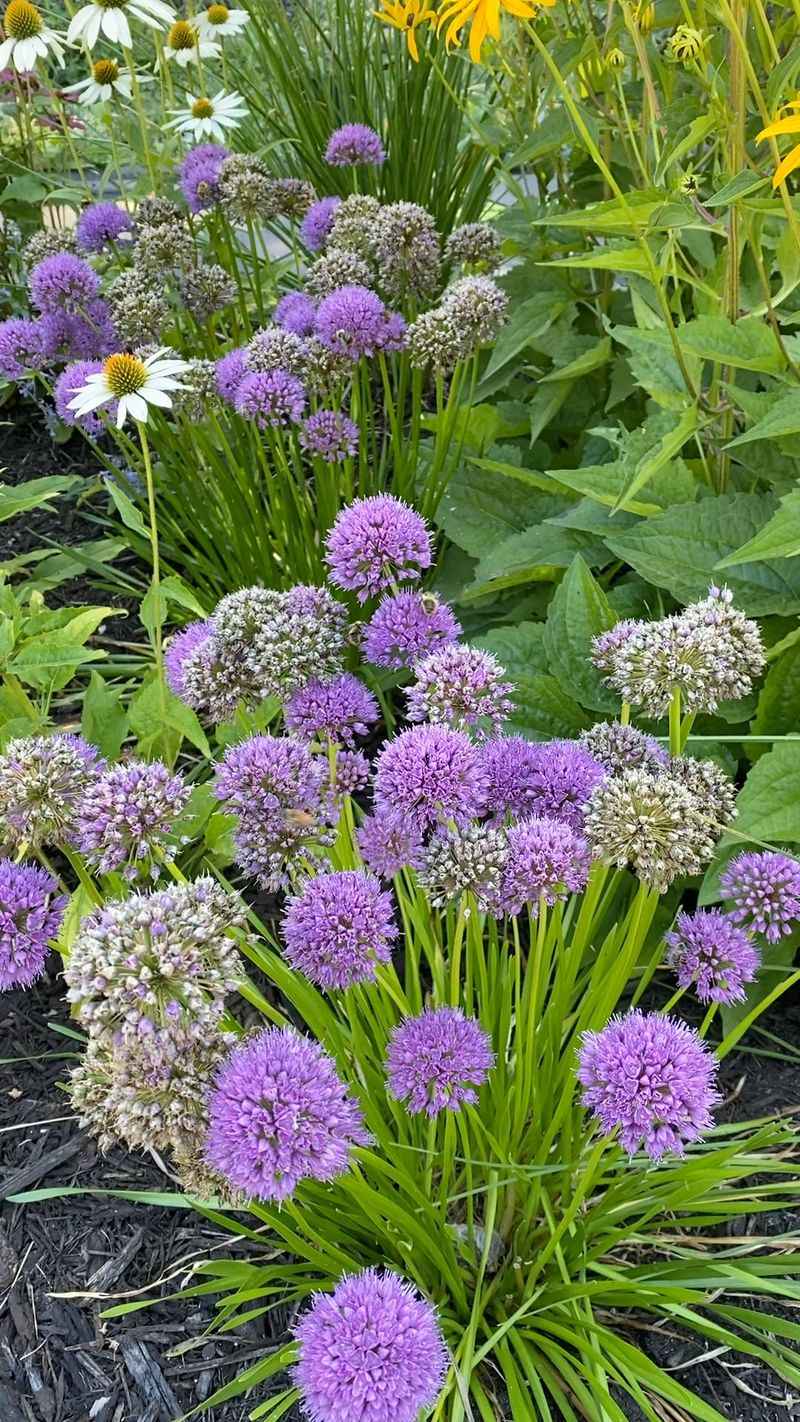
Ornamental onions are genuinely worth trying, but going in with the right mindset makes a real difference in how you feel about the results. These are not the kind of bulbs you can plant once and expect to naturalize reliably across a warm, humid garden year after year.
Treating each planting season as a learning experiment keeps the experience fun rather than frustrating.
Starting small is the smartest approach for first-timers. A single container or a small in-ground trial bed gives you useful real-world data without a big investment of time or money.
Pay attention to what happens at each stage. Note when foliage emerges, whether blooms appear, and how the bulbs handle your drainage and sun.
That kind of close observation teaches you more than any general guide can.
Keep a simple garden journal or even just a few notes on your phone. Record what variety you planted, when you planted it, and what the results looked like.
If something works beautifully, you will want to remember exactly what you did. If results are disappointing, your notes help you figure out what to adjust or whether a different variety might perform better.
Some gardeners in warm climates treat ornamental onion bulbs as annuals, planting fresh bulbs each cool season rather than expecting the same ones to rebloom reliably. That approach costs a little more each year, but it removes a lot of uncertainty.
The globe-shaped blooms are striking enough that many gardeners find the experiment completely worth repeating. Give them a fair shot, stay curious, and let your own yard tell you what works best.