The Most Underrated Pennsylvania Native Fern That Helps Keep Ticks Out Of Shaded Garden Areas
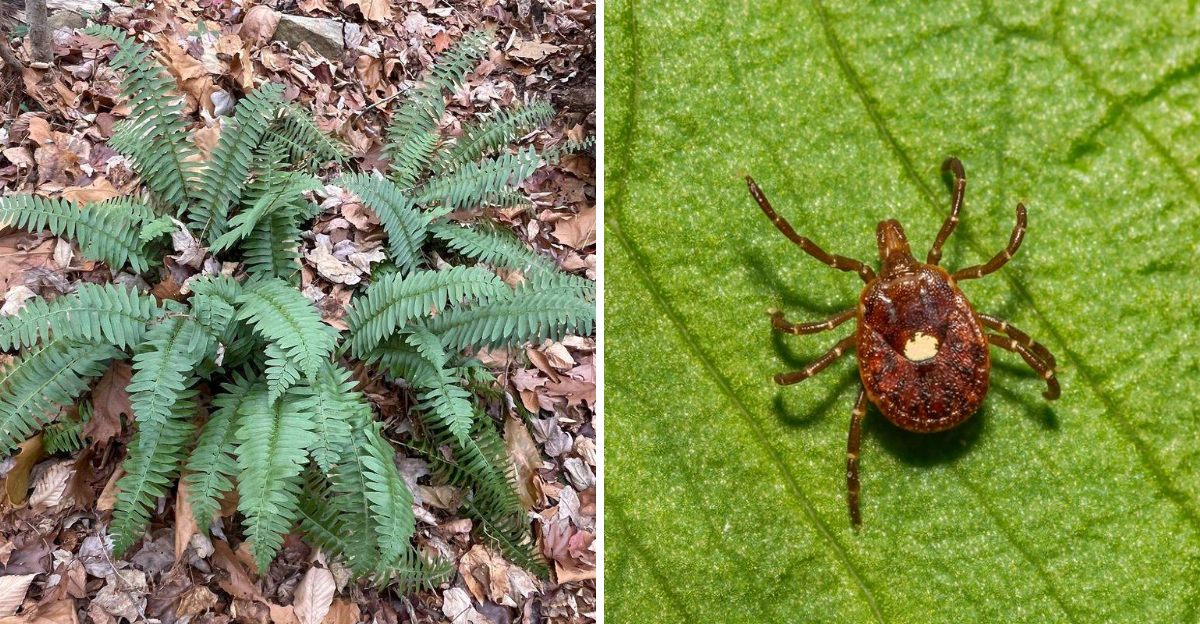
Shaded garden areas in Pennsylvania come with a frustrating tradeoff. They’re cool, beautiful, and great for plants that can’t handle full sun.
But they’re also exactly the kind of environment ticks love most. Damp, shady, and full of the leaf litter and ground cover ticks use to hide and wait for their next opportunity.
Most people respond with sprays or constant cleanup. But there’s a native Pennsylvania fern that takes a different approach.
This underrated fern has earned a reputation for making shaded garden areas considerably less appealing to ticks.
It thrives in low light, fills in beautifully under trees and along shady borders, and creates the kind of dense, textured ground cover that ticks tend to avoid rather than seek out.
Most gardeners have never considered it for tick control, growing it purely for its looks instead. Here’s the fern that could make your shaded garden spots a lot safer to enjoy.
Meet Christmas Fern
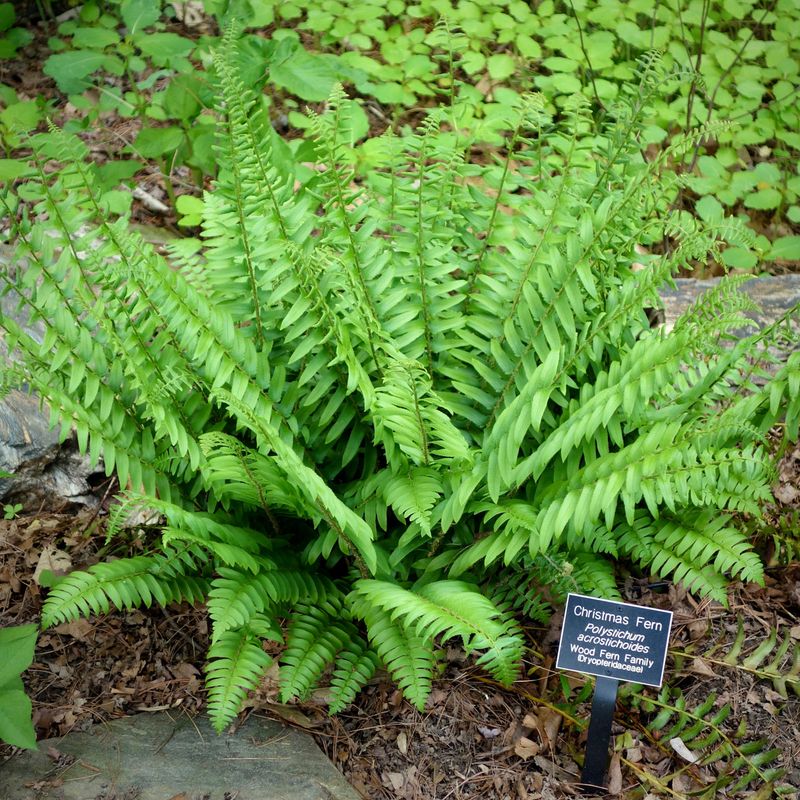
Not every garden hero looks flashy, and the Christmas Fern is proof of that. Polystichum acrostichoides is a native Pennsylvania fern that has been quietly thriving in woodlands and shaded gardens for centuries.
Its name comes from the fact that its fronds stay green well into December, making it a reliable source of color even in the coldest months.
The fronds are dark, glossy, and lance-shaped, giving the plant a clean and polished look year-round. Each frond can grow between one and two feet long, creating a full, arching shape that spreads gracefully over the ground.
Unlike many plants that fade or go dormant in fall, the Christmas Fern holds its color and structure through winter.
Native to the eastern United States, this fern is especially well-suited to Pennsylvania’s climate, soil, and rainfall patterns.
It grows naturally along stream banks, hillsides, and forest edges, which means it is already built for the conditions found in most shaded backyard gardens.
Gardeners who have tried it often say it is one of the easiest native plants they have ever grown.
What makes it truly special is how little attention it needs once it gets going. No pruning, no babying, and no special soil amendments are required.
Just plant it in a shaded spot with decent drainage, and it will reward you with lush, evergreen growth season after season.
For Pennsylvania homeowners looking for a dependable, beautiful, and ecologically smart ground cover, the Christmas Fern is an easy and rewarding choice worth making.
Tick-Deterring Ground Cover

Ticks are sneaky little creatures. They do not fly or jump, but they wait in leaf litter, bare shaded soil, and tall grassy patches for a warm body to brush past.
Shaded garden areas are some of their favorite hangout spots, especially where the ground stays moist and covered with loose debris. That is exactly where the Christmas Fern steps in as a natural line of defense.
When planted in clusters, Christmas Ferns form a dense, overlapping layer of fronds that sits close to the ground. This tight coverage removes the kind of loose, messy habitat that ticks depend on.
Your Pennsylvania Garden Changes Every Week. Your Plan Should Too.
Gardening in Pennsylvania changes quickly throughout the season. Every Friday you’ll receive a simple weekly plan showing exactly what to plant, prune, fertilize, harvest, and protect so you never miss the right timing.
By replacing bare soil and scattered leaf litter with a solid blanket of living greenery, the fern makes those areas far less appealing to ticks looking for a place to rest and wait.
Research and field observations have shown that areas with dense native ground cover tend to have lower tick populations than open, weedy, or leaf-littered zones. The Christmas Fern contributes to this by creating a cleaner, more structured ground layer.
It does not use chemicals or sprays, which makes it a completely natural and safe approach for families with children and pets.
Planting Christmas Ferns along the edges of your yard, near wooded borders, or under large trees can create a protective buffer zone. These are the exact spots where ticks tend to travel from wild areas into your yard.
Filling those gaps with thick fern growth is one of the smartest and most eco-friendly ways to reduce tick pressure in your outdoor space without any harmful products.
Shade Adaptation
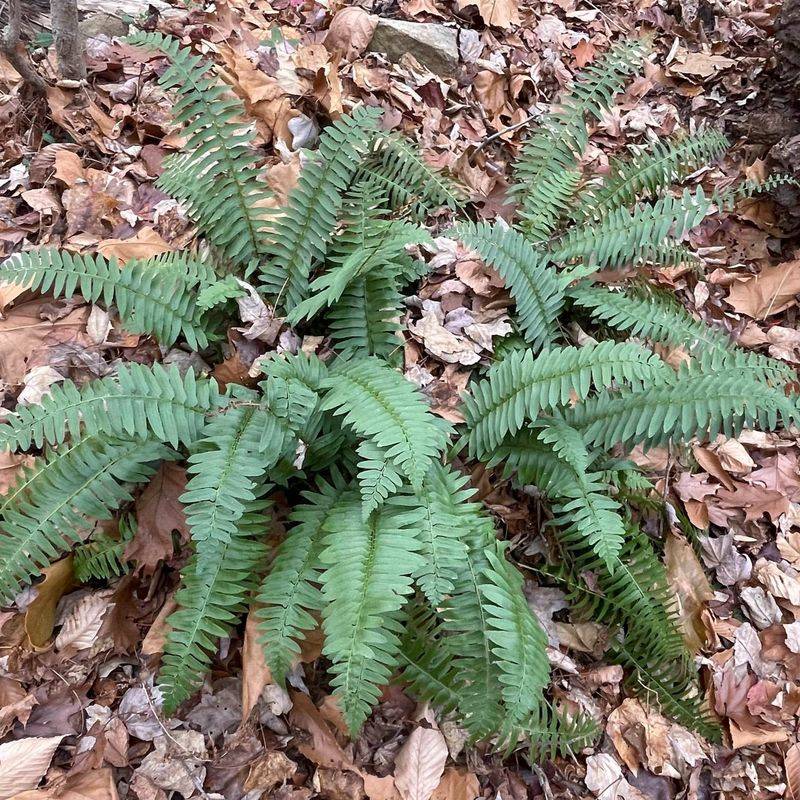
Finding plants that actually thrive in deep shade is one of the trickiest challenges for any gardener. Most flowering plants need at least a few hours of direct sunlight to bloom and stay healthy.
The Christmas Fern, though, was built for the shade. It evolved over thousands of years in forest understories where sunlight is filtered, limited, and often blocked entirely by a thick tree canopy above.
Under large oaks, maples, or evergreen trees where grass refuses to grow and bare soil is a constant problem, Christmas Ferns fill in beautifully. They do not stretch or struggle toward the light the way some shade-tolerant plants do.
Instead, they spread their fronds wide and low, making the most of whatever indirect light filters through. This natural adaptation makes them incredibly reliable in spots that most other plants simply cannot handle.
Shaded borders along fences, the north-facing sides of homes, and the areas beneath dense shrubs are all perfect locations for this fern. Gardeners often describe these spots as problem areas because nothing seems to grow there.
Christmas Ferns change that equation entirely by thriving in conditions that would stress or stunt most other plants.
Another bonus is that deep shade also tends to be where tick activity is highest, since ticks avoid direct sunlight and heat.
By filling those shaded zones with dense fern growth, you are addressing both the aesthetic problem of bare shady ground and the practical problem of tick-friendly habitat at the same time. Two problems, one beautifully simple native plant solution that actually works.
Low-Maintenance Growth
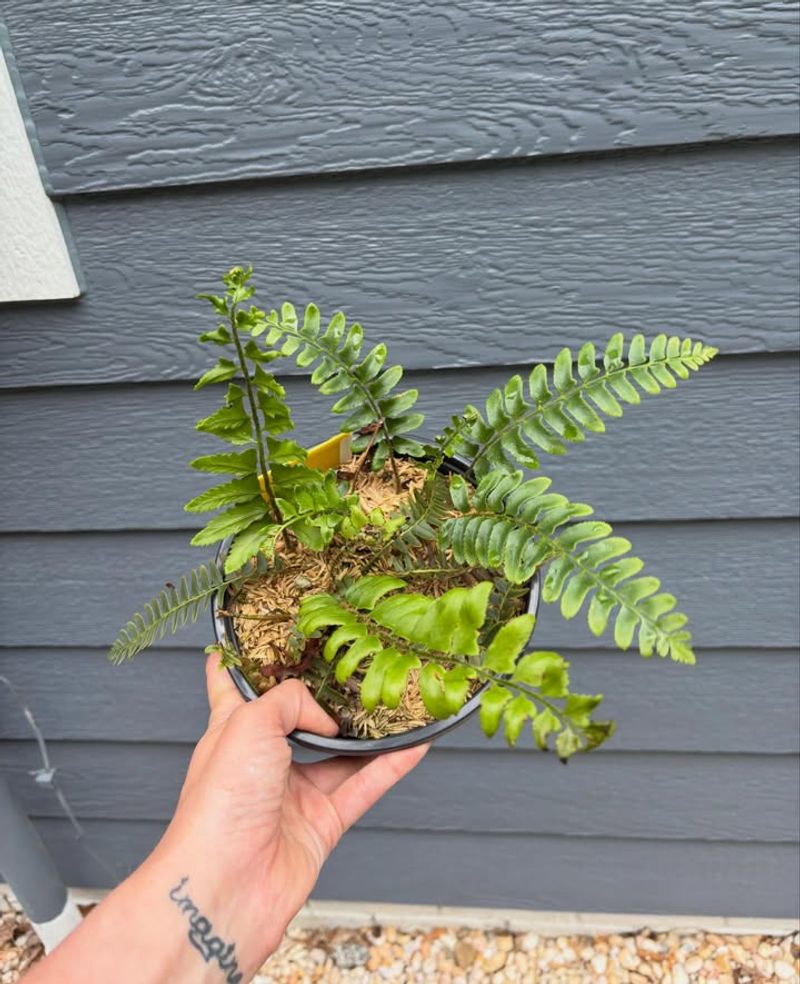
Let’s be honest: most people do not want to spend every weekend maintaining their garden. Between work, family, and everything else on the to-do list, a plant that takes care of itself is basically a dream come true.
That is precisely what makes the Christmas Fern so appealing to homeowners who want a beautiful yard without constant upkeep.
Once established, which usually takes one full growing season, Christmas Ferns are remarkably self-sufficient. They pull moisture from the soil on their own and rarely need supplemental watering except during unusually dry summers.
There is no mowing required, no deadheading, and no need for fertilizer under normal garden conditions. The fern simply grows, spreads slowly, and stays green through every season.
In spring, fresh new fronds called fiddleheads emerge from the center of the plant, adding a fun and whimsical look to the garden. Old fronds from the previous year may flatten a bit after heavy snow or ice, but they bounce back as temperatures rise.
You can trim away any tired-looking fronds in late winter if you want a tidier appearance, but even that step is completely optional.
For gardeners who have struggled with high-maintenance plants in shaded spots, switching to Christmas Ferns often feels like a revelation. There are no pest problems to manage, no disease outbreaks to treat, and no complicated care schedules to follow.
Just plant them in the right spot, give them a little water while they get settled, and step back. The fern handles everything else on its own, season after season, without complaint.
Soil Stabilization
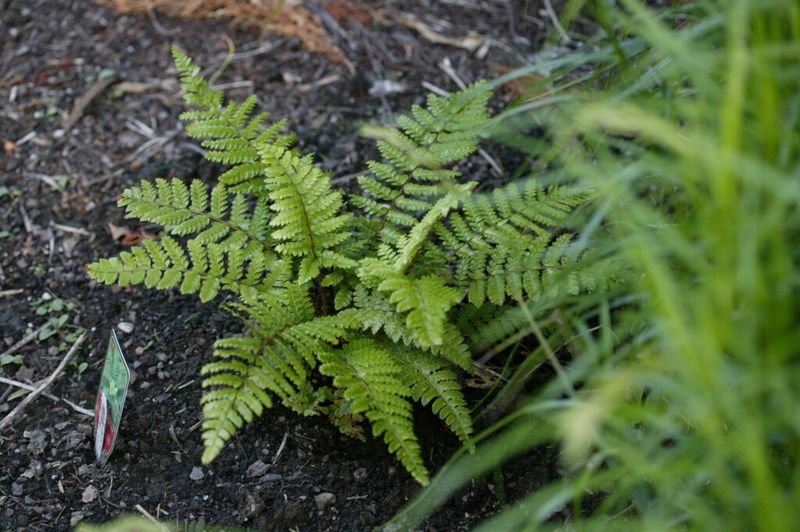
Slopes and hillsides are some of the most frustrating spots in any yard. When it rains hard, water rushes down the incline and takes loose topsoil right along with it.
Over time, erosion carves ugly ruts into the ground and leaves the area bare, muddy, and unstable. Many gardeners try mulch or rocks to fix the problem, but those solutions wash away too. Christmas Ferns offer a living, lasting fix.
The fibrous root system of the Christmas Fern spreads through the soil in a dense, interlocking network. Those roots grip the ground and hold it together even during heavy rainfall and runoff events.
On Pennsylvania hillsides, woodland edges, and shaded slopes where erosion is a recurring headache, clusters of Christmas Ferns act like a natural anchor keeping the soil exactly where it belongs.
Beyond just holding soil in place, the fern also improves the soil over time. As old fronds break down, they add organic matter back into the ground, slowly enriching the soil and improving its ability to absorb and hold water.
This creates a healthier growing environment not just for the fern itself, but for neighboring plants as well.
There is also a tick-related benefit here worth mentioning. Eroded, bare slopes with scattered leaf debris are exactly the kind of rough, unkempt terrain where ticks thrive.
When Christmas Ferns stabilize those areas and replace bare ground with dense, healthy growth, the habitat becomes far less hospitable to ticks.
Fixing erosion and reducing tick-friendly zones at the same time is a genuinely smart and efficient use of a single native plant.
Companion Planting Tips
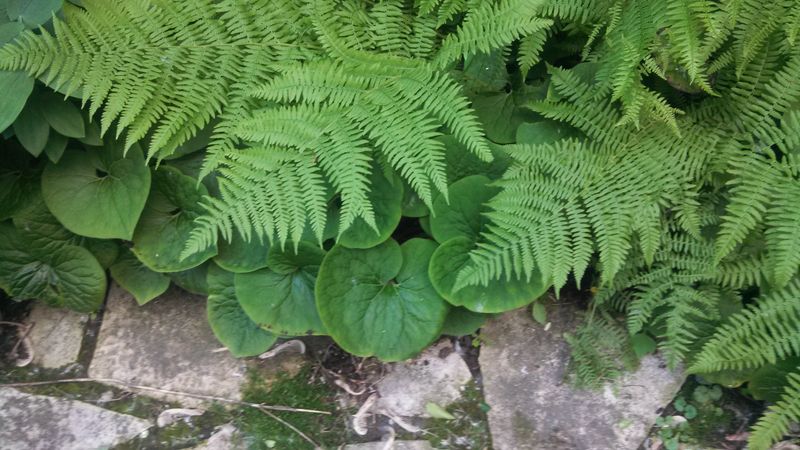
Pairing plants together the right way can turn a simple garden into something that looks professionally designed and works hard for you at the same time.
Christmas Ferns are wonderful on their own, but when combined with the right companions, they create a layered, dense ground cover that leaves almost no room for tick-friendly gaps, bare soil, or loose leaf litter.
Wild ginger is one of the best partners for Christmas Fern. It spreads low and wide, filling in the spaces between fern clumps with a carpet of heart-shaped leaves.
Pennsylvania sedge is another excellent choice because it grows in dense tufts that cover the ground tightly and tolerate the same shaded, moist conditions that Christmas Ferns prefer.
Together, these plants create a rich, multi-textured look that is both attractive and functional.
Native hostas are also a smart addition to the mix. They bring broader leaves and a slightly different texture that contrasts nicely with the delicate fern fronds.
Their large leaves shade the ground beneath them, further reducing the bare soil that ticks seek out. Mixing hostas with ferns and sedge creates a layered canopy effect at ground level that is hard for ticks to navigate.
When planting, space Christmas Ferns about 18 to 24 inches apart and fill the gaps with your chosen companions. Plant in clusters rather than single rows to maximize coverage and create a more natural woodland feel.
Avoid leaving large open patches between plants, since those gaps are exactly where ticks find shelter. A well-planned native plant combination like this is one of the most effective and beautiful ways to protect your shaded garden all year long.