7 Pennsylvania Plants You Should Never Prune In October
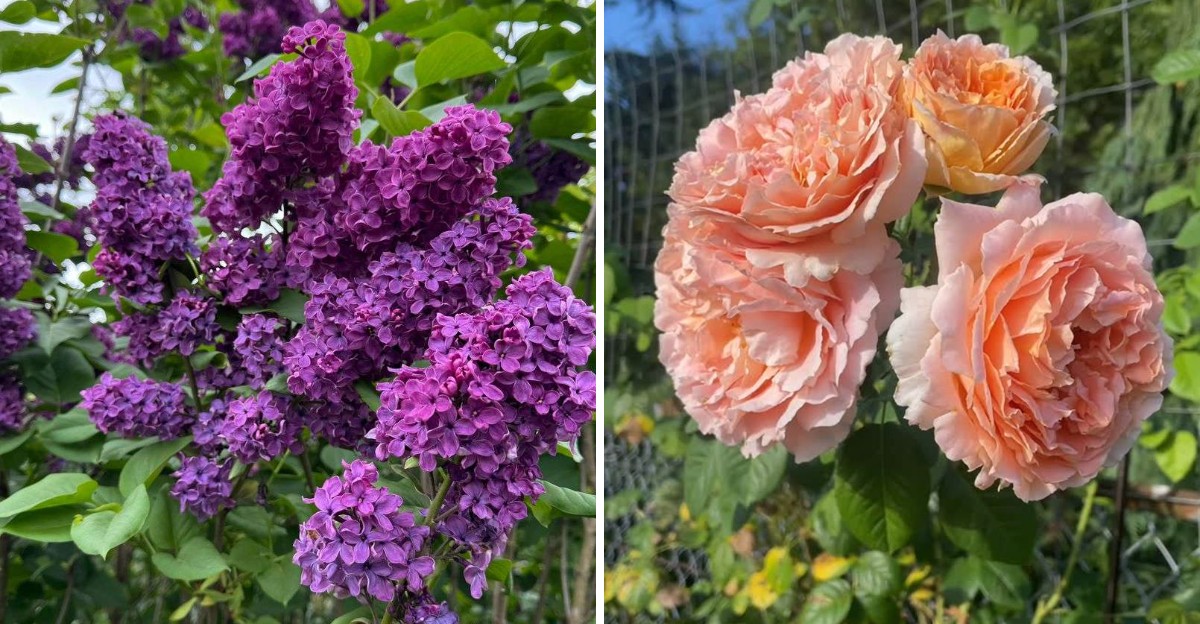
Next spring’s flowers are already sitting on many of your shrubs. They’re tucked inside tiny buds along the branches, quietly waiting out the winter. Cut those branches in October, and the show is over before it begins.
It’s an easy mistake to make. Fall feels like cleanup season, and an overgrown shrub can be tempting to tame before the snow flies.
But many Pennsylvania favorites set their buds months ahead of time. A quick trim now can wipe out a whole season of blooms.
Timing matters for other reasons, too. Fresh cuts trigger new growth that won’t have time to harden off before a hard freeze. Open wounds also heal slowly in the cold, leaving plants more exposed to winter damage and disease.
A little patience goes a long way. Knowing which plants to leave alone now can mean a more colorful yard next year.
1. Bigleaf Hydrangea
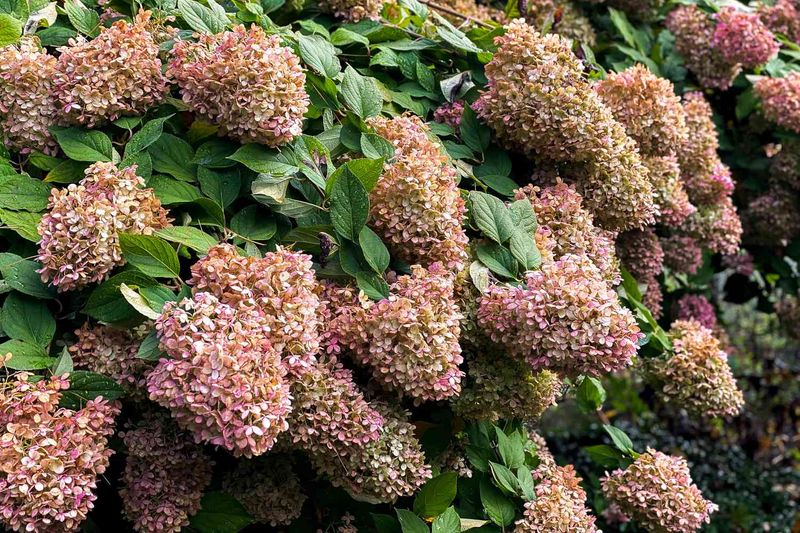
Few summer sights beat a bigleaf hydrangea covered in giant pink or blue snowballs. Many Pennsylvania gardeners plant them for that showy display. Sadly, plenty of folks also cut them back in fall and wonder why the flowers never return.
Here is the secret. Bigleaf hydrangeas bloom on old wood, which means stems that grew during the past season. By October, next summer’s flower buds are already sitting at the tips of those stems.
If you trim the plant now, you snip off those buds. The shrub will stay healthy and leafy. It just will not give you many flowers, and sometimes none at all.
So what should you do instead? Leave the old flower heads in place through winter. They look pretty with a dusting of frost, and they help shield the buds below from cold winds.
Wait until spring, once new leaves start to show. At that point, you can easily spot which stems are alive. Cut out any stems that stay brown and brittle, trimming them down to the base.
You can also snip off the dried flower heads in spring. Just cut right above the first pair of fat, healthy buds. Avoid cutting farther down the stem than that.
Fun fact: the color of many bigleaf blooms depends on your soil. Acidic soil, common in parts of Pennsylvania, tends to give blue flowers. Soil with more lime usually leads to pink ones.
One more tip helps in colder areas. A layer of shredded leaves around the base adds extra winter protection. Your patience now will pay off with a yard full of big, bold blooms next summer.
2. Lilac
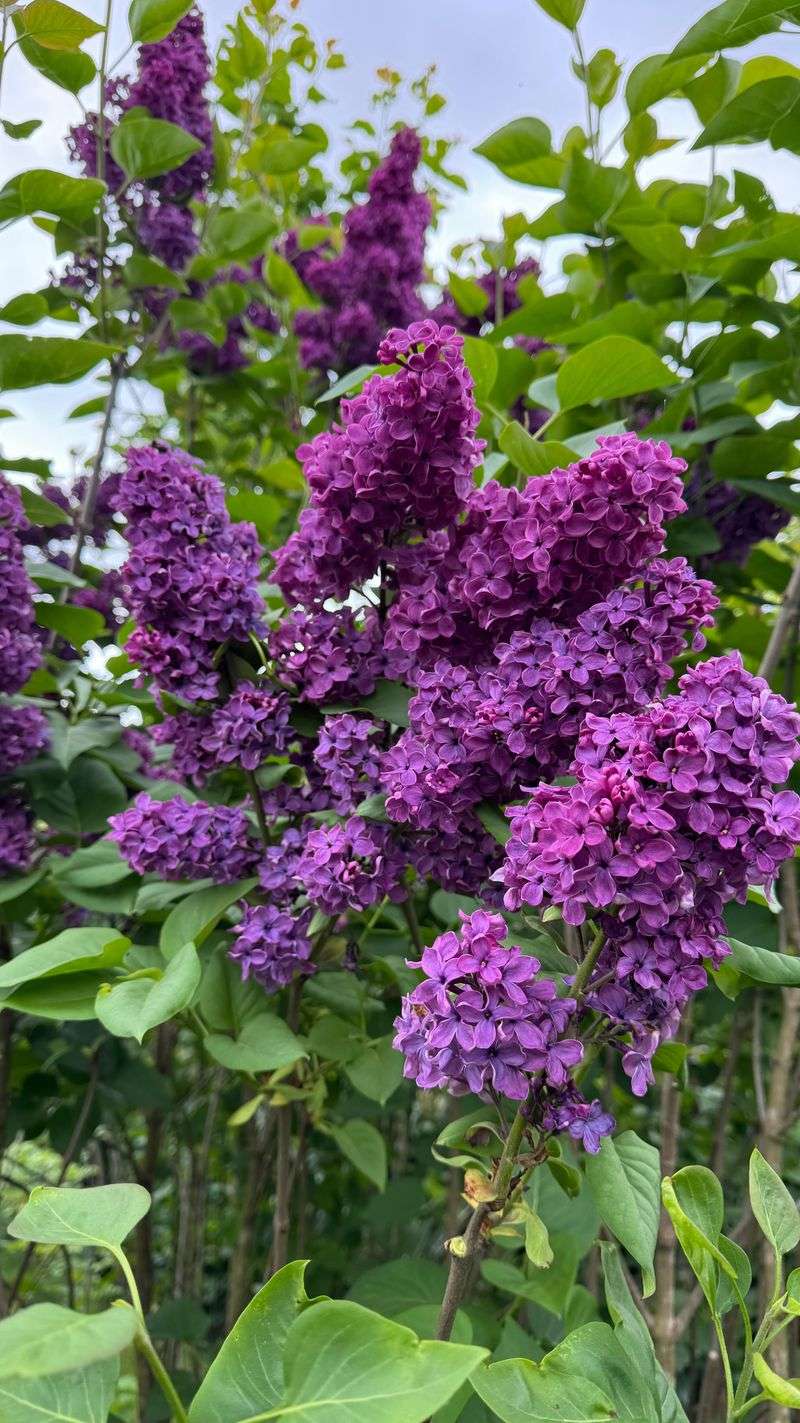
Grandma’s yard probably had one. That big, old lilac by the fence filled the whole street with sweet perfume every May.
Lilacs have been loved in Pennsylvania for generations, and many old homesteads still have bushes planted long ago.
Timing is everything with these shrubs. Lilacs set next spring’s flower buds soon after they finish blooming in late spring. All summer long, those buds keep growing quietly on the branches.
By October, the buds are fully in place. You can often see them as small, plump pairs near the ends of the stems. Cutting the bush back now removes them, and your spring show shrinks or disappears.
Your Pennsylvania Garden Changes Every Week. Your Plan Should Too.
Gardening in Pennsylvania changes quickly throughout the season. Every Friday you’ll receive a simple weekly plan showing exactly what to plant, prune, fertilize, harvest, and protect so you never miss the right timing.
The best time to prune a lilac is right after it flowers. Mark your calendar for late May or early June. That gives the plant plenty of time to grow new buds for the following year.
When you do prune, start with the oldest, thickest stems. Remove about one third of them at ground level each year. Over time, this keeps the shrub young, full, and blooming well.
You can also snip off spent flower clusters after blooming. That small step keeps the plant looking neat and may help with stronger flowering later.
Did you know? Lilacs belong to the olive family. That surprises a lot of people, since the two plants look nothing alike.
For now, just enjoy the fall leaves and rake up around the base. A little mulch is fine, but keep it from piling against the stems. Come spring, that fragrant reward will make the wait feel worth it.
3. Forsythia
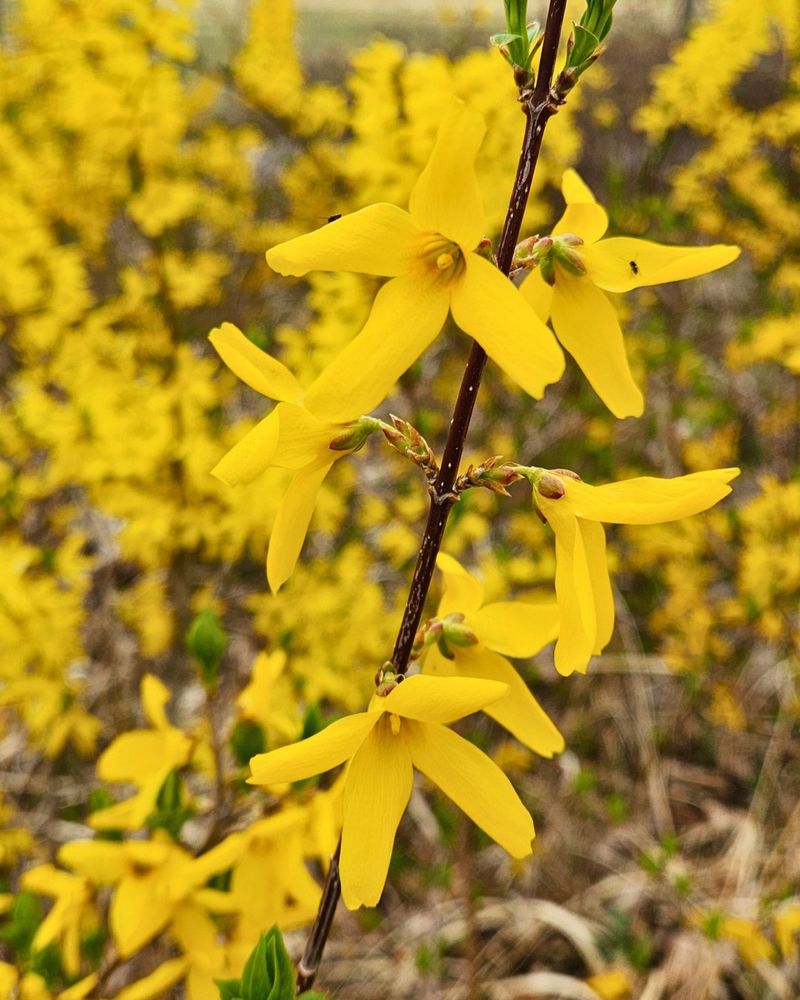
Nothing shouts “winter is over” quite like forsythia. In early spring, its bare branches suddenly burst into bright yellow, often before any other shrub wakes up. Along Pennsylvania highways and backyards, it is like a sunny wake-up call.
Those cheerful flowers come from stems that grew the year before. So the buds you need for spring are already on the plant right now. They are small and easy to miss, but they are there.
When you prune forsythia in fall, you cut off a big chunk of that yellow display. Many people shear their bushes into neat boxes in October. Then they get only a few lonely blooms the next spring.
Honestly, the fix is simple. Wait until the shrub finishes flowering in April. Then grab your pruners and get to work while the yellow petals are dropping.
Forsythia looks its best with a loose, natural shape. Instead of shearing the outside, reach inside and cut a few of the oldest stems down to the ground. New shoots will rise up and fill in quickly.
If your bush is badly overgrown, you can cut the whole thing down low right after blooming. It grows fast and will bounce back in a season or two. You may lose a year of flowers, but you gain a healthier plant.
Here is a neat trick for late winter. Cut a few branches and bring them indoors in a vase of water. Within a week or two, they will bloom in your kitchen, bringing spring inside early.
4. Rhododendrons And Azaleas
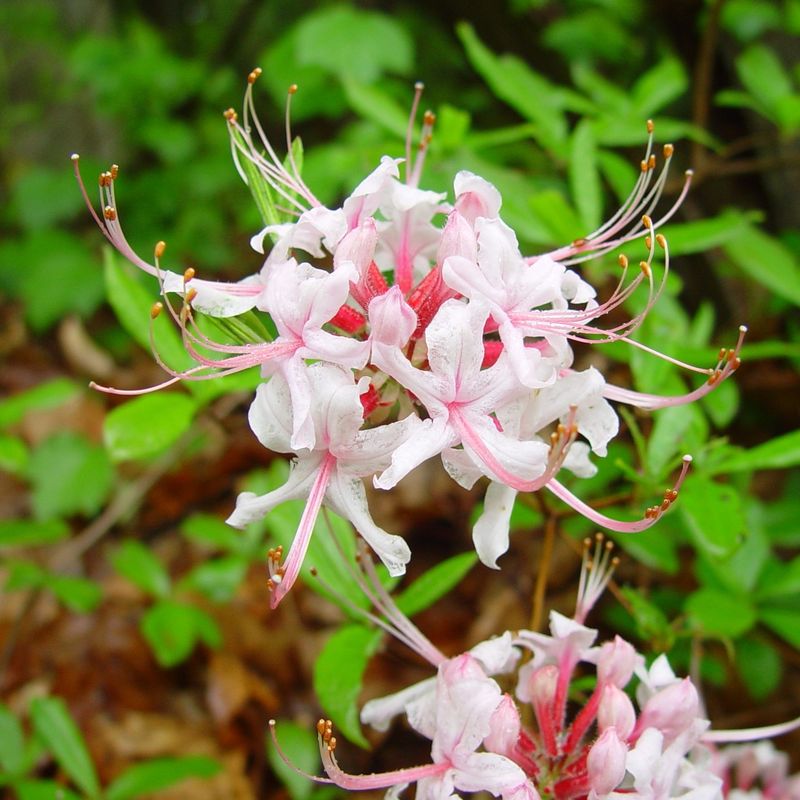
Ever noticed the fat, pointy buds on a rhododendron in fall? Those little packages are next spring’s flowers, already wrapped and waiting. Azaleas carry them too, just in a smaller size.
Both shrubs are spring bloomers that thrive in Pennsylvania’s acidic soil and shady yards. They form their flower buds during summer and early fall. By October, every bloom you will see next year is already set on the branches.
Pruning now means cutting off those buds. Each snip removes flowers you were counting on in April and May. A heavy trim can leave the plant with only leaves when everyone else’s yard is bursting with color.
The smart move is to prune shortly after they flower. Late spring or early summer works great. That gives the shrubs time to grow and set new buds before fall.
Most of these plants need very little shaping anyway. Cut back a branch that blocks a path or a window. Make cuts just above a leaf cluster or bud so new growth starts in the right spot.
You can also pinch off old flower clusters after blooming. On rhododendrons, gently snap the faded bunch at its base. Be careful not to break the new buds tucked just below it.
A good fall chore is mulching instead. Use pine needles or shredded leaves to keep roots cool and moist. These shallow-rooted shrubs love that extra cover.
Also water them well before the ground freezes. Evergreen leaves lose moisture all winter. A deep drink in fall helps them stay strong and ready for a colorful spring.
5. Mountain Laurel
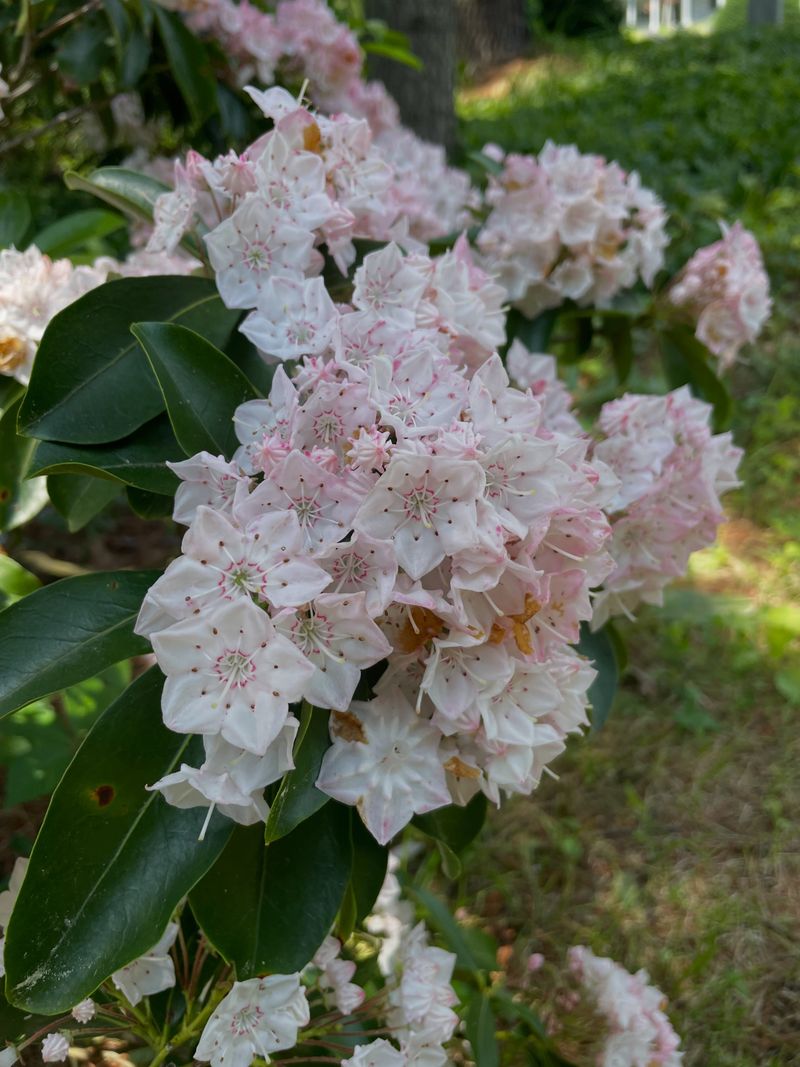
Pennsylvania picked a real beauty for its state flower. Mountain laurel was chosen in 1933, and it covers hillsides across the state with pink and white blossoms each June. Hikers come from all over just to see it.
Many homeowners grow this native shrub in their own yards, too. It loves partial shade and acidic soil, much like its cousins, the rhododendrons. It also keeps its glossy green leaves all winter long.
Like other spring bloomers, mountain laurel sets its buds well before fall. Look closely in October, and you will spot clusters of tiny buds at the branch tips. Those are next year’s flowers getting ready.
Pruning now cuts those clusters away. Your plant could end up with few blooms, or none at all, when June rolls around. That would be a shame for such a special shrub.
There is one exception. You can safely remove dry or broken branches any time of year. Cut them back to healthy wood so the plant stays clean and strong.
Save any shaping for right after it blooms in early summer. Mountain laurel grows slowly, so it rarely needs much trimming. A light touch keeps its natural, airy shape.
Here is a cool detail about the flowers. Each one has tiny pockets that hold the pollen stems bent back like springs. When a bee lands, they snap forward and dust the bee with pollen.
One safety note matters for families. All parts of mountain laurel are toxic if eaten. Keep that in mind if you have curious pets or small kids exploring the garden.
6. Boxwood
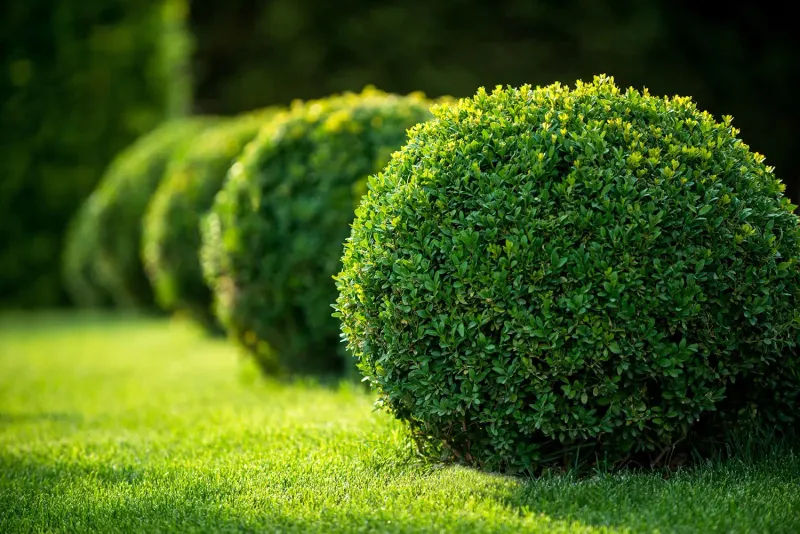
Boxwood is the classic neat-and-tidy shrub. You see it lining walkways at historic Pennsylvania homes and framing front porches all over the state. It is tempting to give it one last trim before the holidays.
Unlike the flowering plants on this list, boxwood is not about losing blooms. The worry here is winter damage. A fall haircut can cause more harm than you might expect.
When you prune boxwood, it reacts by pushing out fresh, tender growth. In spring or early summer, that is great. In October, though, those soft new leaves do not have time to harden off before the cold arrives.
Once freezing temperatures hit, the tender growth gets damaged easily. It may turn brown or bronze and look ragged by spring. Fresh cuts can also leave the shrub more open to winter burn from dry winds and bright sun.
So when is the right time? Late spring, after the first flush of new growth, works well. You can do a second light trim in early summer if needed.
Try to stop pruning by mid-August. That gives any new growth several weeks to toughen up before frost. Your shrubs will head into winter much stronger.
For fall care, focus on watering. Give boxwoods a slow, deep soak before the ground freezes. Evergreens keep losing water through their leaves all winter.
If your hedge sits in a windy spot, consider a burlap screen. It blocks harsh winds and sun. Just avoid wrapping it tightly, since the shrub still needs air to breathe.
7. Roses
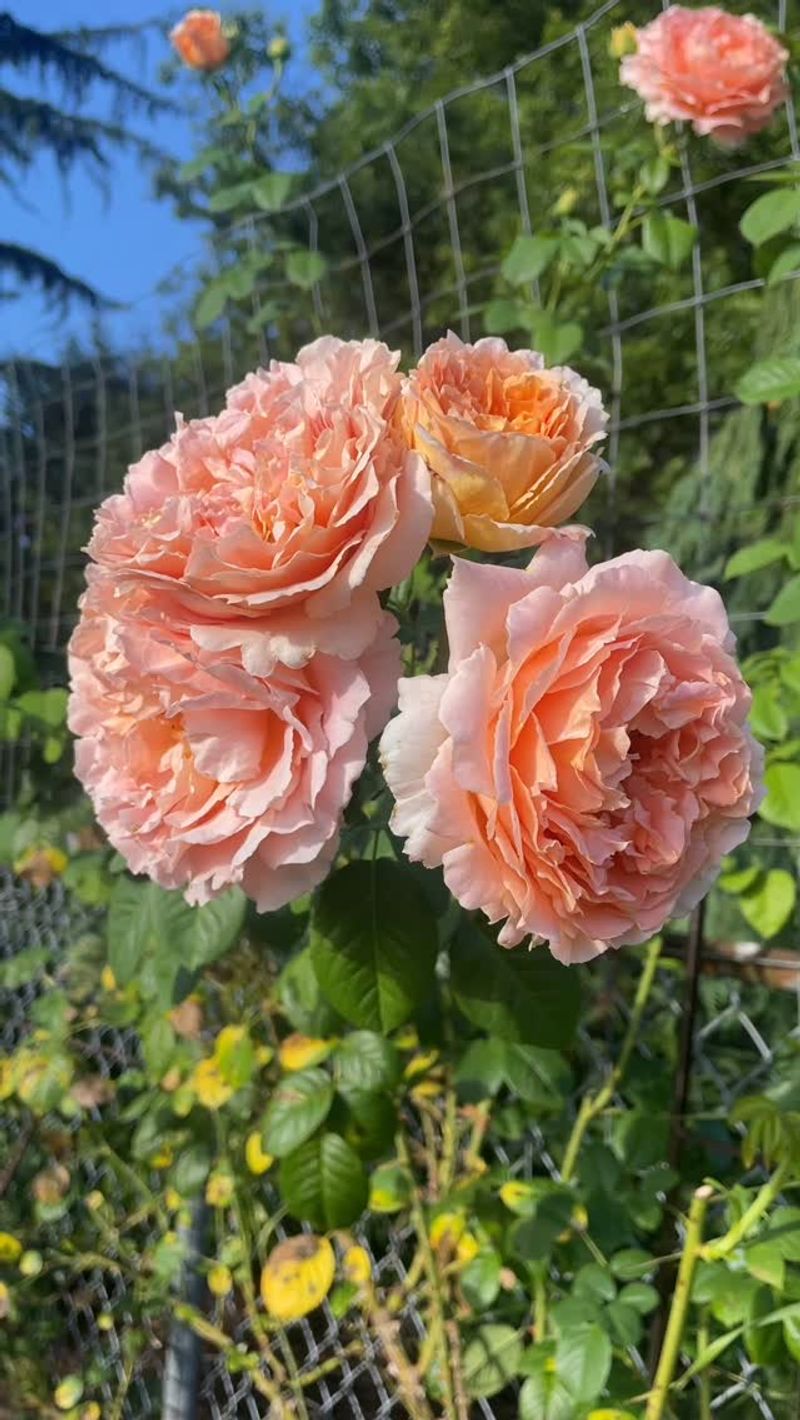
Roses can make even careful gardeners nervous. They have thorns, fussy reputations, and plenty of advice floating around. Luckily, fall care in Pennsylvania is easier than you might think.
The big rule is simple. Give roses only light cleanup in October. Save the heavy pruning for early spring.
Why wait? A hard fall cut can encourage new shoots that will not survive the cold. Plus, winter often damages some canes anyway. If you prune hard now, you might have to cut even more later.
In early spring, you can clearly see which canes made it through winter. Healthy wood looks green inside, while damaged wood looks brown or black. A good time is when forsythia blooms, which is nature’s handy reminder.
So what can you do this fall? Remove any canes that are dry, broken, or diseased. Pick up fallen leaves around the base, since they can carry black spot and other problems into next year.
If some canes are very long and could whip around in winter wind, trim them back a little. Shortening them helps keep them from snapping or loosening the roots. Keep it light, though.
It also helps to stop deadheading in early fall. Letting the last flowers form rose hips tells the plant to slow down and get ready for winter. Those orange and red hips look lovely and feed birds, too.
Finally, pile some mulch or compost around the base after the ground gets cold. That extra layer protects the graft and roots. Come spring, your roses will be ready for a proper trim and a fresh start.