Why Florida Snakes Start Showing Up On Warm Driveways As Nights Cool Down
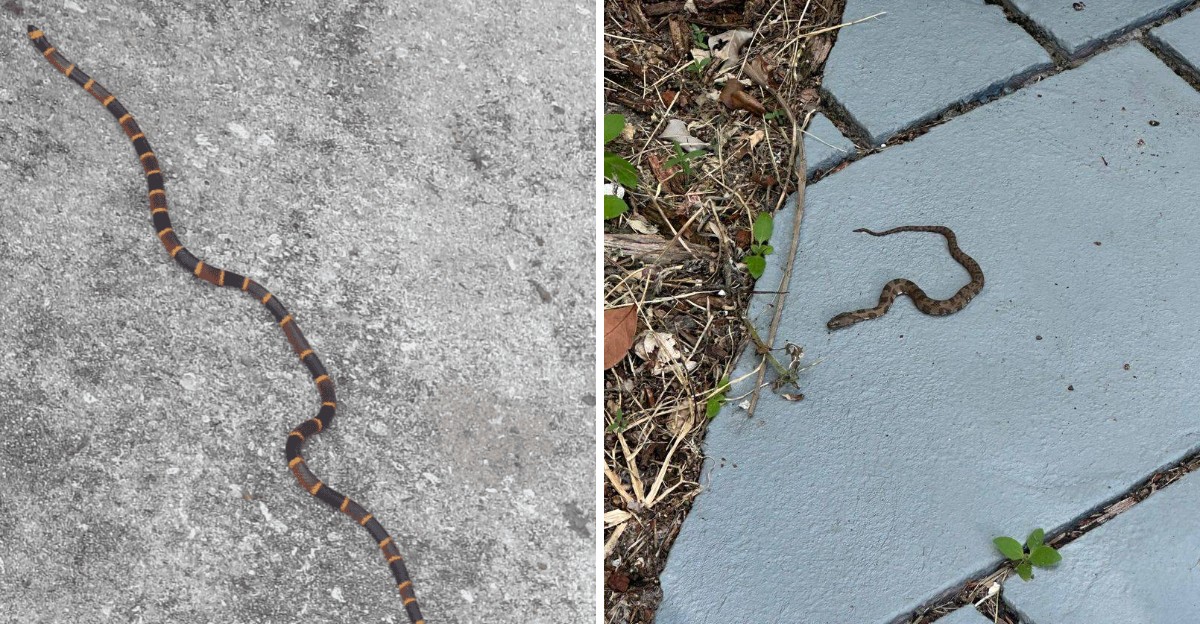
Your driveway is a heated stage after sundown, and some of Florida’s most secretive residents have front-row tickets.
Cool nights change how cold-blooded animals plan their evenings. Pavement soaks up the day’s sunshine and hands it back slowly, hours after the sky goes dark.
For a snake, that’s a free space heater laid out across your property.
Most people only notice when they step out for the mail and nearly step on something. That moment of panic sends a lot of folks reaching for the wrong response.
The pattern follows a clear logic once you see it. Know it, and a surprise on the pavement turns into something you saw coming.
Flip on the porch light and take a slow look around before you walk out tonight.
1. Snakes Rely On Their Surroundings For Heat
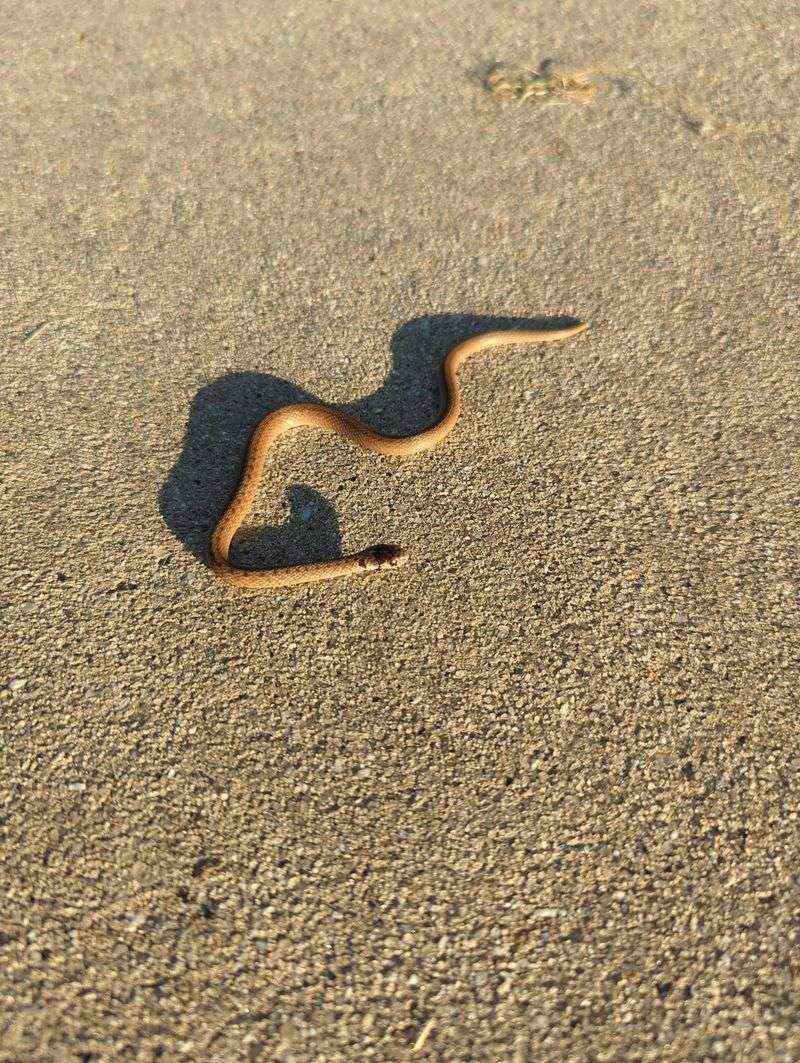
Imagine trying to warm up without a jacket, a heater, or even your own body heat to help. That is daily life for a snake.
Scientists call them ectothermic, which is a fancy way of saying their warmth comes from the outside world.
People burn food to keep a steady inside temperature. Snakes cannot make enough heat that way, so they borrow it from sunshine, warm ground, and cozy hiding spots.
When they get too hot, they slide into shade or under leaves to cool off.
You can think of a snake as a living thermostat that moves around to adjust itself. On a chilly morning, it might crawl into a sunny patch.
By the hot afternoon, it could be tucked beneath a shrub or a pile of boards.
Knowing this helps you guess where a snake might turn up. Sunny edges of lawns, rock borders, woodpiles, and paved areas all trap heat.
Shady, damp spots become popular when the weather gets steamy.
Here is a handy tip for homeowners. Take a quick look at warm surfaces near your house during cooler months, especially near bushes or tall grass.
A little awareness goes a long way, and it turns a surprise encounter into a calm, expected moment instead of a jump-scare.
2. They Aim For A Body Temperature Close To Ours
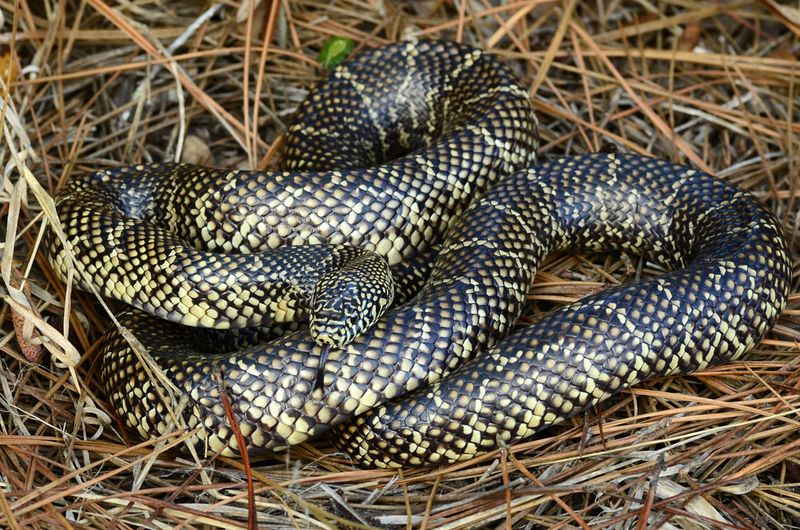
Here is a fun surprise. Snakes feel their best when their bodies sit somewhere between about 70 and 90 degrees Fahrenheit.
That is not far from the comfy indoor temperature most of us like at home.
Inside that range, a snake works like a well-tuned engine. It can digest meals, move quickly, hunt, and react to danger.
Its muscles and organs all run smoothly when it is properly warmed up.
Things change once the body drops below roughly 60 degrees. The snake turns sluggish, kind of like you trying to get out of bed on a cold Saturday.
Digestion slows, reactions lag, and moving takes far more effort.
Did you know? A snake that eats a big meal may hunt for extra warmth afterward.
Heat helps its belly break down food faster, so a full snake might bask longer than a hungry one.
Your Florida Garden Changes Every Week. Your Plan Should Too.
Gardening in Florida changes quickly throughout the season. Every Friday you’ll receive a simple weekly plan showing exactly what to plant, prune, fertilize, harvest, and protect so you never miss the right timing.
For people, this explains why snake activity rises and falls with the weather. Warm afternoons bring them out to soak up heat.
Cool evenings push them to look for any spot that still holds a little warmth.
So when you spot a snake lounging in the open, it is probably just trying to reach its happy zone. It is not looking for trouble, only for comfort.
3. Sun-Warmed Pavement Is An Easy Heat Source
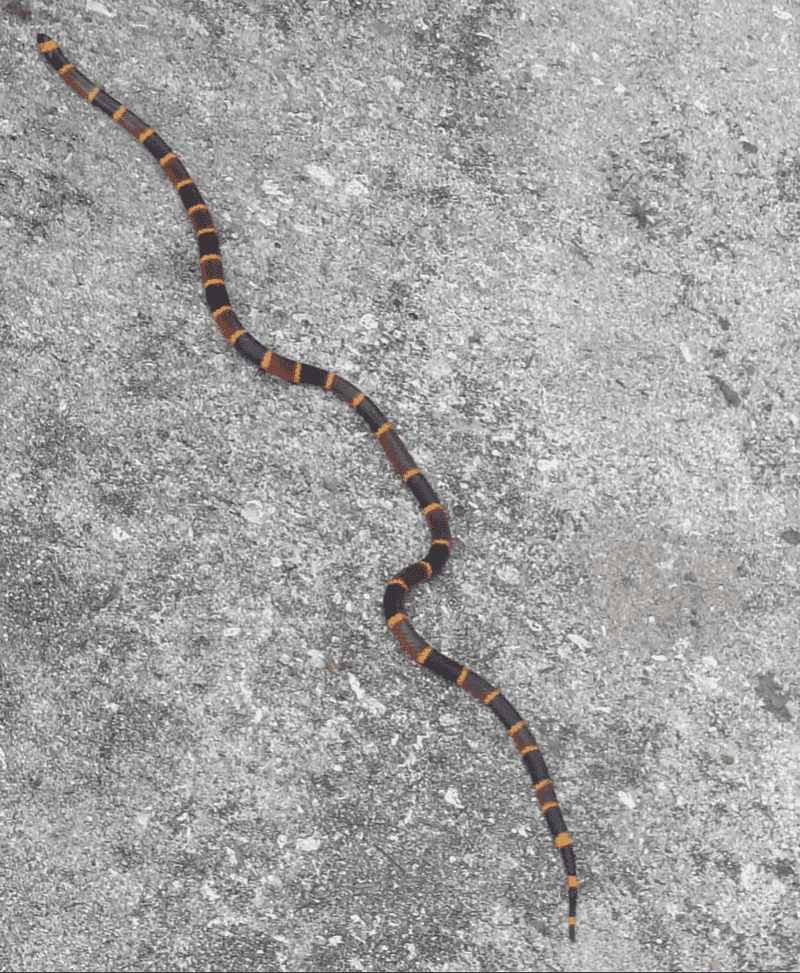
Walk barefoot across a Florida driveway at 4 p.m. and your toes will tell the whole story. Concrete and asphalt soak up sunlight for hours.
Long after the sun dips, they keep giving off that stored warmth.
To a snake, that slab of pavement is a giant heating pad. It is flat, open, and warmer than the grass or soil around it.
Stretching out on it lets a snake touch more warm surface at once, so it heats up faster.
Dark asphalt holds heat especially well. Light concrete stays warm too, just a bit less.
Sidewalks, roads, and patios can all draw the same kind of attention on cool evenings.
Many Floridians first notice this habit while walking the dog after dinner. The snake may look like a stick or a dropped belt until it moves.
That is one reason good lighting near walkways is so helpful.
A few easy steps can lower the odds of a driveway visitor:
Keep grass trimmed along paved edges, and move woodpiles or clutter away from the drive. Add an outdoor light or carry a flashlight at night.
With fewer hiding spots nearby, snakes have less reason to linger where you park and walk.
4. Cool Nights Slow Them Down
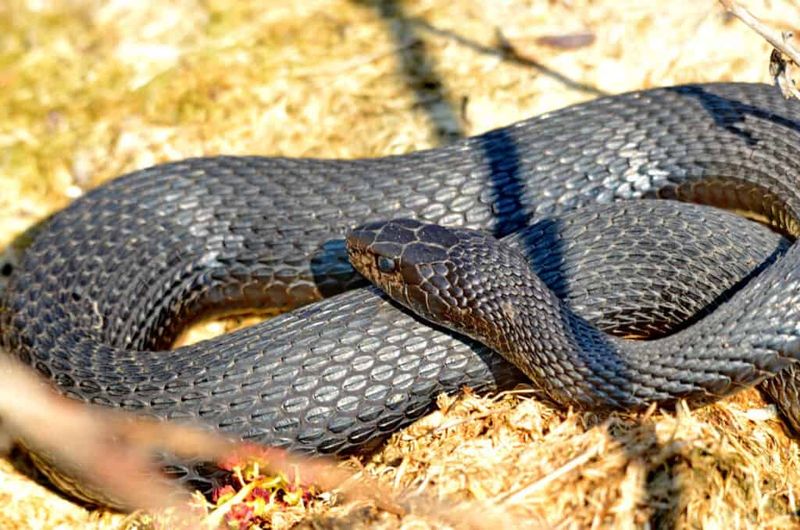
Once October rolls around, nights finally lose some of that sticky summer heat. People cheer and grab hoodies.
Snakes, on the other hand, start feeling a little slow.
As the air cools, a snake’s metabolism drops. Its body burns energy more slowly, and it becomes less active.
Hunting trips get shorter, and long crawls across the yard become rare.
Up north, snakes go through something called brumation when winter hits hard. It is like hibernation, but they may still wake up now and then to drink water or shift spots.
They tuck themselves into burrows or rock cracks for months.
Florida plays by gentler rules. Winters here are mild, so most snakes stay semi-active instead of shutting down for the season.
They slow down on cold days, then perk up when a warm afternoon arrives.
That on-and-off pattern matters for you. A chilly snake may not slither away quickly when you walk by, simply because its body is not warmed up yet.
It might look calm, but it can still react if touched.
So treat a slow snake with the same respect as a speedy one. Slow does not mean friendly, and it does not mean it wants company.
Let it warm up and move on by itself.
5. Fall Brings More Midday Snake Sightings
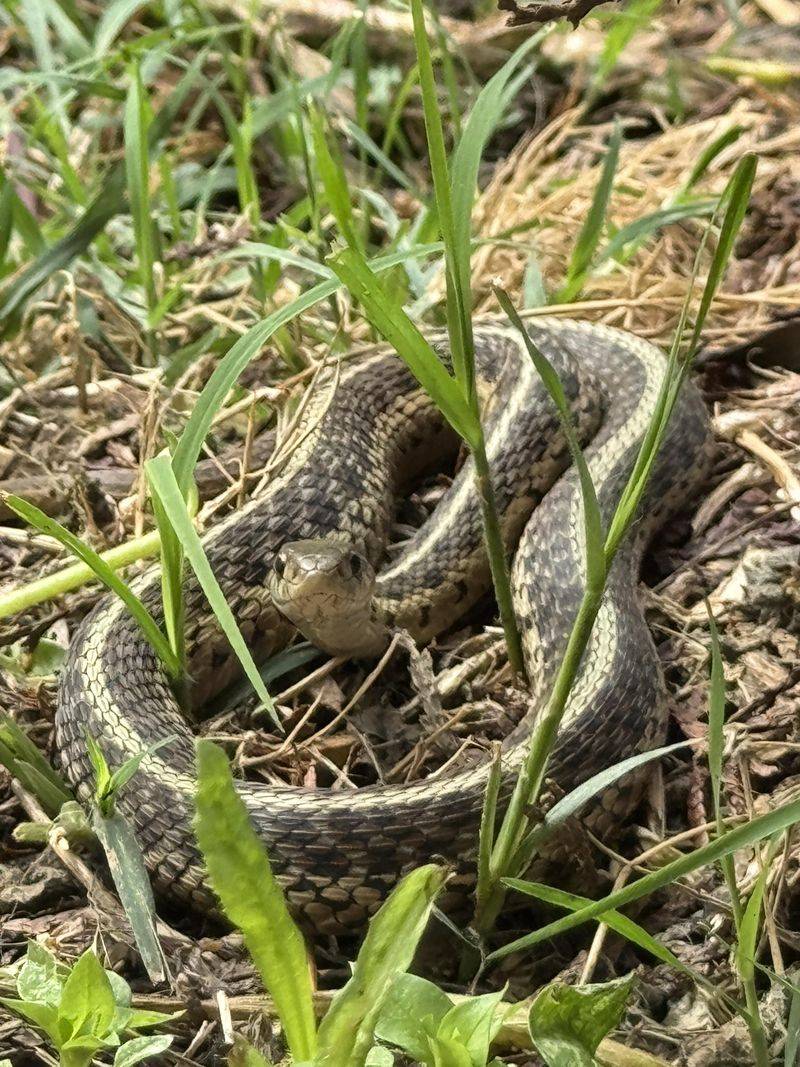
Ask any longtime resident, and many will say the same thing. Spring and fall are prime time for snake spotting.
Those two seasons bring the most steady activity all year.
In summer, many snakes move around at dawn, dusk, or night to dodge the blazing heat. Fall flips that schedule.
With cooler mornings and nights, the warm middle of the day becomes the best time to get out.
So you might see snakes basking on a sunny walkway around lunchtime. Others roam to hunt mice, frogs, or lizards before the evening chill returns.
Their whole routine bends around the sunshine.
There is another reason sightings climb this time of year. Snakes start hunting for warmer shelter as the season shifts.
That search can lead them toward garages, sheds, porches, and even the occasional gap under a door.
A little fall prep can keep them outside where they belong. Seal cracks around garage doors and foundation edges.
Keep doors closed, and store pet food and birdseed in sealed bins so rodents, which snakes love to eat, stay away.
Think of it as autumn housekeeping with a wildlife twist. A tidy, sealed-up home gives curious snakes fewer reasons to wander inside looking for a cozy winter hideout.
6. Check The Driveway Before You Back Out
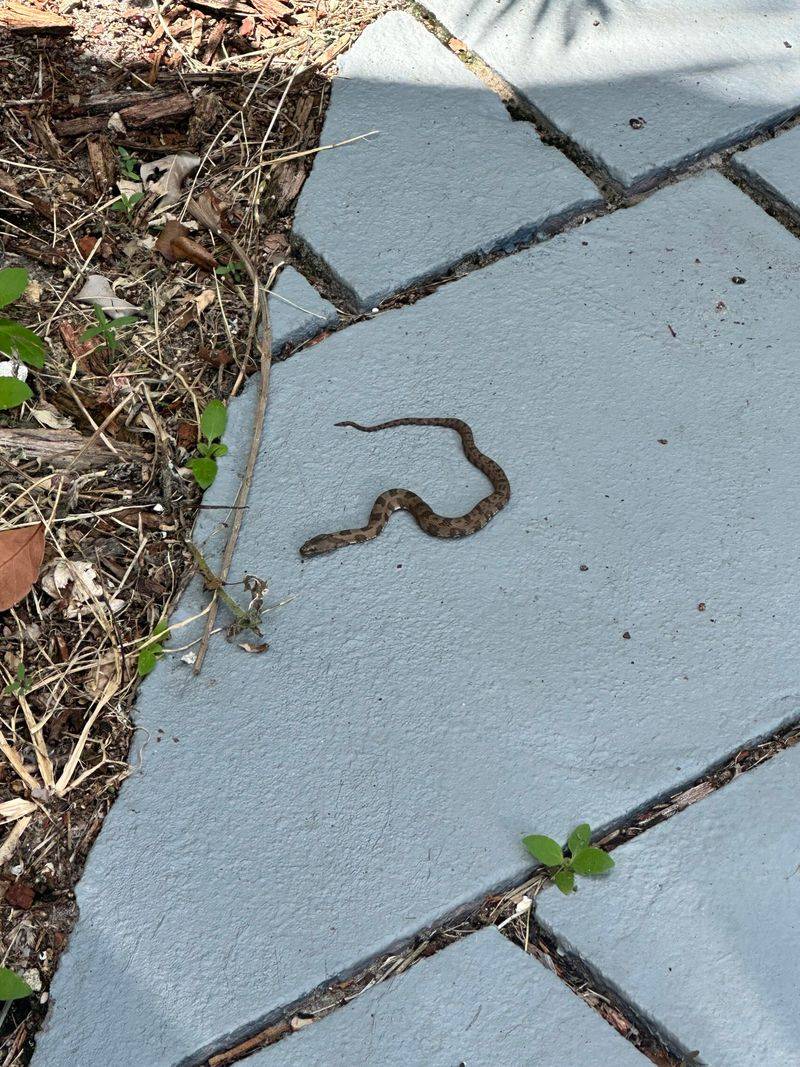
Picture this. You are running late, you hop in the car, and you reverse without a second look.
Meanwhile, a snake has been soaking up warmth right behind your back tire.
Driveways make perfect basking spots on cool mornings and evenings, as you have already learned. Cars parked on them also create shady pockets underneath.
Some snakes even curl up near tires or under the vehicle for shelter.
A five-second habit can make a big difference. Before you get in, take a quick walk around the car.
Glance at the pavement, behind the tires, and along the edges of the drive.
Try these simple tricks to make it routine:
Turn on the porch light before heading out in the dark. Keep a small flashlight by the door, and teach kids to look before running to the car.
If you spot a snake, wait a few minutes and let it move along.
Fun fact: many snakes sense vibrations through the ground. Your footsteps can encourage one to leave before you even see it.
Walking toward the car with normal steps often clears the way naturally.
This quick check protects the snake, your family, and your peace of mind. It is easy, free, and soon becomes as normal as grabbing your keys.
7. Give Any Snake Plenty Of Space
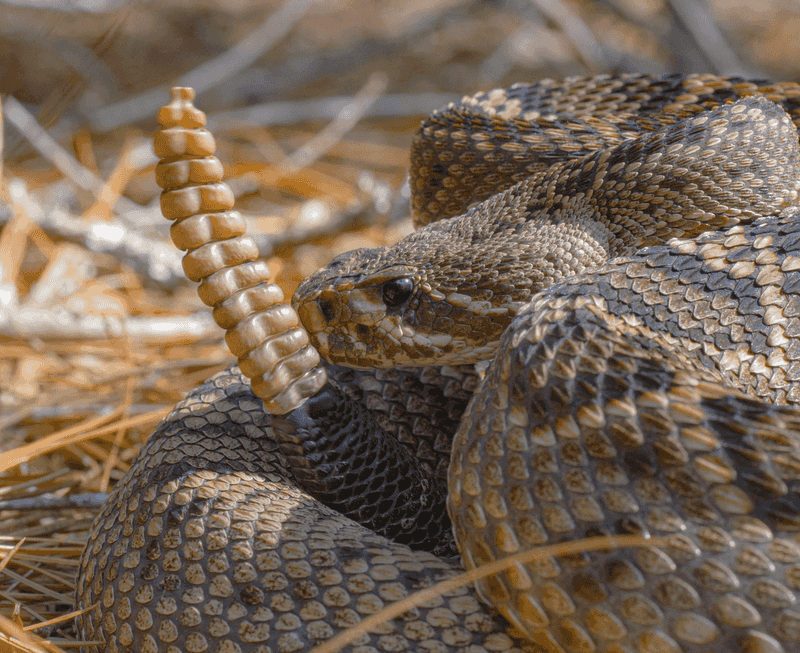
Snakes are not out to pick fights. Truth be told, most would rather vanish into the bushes than spend one more second near a person.
They see us as giant, noisy creatures to avoid.
That is why distance is your best friend. Experts suggest staying at least several feet away, which is more than a snake can reach if it strikes.
More space is even better, especially if you are unsure of the species.
Most snake bites happen when people try to grab, poke, or move a snake. Some folks want a closer photo or try to shoo it with a stick.
Those moments are when trouble usually starts.
Here is a calm plan for any encounter:
Stop, back away slowly, and keep pets and kids close. Give the snake a clear path to escape.
If it is inside your home or will not leave, call a local wildlife removal service instead of handling it yourself.
A garden hose can sometimes help nudge a snake along from a distance with a gentle spray. Just keep well back while doing it.
Remember that a snake holding still is usually trying to stay unnoticed. Respect its space, and it will likely slip away quietly on its own.
8. Most Florida Snakes Are Harmless
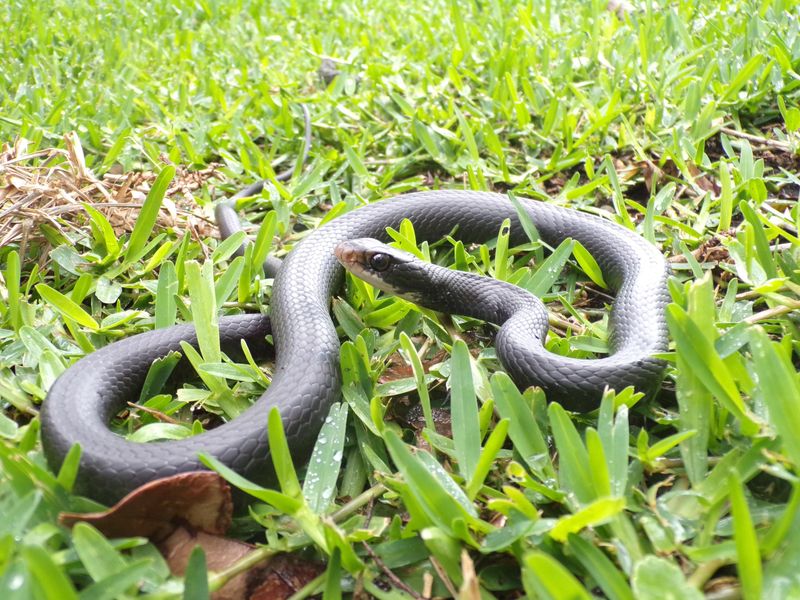
Good news for nervous homeowners. Our state has about 50 native snake species, and the vast majority are not venomous at all.
Most of the snakes you meet are more helpful than harmful.
Take the black racer, for example. It zips around yards hunting rodents, lizards, and insects.
The corn snake and the yellow rat snake are famous mouse catchers, too.
Without these slithering neighbors, rat and mouse numbers could climb fast. Rodents chew wires, spoil food, and spread germs.
Snakes act like free, quiet pest control that works around the clock.
Did you know? Some harmless snakes put on dramatic shows when scared.
The eastern hognose may puff up, hiss loudly, and even roll over and play possum. It is all bluff, a wild bit of theater to make you leave.
Harmless snakes may still bite if grabbed or cornered. Their bites are usually minor, but washing the area well is smart.
As always, the best way to avoid a bite is to leave the snake alone.
Learning a few common local species can turn fear into curiosity. The University of Florida offers free guides and photos online.
Before long, you may find yourself pointing out a racer with pride instead of panic.
9. Only Six Florida Snakes Are Venomous
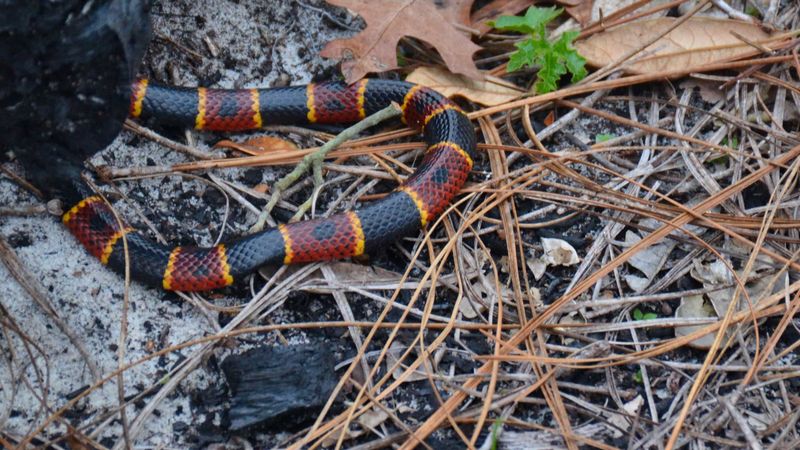
Six. Out of dozens of species living across the Sunshine State, that is the total number of venomous snakes.
Knowing them by name is one of the smartest things a Floridian can do.
Here is the list:
The eastern coral snake has bright red, yellow, and black bands. The southern copperhead wears hourglass shapes in copper and tan.
The cottonmouth, also called the water moccasin, often hangs out near ponds and opens its white mouth as a warning.
Three rattlesnakes round out the group. The eastern diamondback is the largest, with bold diamond patterns.
The timber rattlesnake lives mainly in north Florida, while the tiny pygmy rattlesnake shows up statewide and has a rattle so small it sounds like a buzzing bug.
A popular rhyme helps with coral snakes: red touches yellow, watch out, fellow. Still, rhymes are not perfect, so treat any snake you cannot identify with caution.
If someone gets bitten, stay calm and call 911 right away. Keep the person still, remove rings or tight items, and do not try to cut the wound or suck out venom.
Bites are rare, and treatment works well when help arrives quickly. A little knowledge keeps you prepared, not scared.